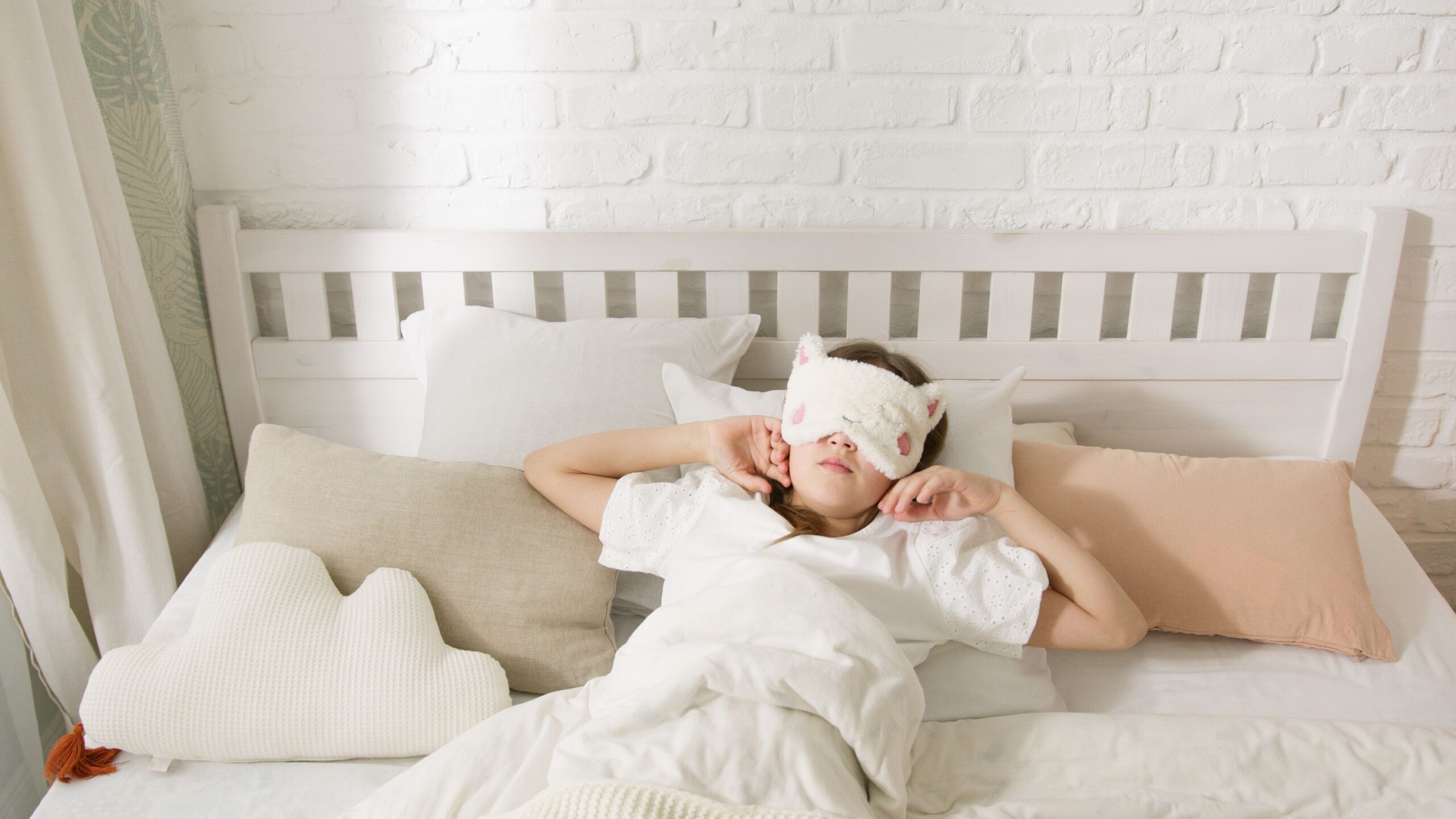

Most people have experienced it at least once: you check into a hotel, collapse onto an unfamiliar bed, and wake up feeling genuinely rested in a way that seems almost unfair given that you’re nowhere near home. It’s not just your imagination, and it’s not simply about the mattress. The reasons are rooted in a mix of sleep science, environmental design, and psychology.
What’s striking is that so many of these factors are invisible in the moment. You don’t consciously notice that the room is two degrees cooler than your bedroom at home, or that the curtains block light more completely than your blinds do. Yet each of these small differences quietly adds up to a meaningfully better night’s sleep.
The Psychological Distance Effect: Your Brain Leaves Its Worries at the Door

When you’re physically away from your usual environment, including work, household chores, and unfinished tasks, your brain can relax more easily. Hotels create that distance automatically, with no reminders of things to do, no visual clutter, and no responsibilities staring at you from across the room.
Many people have conditioned their brains to associate their bedroom with just about everything except sleep, from checking social media to answering emails or lying awake worrying. Over time, all that scrolling and working in bed can teach your brain to associate the bed with wakefulness rather than rest. A hotel room arrives without that history. It’s a clean slate.
Blackout Curtains Do More Than Block the Sun

According to sleep medicine specialists, darkness plays one of the most important roles in getting quality sleep. At home, streetlights, passing cars, and even standby lights from electronics chip away at the darkness that your brain needs to properly wind down.
Many hotels use blackout curtains to block light completely, alongside air conditioning for ideal sleeping temperatures and soundproofing to minimise noise, all of which are factors proven to improve sleep quality. These aren’t luxury features; they’re considered standard in well-designed hotel rooms because they work.
Temperature: The Detail Most Home Sleepers Get Wrong
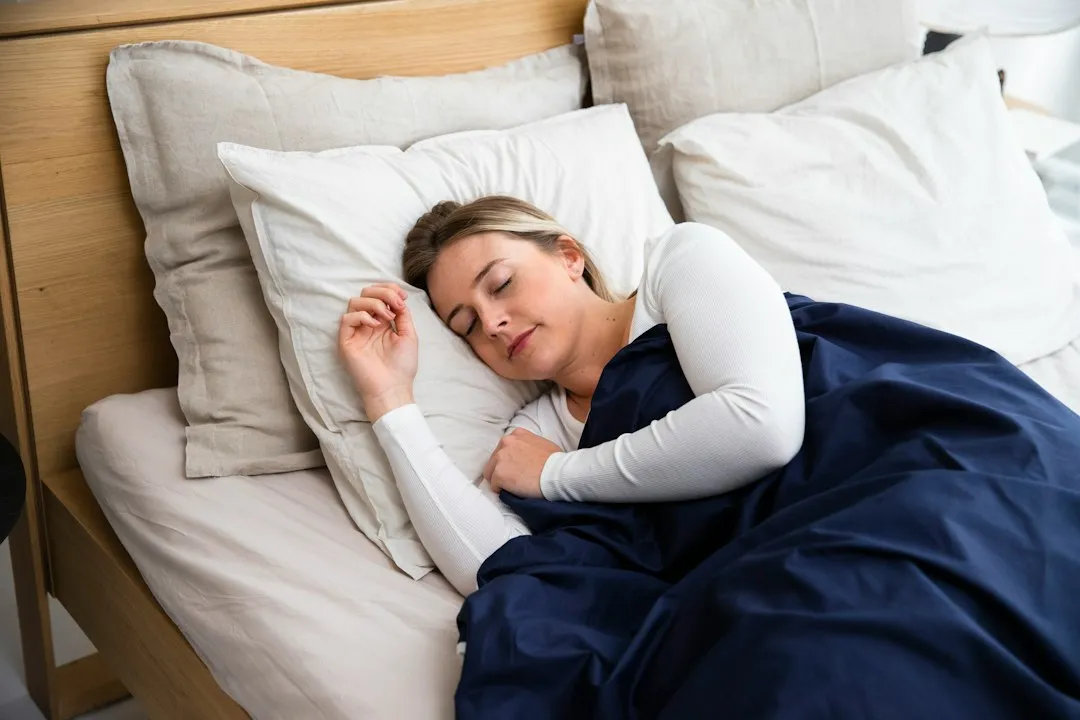
Research shows the ideal sleep temperature is around 65°F, yet many people at home don’t adjust their thermostats at night. Hotels keep their rooms cool and often provide breathable, lightweight bedding, which promotes deeper sleep.
A study published in a peer-reviewed journal found that a rise of just 1°C in bedroom temperature is associated with an approximate reduction in sleep efficiency, while elevated CO2 levels compound the effect further. Hotel climate systems maintain consistent temperatures throughout the night in a way that most home heating or cooling systems simply don’t.
Minimal Clutter Calms a Busy Mind
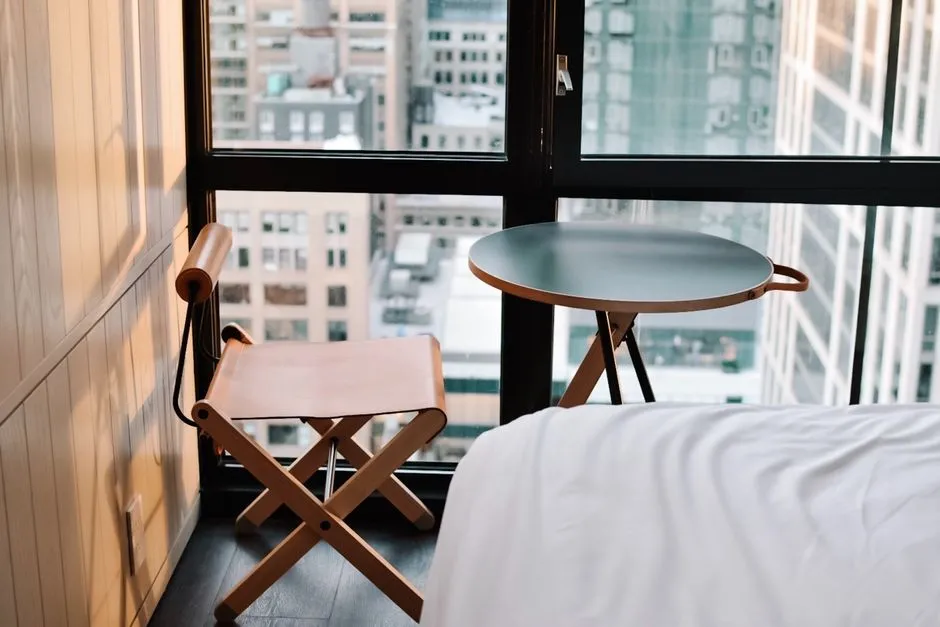
Hotel rooms are clean, minimal, and free from the distractions and emotional baggage of home. There are no piles of laundry whispering your name, no half-finished projects on the nightstand. Just a bed, a lamp, maybe a chair, and peace.
According to research published in the Journal of Neuroscience, visual clutter competes for your brain’s attention, which can raise stress levels and delay sleep. When your space is serene, your brain feels safe enough to power down. The stripped-back aesthetic of a hotel room isn’t just stylish. It’s functional.
Hotel Lighting Is Engineered to Work With Your Body Clock

Research into the psychophysiological impact of hotel lighting found that a subset of guests accommodated in rooms with dynamic lighting systems, which adjusted intensity and color temperature across different zones in alignment with the time of day, had measurably different outcomes compared to a control group in static lighting.
Hotel guests exposed to chronobiologically customised lighting reported higher levels of well-being compared to those in the control group, accompanied by a subjective reduction in stress, fatigue, and discomfort. The adapted lighting also contributed to improved sleep quality. Warm, low-blue light in the evening supports melatonin production and sleep initiation, according to research in the Sleep Health Journal.
Fresher Air Than You Might Expect at Home
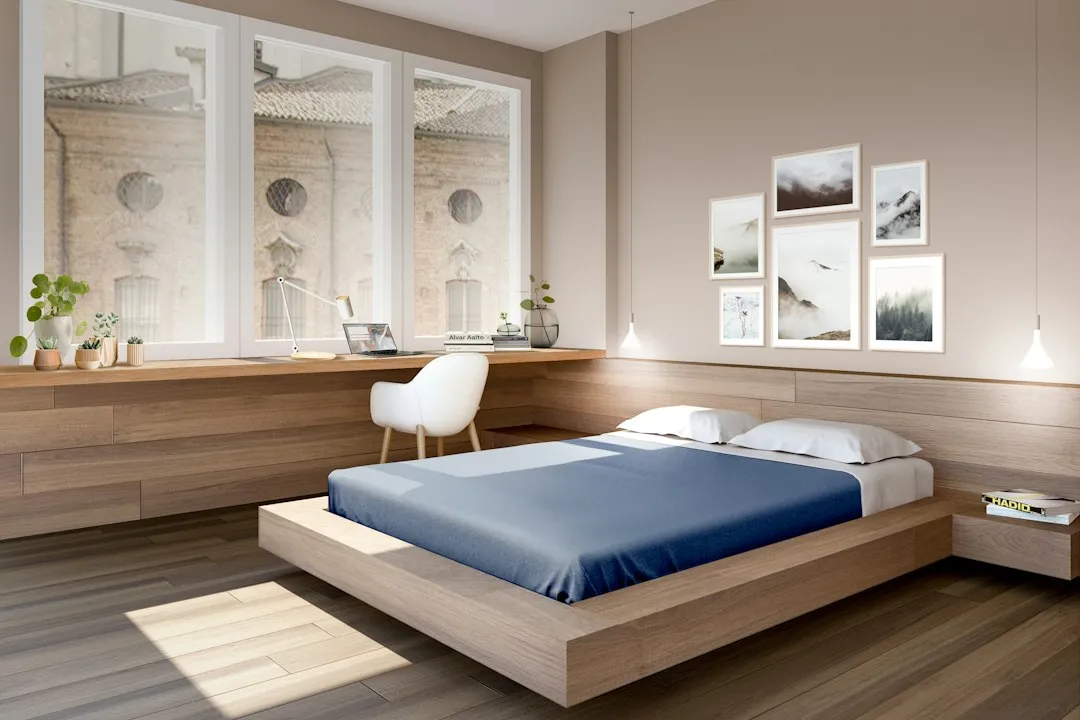
A 2024 study published in Environmental Science and Technology found 94 compounds substantially elevated in bedroom air during sleep compared to other rooms in the same home. This kind of chemical buildup happens gradually in spaces that aren’t regularly ventilated, and most people sleep in the same bedroom night after night with windows closed.
Hotel rooms with dedicated fresh-air ventilation start this accumulation process fresh for each guest, unlike a home bedroom that may not have had a window opened in days. It’s a small but measurable difference in air quality that can influence how deeply you sleep.
The Room Has One Purpose, and Your Brain Knows It

Hotel rooms are intentionally designed, almost down to the last detail, to help your brain switch off and stay off. The lighting, the quiet, the layout, and even subtle psychological cues work together to make sleep feel effortless.
When you’re in a new place like a hotel, you subconsciously see it as a blank slate. You’re more likely to follow your ideal routines and less likely to default to bad habits. There’s no television you’ve watched a hundred times, no phone charger in the usual spot, no habitual triggers pulling you away from rest.
Sound Control: The Invisible Architecture of a Good Night

Sudden noises are more likely to disrupt sleep than steady background sounds. Many hotel rooms naturally produce a low, consistent hum from air conditioning or ventilation systems, which acts as a form of white noise, masking sudden disruptions from corridors or outside the building.
Research from Harvard Medical School found that a noisy air conditioner, noise from outside the hotel room, and noise from adjacent rooms were among the strongest predictors of poor guest sleep, which explains why higher-end hotels invest in soundproofing as a core feature rather than an afterthought. When it works, the effect is immediately noticeable.
The First-Night Effect: Why Night Two Is Often the Best
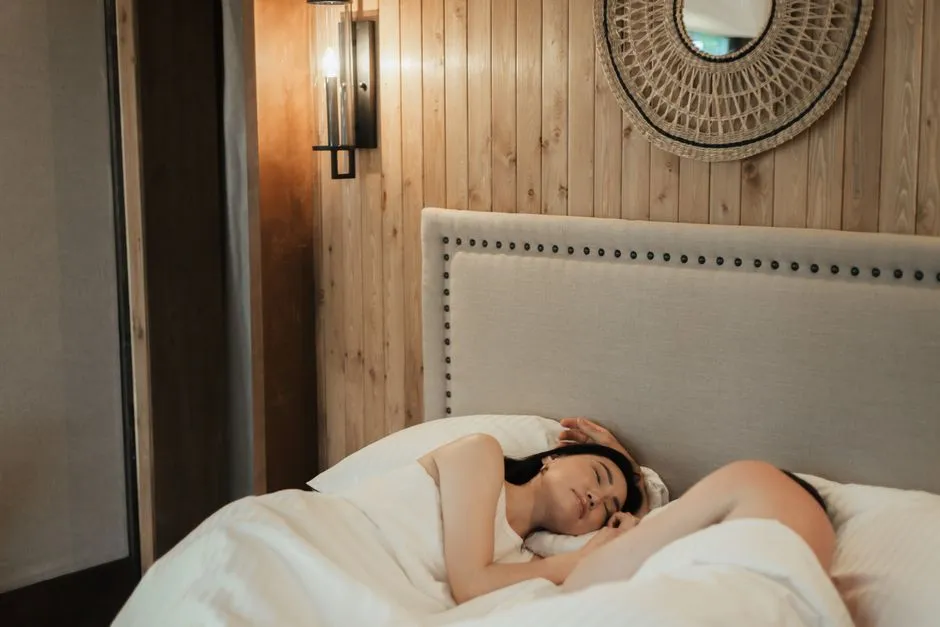
The First-Night Effect is a well-documented phenomenon characterised by disrupted sleep quality during the first night spent in an unfamiliar environment. On that first night, individuals typically experience longer time to fall asleep, increased wake time, and delayed onset of REM sleep.
Research found that on the first night in a new environment, one side of the brain stayed in a lighter sleep than the other, essentially acting as a biological security guard. Evidence suggests the effect fades after the first night, which is why the second and third nights in a hotel often feel noticeably more restorative. Many travellers who stay multiple nights report their best sleep of the trip toward the middle or end of the stay.
Sleep Tourism: A Growing Recognition That Environment Matters
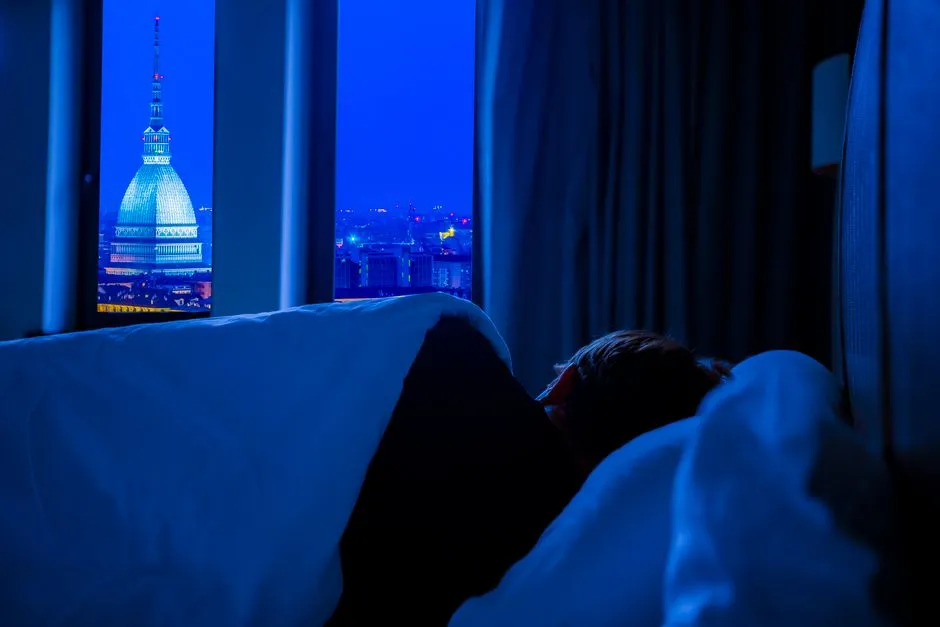
The online travel agency Skyscanner released a Travel Trends report for 2024 and found that sleep tourism is increasingly on people’s minds, with travellers deliberately choosing destinations and accommodations based on how well they expect to sleep. The hotel industry has taken note.
Guests who reported better-than-expected sleep rated their entire hotel stay, on average, 114 points higher on a 1,000-point scale, making sleep quality one of the most commercially significant factors in guest satisfaction. Hotels are responding with dedicated sleep programs, circadian lighting upgrades, and curated bedding selections that go well beyond thread count.
The Takeaway

The hotel room advantage isn’t magic, and it isn’t really about the mattress. It’s the result of a carefully controlled environment, cooler temperatures, deeper darkness, cleaner air, and a brain that’s finally free of its usual mental to-do list. The good news is that most of these factors can be replicated at home with some deliberate attention.
What the research keeps pointing back to is something simple: sleep responds to its environment far more than most of us realise. The hotel room just happens to get most of those variables right by default. Your bedroom could do the same, with a little intention applied in the right places.
AI Disclaimer: This article was created with the assistance of AI tools and reviewed by a human editor.