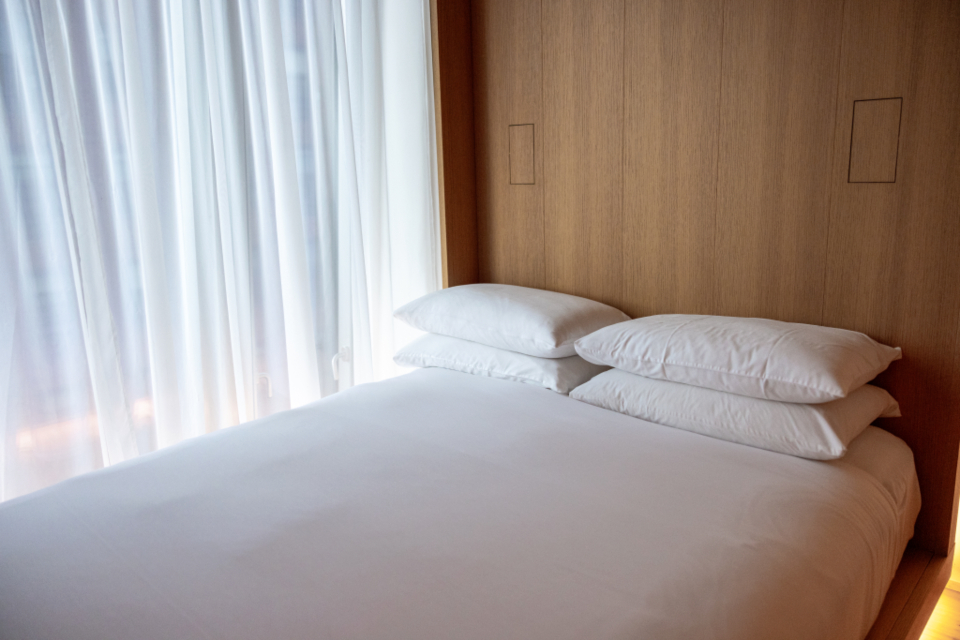

The Material Advantage Starts at the Core

Most pillows used at home are filled with basic polyester or low-grade down, while luxury hotel pillows use premium white goose down with high fill power, which brings more loft, better bounce-back, and longer durability. This isn’t a small difference. The feel between low-grade polyester and high fill-power down is immediately noticeable.
The premium option in hotel bedding typically offers the highest fill power, ranging from 600 to 800 and above, exceptional softness, and the longest lifespan with proper care reaching 8 to 10 years. That kind of longevity simply isn’t possible with budget synthetic fills, which flatten out within a year or two of regular use.
The Dual-Chamber Construction Most People Don’t Know About
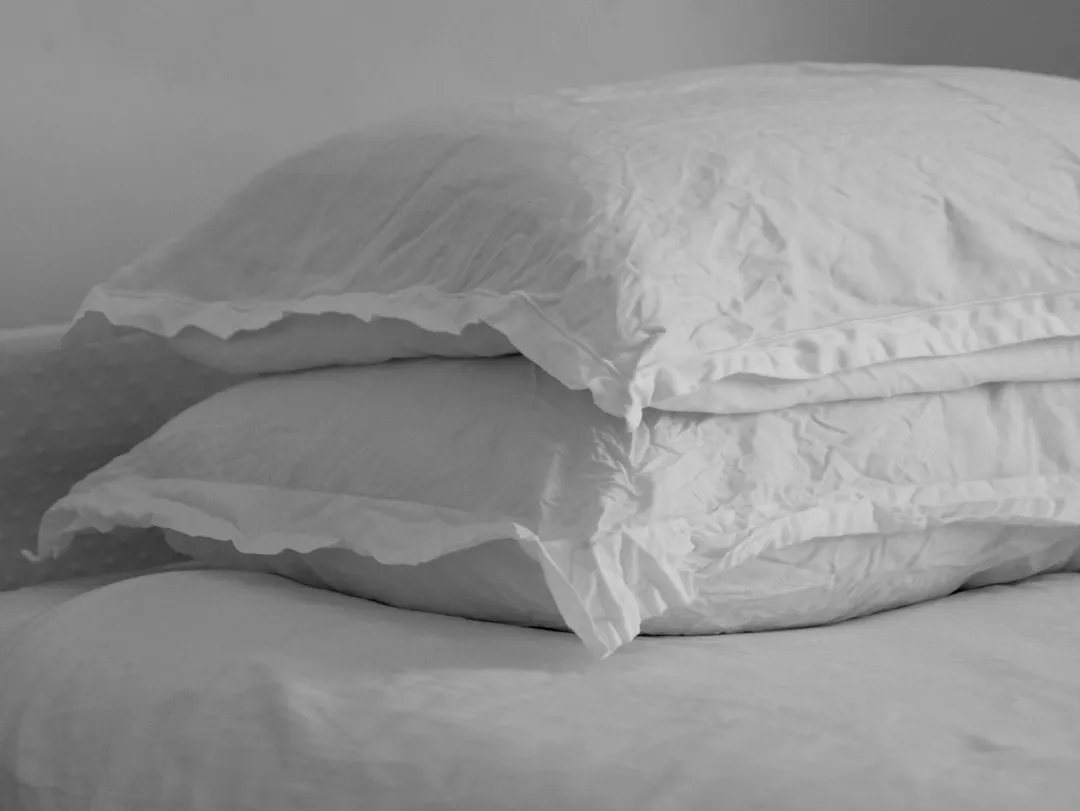
Hotel pillows more often use a dual-chamber design, with feathers in the core for better structure and down on the outside with down-proof encasements. That’s why they feel firm enough to support your neck yet soft enough for a comfortable sleep.
The core of the pillow typically consists of mainly feather, which is firmer, surrounded by mainly down, which is softer. These layers are known as chambers, and it’s the precise ratio of feather to down that determines how comfortable and supportive a pillow feels. At home, most people are sleeping on a single-material pillow that can’t replicate that layered balance.
Fill Power Is the Number You Should Actually Care About
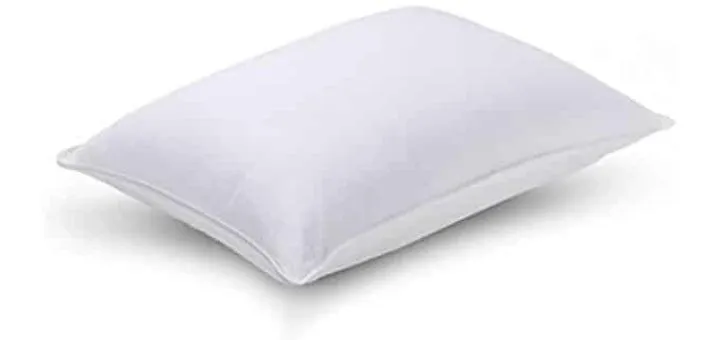
Luxury hotel pillows use premium white goose down with high fill power, which brings more loft, better bounce-back, and longer durability. For comparison, a pillow filled with a fill power of 600 can hold its shape for a longer period than one with fill power of 300.
Higher fill power provides better support. Down pillows in five-star hotel settings typically carry a fill power of 700 with a thread count of 300 on the shell. When shopping at home, fill power is one of the most underused pieces of information on a pillow label, yet it’s one of the most predictive of long-term comfort.
Breathability: Why Hotel Pillows Don’t Feel Hot

Down and feather is such a popular hotel pillow filling partly because it’s naturally breathable, allowing up to three to four times more air circulation than synthetic-filled pillows. Moisture can escape more easily, which is more hygienic and also helps keep dust mites, which are attracted to moisture, at bay.
Natural materials wick moisture and dissipate heat more effectively than synthetics. That thermal comfort plays a bigger role in sleep quality than most people realize, especially if you tend to run warm at night. A pillow that traps heat disrupts the body’s natural cooling process during sleep.
The Allergy Myth That’s Been Getting It Backwards

Research published in the Annals of Allergy, Asthma and Immunology found that synthetic pillows accumulate dust-mite allergen faster than feather pillows. The tightly woven casings required to contain feathers provide better allergen protection than loose synthetic covers.
This surprises a lot of people. The assumption that feather and down pillows are worse for allergy sufferers has persisted for years, but the evidence points the other way. Down-alternative pillows with a tightly woven, zippered pillow protector provide the best allergy protection for those who still prefer to avoid animal-based materials entirely.
Commercial-Grade Standards vs. Retail Pillows
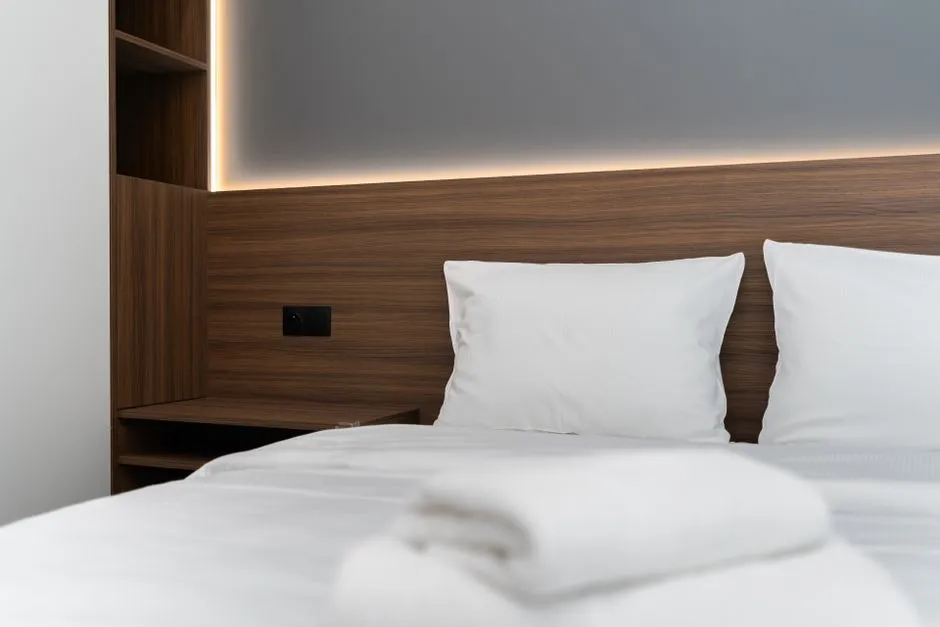
Hotels use commercial-grade pillows designed for durability and consistent performance across diverse users. That’s a meaningfully different design brief than the average retail pillow, which is typically made to feel good in a store for a few seconds, not to hold up under daily use by hundreds of different sleepers over time.
At home, pillows are frequently picked without much consideration given to the quality of the fill or density. Hotel pillows are made to be comfortably in the middle, meaning they avoid the extremes of too soft or too firm in order to work for the widest range of body types and sleep positions. That intentional neutrality is part of what makes them feel universally good.
Freshness and Maintenance Play a Bigger Role Than You’d Expect
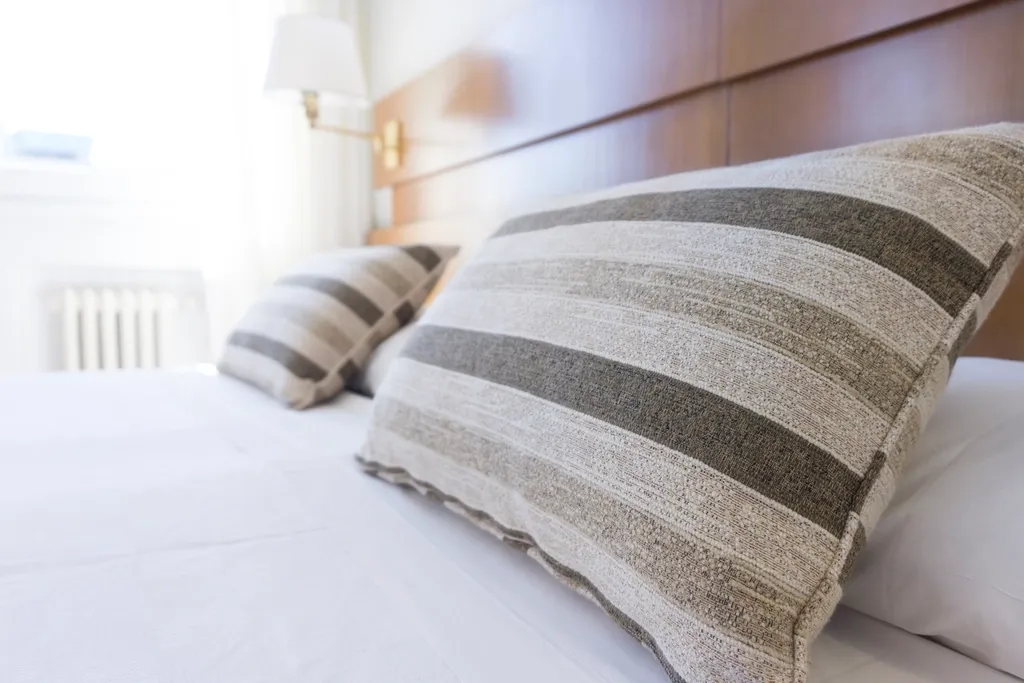
Hotel pillows go through cleaning, fluffing, and replacement processes far more often than those used at home. This uniformity is key to the way the pillows feel every night. A fresh, well-maintained pillow simply performs differently than one that’s been compressed night after night for two or three years without washing.
Clean pillows feel better. At home, pillows often go months without deep cleaning, and the pillows themselves may be years old. The 2-2-1 pillow rule is a guideline for better sleep and hygiene: replace your pillows every two years, wash them two times a year, and use one pillow per person. Following this helps prevent the buildup of allergens and bacteria, giving you a fresher sleeping environment.
When to Replace Your Pillows (Most People Wait Too Long)
Out of 2,200 men and women surveyed, only 18% knew they should replace their pillows after a certain time. That statistic is worth sitting with for a moment. The vast majority of people are sleeping on pillows well past their useful life without realizing it.
Experts suggest replacing your pillow at least every two years to make sure it’s still doing the important work of keeping your head and neck aligned with your spine. Synthetic fill pillows typically last one to two years before they lose shape and become unsupportive. Hotels replace their pillows long before that point, which is part of why they always feel fresh.
The Pillowcase Matters More Than You Think
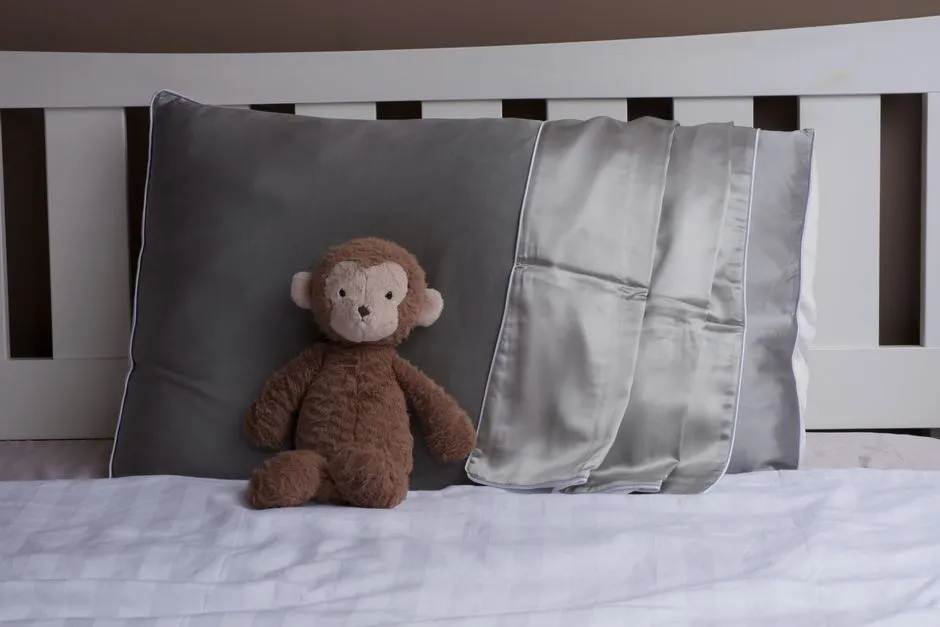
Cheaper pillowcases at home can feel rough, sticky, or warm, which makes even a good pillow seem uncomfortable. The shell and cover are the first things your face actually touches, and their quality directly shapes the experience, regardless of what’s inside.
Silk and satin pillowcases have a smoother surface than many conventional woven cases. Hotels typically use high thread-count cotton covers that feel cool and smooth against the skin. If you’ve invested in a better pillow but kept the same old pillowcase, you’re only solving half the problem.
How to Recreate the Hotel Pillow Experience at Home
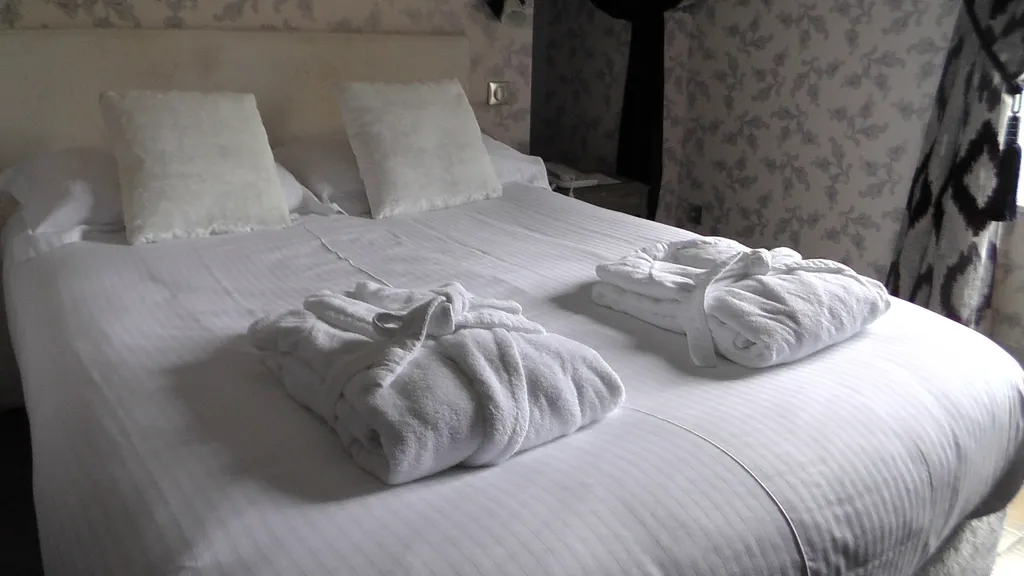
The closest match to a hotel pillow is a dense down alternative or a down-and-feather chamber blend in a cotton shell. Most luxury hotels use a combination: 100% white goose down pillows with 600 to 700 fill power as the primary option, with down-alternative or memory foam pillows available on request. You can replicate this layered approach at home by choosing a dual-chamber pillow with a high fill-power rating.
Some hotel-style down alternative pillows use the same high-quality materials and sophisticated design you might encounter in a luxury hotel suite. Plush polyfill clusters effectively mimic the plushness and lightness of real down without any animal-based materials or allergy triggers. These options bring the hotel experience within reach for most budgets.
Fluffing your pillow regularly ensures that it remains a comfortable surface for resting your head and doesn’t flatten too quickly. Pair that habit with a good pillow protector, a smooth high thread-count pillowcase, and a replacement schedule of roughly every one to two years, and the results at home will get noticeably closer to what you’ve been chasing in hotel rooms.
The Takeaway
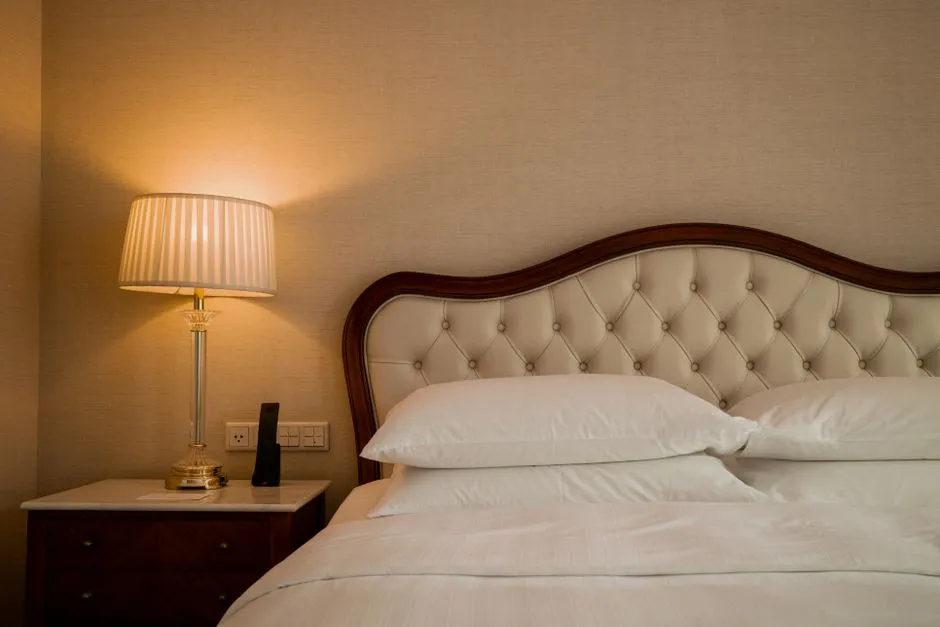
The hotel pillow mystique isn’t really a mystery. It’s the result of better materials, smarter construction, consistent upkeep, and a replacement schedule that most households simply don’t follow. None of it is out of reach.
The bigger realization is that the pillows most of us sleep on at home are well below the standard hotels have been quietly setting for years. Closing that gap is mostly a matter of knowing what to look for, and then actually acting on it. A good night’s sleep at home shouldn’t require checking into a hotel to find it.
AI Disclaimer: This article was created with the assistance of AI tools and reviewed by a human editor.