
The Distance Between Your Water Heater and the Faucet
The single most straightforward reason hot water is slow to arrive is simple geography. If the heater sits far from the faucet or your home has multiple levels, the water has to travel a long path to reach its destination. The longer that path, the more time it takes.
Hot water pipes rarely take the shortest distance from the water heater to a fixture. In one documented case, a pipe going straight from the water heater to a kitchen faucet would have been about 40 feet long, but the actual hot water pipe measured about 80 feet long. Routing around walls, floors, and structural elements adds up quickly.
In a large house, it’s not unusual for 50 feet of piping or more to extend from the water heater to the most distant fixtures, and with that length, it can take a long time for hot water to reach the tap while all the water in between goes down the drain.
Cold Water Already Sitting in the Pipes
This one surprises a lot of people. The delay isn’t just about how fast hot water travels. It’s about what’s already sitting in the pipe. Hot water usually takes a long time to reach a faucet or shower because cooled water is sitting in the hot-water pipe between the water heater and the fixture.
If your home doesn’t have a hot water recirculation system, the water sitting in the pipes cools down between uses. Every time you turn on the hot water, you have to flush out the cooled water in the line before warm water reaches the tap. This is especially common in older homes or those without modern plumbing layouts.
This is especially true in the morning when the pipeline is filled with once-hot water that has cooled overnight. When hot water is desired, a common practice in many households is to open the hot water handle and flush out the cooled water, resulting in a substantial loss of clean, potable water.
Pipe Diameter Plays a Bigger Role Than You’d Think
The width of your pipes isn’t just a construction detail. It directly controls how much cold water you have to push out before the hot stuff arrives. Larger diameter pipes hold more water, which means more cold water must be flushed out before the hot water can arrive.
Fifty feet of half-inch diameter pipe holds 0.8 gallons, while the same length of three-quarter-inch pipe holds 1.4 gallons and one-inch pipe holds 2.3 gallons. That difference in volume translates directly into extra seconds, sometimes extra minutes, of waiting.
Pipe diameter plays a major factor in how quickly hot water can travel. Larger pipes mean more water inside of them, so it takes longer for hot water to get to any given faucet. In the same vein, thicker pipes draw more heat out of the water before it can reach its destination.
Low Flow Faucets and Water-Saving Fixtures
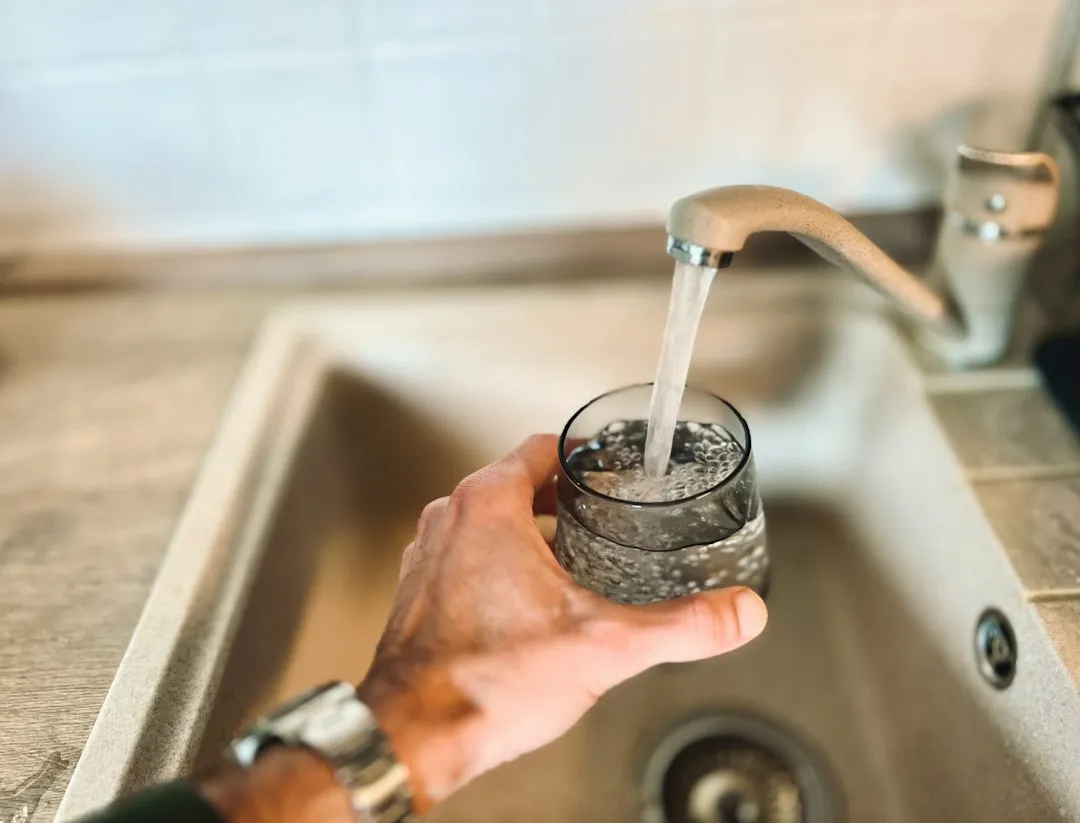
Water-efficient fixtures are a good thing for conservation overall. The tradeoff, though, is that they slow down delivery of hot water to the tap. The flow rate of the faucet or showerhead affects the delay in hot water because it affects how quickly the cooled water sitting in the pipes is emptied, and this is especially true with water-conserving bathroom faucets and showerheads.
If you have a water-conserving bathroom faucet that delivers only a half-gallon per minute and most of the piping in the house has three-quarter-inch piping, a 50-foot run from the water heater requires almost three minutes to get hot water to your sink. That’s a long time by any measure.
Some fixtures, like showerheads and faucets, have a device called a volume restrictor installed. Generally, this device helps you conserve water but can also affect your use of hot water. By controlling the water flow, it can double the time it takes for hot water to flow.
Pipe Insulation and Heat Loss Along the Way
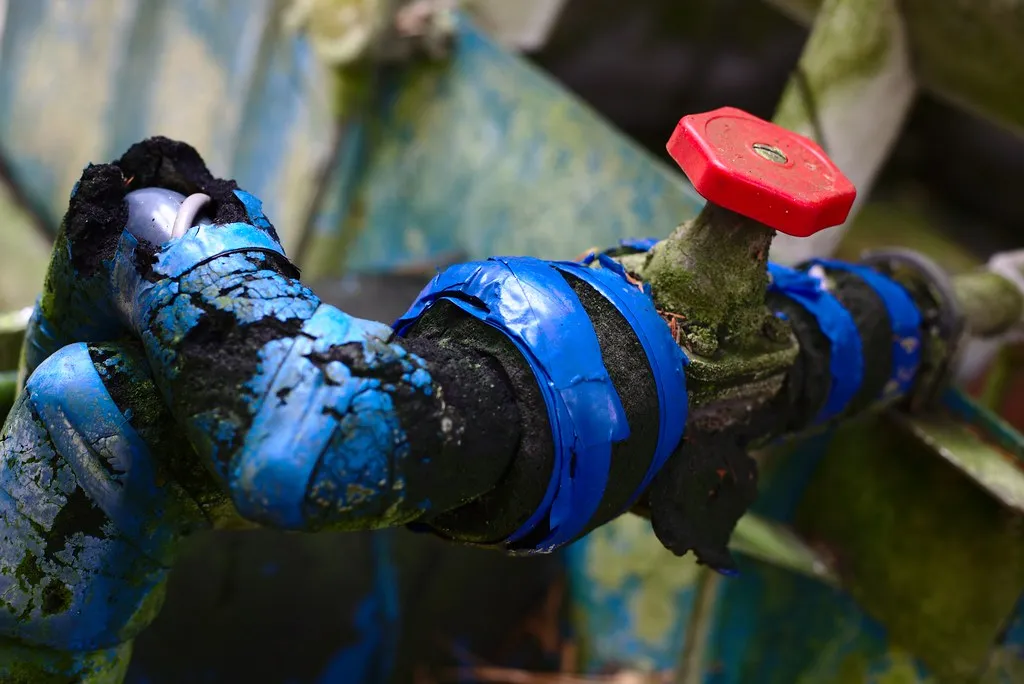
Even if hot water leaves the heater at the right temperature, it may lose significant heat before it reaches you. If your hot water pipes aren’t insulated, they lose heat more quickly, especially during colder periods. The water arriving at your tap may be barely warm rather than actually hot.
Cold temperatures can impede your water heater from functioning effectively. Some pipes in your walls may tend to absorb the cold in their surroundings, causing the water in them to cool. This is a particular problem in unheated basements, crawl spaces, and exterior walls.
As a countermeasure, some individuals insulate their pipes, which can improve how they maintain the heat in the water heading toward your faucet. It’s one of the cheaper and more effective upgrades available to homeowners dealing with this issue.
Tankless Heaters Aren’t Always Instant
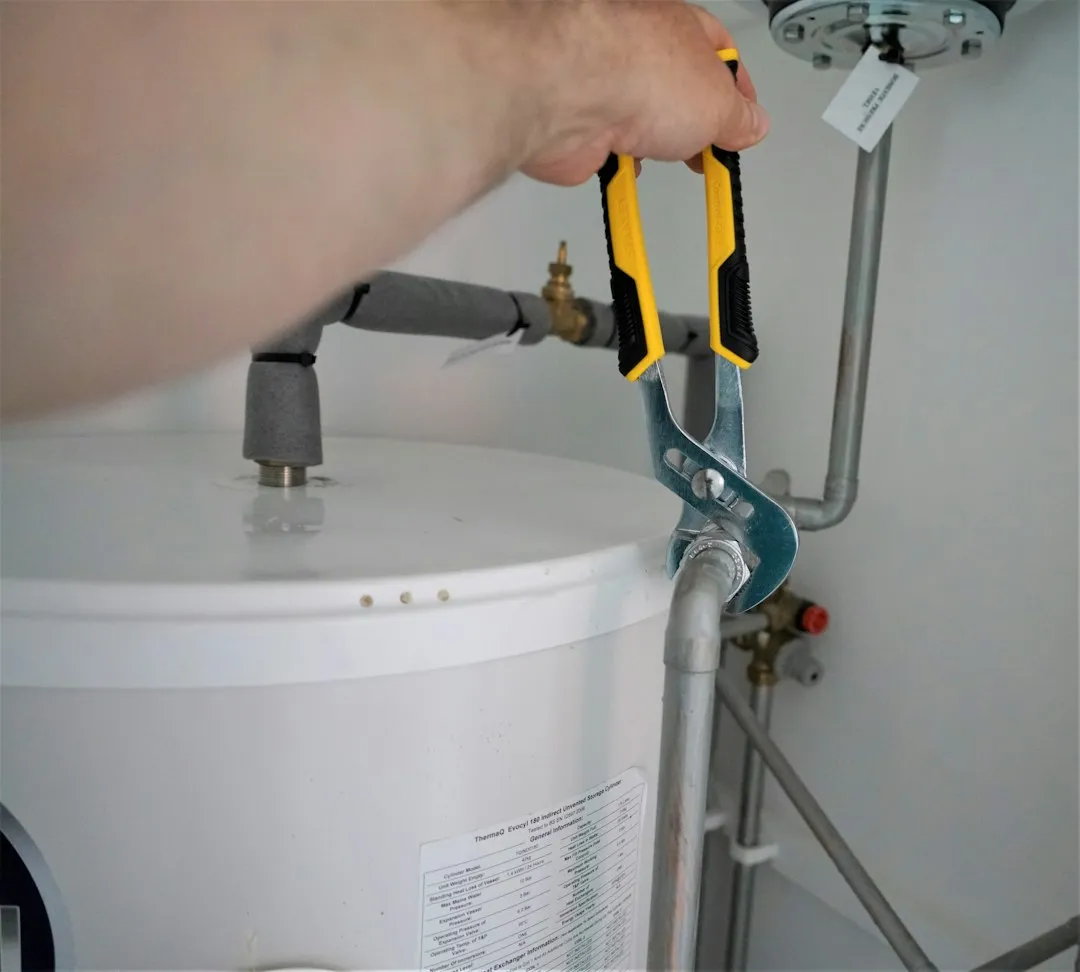
The marketing around tankless water heaters often implies near-instant hot water. The reality is more nuanced. Tankless water heaters are commonly described as “instant” or “on-demand,” but although they may supply hot water continuously as long as a fixture is open, it still takes time for the hot water to reach the fixture from the heating source.
The amount of time before hot water flows depends on the proximity of the fixture to the water heater and the size of the header and distribution line, but in residential and commercial buildings it often takes 20 seconds or longer before hot water flows from a fixture.
Tankless water heaters are great for energy efficiency and endless hot water, but they don’t always deliver instant hot water. In fact, they can make hot water delays more noticeable in some situations. The gap between the unit and a distant bathroom or kitchen can be just as problematic as with a standard tank.
Time of Day Affects the Wait
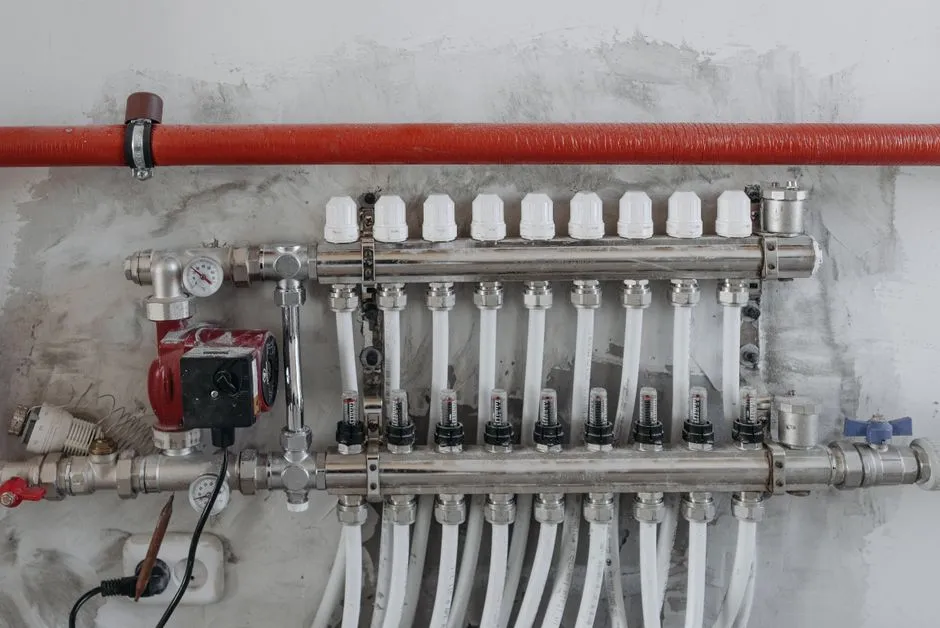
Not all waits are created equal, and when you use hot water matters as much as where you use it. Several hours after last use, the pipe may still be called the “hot-water line,” but the water inside it may no longer be hot at all. Morning showers tend to feel like the longest waits for exactly this reason.
For a 100-foot pipe length, one has to wait almost 85 seconds before the hot water arrives at the fixture, during which time water that had been previously heated pours down the drain. That’s real, measurable waste happening every single morning in millions of homes.
A two-gallon-per-minute lavatory faucet in a fully open position through a one-inch hot water main can have a waiting period of 128 seconds, which means more than two minutes standing at the sink watching cooled water pour out. The numbers become significant when you consider how often this happens each day.
The Scale of Water Waste Is Significant
It’s easy to think of a few seconds of running water as trivial. Across an entire year, the numbers tell a different story. Many engineers and water technicians have determined that the average American home wastes about 10,000 to 15,000 gallons of water annually while running cooled water down the drain before hot water arrives at the sink.
The wait time required varies based upon the length and diameter of the distribution pipe from the heater to the sink. In many homes the wait can be three minutes or more, during which time six or more gallons of potable water are wasted.
The average home wastes 26 hours per year waiting for hot water. That’s time spent standing at a sink doing nothing, compounded across everyone in the household, every single day.
Recirculation Systems Can Change the Equation
Once you understand the problem, the fix becomes clearer. Recirculation systems exist specifically to address the cold-water-in-the-pipe issue. In a water heating system, a recirculation pump circulates hot water from your water heater through your pipes and back, which means hot water is waiting at the fixture. Without recirculation, cold water sitting in the pipes will be wasted down the drain while you wait for hot water.
A hot water recirculation system uses a pump to move water through the home’s hot-water plumbing so hot water can reach fixtures faster. Some systems run continuously, while smarter ones use timers or occupancy sensors to reduce energy consumption.
A recirculation setup can save an estimated 12,000 to 15,000 gallons of water each year. It can also reclaim part of the roughly 26 hours many households spend waiting for hot water annually. However, the wrong pump, loop design, or control setting can cause extra energy use, short cycling, or compatibility problems with a tankless unit.
Plumbing Layout and Home Design Compound Everything
The shape and structure of your home has a direct impact on how efficiently hot water travels. The farther a bathroom is located from the water heater, the longer it may take for heated water to travel through the plumbing system. Larger homes or homes with more complex plumbing layouts often experience longer wait times before hot water reaches certain fixtures.
Another reason for excessive pipe lengths is the design of the water distribution system that connects the water heater to the fixtures. When a central water heater has to serve multiple wings of a house, some runs simply become very long by necessity.
If hot water delivery changes noticeably over time, it may indicate a developing plumbing issue. Mineral buildup, valve problems, water heater performance changes, or restrictions within the plumbing system can all contribute to slower hot water delivery. So while long waits are often structural, a sudden change in timing is worth investigating.
Final Thoughts
The delay at the faucet isn’t a mystery, and it usually isn’t a malfunction. It’s physics working against a plumbing system that wasn’t necessarily designed with instant delivery in mind. Distance, pipe size, insulation, flow rates, and heater type all layer on top of one another to produce the wait you experience every morning.
What’s worth taking seriously is the cumulative cost of that wait. Thousands of gallons of drinkable water going down the drain each year, compounded across millions of households, adds up to something genuinely worth solving. Recirculation systems, pipe insulation, and thoughtful heater placement are real, proven solutions, not just upgrades for convenience.
The faucet at the end of the long hallway isn’t broken. It’s just asking you to think a little more carefully about how your home moves water around. Sometimes that’s all it takes to decide the fix is worth it.
AI Disclaimer: This article was created with the assistance of AI tools and reviewed by a human editor.