
The Carbon-Nutrient Balance: Plants Choosing Between Growing and Defending
One of the most studied frameworks for understanding herb flavor is the carbon-nutrient balance hypothesis. According to this hypothesis, there is a direct relationship between the availability of carbon and nitrogen in the environment and secondary metabolite production. The hypothesis predicts a decrease in the concentration of carbon-based secondary metabolites such as phenolics and terpenoids when nutrient availability increases. In practical terms, when a plant has plenty of nitrogen, it puts its energy into building leaves and stems rather than flavor compounds.
When nitrogen is limiting, plants allocate more carbon to secondary metabolites like terpenes rather than to nitrogen-rich primary compounds such as proteins. These secondary metabolites are precisely the molecules responsible for the sharp, peppery, or resinous flavors we associate with quality herbs. Poor soil, in a counterintuitive way, nudges the plant toward producing exactly what our palates appreciate most.
What “Secondary Metabolites” Actually Are, and Why They Matter for Flavor
Phenolic compounds are widespread in plants where they contribute significantly to the color, taste, and flavor of many herbs, foods, and drinks. These are the same molecules that give oregano its bite and rosemary its resinous warmth. They are not nutrients in the traditional sense but rather the plant’s chemical toolkit for dealing with the world around it.
Secondary metabolites are influenced by abiotic and biotic stresses that shape the production of herbal plants in terms of biomass production, accumulation, and partitioning of assimilates of compounds. In plain language, when a plant is stressed by poor soil, harsh sun, or limited water, it ramps up production of these compounds. The more the plant struggles, the more intensely flavored it tends to become.
Rosemary Under Drought: A Case Study in Stress and Flavor
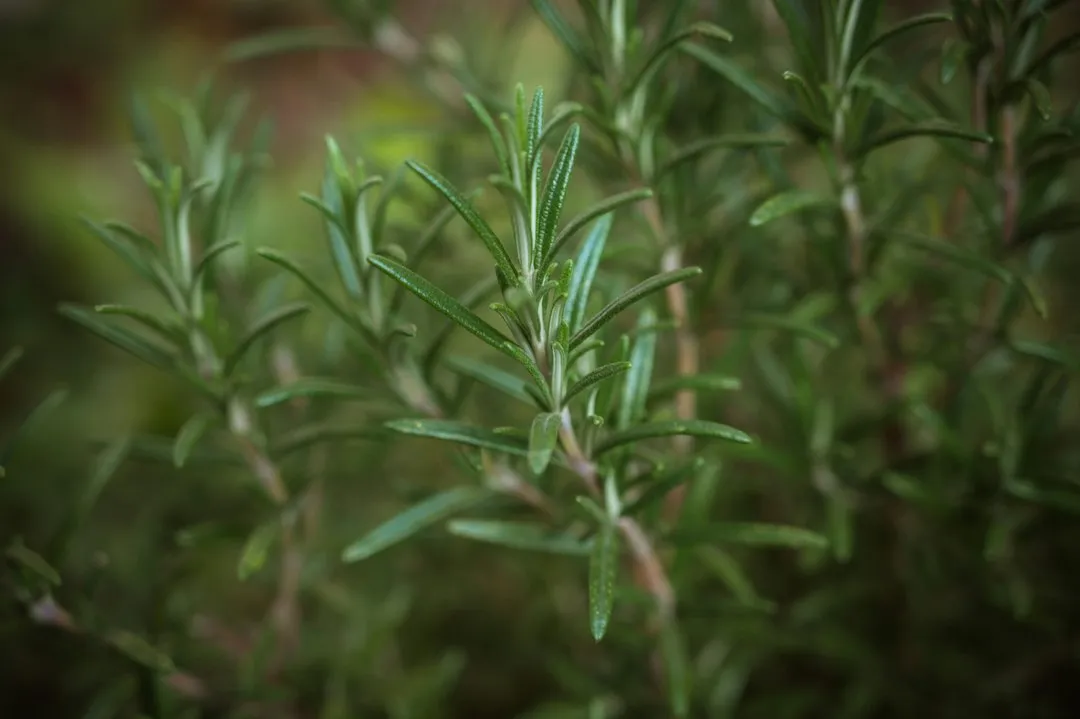
Rosemary is perhaps the best-studied example of a herb that rewards poor conditions with better flavor. When subjected to various stress conditions, rosemary intensifies the production of essential oils as a defensive mechanism, as occurs when it is subjected to drought stress, making it a potentially interesting crop for marginal dryland areas.
Essential oil yield increased by roughly thirty percent in plants of Tuscan Blue cultivar subjected to stress conditions. Additionally, drought stress altered the aromatic profile of the essential oil, resulting in differing percentages of key compounds between stressed and unstressed plants. This is not a marginal change. A thirty percent increase in essential oil yield is the difference between a herb that seasons a dish and one that defines it.
Too Much Nitrogen Kills the Flavor of Mint and Other Leafy Herbs
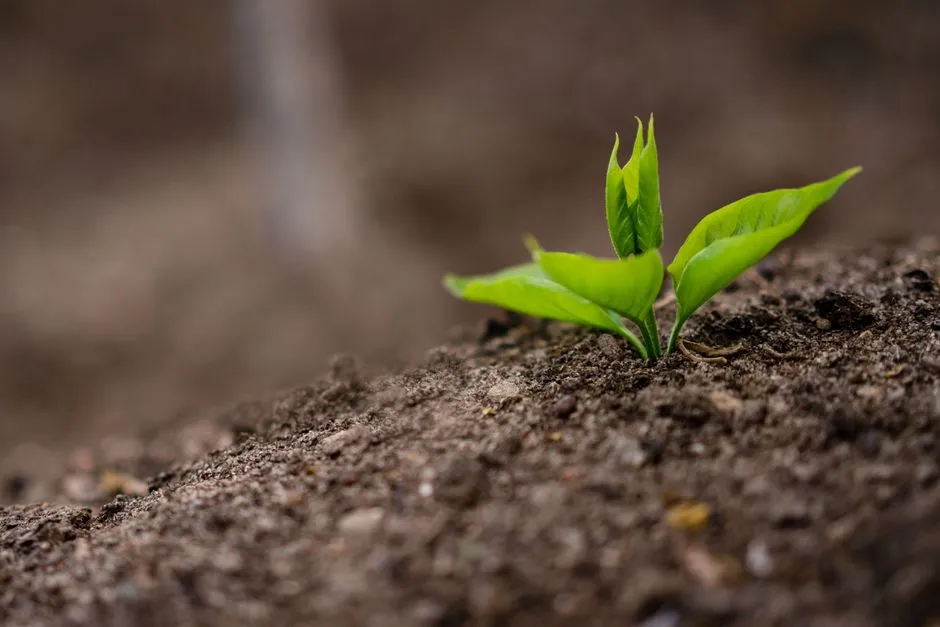
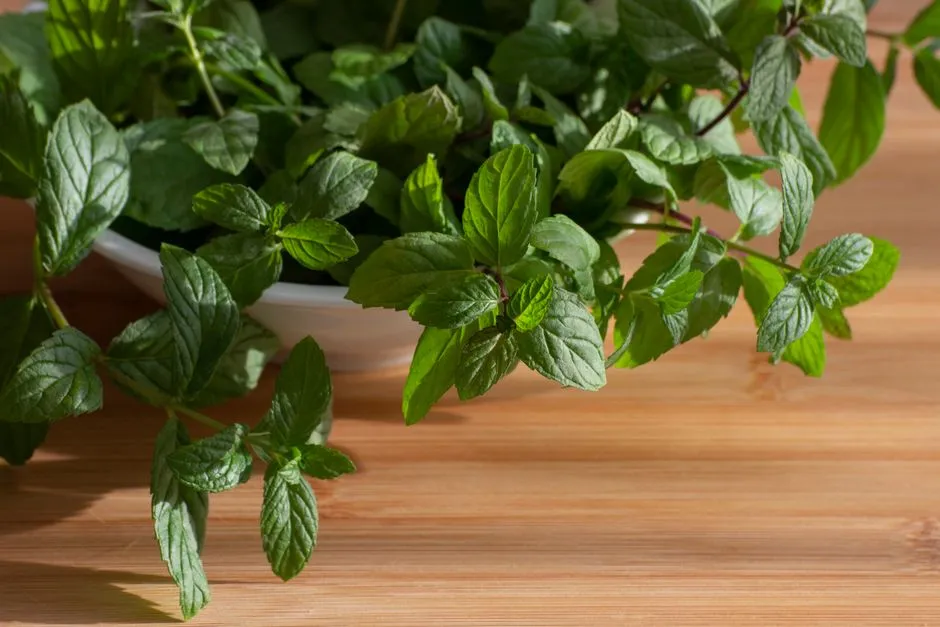
It is tempting to assume that feeding herbs more nutrients makes them better in every way. For flavor, the opposite is often true. In mint cultivation, nutrient management significantly affects essential oil yield and composition. Studies have shown that excessive nitrogen application can reduce menthol content while promoting vegetative growth at the expense of oil production.
Nitrogen promotes lush, green leafy growth, but too much can dilute flavor in herbs. The key is to avoid excessively high nitrogen, which can lead to flavor dilution, particularly in aromatic herbs. The plant grows bigger, greener, and faster, but the concentration of flavor compounds per leaf drops sharply. More biomass, less taste per bite.
Mediterranean Herbs and Their Long Relationship with Lean Soil

Mediterranean herbs like rosemary have much lighter nutritional needs. These herbs are adapted to leaner soils and thrive on less frequent fertilization. Over-feeding can actually diminish their aromatic oils and lead to leggy, less flavorful growth. This is not accidental. Thousands of years of evolving in the rocky hillsides of the Mediterranean basin have shaped their chemistry to perform best under conditions of mild deprivation.
Thyme, sage, lavender, and oregano belong to this same category. Oregano is an important plant widely used in South European cuisine, and it thrives precisely because the thin, alkaline soils of Greece and southern Italy are not particularly generous. The harshness of the terrain is inseparable from the intensity of the flavor these regions are famous for.
Water Stress Boosts Specific Flavor Compounds Measurably

The synthesis of certain essential oil compounds seems to be induced by the presence of abiotic stress. Research on citrus trees published in 2025 confirmed this pattern clearly. Water stress induced a strong momentary increase of limonene, and limonene was also found in higher proportions in September when the trees were in water stress. Limonene is one of the most recognizable and pleasant aroma compounds in cooking herbs and citrus-adjacent flavors.
Lack of water also increases the amount of the secondary metabolite artemisinin in Artemisia, while increasing betulinic acid, quercetin, and rutin in other plant species. The pattern across different plant families is consistent: periodic water stress tends to trigger a shift toward secondary metabolite production, which translates directly into stronger, more complex flavor.
Soil Quality Affects Metabolite Accumulation, Not Just Plant Size

A key finding from recent plant science is that metabolite richness and physical growth do not always move in the same direction. Research has shown that light exposure, soil quality, and plant associations significantly enhanced the production of key secondary metabolites. Interestingly, metabolite accumulation was not directly correlated with biomass, highlighting the influence of abiotic and biotic factors on phytochemical plasticity.
This decoupling of size from flavor concentration is important for gardeners and cooks to understand. A smaller herb plant grown in leaner conditions may contain far more of the compounds you actually want than a larger one raised in enriched potting mix. Metabolic processes can be optimized toward the production of secondary metabolites by manipulating agronomic practices. Soil management, in other words, is flavor management.
The Role of Phosphorus and Potassium in Terpene Production
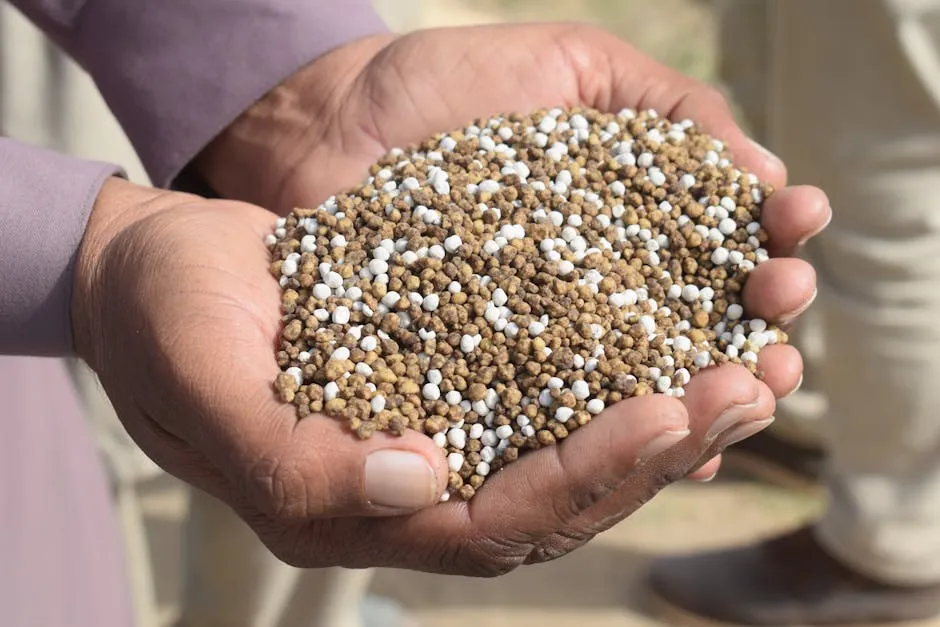
While nitrogen gets most of the attention, other soil nutrients also shape flavor chemistry in important ways. Phosphorus and potassium play particularly important roles in terpene production. Phosphorus is essential for the production of the phosphorylated precursors that initiate terpene biosynthesis, while potassium affects enzyme activation and osmotic regulation under stress conditions.
Moderate nitrogen limitation during the reproductive phase can enhance terpene production by shifting metabolism toward secondary compound synthesis. The practical implication here is nuanced. It is not simply about removing all nutrients but rather about finding the specific imbalances that redirect the plant’s internal chemistry toward flavor-producing pathways rather than growth-producing ones.
Lemon Balm and the Drought-Essential Oil Connection
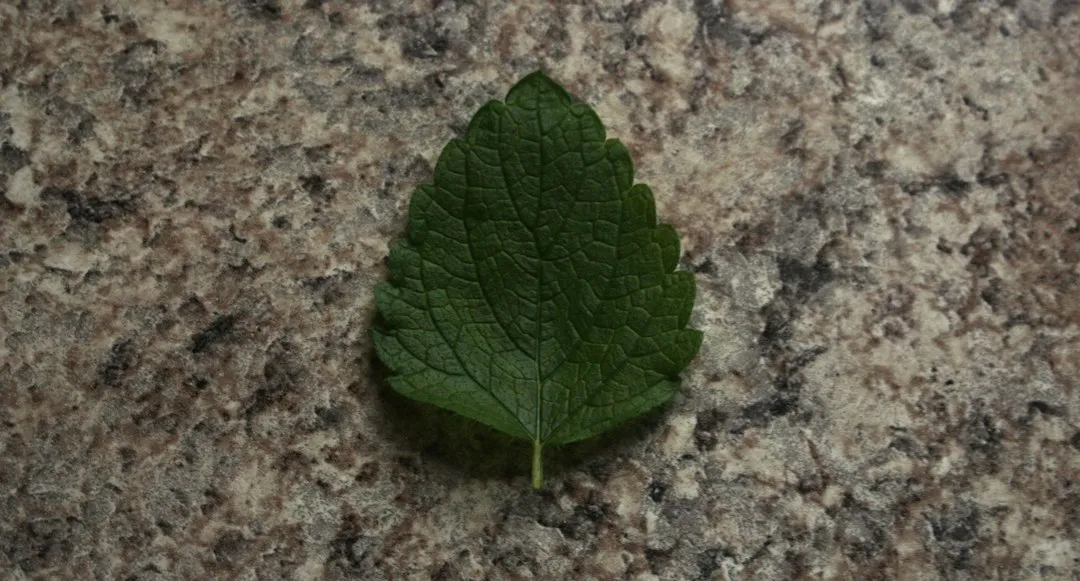
Lemon balm, responds to drought stress by directing biosynthesis toward the MEP pathway, which leads to maximum production of essential oil. This shift in metabolic routing under dry or nutrient-limited conditions is a well-documented survival response. The plant, sensing resource scarcity, essentially prioritizes its chemical defenses over physical expansion.
The highest percentage of certain flavor compounds was detected under drought stress conditions, while other compounds decreased compared to the control group. This means that the aromatic profile of a stressed herb is not simply “more of the same” but actually different in composition, often in ways that culinary tradition has long preferred, even without knowing the biochemistry behind it.
What This Means for Home Gardeners and Cooks
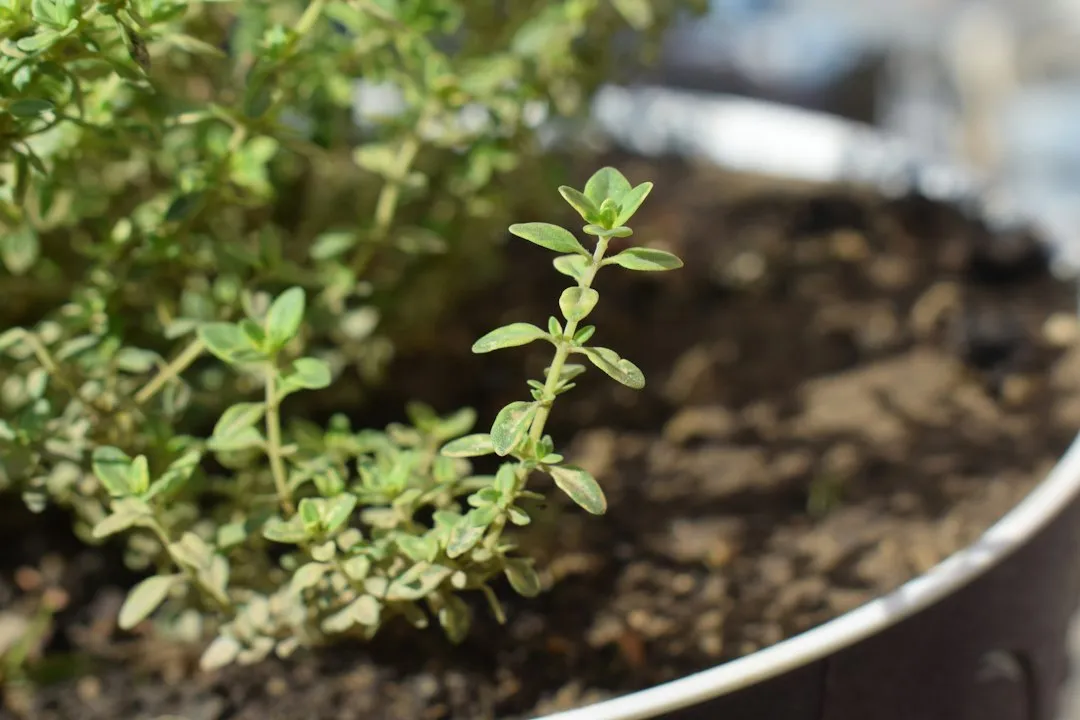
Environmental stresses lead to significant changes in key aromatic compounds such as thymol and carvacrol in thyme, which can directly affect the medicinal and aromatic properties of these plants. For anyone growing herbs at home, this is genuinely useful knowledge. Sandy or gravelly soil, infrequent watering during the growing season, and restrained fertilizing are not signs of neglect but of intentional cultivation.
High nitrogen can lead to excessive leafy growth at the expense of flavor and aroma, and the ideal ratio depends on the specific herb, with woody Mediterranean herbs preferring less nitrogen than leafy annuals. Growing thyme, oregano, or rosemary in a pot with gritty, free-draining soil and watering only when necessary is not laziness. It is, as it turns out, the most direct path to flavor.
Final Thoughts

The idea that adversity produces something better is not unique to herbs, but it is rarely as well-documented as it is in plant science. Stress, whether from thin soil, limited water, or restricted nutrients, redirects a herb’s energy toward producing the very compounds that make it worth growing in the first place. The plant is not suffering so much as it is concentrating.
For the cook or gardener, this reframes what “care” actually means. Sometimes the best thing you can do for a herb is leave it mostly alone, give it poor ground, and let the sun do the rest. The flavor that results is not accidental. It is earned, by the plant, from conditions that demanded it give more than it planned to.
AI Disclaimer: This article was created with the assistance of AI tools and reviewed by a human editor.