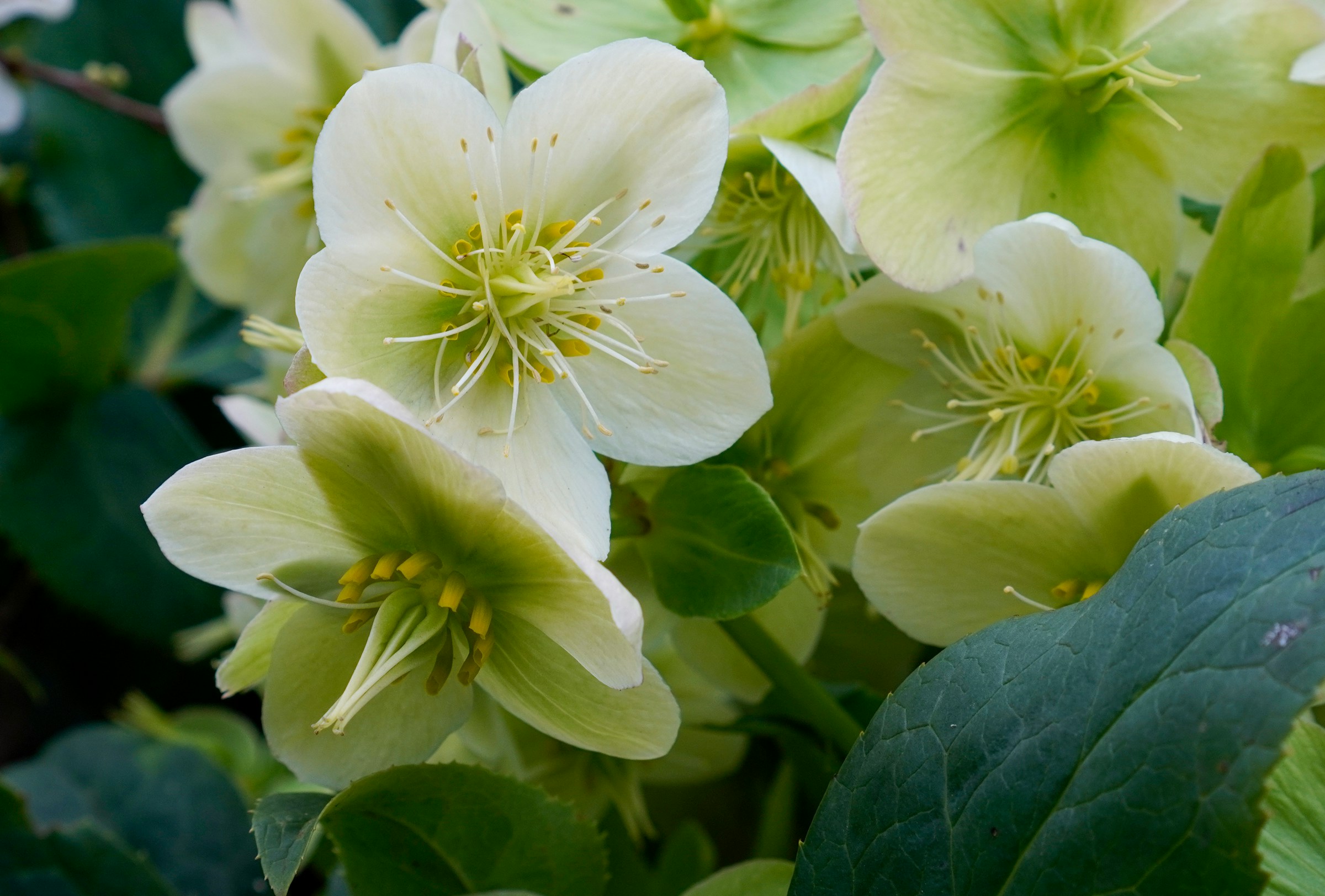

The Hellebore Family: Who They Are and Where They Come From
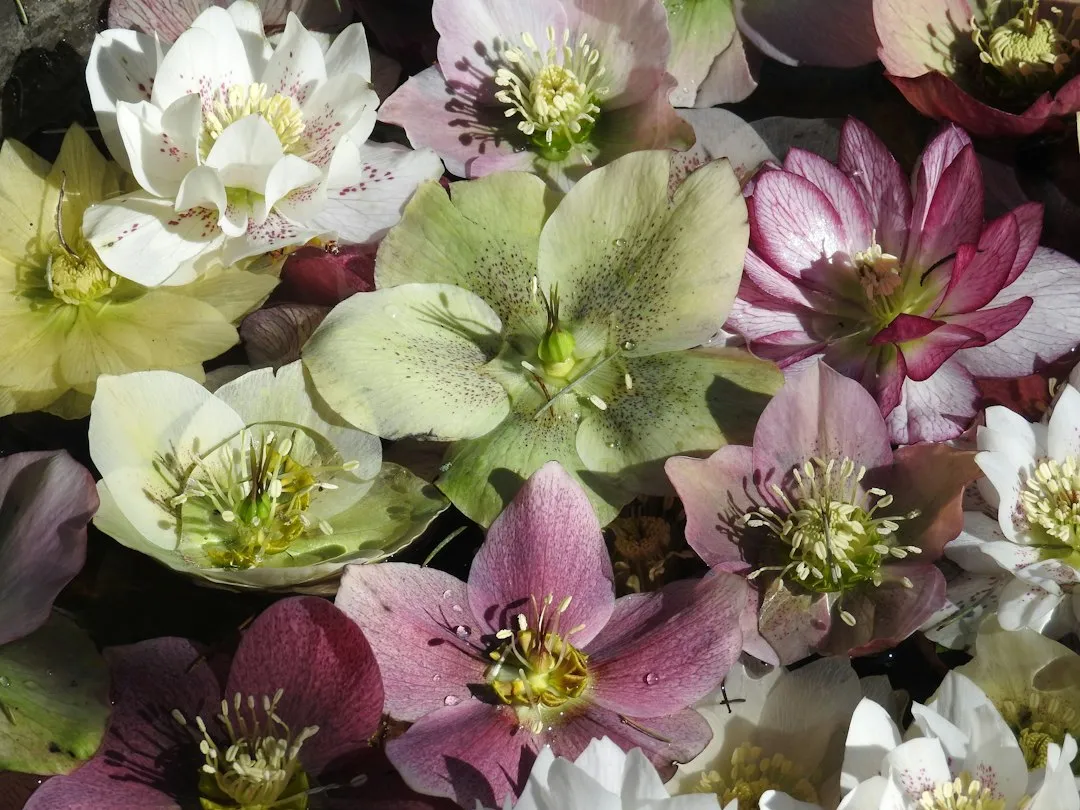
Hellebores are members of the Eurasian genus Helleborus, encompassing about 20 species of evergreen perennial flowering plants in the family Ranunculaceae. They are native to Europe, Morocco, and temperate Asia.
This perennial can survive temperatures as low as 5°F (-15°C), which speaks to just how genuinely tough it is. The wild species are rarely found in gardens, as hellebores hybridize easily, providing garden plants with superior flowering and color.
The genus name itself comes from the Greek words “bora,” meaning food, and “helein,” meaning injures or destroys, in reference to the plant’s toxic leaves, stems, and roots, which are poisonous to humans if ingested. So even the name carries a warning about underestimating them.
A Bloom Window Unlike Any Other Plant
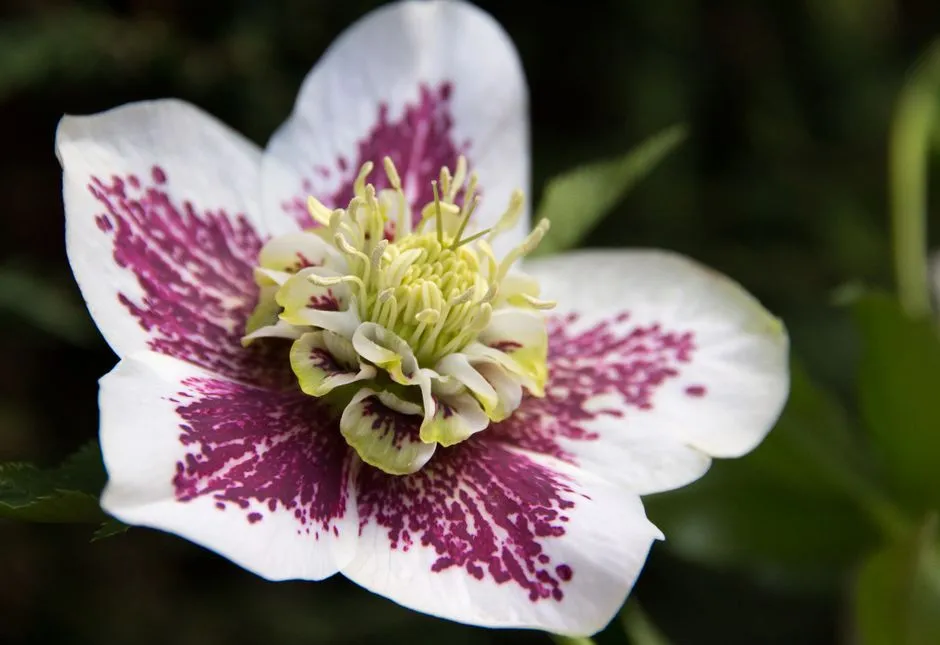
Selecting hellebores with early, mid, and late bloom times can extend the flowering season from December to April. That’s a remarkably long stretch of cold-weather color from a single genus.
Hellebores bloom in late winter and early spring after the days begin lengthening and warming. Growers with mild winters will see flowers appear in fall or winter, while cold-climate gardeners may not see them until early spring.
North American growers see hellebores flowering in December and January, while Southern Hemisphere gardeners won’t see them sprout until July and August. The timing flips with the hemisphere, but the logic stays the same: bloom when the cold has done its work.
Vernalization: Why They Actually Need the Cold
Hellebores, snowdrops, and cyclamen need true vernalization, meaning prolonged cold combined with moisture, to initiate flower buds. This is a critical distinction that separates them from plants that merely tolerate cold.
Hellebore flower peduncles require uninterrupted exposure to consistent cold, typically 8 to 12 weeks of temperatures between 28°F and 45°F (-2°C to 7°C), to break dormancy and trigger floral development. Without this vernalization period, buds remain dormant or abort entirely.
Vernalization, the biological process requiring prolonged cold to trigger flowering, is non-negotiable for all true hellebores in the Helleborus genus. In vernalization-requiring species it is critical that the plants are not tricked into flowering in the late autumn by transient exposure to cold followed by warm conditions, which is why the requirement for prolonged cold exists.
The Dual Signal: Cold First, Then Light
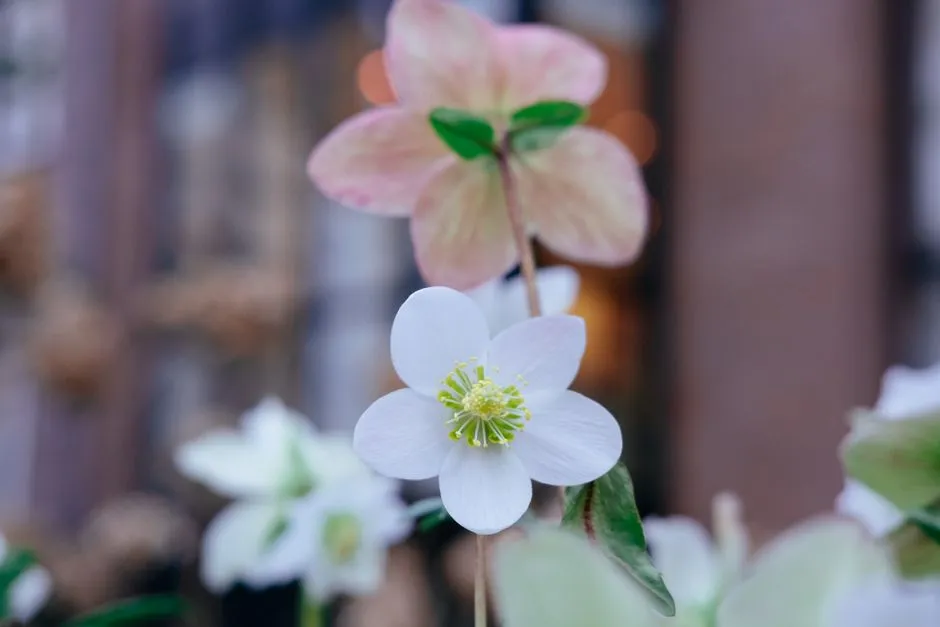
Crucially, hellebore flowering is also photoperiod-sensitive, but not in the way most gardeners assume. Unlike chrysanthemums or poinsettias, hellebores do not require long nights to bloom.
However, if the chilling requirement isn’t met first, longer days alone won’t induce flowering. This dual dependency, cold followed by light, is why moving a non-blooming hellebore from a warm garage into a sunny window in January rarely produces flowers: the physiological prerequisite was skipped.
True winter flowers initiate bud development in late fall, hold floral structures through dormancy, and open when ambient temperatures briefly rise above freezing, even if only for a few hours. It’s a biological sequence, not a coincidence.
Antifreeze Proteins: The Science of Surviving Ice

Overwintering plants secrete antifreeze proteins to provide freezing tolerance. These proteins bind to and inhibit the growth of ice crystals that form in the apoplast during subzero temperatures.
An effective strategy for cold resistance is the expression of antifreeze proteins, a class of polypeptides that allow survival in cold environments. Antifreeze proteins also protect the cell membrane from cold damage.
Due to their non-colligative properties, antifreeze proteins are protective at concentrations 300 to 500 times lower than low molecular weight cryoprotectants. That is a remarkably efficient biological tool, allowing the plant to do a great deal with very little.
Leathery Leaves That Outlast Winter
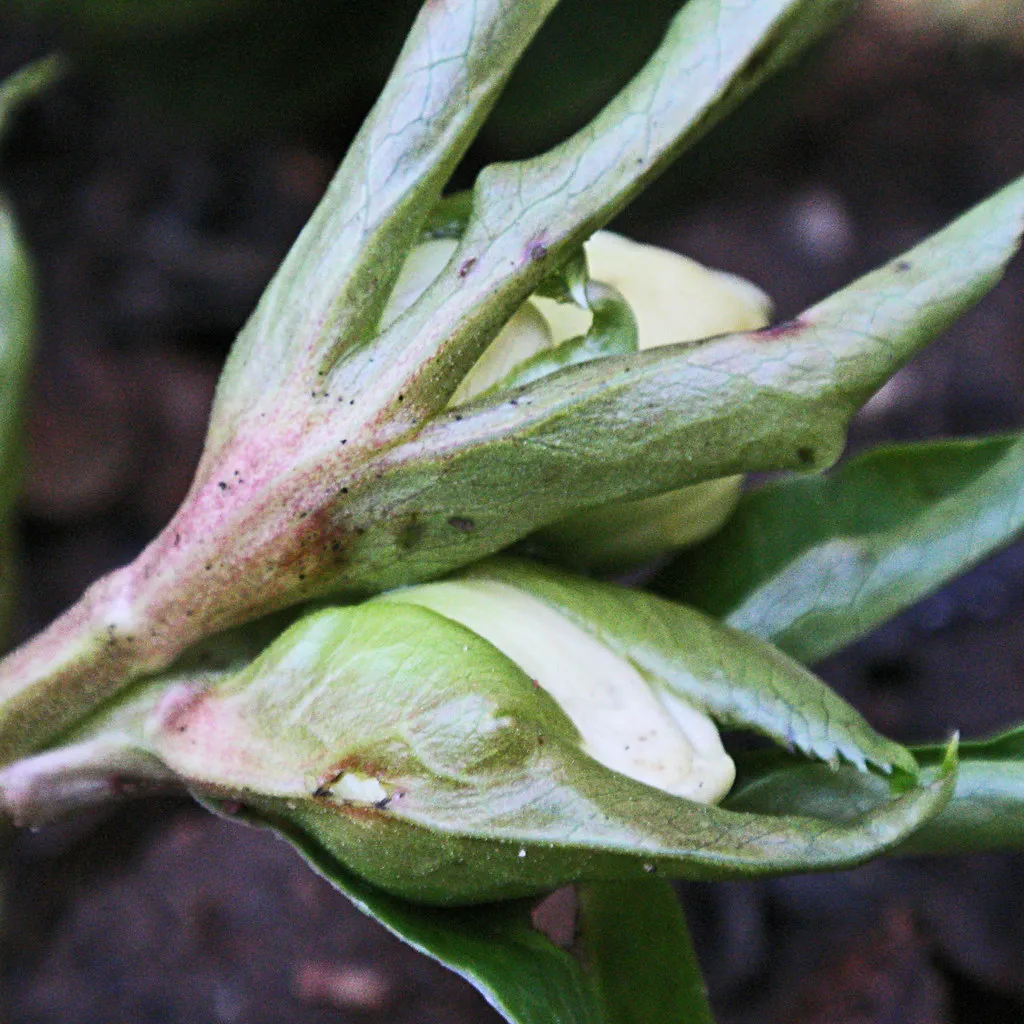
Most hellebores cultivated in gardens are broadleaf evergreen perennials, meaning their leaves remain on the plant throughout the winter season. This evergreen persistence is unusual and ecologically deliberate.
The toothed, leathery foliage remains attractive throughout the growing season, remaining evergreen in mild climates and even persisting under snow, though it may become flattened on the ground in colder conditions.
The term evergreen is nuanced because severe cold, heavy snow, or drying winter winds can cause the foliage to look tattered and damaged. Truly evergreen species, such as Helleborus foetidus, reliably hold their green, leathery leaves all winter.
Flower Anatomy That Holds Up in the Cold
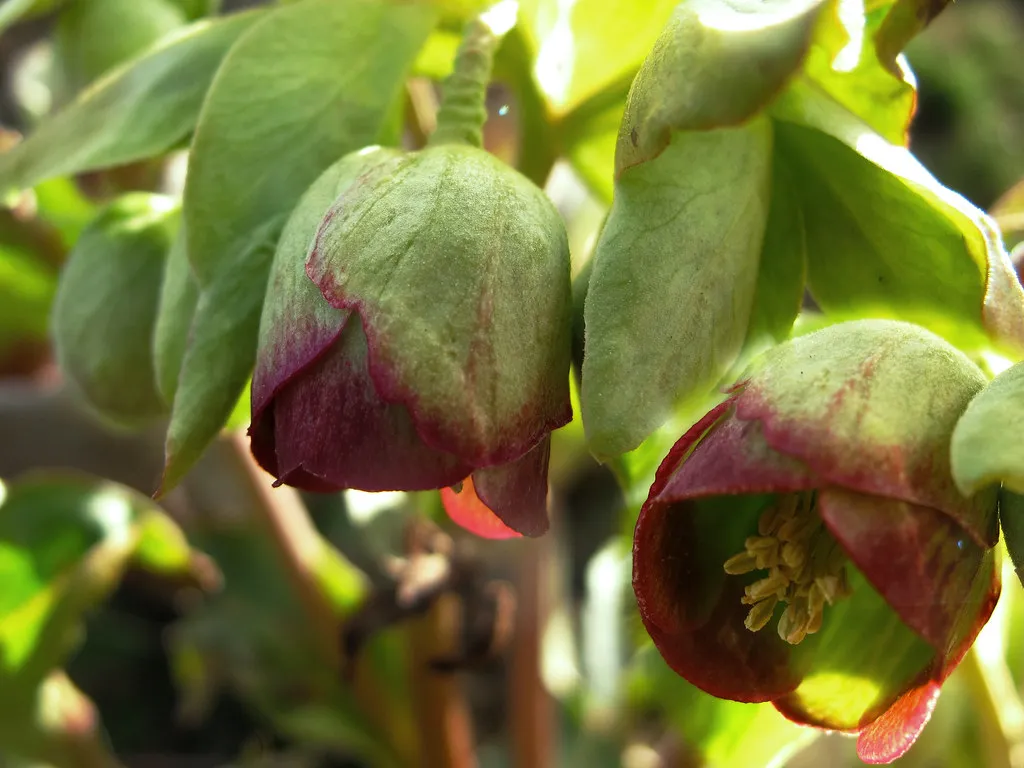
The nodding and bell-shaped flowers appear in winter and early spring, lasting up to three months. That kind of longevity in freezing conditions requires structural explanation, not just chemistry.
What look like hellebore petals are in fact sepals, which is why the flowers hold their shape for months. The true petals are reduced to small tubular nectaries at the centre. Sepals are tougher and more persistent than petals, and that anatomical trade-off is a key reason hellebore blooms look so intact long after other flowers would have collapsed.
In consistent cold temperatures between 25°F and 35°F (-4°C to -2°C), flowers last 6 to 8 weeks. In fluctuating temperatures above 45°F (7°C), they fade in just 3 to 4 weeks. Ironically, warmth shortens the show.
Hardy Across a Wide Range of Zones
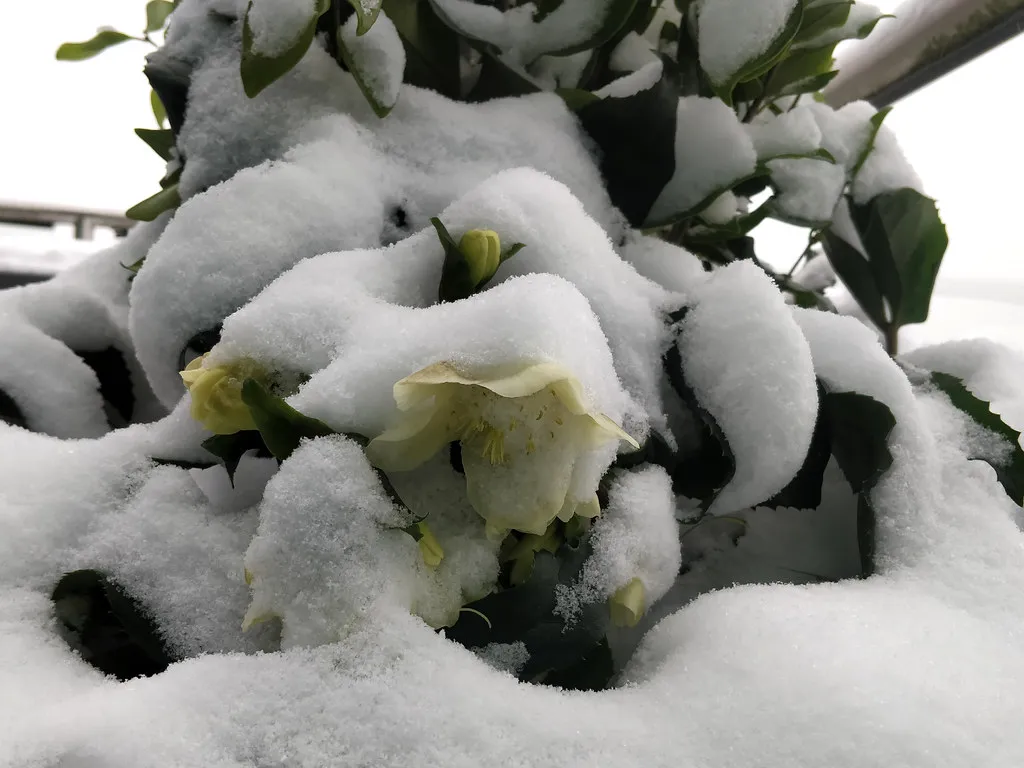
Hellebores are hardy in USDA Plant Hardiness Zones 4 through 9. Some hybrids can even survive in Zone 3 if provided with a layer of mulch and adequate snow cover over the winter to provide insulation.
Hellebore is hardy from a warm USDA Zone 9 down to Zone 5, and even colder when plants have winter protection with good snow cover. Snow, counterintuitively, acts as an insulating blanket rather than a threat.
In a changing climate where erratic warm spells trigger premature bloom in forsythia or witch hazel, only to be killed by returning frosts, winter hellebores remain reliably synchronized. Their cold requirement actually makes them more stable and predictable, not less.
Their Role as Early Pollinators’ Lifeline
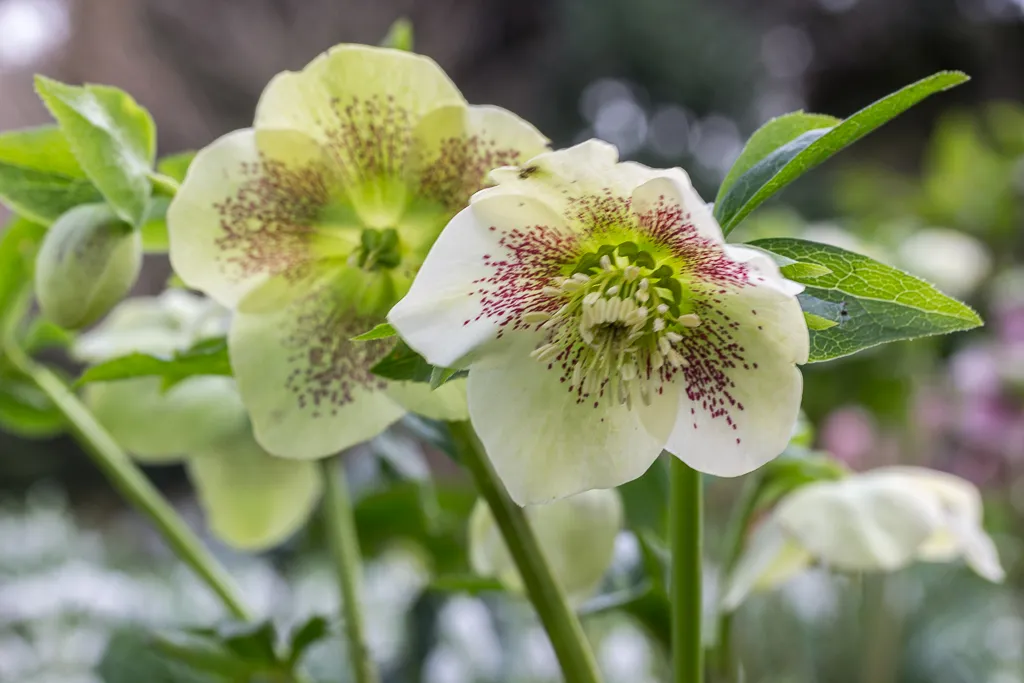
Hellebores begin blooming in early spring, so they’re a first source of nectar for pollinators. In many regions, they are among the only flowering plants available during this gap between winter and the main flush of spring growth.
Commonly called Lenten rose, hellebores give pleasing late winter color, texture, and style to a garden in areas between deciduous shrubs and under trees or naturalized in woodland areas. That position under deciduous trees is also ecologically smart: they get full winter sun once the tree canopy drops, and summer shade to protect them from heat stress.
They do best underneath deciduous trees where they are shaded by foliage in summer but are exposed to full sun after the trees have dropped their leaves in fall. Form and function converge in a habitat that looks carefully chosen, even if it was shaped entirely by evolution.
Bud Timing: A Strategy Built Over Millennia
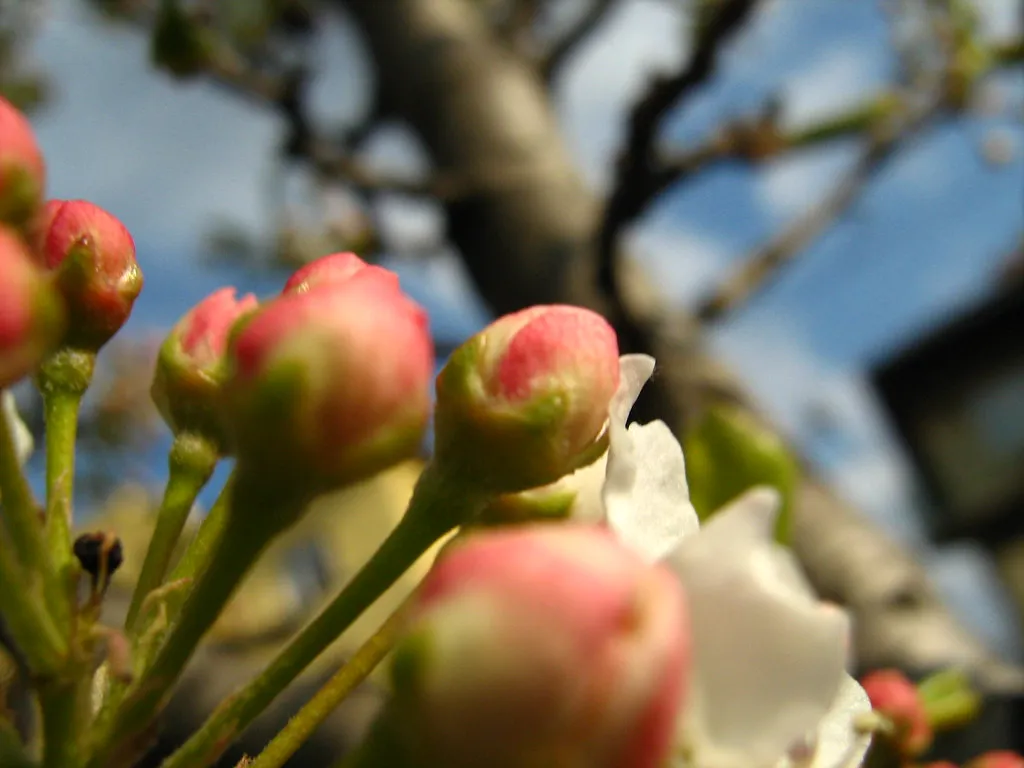
Flower buds form in mid-to-late summer, triggered not by day length alone, but by a cumulative chilling requirement of 8 to 12 weeks below 45°F (7°C), followed by gradual warming. The timeline begins months before any visible bloom appears.
Once meristems have been exposed to prolonged cold, they remember that they have been vernalized. The mitotically stable cellular memory illustrates the epigenetic nature of vernalization. In other words, the plant doesn’t just respond to cold. It remembers it at the cellular level.
While the rest of the garden sleeps and chill winds blow, this evergreen perennial raises stalwart stems into the frosty air, often blooming as early as January, and continuing well into spring. Hellebores are known for blooming around the season of Lent, the 40 days on the liturgical calendar that precede Easter, which gave rise to one of their most enduring common names: the Lenten rose.
A Quiet Lesson in Timing
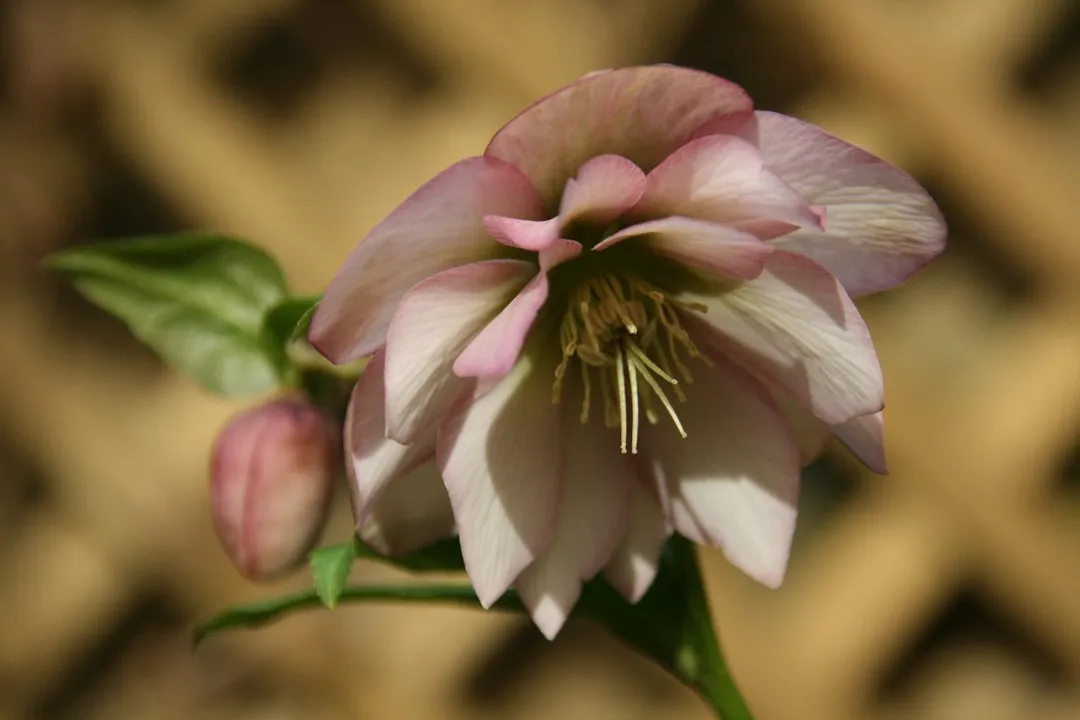
Hellebores don’t bloom in winter by accident, and they don’t bloom despite the cold. They bloom because of it. The cold is not an obstacle their biology overcomes. It’s the very signal their biology requires.
There’s something instructive in that. Most plants are built to flourish in warmth and light. Hellebores are built to flourish precisely when those things are absent, by reading the absence itself as the cue to begin.
For gardeners, this means the plant rewards patience and a willingness to leave it alone through the dark months. For botanists, it opens questions about epigenetic memory, cold signaling, and how plants evolved to time their reproduction so precisely. For everyone else, it’s just a small, nodding cup of color in a grey January garden. That might be reason enough.
AI Disclaimer: This article was created with the assistance of AI tools and reviewed by a human editor.