
Wood Is a Living Material, Even After It’s Cut
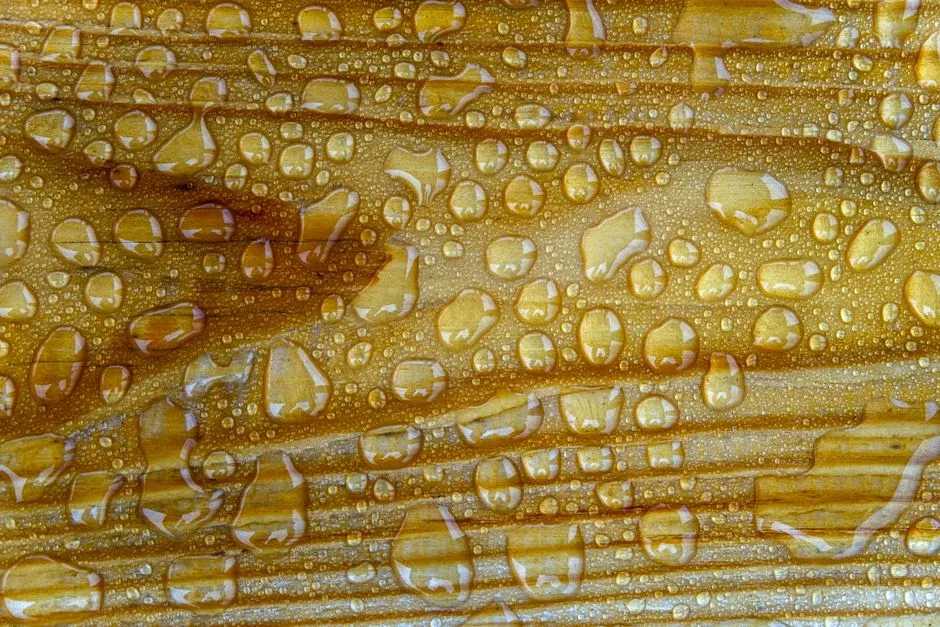
Wood doesn’t stop responding to its environment just because it’s been milled, dried, and nailed into your floor. Hardwood responds to humidity fluctuations in a natural way, because wood is hygroscopic, meaning it absorbs and releases moisture based on its environment. That capacity doesn’t disappear with processing; it just becomes something you manage rather than something that happens in a forest.
Wood flooring doesn’t just sit in your home – it actively responds to its environment. Like a living, breathing element, wood expands and contracts based on the moisture content in the air. This is true whether you have century-old oak strips or brand-new wide planks installed last spring.
The Science Behind the Seasonal Cycle
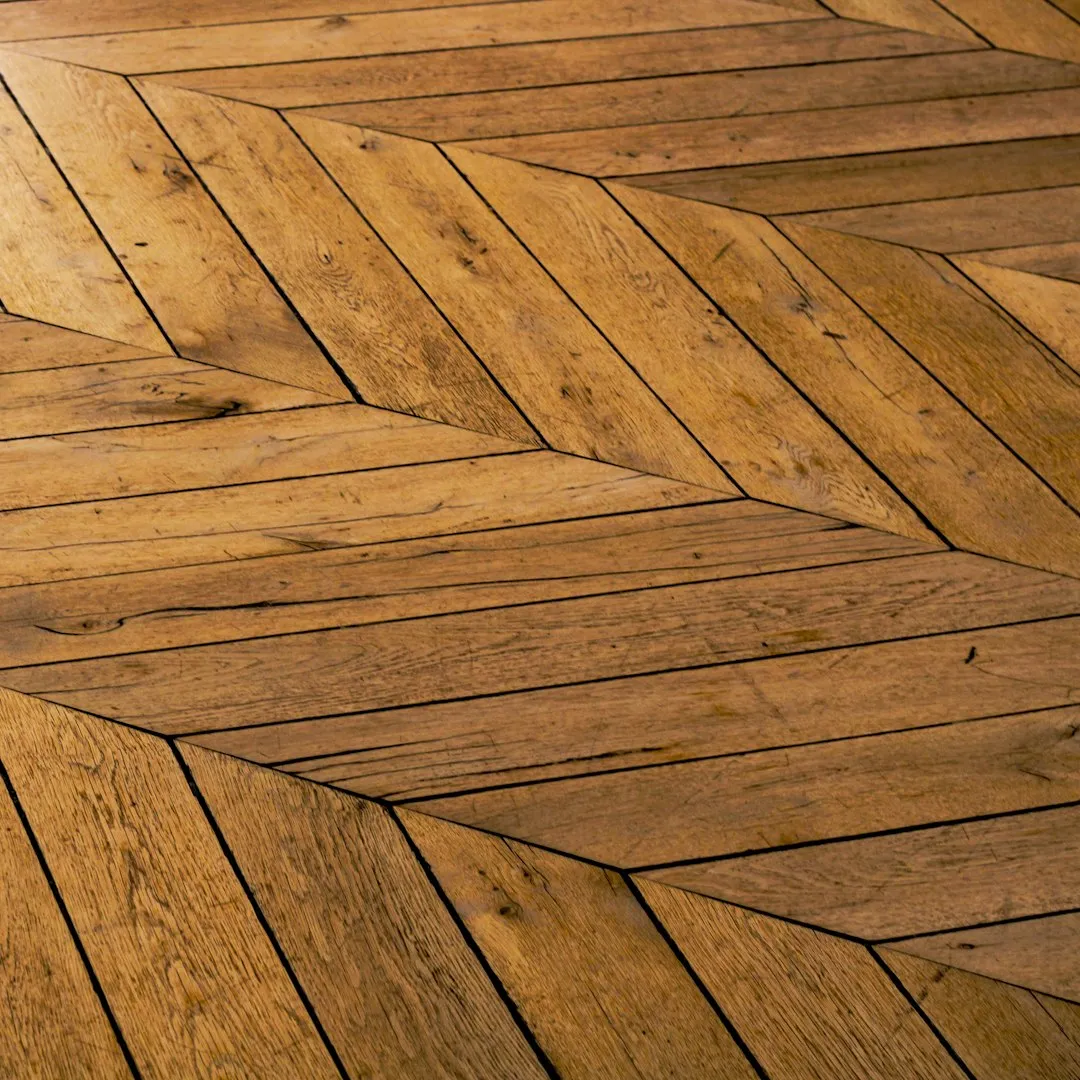
Changes in relative humidity drive most gaps: in dry winter air, boards shrink and separate; in humid summer months, boards swell and may close gaps. The mechanism is straightforward. When moisture leaves the wood cells, the cells shrink. When moisture enters, they swell. The floor responds to whichever direction the air is pulling.
Solid wood moves about 50 times more widthwise than it does lengthwise. That’s why gaps appear between boards and not at the ends. The movement you see is almost entirely cross-grain, running from one plank edge to the other, season after season.
What Happens to Indoor Humidity in Winter
Indoor humidity is actually lower in winter than in summer – the opposite of what happens outdoors. When cold air enters a home and gets heated up, its relative humidity drops sharply because warm air holds more moisture potential, and cold outdoor air simply doesn’t carry much moisture to begin with.
During winter months, when heating systems run constantly, indoor humidity often plummets below 30%. In homes without active humidity management, indoor relative humidity can drop to 20 percent or below during prolonged cold spells, which is well outside the safe range for any hardwood floor. At those levels, the wood loses moisture steadily and contracts, pulling board edges away from each other.
What Happens in Summer

In summer, warm humid air pushes indoor relative humidity up, the boards absorb moisture and swell, and gaps close tight. The air often reaches between 50 and 70 percent relative humidity during warmer months. The boards that pulled apart in January quietly press back together by June.
Even with proper expansion gaps, sustained high humidity causes enough plank swelling to close those gaps entirely, leaving no room for further seasonal movement in the next cycle. This is worth knowing, because excessive summer humidity brings its own risks: boards can cup or crown if they have nowhere left to go.
How Much Movement to Actually Expect
A hardwood floor might change by approximately 3 mm (1/8 inch) per 30 cm (1 foot) of width, depending on species and humidity swings. That sounds small, but across a wide room, the cumulative effect across dozens of boards adds up. For the majority of indoor species, anticipate a change of 0.5 to 1.5 percent across the grain.
Species matters considerably. A red oak board five inches wide, for instance, moving through a moisture change of three percentage points, illustrates how the equilibrium moisture content in the recommended temperature and humidity range coincides with the six to nine percent range in which most hardwood flooring is manufactured. Outside that range, the movement becomes noticeably more dramatic.
Plank Width Changes Everything
Wider boards expand and contract more than narrower ones, making the gaps more noticeable in hardwood floors with wide planks. This is a matter of simple geometry: the percentage of movement stays roughly the same, but the absolute distance grows with every added inch of board width.
The board’s width has a lot to do with movement. An 8-inch wide plain sawn plank of white oak flooring shrinks twice as much as a 4-inch board of the same cut and species. If you have wide-plank floors and notice more visible gaps in winter, that’s not an installation problem. It’s geometry.
Solid vs. Engineered: They Don’t Move the Same Way
Engineered wood flooring expands about three times less than solid oak. A solid oak flooring sample expanded in width about 1/16 of an inch (roughly 1.6%) when humidity shifted from 7.4 to 14.8 percent moisture content, while engineered flooring expanded just 0.5% under the same conditions. The difference comes down to construction.
Over a typical five percentage point moisture content swing, engineered flooring moves about 0.5 to 0.75 percent of board width, roughly 1 to 1.5 mm on a 200 mm plank. Solid oak of the same width moves about 3 mm. Neither type is immune to seasonal movement, but engineered floors keep it considerably more contained.
The Role of the Expansion Gap at the Perimeter
The expansion gap is critical for a solid hardwood floor to lie flat throughout the various seasons and humidity changes. Installers leave a deliberate space around the room’s perimeter, hidden beneath baseboards, specifically to give the floor somewhere to go when it swells. When the hardwood floor gets obstructed, it can buckle, crown, lift, and cause squeaks.
Engineered hardwood installations require an expansion gap of at least 1/4 inch around the entire perimeter. These expansion gaps naturally open and close with the seasons – they widen in dry winter conditions when the wood contracts and narrow in humid summer months when the wood expands. Filling that gap with caulk or any rigid material removes the safety valve the floor depends on.
When Seasonal Gaps Are Normal vs. When They’re Not
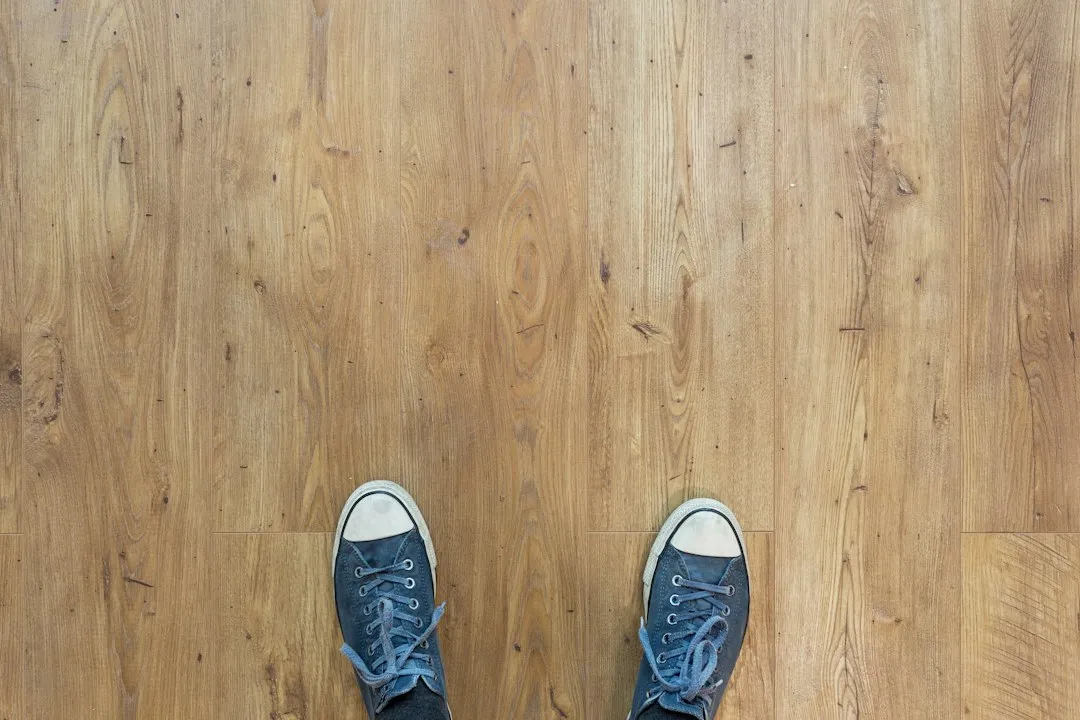
Gaps that open in winter and close by summer are a normal part of how wood behaves, not a defect. Normal seasonal gaps are small, under 1/8 inch, and consistent across the room. If you’re seeing that pattern, the floor is doing what it was designed to do.
A critical diagnostic clue is that seasonal gaps should not persist during humid conditions. If gaps remain when humidity is high, they are likely abnormal and may require further investigation. New gaps appearing in high-humidity months suggest a structural problem such as subfloor movement or fastener failure rather than normal wood movement. Gaps that widen every year, rather than cycling predictably, also deserve a closer look from a professional.
Managing the Ideal Humidity Range Year-Round
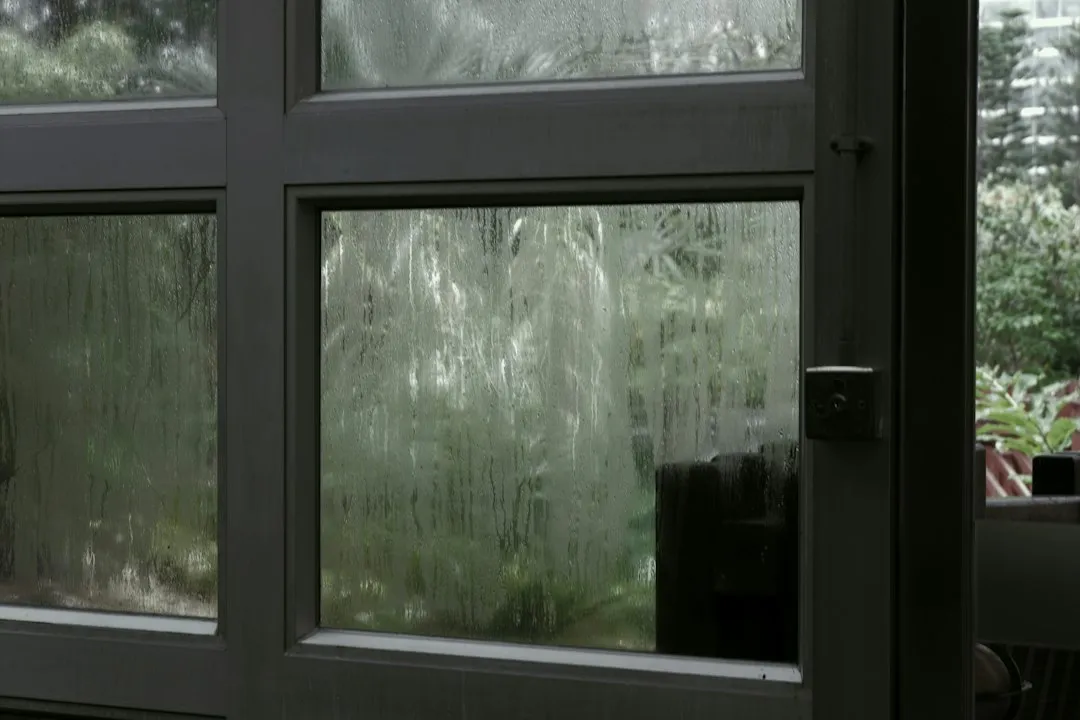
The recommended indoor relative humidity range for hardwood flooring is 35% to 55% year-round. Operating consistently within this band keeps wood movement within manageable limits and protects the joints and finish of the floor across all seasons. Most flooring manufacturers and industry bodies point to this same target range.
In winter, running a humidifier helps prevent excessive contraction and seasonal gaps. In summer, running air conditioning or a dehumidifier prevents excessive expansion and board crowning. Filling a gap that’s going to close anyway risks trapping the filler and cracking the finish when the wood expands again. Patience, in other words, is usually the right tool for the job.
The Takeaway
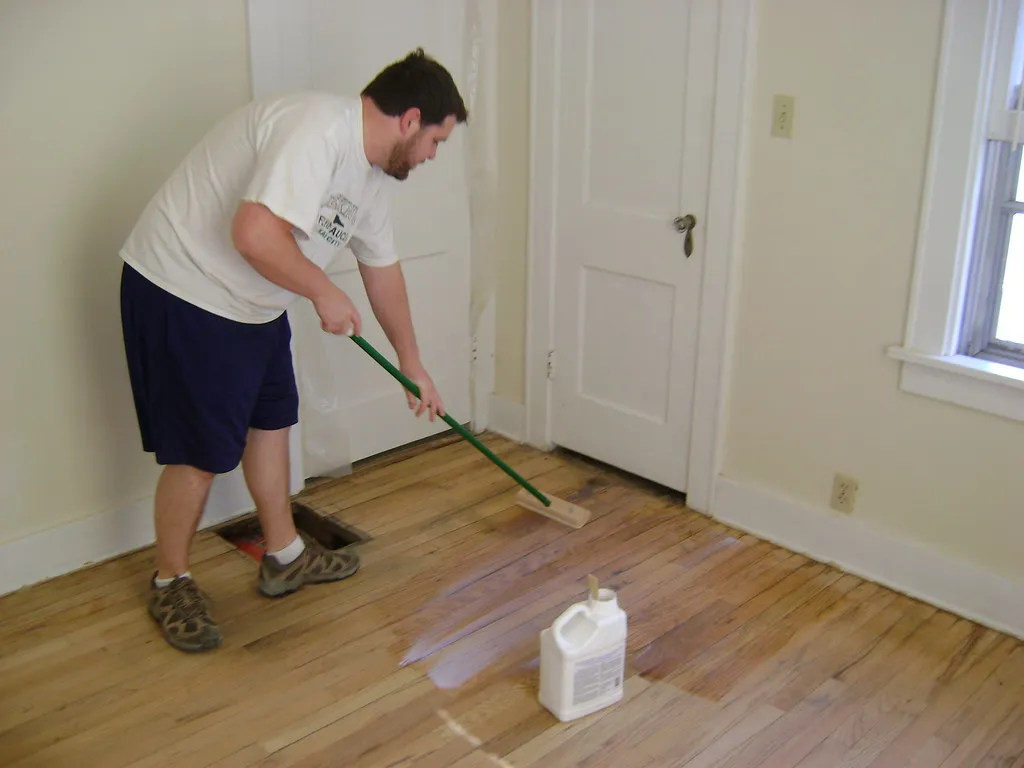
Hardwood floors gap in winter and close in summer for the same reason a sponge swells when wet and shrinks when dry: it’s the material responding honestly to its environment. The cycle is predictable, well understood, and in most cases entirely harmless.
Keep your indoor humidity steady, resist the urge to fill gaps that will close on their own come spring, and understand that what looks like a problem in January is often just physics running its course. The floor isn’t failing. It’s breathing.
AI Disclaimer: This article was created with the assistance of AI tools and reviewed by a human editor.