

The Brain’s Writing Network Gradually Shifts
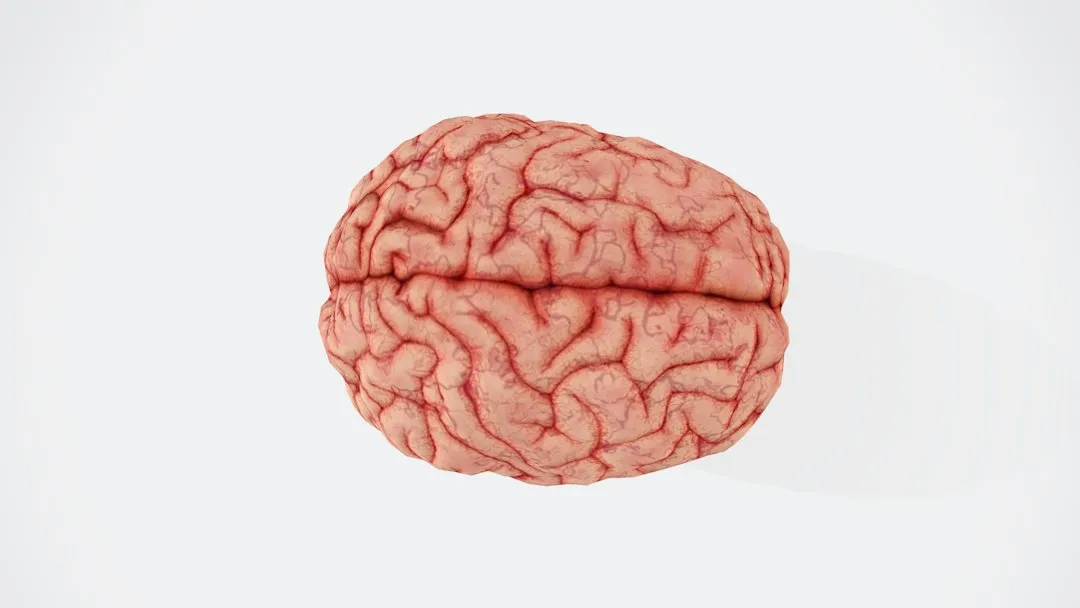
Clinical, neuropsychological, and neuroimaging studies have demonstrated that handwriting relies on the widespread, synergic activity of several brain regions – what researchers call the “writing network.” This isn’t a single brain area doing the work; it’s a coordinated conversation between multiple regions, and that conversation changes over time.
Across the adult lifespan, structural and functional changes within these networks, as well as deterioration in the white matter tracts connecting them, contribute to progressive alterations in handwriting performance. Think of it like a highway system that gradually develops more traffic and fewer clear lanes.
Because brain networks regulating handwriting partially overlap with those controlling abstract thinking or complex motor planning, handwriting deteriorates in middle-aged adults as a result of the relentless phenomenon of aging.
Stroke Size and Letter Formation Shrink Over Time

Research has demonstrated significantly smaller stroke sizes in older adults compared to younger and middle-aged adults, suggesting an age-related progressive decline of handwriting abilities even in healthy subjects. This is one of the most reliably observed physical changes – letters get smaller and more compressed.
Abnormal stroke sizes observed in the elderly during handwriting would point to the effect of physiological aging on brain networks contributing to this high-level cognitive function. So what looks like a simple stylistic shift in letter size is actually a symptom of deeper neurological change.
Research tracking signatures written over an average of four decades found that the most common change in writing occurs in line quality, with the average age of that change occurring at around 77 to 78 years old. Even when other features remain stable, line quality tends to be the first casualty of time.
Speed Slows Down, Sometimes Significantly

Overall, handwriting speed decreases with increasing age, and this appears to be universal rather than limited to people with specific health conditions. The pen simply moves more slowly across the page.
A study published in the Journal of Geriatric Psychiatry found that the handwriting speed of elderly individuals aged 65 to 75 decreased by roughly one fifth compared to younger adults, and could decrease by up to half in those over 75 years old with arthritis or neurological disorders.
Because of its high demand on the brain, handwriting is a potential marker of cognitive decline – especially as we age, when it often becomes slower or choppier. Speed isn’t merely a convenience issue; it reflects the brain’s real-time motor planning capacity.
The Cerebellum Plays a Bigger Role Than Most People Realize

Age-related structural and functional decline in the cerebellum, including volume reduction, neuronal loss, and decreased connectivity, may manifest as impairments in coordination and movement sequencing, meaning that writing may become less harmonized and involve more mistakes.
Significant neuronal loss also occurs in the cerebellum, which plays an important role in the planning, monitoring, and updating of descending motor signals controlling the hand. This is a structure most people associate with balance, not writing – but it matters enormously here.
Cerebellar lesion studies report handwriting abnormalities such as irregular spacing, poor temporal coordination, and tremulous strokes, underscoring the interconnected roles of the basal ganglia and cerebellum in fine motor control and feedback processing.
White Matter Integrity Affects Fluency and Coordination
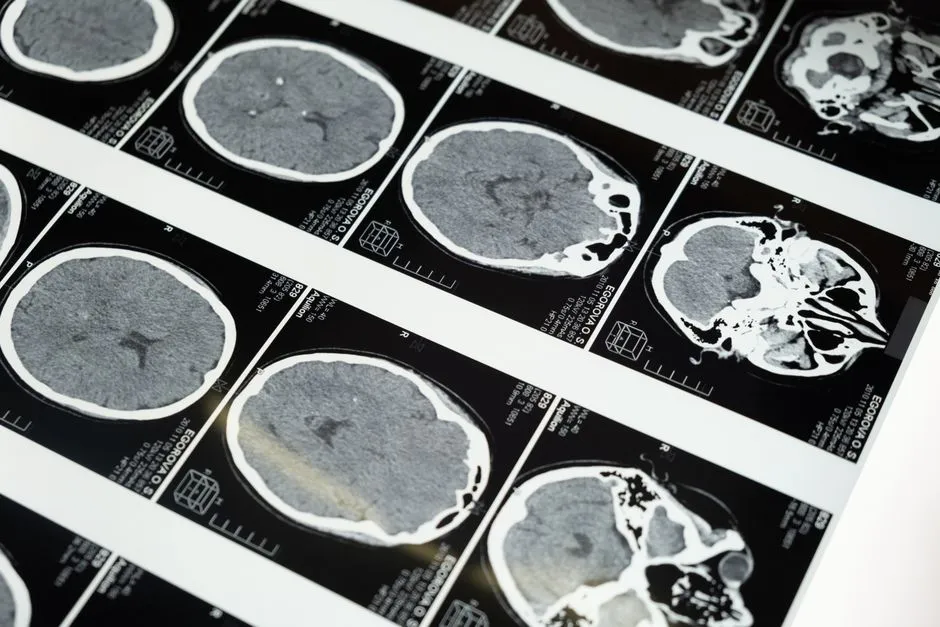
Aging is associated with reduced white-matter integrity in frontostriatal and sensorimotor pathways, which further disrupts the efficiency of motor signal transmission and contributes to declines in handwriting fluency and coordination. White matter essentially serves as the brain’s wiring, and when that wiring degrades, the signal to the hand becomes less crisp.
The functioning of the primary motor cortex during aging may deteriorate due to multiple neurobiological changes, including synaptic loss, reduced cortical excitability, altered neurotransmitter balance, and declines in interhemispheric connectivity.
This can lead to hesitation, pauses, and asymmetry in letters or irregularities associated with handwriting rhythm. When you watch an older adult write and notice uneven spacing or unexpected pauses mid-word, this is often what’s happening underneath.
Grip Strength and Muscle Mass Decline in the Hands

Perhaps the most well-documented aspect of the aging hand is the loss of strength, both whole hand and pinch strength. Hand grip strength peaks in the third and fourth decade of life and then decreases substantially after age 50. Writing with a weakened grip is simply harder to control.
After 60 years of age, there is a rapid decline in hand-grip strength, by as much as 20 to 25 percent, accompanied by a substantial loss of muscle fibers and decreased muscle-fiber length, particularly in the thenar muscle group. The thenar muscles are those fleshy pads at the base of the thumb – central to any pen grip.
The tensile strength of the tendons in the hand, which attach muscle to bone, decreases by roughly 30 to 50 percent as we age. Softer, less taut tendons translate directly into reduced fine motor precision when holding and moving a pen.
Sensory Feedback Becomes Less Reliable

Reduced capabilities in processing sensory feedback can occur as a result of aging, and these changes can markedly interfere with the ability to sustain legible, fluent, and spatially accurate handwriting. The hand needs constant tactile information to self-correct as it moves across the page.
Aging is associated with declines in sensorimotor integration, proprioceptive and tactile sensitivity, visuomotor coordination, and executive functioning, leading to slower and more variable movements, reduced fluency, and increased spatial inconsistency.
Hand function is multidimensional, encompassing grip and pinch strength, tactile sensation, fine force control, manual dexterity, and movement speed; age-related musculoskeletal, sensory, and neural changes can reduce the precision, speed, and efficiency of hand use even among otherwise independent older adults.
Cognitive Load Shapes How Age Affects the Pen

Cognitive decline that may occur with healthy aging can affect the neural systems involved in handwriting, leading to difficulties in planning, organizing, and monitoring writing tasks. More mentally demanding writing tasks reveal this effect far more clearly than simple copying exercises.
Handwriting deficits become more pronounced when motor execution is tightly coupled with linguistic transformation and executive monitoring. In other words, writing something from memory or dictation is harder for aging brains than copying printed text from a page.
As cognitive systems decline, writing becomes slower, more fragmented, and less coordinated, which is why researchers increasingly view handwriting tasks as a practical and non-invasive window into brain health.
Handwriting as an Early Signal of Cognitive Decline

A team of researchers in Portugal examined whether different handwriting features, including speed and stroke organization, differ between older people who show signs of cognitive decline and those who don’t, and whether handwriting features could therefore serve as a diagnostic tool.
The team examined handwriting characteristics in 58 older adults aged between 62 and 92 years living in aged-care facilities, focusing on speed and stroke organization – features that show a marked difference in people with cognitive decline.
Digital handwriting analysis, the researchers said, offers a scalable, non-invasive approach for early cognitive screening and longitudinal monitoring that could be used widely in everyday healthcare. That’s a meaningful shift – the pen becoming a screening tool rather than simply a communication instrument.
Not Everything Changes, and Practice Still Matters

Research demonstrates that although handwriting, including signatures, can gradually change over time, it is more likely that it will not change substantially, and if it does, changes will occur more frequently in letter formations and in line quality with advanced age. The core character of a person’s script often remains recognizable for decades.
Legibility differed between tasks but was not related to increasing age in some study groups, which is a genuinely encouraging finding. Staying legible is not automatically lost to time.
Beyond its communicative role, handwriting provides biologically meaningful information about brain function and motor control, serving as a sensitive marker of both normal and pathological changes. People who write regularly throughout their lives may preserve more of these abilities simply through continued use of the underlying networks.
The Takeaway

Handwriting change with age is not one single event. It’s a slow accumulation of shifts across the brain, the muscles, the tendons, and the senses – each contributing its own small adjustment to what ends up on the page. Some of these changes are mild and barely noticeable. Others, particularly those tied to cognitive decline, carry diagnostic weight that researchers are only now beginning to fully harness.
What’s striking is that something as ordinary as the way we form a letter can carry so much information about what’s happening inside the body. The pen, it turns out, tells a longer story than the words it writes.
AI Disclaimer: This article was created with the assistance of AI tools and reviewed by a human editor.