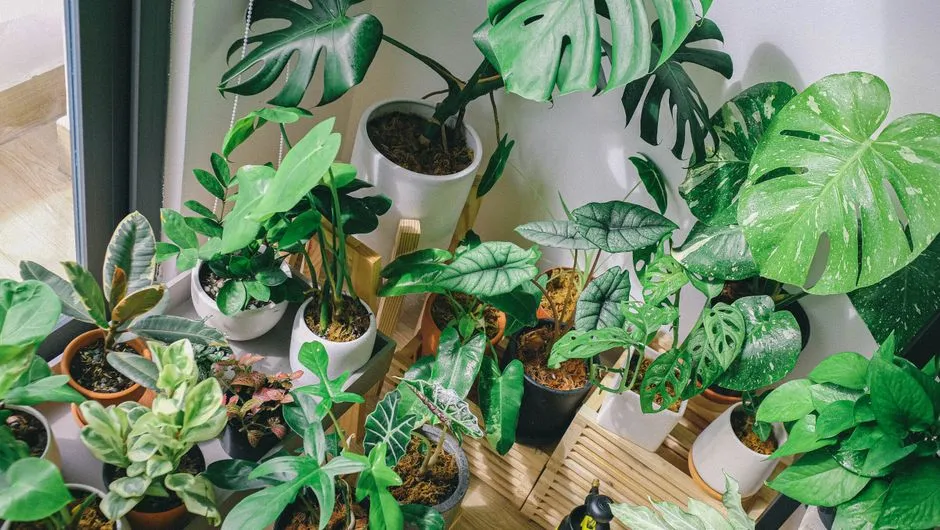

Walk into any well-stocked garden center and you’ll notice something almost immediately: the air feels different. Slightly heavier, softer on the skin. That’s not accidental – it’s the cumulative effect of hundreds of plants doing what they do naturally, releasing moisture into the surrounding air. The same principle applies in your home, even at a far smaller scale.
Most people think of humidity as something you either have or don’t, dictated by the weather or a plugged-in humidifier. The reality is more interesting. Your houseplants are already working to change the air around them, and where you place them makes all the difference.
The Science Behind Plant Transpiration
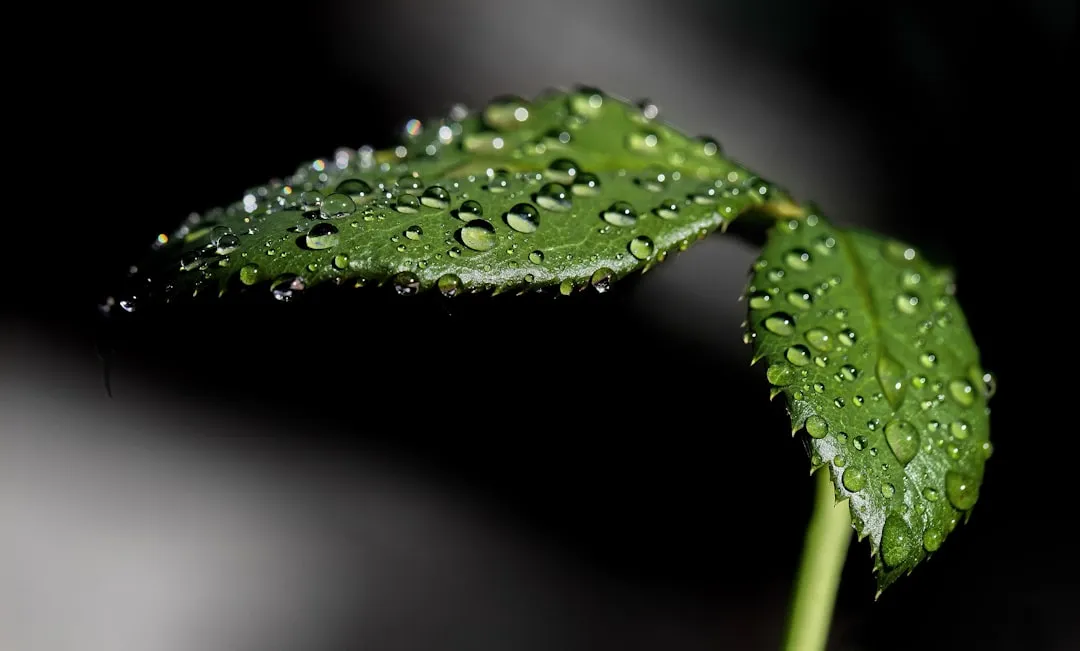
Plants increase humidity in the air through a process called evapotranspiration. Water from the soil makes its way up through the roots of the plant, through the stems, and up to the leaves, where it’s evaporated into the air through pores on the leaves called stomata.
Plants only use a small percentage of the water they take in for actual growth and biological processes. More than ninety percent of that water is lost through transpiration and released directly into the air. That’s a striking proportion when you think about it.
Growing plants use transpiration to maintain a constant movement of water through the plant. It delivers water and associated nutrients up to the leaves, and it helps the plant cool itself down too. It’s a continuous process, not a periodic one.
What a Microclimate Actually Means
Water that evaporates from the potting media or transpires from the leaves can increase relative humidity by creating a microclimate. This localized zone of elevated moisture is the core concept behind grouping plants together.
A microclimate is essentially a small area within your home where environmental conditions differ from the surrounding spaces. These zones feature varying combinations of light, temperature, humidity, and air circulation that can dramatically affect how well your plants grow.
When several plants are placed close together, the moisture builds up in the surrounding air, creating a small “bubble” of higher humidity. This bubble is small but measurable, and it matters considerably for tropical species that struggle in dry indoor air.
What the Research Actually Shows
The introduction of indoor plants significantly altered relative humidity in offices. Offices with more plants exhibited higher minimum, median, and maximum relative humidity values compared to those without plants. This could be attributed to plant transpiration, a process wherein plants release water vapor into the surrounding environment, thereby increasing ambient humidity levels.
A study published in the Journal of Building Engineering found that the introduction of 12 Ficus or 6 Epipremnum plants resulted in a small but significant increase in moisture content in a 28-cubic-meter office space. Depending on the season, individual plants emitted between 35 grams in winter and 58 grams in summer of moisture via evapotranspiration per plant, per day.
This observation aligns with previous research finding that indoor plants can increase relative humidity, especially in dry climates. The median relative humidity in offices without plants was just 29.1 percent. That’s a notably parched environment for most tropical houseplants.
Why Grouping Multiplies the Effect
By grouping your plants together, the amount of transpiration increases, and humidity levels will improve significantly. A single plant contributes modestly; a cluster of them compounds the effect in a way that one plant alone simply can’t replicate.
Microclimates work by circulating the small amount of moisture that evaporates from the soil or transpires from the leaves. When plants are clustered together, they trap this moisture and raise the relative humidity in their immediate vicinity.
Grouping doesn’t just raise humidity – it also helps your plants grow in a more natural environment, where they support one another. That cooperative dynamic is genuinely useful for species that evolved in dense forest undergrowth.
How Much Humidity Do Houseplants Actually Need?
Most homes hover around 40 to 50 percent relative humidity, but many houseplants, especially tropical varieties, prefer levels closer to 50 to 60 percent, though they can tolerate average household humidity levels.
Most indoor plants, especially tropicals like calatheas, monsteras, and ferns, thrive at 40 to 60 percent relative humidity, not the 20 to 30 percent common in heated or air-conditioned homes during winter and summer. Below 30 percent, stomatal closure, leaf browning, stunted growth, and increased pest susceptibility can occur within days.
If tropical plants are kept in environments with low humidity, they may develop brown leaf tips, experience slower growth, or show signs of stress. Grouping them is one of the simplest, zero-cost ways to push conditions back toward what they prefer.
Choosing the Right Plants for Your Humidity Group
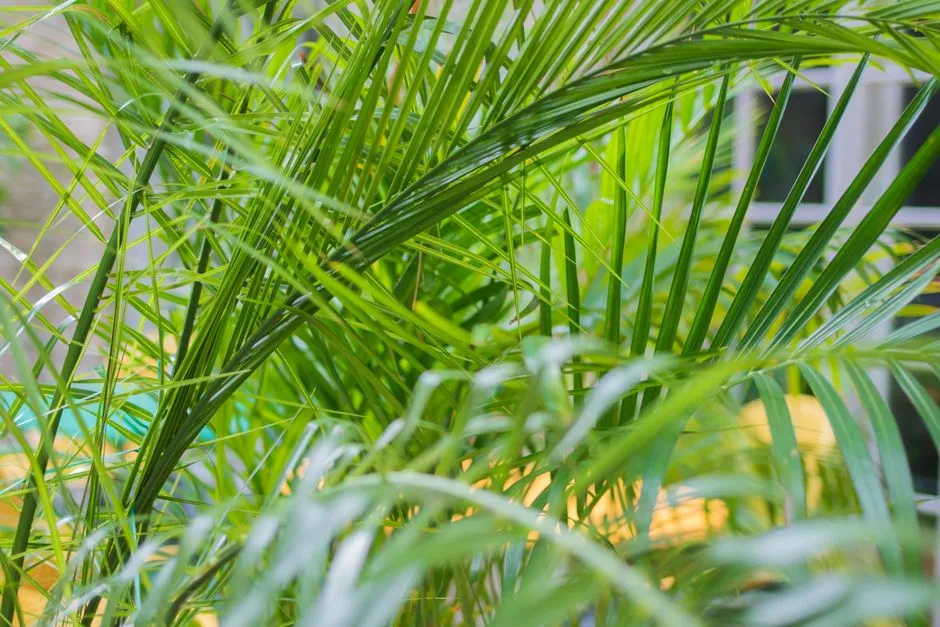
In general, plants with large, broad leaves, like many rainforest plants, provide a greater humidifying effect than those with needle-shaped or small, rounded leaves like cacti and succulents. Large leaves allow plants to absorb more light and carbon dioxide for photosynthesis, but they also allow more water loss to the atmosphere.
The areca palm has one of the highest transpiration rates. A healthy plant of five to six feet can release up to one quart of water vapor into the air every 24 hours. That’s a meaningful contribution from a single specimen.
Spider plants are among the best plants you can buy for increasing indoor humidity, according to research from 2015. Ferns, meanwhile, have extremely fine, feathery fronds with very high transpiration rates, meaning they lose water faster than thick-leaved plants. Both make strong additions to any humidity-boosting grouping.
Where to Place Your Grouped Plants for Best Results
This strategy works best with several plants in a small room with low airflow, to limit the diffusion of that moisture to the area around the plants instead of throughout the surrounding space. Open, drafty rooms dilute the microclimate quickly.
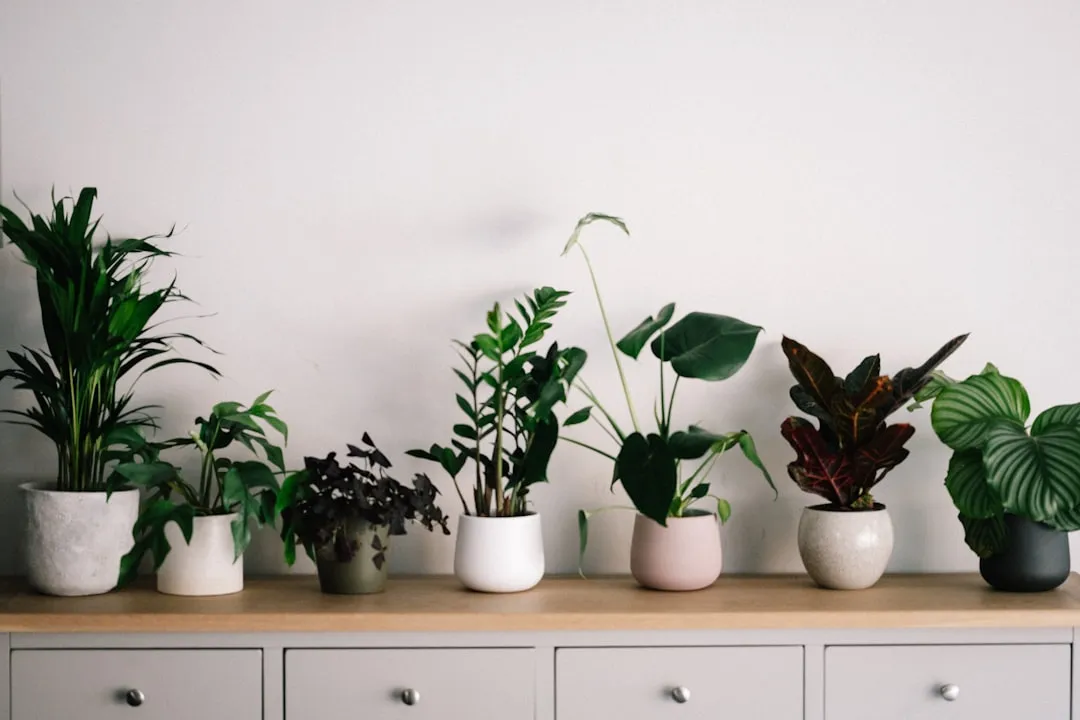
Placing compatible plants with similar light and water needs within 12 to 18 inches of each other creates a localized microclimate. That proximity matters – too spread out, and the effect largely dissipates.
Additionally, keep plants away from heat sources and drafty spaces, and in rooms that can have more humidity naturally, like bathrooms or kitchens. These rooms give your grouped plants a head start before they’ve contributed a single drop of transpiration.
The Risk of Overcrowding: Airflow Matters
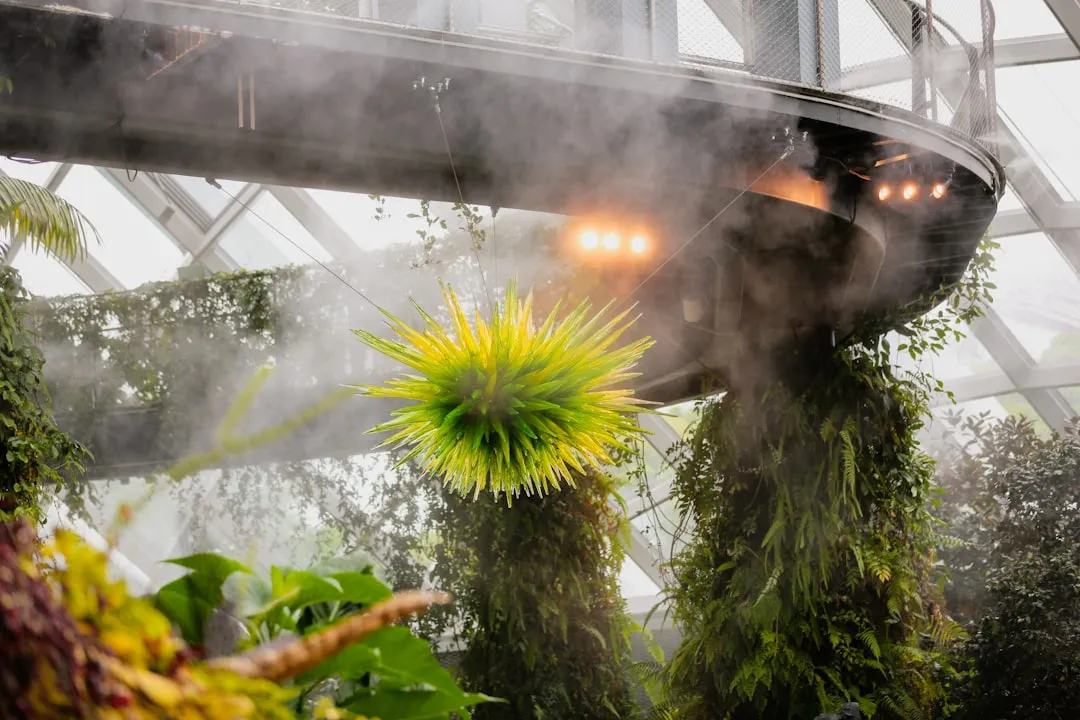
While clustering raises humidity, pots placed too close together can trap still air, which may lead to mold or pests. Leaving a little space between plants helps prevent this. Grouping is beneficial, but proximity has a practical limit.
Above 75 percent relative humidity without adequate airflow, fungal pathogens like powdery mildew and botrytis can proliferate. Keeping that upper boundary in mind is just as important as pushing humidity upward.
Even when grouping for humidity, ensure there’s room for air to move between plants. Using oscillating fans set on low speed, positioned to create gentle air movement around plants, can help prevent the stagnant conditions that invite disease.
Group by Humidity Need, Not Just by Looks
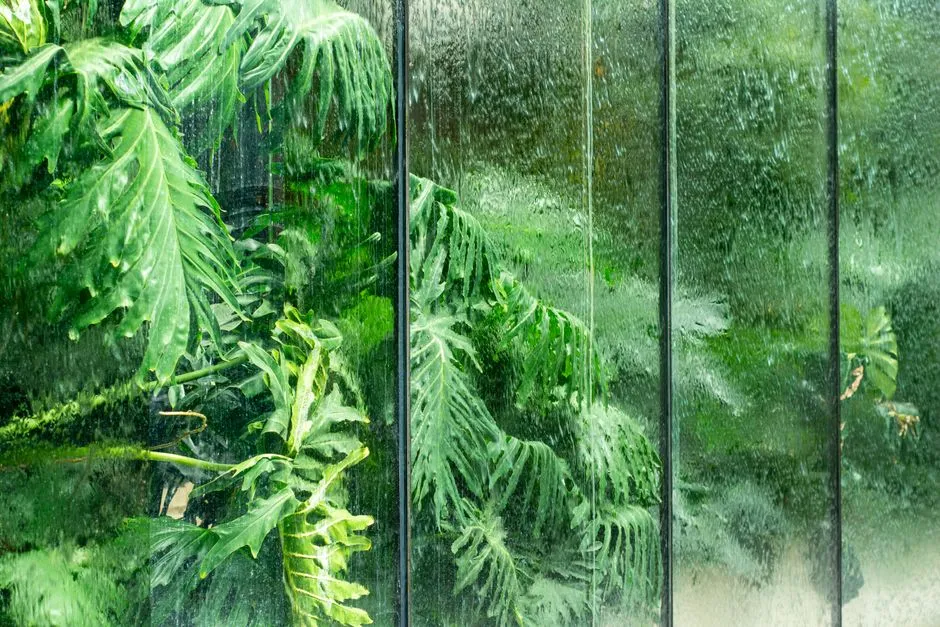
Group plants by humidity requirement first, not light. Place high-humidity species like ferns, calatheas, and fittonias together in bathrooms or under cloches, and low-humidity types like snake plants, succulents, and ZZ plants near windows with airflow.
Desert plants such as succulents and cacti are adapted to survive in arid conditions with low humidity. These plants store water in their thick leaves, stems, or roots, allowing them to thrive in dry environments. Mixing them into a tropical grouping can create care conflicts that are frustrating to manage.
You can boost the humidity effect further by mixing in plants like peace lilies, ferns, or palms, since they release more moisture and raise humidity for the whole group. Thoughtful curation of the group is what makes the difference between a loose arrangement and a genuinely functional microclimate.
Monitoring and Fine-Tuning Your Plant Microclimate
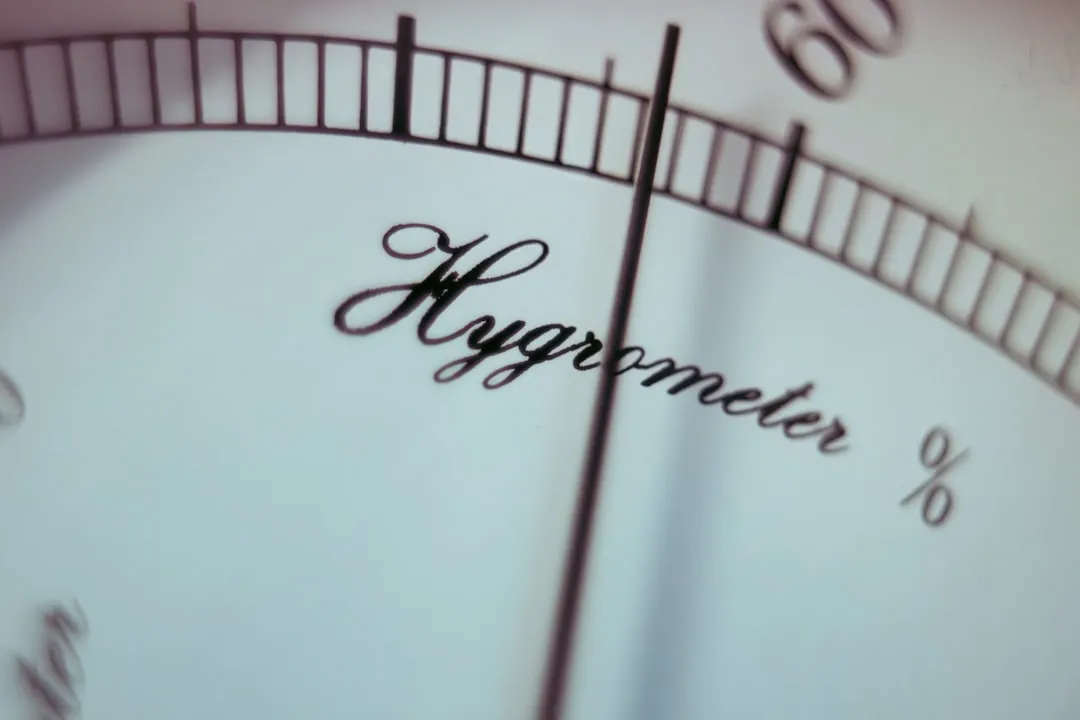
It’s useful to keep a small hygrometer near indoor plants to identify and monitor humidity levels throughout the day. These devices give real-time readings and help you decide if you need to add humidity to houseplants in winter.
Make sure your plants are watered well to maximize the humidity they provide, but be sure not to overwater them. Overwatering won’t increase transpiration rates, but it will make the plants susceptible to root rot and other problems and could kill the plant.
Don’t add so many plants that you raise humidity levels past what is healthy for your furniture and appliances. A simple digital hygrometer takes the guesswork out of it and keeps you in a genuinely comfortable range for both the plants and your home.
Conclusion: A Low-Effort Strategy With Real Results
Grouping houseplants together is one of those genuinely elegant solutions that costs nothing extra and requires no new equipment. The plants you already own are continuously releasing moisture – all that changes when you cluster them is where that moisture ends up.
The evidence from both controlled office studies and horticultural research consistently supports the same conclusion: grouping plants together creates a microclimate with higher humidity, and this is one of the most effective natural ways to raise humidity consistently.
It’s worth approaching the arrangement with some intention. Match plants by their humidity preferences, leave a little breathing room between pots, keep an eye on a hygrometer, and position the group away from vents and drafts. Do that, and your plants won’t just look better together – they’ll genuinely thrive because of it.
AI Disclaimer: This article was created with the assistance of AI tools and reviewed by a human editor.