
The Study That Started the Conversation
A study published in January 2026 in the journal Psychology and Aging suggests that grandparents who care for their grandchildren score higher on tests of memory and verbal skills than those who don’t. The research drew from a large, well-tracked population and followed participants over several years, which gives the findings more weight than a simple snapshot survey would.
Lead researcher Flavia Chereches, a Ph.D. candidate at Tilburg University in the Netherlands, and her team examined data from 2,887 grandparents, all over the age of 50 with an average age of 67, who participated in the English Longitudinal Study of Ageing. Between 2016 and 2022, the volunteers completed cognitive tests and answered survey questions three times.
Memory and Verbal Fluency: The Two Key Measures
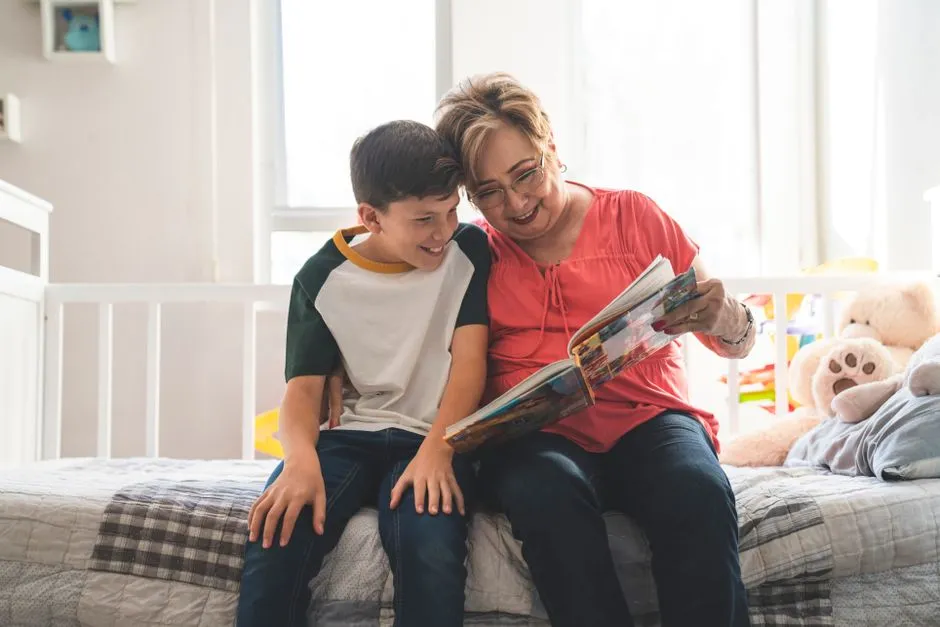
Overall, the team found that those who spent time with their grandchildren scored higher on tests of memory and verbal fluency compared with those who didn’t, and these results held even after adjusting for age, health, and other factors. Verbal fluency, the ability to retrieve and produce words efficiently, is one of the earliest abilities to show signs of wear in aging adults.
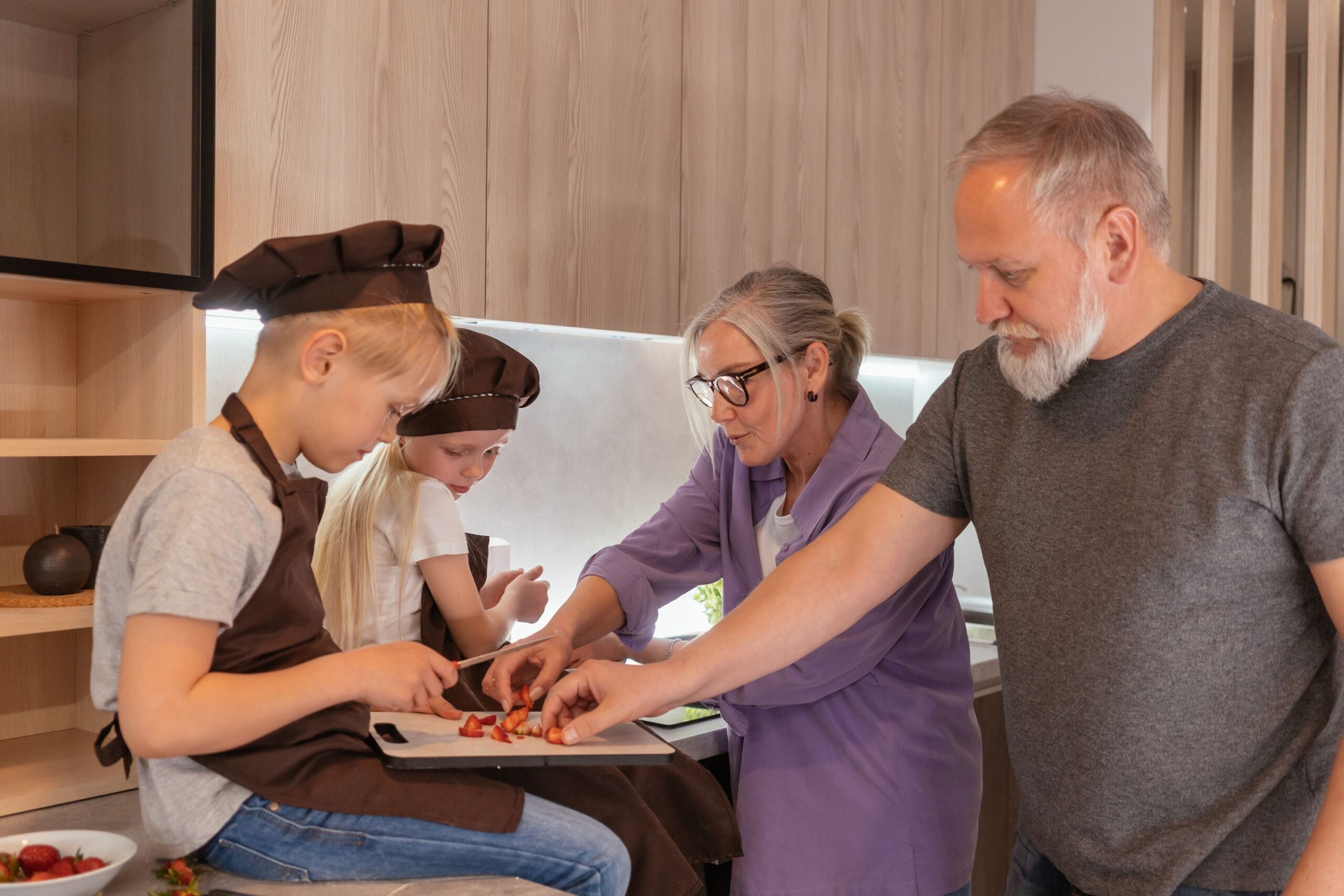
Grandparents who took part in any number of caregiving activities, such as help with homework, care when the child was sick, cooked them meals, watched them overnight, and played with them, scored higher in memory and language tests. The variety of tasks involved appears to be a meaningful part of the equation, not just the act of showing up.
It Doesn’t Take a Major Time Commitment
The brain boost didn’t require a major time commitment. Among grandparents who provided care, how often they babysat made no measurable difference to their brain health. A grandmother who looked after her grandchildren once a week exhibited the same cognitive performance as a grandmother who cared for hers several days a week.
More babysitting time wasn’t linked to bigger benefits, and even occasional care may help. What you do matters: homework help and active leisure, like games, were the strongest standouts. This is good news for grandparents who can only pitch in occasionally, since the threshold for brain benefit appears to be lower than many might expect.
The Gender Gap: Grandmothers Benefit More
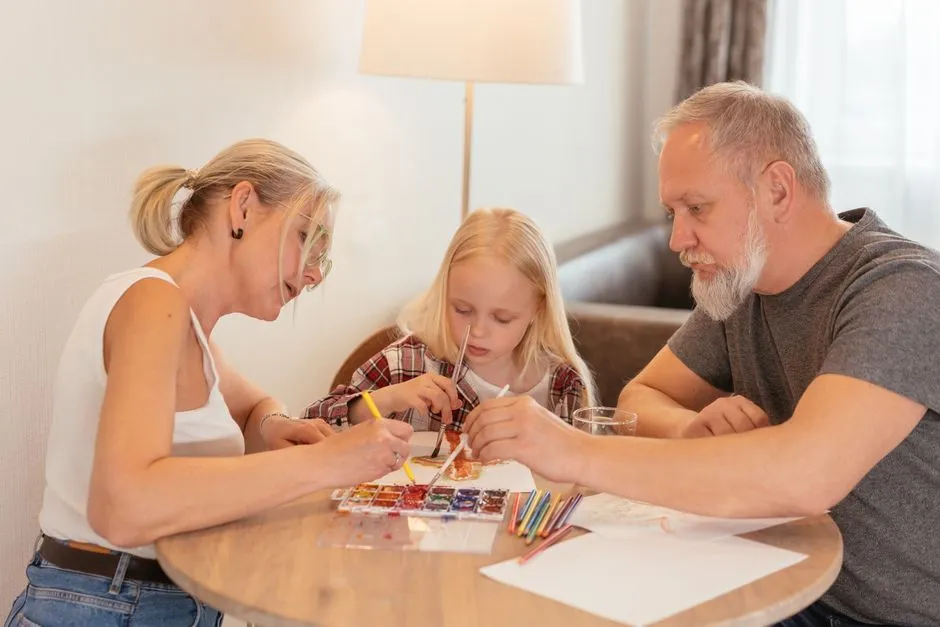
For grandmothers, the benefit was even greater. Cognitive decline was slower among women who provided child care to their grandchildren compared to grandmothers who didn’t. Researchers believe this may reflect differences in how men and women typically engage during caregiving, with women more often taking on emotionally and conversationally intensive interactions.
Both men and women enjoy cognitive benefits from grandparenting, but the benefit works in different ways between genders. Specifically, light noncoresident grandparenting protects grandmothers, while intensive noncoresident grandparenting protects grandfathers from developing dementia. The takeaway is that the sweet spot differs, but a protective effect exists for both sexes.
A Separate Study on Dementia Risk

Moderate care for grandchildren significantly reduces dementia risk in older adults, according to a major study that followed more than 10,000 Chinese adults for five years. Researchers found that grandparents who provided between one and 39 hours of weekly child care had notably lower odds of developing dementia compared to those who provided no care.
Intensive caregiving of 40 or more hours per week showed no cognitive protection, while those providing no care or having no grandchildren also showed no reduced dementia risk. The pattern that emerges across multiple studies is consistent: moderate, voluntary involvement is where the benefit lives, not at the extremes.
The Role of Social Connection
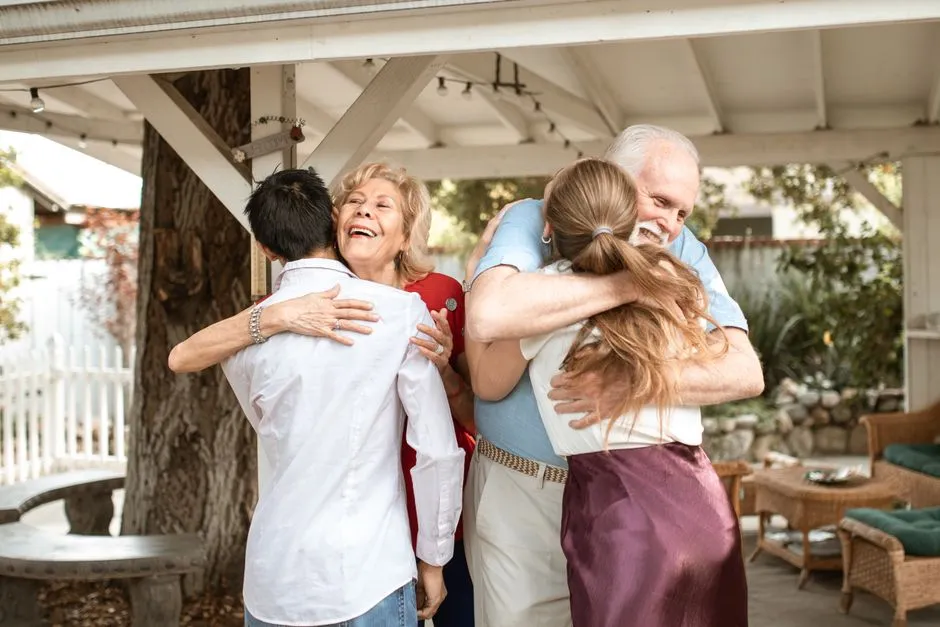
It is now well-established that social connections play a crucial role in cognitive health as we age. Grandparents who share strong bonds with their grandchildren are more likely to feel more socially connected, and a strong sense of connection is linked to better cognitive health.
Interacting with grandchildren also exercises core social-cognitive skills such as empathy and perspective-taking, which may help stave off age-related cognitive decline. These are not trivial skills. They require sustained attention, reading emotional cues, and adjusting behavior in real time, which is exactly the kind of mental effort that keeps aging brains resilient.
Reduced loneliness emerged as another crucial factor, with moderate caregivers notably more likely to report low levels of loneliness than noncaregivers. Loneliness is increasingly recognized in the medical community as one of the most damaging contributors to accelerated cognitive decline in older adults.
Why Activities Matter: Quality Over Quantity
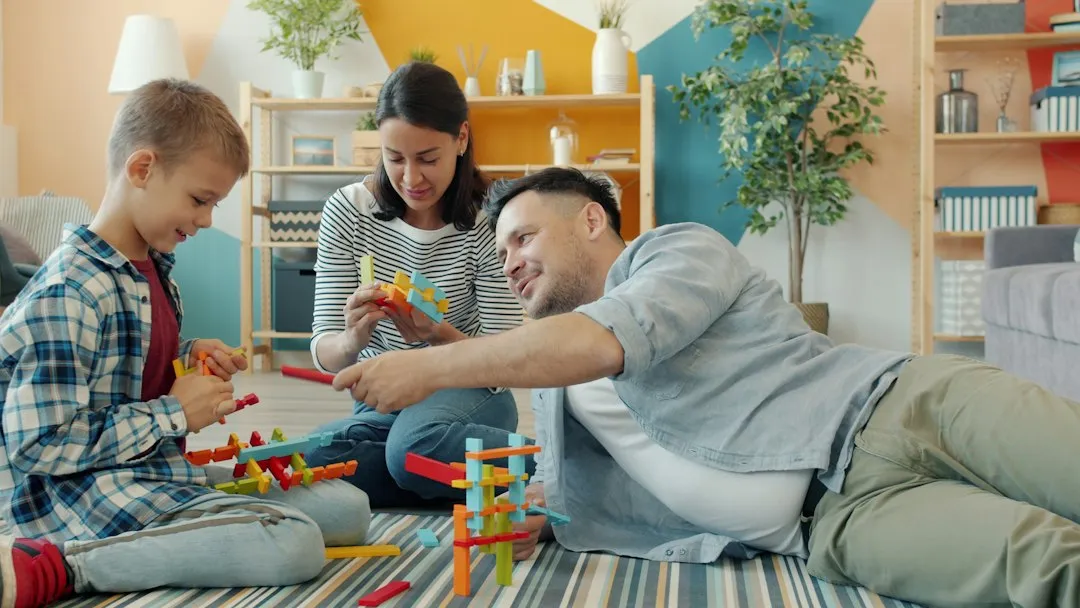
Activities that actively engage the mind, like helping with homework, playing board games or card games, working on creative projects, and spending time outdoors together, may be the most mentally stimulating. The brain appears to respond best when caregiving involves some degree of novelty and problem-solving, rather than passive supervision.
Variety is key: grandparents who rotate through diverse activities, such as cooking, homework help, outings, and games, show better cognitive function than those who stick to one type of care. The activities involved in caregiving, like problem-solving, storytelling, and play, act as a natural cognitive workout, keeping the brain active and engaged.
When Caregiving Becomes a Burden
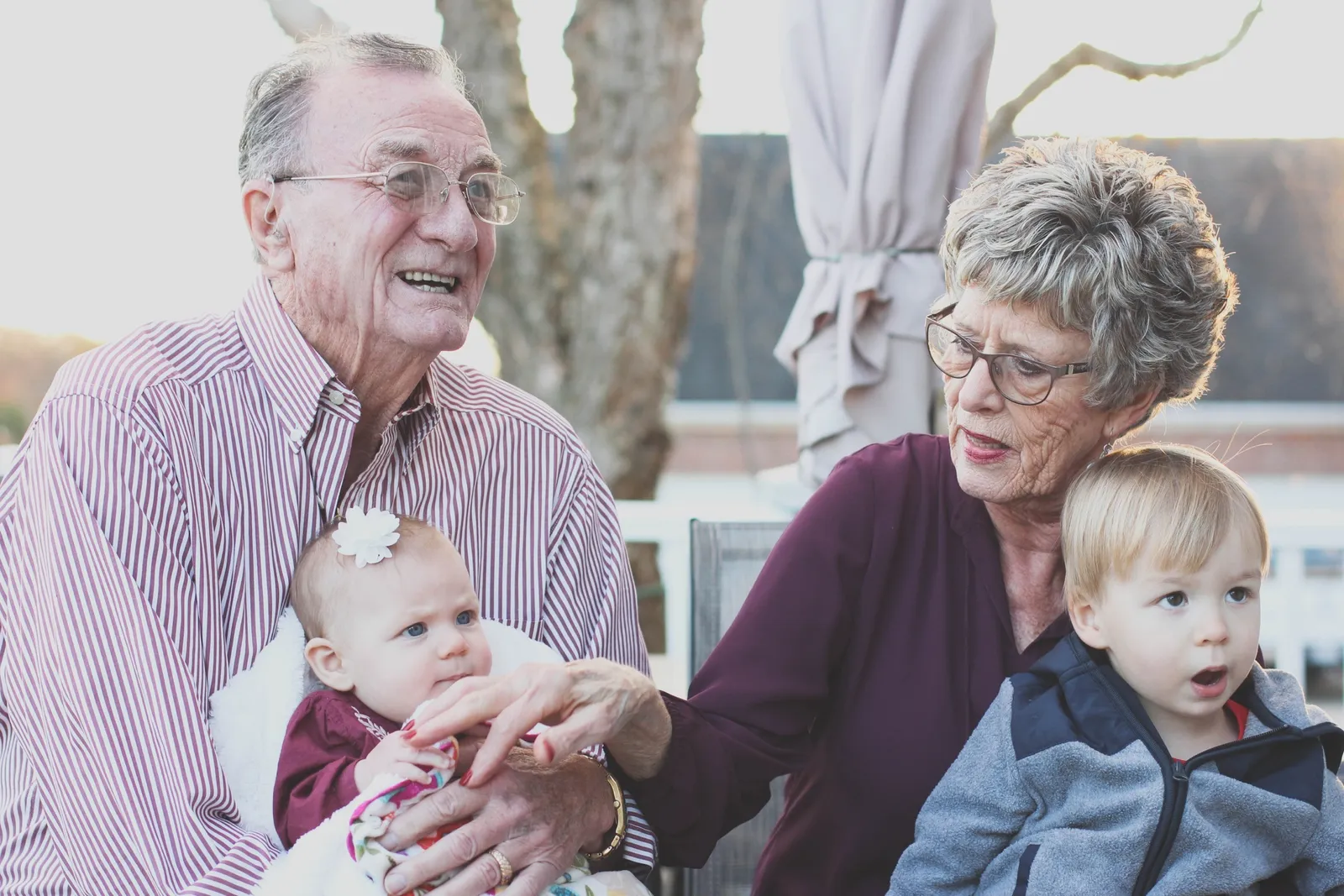
In most cases, grandparents who did not live with their grandchildren but helped out, for example by babysitting, helping with daily care, staying in contact, or providing occasional support, tended to have better health and well-being, while full-time caregiving, such as living with or raising grandchildren, was more often linked to worse outcomes.
The benefits are linked to voluntary, part-time caregiving. Seniors who are primary, custodial caregivers face a higher risk of depression and stress, which can harm cognitive health. The distinction matters enormously. Stress and cognitive protection do not coexist well, and research consistently shows that feeling overwhelmed cancels out the benefits.
What the Science Cannot Yet Prove
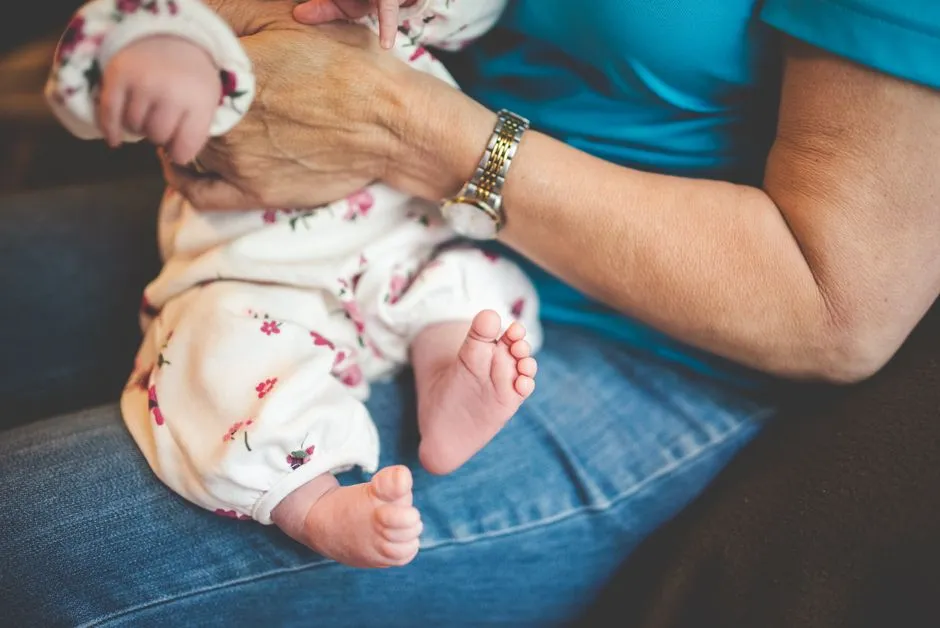
The study has not proven with certainty that babysitting causes better brain health. It’s possible that grandparents who are already cognitively sharper are simply more likely to take on active, part-time caregiving roles. It also doesn’t mean caregiving prevents dementia or Alzheimer’s disease.
Researchers are clear about the limits of what can be claimed. Correlation and causation remain two different things in science, and long-term randomized trials in this area are practically difficult to design. Still, the results of the six-year study are encouraging. Grandparents can benefit from spending time with their grandkids, regardless of the amount of time, with the biggest benefits showing up in more mentally engaging activities.
Meaningful Roles in Later Life
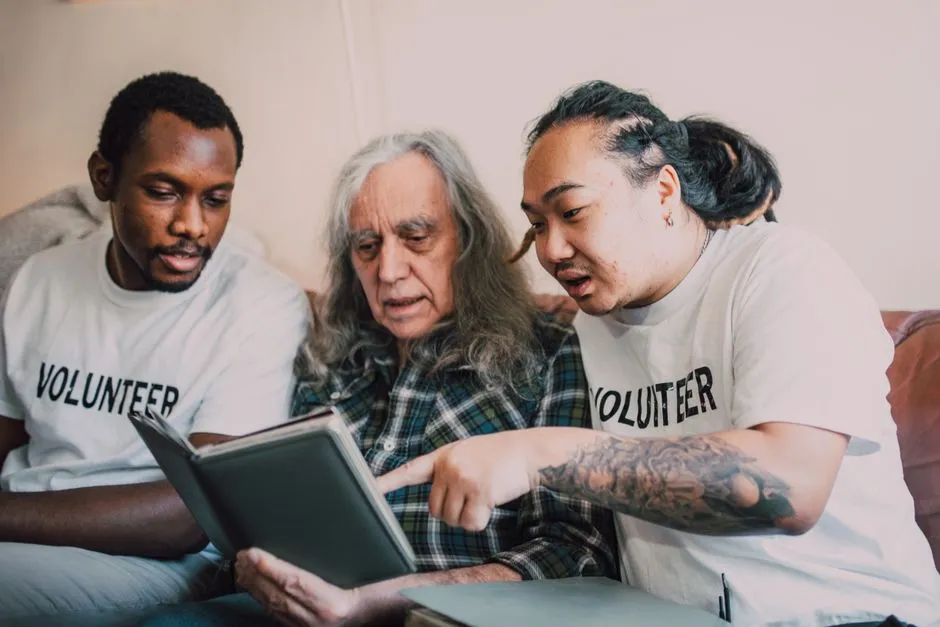
One study found that older adults who held multiple meaningful roles, such as grandparent, volunteer, or community member, reported better overall health, with no evidence that being busy in these roles harmed their well-being. The findings suggest that activity and responsibility aren’t necessarily burdensome in later life when roles are chosen, meaningful, and socially connected.
The role of a grandparent extends beyond providing love and support to younger generations. It may also serve as a pathway to healthier aging for grandparents themselves. From building deeper social connections to staying mentally and physically active, grandparenting offers a unique blend of engagement that promotes cognitive resilience.
The Takeaway
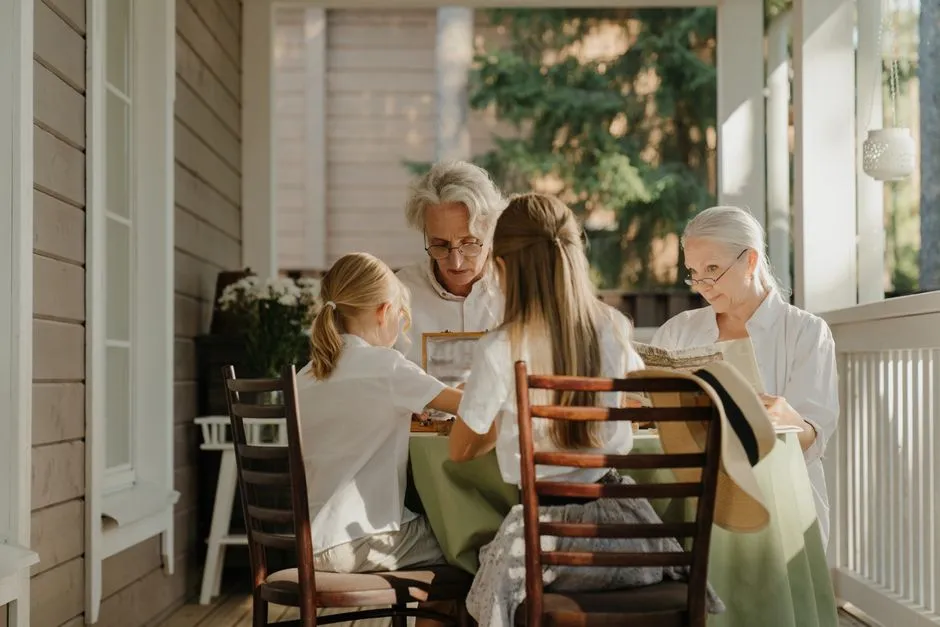
The research coming out of 2024, 2025, and now 2026 paints a consistent picture: grandparents who stay involved, on their own terms, in the lives of their grandchildren appear to hold onto their cognitive sharpness longer. It’s not about clocking in hours or becoming a full-time caregiver. It’s about engagement, connection, and the kind of mental activity that only real human interaction brings.
Science still has more work to do before declaring a firm cause-and-effect link. The benefit comes from the active, social, and adaptive role itself, which helps build cognitive resilience, more than from the specific frequency or type of care provided. As populations age, facilitating supportive intergenerational care can be a legitimate component of healthy aging, but programs must ensure grandparents are not overwhelmed.
Perhaps the most honest summary is this: for grandparents who genuinely enjoy time with their grandchildren, that joy may be doing more for their brains than they ever realized. And for families wondering whether to ask grandma or grandpa to pitch in more often, the answer from the latest research leans clearly toward yes.
AI Disclaimer: This article was created with the assistance of AI tools and reviewed by a human editor.