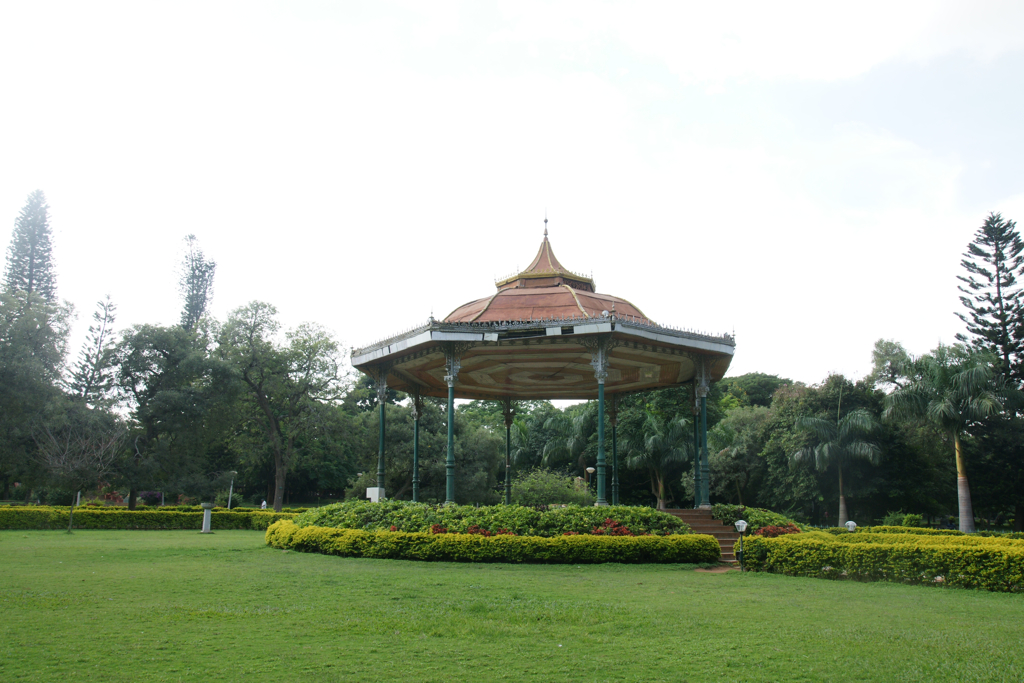

A Market That’s Growing Fast
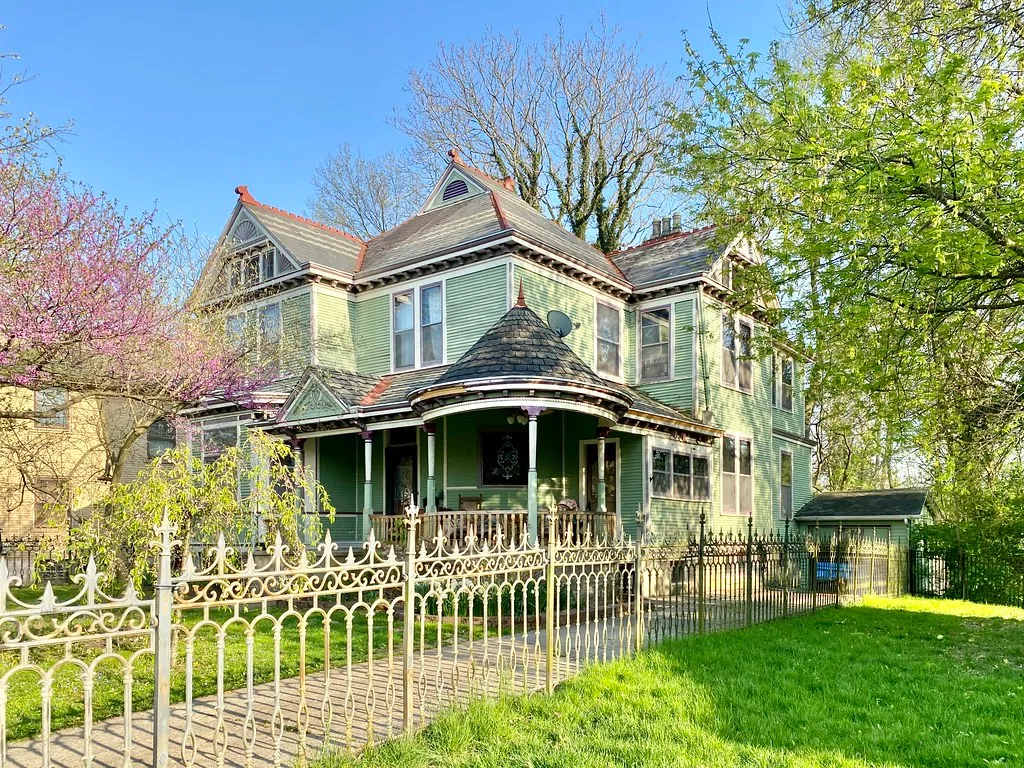
The global gazebo market reached USD 3.2 billion in 2024 and is registering a healthy CAGR of 5.8% from 2025 to 2033. Driven by rising emphasis on outdoor living, landscape architecture, and wellness trends, the market is forecasted to reach USD 5.4 billion by 2033.
In 2025 alone, the global gazebo market is valued at approximately 2.8 billion dollars and is projected to expand to 4.2 billion dollars by 2034. That kind of sustained growth doesn’t happen by accident. It’s the result of a broad cultural shift toward investing in residential outdoor environments as genuine extensions of the home.
North America remains the largest market, accounting for over nearly half of the global share in 2024, primarily due to high consumer spending on home improvement and a culture of outdoor living. This dominance is well established, but the momentum is increasingly global.
The Structural Difference That Actually Matters
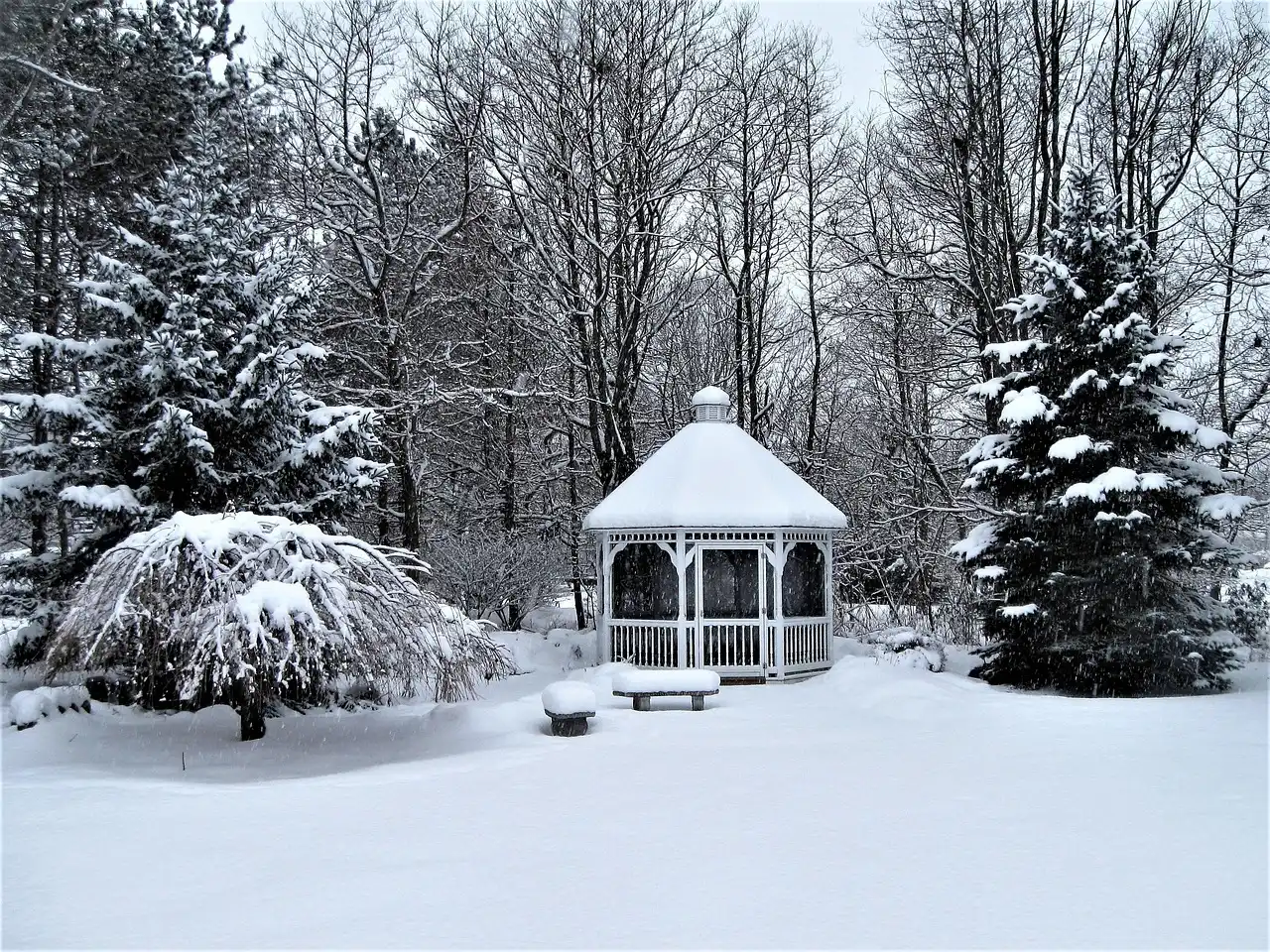
A gazebo provides complete, 100 percent overhead coverage, making it the most suitable option for homeowners seeking reliable shelter from both intense sunlight and heavy precipitation. Traditional gazebos are freestanding, multi-sided, or rectangular structures featuring a fully closed, solid roof.
While both gazebos and patio covers serve the purpose of providing shade and shelter, they differ significantly in design and functionality. Gazebos are freestanding structures, often placed in gardens to offer a panoramic view of the surroundings, and are typically open on all sides with decorative elements.
In contrast, patio covers are attached to the home, creating a seamless transition from indoor to outdoor spaces, which makes them more suitable for everyday activities like outdoor cooking and dining right next to the house. The gazebo trades that convenience for independence, and increasingly, homeowners seem to prefer it that way.
Weather Protection That Patio Covers Simply Can’t Match
The gazebo protects you from weather conditions such as rain or snow, and you can add features like lattice screens and curtains to block wind and insects. A patio cover, however, cannot fully protect you from heavy rain or high wind.
One of the most significant trends of recent years has been the growing popularity of hardtop gazebos. Unlike traditional fabric canopies, hardtop gazebos offer durability and protection from the elements. Made from materials such as aluminum, steel, or polycarbonate, these structures are designed to withstand harsh weather conditions, making them ideal for year-round use.
Year-round usability is the key phrase here. A traditional patio cover keeps the sun off on a clear afternoon. A well-built hardtop gazebo keeps you comfortable in November. That’s a meaningful difference in how much value you’re actually getting from the structure.
Smart Technology Is Moving Outdoors

The integration of smart technology has genuinely changed the outdoor experience. Motorized louvers, integrated LED lighting, and voice-activated controls now offer real convenience and energy efficiency.
Many modern gazebos now come with built-in LED lighting, allowing homeowners to enjoy their outdoor space even after the sun goes down. This feature enhances the ambiance and expands the usability of the structure considerably. Smart technology is increasingly being built into these structures, and homeowners can control lighting, fans, and even heating systems through their smartphones.
Patio covers are rarely built with this level of integration in mind. Gazebos, as standalone structures, lend themselves naturally to becoming fully equipped outdoor rooms rather than just shaded slabs of concrete.
The Multifunctional Outdoor Space Trend
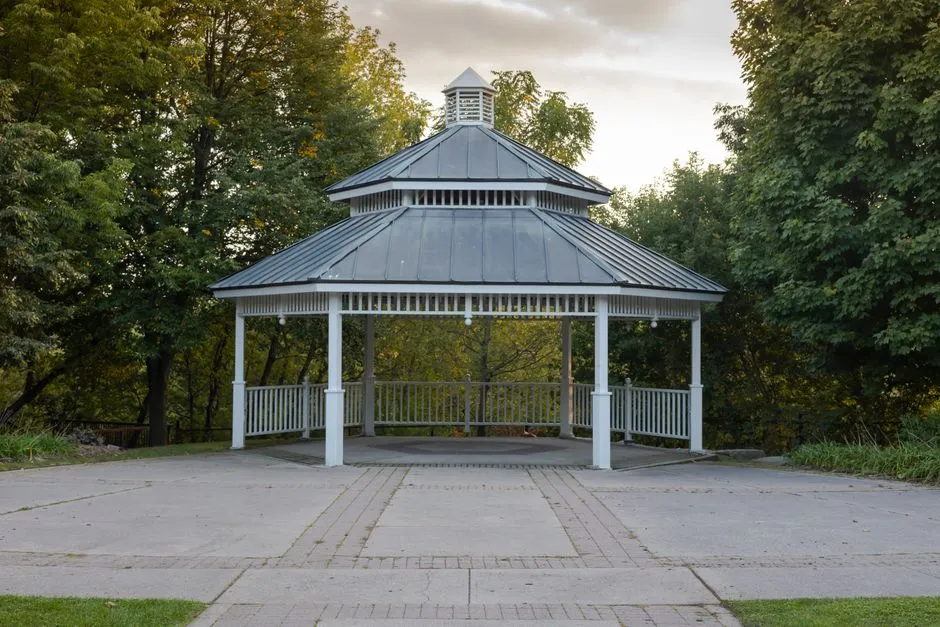
According to the National Association of Realtors, nearly two thirds of homeowners aspire to create multi-functional outdoor spaces, a confirmed trend in 2024 that is poised to accelerate further. With roughly three quarters of millennials expressing interest in outdoor kitchens, and a forty percent increase in entertainment areas, customization is at the forefront of outdoor design.
A hardtop gazebo can be used for a variety of purposes, from providing shade for a hot tub to creating a comfortable outdoor dining area. Its sturdy structure allows for the addition of lighting, fans, and even outdoor heaters, making it suitable for a wide range of activities.
According to Houzz, the demand for outdoor spaces has increased by roughly half since 2020, signaling the growing popularity of seamless indoor-outdoor living. Gazebos are well positioned to meet that demand precisely because they create a distinct, dedicated destination in the yard rather than just a shaded overhang.
Prefabricated Kits Are Changing Who Can Afford One
Retailers like Costco, Home Depot, and Wayfair have expanded their outdoor living structure assortments with prefabricated pergola and gazebo kits priced between USD 1,500 and USD 8,000. This price range has made what was once a custom-build luxury genuinely accessible to average homeowners.
Demand for outdoor living structures returned strongly as homeowners prioritized backyard enhancements and wellness spaces, with nearly forty one percent of new installations involving pergolas, gazebos, or modular shade units. That volume reflects a category that has moved well beyond niche.
The prefab market has also shortened installation timelines dramatically. What once required weeks of construction can now arrive as a kit and be assembled over a weekend. That combination of affordability and ease removes two of the biggest barriers that previously steered homeowners toward simpler patio covers.
Sustainability Is Reshaping Material Choices

In 2025, bamboo, reclaimed wood, recycled aluminum, and composite materials have become the most popular choices for sustainable gazebo and pergola structures. These materials are low-maintenance, sturdy, and environmentally friendly.
Homeowners today are more eco-conscious and prefer recycled, responsibly sourced, or naturally renewable materials. The best options for eco-friendly structures include bamboo, reclaimed wood, composite decking, and recycled aluminum, with some structures augmented further with vertical gardens and rainwater collection systems.
The emphasis on eco-friendly materials and innovative design solutions is particularly pronounced, shaping the competitive landscape and consumer preferences. Traditional patio covers, often built from poured concrete or basic aluminum sheeting, don’t carry the same environmental narrative that today’s buyers increasingly expect.
The Commercial Sector Is Buying In
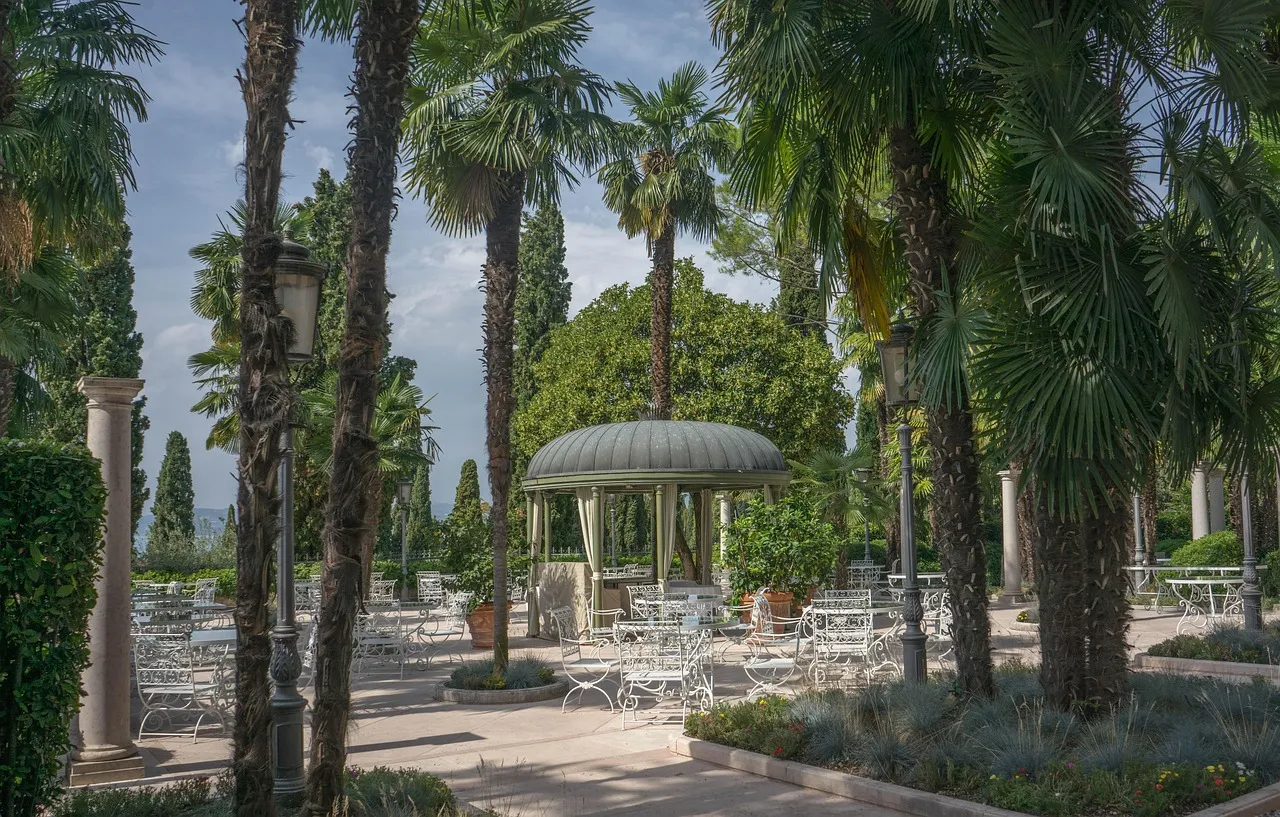
The global hospitality sector rebounded strongly from pandemic disruptions through 2024 and 2025, with hotels, resorts, restaurants, and event venues aggressively investing in outdoor infrastructure to differentiate guest experiences and increase revenue per square meter.
Wedding and event venues particularly accelerated gazebo installations to create attractive backdrops and climate-controlled spaces for ceremonies. The global event venue gazebo market grew by more than eleven percent in 2025 compared to 2024, with luxury resorts in Mexico, the Caribbean, and Southeast Asia leading the expansion.
When the hospitality industry moves this decisively toward a product, residential consumers tend to follow. Spending a weekend at a resort with a beautifully designed gazebo bar or ceremony space tends to plant ideas that homeowners bring back with them.
Property Value and Buyer Appeal
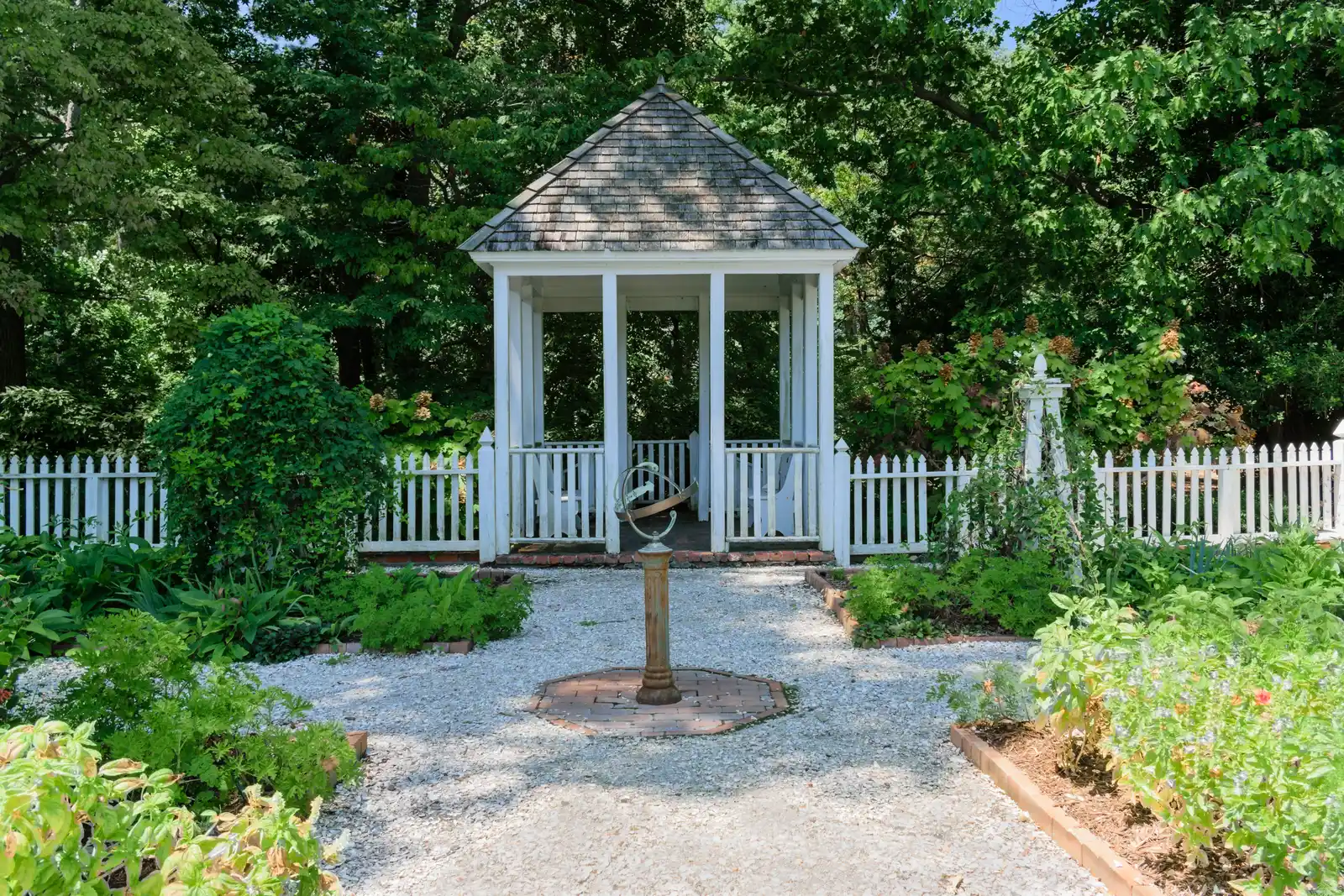
Gazebos can increase home value, with the return depending on the type of gazebo, installation quality, and how well it fits the property. Unlike major renovations, a gazebo offers a relatively affordable way to enhance outdoor living, improve curb appeal, and attract buyers who value usable backyard space.
Buyers increasingly prioritize outdoor living. In many markets, a usable backyard is no longer optional. Real estate professionals consistently report that homes with defined outdoor spaces sell faster and attract stronger interest. While a gazebo doesn’t count as interior square footage, it adds functional living space, and buyers frequently value homes with multiple distinct zones for relaxing, dining, and entertaining.
A well-designed outdoor structure significantly increases home value by expanding usable space, and a high-quality, professionally installed pergola or gazebo generally provides a return on investment between fifty and eighty percent on the project cost.
The Asia Pacific Factor
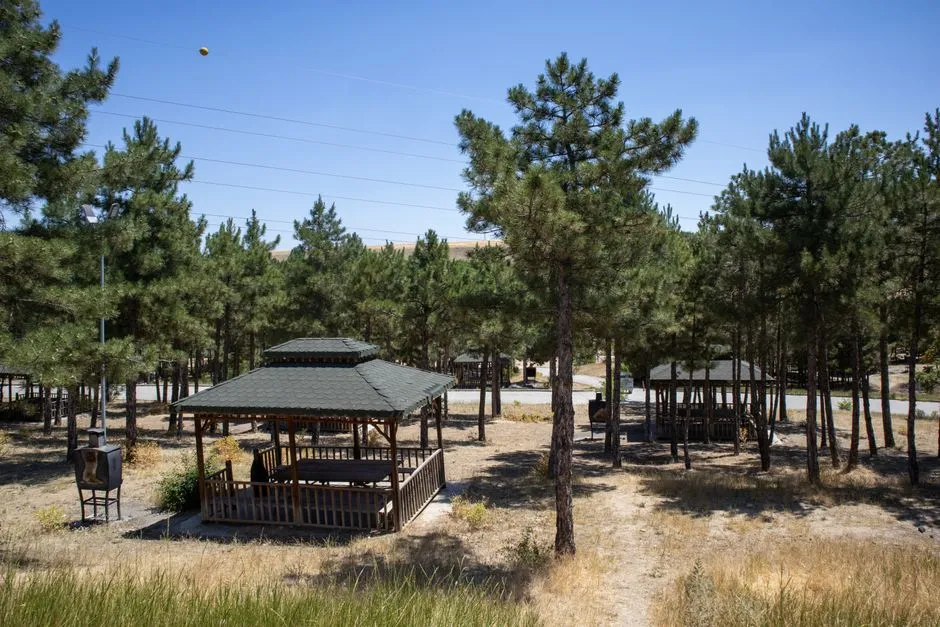
The Asia Pacific region is poised for the fastest growth in the gazebo market, with a projected CAGR of 7.2% over the forecast period, and the market size in Asia Pacific reached approximately USD 680 million in 2024.
Growing middle-class populations in these regions are adopting outdoor entertaining concepts, creating expanding demand for affordable gazebo solutions. India’s residential gazebo market demonstrated nearly nine percent year-over-year growth in 2025, driven by urbanization and increased outdoor space investments in metropolitan areas.
The pavilions and gazebo market segment is expected to grow at the fastest compound annual growth rate across the U.S. outdoor living structures market from 2025 to 2030, due to the shift in outdoor-centric lifestyles and their preference for relaxation and leisure. The gazebo is, quietly and steadily, becoming a global product.
The Takeaway

The traditional patio cover isn’t disappearing overnight. For homes where space is tight or where a structure needs to sit flush against the house, it still makes sense. What’s changing is the ceiling of ambition. Homeowners today want their outdoor space to feel like a real room, not just a shaded spot on a slab.
Gazebos answer that ambition directly. They’re freestanding, weather-resistant, technologically adaptable, and increasingly affordable. The market data confirms the direction of travel, and so do the real estate professionals who watch what buyers actually respond to.
Sometimes a structure that looks merely decorative turns out to be more functional than anything it’s replacing. That’s what’s happening with gazebos right now, one backyard at a time.
AI Disclaimer: This article was created with the assistance of AI tools and reviewed by a human editor.