
Garlic Is Built for Winter, Biologically Speaking
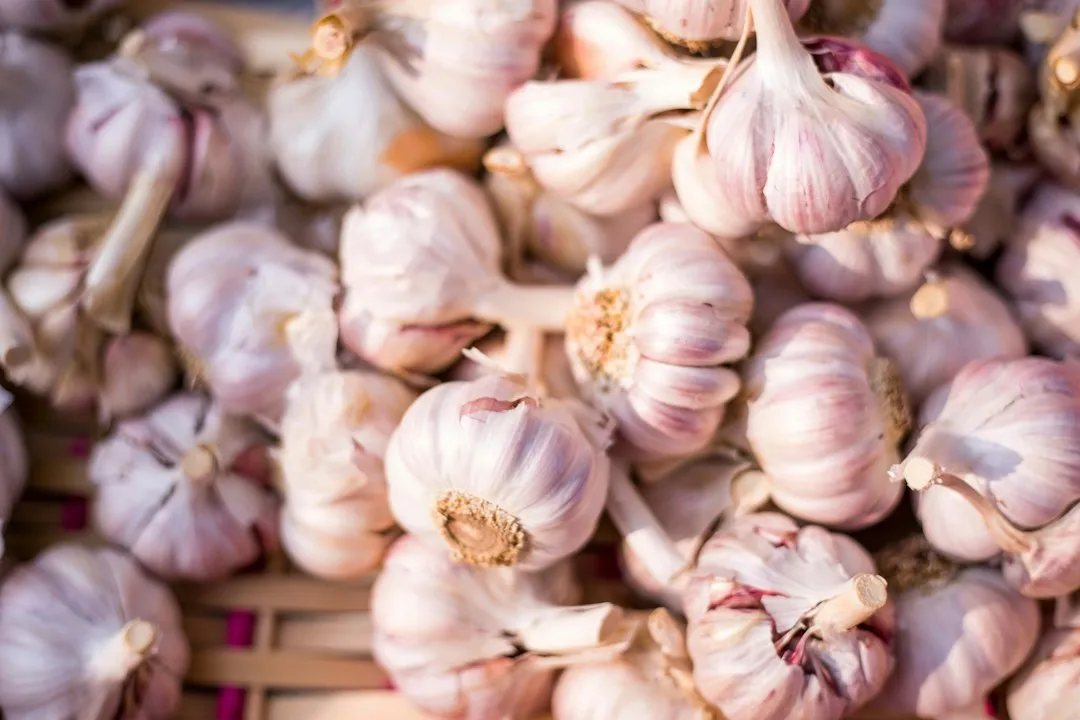
Garlic is actually a perennial plant that gardeners choose to grow as an annual, and it can even be grown as a perennial in permaculture or edible landscapes. That perennial nature tells you a lot about how it’s wired. It is a temperate crop whose ontogeny and bulb production are strongly influenced by temperature and photoperiod, and the cloves require a period of around two months of exposure to low temperatures before planting to ensure proper development.
Garlic is a member of the allium family, which includes onions and leeks, and these root vegetables have been used by humans for at least five thousand years for both culinary and medicinal purposes. Its wild ancestors came from central Asia, where long, cold winters followed by long summer days were simply the natural order. The crop evolved to expect exactly that sequence.
The Science of Vernalization: What Cold Actually Does
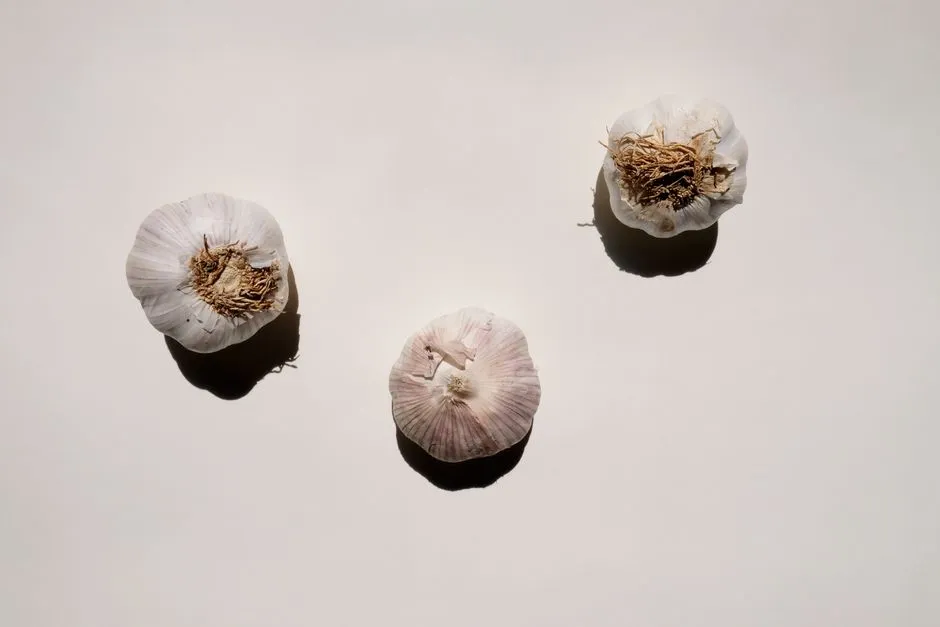
Vernalization is a fascinating biological process that triggers flowering in certain plants through prolonged cold exposure, and in hardneck garlic specifically, this process involves prolonged exposure to temperatures typically below 40°F for 30 to 120 days, triggering the physiological changes necessary for bulb formation. Without it, the plant simply doesn’t know to divide into cloves.
Hardneck garlic needs six to eight weeks at temperatures below 40°F to activate genes like VERNALIZATION1 (VRN1), which regulate flowering and bulbing. This is not a vague ecological preference. It’s a genetic switch, written into the plant’s DNA after thousands of generations in mountainous, continental climates.
Bulbs exposed to temperatures of zero to ten degrees Celsius for two months undergo accelerated growth because the low temperatures modify the plant’s hormonal balance. That hormonal shift is what separates a clove that becomes a full bulb from one that stays stubbornly small.
What Happens Underground in Fall and Winter
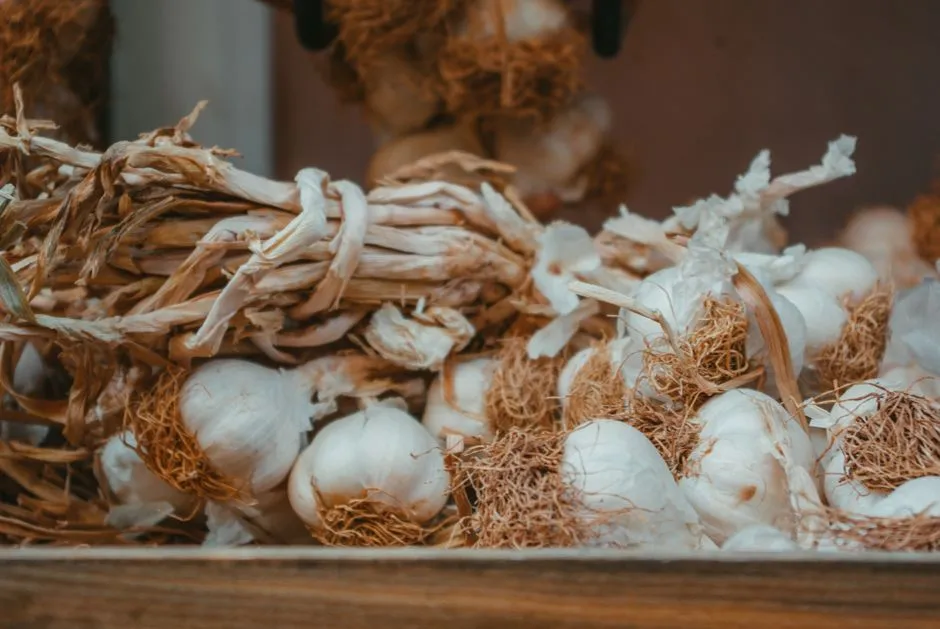
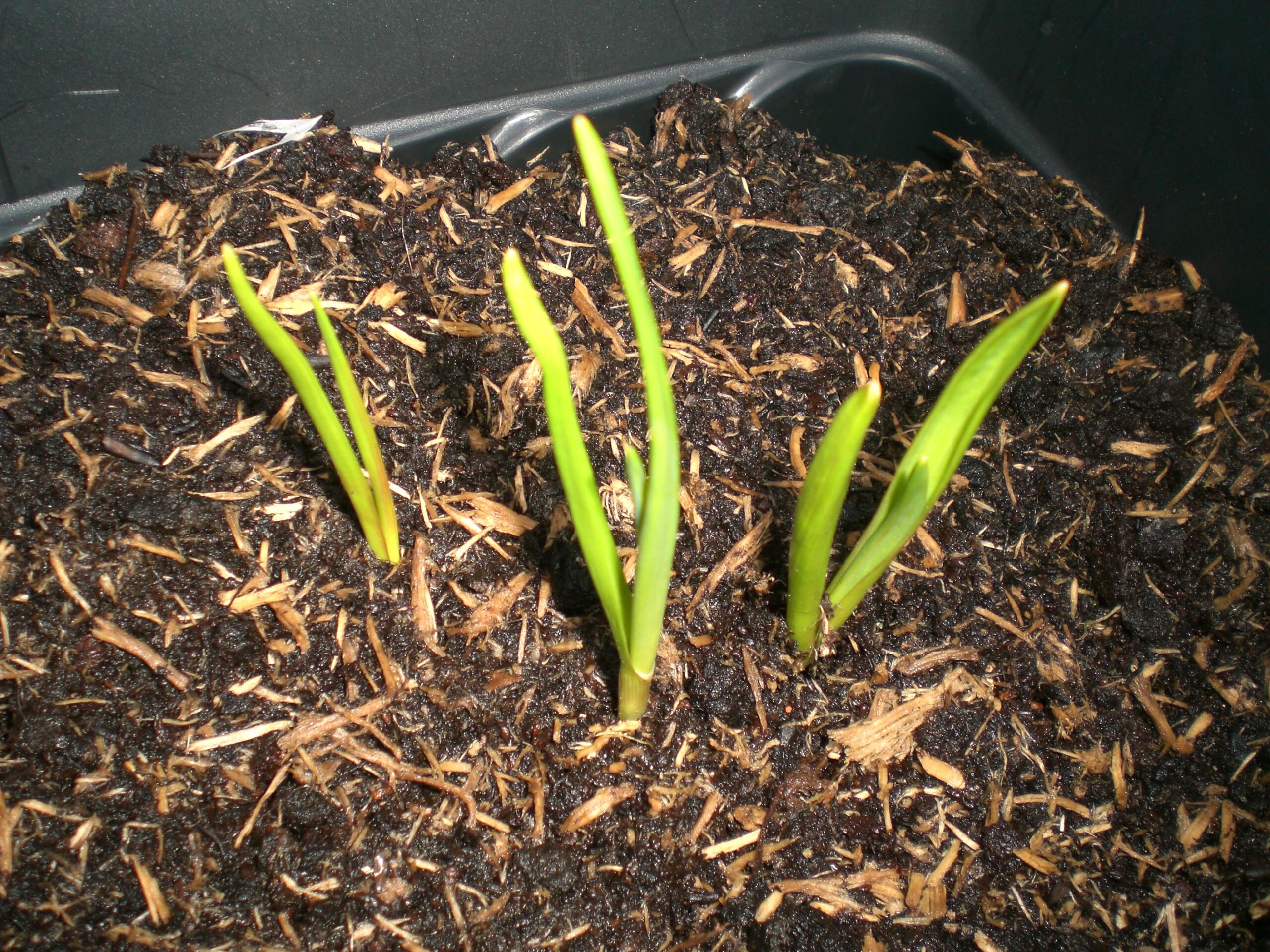
Garlic roots develop in the fall and winter, and by early spring they can support the rapid leaf growth that is necessary to form large bulbs, according to horticulturist Chip Bubl of Oregon State University’s Extension Service. The plant isn’t sitting idle during those cold months. It’s quietly building infrastructure.
Garlic cloves require six to eight weeks of cool weather below 40°F to undergo vernalization, and with adequate moisture and lower temperatures, roots emerge and leaves sprout while the plant goes through early vegetative growth, with cloves swelling considerably and developing many fine roots during fall and winter.
Garlic can be planted late in the fall after other gardening tasks are finished, and the cloves will produce roots and minimal shoot growth before going dormant later in the season. That early root development is crucial. A deep, established root system is what powers the explosive spring growth that eventually fills out the bulb.
Why Spring Planting Mostly Fails
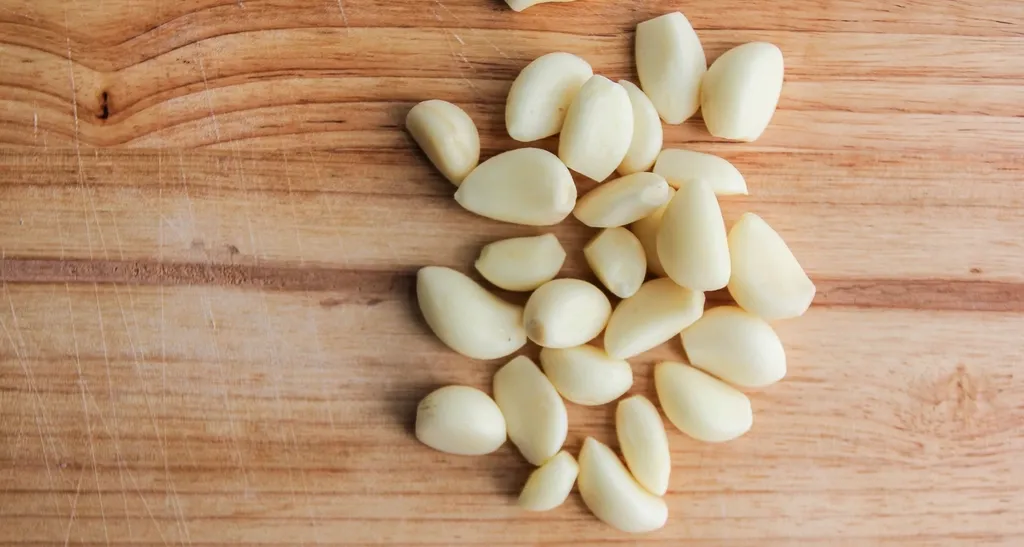
The growing period is too short for satisfactory yields if garlic is planted in spring, since bulbing and maturity will not take place when temperatures are high. The math simply doesn’t work. Without the cold period behind it, the plant tries to bulk up in warm soil, which is the opposite of what the biology requires.
Fall planted garlic plants are more mature and will form a larger bulb, while spring plantings of cloves will result in smaller heads of garlic. That size difference isn’t subtle. Spring-planted garlic often produces what growers call “rounds,” which are undivided single-clove bulbs with no internal structure.
Garlic planted in spring may lack the low temperature exposure required to break dormancy and initiate clove formation and bulbing. So while you technically can plant garlic in spring, the result is usually disappointing enough that most growers don’t try it twice.
Day Length Matters Just as Much as Cold
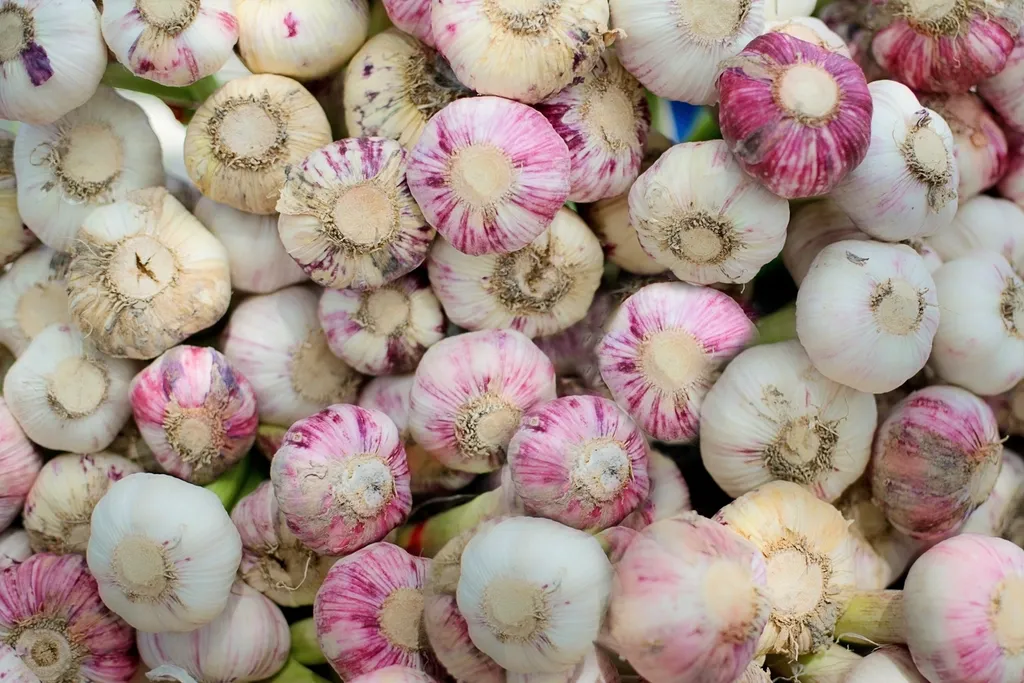
The main factors influencing garlic growth and development are genetics, photoperiod, and temperature, with low temperature and short photoperiod required for initial growth, followed by long photoperiod and high temperature for bulbing and bolting. Cold is only half the story. The lengthening days of spring are what actually tell the plant to start building the bulb.
Garlic first develops roots and leaves during cooler, shorter days, and later, as daylight hours increase, bulb formation begins. Once daylight exceeds ten hours, the plant begins to move out of its short-day growth phase. This is why timing is so precise. The plant is essentially reading both a thermometer and a clock simultaneously.
A 2020 study by Muhammad Jawaad Atif and coauthors in Environmental and Experimental Botany found that photoperiod and temperature affected garlic bulbing, with fourteen-hour light and 30°C treatments producing maximum plant and bulb morphology in experimental conditions. The interplay between warmth and long days in late spring is exactly what garlic has been waiting all winter to experience.
The Role of Leaf Development in Final Bulb Size
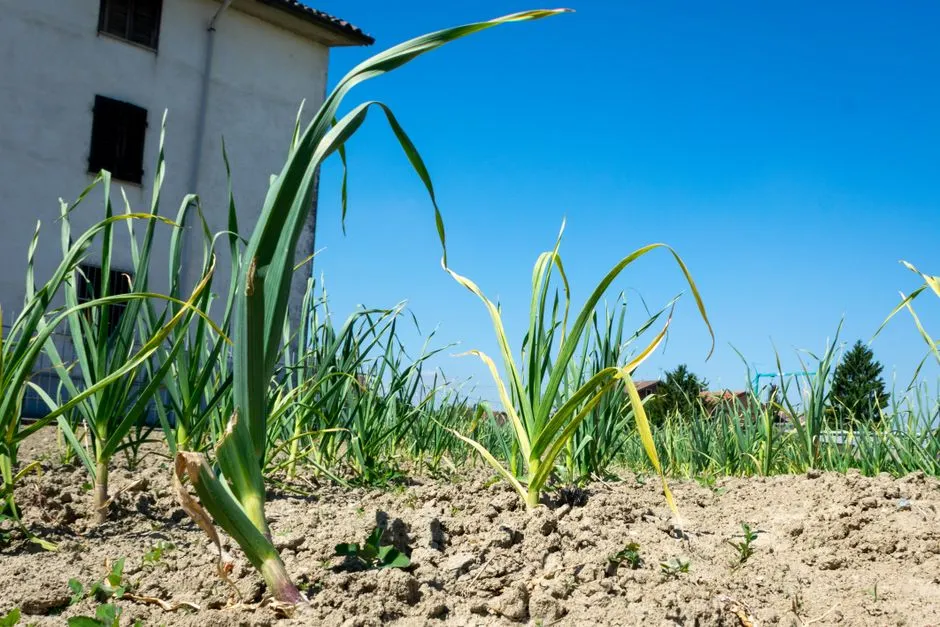
The reason garlic is planted in fall is to permit full leaf development, because as soon as bulbing starts, leaf initiation ceases. This is a detail that surprises many gardeners. The number of leaves a plant develops before it starts bulbing directly determines how large the final bulb can grow.
The foliage matters more than many people realize, because every healthy leaf acts as a sugar-producing factory, and those sugars are later transported into the bulb during the filling stage. Before trying to grow larger bulbs, the goal should be to develop a strong plant with healthy roots and plenty of functional leaves.
Fall planting gives the plant the maximum amount of time to develop that leaf canopy before bulbing locks in the final size. A plant with more leaves going into bulb initiation will always outperform one with fewer, regardless of soil fertility or irrigation.
Hardneck vs. Softneck: Different Cold Needs
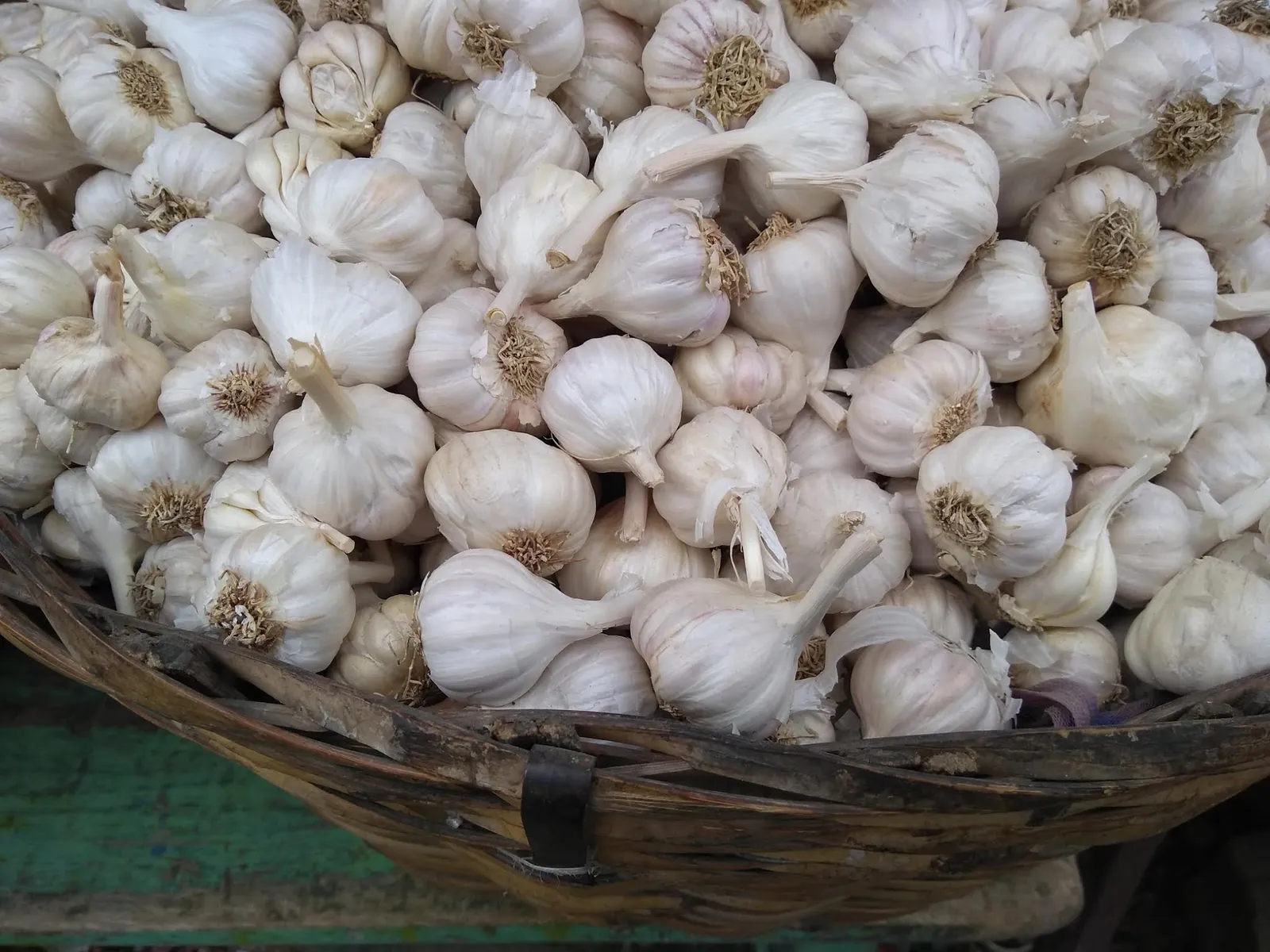
There are three groups of garlic commonly grown: hardneck, softneck, and elephant, with hardneck and softneck both being Allium sativum and elephant garlic being Allium ampeloprasum. Hardneck garlic produces fewer but larger cloves. The two main types also have somewhat different cold requirements, which matters for growers in warmer climates.
Hardneck garlic requires a period of cold exposure known as vernalization to break dormancy and trigger proper growth and bulb formation, typically involving 30 to 120 days below 40°F, and this adaptation ensures that the plants don’t prematurely produce flowers and seeds during warm winter spells. Softneck varieties are generally more flexible and can tolerate warmer winters with less chilling.
Garlic genotypes differ considerably in scape length, flowering ability, and seed production, and in bolting clones, reproductive processes are facilitated by a combination of specific temperature and photoperiod regimes. That genetic diversity means there is no single cold prescription that fits every variety equally.
What About Warmer Climates? Artificial Vernalization
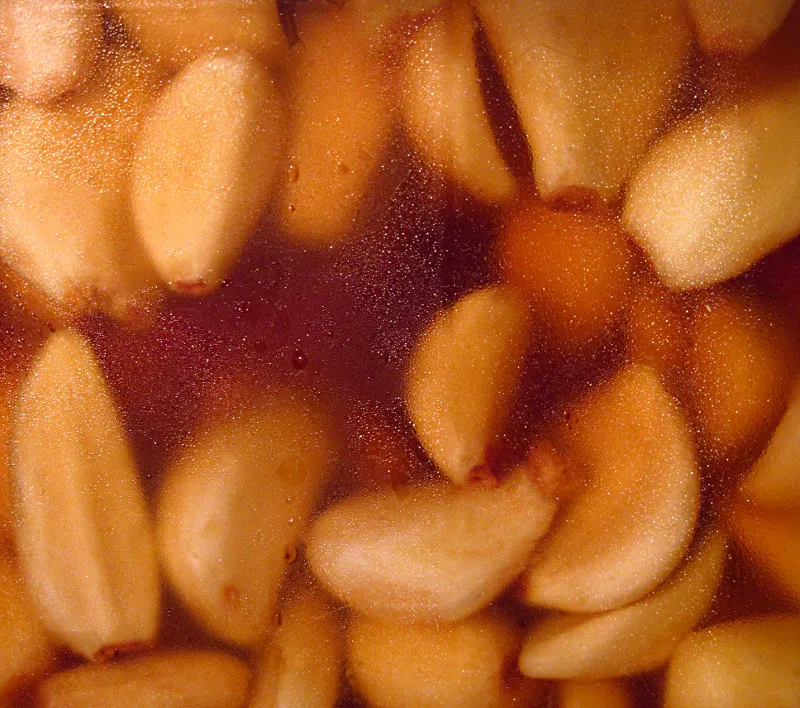
The good news for gardeners in warmer climates is that high-quality garlic can still be produced using a process called vernalization, which is the exposure of garlic cloves to cold temperatures before planting, copying the natural cold period garlic would normally experience in winter to ensure that plants will form full bulbs correctly.
Vernalization can be achieved artificially by cooling cloves to between three and five degrees Celsius for forty to sixty-five days in a cold chamber with a relative humidity of sixty-five to seventy percent. Home gardeners without cold chambers can use a simple refrigerator instead. Garlic needs a period of cold temperatures for good bulb development, fall-planted garlic receives this chilling naturally over winter, and if planting in spring, cloves should be chilled in a refrigerator for about eight weeks beforehand.
In most USDA Hardiness Zones 3 through 9, which cover the vast majority of U.S. home gardening areas, late fall from mid-October to early December is the biologically appropriate window for planting hardneck and softneck varieties. Zones outside that range need to compensate with pre-chilling or variety selection.
How to Know When Garlic Is Finally Ready to Harvest
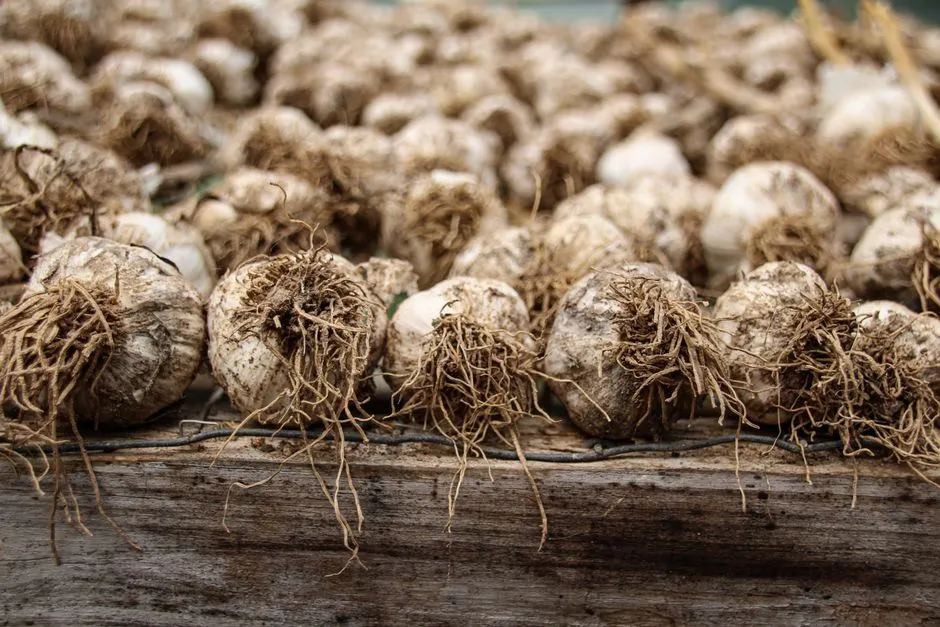
Garlic planted in fall is typically ready to harvest the following summer, usually from June through August depending on climate and variety. Timing the harvest correctly matters more than many gardeners realize. Pull too early and the cloves are underdeveloped. Wait too long and the outer wrappers begin to deteriorate, shortening storage life.
Harvesting around the end of July or early August is generally appropriate when the lower third to half of the leaves have turned brown and wilted but the upper leaves are still green. Each green leaf corresponds roughly to a papery wrapper on the finished bulb, so leaving some green ensures protective layers remain intact.
Digging bulbs prematurely can cause spoilage during storage, while waiting too long can cause disease and discoloration on the bulbs. It’s a narrow window, but watching the leaves carefully makes it easy enough to get right. Mature bulbs should have plump, well-defined cloves covered by several layers of papery skin.
The Scape: A Midsummer Bonus Harvest
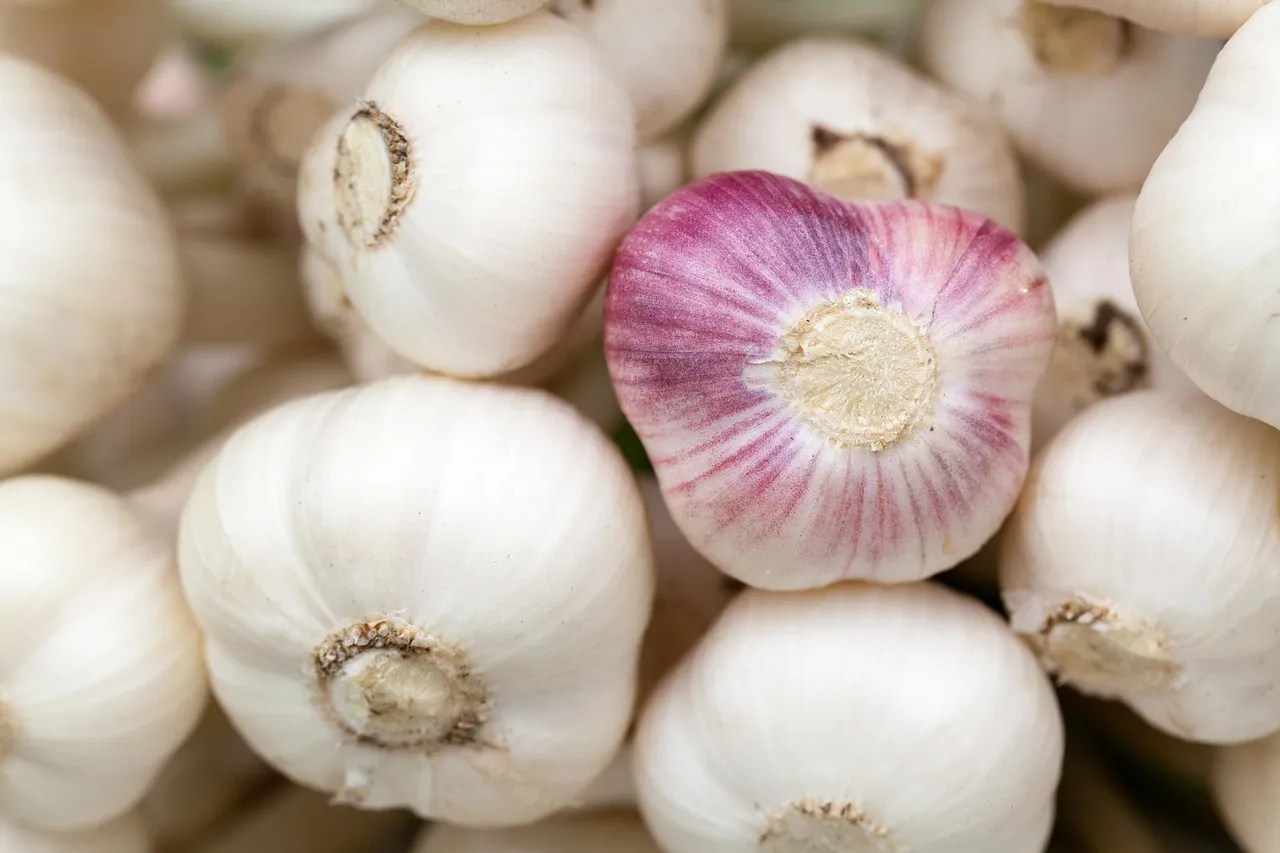
By late spring, hardneck garlic produces a central stalk and a distinctive curly flower stalk called a scape, and if left on the plant, scapes divert energy to flower and bulbil production, reducing bulb size. Removing scapes redirects energy to the bulb, increasing yield by up to thirty percent, as shown in trials by Cornell University’s Cooperative Extension.
If growing hardneck garlic, around the summer solstice the plant will send up a scape, which should be cut off to encourage the plant to put all its energy into bulb formation. Scapes are also edible, with a mild garlic flavor, making them a pleasant early harvest while you wait for the main event underground.
It’s a neat arrangement. You plant in fall, eat the scapes in late spring, and pull the bulbs in early summer. Garlic essentially rewards patience with two harvests from one planting.
The Takeaway
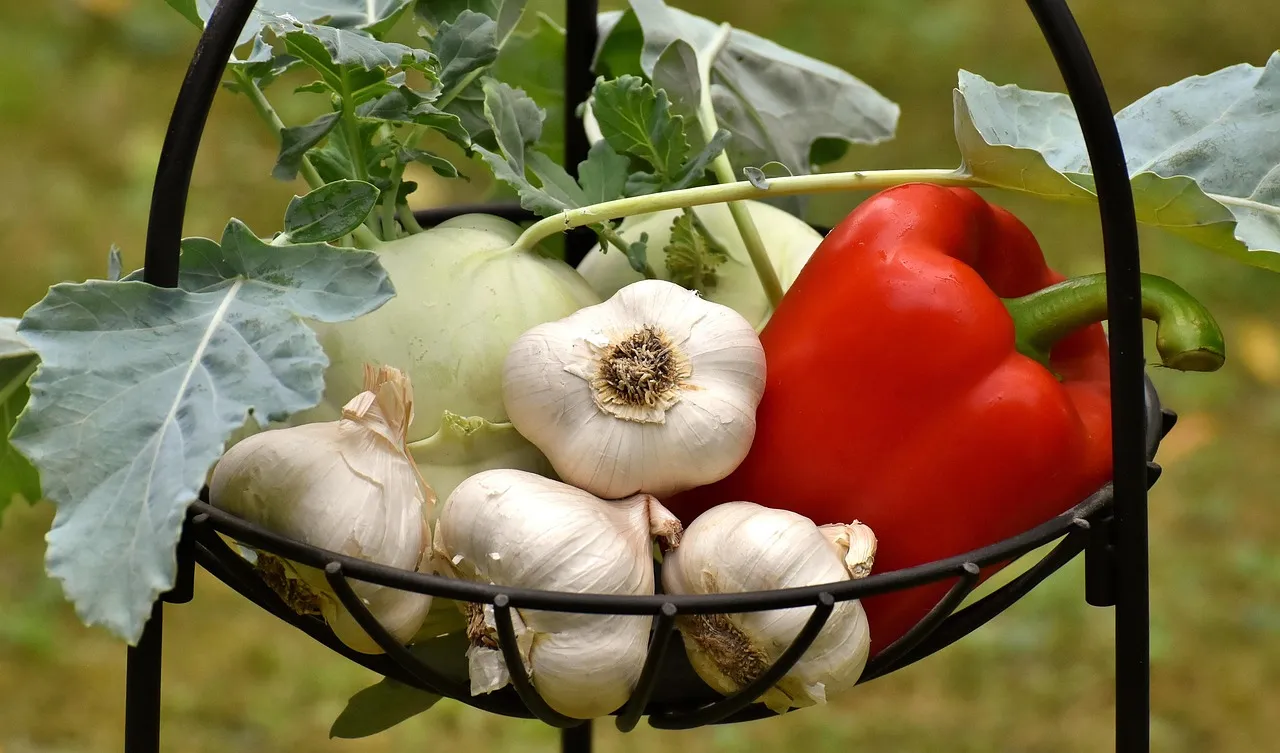
Garlic’s unusual planting calendar isn’t a quirk of agricultural tradition. It’s a direct reflection of the plant’s biology, shaped by thousands of years of evolution in cold, continental climates. Cold triggers the hormonal shifts that make bulb formation possible, spring daylight accelerates the process, and all those winter months underground build the root strength needed to fill out a full, well-layered bulb.
The nine-month wait from planting to harvest can feel slow in a gardening culture that prizes quick results. Still, understanding what garlic is actually doing beneath the soil makes the timeline feel less like waiting and more like watching something work exactly as designed. Plant in fall, trust the cold, and the summer harvest takes care of itself.
AI Disclaimer: This article was created with the assistance of AI tools and reviewed by a human editor.