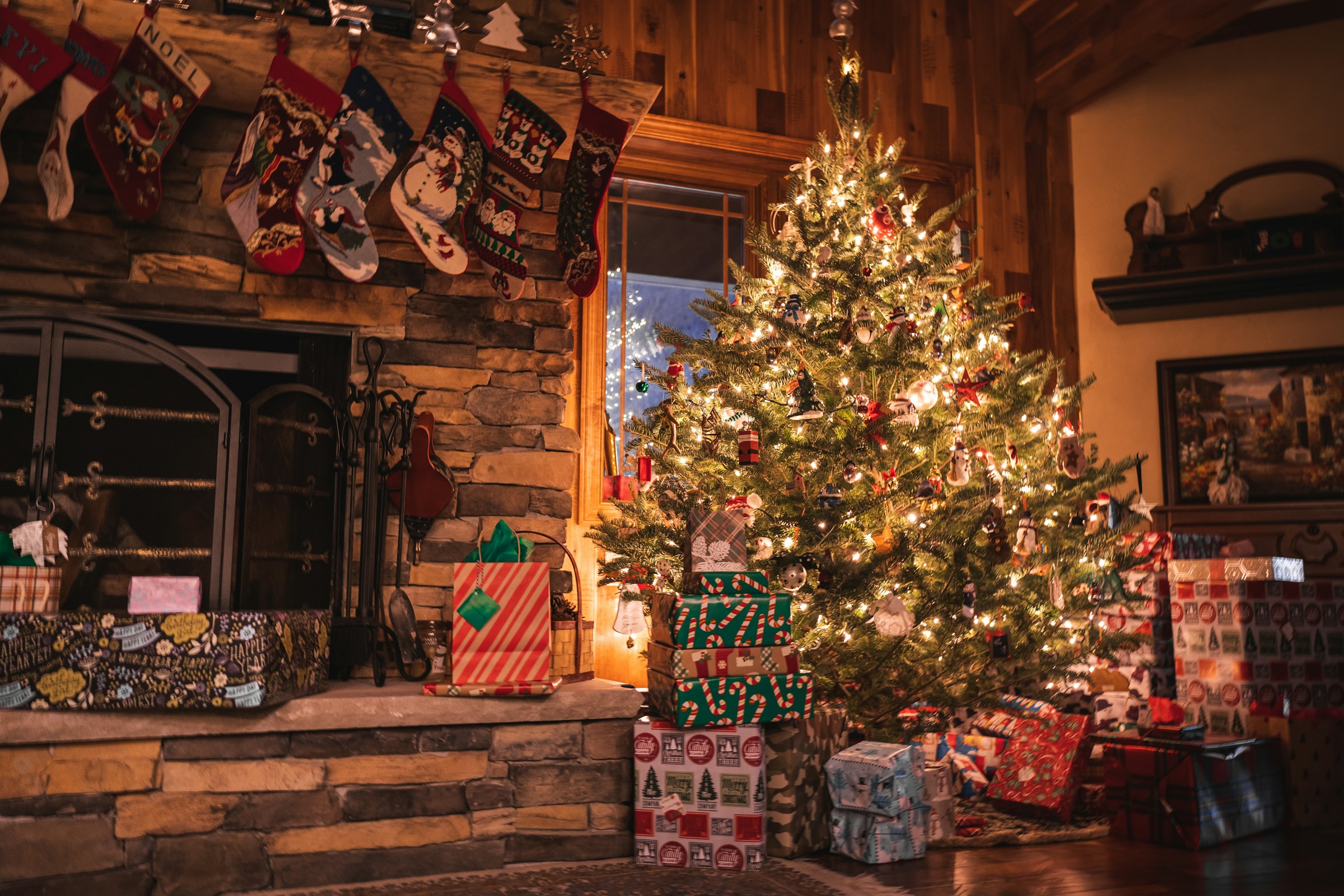

The Scale of the Opportunity
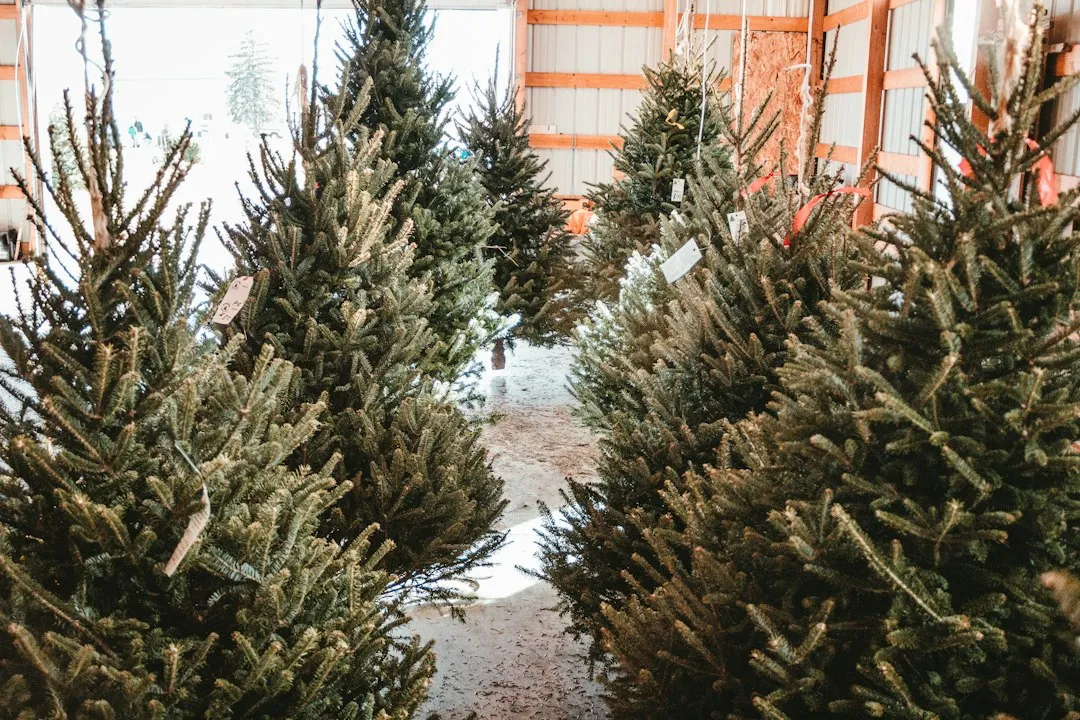
According to the National Christmas Tree Association, between 25 and 30 million real Christmas trees are sold in the United States each year. That’s an enormous volume of organic material that, in most cases, ends up as waste. There are about 15,000 Christmas tree farms in the United States, growing nearly 350 million trees on roughly 350,000 acres. When you consider those numbers, the collective garden potential sitting at the curb every January becomes pretty striking.
Turning Your Tree Into Garden Mulch
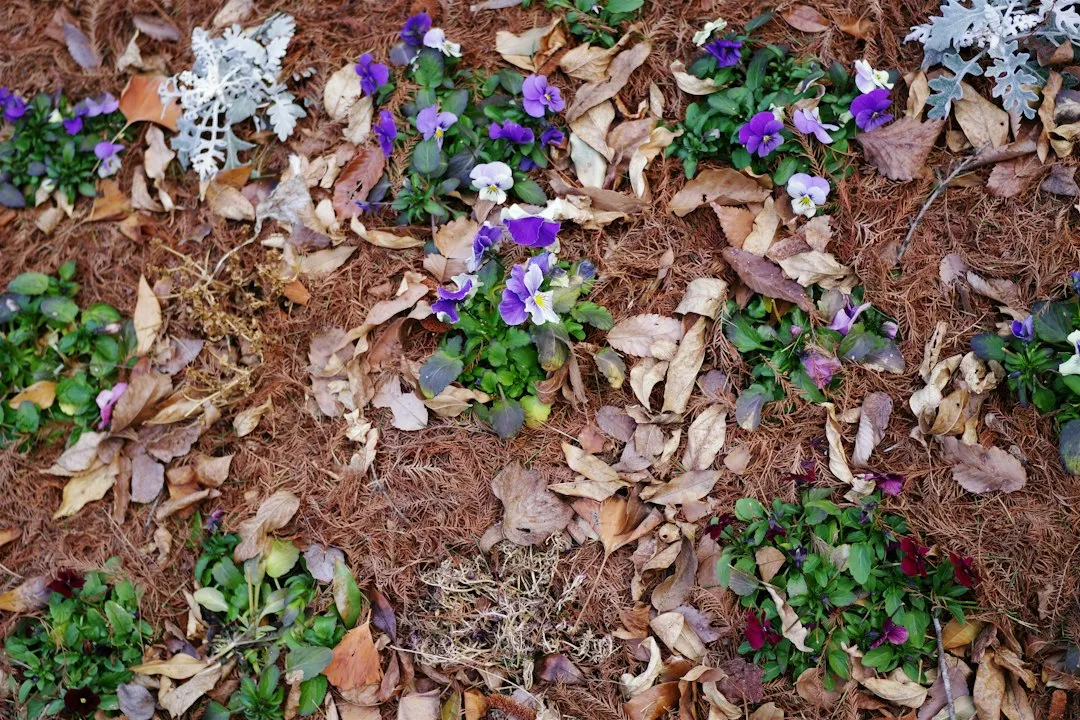
Once spread into garden beds, natural mulch from a shredded Christmas tree helps keep the soil moist, suppresses weeds, and gradually decomposes, feeding the soil with nutrients. The most common recycling option is chipping Christmas trees into mulch, which can be used for a variety of needs around homes and yards.
The mulch helps to stabilize soil, prevents erosion, and, as it breaks down, literally helps to produce new earth. Christmas tree mulch can take several months to a year or more to break down, depending on the type of tree and conditions in your garden. For gardeners who prefer slow-release organic matter, that gradual timeline is actually an advantage rather than a drawback.
Pine Needles and Acid-Loving Plants
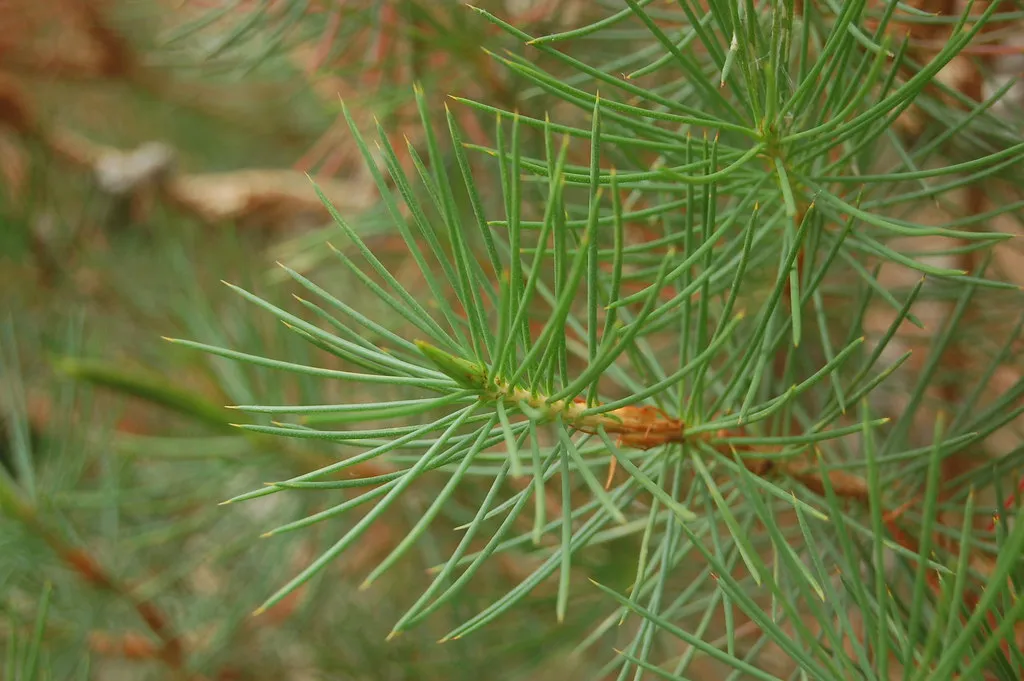
Pine needles are excellent for acid-loving plants due to their natural properties, particularly their acidic nature. Pine needles have a naturally acidic pH, which makes them ideal for plants that require acidic soil conditions within a 4.5 to 6.0 pH range, and as they decompose, they slowly release acidity into the soil, helping to lower or maintain the correct pH.
Plants like azaleas, rhododendrons, blueberries, strawberries, and other perennials that thrive in acidic soils benefit especially well from this kind of mulch. You can keep the Christmas tree on the patio until the needles fall off, then collect them to use as a mulch specifically for acid-loving plants. It’s a surprisingly targeted approach that costs nothing extra.
Insulating Garden Beds Through Winter
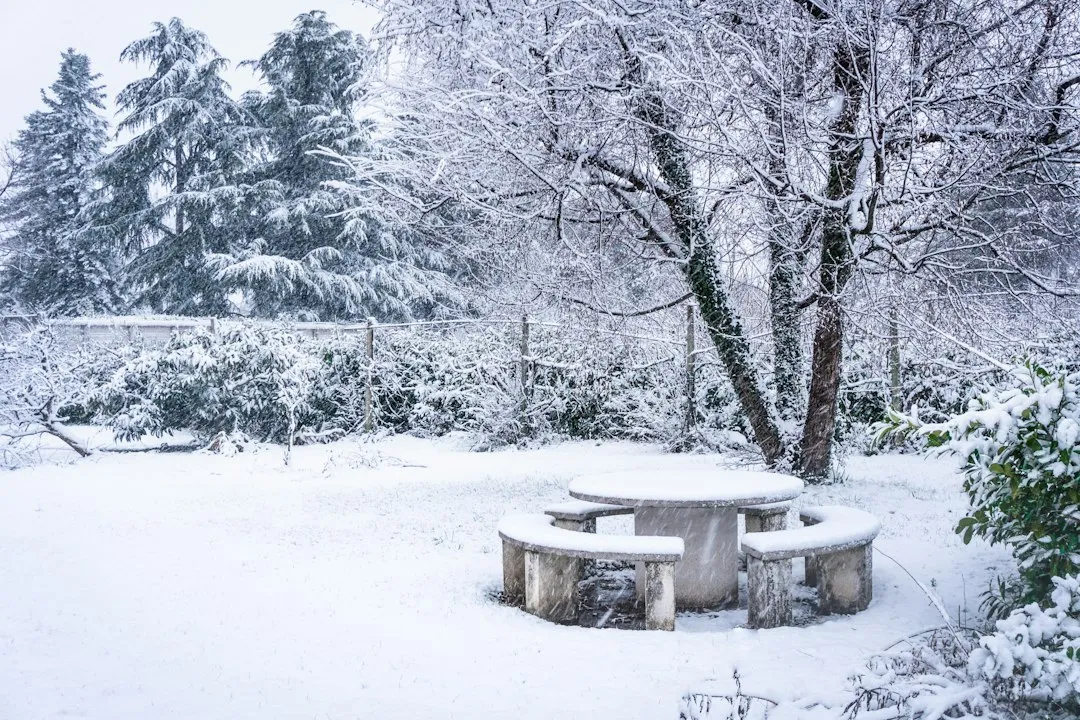
Cut off the branches of your tree and lay them on your garden bed. The boughs will protect your plants from winter freezes and spring thaws, giving your plants a steadier temperature through the cold months. Cutting the limbs off your Christmas tree and laying them along the garden insulates plants and protects them against cold and wind.
Putting cut branches in the garden helps hold moisture in and builds the soil, as well as providing shelter for pollinators and wildlife. Boughs from a Christmas tree can also be used to shade broad-leaved evergreen shrubs from the harsh winter sun and to block out gnawing pests. This dual role as insulator and pest barrier makes the branches genuinely useful well beyond decorative purposes.
A Shelter for Garden Birds and Wildlife

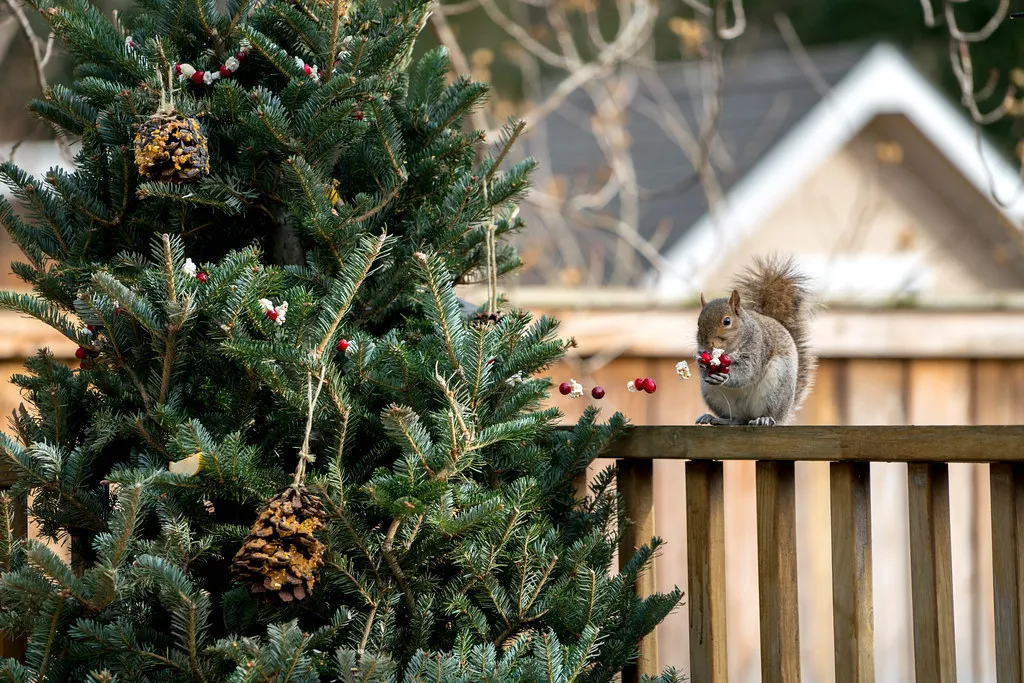
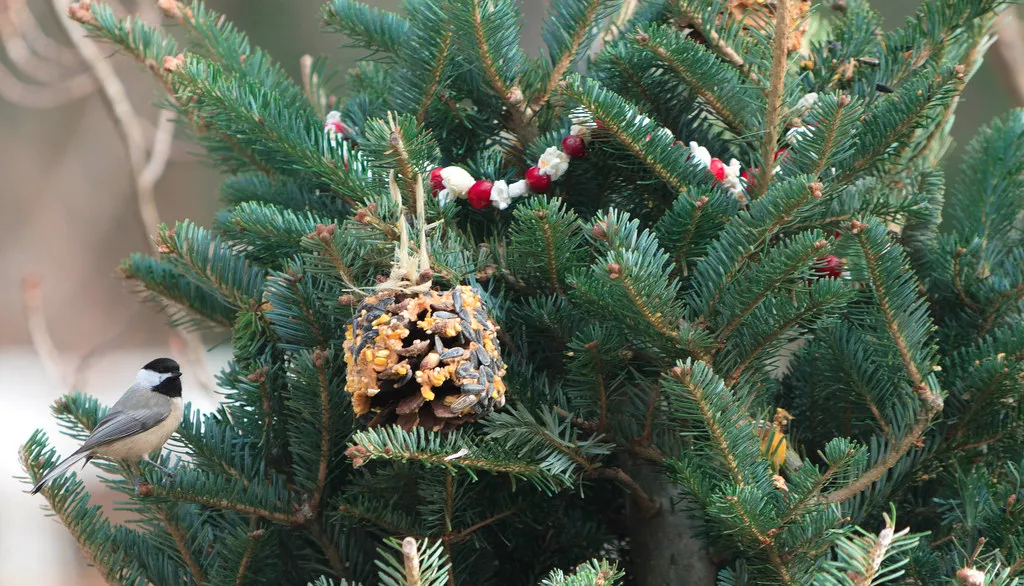
A Christmas tree makes a lovely habitat for small birds such as chickadees and finches during the winter months, especially on cold nights and during storms. A decomposing Christmas tree can also provide valuable food for insects and worms, as well as a hiding place for birds and other creatures. If you love wildlife, the holiday tree can create an untidy thicket habitat for little birds like cardinals and white-throated sparrows.
Piling Christmas tree branches in garden corners creates instant shelters for beneficial wildlife. Ground-dwelling creatures like toads and beneficial insects use Christmas tree piles as winter hideouts, and these animals play important roles in garden ecosystems by eating pests and pollinating flowers when spring arrives.
Creating a Bug Hotel from Branches
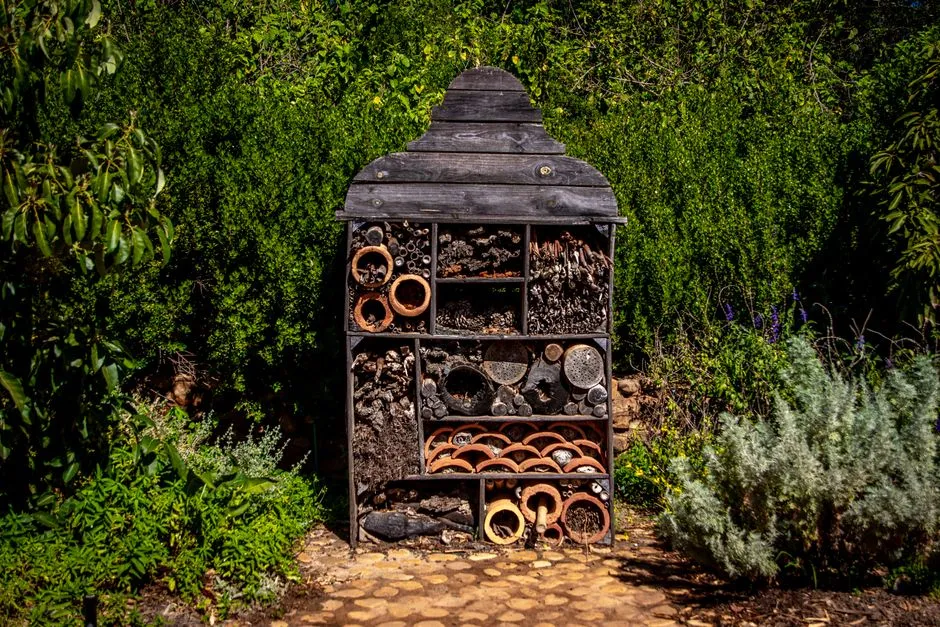
Branches from a Christmas tree can be used to create a bug hotel, perfect to help creatures through the colder months. In quiet garden corners, butterflies and moths can tuck themselves away to complete their metamorphosis, while bumblebees may nest on the ground alongside beetles, spiders, and centipedes, living out their lives away from human interference.
What we call a dead, old Christmas tree still has another role ahead of it. Christmas trees that once brought delight inside our homes may bring delight yet again when we see what the wildlife of our gardens makes of them. That’s not a bad second act for something most people treat as rubbish.
Using the Trunk and Branches as Garden Structure
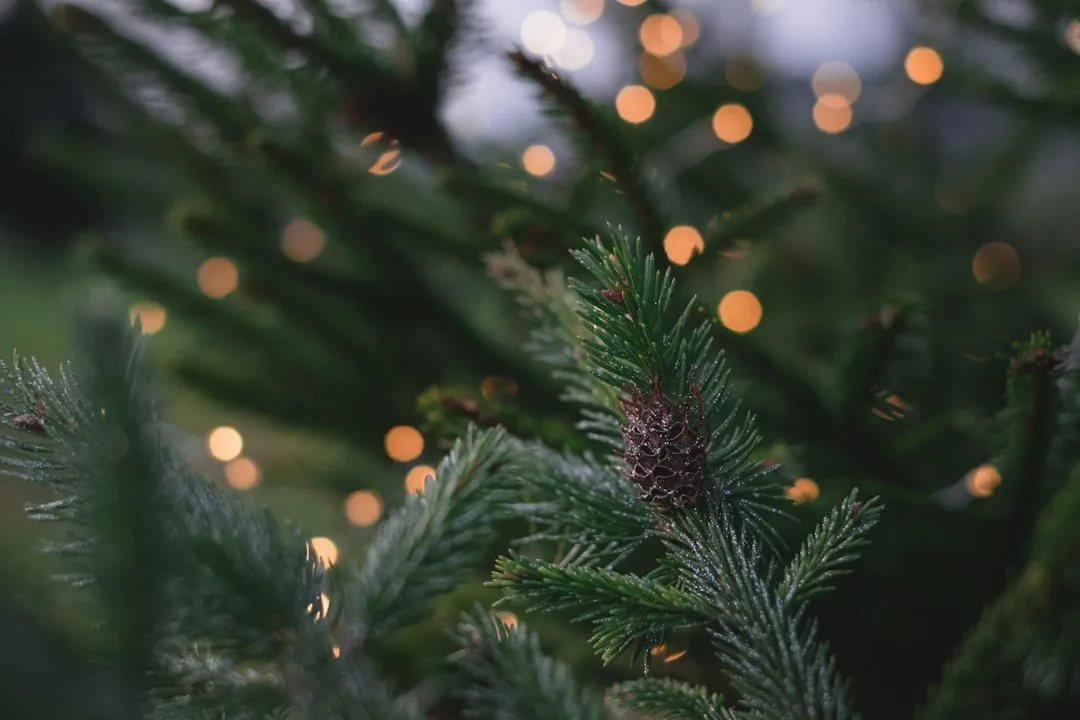
The wood from a Christmas tree can be used for DIY garden trellises, arbors, obelisks, privacy screens, and plant supports. The bare tree trunk can be planted in a garden border, then used to grow climbers such as sweet peas over it. It’s a creative way to get a second season of use from something that would otherwise be gone.
Chipped or shredded Christmas tree branches can be used to create a light, fragrant walkway that looks beautifully natural in the winter garden. This is an easy and inexpensive garden path idea that keeps weeds down between garden beds as well as looking good. Few garden paths are as cheap or as naturally sourced.
Planting a Living Christmas Tree in the Garden

If you’ve got a pot-grown living Christmas tree, you can grow it on to use next year, according to the British Christmas Tree Growers Association. Most Christmas trees sold in pots prefer to be kept cool, and providing you’ve kept the tree in a cool indoor position for a couple of weeks at most, it should survive. You could plant it out in the garden after Christmas, or repot it into a larger pot until next year.
This is one of the more satisfying options for gardeners who want a genuinely living result from their holiday purchase. A tree that started as a festive decoration can, with a bit of care, become a permanent garden feature over the years.
Composting the Christmas Tree
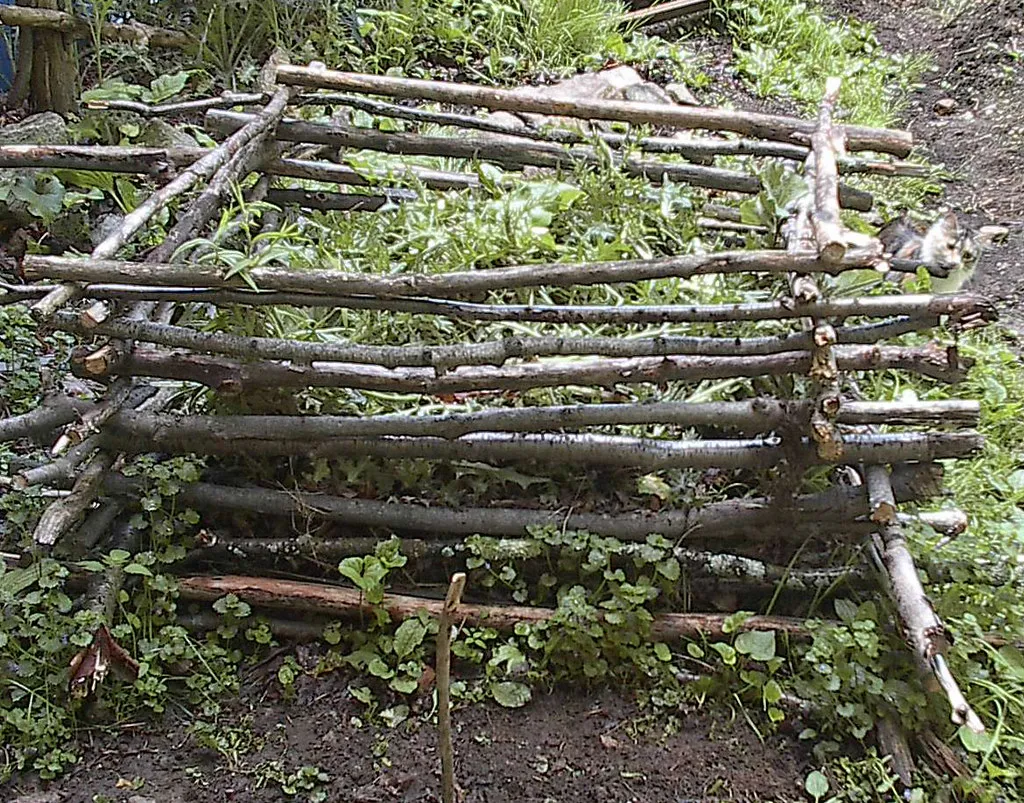
Some gardeners hold onto trees to decompose in their own gardens, since decaying wood is an essential source of food and habitat for many living things. For quicker compost, aim to keep pine needles at about ten to twenty percent of your mix, alongside other garden trimmings, and balance it with green materials like grass clippings, food scraps, or coffee grounds.
One benefit of adding pine needles to a compost pile is that they maintain good aeration, preventing compaction and allowing air to flow through the pile. Research from the University of California Division of Agriculture and Natural Resources confirms that composted pine needles do not significantly lower soil pH over time. So the old worry about pine needles turning compost too acidic isn’t really the concern it was once assumed to be.
Reducing Landfill Waste
Recycling Christmas trees allows homeowners to significantly reduce landfill waste, and recycled Christmas trees can also fortify local ecosystems. Real Christmas trees reduce the amount of waste in landfills and dumps. Because they are one hundred percent biodegradable, real trees go back to earth naturally.
All of those living trees provide ecosystem benefits, but even after they have been cut and sold, they can continue to contribute to the environment after death. Depending on the type of gardening you’re doing and the type of tree you have, you may want to confirm that the tree is pesticide-free and that it won’t negatively affect soil composition for whatever you’re growing. That’s a reasonable precaution, and one worth checking before getting started.
The Takeaway
The Christmas tree sitting in your living room in December isn’t a one-use item. Gardeners who save theirs are working with one of the most versatile and freely available organic resources that comes through the door all year. From mulch to wildlife shelter, from compost to garden structure, the post-holiday tree earns its keep several times over.
The only real question is which use fits your garden best. Whether you shred the whole thing, stake the trunk for climbers, or simply lay the branches over a frost-threatened bed, the effort is small and the return is genuine. Sometimes the best gardening tool of the new year arrives dressed in tinsel the month before.
AI Disclaimer: This article was created with the assistance of AI tools and reviewed by a human editor.