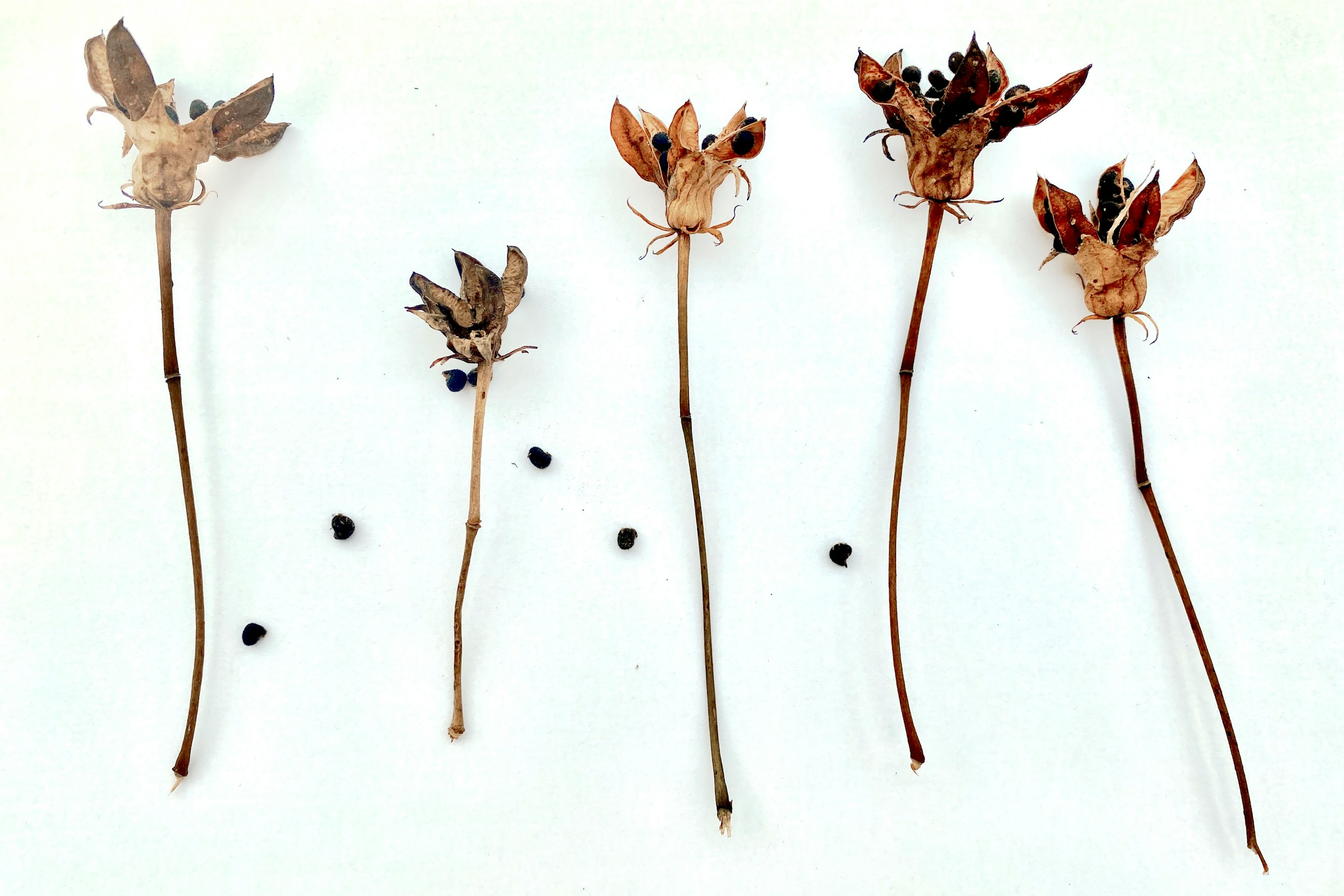

Cold Temperatures Dramatically Slow Seed Aging
Cornell University Cooperative Extension confirms that for every 10°F increase in storage temperature, seed longevity is cut in half. That means the opposite holds true too: drop the temperature, and you effectively double the lifespan of your seeds. Research consistently demonstrates that lowering storage temperature progressively increases the longevity of seeds.
Freezing is the best option for long-term seed storage because it pauses the aging process. Think of it like a biological pause button. Seeds left on a warm shelf are quietly burning through their stored energy reserves, while frozen seeds essentially wait.
Viability Can Last a Decade or More
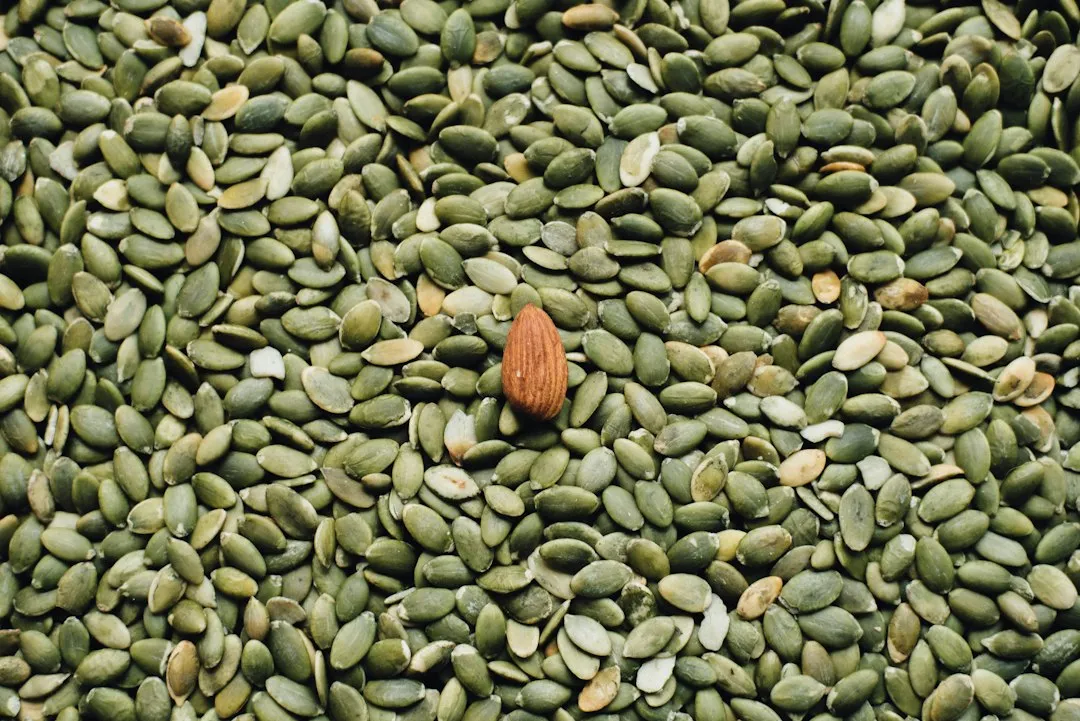
Freezing seeds at 0°F (-18°C) dramatically extends viability for most varieties, potentially preserving them for 10 or more years. That’s a meaningful window for any home gardener or small grower. Most seeds remain viable for 5 to 10 years in freezer storage, with some like tomatoes potentially lasting 15 or more years.
If you are storing seed for a long period of up to 10 years, you can use the freezer, with the caveat that seeds must be dried to 8% moisture content, because even a small amount of moisture may be enough to crystallize inside the seed coat and kill the embryo. Done right, though, the results are impressive.
Scientific Research Backs Up the Practice
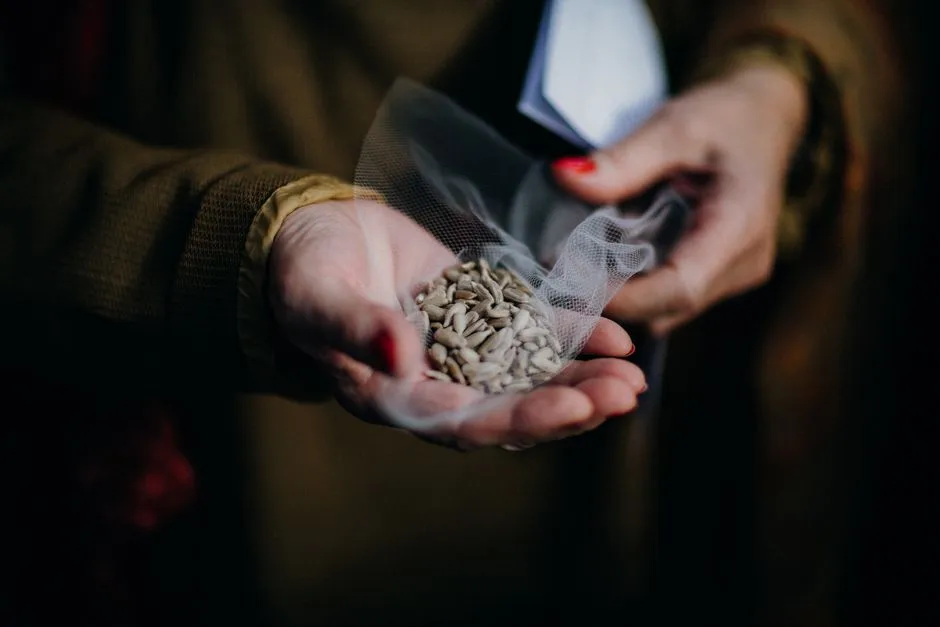
A study investigating the effect of storage temperature on seed viability stored Pinus densiflora seeds dry for 20 years at -18°C, 4°C, and 25°C. Results revealed that seeds stored at -18°C maintained a high germination percentage of 89%, comparable to the initial germination rate of 91%. That kind of retention over two full decades is hard to argue with.
Seeds stored at 25°C, by contrast, lost their viability entirely. Room temperature, in other words, is quietly destructive over time. Research has also confirmed that cold storage significantly preserves seed vigor and viability, as indicated by lower electrolyte conductivity values and higher germination and field emergence rates.
Each Percentage Point of Moisture Makes a Real Difference
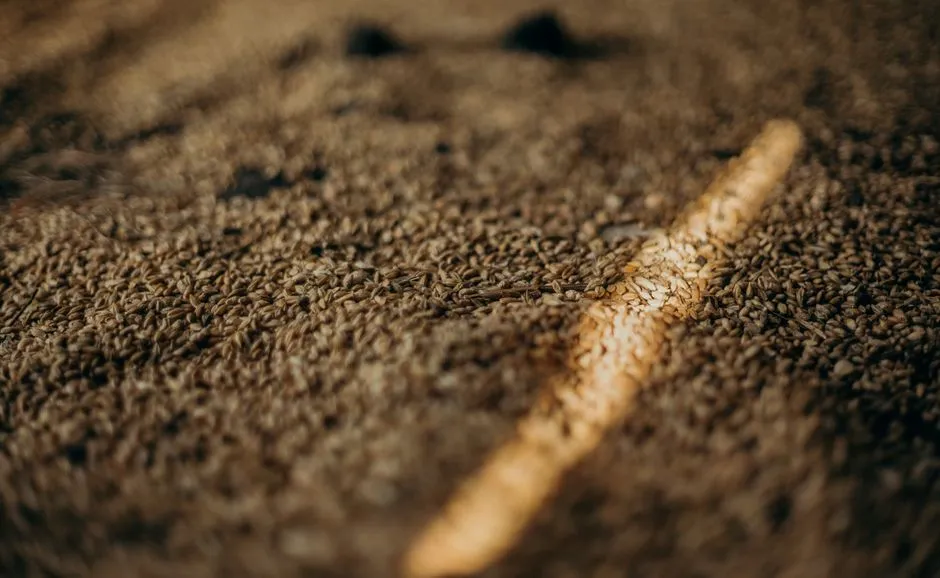
Taking moisture content to between 10% and 15% suppresses activity and fungus, and below 10%, few insects survive to damage the seeds. Remarkably, each 1% reduction in seed moisture doubles seed life. That’s one of the most striking ratios in all of home gardening.
A moisture content of 4 to 6% is the ideal range for long-term storage of more than a year. Reaching that level at home typically requires a desiccant and a bit of patience, but it’s entirely achievable. Seeds dry enough to freeze are those at 5% moisture content or less, and they snap or shatter when bent or struck rather than bending or mushing.
Ice Crystal Formation is the Main Risk to Avoid
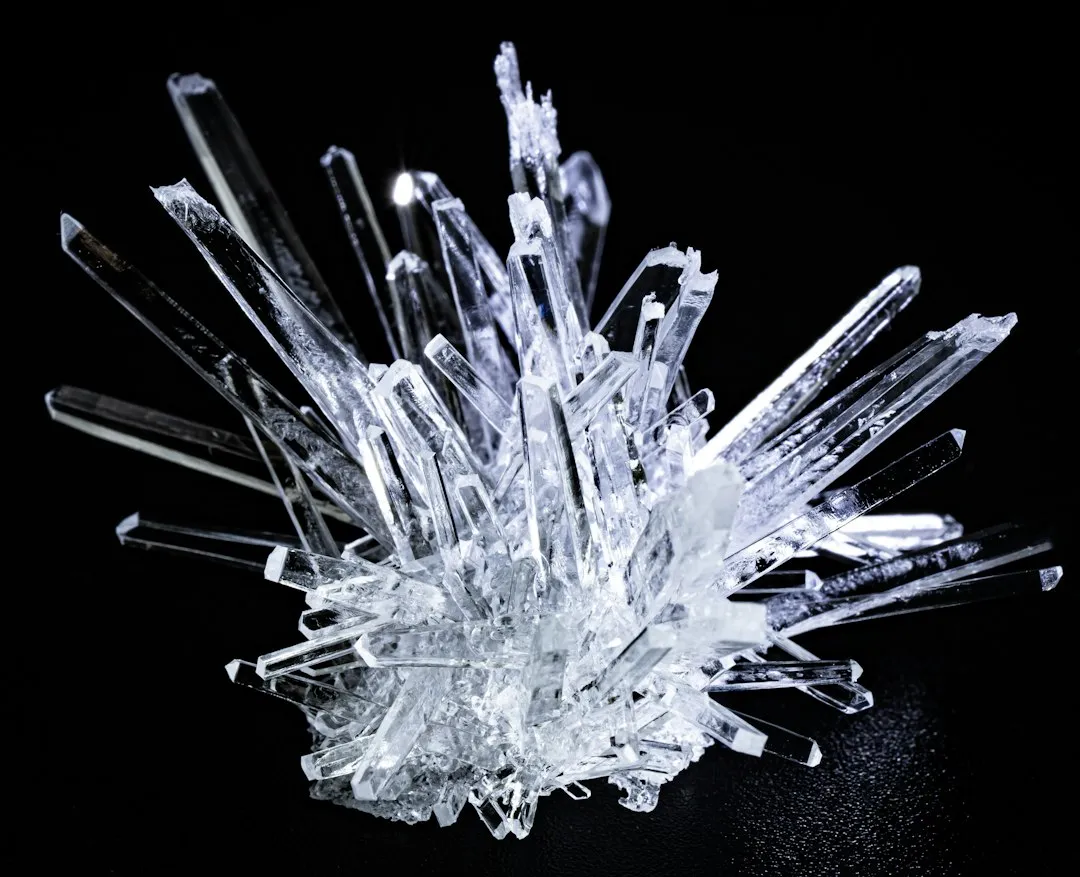
When you store seeds in the freezer, the seeds must be completely dry, because seeds with high moisture content can be damaged by ice crystal formation, which can affect their ability to germinate. This is the detail most beginners overlook. Skipping the drying step and going straight to the freezer can actually damage seeds worse than leaving them at room temperature.
If there is too much water left inside the seed, it will form ice crystals that act like microscopic shards of glass, piercing and destroying the delicate cells, leaving the seed completely unviable. Thorough drying beforehand is not optional. It is the whole reason the method works.
Airtight Containers and Desiccants Are Essential Partners
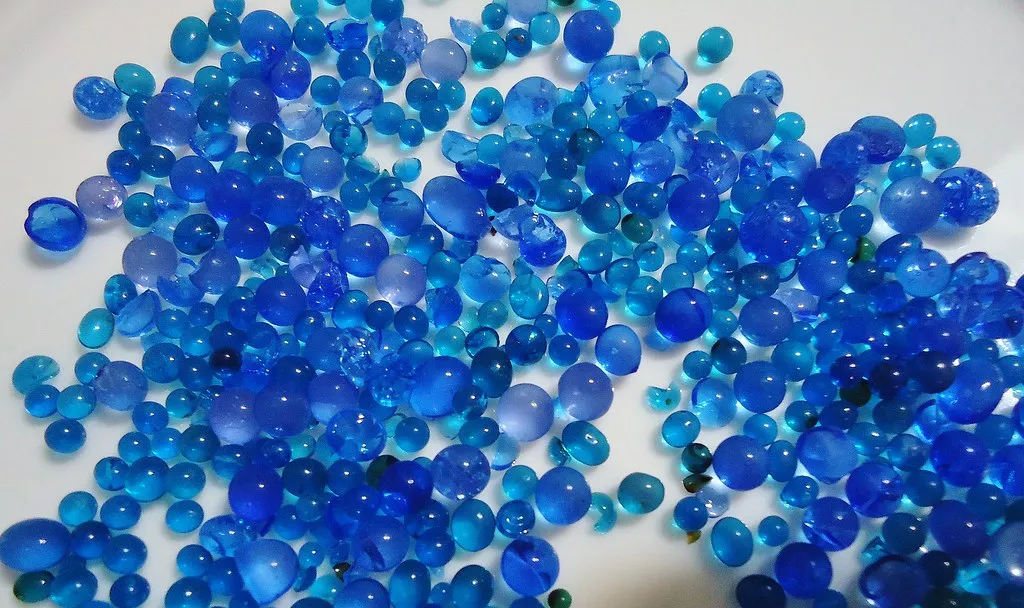
Once a packet has been opened, seeds will start to absorb moisture from the air. If you intend to freeze and store unused seeds, they must be kept dry, and an airtight container with a moisture absorber like silica gel or another desiccant is best. This combination is what separates effective freezer storage from freezer damage.
Food-grade silica gel packets, roughly 4 to 6 grams per quart container, help maintain humidity below 20%. Spent desiccants can be recharged by heating silica gel at 250°F for 2 to 3 hours until the indicator beads return to their original color. It’s a reusable, inexpensive tool that serious seed savers rely on consistently.
Different Seeds Have Different Freezer Lifespans
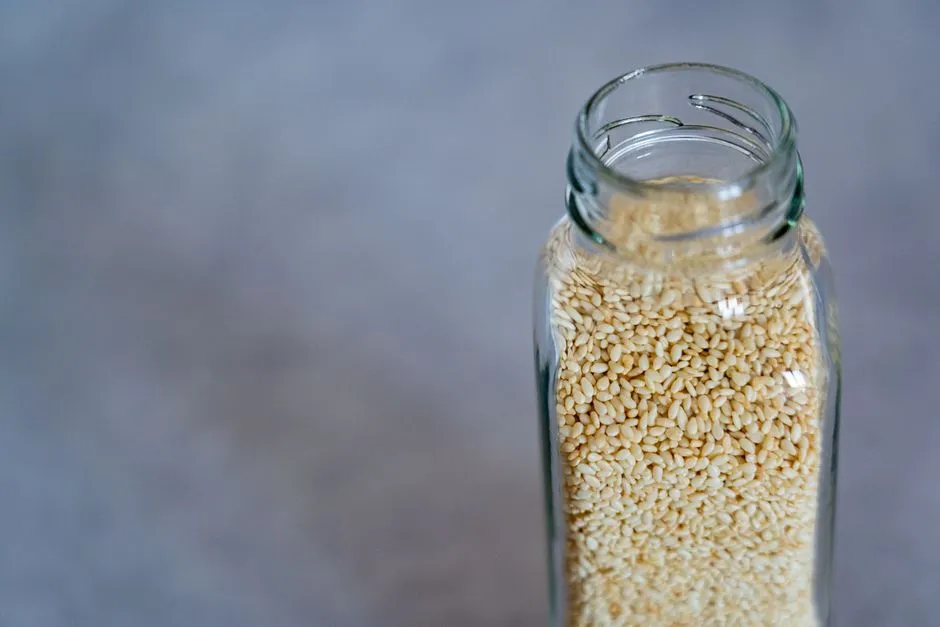
Onion and parsnip seeds typically last only 1 year even under ideal conditions, while tomato and pepper seeds can remain viable for 4 or more years. Freezing shifts those timelines considerably, but the variation between species remains. Not every seed benefits equally from ultra-cold storage.
It is important to note that not all seeds are suitable for freezing. Seeds that require moisture to stay viable, often called recalcitrant seeds, cannot be dried down and frozen without damage. Because the seed must be dried before storing, freezing is not an option for a small group of seeds that must maintain moisture to stay viable.
Thawing Seeds Correctly Is Just as Important as Freezing Them
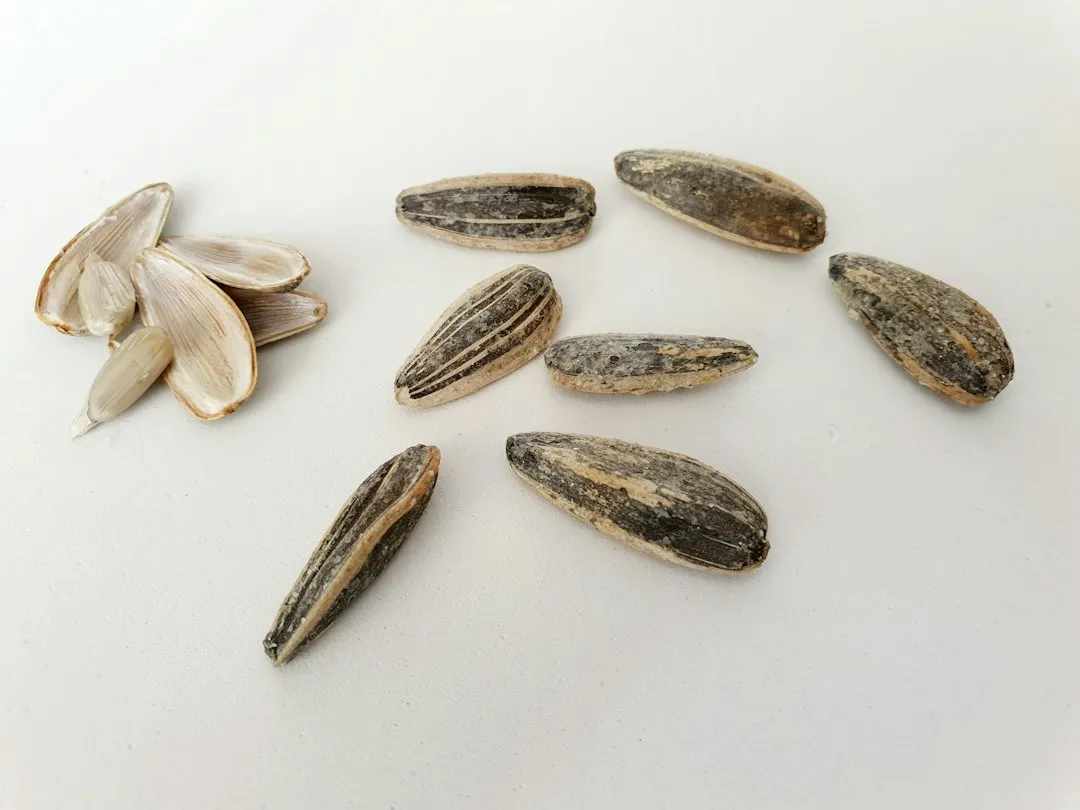
Once you are ready to plant, allow seeds to thaw at room temperature for about 24 hours to preserve germination potential. Opening a cold container immediately exposes the seeds to warm humid air, which causes condensation directly on the seed surface. That sudden moisture hit can undo months of careful storage.
Allowing frozen seeds to warm to room temperature in their closed containers before opening prevents condensation formation. It only takes a little forethought. Thawing and refreezing seeds are stressful for them and may result in decay. The goal is one smooth freeze-and-thaw cycle, handled with care on both ends.
Self-Defrosting Freezers Require Extra Caution
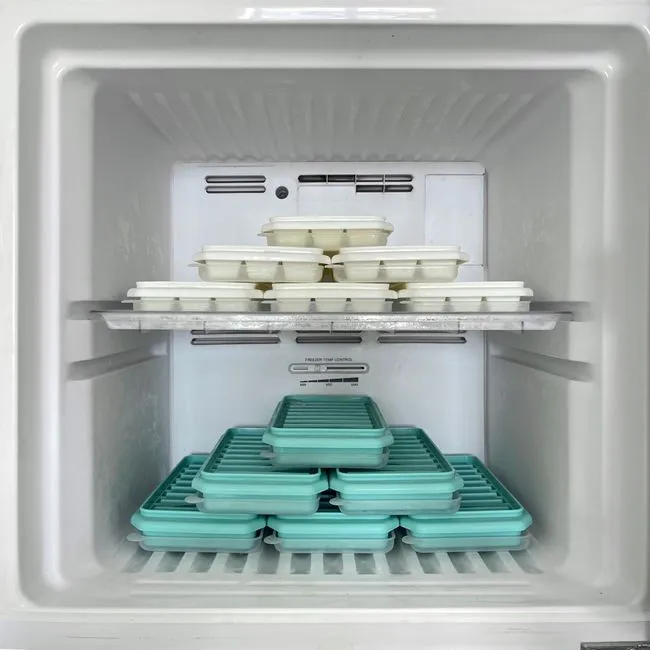
A self-defrosting freezer is not ideal for seeds because the defrost cycle will remove moisture from the seeds, drying them out too much. While a standard chest freezer maintains a steady, uninterrupted cold, frost-free models go through regular temperature fluctuations that can stress seeds over time.
Temperature stability is critical, and fluctuations can damage the seeds’ internal structure. Gardeners using frost-free freezers should double-seal their seed containers and consider placing them inside a larger insulated box or tin within the freezer to buffer against temperature swings. Double-containing seeds by placing desiccant-equipped sealed jars within larger containers helps prevent moisture fluctuations during freezer door openings.
Cold Storage Is a Practice Rooted in Global Seed Banking
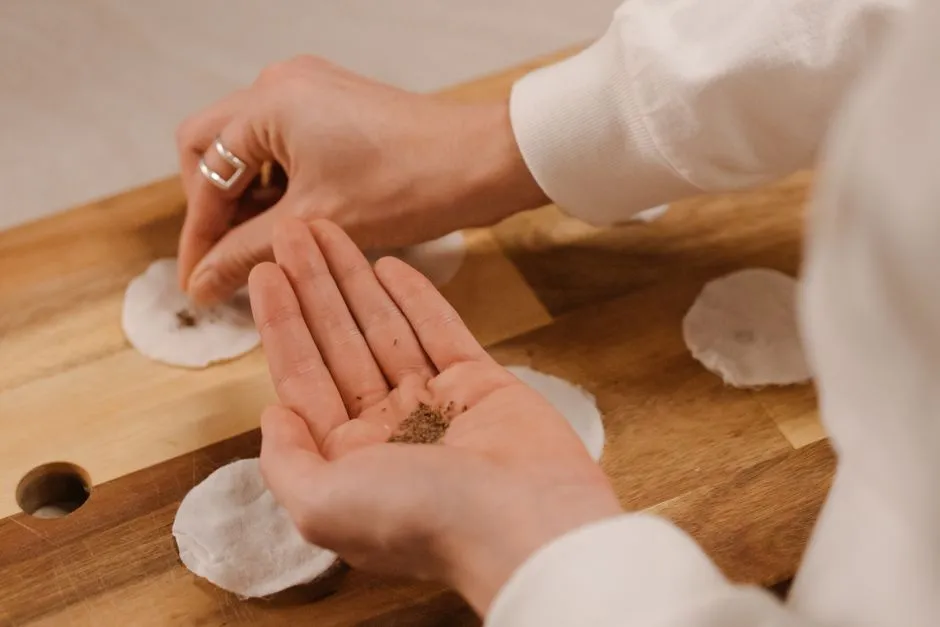
For seeds stored according to genebank standards at -18°C with dried seeds packed in sealed bags, the median longevity was estimated at 83 years. This represents more than a tenfold increase in longevity compared to what was found in ambient storage studies. That’s the same basic principle home gardeners are tapping into when they slide their seed packets into the freezer.
In a large-scale Dutch experiment, initial seed viability started at 94 to 95%. After 23 to 33 years, the viability remained as high as 90 to 94% for seeds stored at -20°C. Home storage won’t replicate a professional genebank exactly, but the underlying science transfers well. Overall, cold storage in a fridge or deep freezer effectively preserved seed viability and quality for at least 12 months compared to room temperature alternatives.
The Takeaway
Storing leftover seeds in the freezer is one of those practices that looks almost too simple to matter, yet the science behind it is anything but trivial. Decades of research, from university cooperative extensions to peer-reviewed plant science journals, point in the same direction: cold, dry, and airtight is the formula that keeps seeds alive.
The key details are worth repeating once more. Dry your seeds thoroughly before freezing, use a proper desiccant, seal everything airtight, and let them warm slowly before opening the container. Get those steps right, and seeds that would otherwise go to waste can stay ready for planting for years to come. For gardeners who take their seed collections seriously, a corner of the freezer might be the most valuable real estate in the house.
AI Disclaimer: This article was created with the assistance of AI tools and reviewed by a human editor.