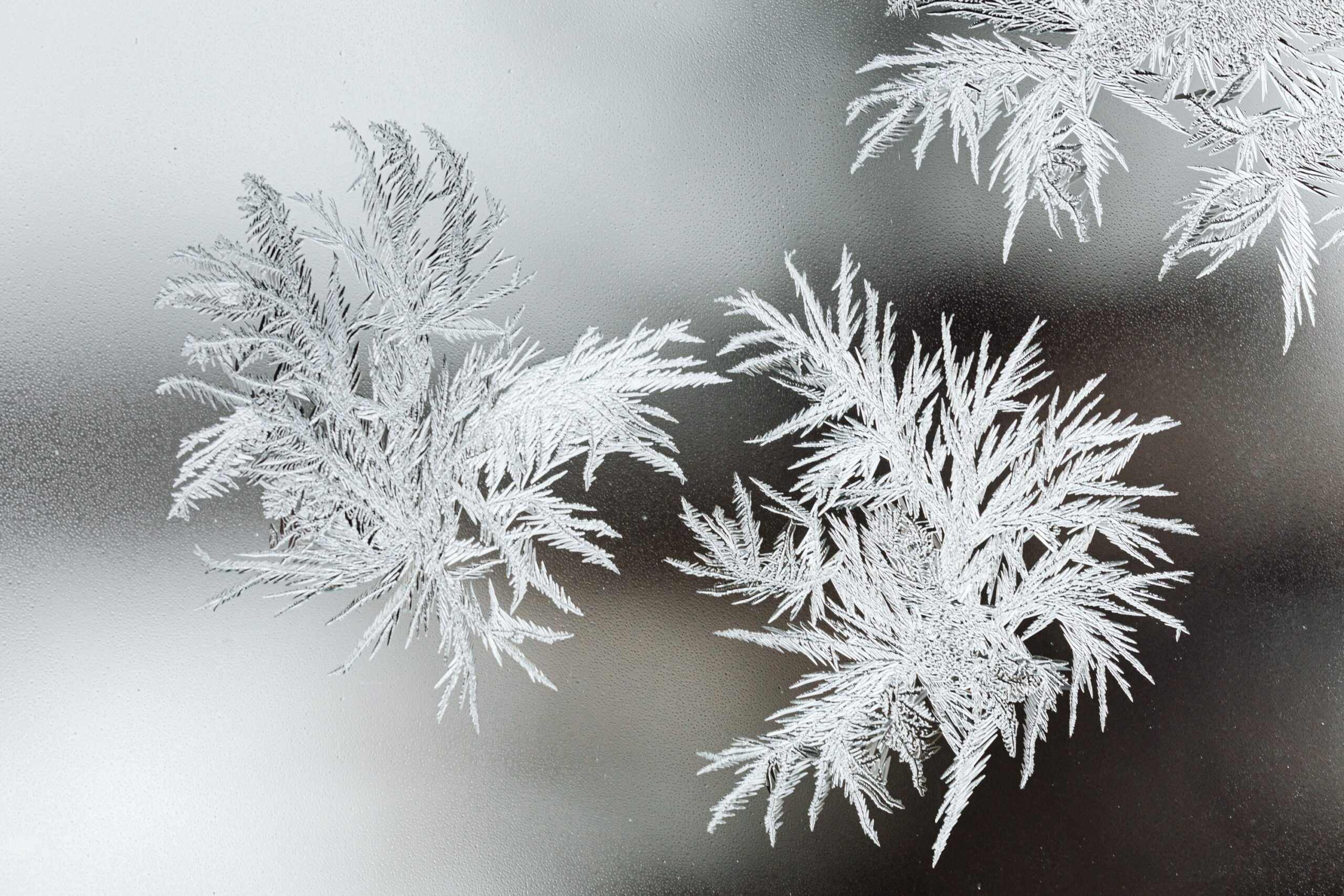

The Basic Science: Warm Meets Cold
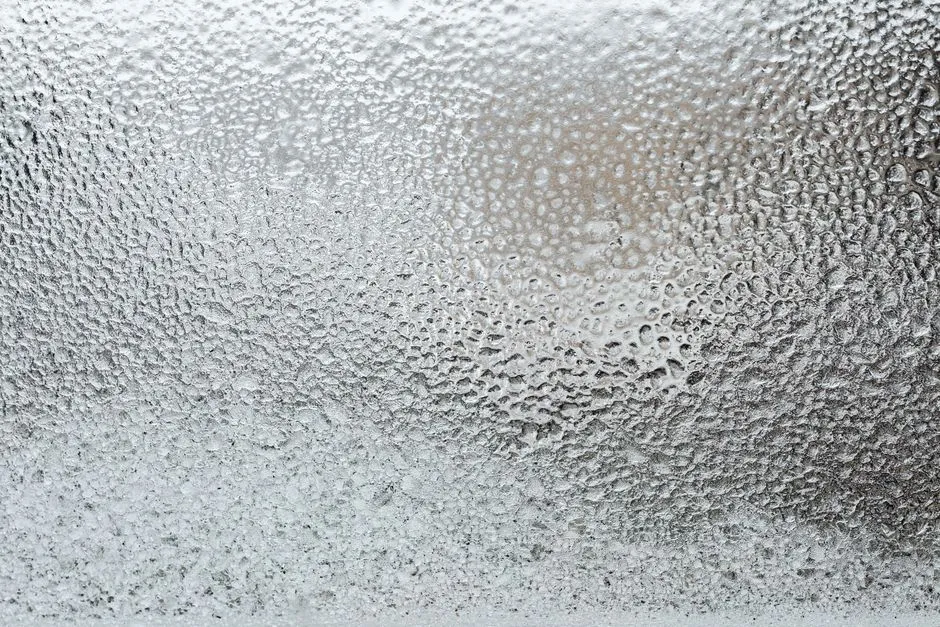
Frost forms on the inside of windows when warm, moisture-laden air comes into contact with a cold glass surface, causing water droplets to form, which then freeze into ice crystals when it’s cold enough outside. The process is straightforward in principle, even if the conditions that trigger it can vary from home to home.
The dew point is best understood as the temperature at which condensation occurs. When the air cools down to the dew point temperature, it reaches its maximum capacity to hold water vapor. If it cools further beyond that point, the excess moisture turns into droplets or condensation on surfaces.
The Role of the Dew Point

The dew point plays a critical role in frost formation. When window glass temperature drops below the indoor dew point, condensation forms immediately. If that glass temperature is below 32°F, the condensation freezes instantly into frost.
When the window surface drops below the dew point, droplets form. When temperatures fall further, those droplets freeze into frost on the inside of the window. It’s a two-step process, not one sudden event, and each step depends on just how cold the glass gets.
Indoor Humidity Is the Main Driver
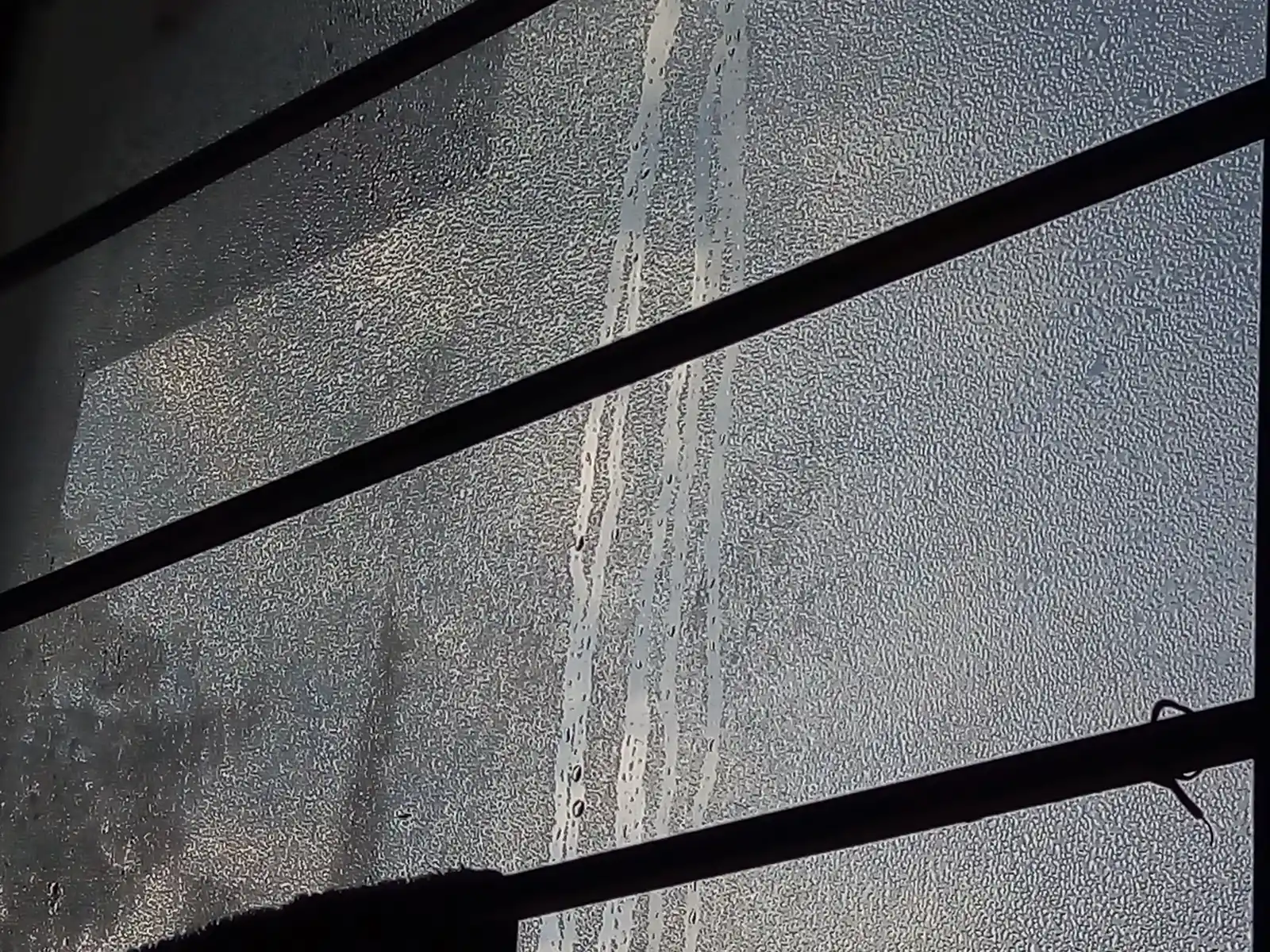
Frost happens when warm indoor air that is more than 50 percent relative humidity and 70 degrees Fahrenheit hits any cold surface, like a window that is below 30 degrees. That humidity threshold matters a great deal in practical terms.
Humidity is the amount of moisture held in the air. Cooking, showers, laundry, and even breathing add water vapor indoors. When humidity stays high during a cold snap, condensation on windows becomes more likely, and ice forms where the glass stays coldest the longest.
Building scientists consider even 40 percent indoor relative humidity as a “high wintertime indoor humidity.” Anything above 30 percent RH indoors is plenty healthy for humans, though 20 percent is uncomfortable. Managing that range carefully during winter is the key to preventing frost.
Why Some Windows Are More Vulnerable Than Others
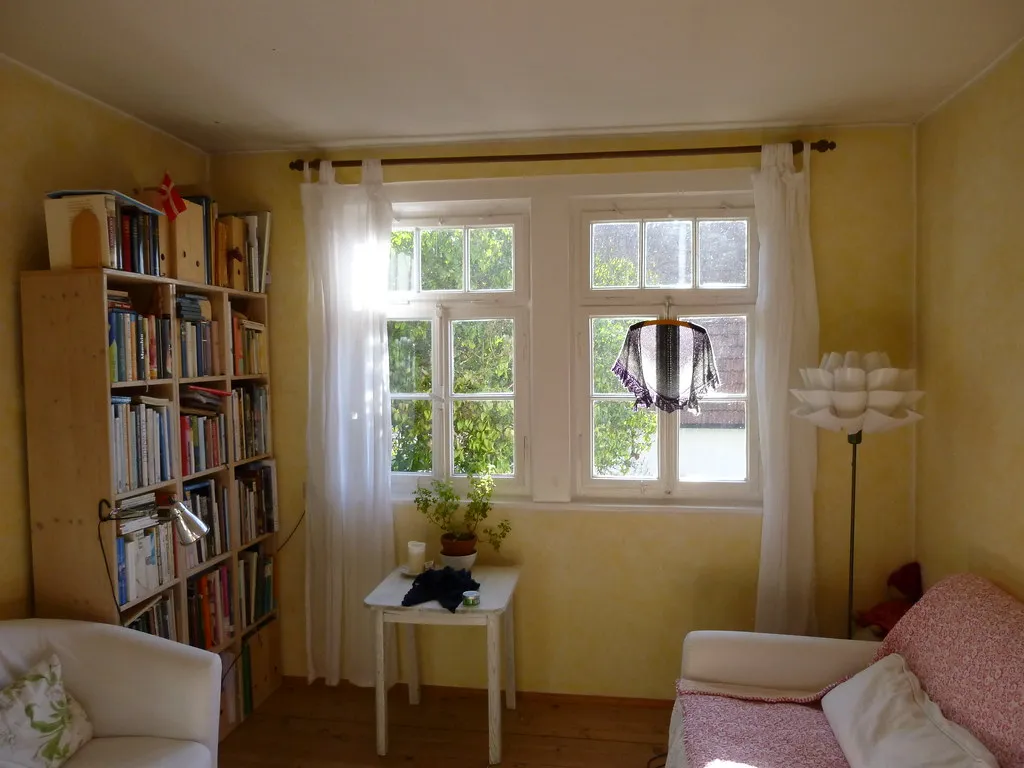
Single-pane windows are more likely to ice up because they offer little insulation compared to double or triple-pane windows. Modern insulated windows help keep the interior glass surface warmer, reducing condensation and freezing.
A primary culprit for interior ice is the single-pane glass window. Having only a single sheet of glass between the warm interior and the freezing exterior provides virtually no insulation. The temperature differential from one side of the glass to the other is simply too high for the surface to stay above freezing.
Air Leaks and Poorly Sealed Frames

If a window isn’t properly sealed, cold air can seep through, cooling the glass and increasing the risk of ice formation. Even a modest gap around the frame can drop the interior glass temperature significantly below what it would otherwise be.
Older units, failed seals, or gaps around the frame let cold air reach the glass and cool the interior surface faster. Single-pane windows and aging insulated-glass units are especially prone to frost on the inside because the interior glass temperature remains low. Poor installation at the rough opening can have the same effect even when the unit itself is newer.
Failed Double-Pane Seals

Most windows these days are dual pane, which means there are two panes of glass with an air space in between. If you notice condensation between the two panes of glass, it’s a sign that the seal on your window has failed. Unfortunately, this is an indication that your window needs to be replaced.
Older windows can lose their seal over time, making them less energy efficient. Once the sealed gas layer between the panes is compromised, the insulating effect largely disappears, and the inner glass surface can drop to temperatures close to the outdoor air.
Tightly Insulated New Homes Are Not Immune

Newly constructed homes are often insulated well and sealed tightly. While this is great for energy efficiency, it can also trap too much moisture indoors. If proper ventilation isn’t maintained, the chances of condensation and frost on windows increase during winter.
Even new windows can be prone to frost, especially if they are not installed correctly. And even if the windows are properly installed, condensation and ice can still form on them if outdoor temperatures are very low and indoor humidity levels are too high. Tight construction is a double-edged quality in cold climates.
The Damage Frost Leaves Behind
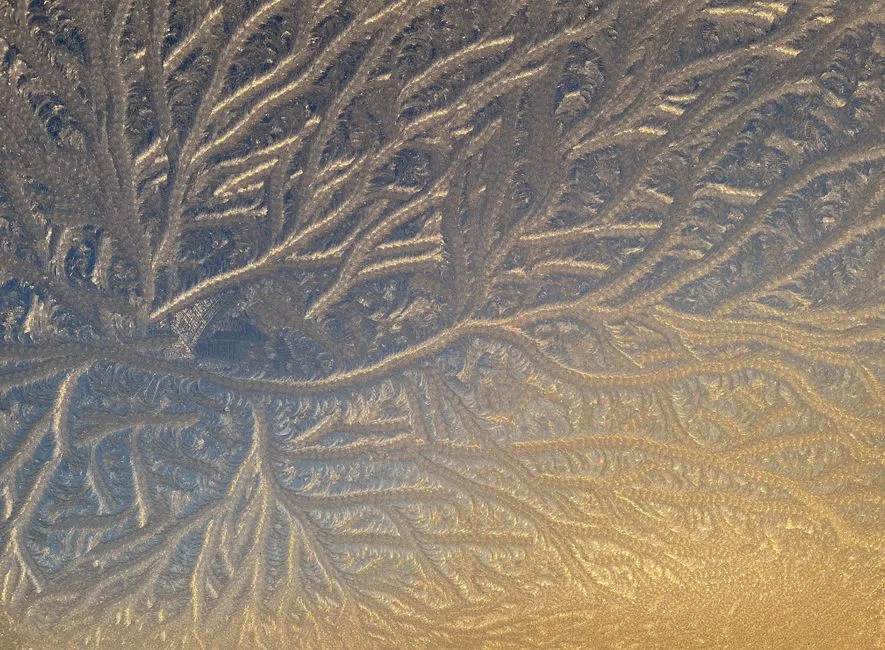
When the temperature outside eventually rises or the sun directly hits the glass, the interior ice melts. This melting water pools on the window sills and can easily seep into the surrounding drywall, wood casings, and structural framing.
Over time, the presence of liquid water on the interior surface can cause damage, including wood rot in framing materials and window trim. Water can also freeze and crack structural materials, and cause the growth of mold and mildew.
The presence of frost is also a visible indicator of significant energy loss. If the glass is cold enough to freeze water inside the home, the heating system is forced to work continuously to compensate for the lost thermal energy.
Health Consequences of Persistent Frost and Moisture

The resulting water from melting frost can get into drywall and window frames, creating the perfect environment for mold to grow. Mold can degrade a home’s air quality and can be harmful to those with compromised immune systems, the elderly, the young, and others. Black mold thrives in consistently damp conditions and can colonize window sills, frames, and surrounding drywall within 24 to 48 hours of moisture exposure.
According to the U.S. Environmental Protection Agency, indoor air can be two to five times more polluted than outdoor air, and window condensation can exacerbate indoor air quality problems. Frost is rarely just a cosmetic issue; what starts at the glass can circulate through the entire indoor environment.
Recommended Indoor Humidity Levels by Outdoor Temperature
Guidance on maximum indoor relative humidity at 20 degrees Celsius suggests keeping humidity at 15 percent when outdoor temperatures fall to minus 30 degrees Celsius or below, 20 percent at minus 30 to minus 24 degrees Celsius, 25 percent at minus 24 to minus 18 degrees Celsius, 35 percent at minus 18 to minus 12 degrees Celsius, and up to 40 percent when outdoor temperatures are between minus 12 and 0 degrees Celsius.
Controlling indoor humidity is the primary way to prevent frost on the inside of house windows. A hygrometer should be used to monitor humidity levels, with an aim of 25 to 40 percent. Ensuring proper ventilation in high-moisture areas like kitchens and bathrooms helps considerably. Sealing any air leaks around windows and doors can also help prevent frost formation.
How to Prevent Frost: Practical Steps
Prevention strategies include controlling indoor humidity with exhaust fans, dehumidifiers, or heat recovery ventilation systems; sealing cracks and improving insulation with plastic film or storm windows; regularly inspecting windows for gaps or damage; and replacing old or single-pane windows with high-quality, energy-efficient multi-pane units.
A newer, more efficient window such as a double-pane or triple-pane window will present a relatively warmer glass surface to the heated atmosphere within the building. An efficient window may tolerate a relatively higher indoor humidity without excessive window condensation.
Final Thoughts
AI Disclaimer: This article was created with the assistance of AI tools and reviewed by a human editor.