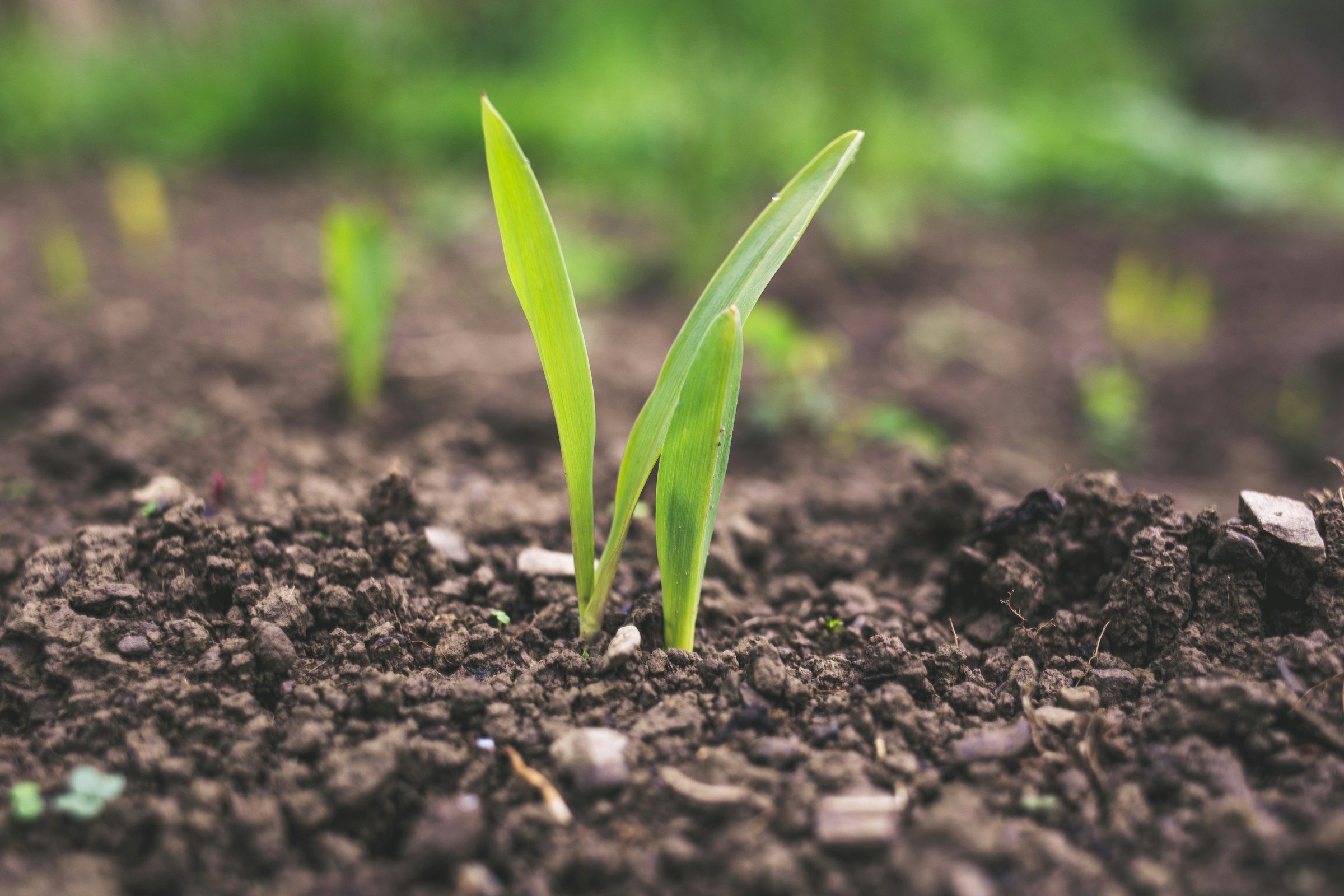

Most people have felt it at some point: you push a spade into the earth or kneel down after a rain shower, and a rich, almost ancient smell rises up to meet you. It’s grounding in a way that’s hard to explain but impossible to miss. That scent isn’t random. It’s the product of a surprisingly layered biological and chemical process happening just beneath your feet.
Dig past the surface, though, and you’ll find that undisturbed soil has a very different scent profile from ground that’s just been turned. The explanation involves soil bacteria, volatile compounds, aerosol physics, and even a little evolutionary biology. Here’s how it all fits together.
The Molecule at the Center of It All: Geosmin
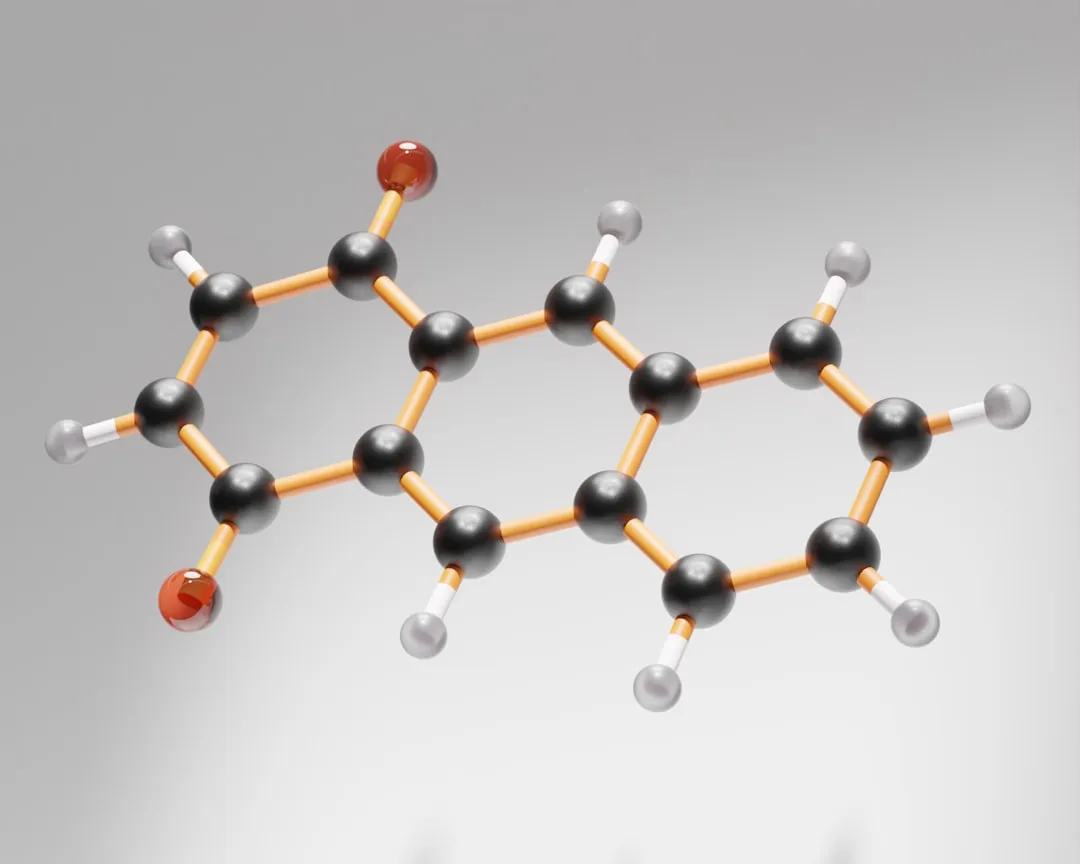
The pervasive smell of soil is primarily attributed to geosmin, an organic compound whose name translates from Greek as “earth smell.” Geosmin is a bicyclic alcohol and a type of terpene, responsible for the deep, musty, and earthy odor. It’s not a subtle compound once released into the air. It is, by most accounts, one of the most recognizable smells on earth.
The name geosmin, given in 1965, comes from the Greek for earth, “ge” and odor, “osme.” The earthy smell has been studied for over 100 years and was certainly enjoyed for much longer. The chemical origin of the characteristic odor of soil was first investigated in 1891, but not until 1965 was the responsible agent, geosmin, first isolated in pure form.
Who Makes Geosmin? Meet Streptomyces
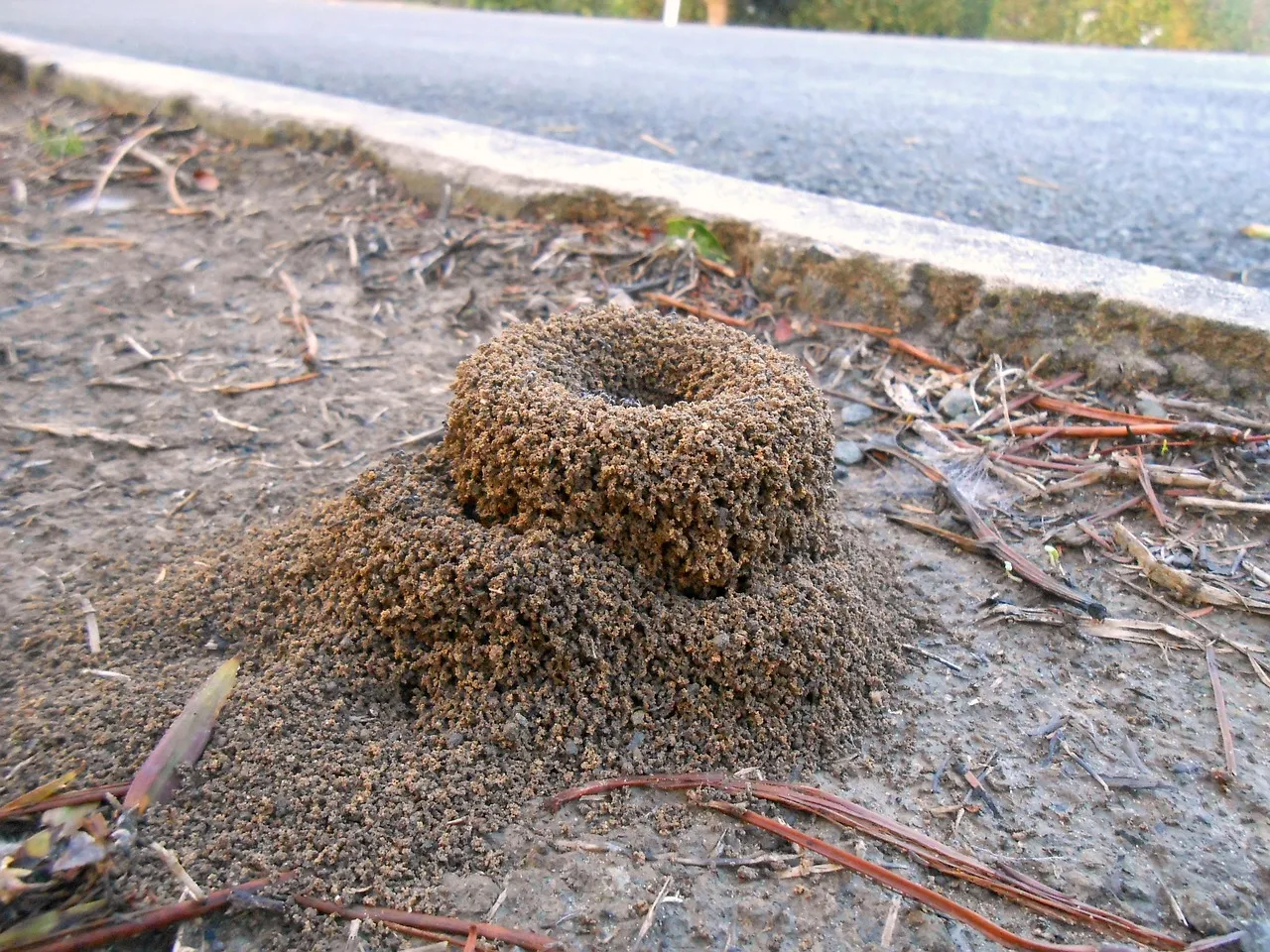
In the soil, geosmin production is attributed primarily to a genus of bacteria called Streptomyces. These are soil-dwelling bacteria which, when faced with unfavourable conditions, grow spores that can be dispersed to new, more favourable conditions, enabling the bacteria to survive.
Geosmin is produced from the breakdown of organic matter by a variety of microbes such as cyanobacteria, actinomycetes, and streptomycetes that are found in soil. They’re not rare organisms either. Streptomyces are widespread across virtually all soil types globally, which is one reason the smell of earth feels so universal to humans everywhere.
Streptomyces species in soil synthesize geosmin as part of their secondary metabolism, releasing it during sporulation. When those bacteria are disturbed, the spores and their associated compounds are freed from their confined underground environment and released into the air above.
Why Disturbance Changes Everything
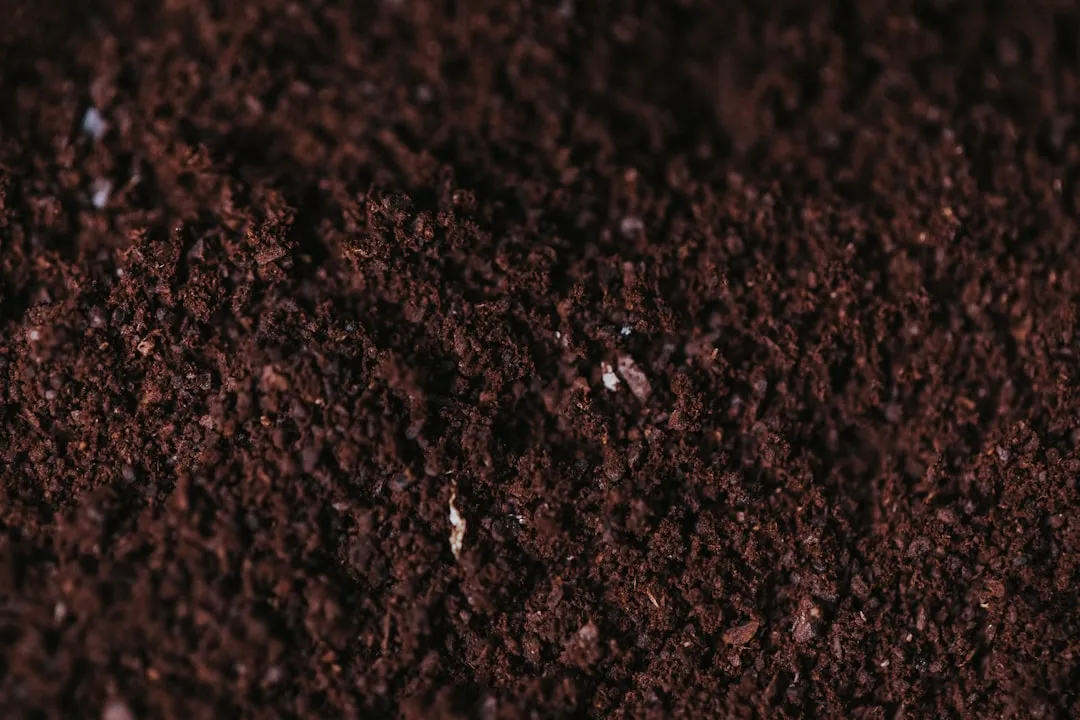
Geosmin is always present in soil but becomes airborne when rain or other forces disturb the surface. This is the key distinction between freshly turned ground and undisturbed earth. In settled soil, geosmin stays trapped within tiny pores and bound to organic particles, sealed away from your nose.
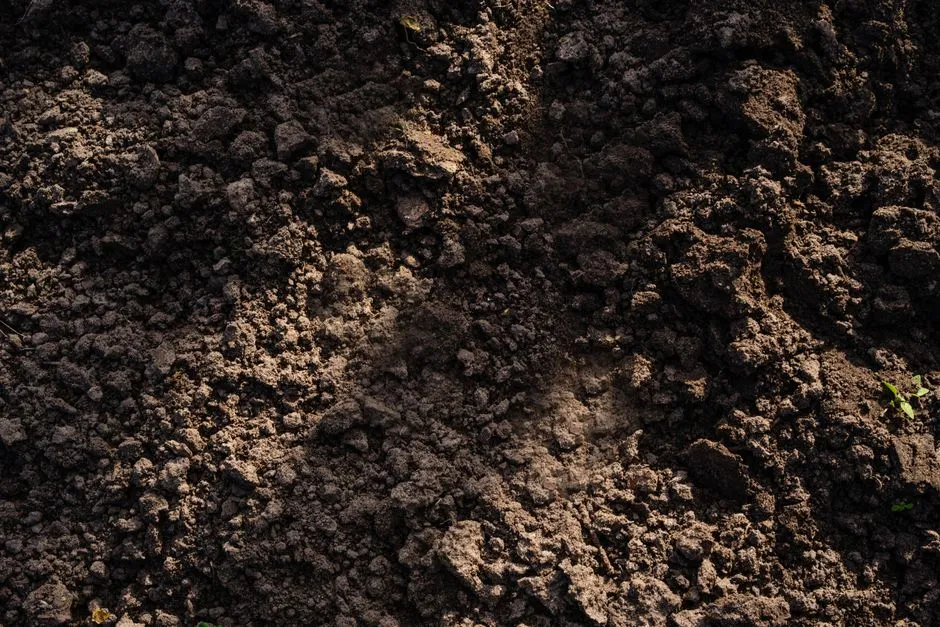
When you turn soil with a shovel, rake, or plow, you physically break that barrier open. The mechanical disruption fractures the soil structure, and the volatile compounds that were locked in the gaps between particles suddenly have a path to the surface. What you’re smelling is essentially the biological interior of the soil being exposed all at once.
Research has found that reduced levels of microbial diversity in soil can affect volatile organic compound emissions from soils, altering the number and types of VOCs released. This means the exact smell you get from freshly turned ground can vary depending on which microbial communities are present and how healthy the soil ecosystem is.
The Enzyme That Builds the Smell
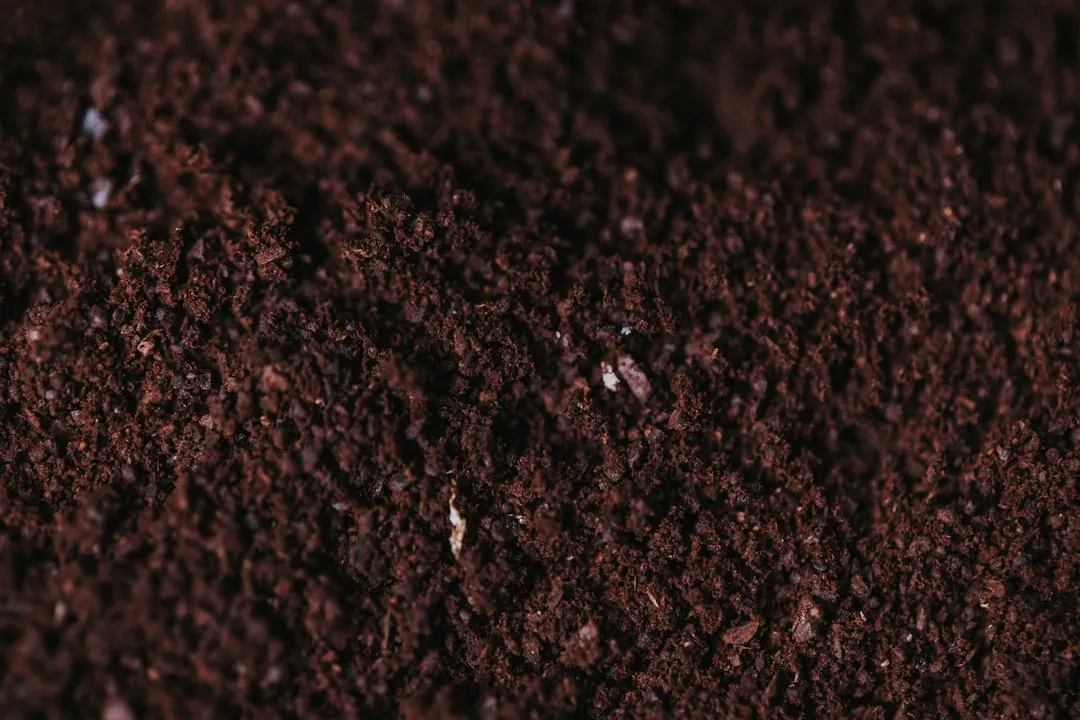
Chemists have figured out precisely how the warm, slightly metallic scent of freshly turned soil is made. The team at Brown University describes how geosmin, the organic compound responsible for the scent, is produced by an unusual bifunctional enzyme. This means a single enzyme handles two distinct chemical steps rather than the typical one-step reaction.
A defining moment in understanding geosmin arrived with the publication of the genome sequence of Streptomyces coelicolor A3(2) in 2002. Scientists could then make the important link between gene and function. Subsequently, research showed that a single gene encodes the enzyme that catalyses the synthesis of geosmin.
Undisturbed Soil: A Sealed Chemical World
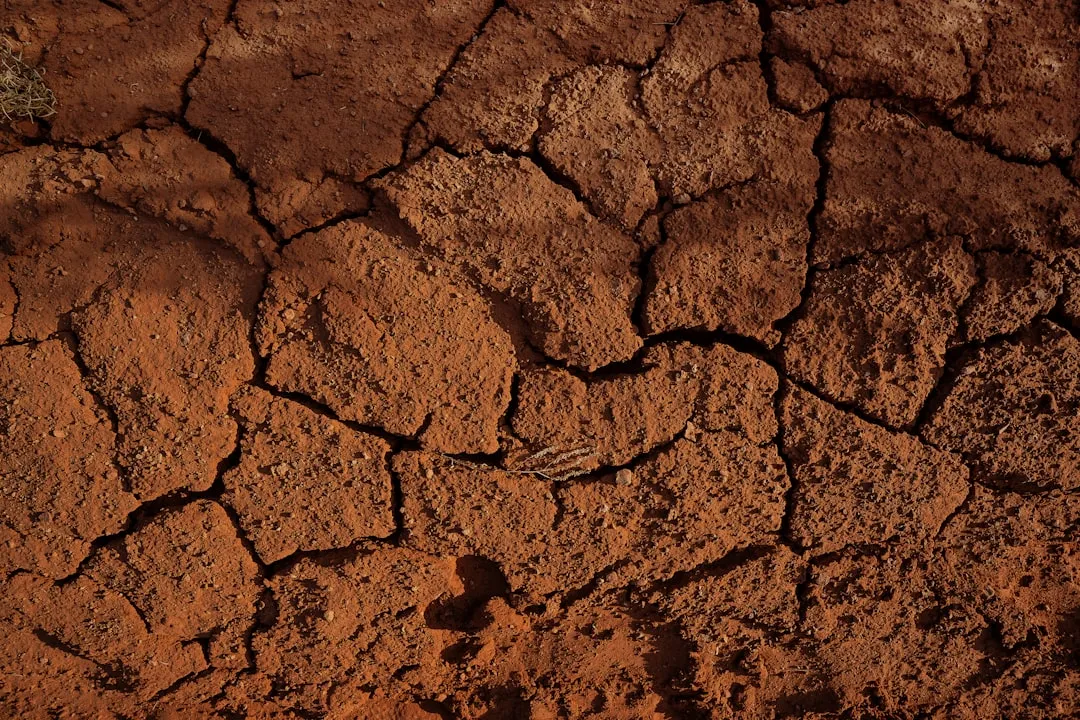
Soil that has sat undisturbed for years develops a very stable internal environment. The microbial communities within it reach a kind of equilibrium, producing volatile compounds continuously but at low levels that remain largely locked within the soil matrix. The smell from the surface of undisturbed ground is faint and flatter compared to freshly worked soil.
No-till soils maintain significantly higher fungal networks than conventionally tilled soils, likely because reduced soil disturbance helps maintain an intact hyphal network. That intact fungal network also helps keep volatile compounds contained rather than releasing them into the air above. In this way, undisturbed soil is almost like a sealed container compared to turned soil.
Microbial volatile organic compounds are crucial to the ecological interactions of plants and microbes, playing pivotal roles in plant defence, communication, and growth promotion. When undisturbed, this underground chemical conversation stays underground. Tilling brings it to the surface all at once.
Rain Does Something Similar, But Differently
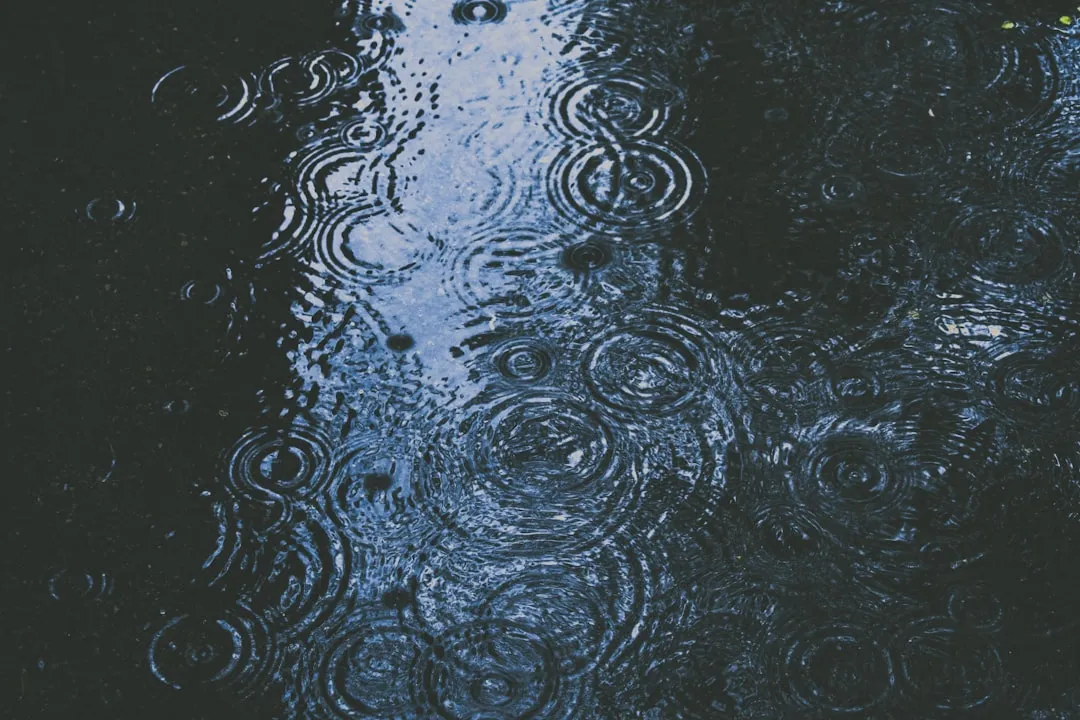
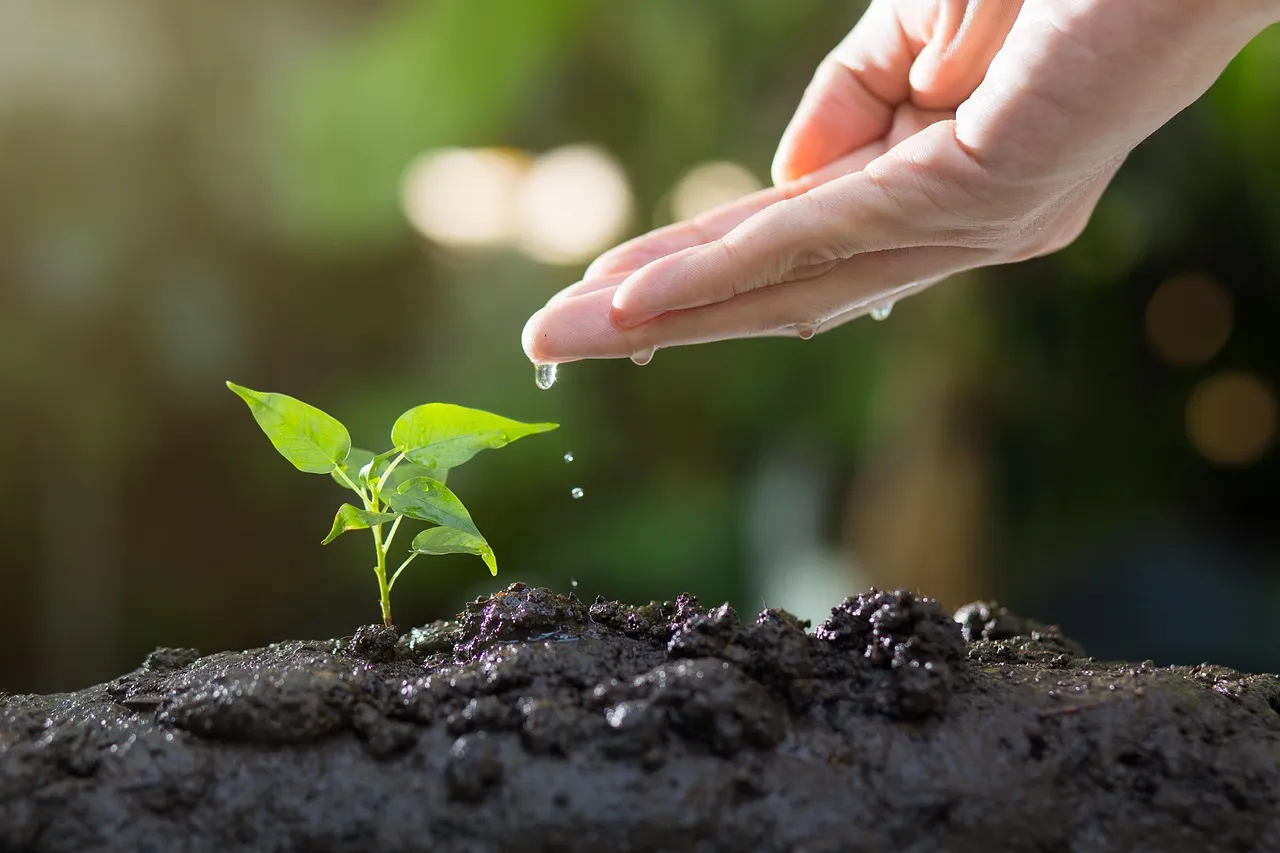
As raindrops hit the ground, they create small air pockets in the soil that trap geosmin and other volatile compounds. When these pockets burst, they release geosmin into the air as tiny droplets or aerosols. These aerosols can travel through the air, spreading and eventually reaching our noses.
The effect is strongest on light or moderate rain falling on warm, dry soil. A heavy downpour on already-wet ground produces almost no petrichor at all, because there are fewer trapped air pockets to launch the aerosols. This is why the smell after a gentle shower on a warm afternoon is so much more intense than the smell during a downpour.
Tilling works by a different physical mechanism but achieves a similar chemical result. Instead of aerosol jets fired by raindrop impact, the spade breaks open soil aggregates and flips them, exposing surfaces that have never seen open air. The release is broader, slower, and more sustained than rainfall, which is why freshly turned garden soil holds its scent for longer than post-rain ground.
The Nose Knows: Why We Can Detect It at Extreme Concentrations
Our noses are extremely sensitive to geosmin, as we only need around 5 parts per trillion to detect it. To put that in perspective, human noses are roughly 200,000 times more sensitive to geosmin than a shark is to blood. That’s a remarkable degree of sensitivity for a single compound.
A 2024 study published in the Journal of Agricultural and Food Chemistry by researchers at the Leibniz Institute identified the specific human odorant receptor that responds to geosmin, designated OR11A1. This was the first time the precise human receptor for geosmin had been pinned down, confirming what scientists had long suspected about the compound’s biological significance to our species.
The olfactory receptor OR11A1 processes geosmin’s scent, though genetic variations influence individual sensitivity. This explains why some people find the smell of fresh earth intensely evocative while others perceive it less strongly. It’s a genuinely biological difference, not just a matter of personal preference.
An Evolutionary Explanation for Our Love of Dirt’s Smell

One widely accepted hypothesis attributes our acute sensitivity to geosmin to an evolutionary advantage tied to survival. The presence of geosmin in the air is strongly associated with moisture and the arrival of rain. For early human ancestors living in arid environments, detecting this scent from great distances signaled water sources and fertile land.
Humans likely appreciate the smell of geosmin because of an evolutionary adaptation where the scent signaled the arrival of life-sustaining rain for drinking water and crop growth. This deep-seated biological response provided a survival advantage to our ancestors, particularly those navigating arid environments. By detecting moisture from miles away, early humans could locate fertile land and reliable hydration sources long before they were visible.
Many creatures react very sensitively to geosmin, and the odorant can have a repellent or attractive effect depending on the species. It warns fruit flies of spoiled food, while camels, on the other hand, are attracted to water-rich areas by it. We’re not alone in our sensitivity to this molecule; it appears to function as a broad ecological signal across the animal kingdom.
Geosmin’s Role in the Soil Ecosystem Itself
Streptomyces bacteria make volatile compounds such as geosmin and 2-methylisoborneol that attract springtails to bacterial colonies. These soil arthropods feed on the bacteria and help to disseminate spores via faecal pellets and through adherence to their surface. In other words, the smell isn’t just a byproduct. It’s a deliberate ecological tool.
Research published in Applied and Environmental Microbiology found that geosmin repelled the bacterial predator Caenorhabditis elegans and reduced contact between the worm and the geosmin-producing bacterium Streptomyces coelicolor. Geosmin functions simultaneously as both a signal to attract helpful spore dispersers and a deterrent to harmful predators. It’s a molecule doing double duty in the soil food web.
Geosmin is a volatile organic compound produced by a range of different soil microorganisms, and it can influence behaviors across a wide range of organisms, serving as both an attractant and a repellant. When tilling exposes all of this into the open air at once, you’re essentially releasing the soil’s entire chemical signaling system in a burst.
Geosmin Beyond the Garden: Water, Food, and Fragrance
Geosmin’s hydrophobic nature affects its behavior in different environments. While partially soluble in water, it binds to organic matter and persists in soil and aquatic ecosystems. This characteristic explains why it lingers in wet earth and imparts strong aromas in water. Its low vapor pressure contributes to its persistence, allowing the scent to remain noticeable long after release.
Cyanobacteria contribute significantly to geosmin production in freshwater, particularly during bloom events. Species like Anabaena, Planktothrix, and Oscillatoria produce and store geosmin until environmental stressors such as nutrient depletion or temperature fluctuations trigger cell lysis, releasing the compound into the water. This is why tap water from certain sources sometimes carries a faint earthy taste.
Parfumiers routinely add geosmin to generate an earthy odour in their fragrances. The fragrance industry has long understood what the science is still fully mapping: that humans have a deep, almost instinctive pull toward this particular smell. It shows up in perfumes labeled as “green,” “forest,” or “mineral,” even when consumers don’t realize exactly what they’re responding to.
The Takeaway

The difference in smell between freshly turned soil and undisturbed ground comes down to physical access. Settled earth keeps its microbial chemistry sealed within pores and aggregates, releasing only a faint background scent. Disturb it with a spade or a raindrop, and you break open a world of volatile biology that has been quietly running for centuries.
Geosmin, primarily produced by Streptomyces bacteria, is the central character in this story. It’s ancient, precise, and recognized by our noses at concentrations so small they defy easy comprehension. The 2024 identification of the specific human receptor OR11A1 by researchers at the Leibniz Institute adds a final piece to a puzzle that scientists have been working on since 1891.
What that smell really represents is a brief, involuntary glimpse into one of the most complex living systems on earth: the soil beneath our feet. Most of the time it stays invisible. Turn it over, and it announces itself immediately.
AI Disclaimer: This article was created with the assistance of AI tools and reviewed by a human editor.