

There are few things quite as jarring as being pulled out of a deep sleep by a sound that seems, unmistakably, like a person screaming outside your window. You check your phone. It’s 2 a.m. You look outside and see nothing. Then it happens again. Chances are, you’ve just had your first real encounter with a red fox.
Foxes have been moving deeper into residential areas for decades now, and their nocturnal vocalizations are one of the more unsettling surprises that come with that proximity. Understanding what those sounds actually mean changes everything about how you experience them.
The Species Behind the Sound

The red fox (Vulpes vulpes), the most widespread fox species globally, is particularly known for its piercing, high-pitched wail that can cut through the silence of night. It’s this species that most urban and suburban residents are encountering in their backyards and alleyways.
The red fox is a surprisingly vocal animal, and its distinct sounds are frequently heard in urban and suburban environments, often leading to confusion as the calls are mistaken for those of distressed house pets or even human screams. That confusion is completely understandable. The sound is genuinely unsettling, even once you know the source.
The red fox possesses a wide range of vocalizations, with researchers cataloging over 20 different calls, which vary significantly in pitch, duration, and quality, each serving a specific communicative function.
Mating Season Is the Main Driver
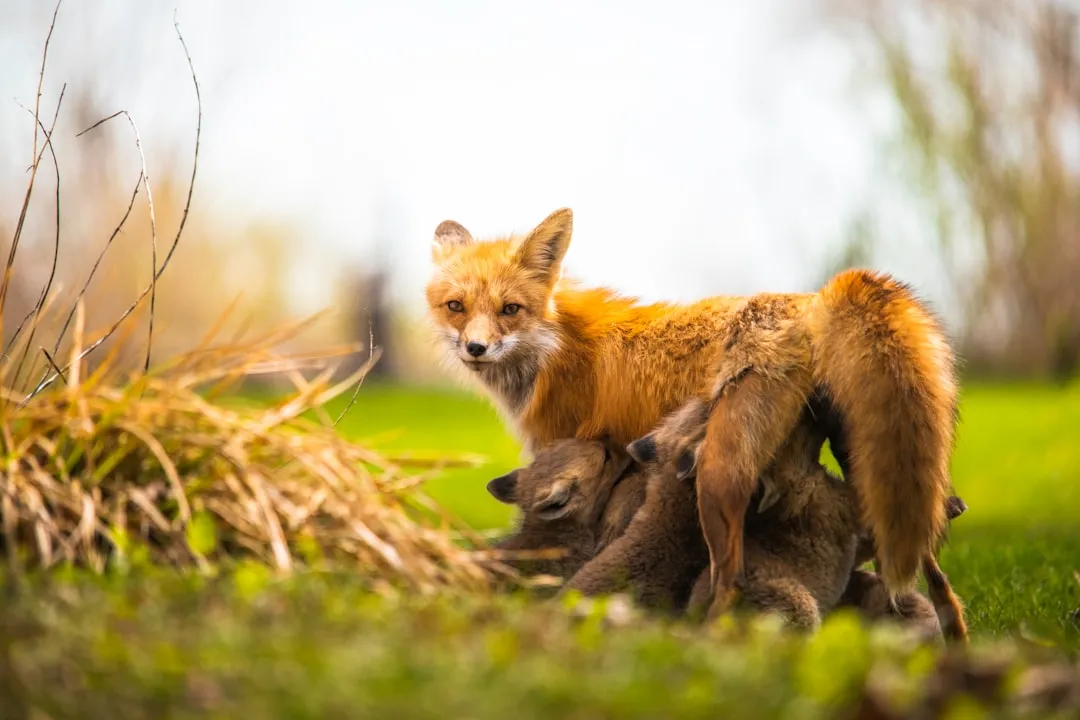
The most common reason for fox screaming is related to mating behavior. In the Northern Hemisphere, fox mating season typically occurs between December and February, with peak activity in January. This is when quiet neighborhoods get loud.
The most common period to hear the screaming calls is during the winter months, from late December through February, when the red fox breeding season peaks. Female foxes, known as vixens, are the primary emitters of the scream, using it as a long-range advertisement to attract males in a process known as the “vixen’s scream.”
Female foxes use specific sounds, like the vixen call, to signal their presence to males and indicate they are ready to mate. Male foxes respond with screams to show their interest and location. It’s a dialogue, not a distress signal.
Territory, Not Terror

The most common reasons that foxes scream during the night are to defend their territory and to attract a mate. These two motivations are closely linked: a fox advertising itself to a potential mate is also, in the same breath, signaling its presence to rivals.
A sharp, short scream with throaty growls could mean a male fox is warning other males to stay away. Both male and female foxes will also scream once they have cubs, to let other foxes know to stay away from their territory.
Foxes live in social groups of two to six adults, although they mostly forage independently. They use vocalizations to communicate with nearby foxes, and a study in Bristol found that when different groups of foxes encounter each other, it almost always results in aggression to defend territory.
What the Scream Actually Sounds Like

A fox’s piercing scream is high-pitched and monosyllabic, stopping and starting in three to ten-second intervals. That pattern of brief silence followed by another sudden shriek is part of what makes it feel so alarming in the dead of night.
It is distinct from the short, sharp yips or barks that foxes also produce, which sound closer to the vocalizations of a small dog. The acoustic properties of the scream allow it to travel over significant distances, making it sound much closer than it actually is.
Urban foxes are easier to hear in winter. This is not because foxes are more vocal during this time of the year, but because their screams travel further because of the cold air and lack of vegetation. So the neighborhood suddenly seeming noisier in January is partly a physics problem.
Why Foxes Are in Neighborhoods at All
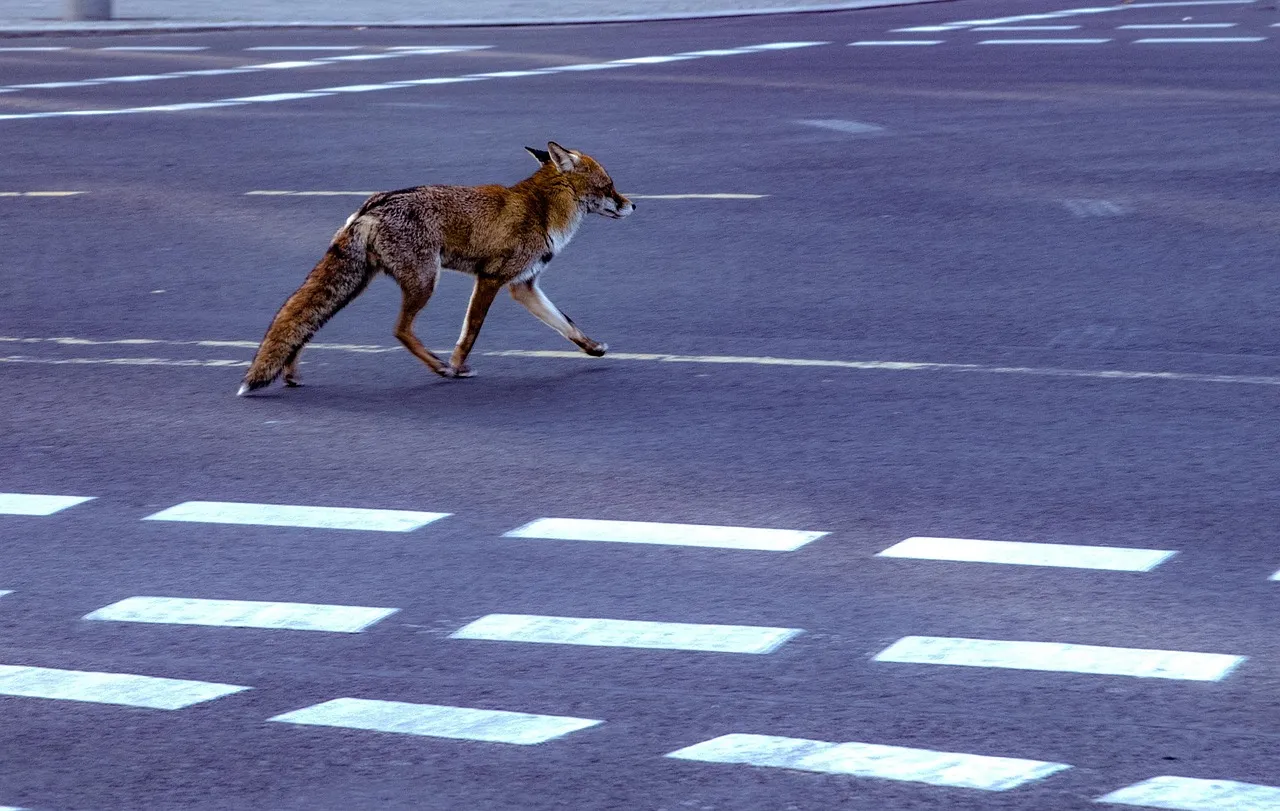
In the UK, it is estimated that the number of urban foxes rose from 33,000 in 1995 to 150,000 foxes in 2017. That trajectory shows no sign of reversing. Urban fox populations have been steadily increasing across American cities over the past few decades, with research indicating significant growth in metropolitan areas like Washington D.C., Chicago, Los Angeles, and Denver.
Research in 2025 suggests that human-generated food comprises roughly a third of urban fox diet, compared to just six percent for their rural counterparts. Garbage bins, compost heaps, and outdoor pet bowls are, in effect, subsidizing fox populations in residential areas.
In suburban environments, natural prey like rodents, birds, and insects might comprise only about half of a fox’s diet. The remainder includes fallen fruit, berries, lawn grubs, earthworms, and human food waste.
How Urban Life Changes Fox Vocalizations

Research suggests that urban foxes may have modified their vocalizations compared to their rural counterparts. Urban foxes tend to vocalize more frequently but at lower volumes, possibly as an adaptation to the constant background noise of city environments. They may also vocalize at different times, sometimes calling earlier in the evening when human activity begins to quiet down but before most people are asleep.
The density of urban fox populations can also affect vocalization patterns. With territories often smaller and more densely packed in cities, foxes may need to communicate vocally more frequently to maintain territorial boundaries.
Researchers have noted that urban foxes tend to use whining calls more frequently than their rural counterparts, possibly as an adaptation to noisier environments where higher-pitched sounds may carry better through ambient urban noise. The city is, in a sense, shaping the fox’s voice over time.
The Full Range of Fox Communication

Foxes can create up to 12 different sounds in order to make themselves known or heard. They may also howl, squeal, bark, and make a “wow-wow” sound, which is commonly used as a call to other foxes, or to identify location and position.
Red foxes are very vocal compared to other fox species. They use barks, whines, and throaty noises for a number of communication purposes, from conversations with their young to alarm calls and aggressive “gekkering.”
Beyond vocalizations, foxes communicate extensively through body language and scent marking. Suburban territories are demarcated with urine, scat, and secretions from special glands, creating an invisible landscape of information that other foxes can read, including reproductive status, identity, and territorial boundaries.
Nocturnal Habits Explain the Timing

Foxes are nocturnal, and this is why you are more likely to hear them scream at night. Foxes will typically come out of their dens around sunset and return before dawn to sleep throughout the daytime. The quiet hours of a residential neighborhood simply happen to align perfectly with the fox’s active window.
They spend the nighttime hunting when there is less competition and fewer distractions. Some urban foxes, however, have been seen scavenging for food during the day. This usually occurs when they are forced to adapt their hunting habits and leave wooded areas to survive.
Urban red foxes are most active at dusk and dawn, when they do most of their hunting and scavenging. That overlap with the quietest hours of the night is precisely why a distant scream feels so close and so loud.
Should Residents Be Concerned?

People sometimes call the police after hearing a fox scream, thinking someone is in distress. It happens more often than you’d expect, and it’s an entirely understandable reaction to a sound that genuinely mimics a human cry.
Noises made by a typical healthy wild fox are generally not dangerous to humans. However, if you encounter an injured or sick animal displaying abnormal behavior along with unusual sounds, such as continuous aggressive growling, it is best to keep a safe distance and contact local wildlife authorities.
Disease transmission concerns persist, particularly regarding rabies, though actual transmission to humans remains exceedingly rare. A fox screaming from your garden at 3 a.m. is almost certainly following a very normal biological script, not signaling any danger to you.
Coexistence in a Changing Landscape

Urbanization impacts how foxes behave and communicate significantly due to increased competition for resources and territory among denser populations. As neighborhoods expand and green spaces shrink, foxes have few options but to adapt, and they have proven extraordinarily good at it.
Many city residents report positive associations with local foxes, appreciating their role in controlling rodent populations and enjoying wildlife observation opportunities. Urban wildlife watching has become increasingly popular, with fox sightings generating enthusiasm and community interest in local ecosystems. Some neighborhoods have even developed unofficial “fox watches,” where residents share sighting information and track the activities of local fox families.
Future initiatives aimed at protecting urban fox populations focus on habitat preservation and community education. Through responsible urban planning and public outreach, communities can create spaces that support wildlife while fostering coexistence with human residents.
The Bigger Picture Worth Keeping in Mind

A fox screaming at 2 a.m. is not a sign that something has gone wrong. It’s actually a sign that something quite old and persistent is still happening right alongside us, largely unnoticed until it punctures the silence of a winter night.
This complex communication system operates continuously in suburban neighborhoods, a parallel social network that most human residents never perceive despite living within it daily. That’s a genuinely interesting thing to sit with.
Once you know what the sound is and why it happens, it shifts from something alarming to something almost remarkable. Two foxes, calling to each other across darkened backyards, are doing something that predates every house on your street by a long margin. The neighborhood is newer than they are.
AI Disclaimer: This article was created with the assistance of AI tools and reviewed by a human editor.