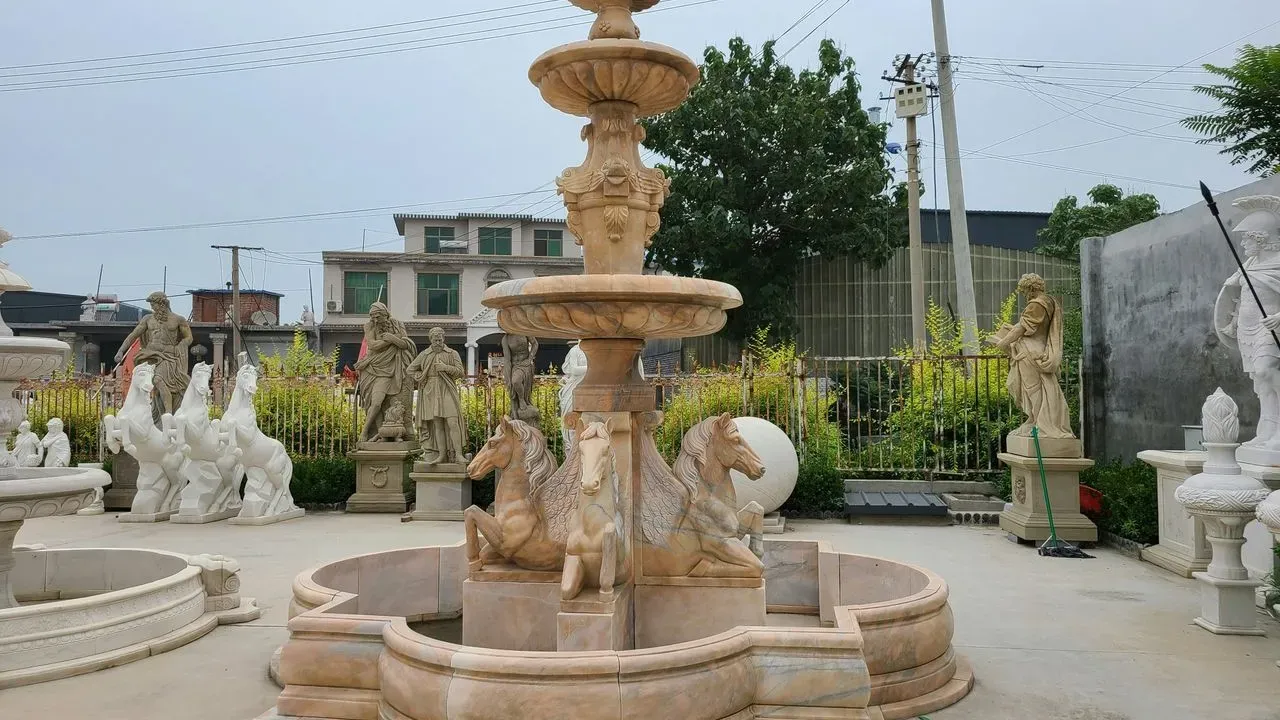

Many homeowners invest in an outdoor fountain expecting years of enjoyment, only to watch it crack or fade after the first harsh season. The material chosen often determines whether the piece becomes a lasting garden centerpiece or an early replacement project. Understanding how different options respond to sun, freeze-thaw cycles, and constant moisture helps buyers avoid costly disappointments.
Metals That Age Gracefully
Bronze stands out for its ability to endure decades of outdoor exposure without structural failure. It resists cracking from temperature swings and develops a protective patina that shields the surface from further damage. Many older installations continue to operate smoothly, making the higher upfront cost easier to justify over a long period.
Copper offers similar resilience while remaining lighter and easier to position. It withstands continuous water contact without rusting and shifts to a distinctive finish that some owners prefer to preserve with sealants. Both metals perform well across varied climates when basic care is applied, though mineral-rich water may require occasional cleaning to prevent scale buildup.
Cast Stone for Steady Performance
Cast stone fountains, formed from cement mixtures poured into molds, rank among the most common choices for American gardens. They handle rain, sun, and moderate frost effectively when sealed regularly, often every two to three years. In milder regions, properly maintained pieces can remain functional for twenty to forty years while developing an appealing weathered texture.
Weight provides stability against wind, yet it also complicates any future moves. In colder zones, draining and covering the fountain before winter prevents water from expanding in small cracks. This material suits homeowners who value a traditional stone appearance and plan to keep the fountain in one location.
Lightweight Solutions for Changing Spaces
Fiberglass has gained favor as production methods improved, delivering frost resistance without the heft of stone or metal. It moves easily during rearrangements and can be finished to resemble heavier materials. Quality versions include protective coatings that guard against ultraviolet damage, though refinishing every five to seven years helps maintain appearance and strength.
With consistent care, these fountains typically last fifteen to twenty-five years. They prove especially practical in northern areas where freeze-thaw stress challenges other options. The lower weight and price make them suitable for renters or anyone who values flexibility over maximum longevity.
Budget Options and Their Limits
Resin and polyresin fountains provide an affordable entry point for sheltered spots such as covered patios. Polyresin versions reinforced with additional materials handle moderate exposure better than basic resin. Even so, prolonged sun and hard freezes can cause fading, chalking, or cracking within a few years.
These pieces work best in warm, dry climates with partial shade and can last ten to fifteen years under those conditions. In harsher winters they often show wear much sooner. They serve well as temporary accents when budget constraints are primary and replacement remains acceptable later.
Key considerations before purchase
- Match material to local winter severity and sun exposure first.
- Factor in ongoing maintenance such as sealing or covering.
- Weigh initial cost against expected lifespan for true value.
Selecting the right material aligns expectations with real-world performance and reduces the chance of early failure. Bronze and copper deliver the longest service in most settings, while cast stone, fiberglass, and resin each fill specific needs when climate and care are considered carefully.
AI Disclaimer: This article was created with the assistance of AI tools and reviewed by a human editor.