

What Forest Bathing Actually Is
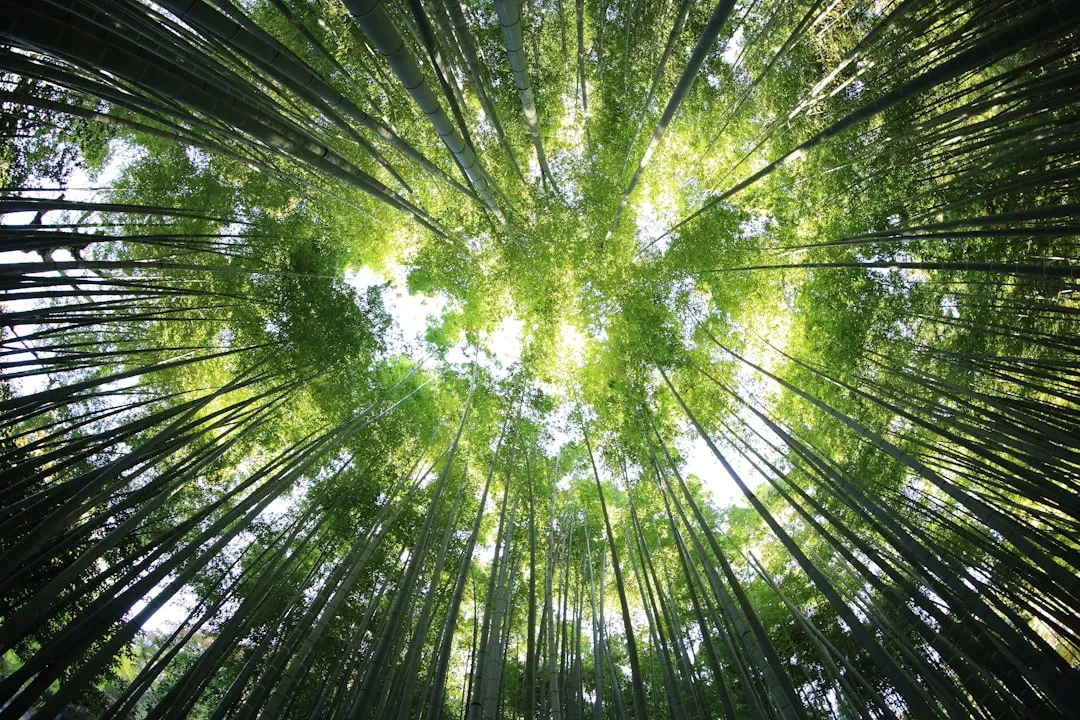
Forest bathing is not hiking, trail running, or birdwatching with a purpose. It’s slow, deliberate, sensory immersion in a forested environment. You’re not meant to cover distance. You’re meant to arrive.
In Japan, a forest bathing trip is regarded as being similar to natural aromatherapy. It involves visiting a forest for relaxation and recreation while breathing in volatile substances called phytoncides, which are antimicrobial volatile organic compounds derived from trees such as alpha-pinene and limonene.
In some Japanese forests, there are trained forest therapists who guide forest bathing experiences based on physical and psychological assessment. The practice has since spread globally, and the research behind it has grown substantially more rigorous.
The Stress Hormone Evidence Is Hard to Ignore
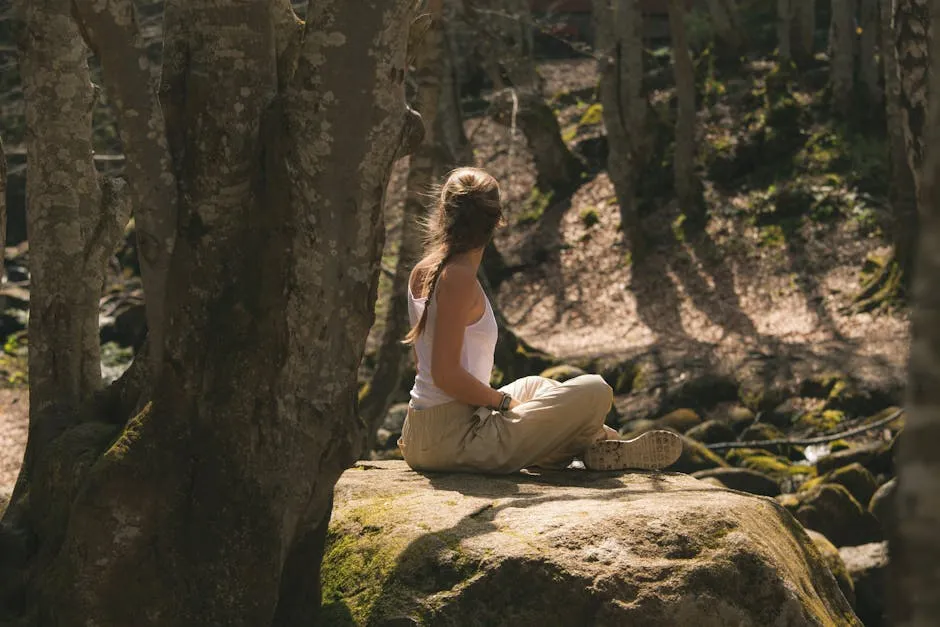
Studies on the effects of shinrin-yoku on urban city dwellers have described significant decreases in cortisol, blood pressure, heart rate, and sympathetic nerve activity after only 20 minutes of exposure. That’s a remarkably short window for a measurable physiological shift.
A Japanese study reported significant stress reduction in male college students after just 30 minutes of forest bathing. Students were assigned to walk for 15 minutes and then sit for 15 minutes in either a forest or a city area. Compared to the city, those who walked and sat in the forest had significantly healthier blood pressure, pulse rate, and salivary cortisol concentration.
A total of 971 articles were screened across a systematic review; 22 of them were included, and in all but two studies, cortisol levels were significantly lower after intervention in forest groups when compared with control or comparison groups. That kind of consistency across independent studies is worth paying attention to.
Your Mood on Paper: What the POMS Test Shows

In the Profile of Mood States (POMS) test, shinrin-yoku reduces scores for anxiety, depression, anger, fatigue, and confusion, and increases the score for vigor, showing preventive effects on depression. These aren’t trivial mood fluctuations. They’re measurable shifts across multiple emotional dimensions.
Research has demonstrated that forest bathing can considerably alleviate symptoms of depression and anxiety, eliminate negative emotions, and promote mental wellbeing. A 2025 study focused entirely on female participants found this same pattern, specifically targeting depressive symptoms.
A 2025 all-female study found that forest bathing alleviated the symptoms of depression in a significant number of participants. Earlier in the same year, a study found that guided forest bathing improved cognitive function in the elderly, including attention, working memory, and even creativity.
The Invisible Chemistry of Forest Air
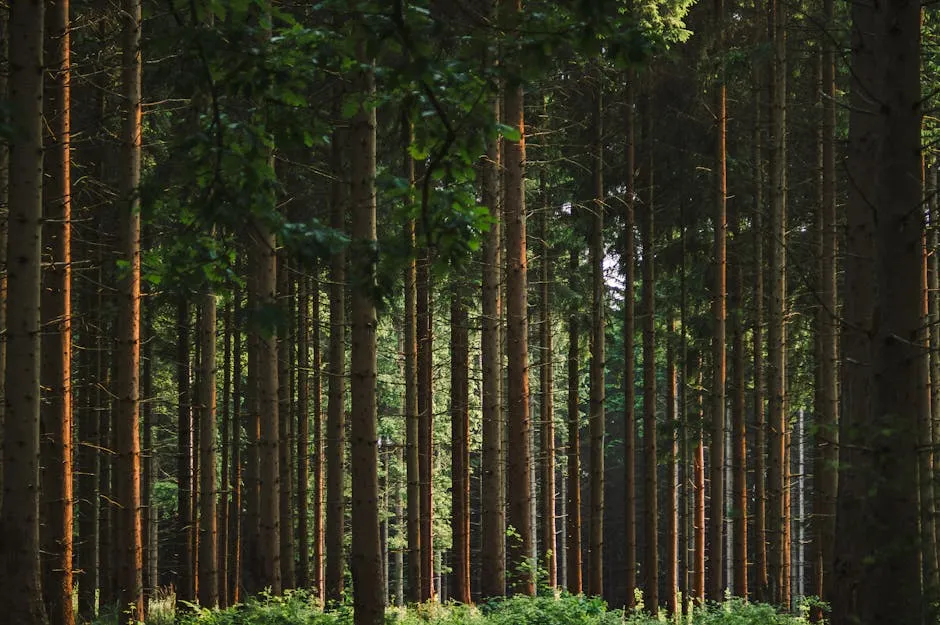
One of the more fascinating mechanisms behind forest bathing involves what you’re actually breathing. Forests are not simply oxygen-rich environments. They’re chemically active ones.
Scientists believe that phytoncides, the essential oils emitted by trees and plants, play a major role. These organic compounds, such as alpha-pinene and limonene, are released by trees as a natural defense against bacteria and insects. When humans breathe them in, they appear to stimulate white blood cell activity.
Phytoncides have positive effects on stress reduction, cortisol level reduction, blood pressure reduction, immune system enhancement, autonomic nervous system function, and chronic fatigue, without side effects. A natural compound with a broad spectrum of benefits and no known adverse reactions is worth understanding better.
How the Forest Strengthens Your Immune System

Forest bathing is associated with enhanced natural killer (NK) cell activity, modulation of inflammatory cytokine profiles, reductions in cortisol levels, and shifts toward parasympathetic autonomic dominance. Controlled observational studies involving short forest stays have demonstrated increased activity and abundance of NK cells, alongside elevated levels of intracellular cytotoxic molecules.
Research findings indicate that a forest bathing trip increased NK activity, the number of NK cells, and the levels of intracellular perforin, granulysin, and granzymes A/B, and that these effects lasted for at least seven days after the trip. A week-long immune boost from a weekend in the trees is not a trivial finding.
Cancer patients and people under chronic stress often show reduced NK cell activity, which weakens their immune defenses. This makes the forest bathing effect particularly significant: it offers a natural, non-invasive way to strengthen the immune system.
Better Sleep Without a Prescription
A synthesis of findings from multiple included studies revealed that forest bathing interventions might improve mental and physical health, reduce blood pressure, improve sleep quality and boost immunity, as well as alleviate depression, anxiety, and stress.
Immersive exposure to low-latitude evergreen broad-leaved forests has been shown to improve sleep quality, mood, and immune function, supporting its role as a non-pharmacological intervention. Non-pharmacological is a key phrase here. These are outcomes without a pill, without side effects, and without a copay.
Forest bathing lowers blood pressure, heart rate, and stress hormone levels while improving immune function and sleep quality. These effects are not merely transient but can persist for weeks after the forest experience, suggesting profound implications for preventive medicine.
Cognitive Restoration: The Brain Benefits

Prior research has established that exposure to natural environments, particularly forest settings, exerts substantial effects on stress reduction, mood enhancement, and cognitive restoration. This isn’t simply about feeling calmer. Cognitive performance actually improves.
Attention restoration theory, suggested by Kaplan and Kaplan in 1989, focused on the cognitive improvement associated with restoration in natural environments. The idea is that natural settings replenish directed attention capacity, the kind of mental resource that urban life and screens deplete steadily.
Some studies have indicated that even short-term exposure to forest environments, as brief as 15 minutes, can confer beneficial effects on physical and mental health. That’s a reassuring threshold for anyone who can’t disappear into a national park for the weekend.
How It Affects the Nervous System
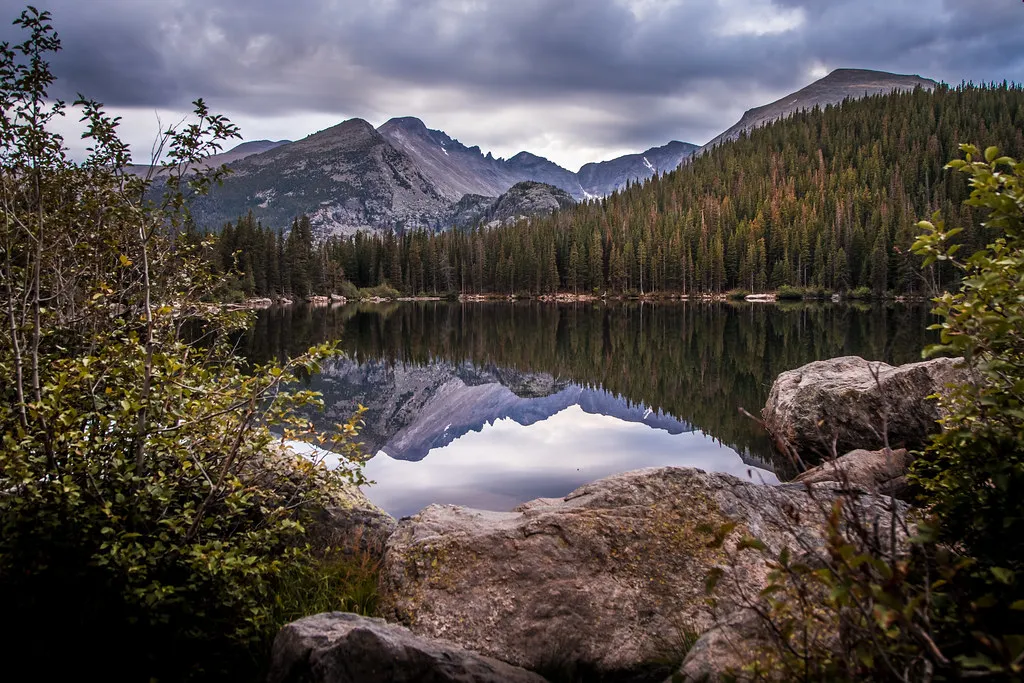
Chronic stress keeps the body locked in a state of sympathetic dominance, the so-called fight-or-flight mode. Forest bathing appears to tip the balance in the other direction.
Forest bathing is associated with enhanced natural killer cell activity, modulation of inflammatory cytokine profiles, reductions in cortisol levels, and shifts toward parasympathetic autonomic dominance. Parasympathetic dominance is the rest-and-digest state your body rarely gets to settle into in a fast-paced urban context.
Research in this area consistently indicates that forest bathing supports health maintenance not only by reducing stress and regulating autonomic nervous system activity, but also by improving sleep quality and enhancing emotional well-being. These systems don’t operate in isolation. When one improves, the others tend to follow.
The Lasting Effects After You Leave the Forest
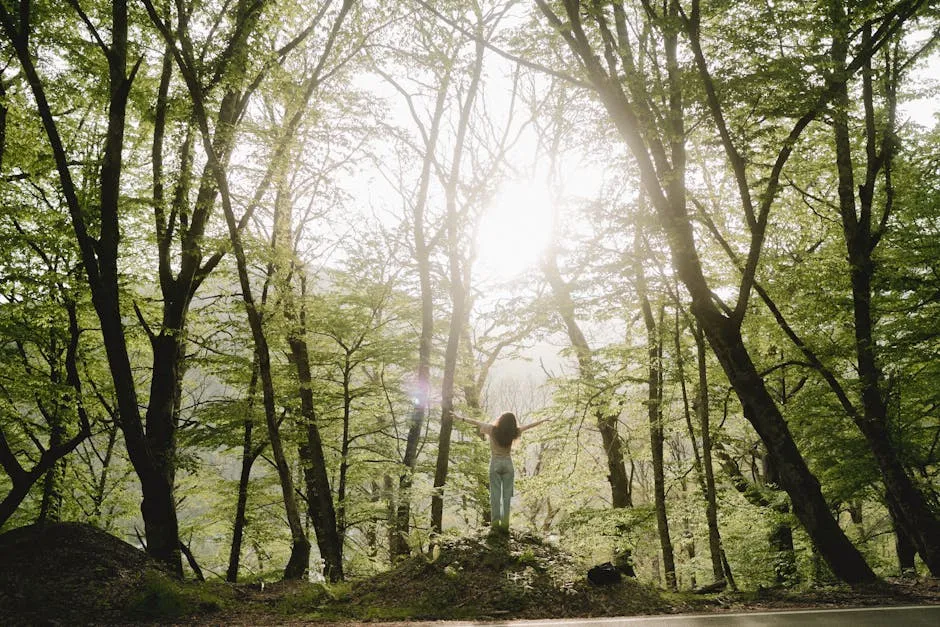
One of the more counterintuitive findings in forest bathing research is that you don’t need to live near a forest for it to matter. The benefits can outlast the visit itself by a meaningful margin.
A study by researchers in Japan found that for a group of urban office workers, the physiological and psychological relaxation benefits lasted three to five days after forest therapy. For someone who can manage one forest visit per week, that kind of carry-over changes the math considerably.
With the acceleration of the pace of life, the increase in work stress and job burnout, and the impact of the COVID-19 pandemic, there is an unprecedented need to pay attention to life, health, and the development of forest healing programs. The timing, in other words, couldn’t be more relevant.
Who Benefits Most, and What the Research Still Can’t Say
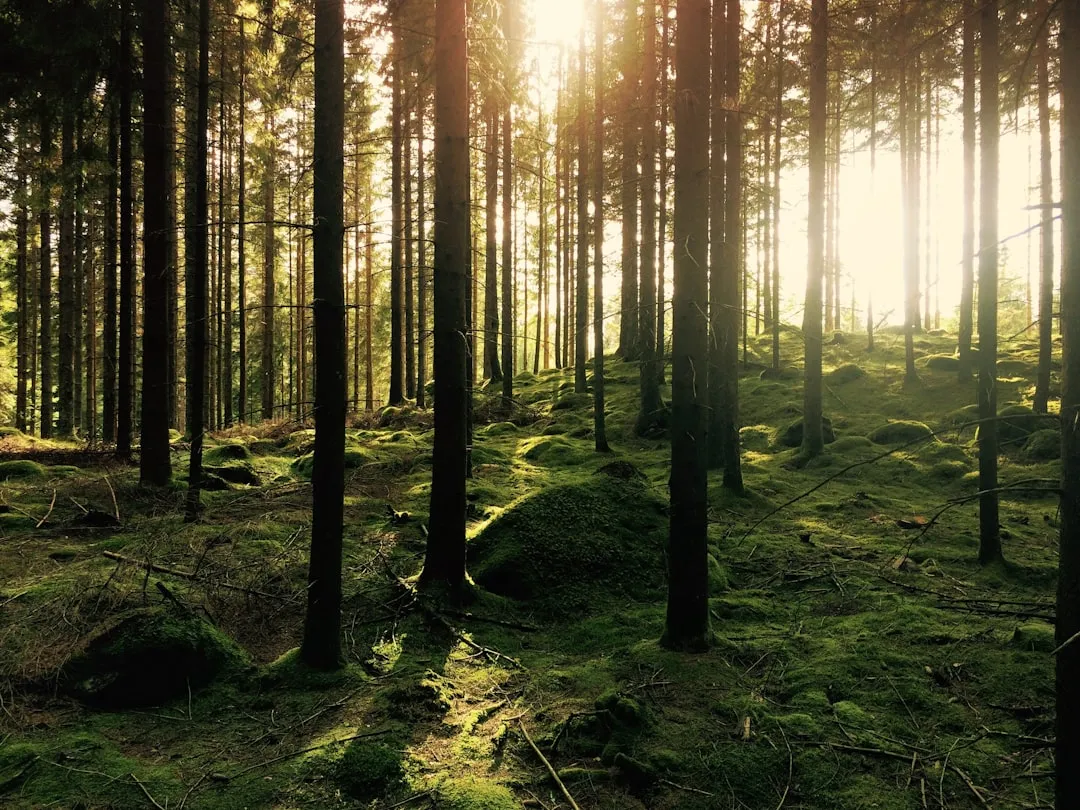
The synthesis of findings across included studies revealed that forest bathing interventions might improve mental and physical health, reduce blood pressure, improve sleep quality, and boost immunity. However, the effect of forest bathing on mental health indicators and the differences in results among different populations varied.
Most studies showed that cortisol levels dropped significantly after forest exposure, suggesting a stress-reducing effect. However, some studies noted that the expectation of benefits, a placebo effect, could also contribute to the results. That’s an honest caveat that the field takes seriously.
Researchers have established a growing body of scientific literature on the diverse health benefits of forest bathing, including improving health and well-being at the physiological, emotional, cognitive, social, and spiritual levels. The evidence is substantial, the mechanisms are increasingly understood, but personalized research across different ages, health conditions, and forest types is still catching up. What seems clear is that the direction of the findings, consistently and across dozens of studies, points the same way.
There’s something quietly significant about the fact that one of the most promising mental health tools of this decade costs nothing, requires no device, and has been available to us the entire time. Sometimes the reset you need is the one your nervous system has always recognized, even when your schedule didn’t.