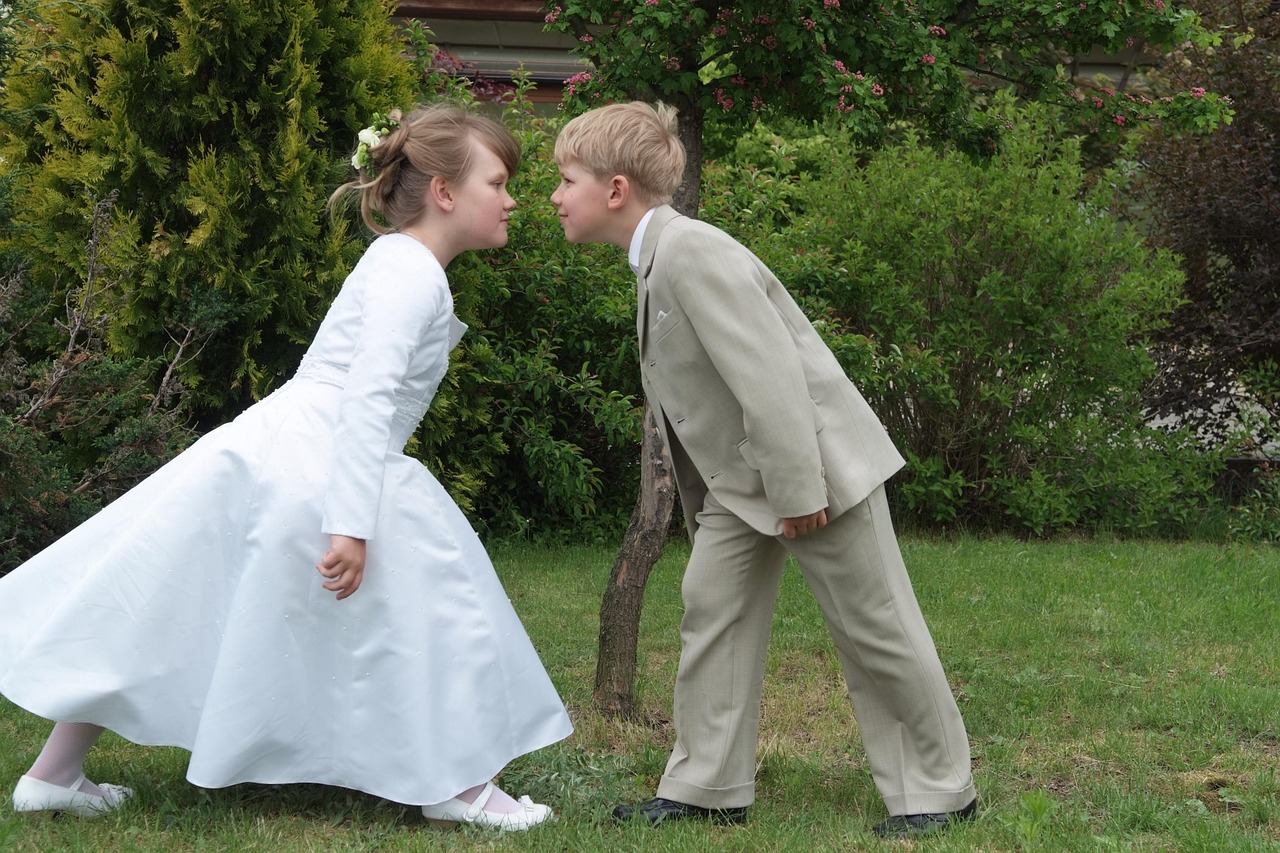

Picture this: a holiday dinner table, two adults, one shared childhood. The firstborn insists that trip to the beach was a disaster. The youngest remembers it as one of the best summers of their life. Nobody is lying. Nobody is misremembering on purpose. Yet both versions cannot be entirely right, and that is where things get interesting.
The argument over a shared memory is one of the most reliably recurring experiences in sibling relationships. It happens across cultures, across generations, across income levels. The science behind it is more layered than most people realize, and it touches on how memory actually works rather than how we assume it does.
You Grew Up in the Same House, But Not the Same Family

The most uncomfortable truth about sibling memory disputes is this: you and your sibling did not actually have the same childhood. We assume that siblings who grew up in the same house had the same childhood, same parents, same rules, same family dynamics. That assumption is wrong. You and your sibling can share a bedroom and still grow up in entirely different families.
The oldest child experienced one version of your parents: younger, less experienced, often more anxious and rigid about rules. By the time the youngest came along, those same parents might have been more relaxed, more financially secure, or completely burned out. The youngest child was raised by people who had learned to let things go. The oldest was raised by people still trying to get it right.
Same parents, fundamentally different parenting. That divergence alone is enough to encode the same event in two genuinely distinct emotional registers.
Birth Order Changes the Brain, Starting Earlier Than You’d Think
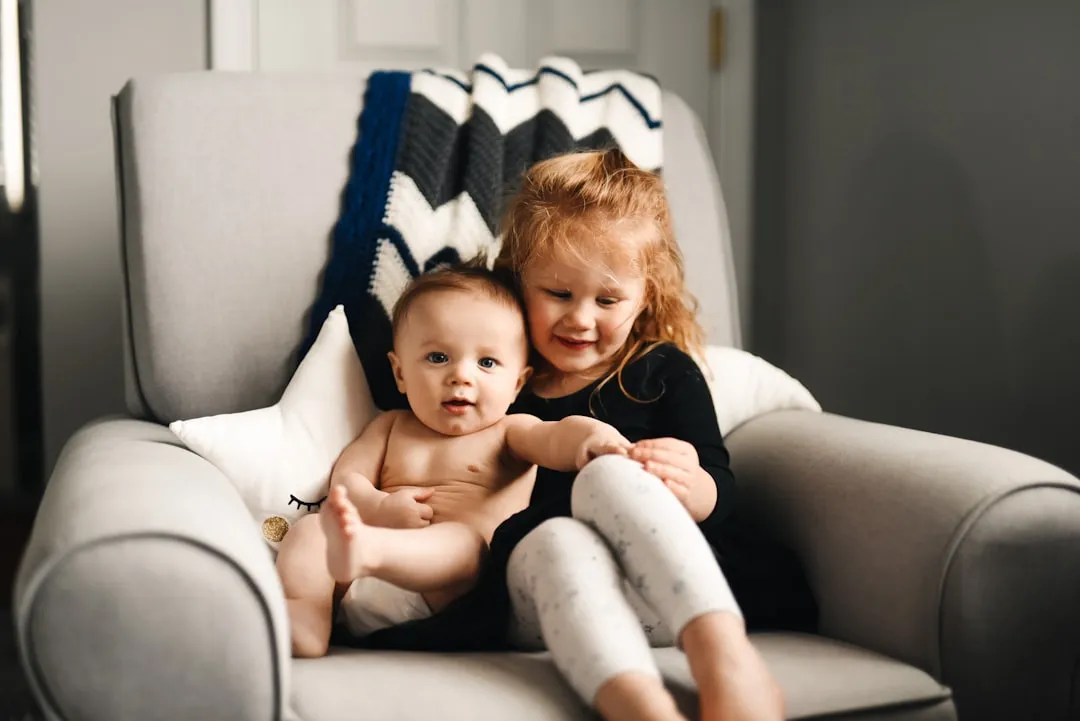
Birth order has long been linked to differences in cognition, with firstborn children often outperforming their later-born siblings. Parental engagement and interaction have been suggested as potential influences on this difference.
Research on sibling position and cognitive development found that the oldest child shows greater overall growth in visual working memory than siblings in other birth positions. This isn’t trivial. Visual working memory is part of how we encode, retain, and reconstruct scenes and events, the raw material of memories.
Of all executive function skills, only the development of verbal working memory over a year was predicted by birth order. Specifically, the development of verbal working memory in second-born children was less than that in first-born children of the same age. In practical terms, this means a firstborn and a youngest child may literally encode and store a shared experience through somewhat different cognitive machinery.
Parents Weren’t the Same People for Each Child
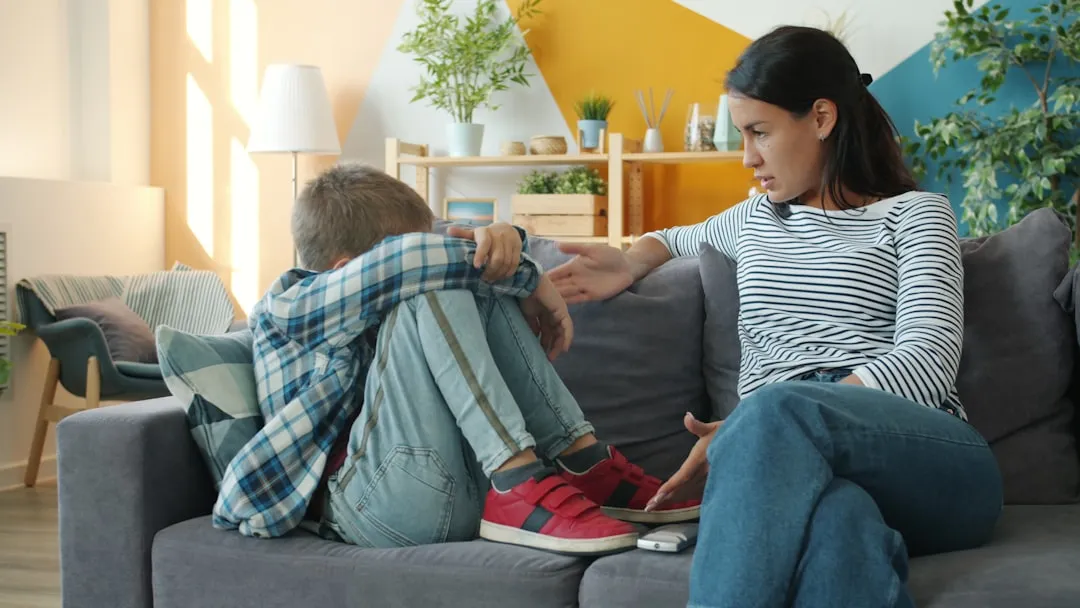
The oldest child is the only child in the family that completely has their parents to themselves. Due to the nature of first-time parenting, many parents employ stricter rules, high levels of attention, and trial-and-error. As a result, firstborn children tend to be responsible, well-behaved, and possess strong leadership qualities.
The oldest children are often held to a higher standard than the later-borns. This can cause parents to be stricter with their oldest than they are with their youngest. First-time parents often have quite high expectations for their firstborn and want them to be successful.
When parents apply different standards to different children at the same event, each child walks away carrying a different emotional weight. The firstborn remembers being corrected. The youngest remembers being cheered on. The event itself was identical.
Siblings Actually Claim Each Other’s Memories
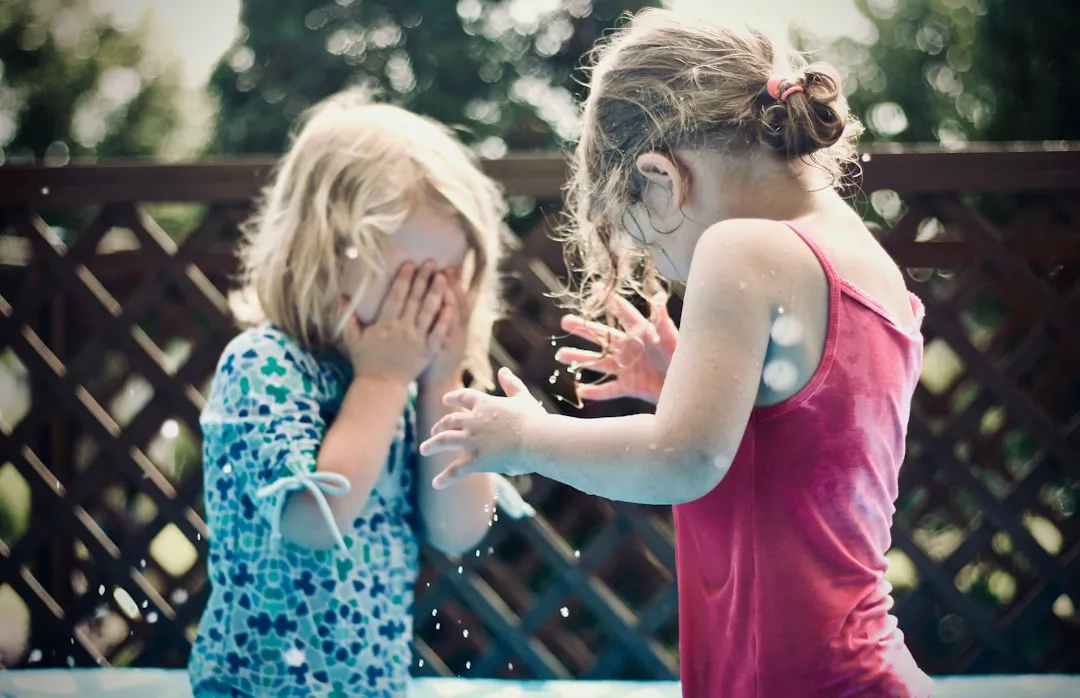
Social processes strongly modulate how memories are associated with the self, as demonstrated by conflicts among adult siblings around memories of a shared childhood that can lead one sibling to claim a memory that actually “belongs” to the other.
A study by Mercedes Sheen, Simon Kemp and David Rubin confirms what many of us have experienced in our own families: siblings dispute what happened to whom in childhood. This is more frequent in twins, but it also happens in siblings, especially if they are close in age.
The phenomenon is sometimes called “memory borrowing,” and it’s not a conscious act. When siblings grow up swapping stories at the dinner table, memories blend. Over years of retelling, a youngest child can absorb a firstborn’s experience so completely that it registers as their own, and vice versa.
Each Sibling Watched Through a Different Knothole

One researcher describes it through a “knothole theory”: picture a ballpark with a wooden fence and kids watching through different knotholes. They each saw the baseball diamond from a slightly different perspective, and their view of the game depended upon where they were on the other side of the fence. They all could hear the announcer but they might disagree about what they saw. Perception is the way we think about or understand someone or something, but not all of us perceive things in exactly the same way.
We each grew up in a different family because we were born years apart. Siblings may agree about many things that happened as they grew up. However, there are some things about which they disagree, as each has their own perception of life as they grew up.
The knothole image is useful precisely because it avoids assigning blame. Nobody was standing in the wrong place deliberately. They were just standing where they were.
Emotional Coloring Rewrites the Facts
Our inferences based on biases and expectations affect the creation of false memories. When we remember our past selves, we may remember ourselves as thinking the same way we do now, affecting how we remember our past actions. When someone begins to think negatively or positively about someone, they might start seeing those actions that way when they look back on them.
When siblings disagree later in life, they may remember themselves as always fighting when they were younger, even if they got along better back then. Current feelings act as a lens over the past, and that lens is different for each person in the room.
There is strong evidence of a bias toward positive information in a number of processes underlying the storage and retrieval of autobiographical memory. Positively valenced memories are retrieved more quickly, with a greater level of sensory and contextual detail, and with superior accuracy relative to negatively valenced memories. So if one sibling had a genuinely better time at a particular event, they’ll remember it in sharper, warmer detail, which makes their version feel more “real” to them.
Developmental Timing Determines What Gets Encoded at All

Developmental timing matters. If you were old enough to consciously experience your parents’ divorce, their financial crisis, or their struggles with addiction, you carry that differently than a sibling who was too young to form explicit memories of those events. One sibling might remember the tension, the fights, the instability. The other might have been shielded or simply too young to understand what was happening. Both lived in the same house, but only one carries the conscious memory of the trauma.
The ability known as episodic memory, the capacity to consciously recall personal events with contextual detail, becomes apparent around the age of three to four years. A youngest child who was two years old during a family event simply may not have stored a retrievable memory of it at all, while their older sibling, who was six, has a clear one.
This creates an asymmetry that neither sibling recognizes: one is recalling a lived experience, and the other may be recalling fragments, photographs, or stories told by relatives, all of which feel just as real.
Favoritism Shapes the Emotional Archive

In many families, one child becomes the golden child, whose behavior is excused and who receives praise and protection. Another becomes the scapegoat, who gets blamed, criticized, and held to impossible standards. This dynamic isn’t always intentional, but it’s deeply consequential. It creates two entirely different childhood experiences within the same household.
A child who was frequently praised at family gatherings will remember those gatherings fondly. A child who was repeatedly corrected or overlooked at the same gatherings carries a different emotional register entirely. The facts of the event might be nearly identical. The felt memory could not be more different.
A firstborn with emotionally distant parents and a youngest with warm, responsive caregivers will likely have very different psychological profiles, despite what birth order stereotypes might predict. The emotional microclimate each child lived in was genuinely different, and memory is not a camera, it’s a feeling.
Retelling Reshapes the Memory Each Time

From early in life, children and young adolescents tend to recall autobiographical events less when they do not share them with peers or family. Equally, when certain details of a memory are retrieved, retrieval of related but unmentioned details becomes less likely.
This is a subtle but significant point. Each time a sibling tells their version of a story at a family gathering, they are not just reporting a memory. They are reinforcing certain details and quietly eroding others. Over decades of repetition, each sibling’s version becomes more internally consistent and increasingly divergent from their sibling’s version.
Disputes over what happened to whom in childhood point to a larger phenomenon of disputed family memories. Siblings often disagree not just about who experienced a particular event, but more often about other details, such as relatives who were there or not, and most especially about their different evaluations of the experience. One person’s highlight reel is another person’s footnote.
Personality Differences Reinforce Memory Differences
An enduring question in psychology is whether adult personality is related to birth order and number of siblings. Previous studies have generally found no strong associations except that firstborns average slightly higher than later-borns in intellect-related traits.
A large-sample study published in PNAS in early 2025 supports those findings but also shows considerable differences for other traits: on the Honesty-Humility and Agreeableness dimensions, scores were somewhat higher on average for persons having more siblings. Among persons having the same number of siblings, middle-borns and last-borns both averaged slightly higher than firstborns. Researchers discuss the possibility that growing up with more siblings promotes the development of a more cooperative personality.
A firstborn who scores higher on conscientiousness might remember a family event through the lens of responsibility and structure. A youngest who scores higher on agreeableness might remember it through warmth and social connection. Same event, genuinely different internal processing, genuinely different memory formed.
The Takeaway

The next time you find yourself in a heated debate with a sibling over who cried at a certain wedding or whether the family road trip was fun or miserable, consider this: both of you are probably telling the truth as you experienced it. Memory is not a neutral recording. It is shaped by age, emotional role, parental treatment, personality, and how many times a story has been retold at the dinner table.
Research makes clear that sibling relationships form a fundamental component of the human experience, shaping individuals’ lives from early childhood through adulthood. These unique bonds are characterized by a complex interplay of love, rivalry, companionship, and support. Siblings share a common heritage, upbringing, and familial connection, making their relationship distinct from any other.
That shared heritage is real. The memory of it, however, will always be at least slightly different for each person who lived it. Recognizing that is less a concession than a relief, because it means nobody has to be the liar in the room.
AI Disclaimer: This article was created with the assistance of AI tools and reviewed by a human editor.