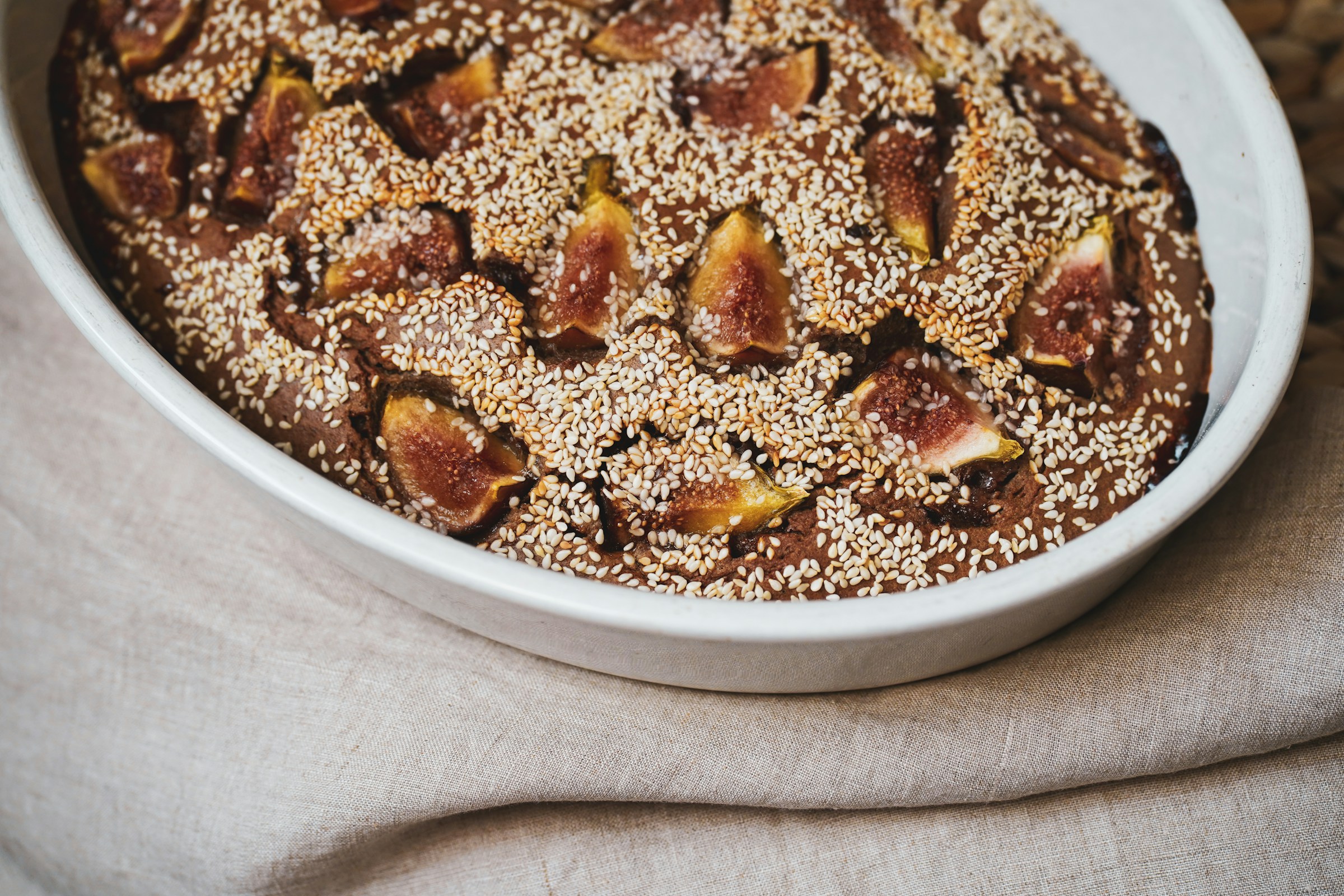

It’s one of the most cheerfully sung demands in all of Christmas music. “Now bring us some figgy pudding!” rings out every December, and almost nobody stops to wonder what, exactly, they’re asking for. The answer, it turns out, is a lot stranger than the carol suggests.
Figgy pudding, also called “plum pudding,” isn’t pudding in the way many Americans think of when they hear the word, and it contains neither figs nor plums. The gap between the name and the actual dish is not an accident. It’s the result of centuries of linguistic drift, culinary reinvention, and at least one notable misunderstanding by a Victorian cookbook author.
It Started as a Savory Dish, Not a Sweet One
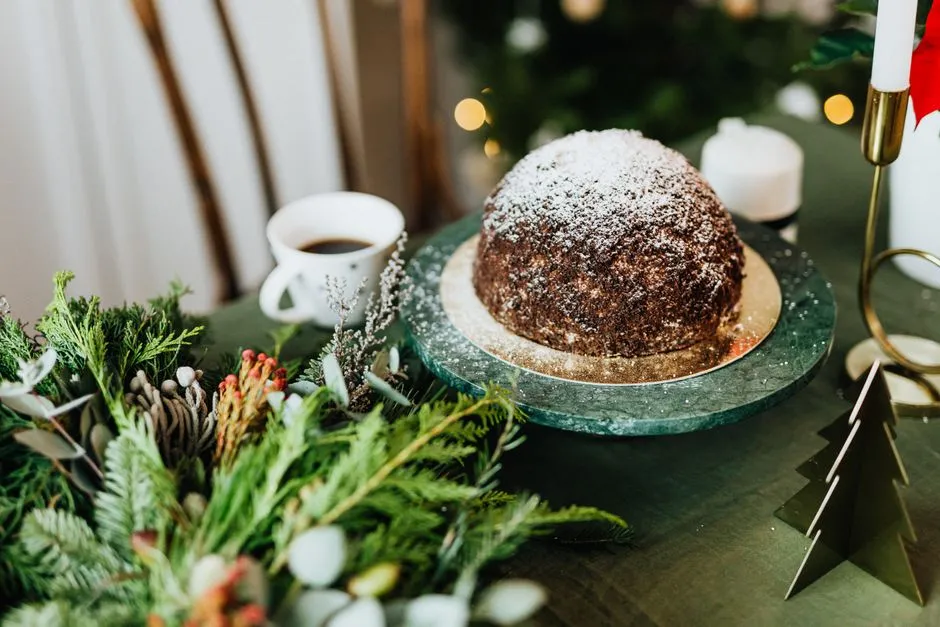
The first version of figgy pudding surfaced in Britain in the 14th century, and back then it was a stew-like, savory dish containing beef and mutton as well as fruit and wine. The idea of eating something like this at Christmas seems strange today, but medieval kitchens routinely blended meat with dried fruit and spices. It was practical, calorie-dense food for cold months, not celebration fare.
The dish began its life as something far more practical than festive. In medieval England, “plum pudding” was a boiled mixture of grains, dried fruits, spices, and often meat. Over generations, the meat gradually faded from the recipe, the sweetness increased, and the dish edged closer to what we’d recognize as a dessert.
The Word “Figgy” Didn’t Originally Mean Figs
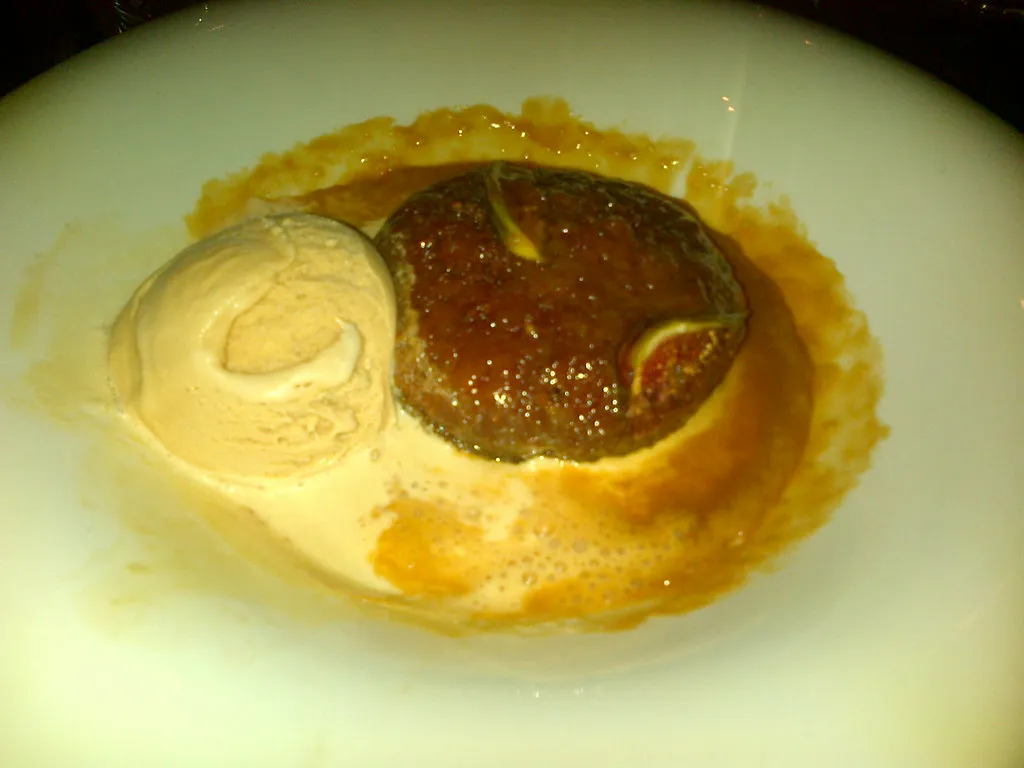
Just as plum puddings weren’t made with plums, but rather raisins, the figs in figgy pudding were the result of a mistake by cookbook authors. In the local Cornish and Devonshire dialects, “fig” meant raisin, and so figgy puddings were originally just plum puddings by a different name.
The word “figgy,” or “figgie,” is an old Cornish term for raisin. This is the root of the confusion. When English cooks and writers in those regions wrote recipes for “figgy pudding,” they were describing a raisin pudding. The literal fruit never entered the picture, at least not at first.
The Same Problem Existed with “Plum” Pudding
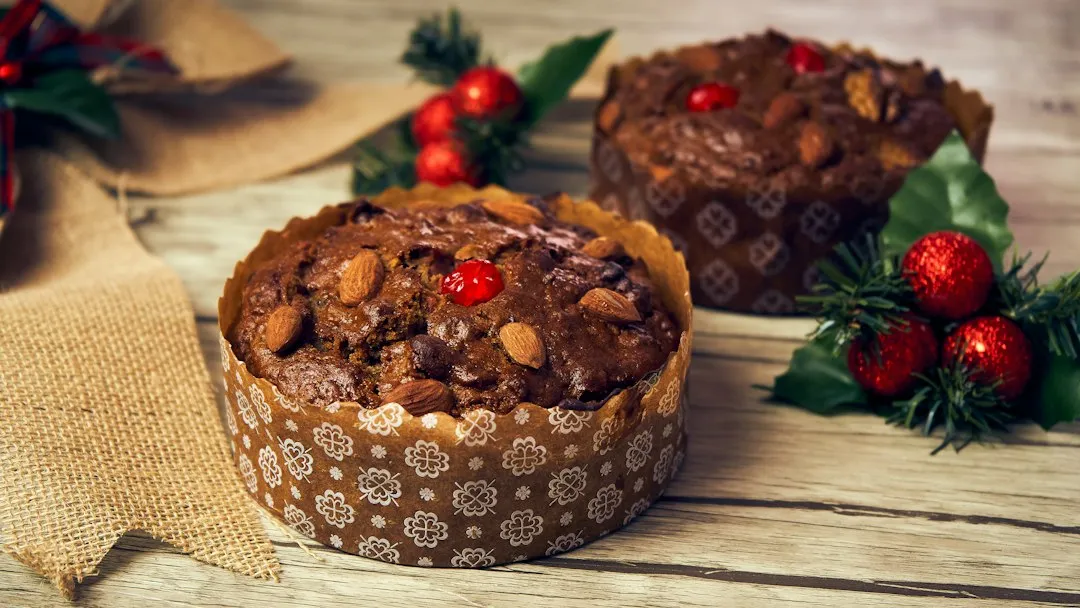
In pre-Victorian England, the word “plum” was applied to any type of dried fruit, including raisins, so “plum pudding” caught on. Neither plums nor figs were necessarily present. The names were simply shorthand for the category of preserved, dried fruit that formed the backbone of winter cooking.
The word “plum” referred broadly to any dried fruit, not the fruit we recognize today. This made both “plum pudding” and “figgy pudding” somewhat interchangeable terms for the same general type of dish. The confusion was baked in from the very beginning.
A Victorian Cookbook Author Took the Name Literally

One distinguished Victorian, Isabella Beeton, took the reference literally, and when she published her extraordinarily popular “Book of Household Management” in the 1860s, the recipe was changed forever by the introduction of figs to figgy pudding.
Eliza Acton wrote a recipe for plum pudding in 1845, naming it Christmas Pudding, and in 1861, Isabella Beeton published a recipe for Christmas Plum Pudding distinguished from her other plum-pudding recipes by being boiled in an elaborate mould. Beeton’s influence was enormous, and her literal interpretation of the word “figgy” effectively rewrote the dish for a generation of British home cooks. It was a correction that never needed to be made in the first place.
The Medieval Recipe That Actually Had Figs
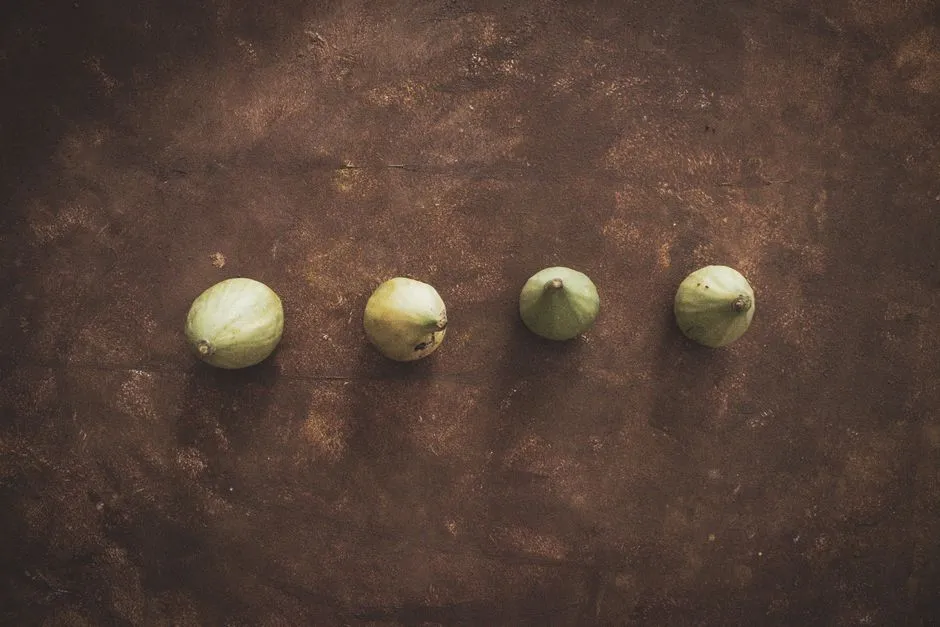
The traditional British yuletide dessert dates back to the Middle Ages. The 14th-century cookbook “The Forme of Cury” includes a recipe for “fyge”: take blanched almonds, grind them, mix with water and wine, quartered figs, whole raisins.
Figgy pudding dates back to the 14th century and was a much different dish than what we refer to as figgy pudding today. It was more of a wet, sticky, thick porridge consisting of boiled figs, water, wine, ground almonds, raisins, and honey. It later evolved into incorporating ground meat and grains, and then later still evolved into a steamed pudding made with raisins. The original recipe genuinely did include figs. The modern one, ironically, often does not.
By the 1600s, Other Dried Fruits Had Taken Over
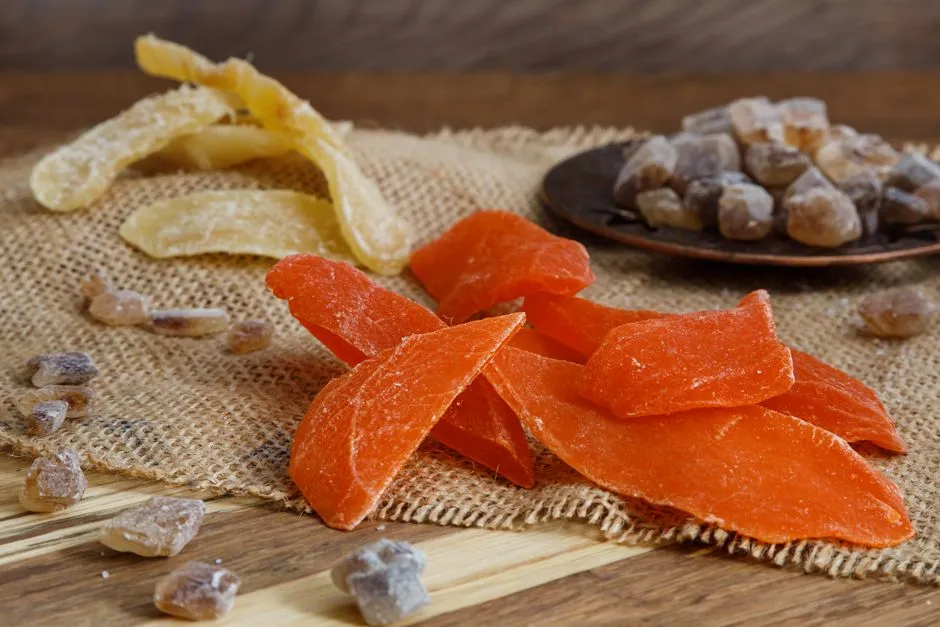
Figs were occasionally used in earlier versions, particularly in wealthy households with access to Mediterranean imports. However, by the seventeenth and eighteenth centuries, figs became less common in English puddings.
By the 1600s, mixed dried fruit such as currants, raisins, prunes, and candied citron joined the figs in most recipes. By the Victorian era, the dish had evolved into what is now known as Christmas pudding, the version Dickens describes in “A Christmas Carol.” Figs were expensive and not always reliably available. Raisins and currants were far more practical, and they gradually replaced the original ingredient entirely.
The Pudding Became a Symbol of Wealth
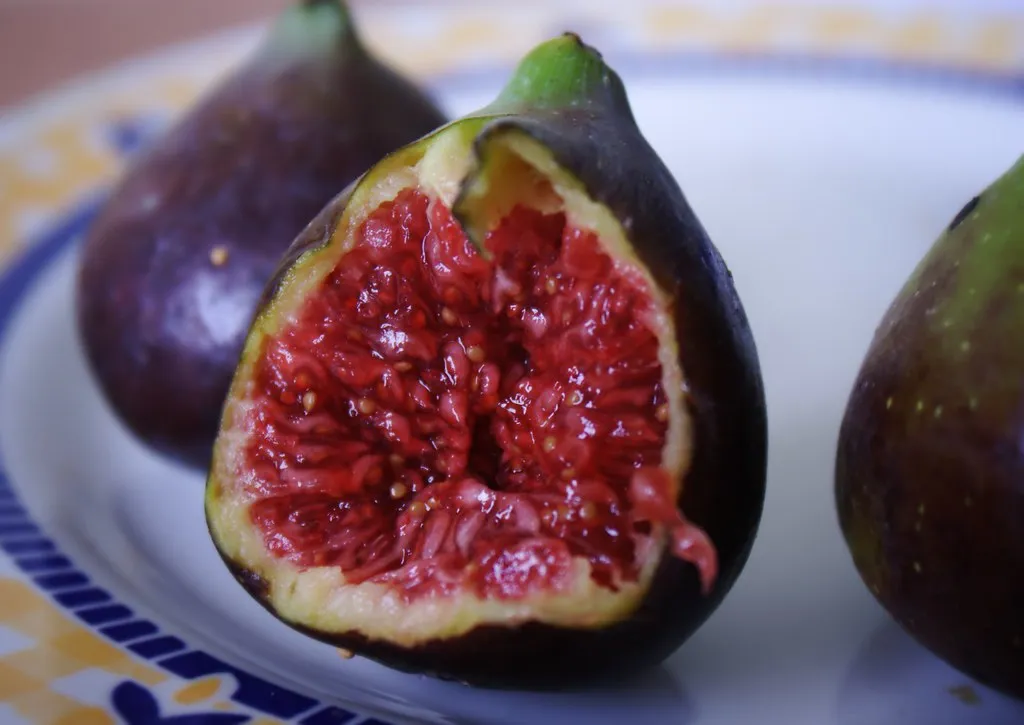
Despite its name, figgy pudding rarely contained figs by the time it reached royal and upper-class tables. Instead, it evolved into a luxurious suet-based pudding filled with imported fruits, warming spices, and alcohol, all markers of wealth and global trade.
In upper-class and royal households, the pudding became an expression of wealth and refinement. Imported dried fruits, citrus zest, sugar, and spices all carried economic and imperial significance. Serving a rich, alcohol-laced pudding at Christmas was a way of displaying prosperity. The figs were long gone by the time the dish carried this social weight.
The Puritans Briefly Banned It Altogether

Christmas celebrations were banned in 17th-century England because they were considered “not Christian” by the Puritans. The pudding, so closely tied to Christmas festivity, fell out of fashion along with the holiday itself.
About 50 years later, King George I saved figgy pudding, earning the name “pudding king” in the process, and the dessert was once again allowed. The ban, while real in its effect on Christmas customs, didn’t erase the dish permanently. It came back with the monarchy’s blessing and eventually grew more popular than ever.
The Carol Helped Cement the Name Forever
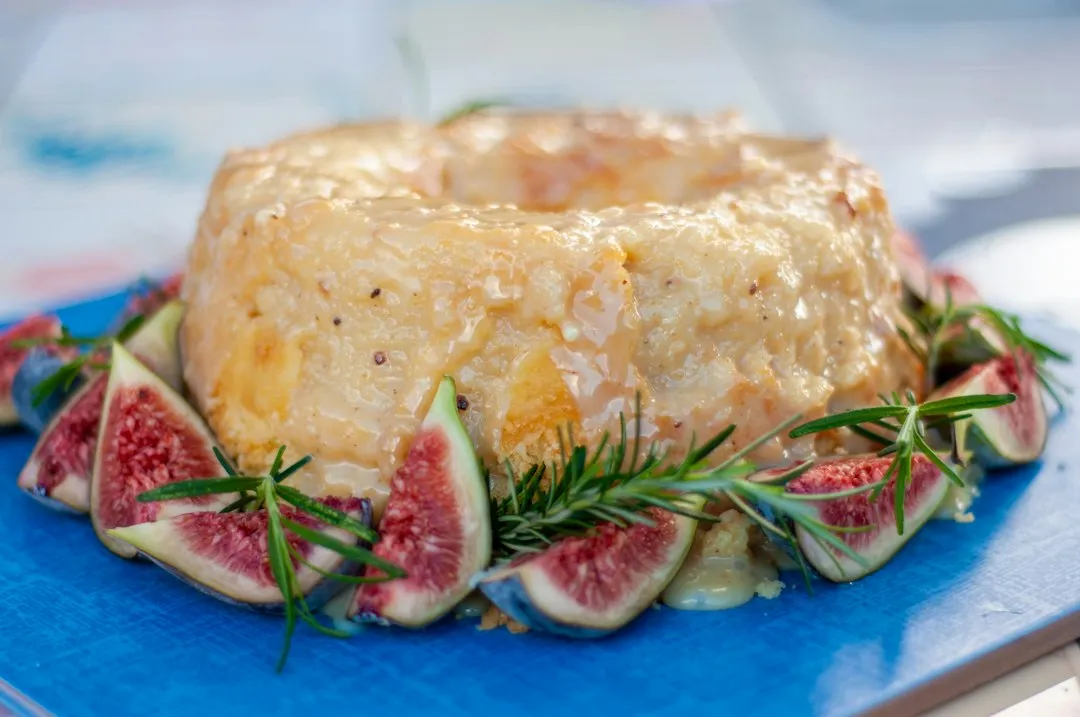
The carol “We Wish You a Merry Christmas” is thought to date from the 16th or 17th century, when carolers demanded refreshments like figgy pudding to keep them going throughout the chilly English nights.
The line demanding figgy pudding reflects a time when Christmas treats were valuable, scarce, and deeply associated with hospitality. Once the carol embedded the phrase in collective memory, there was no changing it. “Figgy pudding” became the name, regardless of what was actually in the bowl.
What Modern Figgy Pudding Actually Contains
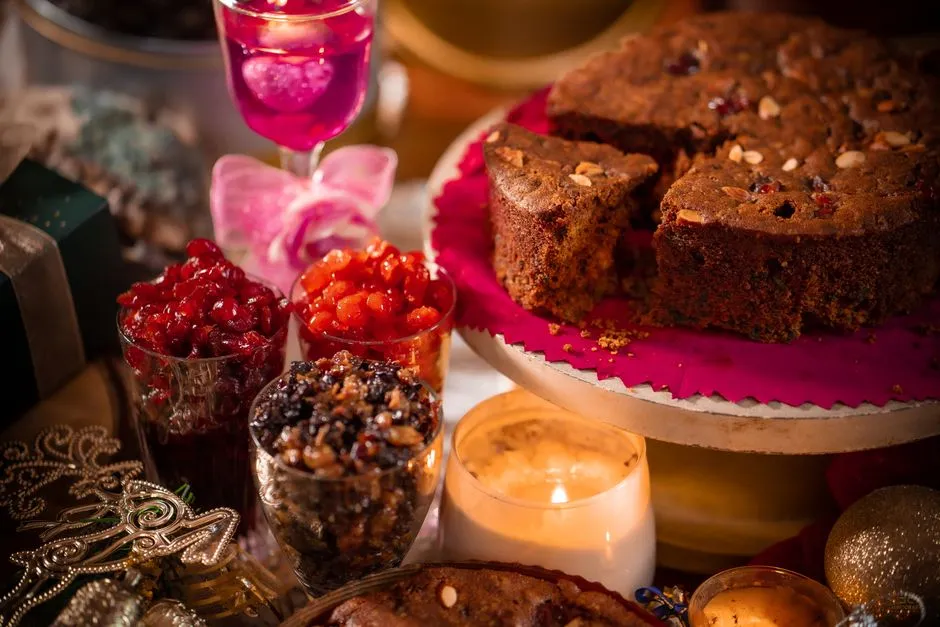
Today, a figgy pudding, commonly called a “Christmas pudding,” has no figs. The Great British Baking Show’s Prue Leith’s recipe calls for raisins, currants, dried cranberries, and brandy.
Figgy pudding is a traditional English Christmas dessert consisting of a steamed or boiled pudding made primarily from suet, breadcrumbs or flour, eggs, milk or cream, dried fruits such as raisins and currants, and spices like nutmeg and cinnamon. According to an NPR report, the pudding was traditionally made with 13 ingredients, symbolizing Jesus and the 12 Apostles. Whether or not any particular recipe reaches that exact count, the dish carries centuries of symbolism that far outlasts the original ingredient list.
The Name Outlived the Fruit

Through all the years, figs were rarely ever a part of the recipe. That’s likely why the dish also goes by a number of other names including plum porridge, Christmas pudding, and steamed pudding. In Britain, figgy pudding is still a Christmas staple.
Despite the name lingering on, “figgy pudding” became a symbolic term rather than a literal ingredient list. It wasn’t until 1845 that it first came to be called Christmas Pudding, in Eliza Acton’s bestselling cookbook “Modern Cookery for Private Families.” The dish kept reinventing itself through each century, borrowing ingredients, shedding others, and clinging to a name that was always a little misleading.
The Takeaway
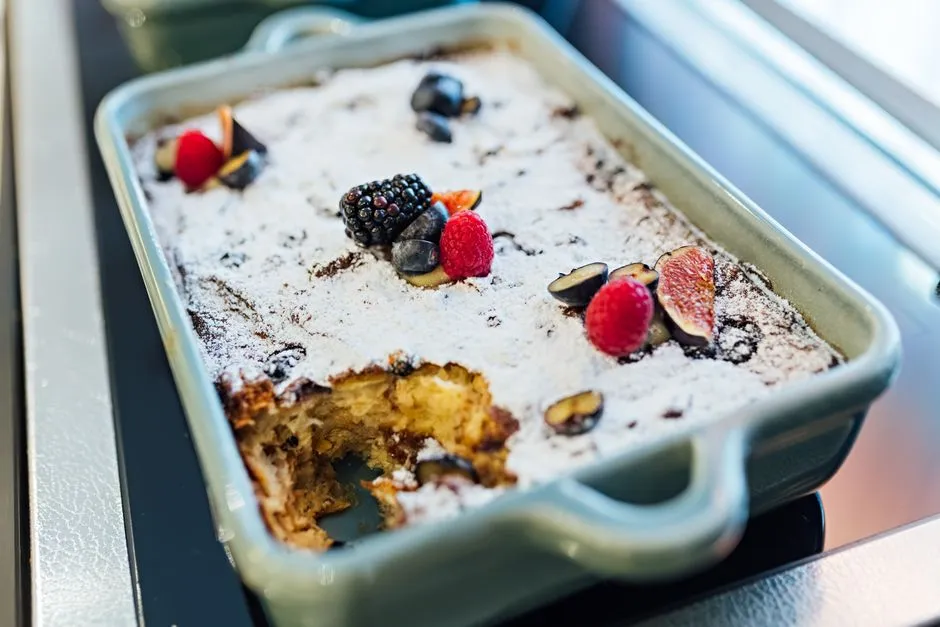
Figgy pudding is, in many ways, a perfect example of how food names survive long after the reasons for them have disappeared. A regional dialect word for raisin got confused with an actual fruit, a Victorian author codified the mix-up in print, and a Christmas carol locked the name into cultural permanence. The result is a beloved winter dessert whose identity rests almost entirely on a centuries-old linguistic accident.
The dish itself, dense and warming and soaked in brandy, is probably better for it. Some things taste just right, whatever you call them.
AI Disclaimer: This article was created with the assistance of AI tools and reviewed by a human editor.