
Timing is everything in gardening, even if it rarely gets talked about. Most gardeners focus hard on which fertilizer to buy, how much to use, and how often to apply it. Far fewer think carefully about the clock. Yet when you feed your plants matters in ways that are surprisingly well-documented, and midday is, by nearly every measure, the worst time to do it.
The reasons come down to basic plant physiology, soil chemistry, and the physics of evaporation. None of it is especially complicated once you see it laid out clearly.
Stomata Close During Peak Heat, Blocking Foliar Absorption
Plants have microscopic pores on their leaf surfaces called stomata, and these pores act as the plant’s lungs. They are the primary gateway for foliar nutrient uptake, and their behavior changes dramatically depending on temperature and water stress.
Under heat stress, plants prioritize water conservation, leading to stomatal closure mediated by water status and the hormone abscisic acid (ABA). This closure mechanism, though limiting photosynthesis, is crucial for plant survival in challenging hot and arid environments.
During the heat of the day, plants close their stomata to prevent water loss. Applying fertilizer during this time is ineffective; the moisture evaporates in minutes, and the salts left behind can scorch the leaf tissue.
Nutrients Enter Through Stomata and Cuticle Pores
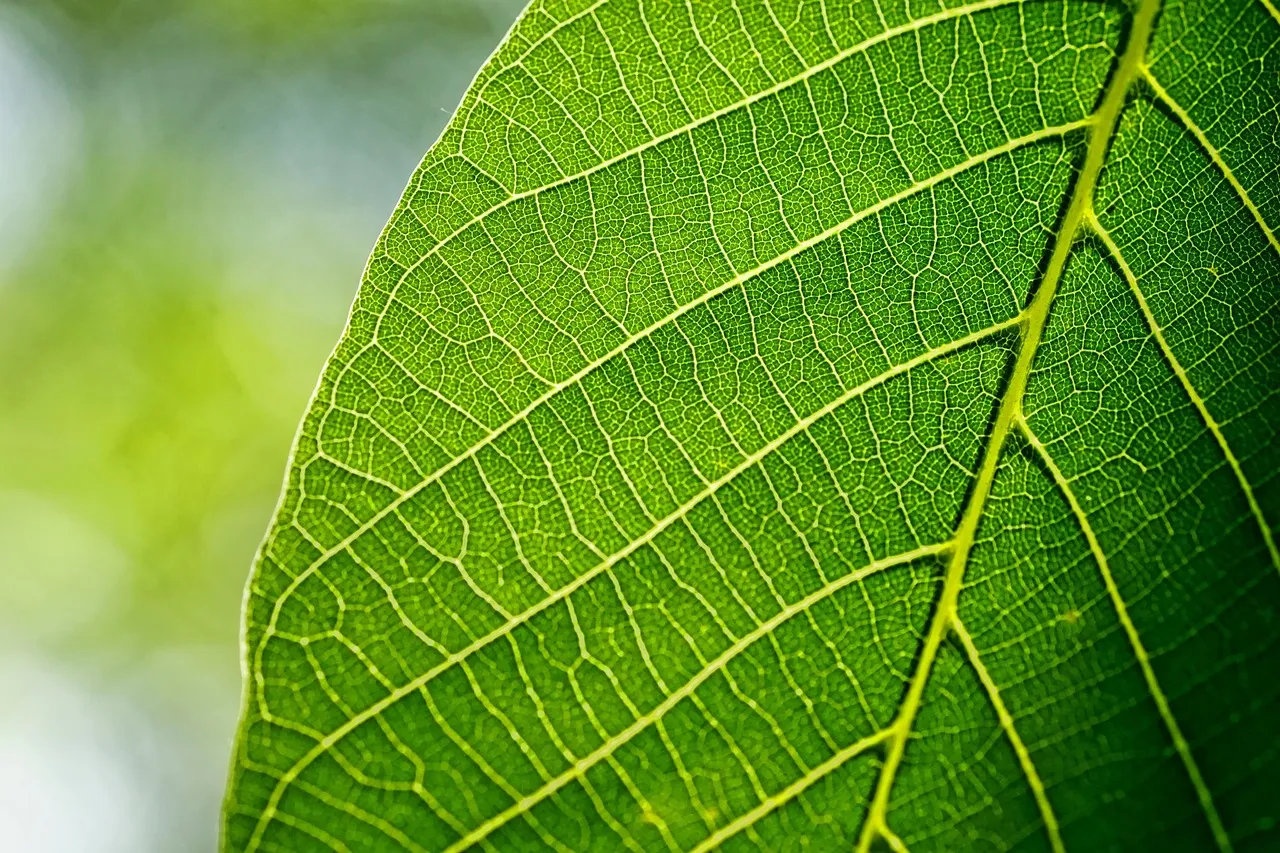
Stomata open and close based on light, temperature, and plant water status. Nutrients enter primarily through open stomata and micro-pores in the waxy cuticle. When either pathway is compromised, the efficiency of foliar feeding drops sharply.
Spraying during midday heat, when stomata partially close and evaporation spikes, reduces absorption and concentrates salts on the leaf surface, causing burn. Morning and evening applications on well-hydrated plants consistently outperform midday timings.
Leaf surfaces create a distinct chemical environment, slightly acidic with organic acids, that enhances the dissolution of nutrients that are otherwise poorly soluble in soils. That environment functions properly only when the leaf surface is moist and stomata are open, conditions that midday heat routinely destroys.
Rapid Evaporation Means Fertilizer Never Actually Reaches the Plant
Foliar uptake only occurs while nutrients remain dissolved in a liquid film on the leaf. Once droplets dry, absorption stops. Relative humidity determines how long this liquid phase persists.
High vapor pressure deficit, meaning dry air at high temperatures, accelerates water loss, tightens the cuticular wax matrix, shrinks droplets, and increases the risk of solute concentration spikes and leaf burn. This is why midday foliar feeding fails, even with “safe” formulations.
Morning sprays dry in roughly twenty to thirty minutes, offering minimal uptake time. Midday applications dry even faster, sometimes in just a few minutes under direct sun. The fertilizer solution essentially disappears before the plant has a chance to do anything with it.
Concentrated Salts Cause Leaf Burn Instead of Feeding
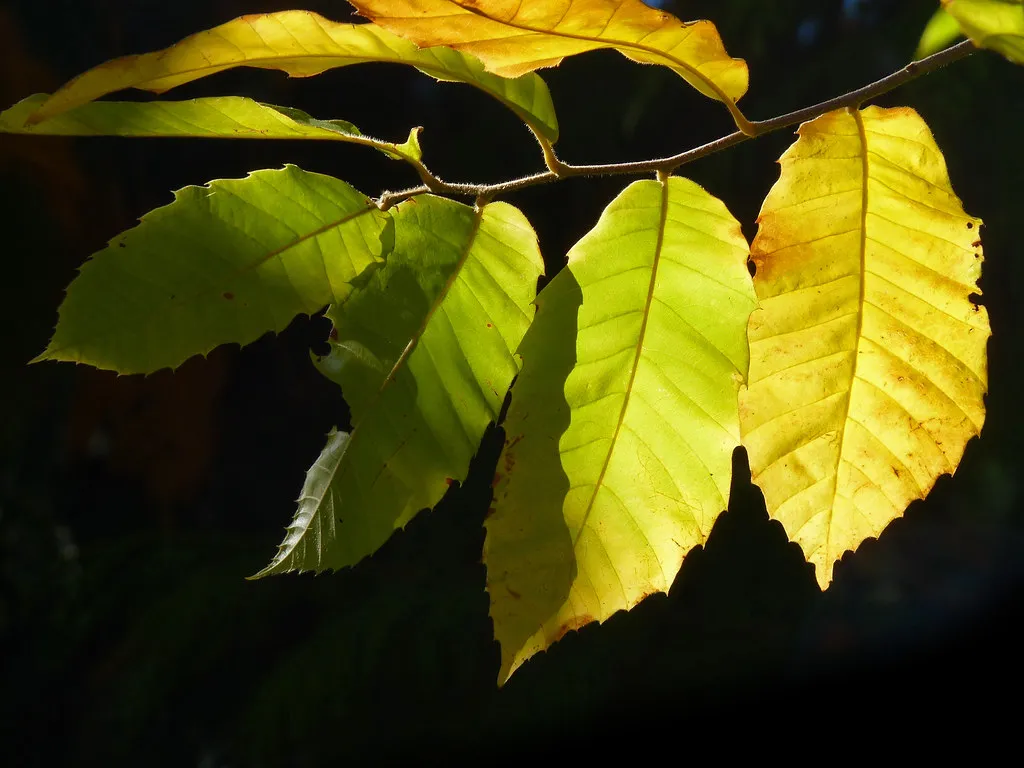
Applying fertilizer during the heat of the day not only wastes nutrients but can also cause leaf burn due to the rapid evaporation of water, leaving behind concentrated salts. This is not just an efficiency problem. It is an active harm to plant health.
Soluble salts may follow water movement through the plant and become concentrated in the leaves where moisture is lost rapidly on hot, dry days through transpiration or evaporation. The result looks paradoxically like a nutrient deficiency, even though the gardener just applied fertilizer.
Damage from excessive fertilizer application generally appears as browning of leaf edges or leaf scorch. Soluble salts from fertilizers can pull moisture out of root tissues and cause wilting, marginal yellowing, and stunting. These same symptoms can be triggered not by overfeeding, but simply by feeding at the wrong time of day.
Heat Reverses Osmosis in the Root Zone Too
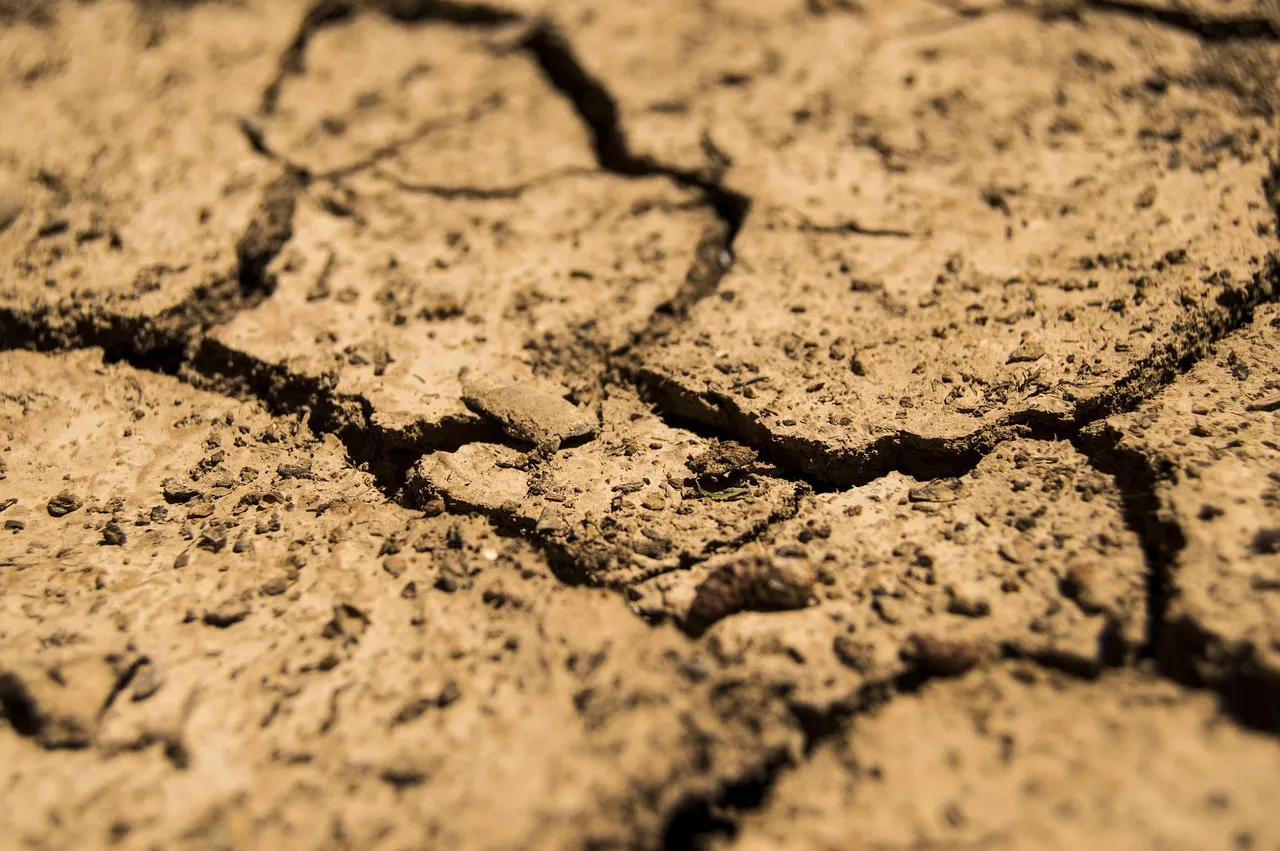
Heat makes fertilizer toxic by intensifying a process known as osmotic stress. Fertilizers are composed of various soluble salts, and when dissolved in soil moisture, they increase the salinity of the solution surrounding the roots. Normally, roots absorb water through osmosis, where water moves from an area of lower salt concentration in the soil to an area of higher salt concentration in the root cells.
When high temperatures cause rapid water evaporation from the soil, the fertilizer salts become highly concentrated in the remaining soil solution. This extreme concentration reverses the normal osmotic flow, compelling water to move out of the plant roots and back into the soil. The roots effectively become dehydrated, unable to take up the water necessary for cooling and metabolic function.
So even soil-applied fertilizer becomes a liability at midday in hot weather. The soil solution around the roots transforms from a nutrient bath into something closer to a mild stress event.
Heat Stress Directly Reduces Nutrient Uptake Capacity

The decrease in nutrient acquisition during heat stress could be attributed to various factors, such as a reduction in root mass or surface area and a decrease in nutrient uptake per unit root. This means the plant is physically less capable of taking up nutrients during the hottest part of the day, regardless of how much fertilizer is available.
Stomatal closure has negative effects on CO2 uptake, photosynthesis, transpirational cooling, as well as water and nutrient uptake. These are not isolated effects. Each one compounds the others, creating a cascade of reduced function precisely when plants appear to need energy most.
Low transpiration due to stomatal closure means less cooling of the leaves and less uptake and transportation of nutrients. Transpiration is essentially the engine that pulls dissolved nutrients up through the plant. Stall that engine, and nutrient delivery slows across the entire system.
Morning Feeding Gives Nutrients All Day to Work

Stomata open in cooler conditions during morning hours, promoting better foliar nutrient absorption. Soil tends to be more moist in the morning due to overnight dew or watering done in early hours. Nutrients fed early can be utilized throughout the day as photosynthesis proceeds.
Applying fertilizer in the early morning allows plants to absorb nutrients efficiently without risking damage from heat or sun exposure. There is also a practical advantage to this window: the cooler temperatures slow evaporation, meaning the fertilizer solution stays liquid on the leaf surface long enough for meaningful absorption to occur.
According to findings from Beck’s Practical Farm Research, applications in the morning yield a measurable yield advantage over applications during the day. Versa Max corn, for example, grows more than twice as fast during the morning than it does during the afternoon. That kind of difference is hard to ignore when it shows up in field trials.
Evening Is a Strong Alternative for Good Reason

Professional trials consistently show that evening and early-night applications outperform morning sprays. Relative humidity rises after sunset, often exceeding the point-of-deliquescence thresholds for fertilizer salts. Residues stay liquid for eight to ten hours, dramatically extending the absorption window. Vapor pressure deficit drops, slowing evaporation and keeping the cuticle more permeable.
As the sun begins to set, the air cools down and humidity often rises. This provides a long window for the plant to absorb the nutrients before nightfall. For foliar feeding especially, that extended window makes a real difference in how much of what you spray actually ends up inside the plant.
Evening has one meaningful caveat worth noting: many fungal diseases thrive in moist, humid environments. When you water or fertilize in the evening, leaves and stems may remain wet overnight, creating a breeding ground for fungi. Morning fertilization allows the foliage to dry quickly in the sun, minimizing the risk of fungal infections.
Fertilizer Type Changes the Risk, Not the Core Problem
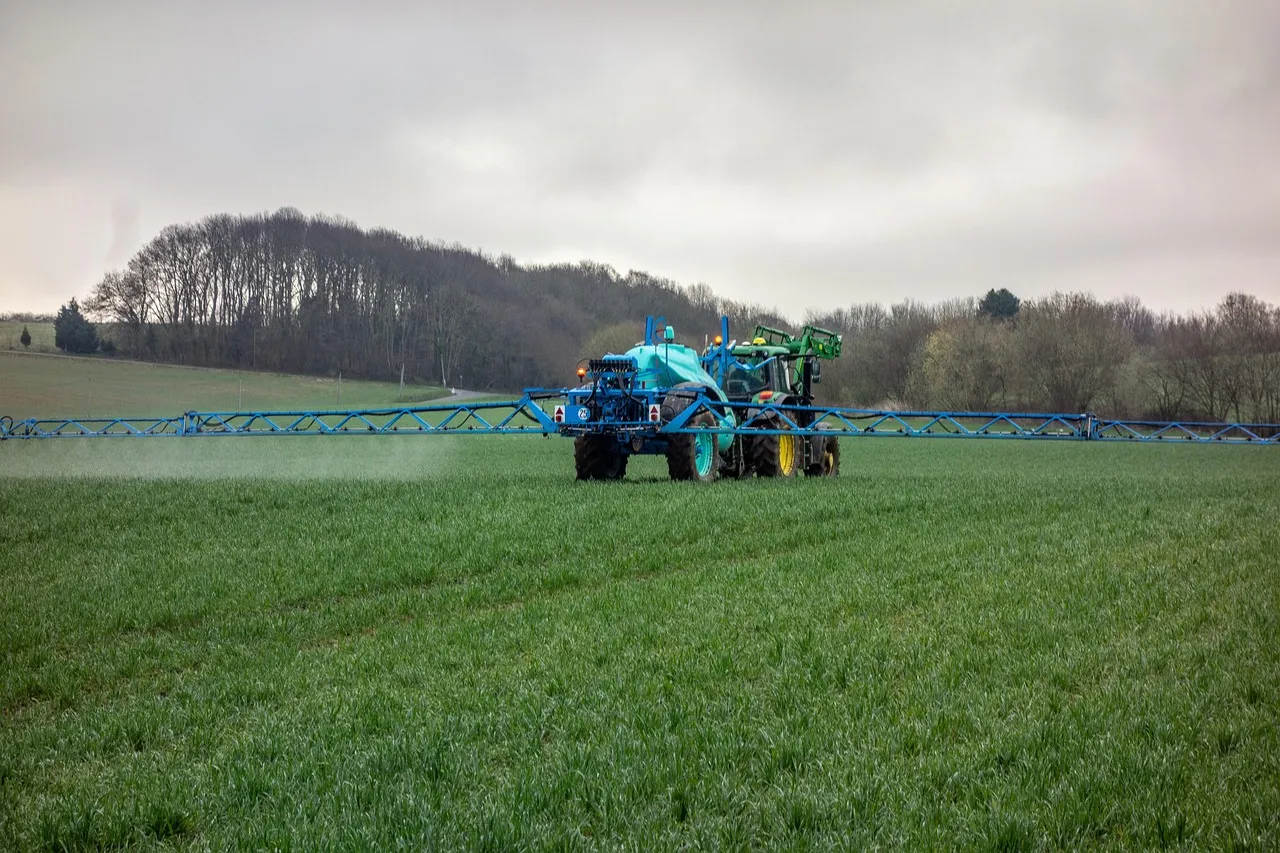
Granular fertilizers, which release nutrients slowly over time, can be applied at any time of day. However, it’s still best to avoid application during the hottest part of the day to prevent fertilizer burn. The slow-release mechanism provides some buffer, but the underlying soil chemistry issue with heat still applies.
Liquid fertilizers, which are absorbed more quickly, are generally best applied in the morning or evening. Foliar fertilizers are most effective when applied in the morning when the stomata are open. Liquid products carry the greatest risk at midday because they evaporate fastest and have no buffer built into their chemistry.
Choosing a slow-release or organic fertilizer is a safer strategy during warmer periods, as these products have a lower salt index and deliver nutrients gradually over time. Organic amendments such as compost or manure rely on microbial activity to release nutrients, which is naturally slower and less likely to overwhelm the root zone with salts.
The Salt Crystallization Threshold Makes Timing a Science
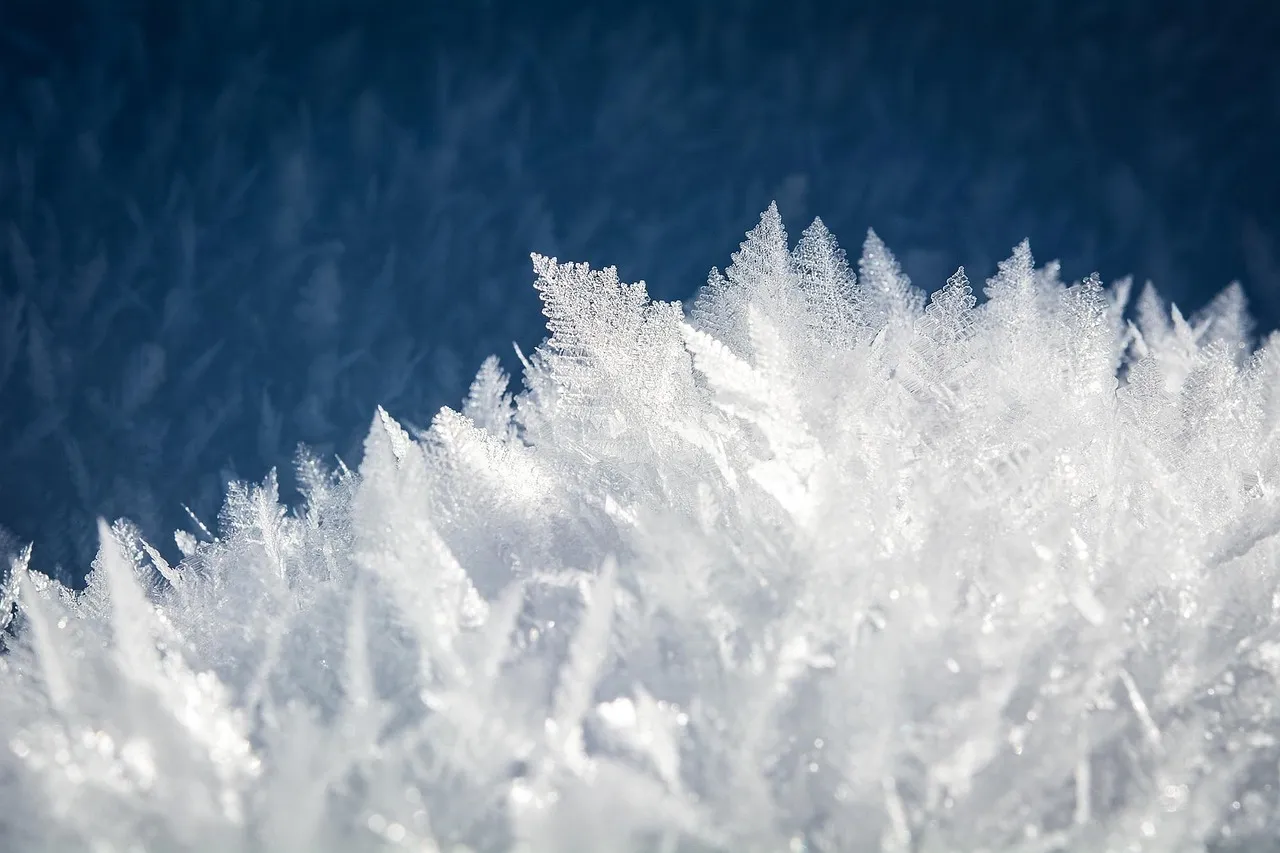
Each nutrient salt has a specific point of deliquescence, which is the relative humidity level above which the salt stays dissolved. Below this threshold, the nutrient crystallizes and uptake ceases, even if the leaf still appears moist. For example, sodium nitrate crystallizes at approximately below 73 percent relative humidity.
The complexities of nutrient management are intensified by climate change, with unpredictable weather, rising temperatures, and shifting precipitation patterns impacting nutrient absorption by crops and the effectiveness of fertilizers. Midday temperatures are trending higher year by year in many growing regions, which makes the timing question more urgent, not less.
Heat concentrates fertilizer salts on leaf surfaces and causes burn. Understanding the crystallization point of common fertilizer compounds helps gardeners and farmers make sense of why the same product can perform completely differently depending entirely on when it is applied.
The Takeaway
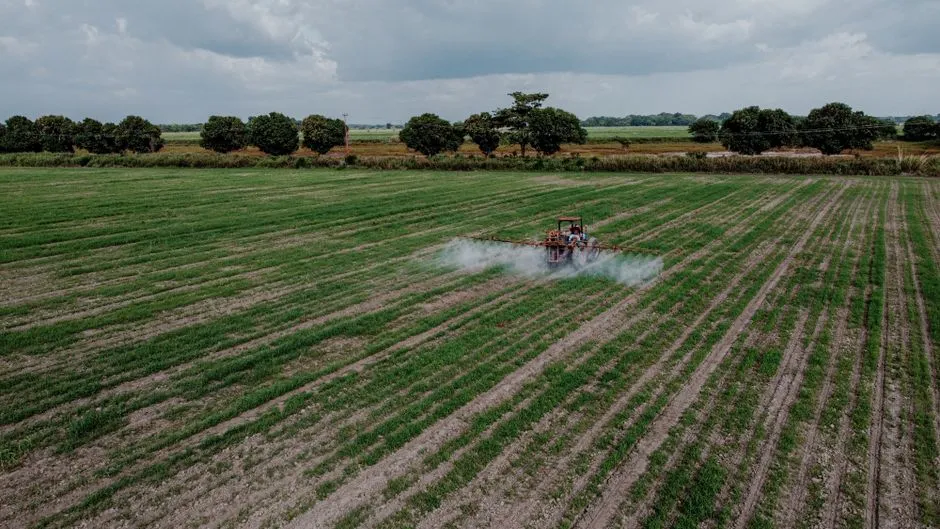
The most expensive fertilizer in the world does very little good if it evaporates off a hot leaf before the plant can absorb it. The evidence from plant physiology, field trials, and soil chemistry research all point toward the same conclusion: midday is when plants are least equipped to absorb nutrients, and it is when the fertilizer itself is most likely to become a problem rather than a solution.
The safest time to apply fertilizer is during the coolest part of the day, specifically the early morning hours before 8 AM or the late evening after 6 PM. This timing allows the fertilizer to begin dissolving into the soil when the plant’s leaves and the soil surface are cooler. Shifting your feeding schedule by just a few hours can be one of the simplest, cheapest improvements you make to a garden this season.
AI Disclaimer: This article was created with the assistance of AI tools and reviewed by a human editor.