

There is a quiet logic to the way old farmhouse gardens worked. Generations of families fed themselves from the same patches of ground, year after year, without ever walking into a garden center or cracking open a bag of commercial nutrients. It was not stubbornness or ignorance. It was a deep, practical relationship with the land that produced something modern agriculture is still struggling to replicate.
The roots of this approach go back far longer than most people realize, and the science behind it turns out to be surprisingly robust.
Fertilizing Has Been a Human Practice for Roughly 8,000 Years
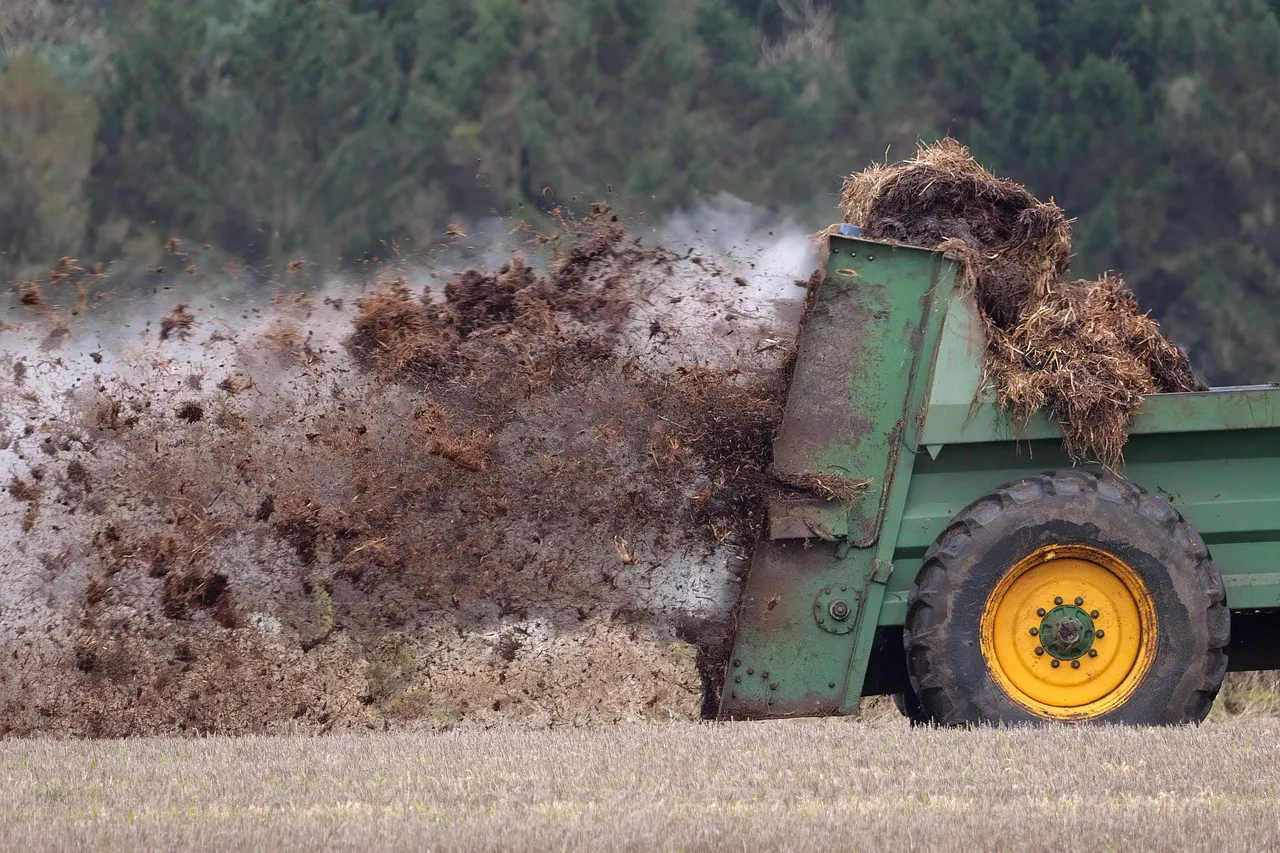
Although it was previously thought that the concept of fertilizer use may have only dated back 2,000 to 3,000 years, it is now believed that early farmers were using manure to fertilize their crops as long as 8,000 years ago. This matters because it reframes the story entirely. The farmhouse gardener was not working in ignorance, but rather at the end of an enormous chain of accumulated human knowledge.
Research suggests that early farmers likely noticed enhanced crop growth in areas with high animal dung accumulation, and cropping and herding developed at the same time and were therefore integrated from the start. The farmyard and the garden were never separate systems. They informed each other constantly.
Animal Manure Was the Foundation, and It Actually Works
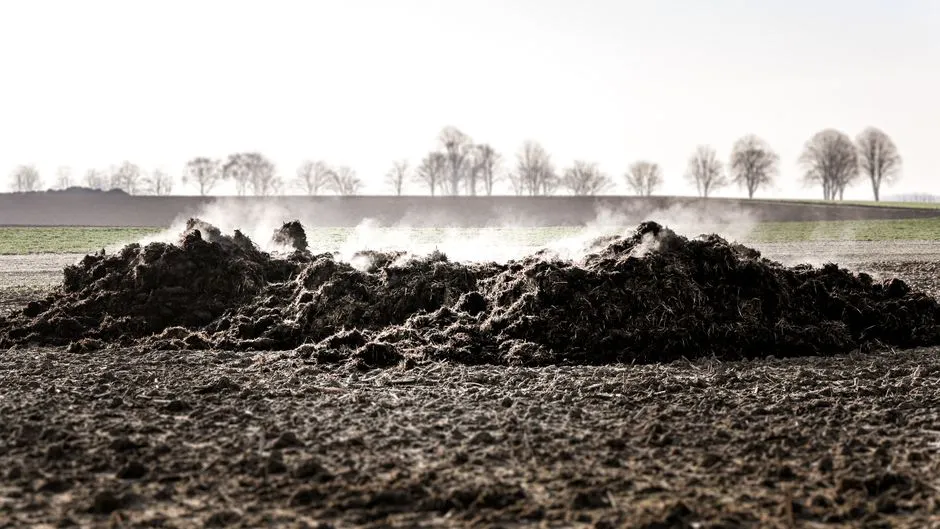
Chemical fertilizers were developed as early as the 1840s in Germany, but most farmers used manure from farm animals, gypsum, ground animal bones, and crop residue to fertilize their fields. These were not improvised substitutes. They were the tested standard, refined over centuries of observation.
Manure has a higher concentration of the nitrogen-15 isotope, which promotes quick growth and deters pests. Farmhouse gardeners could not have named that isotope, but they understood the results. Animals on the property were, in effect, a built-in fertilizer factory, and nothing went to waste.
Store-Bought Fertilizer Simply Did Not Exist for Most of History

A century ago, two German chemists laid the commercial foundations for the synthetic fertilizer industry. Fritz Haber and Carl Bosch, in 1909, demonstrated their industrial process for the manufacture of ammonia. That means the commercial fertilizer industry is barely over a hundred years old. Farmhouse gardens had been operating for thousands of years before that moment.
Prior to World War II, the use of chemical pesticides and fertilizers for gardening was rare, and exceedingly expensive in most cases. It was not until after the war was over that these things became more common. For the average farm family, store-bought inputs were simply out of reach for most of the twentieth century, let alone before it.
Wood Ash Was a Surprisingly Effective Soil Amendment
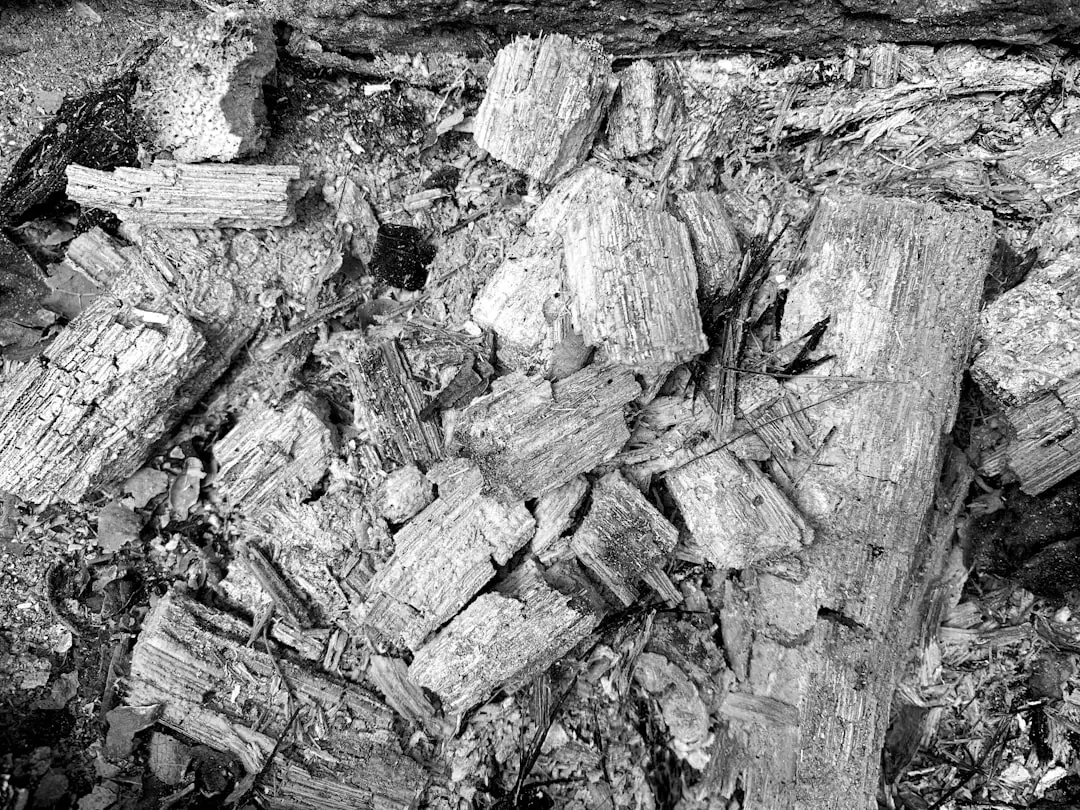
Depending on the type of wood, the ash may contain 5 to 8% potash, up to 20% calcium, about 1% phosphate, and trace amounts of micro-nutrients such as iron, manganese, boron, copper, and zinc. Farmhouse families burned wood constantly for heat and cooking, which meant they had a steady supply of this amendment with no additional cost or effort.
Wood ash is more soluble and reactive than ground limestone, and brings about a change in soil pH more quickly than lime. That kind of responsiveness was genuinely useful in a garden that needed results within a single growing season. The fertilization effects of wood ash have been shown to have equivalence with commercial NPK compounds, particularly when used on ex-arable and organic forest soils.
Crop Rotation Replaced What the Soil Lost
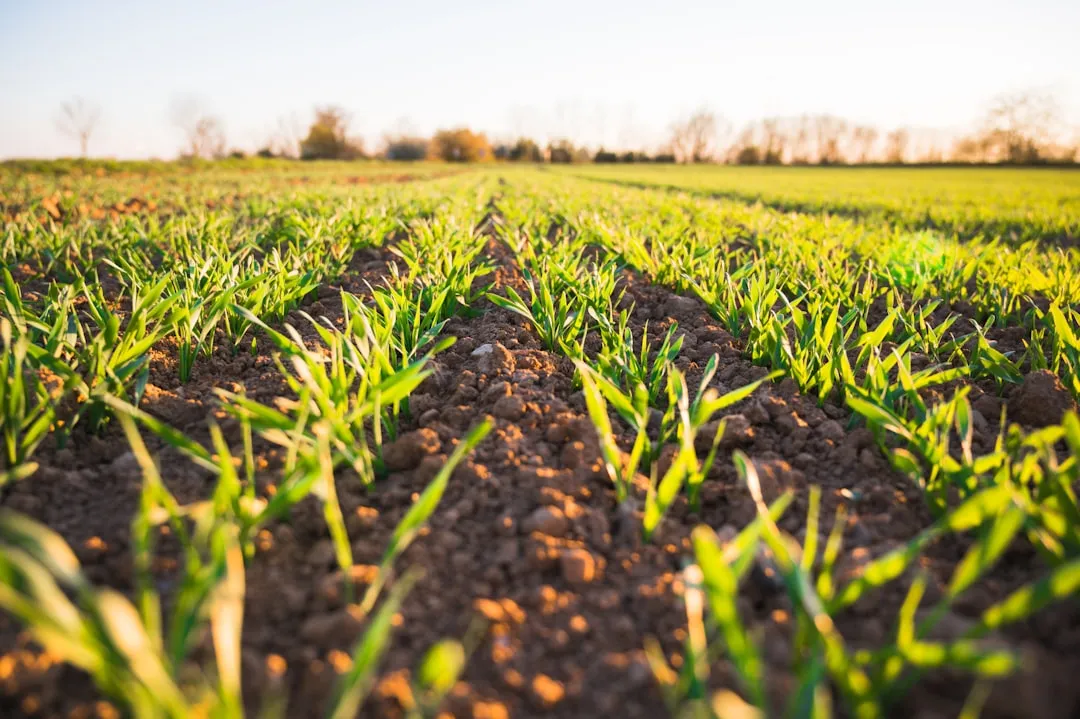
One of the most important tools in the farmhouse gardener’s practice was not something you spread on the ground. It was knowing when to move things around. Rotating crops across different beds each season prevented nutrient depletion, reduced pest buildup, and naturally restored soil balance. Legumes, in particular, fix atmospheric nitrogen back into the soil through root bacteria.
Farmers in Europe started mixing up their own specialty fertilizer blends as early as the 18th century, and many of those blends were built around an understanding that different crops take different things from the soil. Resting beds, rotating plant families, and following a heavy feeder with a soil restorer were all strategies passed down through generations.
Bone Meal and Gypsum Rounded Out the Nutrient Picture
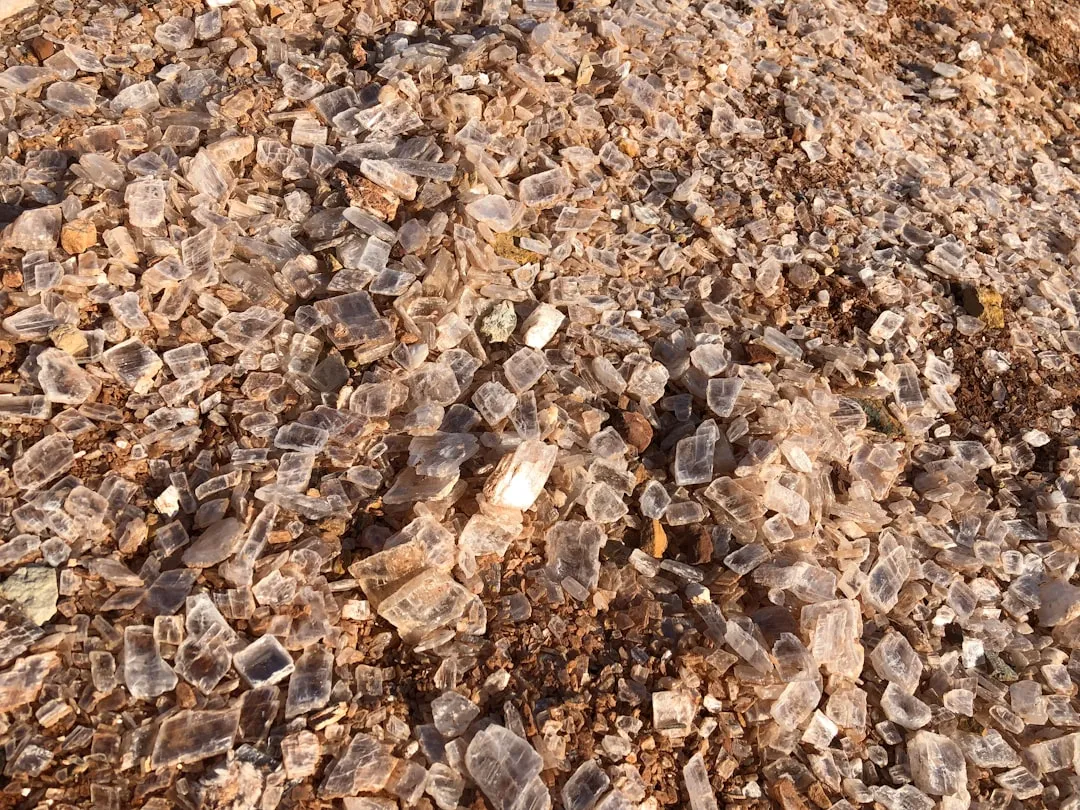
Most farmers used manure from farm animals, gypsum, ground animal bones, and crop residue to fertilize their fields. None of these came from a factory. All of them were by-products of daily farm life. Animals that died or were slaughtered contributed their bones. Crop residue from the harvest went back into the beds. The farm was essentially a closed nutrient loop.
Gypsum contains high amounts of sulfur, which is an essential micronutrient needed for most crop species to thrive. Farmers who used gypsum did not necessarily know the chemistry behind it. They knew the results, and that knowledge traveled through families and communities without ever needing a product label.
Compost Turned Kitchen Scraps Into Garden Gold
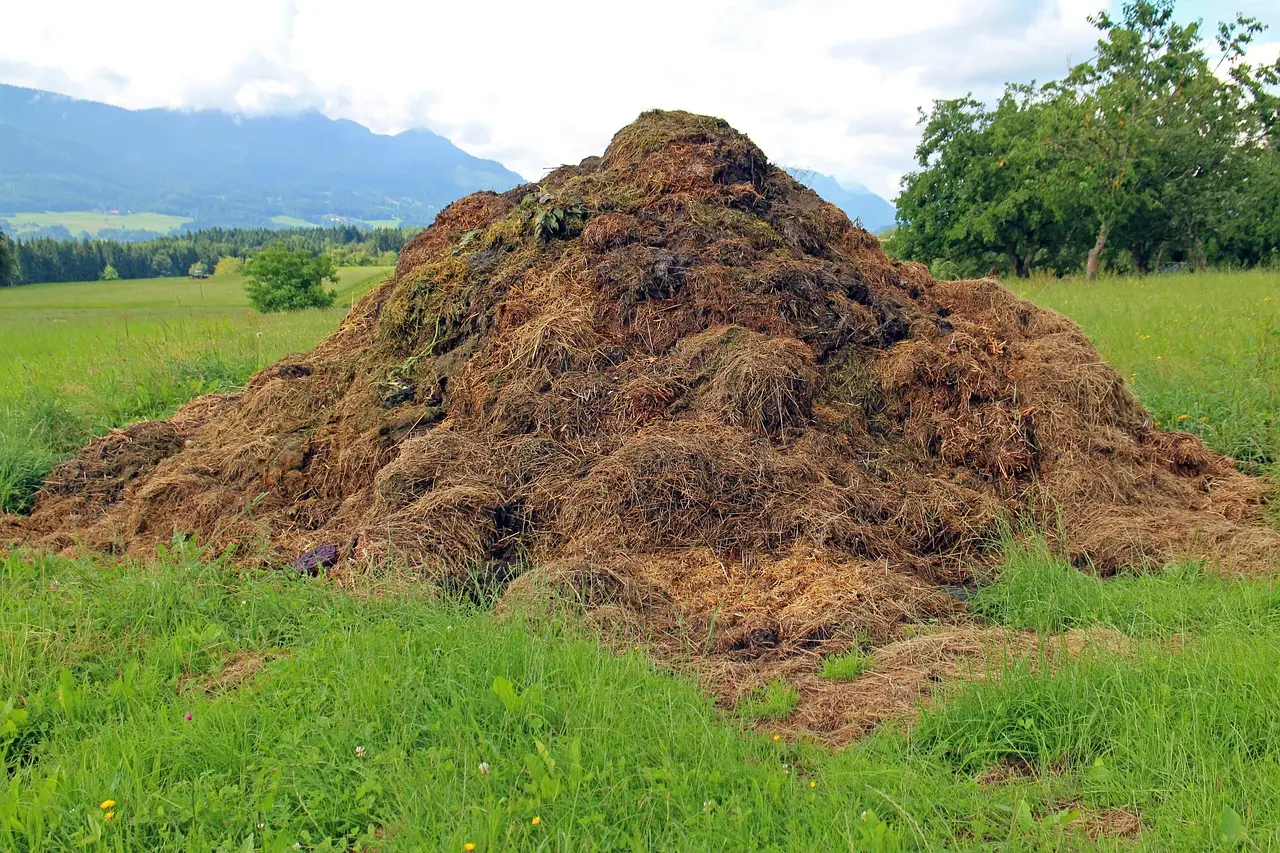
Every scrap of vegetable peel, eggshell, coffee ground, and garden clipping had somewhere to go in a farmhouse garden. The compost heap was not a trend or a lifestyle choice. It was a practical system for converting household waste into soil fertility, and it worked because the biology of decomposition is both ancient and reliable.
While synthetic fertilizers and pesticides offer convenience, many of these old-world techniques are still highly effective and better for soil health in the long run. Compost, in particular, builds soil structure over time in ways that synthetic inputs cannot match, feeding the microbial communities that make nutrients available to plant roots.
Synthetic Fertilizers Turned Out to Have Real Costs
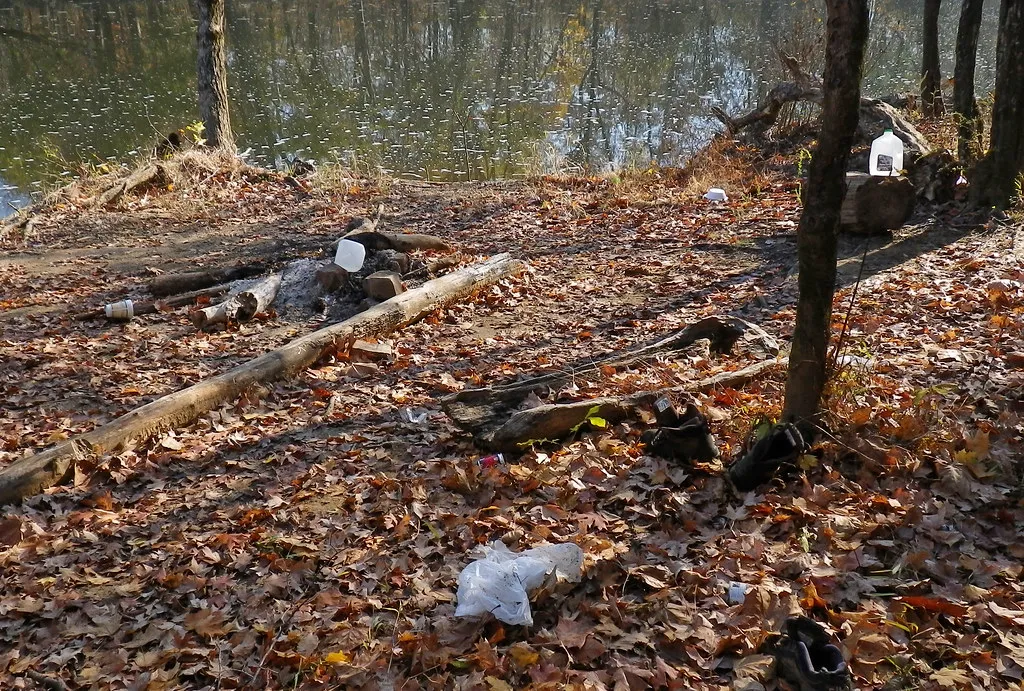
Sustainable agriculture practices have been used on a global scale by reducing the negative consequences of chemical fertilizers because they drop soil organic content as well as decline soil quality. They also harden soil, reducing soil fertility, depleting vital soil mineral nutrients, and polluting air, water, and soil, all of which pose serious environmental hazards.
The overapplication of synthetic nitrogen fertilizer can reduce the abundance of mycorrhizal fungi that help plants with the uptake of critical nutrients like phosphorus and zinc. Those fungi are precisely what traditional farmhouse soils, fed on compost and manure over decades, naturally supported. The old method was inadvertently protecting the biology that makes soil productive.
Ammonium Nitrate Had a Military History, Not a Garden One

Ammonium nitrate, still the most common form of chemical fertilizer in use today, was originally used in the manufacturing process for explosives and munitions during the war. The transition of this compound from munitions to agriculture happened quickly after 1945, driven more by industrial surplus than by any careful study of what farmland actually needed.
Thanks to these chemicals becoming cheaply and readily available after the war, methods of organic gardening and farming that had been developed and honed over thousands of years went to the wayside in favor of the quick fixes and higher yield crops. It happened fast, and many of the older practices were simply abandoned within a generation.
The Old Methods Are Making a Documented Comeback
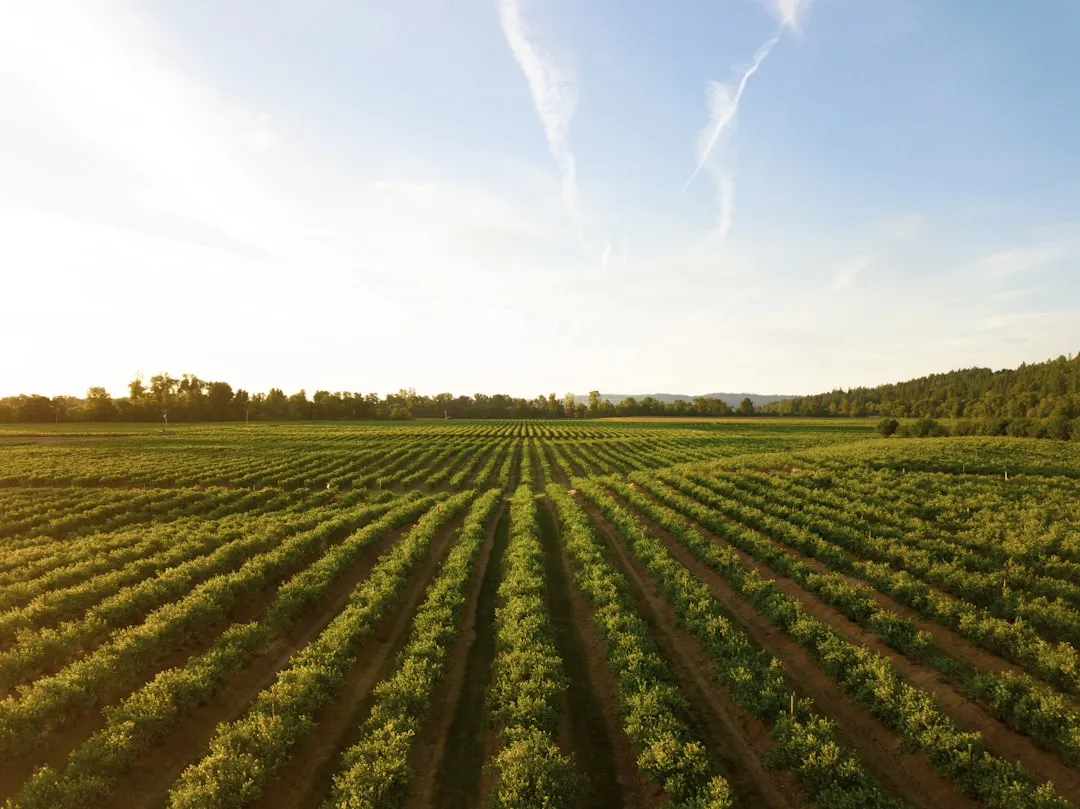
These traditional methods have made a major resurgence recently as the damage done by chemical pesticides and fertilizers during the past 80 years has become more and more clear. What was once dismissed as outdated or inefficient is now being studied seriously in universities and research institutions around the world.
Market analysis reveals a rapidly expanding sector projected to grow from around two and a half billion dollars in 2024 to over six billion dollars by 2032, driven by regulatory support and circular economy policies. The bio-based fertilizer market is growing because modern research is catching up to something farmhouse gardeners already knew. A transition to more organic and regenerative agricultural systems is essential for ensuring the health of our planet and future generations, with prioritizing soil health through practices like cover cropping and organic matter incorporation being crucial for long-term agricultural success.
The Takeaway

Farmhouse gardens did not avoid store-bought fertilizer as a political statement or a romantic attachment to the past. They did it because the farm itself produced everything the soil needed, and that system had been refined over millennia before a single bag of synthetic nutrient was ever manufactured.
The irony is that modern science is now spending considerable effort to understand and reconstruct exactly what those gardens were doing all along. The closed-loop, waste-nothing, biology-first approach that sustained farmhouse plots for generations is increasingly the model that researchers point to when talking about the future of food production. Sometimes the oldest answer turns out to be the most durable one.
AI Disclaimer: This article was created with the assistance of AI tools and reviewed by a human editor.