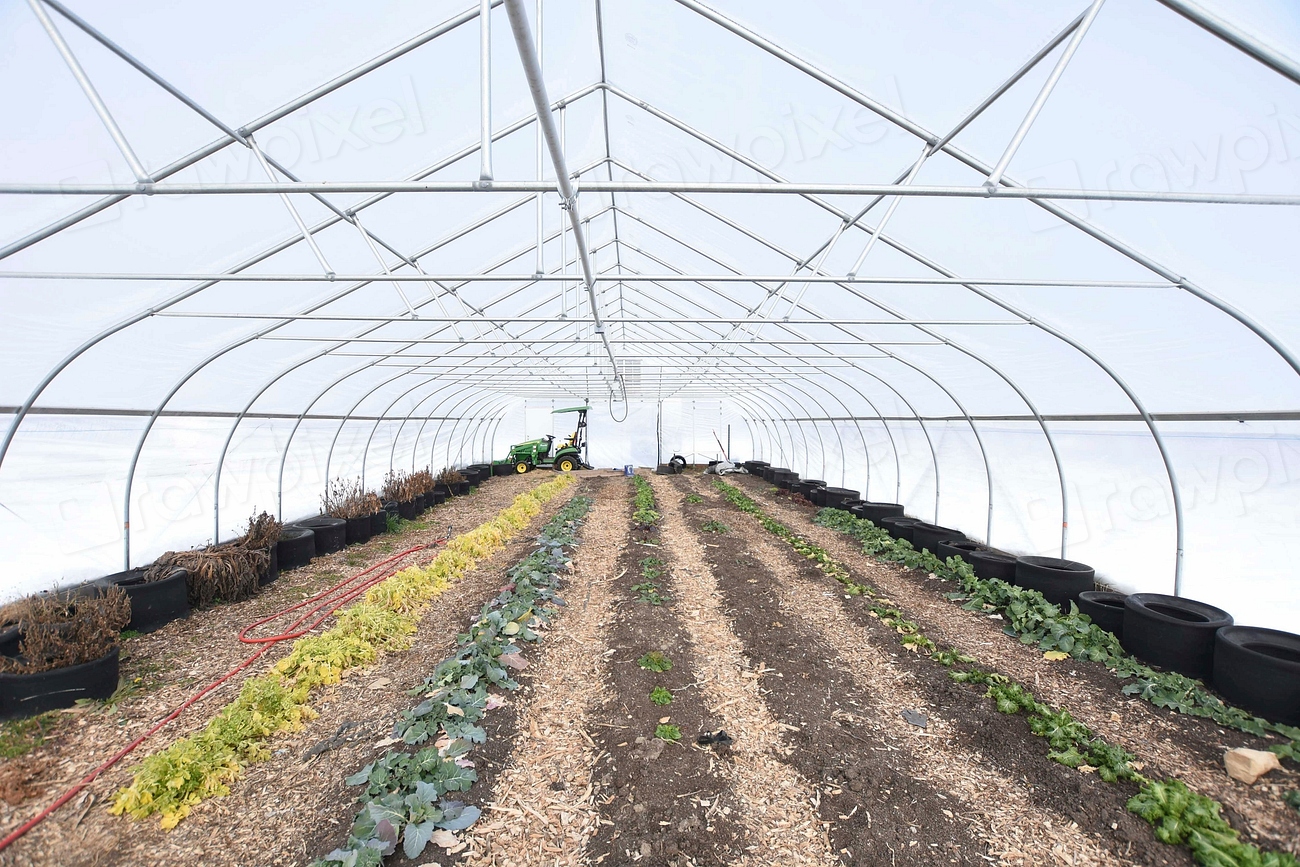

There is a quiet assumption buried in how most people picture old-time farming: a lone figure reading the sky, feeling the soil between two fingers, and planting on gut instinct alone. That picture is partly true. Yet for most of agricultural history, the decision of when and what to plant was rarely made in isolation. It was negotiated, shared, and in many cases formally agreed upon with the people whose fields sat right next to yours.
The reasons were practical, ecological, and deeply social all at once. Fields were intertwined. Pests did not respect fences. Water came from the same source. What one farmer did rippled outward, and communities learned early on that a harvest was a collective outcome, not a purely private one.
The Open-Field System Made Solo Decisions Impossible
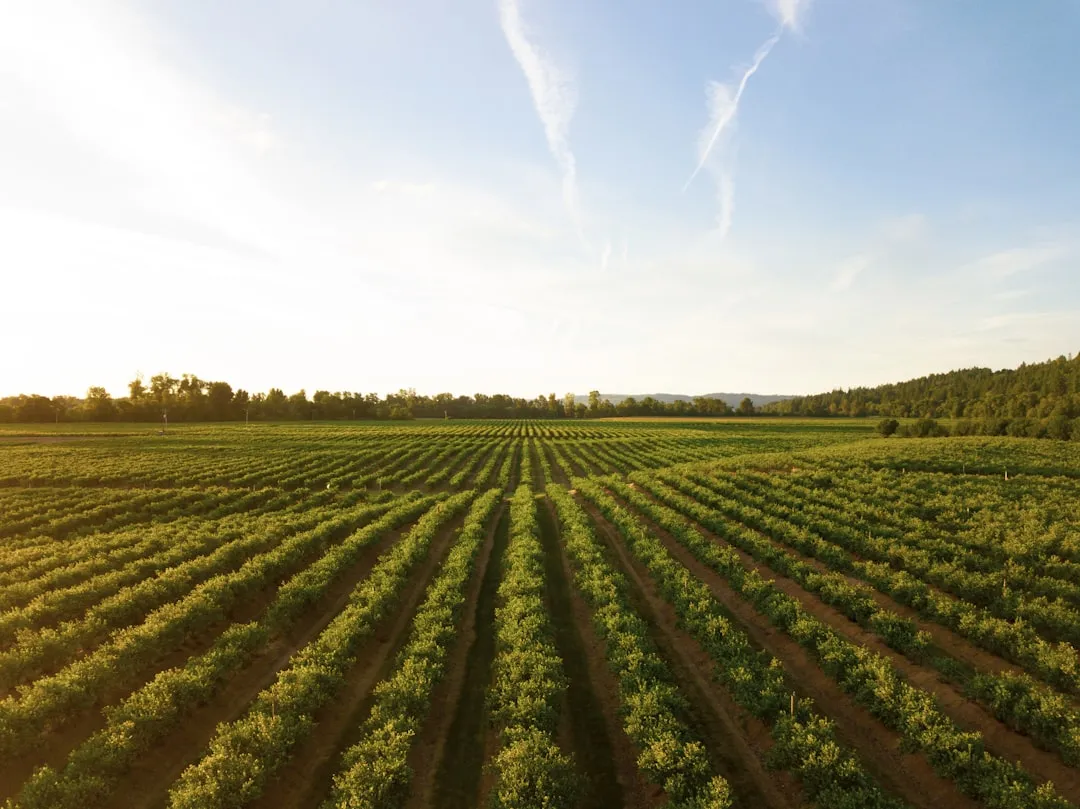
The open-field system was a communal agricultural regime prevalent across much of medieval and early modern Europe, characterized by large, unfenced arable fields subdivided into narrow strips allocated to individual households within a village or manor, cultivated collectively through coordinated crop rotations and shared grazing. This was not a loose arrangement. It was the structural reality of farming life for centuries.
Strips of land, normally about one acre in size, were laid out in two or three large fields, and each farmer in the village worked a number of these acres, with the units forming his holding scattered among those of other men. When your strips are literally surrounded by your neighbor’s strips, you cannot plant a different crop on a different schedule without creating chaos for everyone around you.
Ploughing, broadcasting, weeding, bird scaring, harvesting, and gleaning were all communal activities which had to be coordinated because for better or worse the manor was a community of individuals who were mutually dependent on one another and had, perforce, to work together.
Leases and Field Orders Formalized the Agreements
It would be easy to imagine these arrangements as purely informal, held together by neighborly goodwill. In practice, they were often codified. Leases specify that crops sown were to be the same as their neighbors, implying an agreed cropping system operated. This is a striking detail. The requirement was written into the terms of land tenure itself.
Field orders and regulations exist from the fourteenth through eighteenth centuries giving evidence of farmers’ involvement, and there are seventeenth century examples of a village running its own agriculture. These were not suggestions from above. Villages governed their own planting collectively, generation after generation.
The open-field organisations were based on agreements between farmers, and the organisation of fields and fences in agriculture that emerged during the Middle Ages and the early modern period was a complex system that combined individual ownership and communal practices in arable land, meadows, and pastures.
Shared Plow Teams Meant Shared Schedules
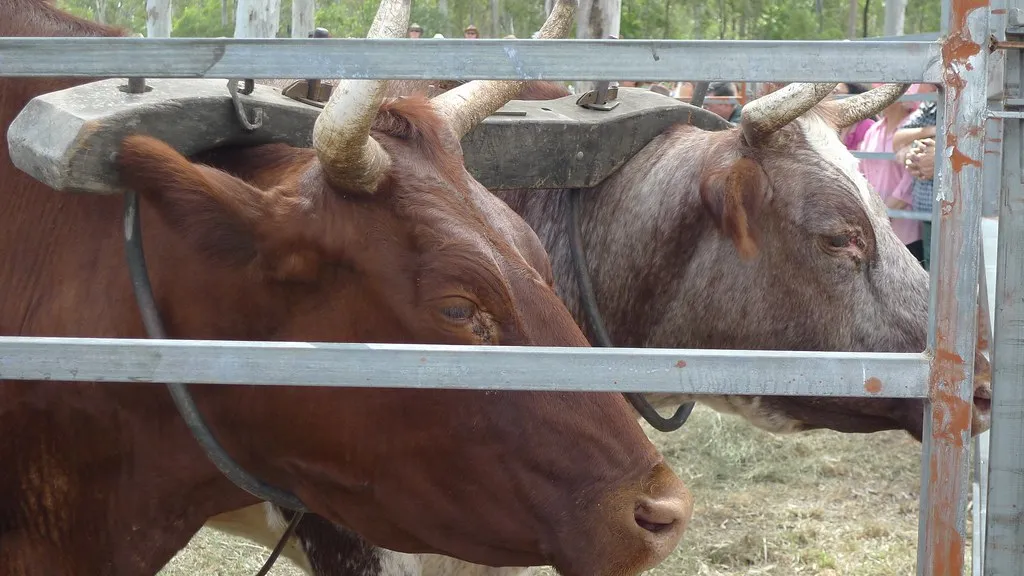
The ox teams which pulled the ploughs were very expensive, and thus tended to be shared among the families of a village. This single economic fact had enormous consequences for planting timing. If you shared the oxen, you could not simply decide to plow on a Tuesday that suited only you.
The intermingling of the strips was said to have been the result of a jointly owned plow team and plow supplied by a number of farmers working together, each being allotted a strip in turn. The technology itself enforced cooperation. Plowing was a sequenced, community-wide event, not an individual one.
Heavy plowing with teams of oxen or horses, often requiring cooperative effort due to the technology’s demands, further reinforced communal dependencies. The heavier the equipment, the deeper the cooperation required to use it.
The Three-Field Rotation Required Whole-Village Buy-In
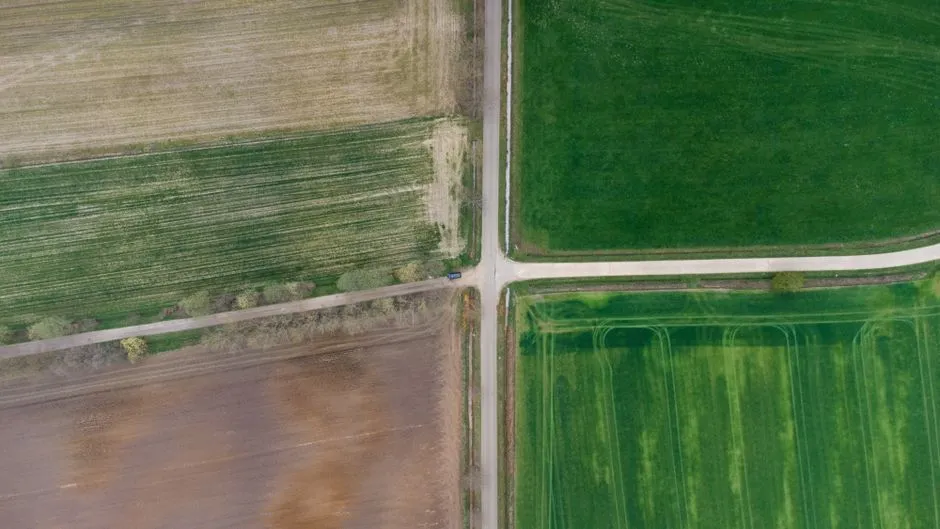
The three-field rotation typically featured one field sown to winter cereals such as wheat or rye, another to spring crops like barley, oats, or legumes for nitrogen replenishment, and the third left fallow for communal pasturage of livestock, which also provided manure for fertilization. This rotation only worked if every household holding strips in a given field planted the same thing at the same time.
In China, both the two- and three-field systems had been used since the Eastern Zhou period. From the 9th century to the 11th century, farmers in Europe transitioned from a two-field system to a three-field system. The shift added a third field and increased the share of land under cultivation, but it also raised the coordination burden significantly.
The fallow field, left open for grazing, was a shared commons. If even one farmer planted crops on the designated fallow field, livestock from neighboring farms would still wander through, and conflict was unavoidable without agreement from all parties.
Ancient Traditions: Reciprocal Labor as a Planting Agreement
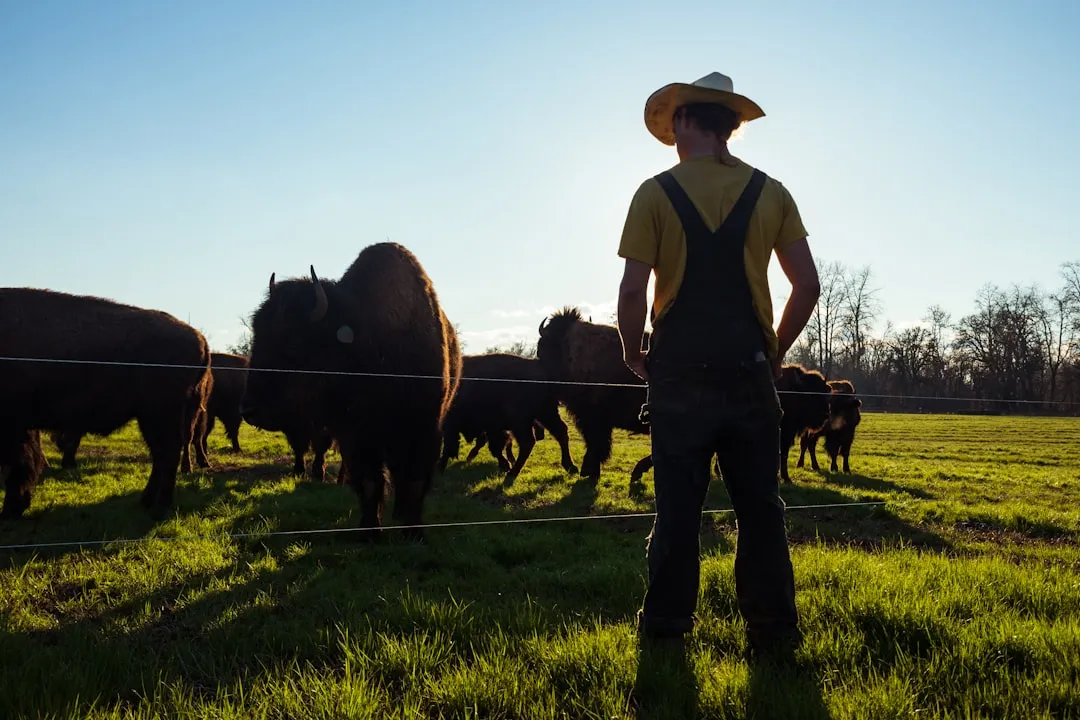
Long before the Inca Empire existed, communities across the Andes built two related practices into the rhythm of the agricultural year. Ayni was reciprocal labour between households: if a family helped a neighbour plant or harvest, that labour was owed back, tracked informally but taken seriously, extended to house-building and other major undertakings as well as farming. This reciprocity meant planting dates had to be staggered and understood collectively across many households.
The logic was simple. If you plant when your neighbors plant, no one can help anyone else. For most of the roughly nine thousand years since people first settled down to grow food, cooperation was not a value farmers held. It was the machinery. That framing is worth sitting with. Cooperation was not idealistic. It was structural.
Planting Festivals Were Scheduling Tools, Not Just Rituals
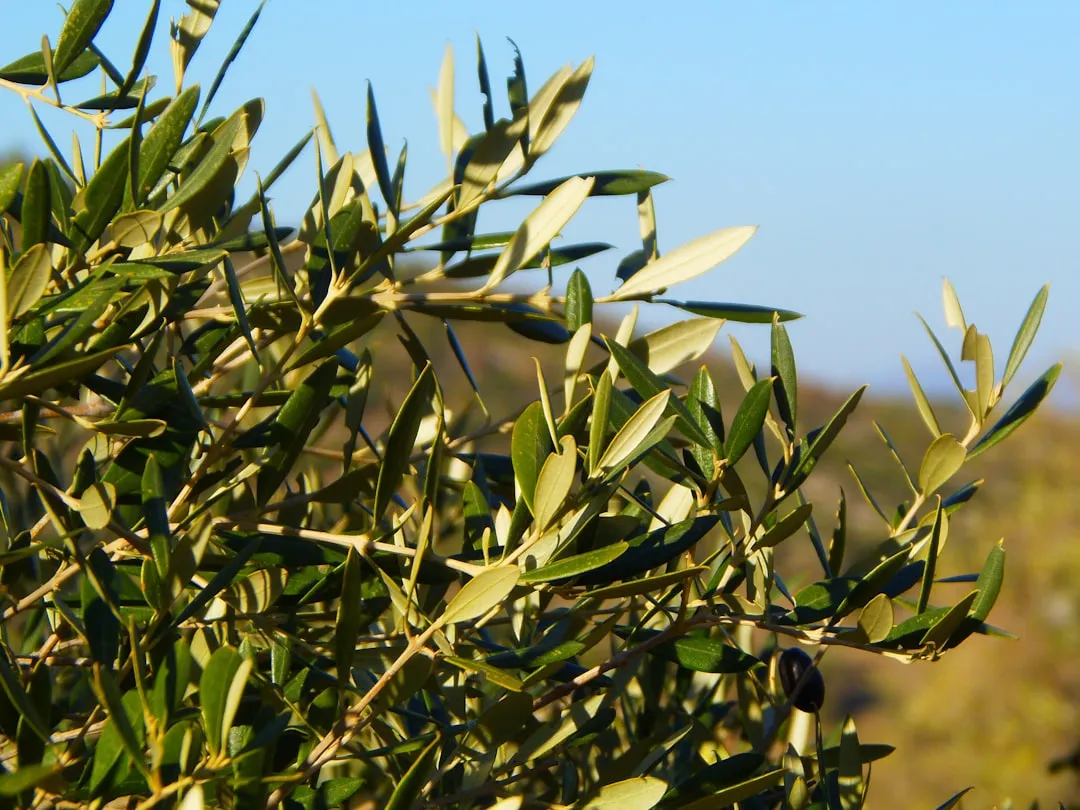
In Greece, farming and religion were closely linked, especially through Demeter, the goddess of grain and agriculture. Several festivals tied to Demeter’s myths helped structure the agricultural year. These events were the calendar. They told entire communities when a shared action was due.
Ancient planting holidays were mixed-purpose events: spiritual in asking for luck, protection, and fertility; practical in setting schedules, preparing tools, and organizing labor; social in strengthening trust, sharing food, and settling disputes; and educational in teaching young people how and when to work the land. That is a remarkably functional list for what we now often dismiss as superstition.
Repeated observations were turned into a schedule that could be passed down even when written records were rare. When the festival date arrived, everyone showed up. Planting began. The agreement was baked into the ceremony itself.
Korean Pumasi: Labor Sharing Tied to Coordinated Timing
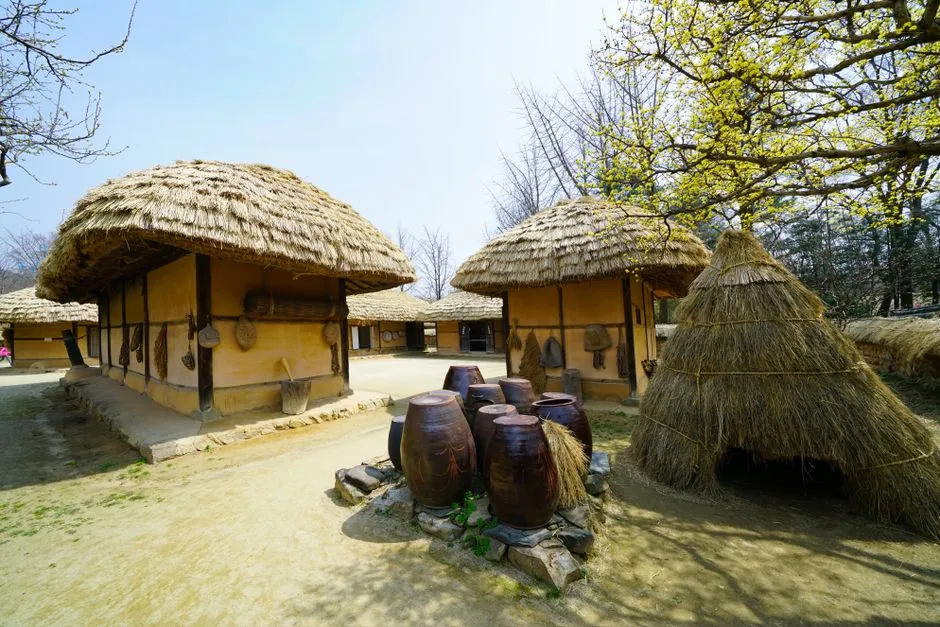
The practice of pumasi, in which villagers shared labor, savory food, and lively music to ensure a good harvest and make the arduous work of monaegi enjoyable, epitomizes the long-held wisdom of ancestors. Korea’s traditional farming communities organized labor-sharing in ways that made individual planting schedules communally visible and negotiated.
Drawing water was an important task that required village residents to work together. Water access, like plow access, was a resource shared across farms. When irrigation timing is collective, planting timing inevitably follows the same logic.
Traditional farming encourages community participation, building social connections, and collaboration. Events like harvest celebrations and cooperative farming activities create a sense of unity and collective purpose among community members. The social fabric was woven directly into the seasonal rhythm of the land.
Neighbor Communication Protected Crop Purity
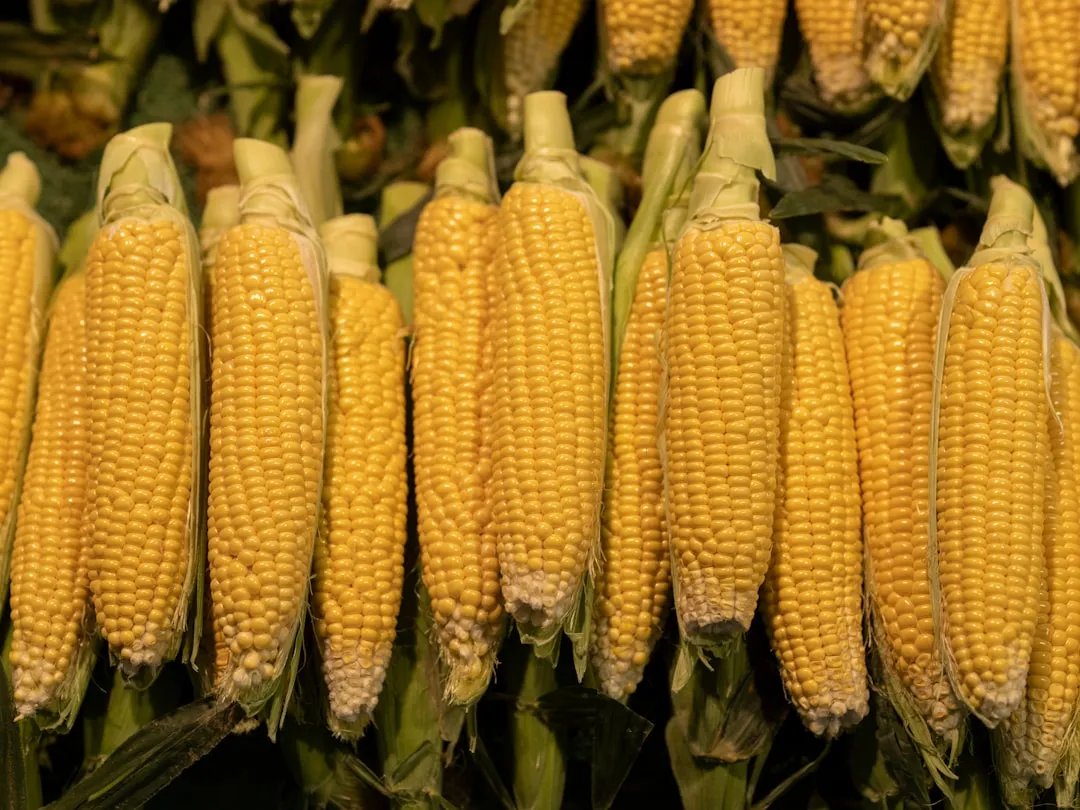
The neighbor agreement did not disappear with industrialization. It evolved. Good communication among farmers with neighboring fields as to the crops, rotation plans, farming protocols, and the specific hybrids or varieties being produced has become a key to successful identity-preserved production in many instances, and can be an important tool for fostering coexistence among growers producing for diverse markets.
Use of different planting dates and hybrid maturities can also be used to reduce the risk of cross-pollination between fields. In practice, this means that neighboring corn farmers must communicate about what they are planting and when, or risk contaminating each other’s grain. The old neighbor agreement has a very modern form.
Producers of identity-preserved non-GMO grain are concerned that pollen drift from GMO hybrids will contaminate nearby non-GMO corn. Farmers growing GMO hybrids approved for export also want to avoid contamination of their crops by GMO corns that have not yet received approval in overseas markets. The stakes of planting in isolation, without talking to your neighbors, are now potentially market-ending.
Soil Recovery Required Cross-Farm Coordination During the New Deal
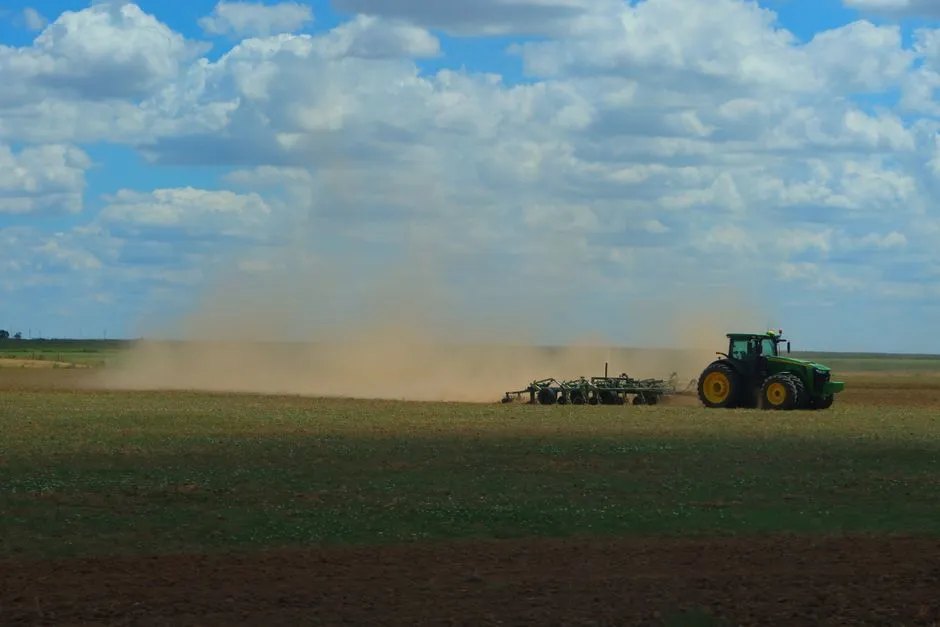
Years of over plowing and over planting had sapped precious nutrients from the fragile prairie topsoil by the 1930s. Spreading waste from livestock on fields was not enough to replenish vital nutrients and build up the soil so it could nourish a crop each year. The soil crisis was a shared problem, and it demanded a shared solution.
For the first time in America’s history, farmers could sign up for federal programs that paid them to plant certain crops or paid them to let the soil lie fallow. Farmers who signed up agreed to limit the number of acres planted with corn and wheat, which depleted the soil, and increased the number of acres with legumes and grasses, which helped renew it. These agreements were formalized at scale, but they echoed the local neighbor agreements of centuries past.
County agents from the Agricultural Extension Service and other organizations helped farmers learn how to use these new farming methods. The county agent became a modern version of the village elder, coordinating the community’s planting choices across many independent farms.
The Slow Decline of Collective Planting Culture
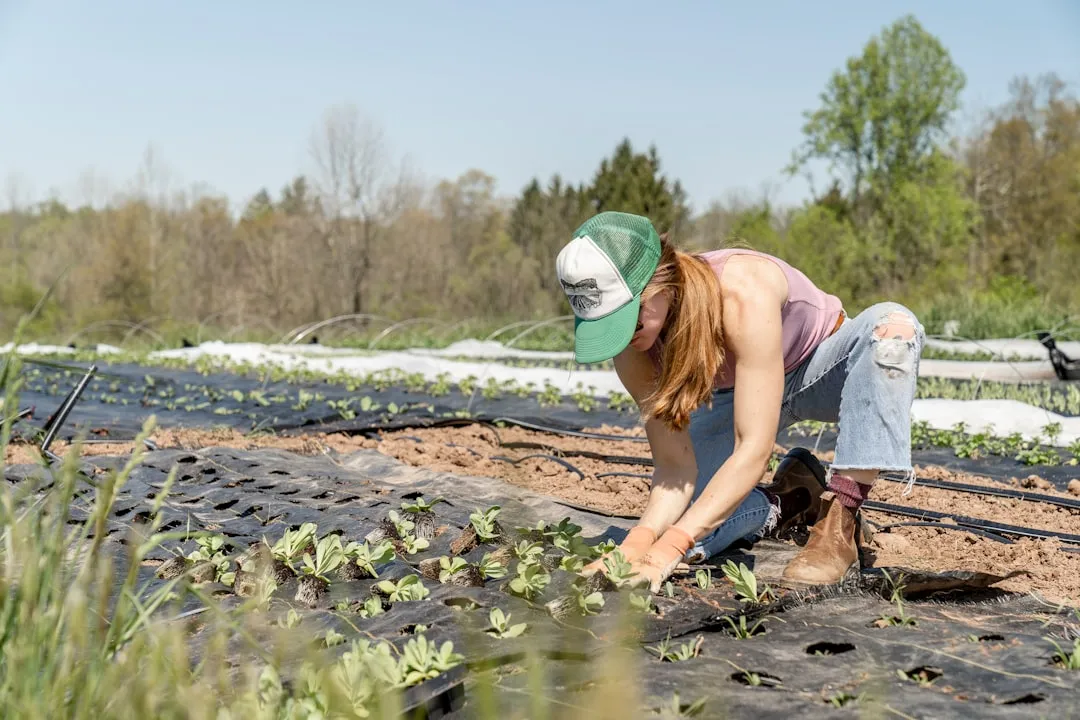
As society grew more complex and a market economy began to appear, the open-field system tended to give way to individual farming, permitting progressive peasants to farm as they pleased without having to conform to the old restrictive pattern. This was framed as liberation. In some ways it was. In others, it broke something important.
The forces of globalization and industrialization have caused traditional farming practices to decline, as farmers increasingly adopt modern methods to stay competitive. This transformation often results in diminished biodiversity, with monoculture farming becoming more common and traditional knowledge slipping away. The neighbor agreement gave way to the individual farm plan, the agrochemical schedule, and the commodity market calendar.
Yet the underlying logic never really went away. Research in 2026 identifies design opportunities for future farming technologies that build on the social capital embedded in community-based small farms, including intergenerational knowledge sharing and strong local relationships, to better align with farmers’ lived practices and values, including workaround strategies for managing complex farming schedules and leveraging local networks. The need to coordinate with neighbors turns out to be durable, not obsolete.
What This History Actually Tells Us
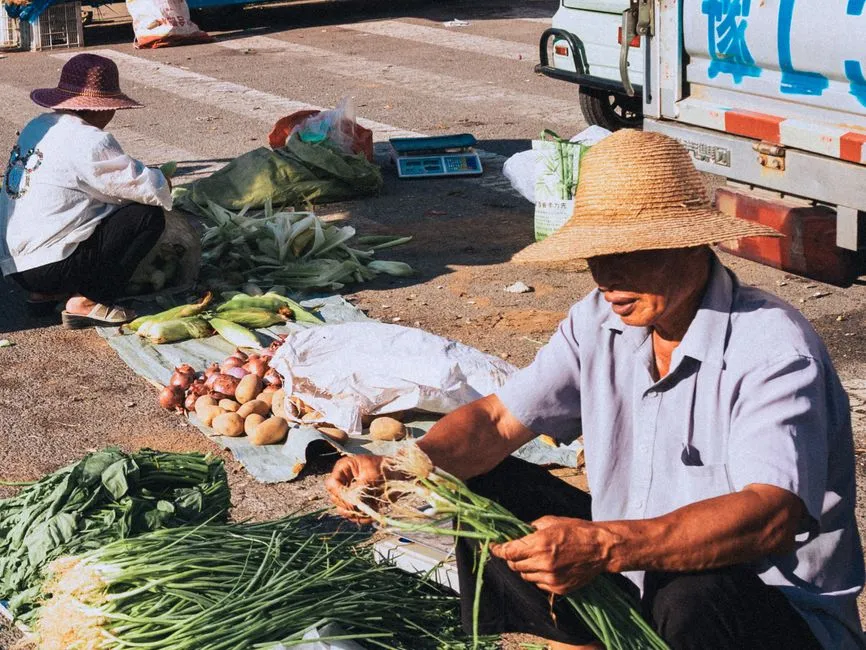
The neighbor agreement was never purely sentimental. It was a rational response to shared land, shared tools, shared water, and shared risk. When fields were intertwined and resources were indivisible, planting alone meant failing together.
What has changed is mostly the scale and the mechanism. County agents replaced village elders. Federal programs replaced field orders. GMO disclosure requirements replaced informal agreements about what seed to use. The form shifts, but the underlying logic, that what a farmer plants has consequences for the person whose field sits right next door, has remained quietly constant across thousands of years of agricultural life.
The lone farmer trusting instinct is a compelling image. The reality has almost always been more complicated, more communal, and more interesting than that.
AI Disclaimer: This article was created with the assistance of AI tools and reviewed by a human editor.