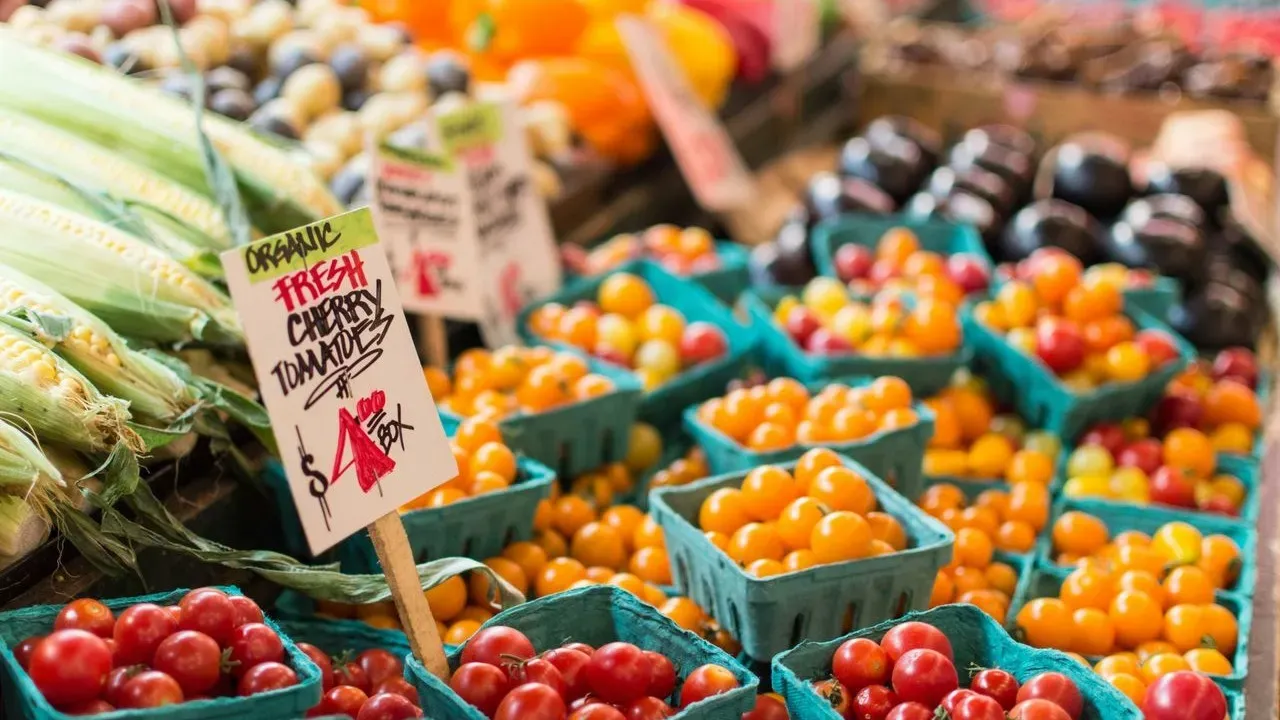

Many home cooks arrive at farmers markets with clear affection for fresh produce yet leave with bags that never quite turn into a meal. The gap between admiration for the stalls and practical shopping often leads to scattered purchases, overspending on impulse items, and a last-minute stop at the freezer aisle. This pattern repeats for countless shoppers who picture effortless dinners but encounter the reality of limited planning.
The Allure Meets the Aisle
The appeal of a farmers market lies in its sensory pull. Bright tomatoes, fragrant herbs, and seasonal vegetables suggest meals that assemble themselves once carried home. In practice, the absence of a grocery store’s familiar layout leaves many buyers circling without direction. Baskets empty quickly behind them as others move with purpose. A single circuit can shift from leisurely browsing to hurried grabs once popular items disappear. The result is a tote filled with beautiful but disconnected pieces that resist combination into one coherent dish.
Common Shopping Patterns That Undermine Success
Without a guiding structure, purchases tend to multiply around whatever catches the eye at the moment. One stall offers cheese, another pastry, and a third something pickled, each seeming essential until the walk home reveals the mismatch. Cash budgets evaporate on single high-priced items while card purchases slip into a separate mental category. The final unpack often shows high-quality ingredients that still require a supermarket run for staples like bread or eggs. This cycle repeats across seasons for those who treat the market as a complete food system rather than a vivid supplement.
Practical Adjustments That Change Outcomes
Successful trips begin before leaving home with a decision about the meal’s basic form. A pasta dish, a substantial salad, or a simple toast base provides enough framework for whatever produce looks best that day. Checking the pantry and refrigerator next reveals what already exists to support market finds. Pasta, rice, eggs, or oil become the reliable base that lets one strong vegetable carry the meal. Setting a loose purchase limit then prevents every appealing item from entering the same bag. A short list of roles rather than exact ingredients preserves flexibility. Good vegetables and good cheese can shift to whatever variety appears freshest. Leaving one or two slots open for genuine surprises maintains the market’s pleasure without letting impulse dictate the entire evening.
Smaller Goals Yield Better Results
One excellent item often proves sufficient when paired with pantry staples already on hand. A single squash cooked down with butter and a few seasonings can anchor a bowl of pasta. A ripe tomato grated onto toast needs little else beyond an egg or cheese. When stalls appear picked over or prices feel high, the same principle applies. The market does not need to supply every component. A quick pivot to another form or a modest supermarket addition keeps dinner on track without frustration. Over time these habits turn the farmers market from a source of scattered inspiration into a reliable partner for weeknight meals. The tote returns lighter in volume yet heavier in purpose.
AI Disclaimer: This article was created with the assistance of AI tools and reviewed by a human editor.