

The Silence Problem Is Already Here

According to a survey of 2,500 parents, a full third of families now sit in complete silence during dinner. That number is striking, especially when you consider how routine shared meals used to be. The average family dinner lasted a full hour and a half sixty years ago. Today, the average dinner lasts just twelve minutes.
Among families who eat together three or fewer times a week, nearly half say the TV is on during meals, and close to one third report there isn’t much conversation. The TV isn’t just background noise. It’s replacing the conversation that would otherwise happen naturally.
Screens Are Now the Rule, Not the Exception
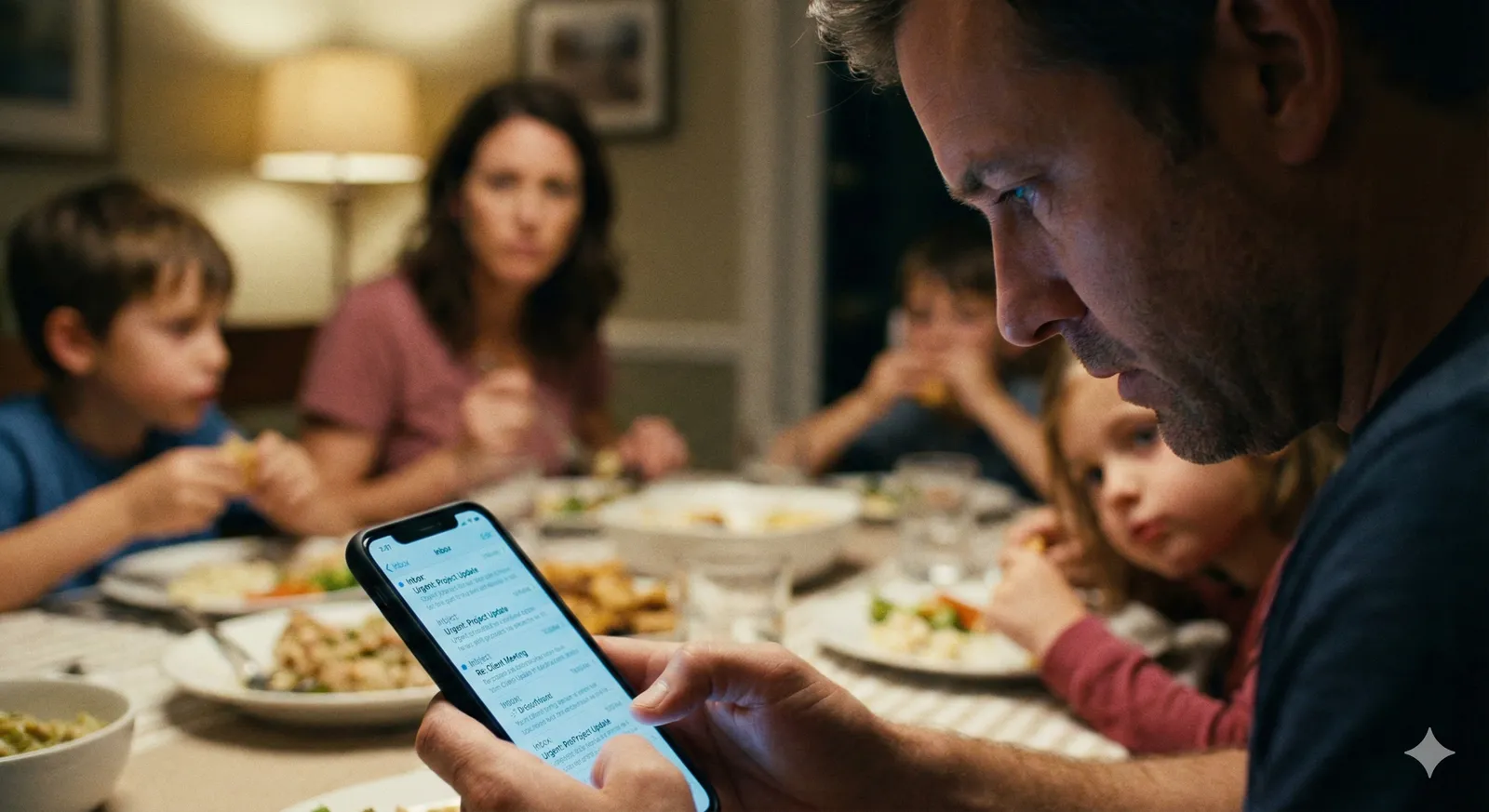
A 2026 online survey of 357 U.S. caregivers of children aged 4 to 10 found frequent media use during the most recent family meal, with nearly 78 percent of parents and roughly 69 percent of children using a device, most often smartphones for parents and TVs or tablets for children. Published in JAMA Pediatrics, this study offers one of the clearest snapshots yet of just how normal screen use at meals has become.
Researchers call this “technoference,” the interruption of family interaction by digital devices, and it is becoming a growing concern as screens show up more often during shared meals. The dinner table hasn’t disappeared. Its attention has simply been redirected elsewhere.
More Talk Happens at Meals Than Almost Anywhere Else

Research shows that more family talk occurs during mealtime than during any other activity, including playing with toys and storybook reading. That finding alone reframes the stakes. The dinner table isn’t just where families eat. It’s where families actually communicate, more than anywhere else in the day.
Screens fragment attention. When phones, tablets, or TVs compete for focus, families lose opportunities to connect, and children lose practice in face-to-face communication. Turning the TV off doesn’t create conversation out of nothing, but it removes the main obstacle to it.
TV-Off Meals Consistently Run Longer

Researchers have found that family dinner essentially gets better with practice. The less often a family eats together, the worse the experience is likely to be, the less healthy the food and the more meager the talk. The same logic applies to the TV habit. Families that keep the set off develop a rhythm that sustains longer, richer conversations over time.
Teens who have fewer family dinners report more TV watching during meals, less talk during dinner, and say that the meals do not last long enough. That last detail is telling. Kids who get real mealtime conversation actually want more of it.
Children’s Language Grows at the Dinner Table

Family mealtimes have long been considered a key platform for language socialisation, particularly for preschool-aged children. When TVs are off and attention is mutual, the kind of talk that unfolds at dinner is far richer than what happens during other parts of the day.
Meals often provide a platform for intellectual discussions, where children can ask questions, share what they learned in school, and receive guidance from their parents. Conversations around the dinner table can enhance language skills, critical thinking, and overall cognitive development. Recent scholarship also underscores the importance of the child’s active participation in mealtime interactions for language growth.
Emotional Safety Builds Through Screen-Free Conversation

Screen-free meals give families a chance to talk, and that conversation builds emotional safety. Even five or ten minutes of genuine connection can help children feel heard, valued, and loved. That might sound soft, but it has measurable downstream effects on children’s confidence and mental health.
Conversations at the dinner table boost language skills, empathy, and self-expression. They also create the trust kids need to open up about harder topics later on. Families who eat without the TV on are essentially building an open channel for the harder conversations that come with adolescence.
The Happiness Link Is Real

The 2025 World Happiness Report finds that meal-sharing is linked with social connectedness and subjective well-being. That’s a global dataset connecting a daily domestic habit to something as fundamental as personal happiness. The mechanism, most researchers agree, is largely conversational.
Over half of families surveyed reported that shared meals brought feelings of joy and calm, and over a third said it reduced their daily stress, according to an FMI Foundation survey from 2024. Taking the TV out of the equation tends to deepen those benefits, because the meal becomes an experience rather than just a backdrop.
Family Tension Drops When Conversation Increases

Children in families that eat together infrequently are more than twice as likely to say there is a great deal of tension among family members, and they are much less likely to think their parents are proud of them. While this research looks at meal frequency, the connection between conversation quality and family atmosphere holds across the studies consistently.
Family meals can also provide a buffer for daily familial conflicts for adolescents. A screen-free table creates the conditions for that buffer, because without a show running in the background, families are more likely to actually address what’s going on with each person in the room.
Reducing Screens at Meals Is Harder Than It Sounds, But It Works

Experiences of reducing mealtime screen use were influenced by mothers’ levels of parenting self-efficacy and mealtime consistency, but were reportedly easier, more beneficial, and offered more opportunities for family communication than anticipated. So the habit change feels daunting upfront, and for good reason, but most families find it more manageable once they actually try.
Change required considerable effort at first. However, effort decreased with consistency. Experts note that even one screen-free meal a week can help. Starting small is a practical and evidence-supported approach.
What Happens When Families Actually Sit Together and Talk
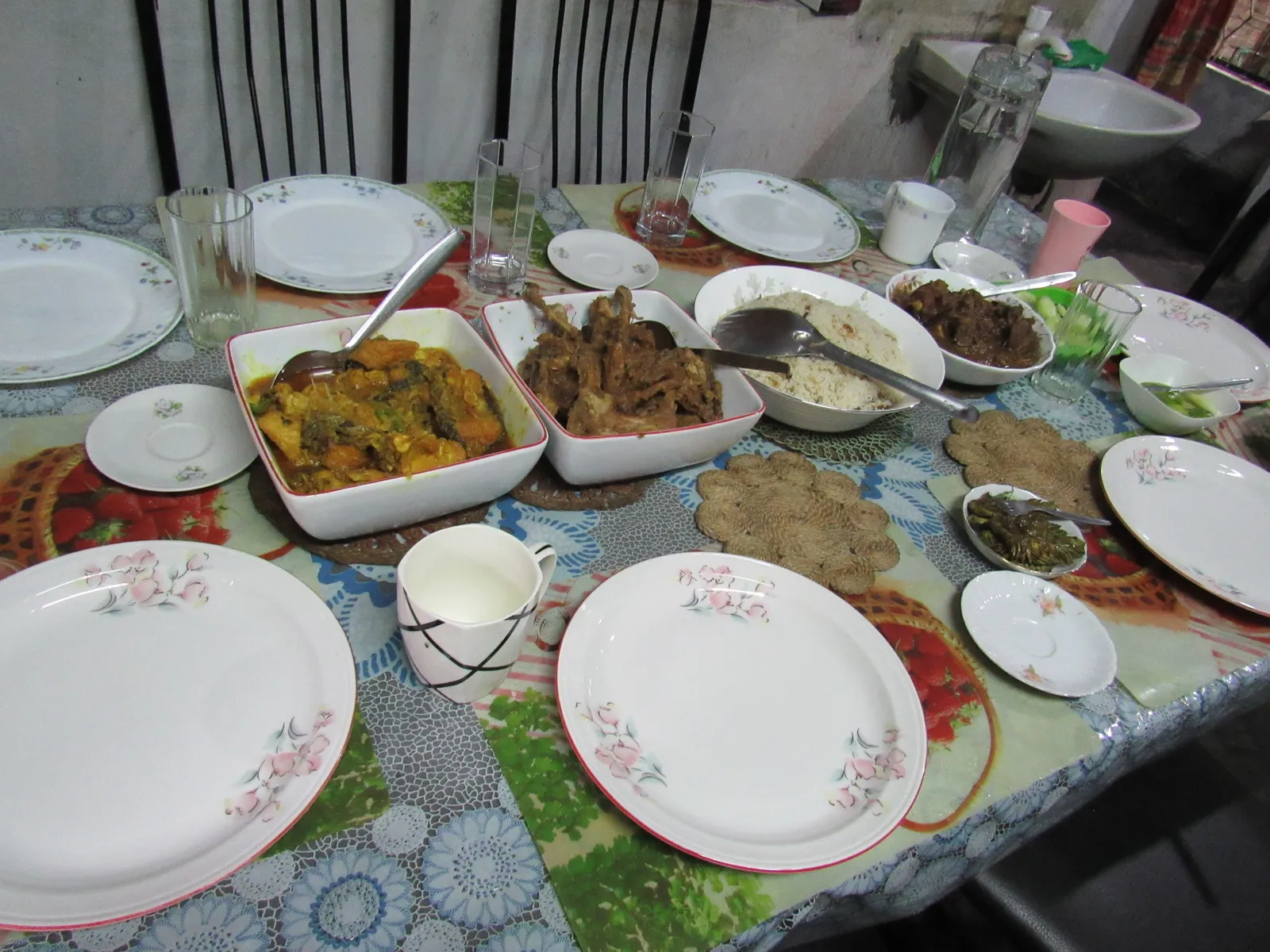
Children of families who eat together tend to have fewer behavioral problems and higher literacy rates. Studies have also shown that children who regularly share meals with their families tend to have better dietary habits and stronger overall well-being, and regular family meals have been linked to lower risks of substance use and other risky behaviors among children and adolescents.
Eating dinner with family and without the TV on is linked to lower body mass, and families that eat together frequently and stay seated at the table until everyone is finished have children with lower weights and BMI. The TV-off habit, it turns out, creates a cascade of benefits that goes well beyond just having a nicer conversation.
The Takeaway

The evidence is consistent and, frankly, not that complicated. Regular family dinners with conversation instead of screens continue to correlate with positive outcomes for young people. The TV creates passive silence. The absence of it creates space for something more useful.
None of this requires a perfect dinner or a long one. Modern research continues to confirm what many families have long believed: consistent mealtimes have the power to shape children in profoundly positive ways, from boosting language skills to building emotional resilience. Turning off the screen is one of the simplest ways to start.
The table is already there. So is the family. The conversation is just waiting for a little silence to begin.
AI Disclaimer: This article was created with the assistance of AI tools and reviewed by a human editor.