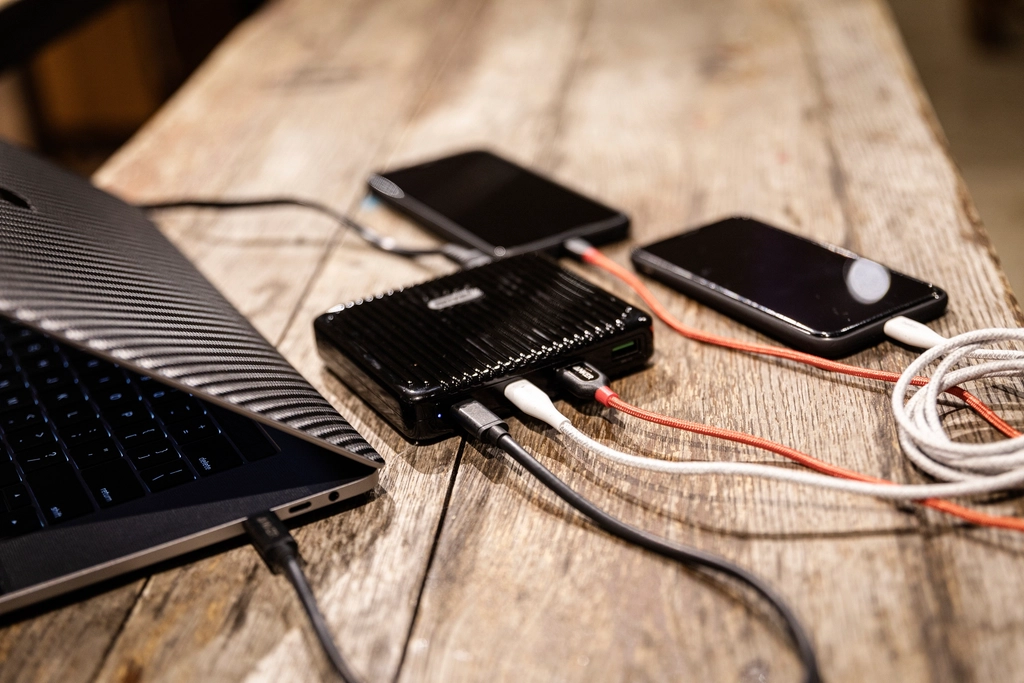

Most of us do it without a second thought. Phone on the nightstand, charger plugged in, lights out. It feels harmless, even sensible. By morning the battery is full and the day can begin without hunting for a cable.
The problem is that convenience and battery health are often working against each other. A growing body of expert guidance, fire safety data, and battery research suggests the overnight charging habit deserves a second look. Here is what the science and the specialists actually say.
Lithium-Ion Batteries Hate Sitting at 100%
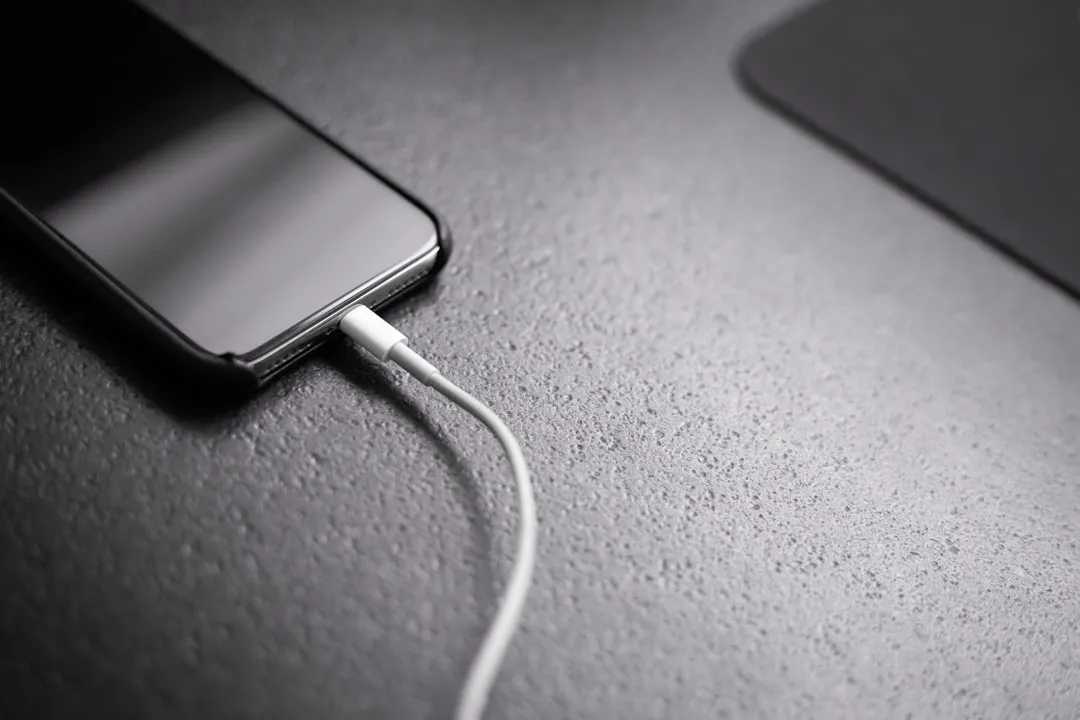
Lithium-ion batteries age fastest when they spend long stretches at high charge levels. This is not a minor technical footnote. It is the central reason experts raise concerns about overnight charging in the first place.
Power in lithium-ion batteries involves ions physically moving between different parts of the battery, and the number of ions on each side dictates the amount of power available. So 0% and 100% are two opposite extremes, with all the ions sitting on either side of the battery, and staying like this for too long can cause stress and degradation over extended periods of time.
The effects play out over years rather than days or weeks, but keep your phone long enough and it can become a real problem.
Heat Is the Real Enemy, and Charging Generates It
Charging always creates some heat. Getting to 100% and the constant top-ups that follow both generate heat, which is the number one enemy of a healthy battery. When your phone charges all night, it does not simply sit idle at full capacity. It cycles through small discharge and recharge events repeatedly.
The cumulative impact of heat over hundreds of nights can contribute to the gradual degradation of the battery’s health. A single night is unlikely to register any measurable change. Three hundred nights is a different story.
Operating temperature and current rate are the main parameters that induce lithium-ion battery degradation during the charging process, according to research published in peer-reviewed battery science journals.
Your Phone “Trickle Charges” All Night Long
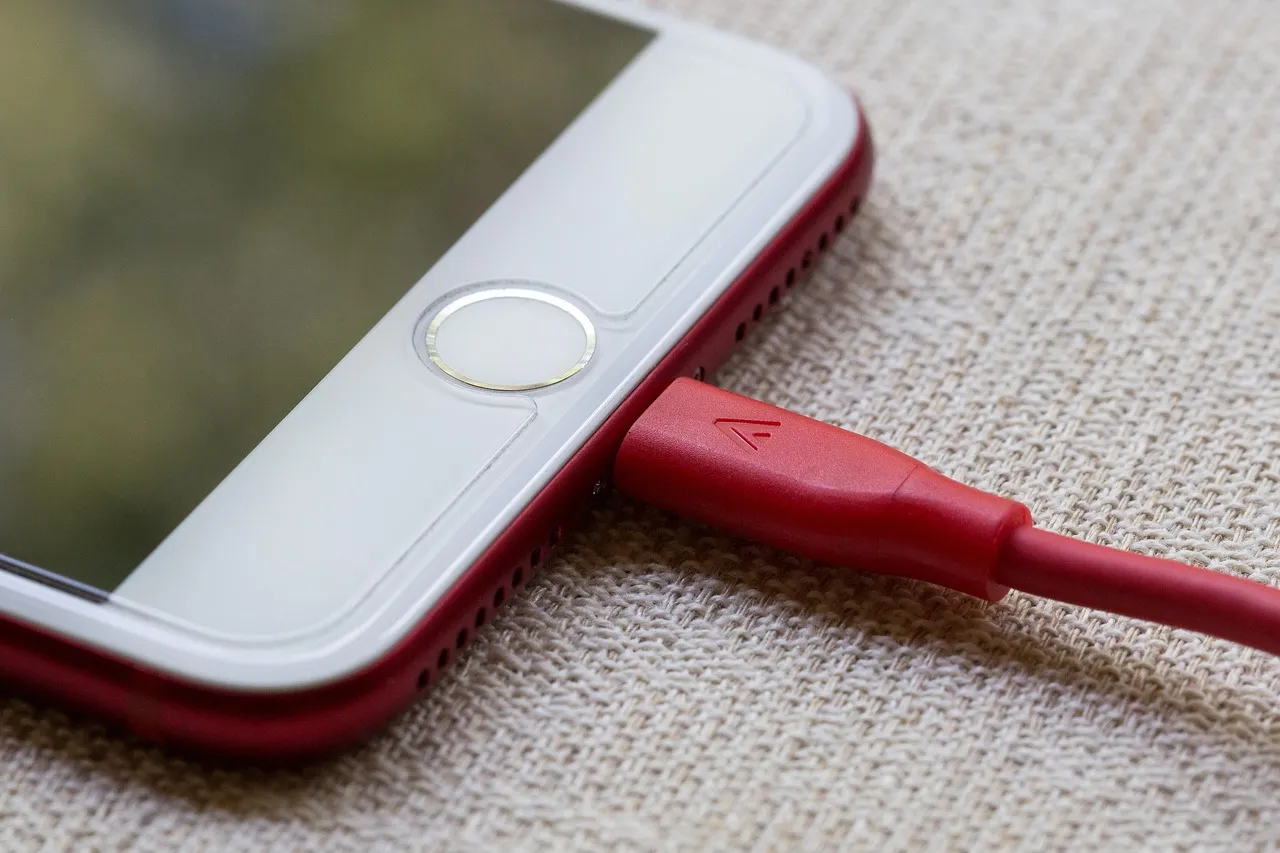
Once a phone reaches 100%, it does not simply stop and wait. Once your phone hits 100%, it does not just stop. It uses a little power for things like notifications, and the charger then turns back on to top it off, keeping it in that high-stress, full state all night.
While most phones stop charging automatically, keeping them connected allows trickle charging to continue, which generates minor heat and unnecessary charge cycles. These micro-cycles are small individually, but they accumulate over months and years.
While your phone is smart enough to protect itself from immediate danger, it cannot stop the natural aging process. The long-term, slow damage from keeping it at 100% charge overnight is real, and it is what ultimately shortens your battery’s useful life.
The Ideal Range Is 20% to 80%, Not 0% to 100%
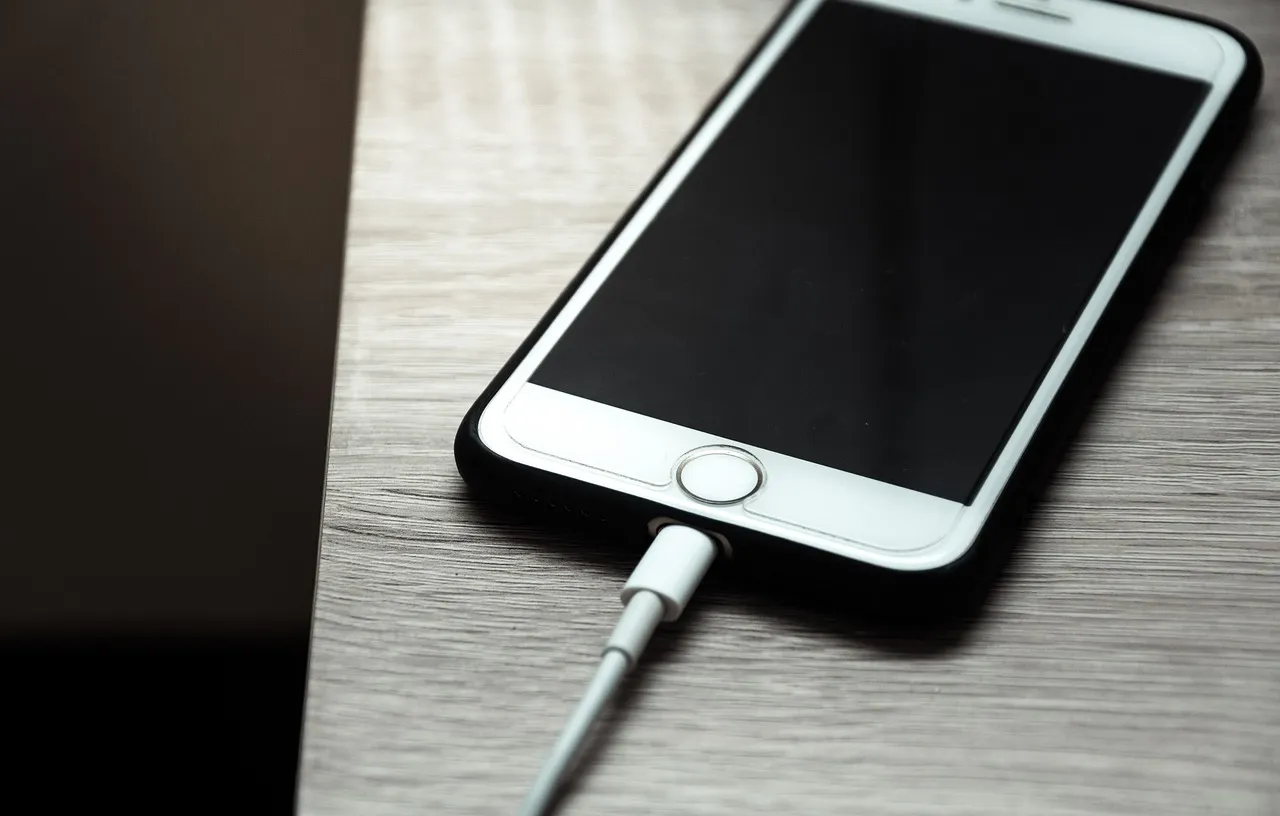
Common advice for maintaining battery health over long periods of time is to try and keep the battery between 20% and 80% charge. This is not just a vague tip passed around on forums. It reflects how the underlying chemistry behaves under stress.
By using shallower cycles, for example cycling the battery between 20% and 80% state of charge, you can dramatically increase the number of cycles it can handle over its lifetime. Research from the Innovation Outlook: Smart Charging for Electric Vehicles report indicates that battery degradation is limited if the state of charge is maintained within a moderate range, such as 60% to 80%.
According to the so-called 40-80 Rule, lithium-ion batteries work best when they are between 40% and 80% of their capacity. When they are too full or too low, they experience more wear and lose their ability to hold a charge over time.
Fire Departments Are Now Specifically Warning Against It

The concern goes beyond slow battery degradation. Fire authorities across the UK, Canada, and the United States have begun issuing direct warnings about overnight charging as a fire hazard.
County Durham and Darlington Fire and Rescue Service attended 220 electrical fires between January and December 2025. Station Manager Billy McAloon noted that people charge their phones overnight and need to be aware that these daily habits pose serious risks that could lead to a fire breaking out in their home. The service is asking people to never charge electrical items such as phones, laptops, and other lithium-ion battery devices overnight.
Montreal fire officials also urged people not to charge phones overnight due to a potential fire risk, noting the city had seen a growing number of fires due to lithium-ion batteries, rising from seven incidents three years prior to 40 in a single year.
Higher State-of-Charge Accelerates Battery Aging at a Chemical Level
The degradation from staying fully charged is not just mechanical wear. It happens at a molecular level inside the battery itself.
Research published in 2025 shows synergistic degradation, with the solid electrolyte interphase layer exceeding 300 nm in thickness and conductivity loss over 20% after 36 months at elevated temperature and 90% state of charge. Higher states of charge intensify this growth due to electrolyte instability at elevated anode potentials.
Long-term battery capacity degradation for lithium-ion batteries can be attributed to exogenous factors such as environment temperature and age, and endogenous factors such as state of charge and operating current. Overnight charging at full capacity touches almost every one of these risk factors simultaneously.
Charging Under Your Pillow or in Bed Multiplies the Risk
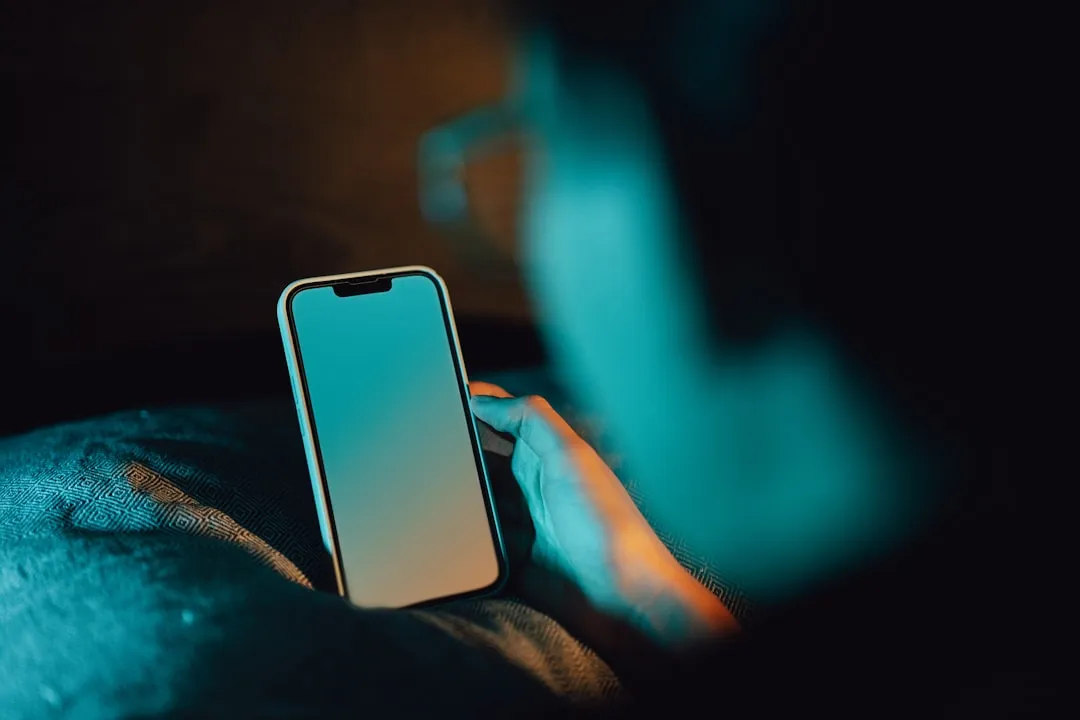
Where the phone charges matters as much as how long it charges. Heat cannot dissipate when a device is surrounded by fabric, cushions, or bedding, and that trapped heat accelerates everything discussed above.
Among the things suggested to avoid overheating is not leaving the phone on a bed or couch while charging, as that can trap heat around the battery and cause it to get too hot. Fire investigators have echoed this specifically.
Firefighters advise that if you are charging a device, make sure it is on a solid surface and away from flammable materials. Never charge your phone under your pillow or in bed. These are not overcautious suggestions. They reflect real incident patterns.
Counterfeit and Low-Quality Chargers Raise the Stakes Further
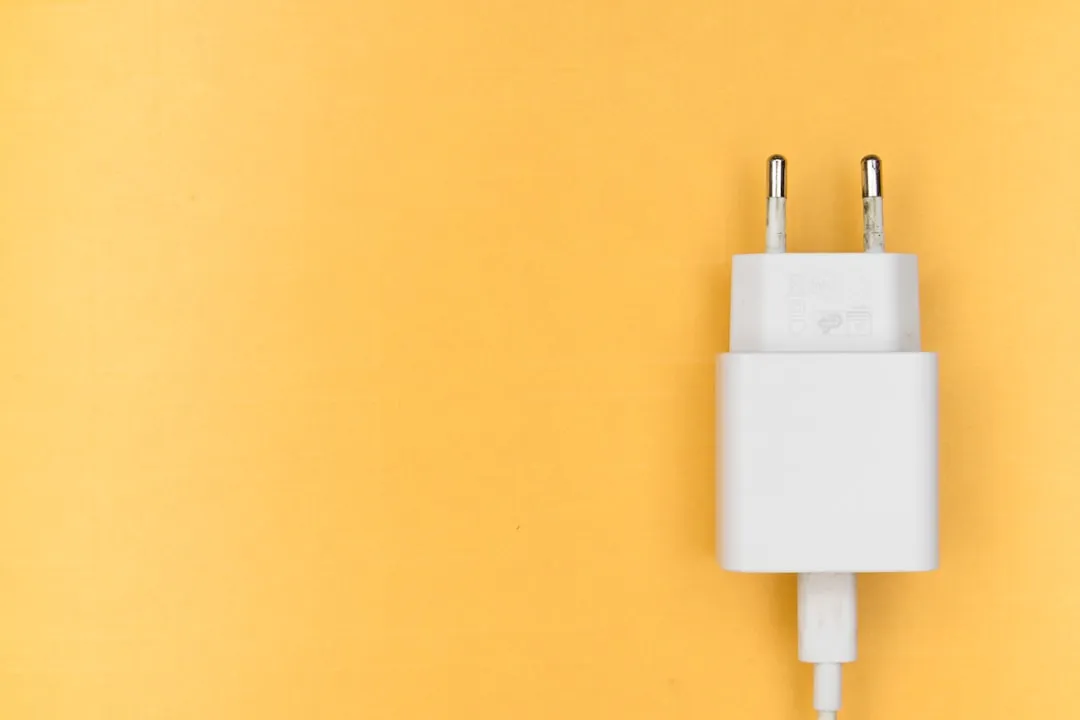
The type of charger used overnight is a separate but connected risk factor. Third-party chargers without proper safety certifications can fail to regulate voltage and current correctly, placing extra strain on both the battery and the device’s charging circuit.
Lithium-ion batteries store energy more densely than traditional batteries and can become unstable if damaged, improperly used through overcharging, or exposed to extreme temperatures. A poor-quality charger left unattended for eight hours is a combination few fire investigators would recommend.
Fire services urge users to always use the charger that came with their device or a compatible one, and to avoid counterfeit chargers that may fail to meet safety regulations.
Manufacturers Have Built In Protections, but They Have Limits
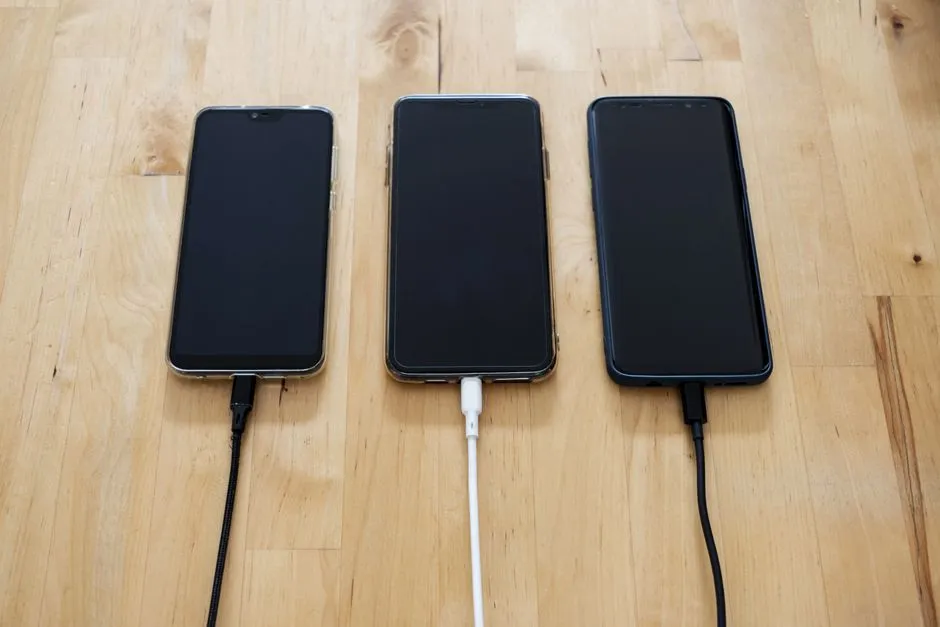
To be fair to the other side of the debate, modern phones are not entirely defenseless. Modern smartphone batteries are not destroyed by overnight charging, thanks to advanced Battery Management Systems that regulate current flow once a lithium-ion cell reaches 100% capacity.
Smartphone makers have also started giving users more direct control. Apple’s Optimized Battery Charging is designed to reduce the wear on your battery and improve its lifespan by reducing the time your iPhone spends fully charged. When the feature is enabled, your iPhone will delay charging past 80% in certain situations, using on-device machine learning to learn your daily charging routine.
Samsung devices offer a feature called Protect Battery which, when enabled, caps your phone’s charge at 85%, preventing the battery from ever reaching the full 100% and reducing voltage stress. These tools help, but they do not eliminate the underlying issue entirely.
Simple Habits Can Add Years to Your Battery’s Life
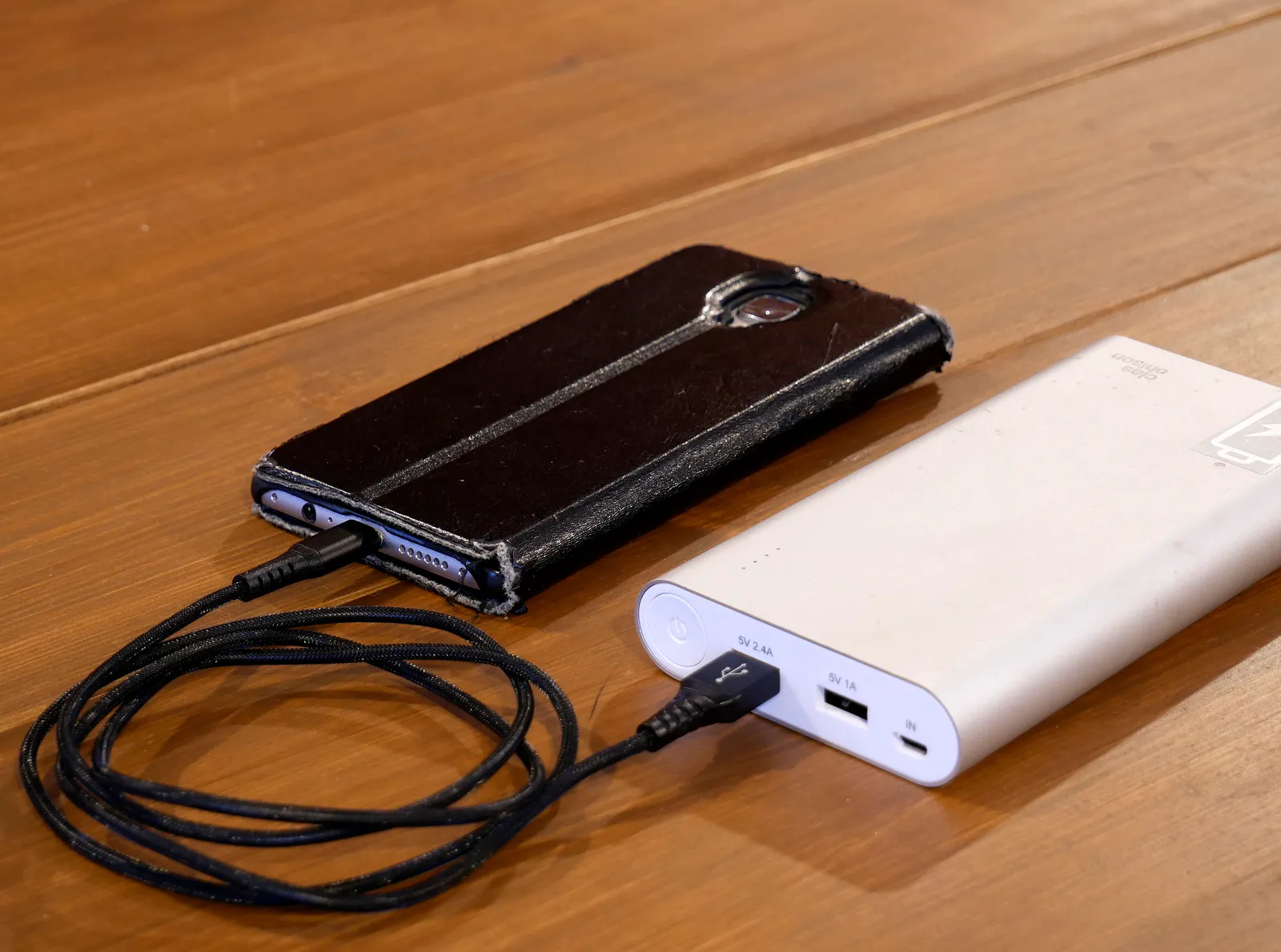
The fix does not require purchasing new hardware or overhauling your daily routine. Small behavioral changes, backed by the same research that identifies the risks, are enough to meaningfully extend battery longevity.
Smartphones have started offering charging caps that let you decide when your device stops recharging. If you are worried about your phone battery exceeding 80%, causing extra strain in the process, you can simply tell your phone not to recharge after a certain point. In iOS 18, Apple updated the feature, giving users more options, including the ability to stop charging at 80%, 85%, 90%, 95%, or 100%.
If you do charge overnight, consider using optimization features or a smart plug to stop charging automatically. Charging during the day when you are awake also means you can unplug at 80%, notice any warning signs, and avoid the combination of heat and unattended hours that fire experts specifically caution against.
The Takeaway
The overnight charging habit is one of those things that seems perfectly safe right up until the data suggests otherwise. No single night of charging to 100% is going to destroy your phone. The damage is slow, cumulative, and mostly invisible until a battery that used to last all day now barely makes it to midafternoon.
The fire risk adds a more urgent dimension, particularly for those who charge under bedding, use uncertified cables, or leave aging devices plugged in unattended. Fire authorities in multiple countries are no longer treating this as a minor advisory.
Keeping your charge between 20% and 80%, using your phone’s built-in optimization tools, and charging while you are awake and present are small adjustments. Given what the research consistently shows, they are also genuinely worthwhile ones.
AI Disclaimer: This article was created with the assistance of AI tools and reviewed by a human editor.