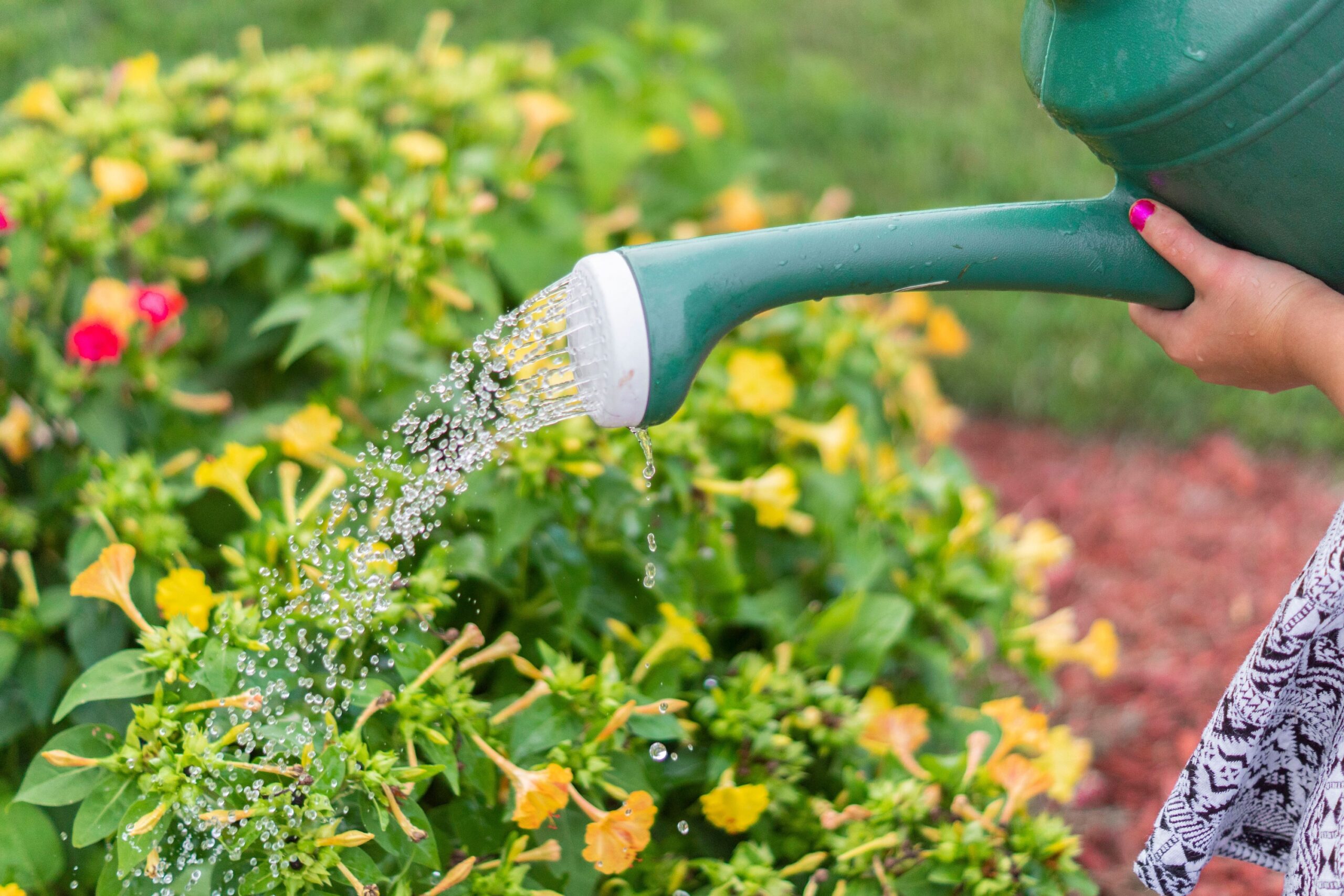

Moist Soil Holds Heat Far Better Than Dry Soil
Water’s ability to absorb and hold heat, known as high specific heat, makes it a powerful tool against cold stress. Dry soil contains air spaces that don’t hold heat well. By watering your soil, you replace those air pockets with water, which absorbs more heat during the day and releases it slowly at night.
Moist soil will hold roughly four times more heat than dry soil. That’s not a trivial margin. A garden bed that stays noticeably warmer overnight can keep root zones above the threshold where real damage begins, and it costs nothing extra once you understand why it works.
Water Releases Heat as It Freezes
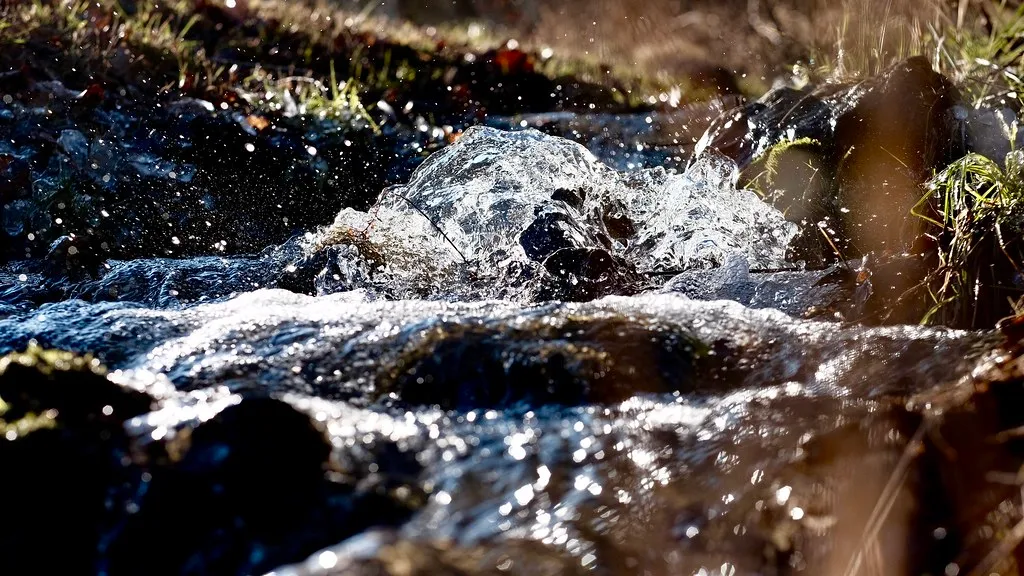
When water changes form from a liquid to a frozen solid, it either requires or gives off energy. When water freezes, it releases energy in the form of heat. Surprisingly, the heat released as the water freezes does indeed protect the plants from cold injury.
This process works on the chemistry principle of heat release in a phase change; there is a significant amount of heat released as water freezes, changing from the liquid phase to the solid or ice phase. This heat is released slowly overnight, providing a localized micro-climate for sensitive root hairs that might otherwise perish in a hard freeze. The physics here is straightforward, even if the practical implication feels counterintuitive at first.
Dry Soil Allows Cold to Penetrate More Deeply
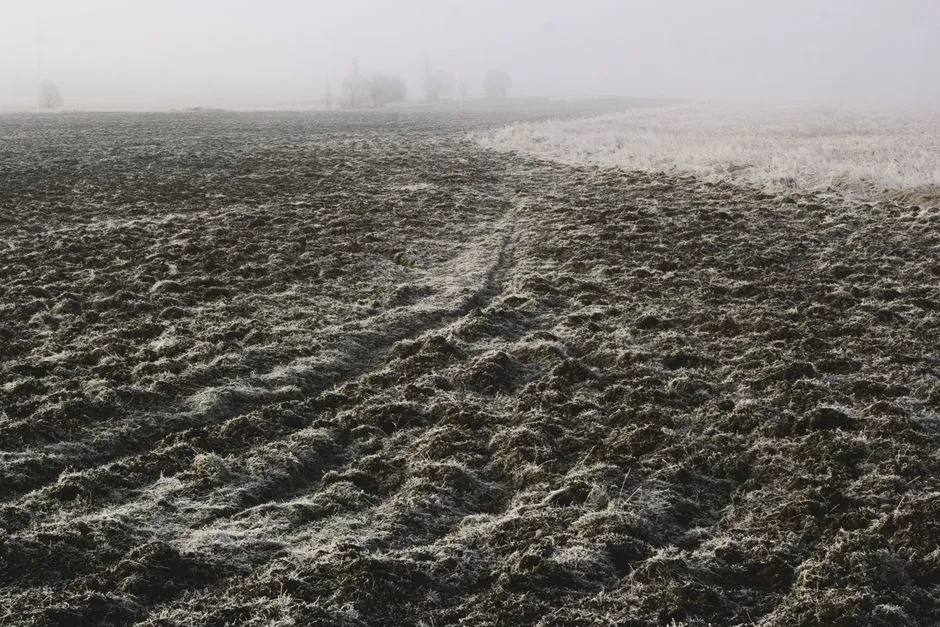
Wet soil actually freezes more slowly than dry soil because water has a high heat capacity and releases latent heat as it changes state. Moist soil acts as a thermal buffer, trapping warmth deeper in the ground and protecting root systems from rapid temperature fluctuations. In contrast, dry soil contains air pockets that allow cold air to penetrate quickly, leading to deeper and faster freezing.
Root injury is more likely during winters with little snow cover and extended cold, particularly when soils are dry. Moist soil retains heat more effectively than dry soil. So, when snow is absent, the cold can penetrate deeper into the soil profile, increasing the risk of damage. Regions without reliable snow cover are therefore especially reliant on pre-freeze soil moisture.
Freeze Stress and Drought Stress Work the Same Way on Plant Cells
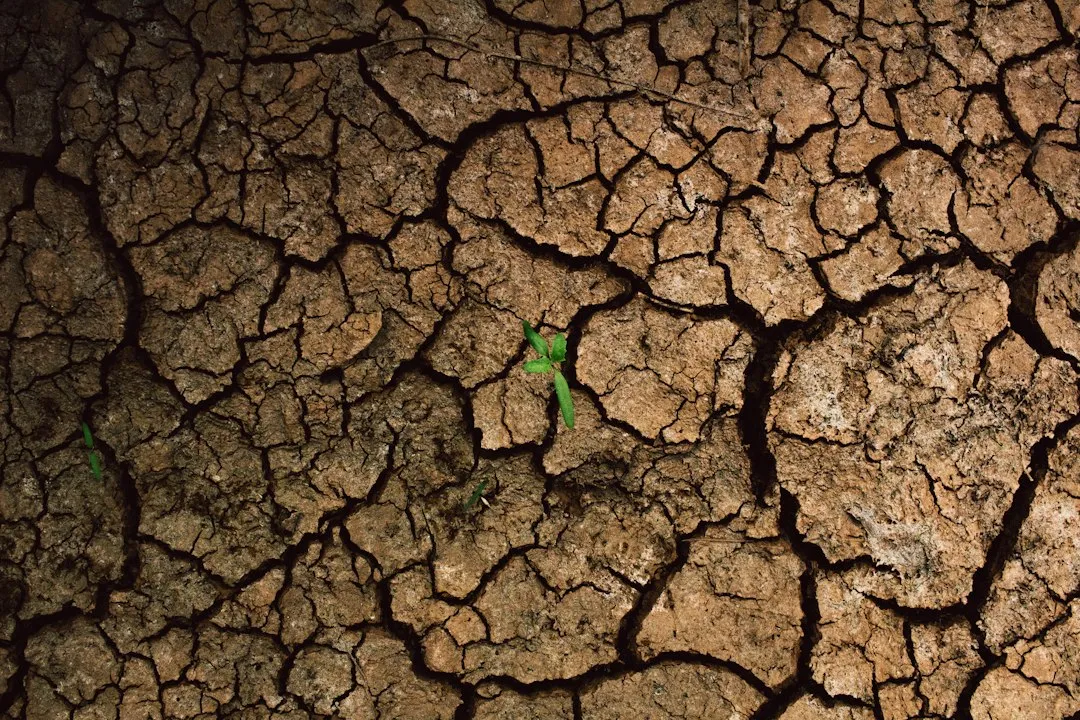
Both freezing and drought conditions cause plant cells to lose water, leading to dehydration. Both freezing and drought conditions cause plant cells to lose water, leading to dehydration. Water is essential for many plant functions including photosynthesis, nutrient transport, and maintaining structural support of the plant. Good water availability within the plant before the freeze helps reduce the water stress associated with cold damage.
This is a key point that many gardeners overlook. The freeze itself isn’t always the primary killer. The dehydration that comes with it often does more lasting damage, which means going into a hard freeze with well-hydrated plant tissue is a meaningful defensive step.
Hydrated Plant Cells Are Physically More Resilient
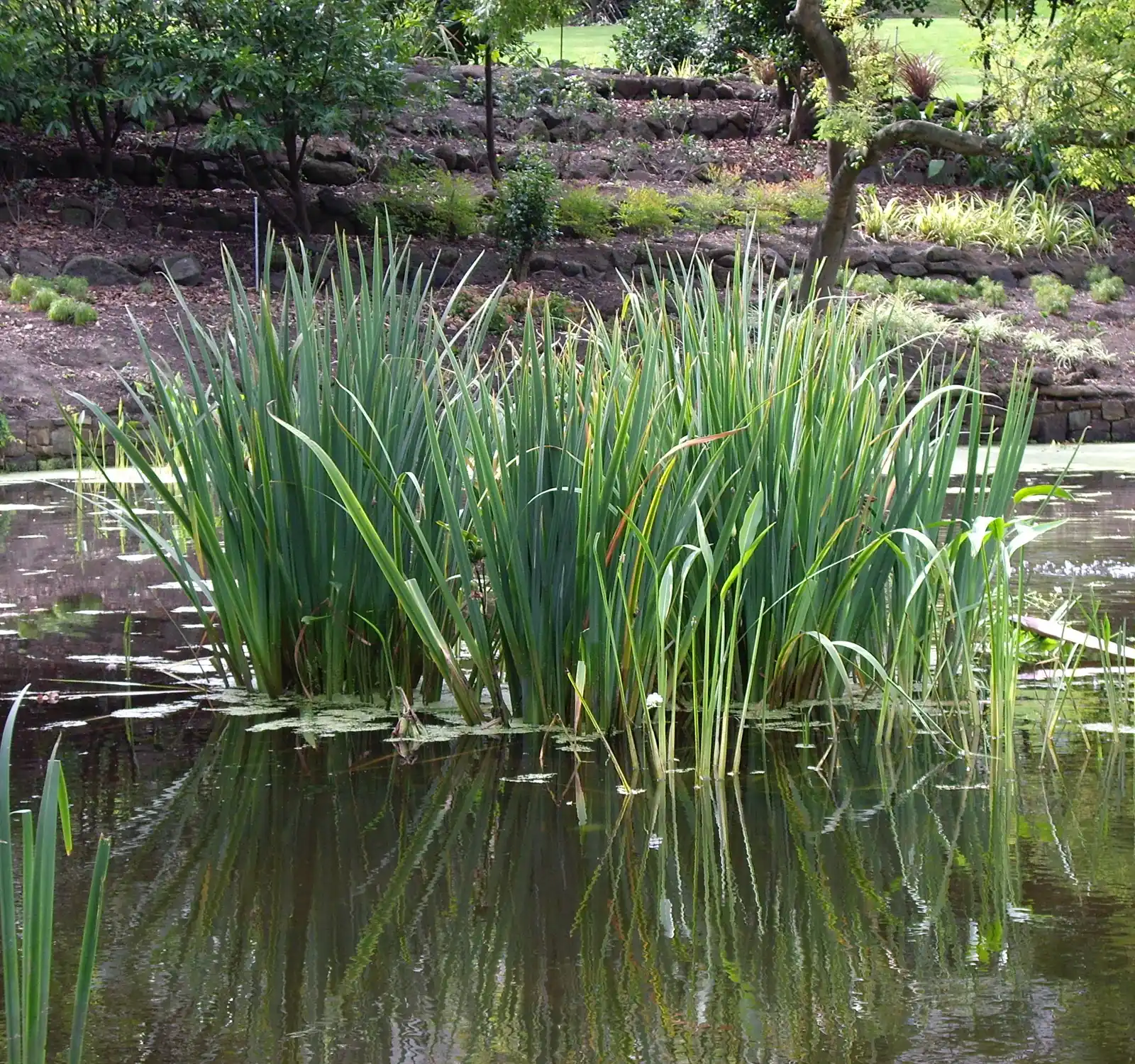
Hydrated plant cells are also structurally more resilient against the mechanical stress of freezing. When a plant is well-watered, the cell walls are better equipped to withstand the expansion of ice in the interstitial spaces between cells.
Drought-stressed plants are more prone to cold damage; plants that are really stressed in general are even more susceptible to damage from cold. A plant that enters a freeze already thirsty has fewer resources to buffer against ice crystal formation in its tissues. Giving plants a thorough drink a day or two ahead of the event is one of the more practical interventions a gardener can make.
Watering Before a Freeze Is Different From Watering After
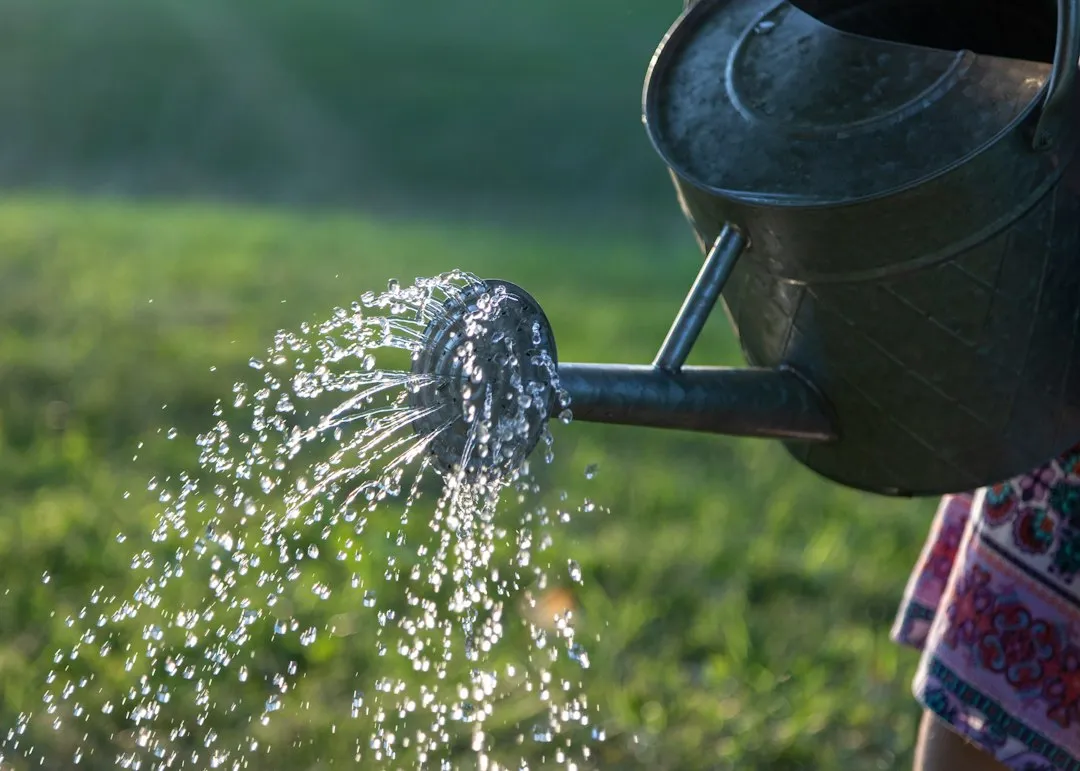
Watering right after a freeze will not provide the same benefits because root activity slows in the cold weather. The window for maximum effectiveness is specific. It is best to water your plants a day or two ahead of time, or at least several hours.
Once the freeze has already hit and the soil is frigid, roots are no longer pulling in water efficiently. The protection has to be established in advance. This is why experienced gardeners watch weather forecasts carefully in autumn rather than reacting after the damage is already done.
Evergreens Face a Unique and Serious Risk Without Pre-Freeze Hydration
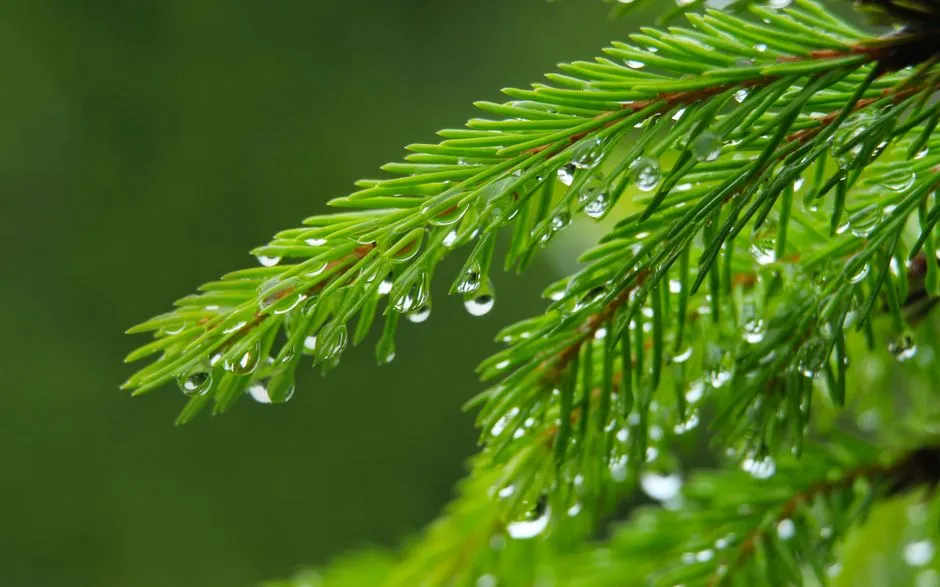
Desiccation occurs when frozen ground conditions prevent root water uptake while winter sun, wind, and temperature fluctuations continue to draw moisture from plant tissues. The frozen roots are basically unable to resupply the leaves with the water they need. This fundamental imbalance between water loss and water uptake creates the conditions that lead to tissue damage, browning, and plant stress.
One good way to combat winter burn is to ensure that evergreens go into fall well-hydrated. Established plants should receive at least one inch of water a week into mid or even late November from the trunk to the dripline of the tree or shrub if there is no rain. Symptoms of winter burn can occur on both needled evergreens, such as hemlock, juniper, pine, and yew, and broad-leaved evergreens, such as boxwood and rhododendron.
Container Plants Are Especially Vulnerable and Need Extra Attention
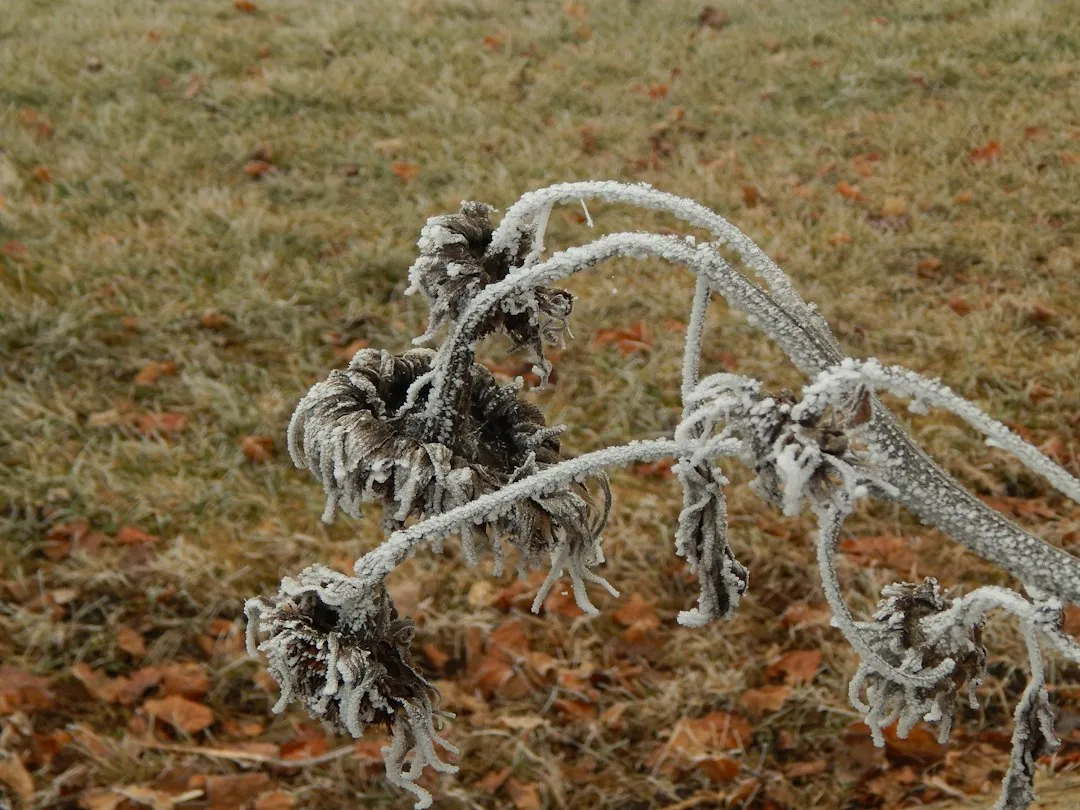
Plants in containers are particularly prone to damage. Unlike garden beds, containers lack the insulating benefits of soil depth, leaving roots exposed to sudden drops in temperatures. This makes even hardy varieties more susceptible to frost damage, especially younger or delicate specimens.
Giving plants a deep drink a day or two before a freeze helps them tolerate the temperature drop and reduces dehydration, especially for tender species or anything living in a pot. Moving containers to sheltered spots is also wise, but hydration remains the first practical line of defense for everything that stays outdoors.
Timing and Technique Matter as Much as the Water Itself
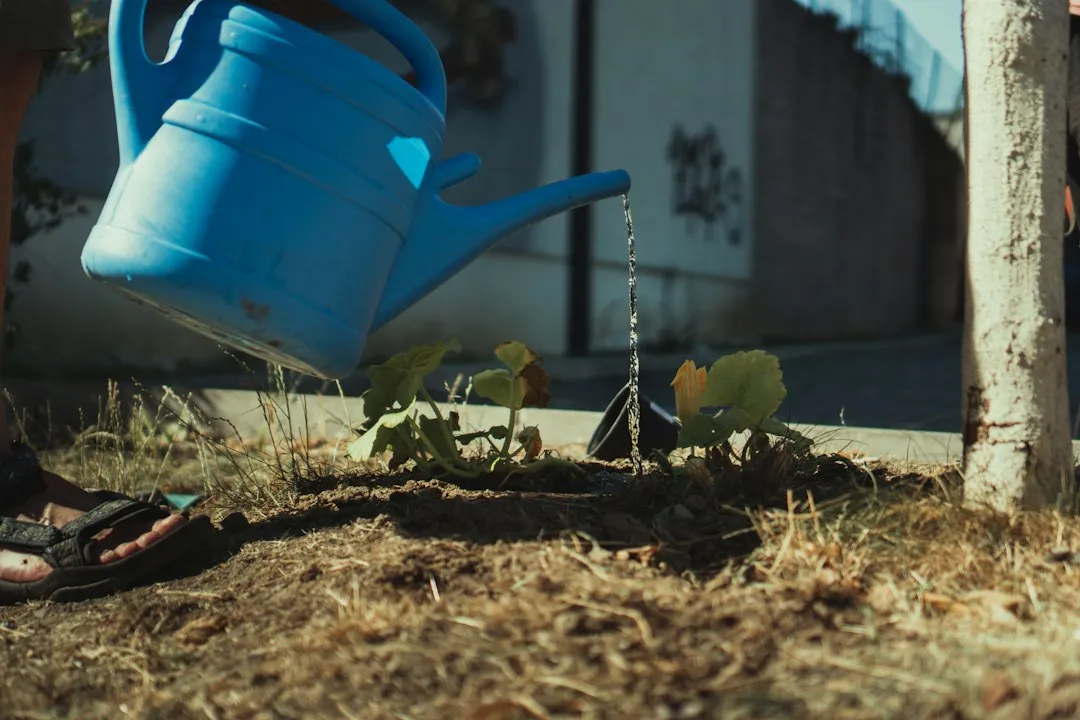
For best results, water the soil in the morning before a freeze, focusing on the soil rather than the leaves, as wet leaves are more prone to freeze damage. Make sure you are watering the soil and not the plant itself. Overwatering will not help, since once the soil is saturated, the plant will not take in more water, and it could damage the plant roots.
The soil should be kept slightly moist down to a depth of 18 inches for most shrubs and a depth of 18 to 24 inches for trees. Water only when the air temperature is above freezing and the soil isn’t frozen. Precision matters here. Thorough but not excessive is the goal, and directing water at the root zone rather than the foliage keeps the approach safe and effective.
Mulch After Watering Locks In the Thermal Benefit
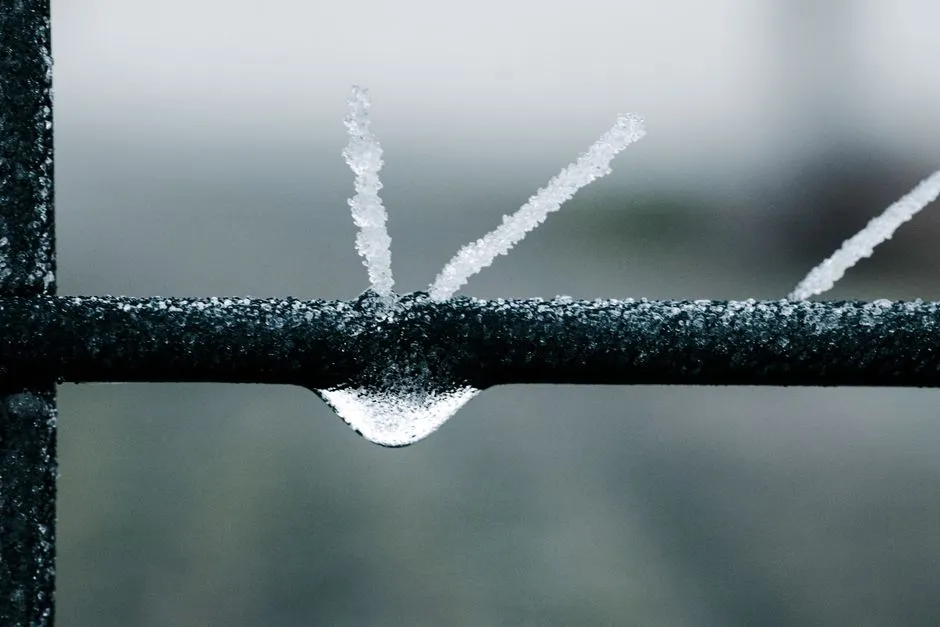
Mulching around plants is another effective strategy. Mulch helps insulate the soil, keeps temperatures more consistent and conserves soil moisture. When applied after a pre-freeze watering, mulch traps the heat that moist soil has absorbed during the day and slows its release through the night.
Snow cover acts as an excellent insulator. It traps heat, helps the soil retain moisture and limits how deeply the frost penetrates the ground. Early snow cover is especially beneficial because it helps the soil hold warmth and moisture before the coldest temperatures arrive. In the absence of snow, a layer of organic mulch serves much the same protective function, and gardeners in mild climates can replicate this effect deliberately rather than waiting on the weather.
The Takeaway
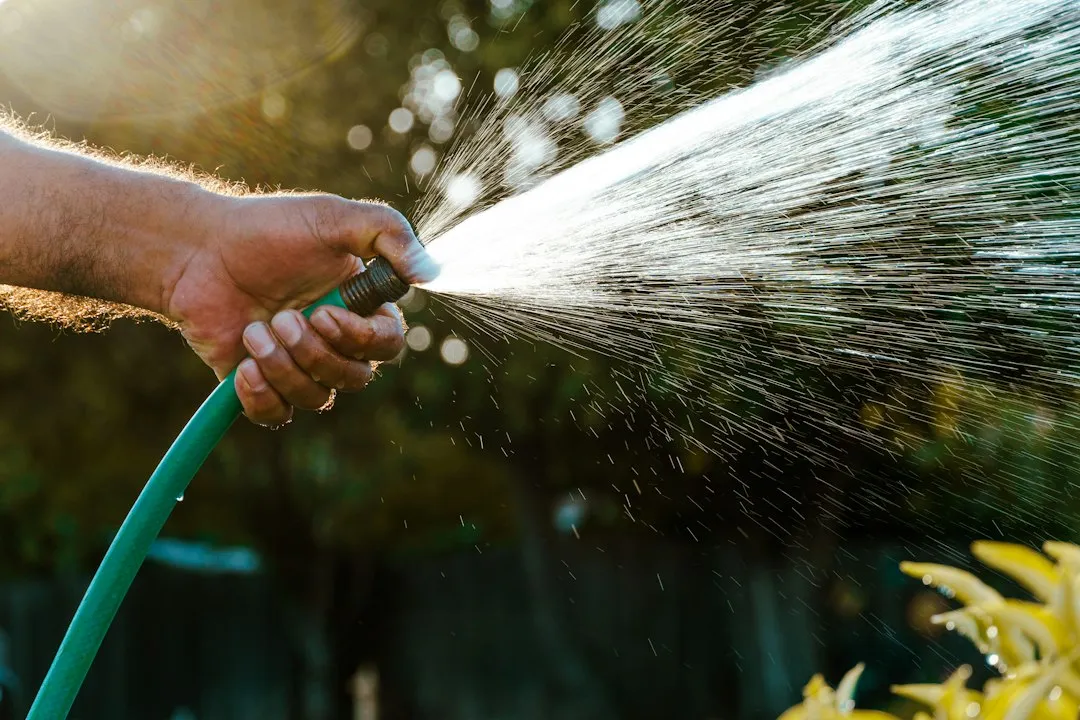
Watering before a hard freeze isn’t a folk remedy or an old wives’ tale. It’s a practice grounded in basic physics and plant biology, confirmed by university extension programs and horticulture professionals across North America. The mechanism is consistent: moist soil stores and releases heat slowly, hydrated plant cells resist mechanical freeze damage better, and a well-watered root zone buys critical time when temperatures plunge.
The habit costs very little in time or effort, and the timing window is usually forgiving enough that one attentive look at the forecast is all it takes. For gardeners who have spent months building up beds, perennials, and woody plants, a thoughtful drink of water before the cold arrives may be the single most useful thing you can do heading into winter.
AI Disclaimer: This article was created with the assistance of AI tools and reviewed by a human editor.