

Walk through any serious kitchen garden this spring and you might spot something unexpected glinting near the base of a tomato plant. It’s not decoration. Experienced growers have quietly been tucking old copper pennies into the soil around their tomatoes for years, and the practice keeps gaining momentum across gardening communities.
The idea sounds simple, even a little eccentric. Yet it draws on real properties of copper that plant scientists have studied for well over a century. The key is understanding what copper actually does in soil and when a penny makes sense versus when it doesn’t.
Copper Is a Genuine Plant Micronutrient, Not a Folk Tale
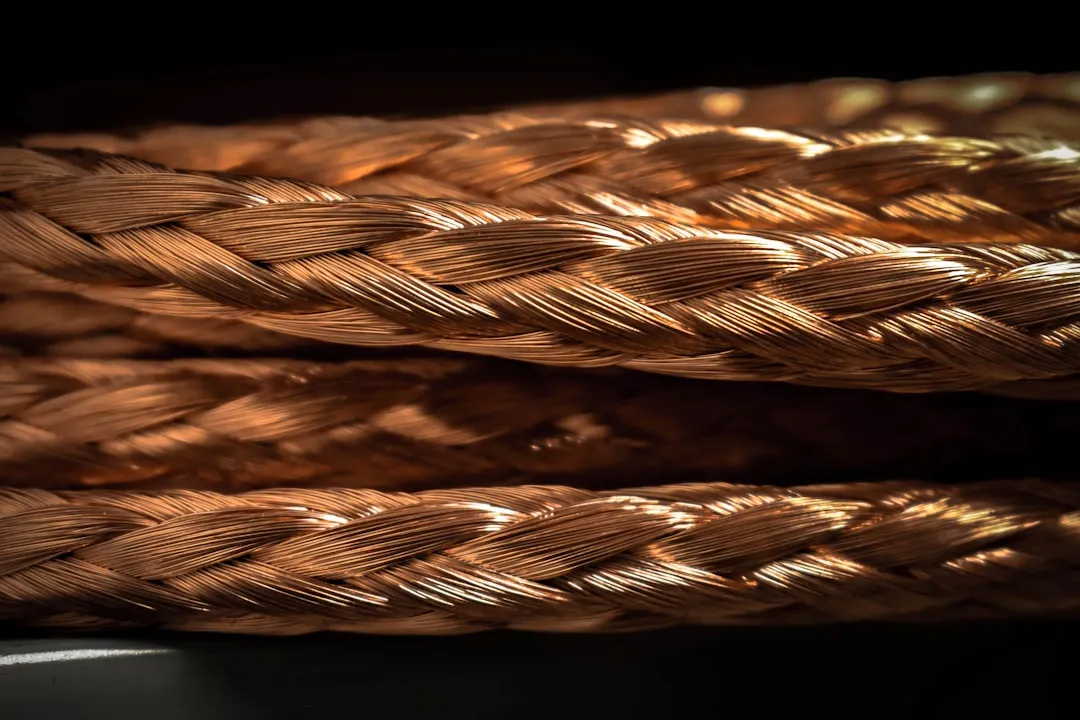
Copper is one of eight essential plant micronutrients, required for many enzymatic activities in plants and for chlorophyll and seed production. That’s according to the University of Minnesota Extension, which has tracked micronutrient needs across crop production for decades. Copper is crucial for photosynthesis, enzyme activity, and overall plant growth.
Copper is important and is required in the process of photosynthesis, protein synthesis, and in the process of various enzyme systems. It also contributes to the production of lignin and has an influence on the color and flavor of the fruit. That last detail tends to surprise gardeners who only think of copper as a pest or disease deterrent.
What Makes a Pre-1982 Penny Different From a Modern One
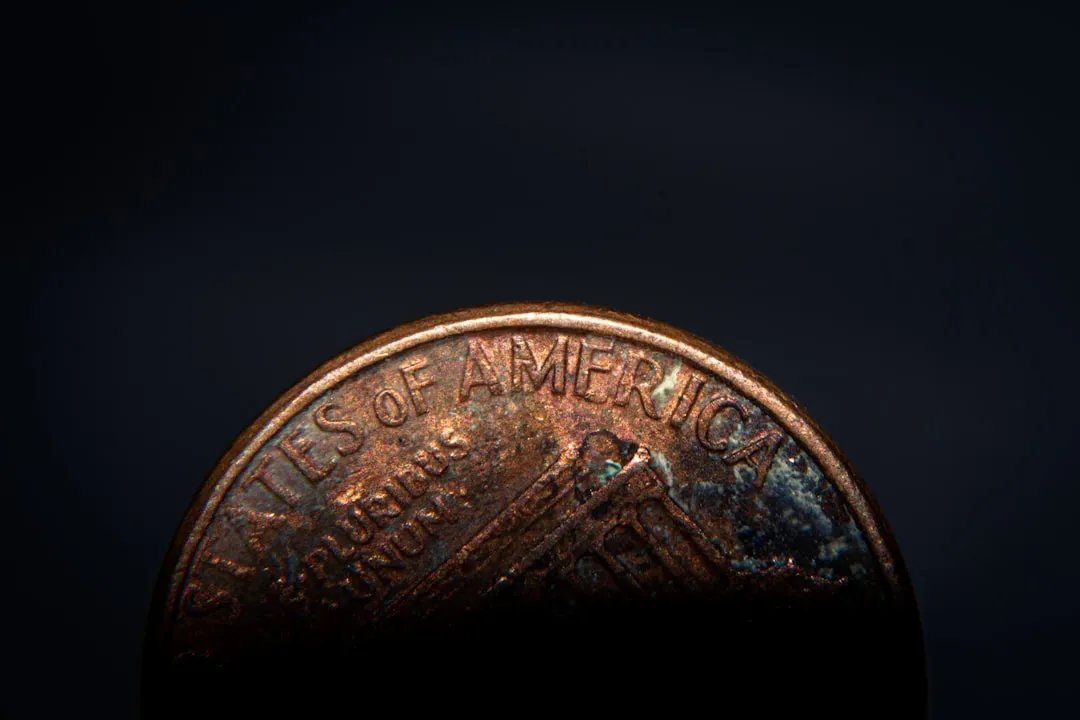
What you need are older pennies, pre-1982, which are 95 percent copper. That distinction matters a great deal. Pennies minted after 1982 are made of 97.5 percent zinc, with only a thin copper coating. The copper in pennies is elemental copper, which plants cannot absorb. It also stays in the penny and does not get released into the soil.
As old pennies slowly corrode, they can release copper into the soil, giving your plant a tiny nutrient boost. But this process is very slow – think years, not months. So the practice works more as a passive, long-term soil amendment than any kind of quick fix.
Copper and Blight: A Connection With Real Agricultural History
The use of copper to control diseases of plants goes back to 1882, when Professor Millardet noticed that the use of a copper substance on grape leaves to deter thieves also protected the vines from downy mildew. That accidental discovery launched over a century of copper-based crop protection. Today, copper products are used primarily to manage bacterial diseases. At one time, however, copper was perhaps the most important fungicide as well.
In a field experiment, it was found that copper oxychloride and copper hydroxide are the most effective for the management of blight. A report by the University of Agricultural Sciences and Veterinary Medicine also states that copper treatment is a viable alternative in the control of potato blight. Tomatoes and potatoes share many of the same fungal vulnerabilities, which is part of why gardeners apply this thinking to both crops.
How Copper Fights Fungal and Bacterial Threats in Soil
Copper is known to enhance plants’ resistance to certain diseases. It contributes to the overall health of the plant, helping to fend off pathogens. Plants adequately supplied with copper tend to have improved resilience against fungal infections and other diseases.
The redox cycle between copper ions in the Fenton and Haber-Weiss-like copper reaction generates reactive oxygen species, including hydroxyl radicals. This causes pathogen toxicity by directly acting on lipids, proteins, and nucleic acids, leading to cell death. In plain terms, copper disrupts the cellular machinery of fungi and bacteria at a chemical level. Copper is known to damage fungal cells and limit their spread, which may help reduce the risk of root rot.
The Slug-Repelling Effect Is Surprisingly Well-Documented

Using copper is among the top tips for keeping slugs and snails out of your garden. Contact with it sends the equivalent of a large static electric shock through their bodies, so they invariably avoid it. This is one of the more reliable and widely supported uses of copper around tomato plants, and it has a cleaner track record than the blight prevention claims.
These products have several advantages over other methods of slug and snail control in that they are long-lasting, don’t get washed away like pesticides can, are non-toxic, and don’t actually harm the animals. Partially buried pennies or copper tape around the base of a plant creates a low-effort perimeter barrier. Copper does not kill slugs. It simply creates an unpleasant sensation that deters them from crossing the barrier. It is a humane and non-toxic method of slug control.
Soil pH Determines Whether Any of This Actually Works
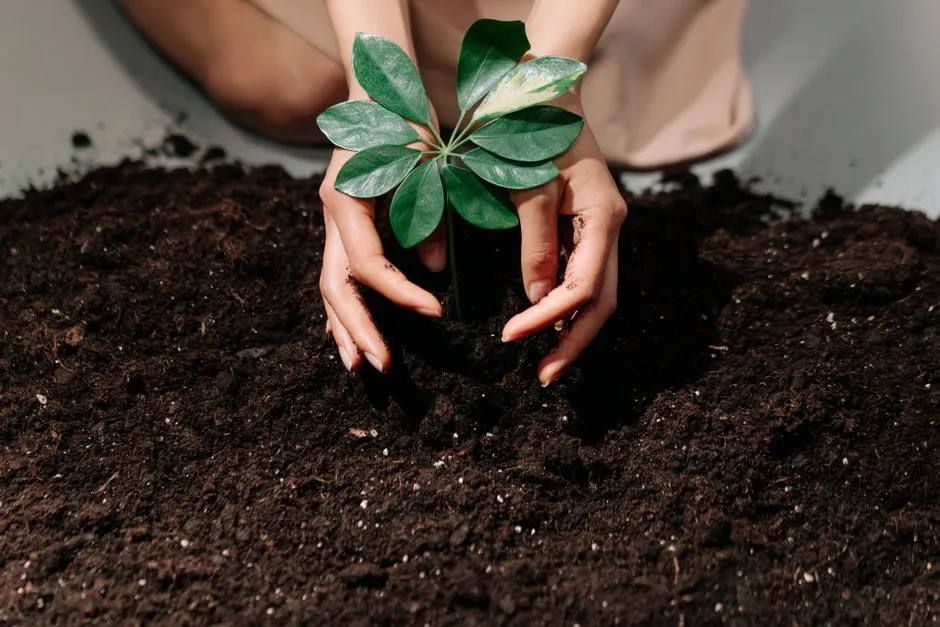
Copper availability can be affected by both pH and organic matter. Plants can’t use elemental copper; it has to be dissolved in an acid to be taken up by roots. The pH of your soil matters – too alkaline (over 7.5 or so) and the copper is unavailable, even if it’s present.
Copper is most readily available on soils with a pH of 6.5 or lower. For tomato growers, this is actually useful information. Tomatoes prefer a slightly acidic soil anyway, so gardens properly maintained for tomato production are more likely to benefit from any copper that does leach from buried coins. Controlling the pH and bringing it back to values between 6.5 and 6.8 is also recommended for copper application to work well.
True Copper Deficiencies Are Rare but Real, Especially in Europe
Copper deficiencies are actually quite rare, as soils naturally contain between 2 to 100 parts per million copper, with an average of 30 ppm. In comparison, plants contain about 8 to 20 ppm. Still, that doesn’t mean every garden is adequately supplied.
In Europe, 1.2 million square kilometers of cultivated soils are classified as being potentially deficient in bioavailable copper. This is a real and documented concern, not a gardening myth. A copper deficiency in the soil can make plants more susceptible to diseases, cause discolouration, and affect growth. In regions where soils are highly alkaline or heavily organic, pennies might offer a slow supplemental contribution worth considering.
Too Much Copper Can Damage the Same Plants You’re Trying to Help
Copper, while essential for plant growth, can be toxic at elevated levels, leading to oxidative stress and reduced plant productivity. This is the part of the story that gardening blogs sometimes skip over. Copper toxicity rates may result in reduced fruit set of tomatoes and in extreme conditions may even kill plants.
Symptoms of copper toxicity are surprisingly similar to those of copper deficiency: stunted growth, reduced plant vigor, reduced seed germination, and insufficient iron uptake. The foliage will acquire a bluish tinge before turning yellow, then brown. A few carefully placed pre-1982 pennies in garden soil pose a very low risk of reaching these levels, but gardeners who also use copper-based fungicide sprays should be mindful of cumulative buildup. Because copper accumulation is practically irreversible, limitations on copper use is a serious concern for organic farming.
What the Research Actually Says About Burying Coins Specifically
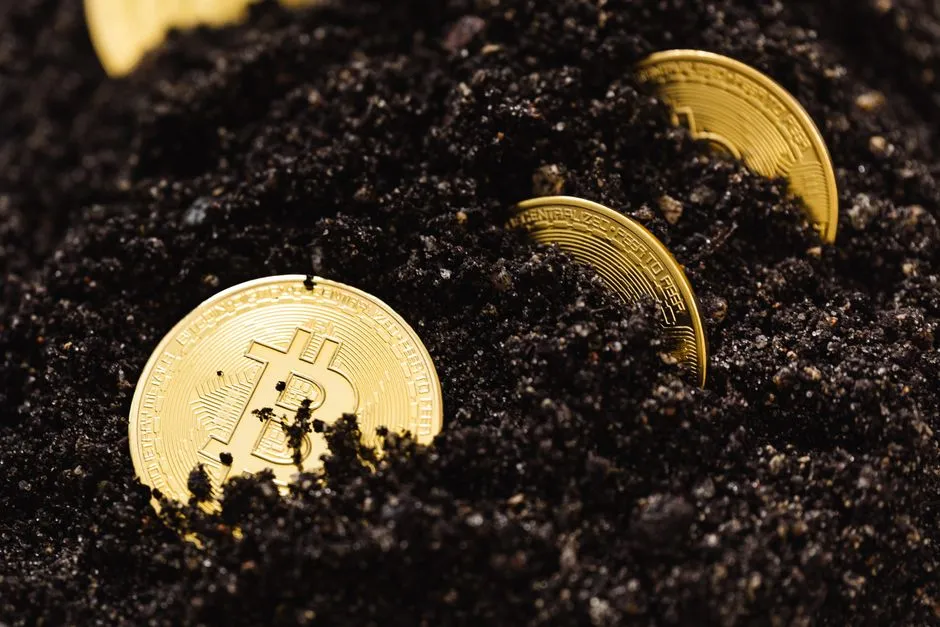
The copper in pennies is elemental copper, which plants cannot absorb. It also stays in the penny and does not get released into the soil. That’s a meaningful limitation, and most plant scientists are careful to point this out. The soil benefits of elemental copper in a coin are at best slow and indirect, not comparable to applying a dissolved copper supplement.
Copper is actually a micronutrient required for plant growth. The small amount that might leach into the soil from coins or tape is negligible and generally beneficial. So the honest summary from the evidence is: the benefits exist, but they’re modest and slow-acting. The practice is not harmful at a few coins per plant, and the slug-deterrent function alone gives it practical merit.
How Experienced Gardeners Are Actually Using This Technique
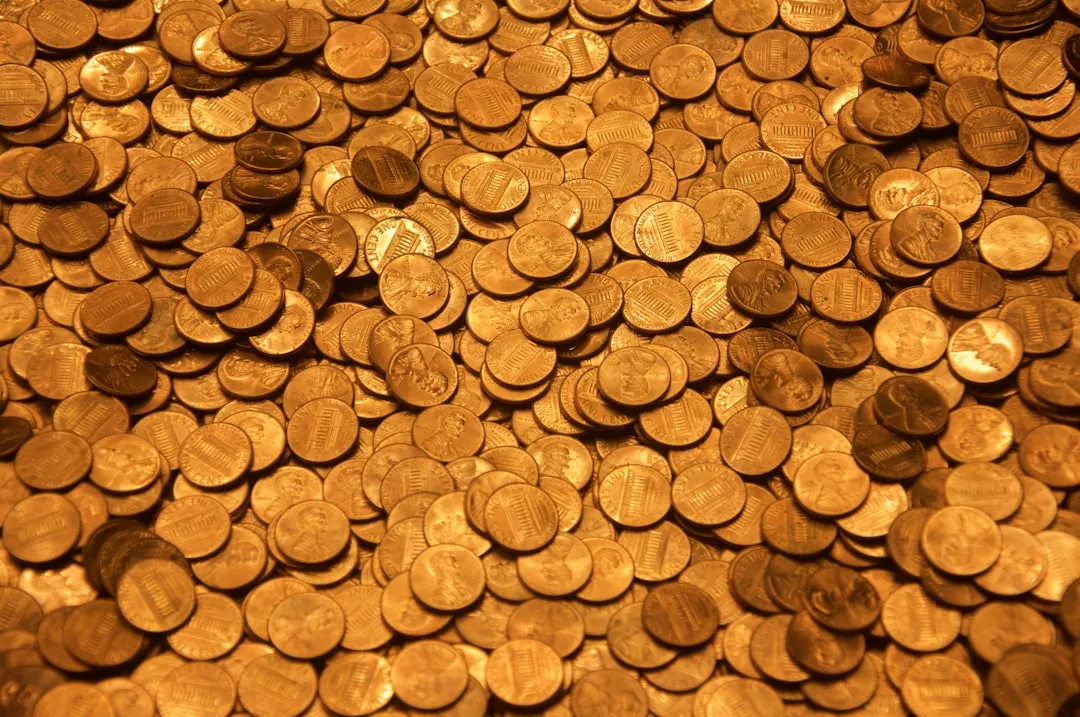
The best way is to add 4 to 6 copper pennies in a pot or at the base of the plant in the garden. Most experienced growers treat it as one small part of a larger planting strategy, not a silver bullet. Using a copper approach is most effective when combined with other good gardening practices, including proper soil preparation with compost-rich, well-draining soil to support root health.
Copper pennies can actually play a vital role in plant development, especially if the soil is highly acidic or alkaline, as they are the major cause of the depletion of copper levels. Pairing the penny trick with a basic soil test removes most of the guesswork. If your pH is in range and your soil isn’t chronically depleted, the coins serve primarily as a passive slug barrier with a slow-release micronutrient bonus that accumulates quietly over time.
The Honest Verdict: Modest, Targeted, and Worth Understanding
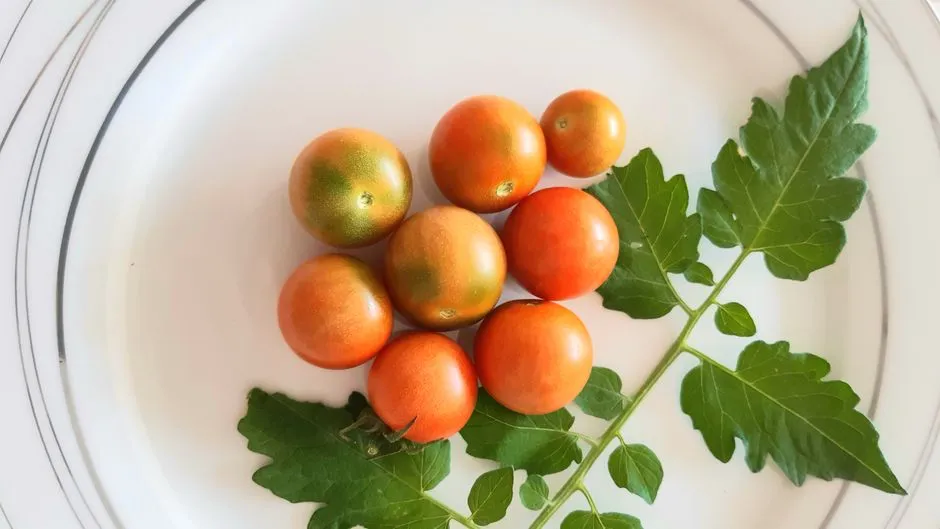
This practice sits in an interesting middle ground. The underlying science around copper’s role in plant health, fungal resistance, and pest deterrence is genuinely well-supported by research. The specific mechanism of burying a few old coins is far more modest in effect than many gardening blogs suggest, but it’s also not the complete myth that skeptics sometimes claim.
The gardeners who get the most from it are the ones who use it deliberately: pre-1982 pennies only, a handful per plant, in well-maintained soil with a reasonably acidic pH, combined with proper watering and disease management. Used this way, it’s a low-cost, non-toxic, and arguably elegant use of an old coin.
There’s something fitting about a metal that humans have valued for thousands of years quietly doing useful work at the base of a tomato plant. Whether or not it transforms your harvest, the practice is grounded in real plant biology and that, at minimum, makes it worth understanding before dismissing.
AI Disclaimer: This article was created with the assistance of AI tools and reviewed by a human editor.