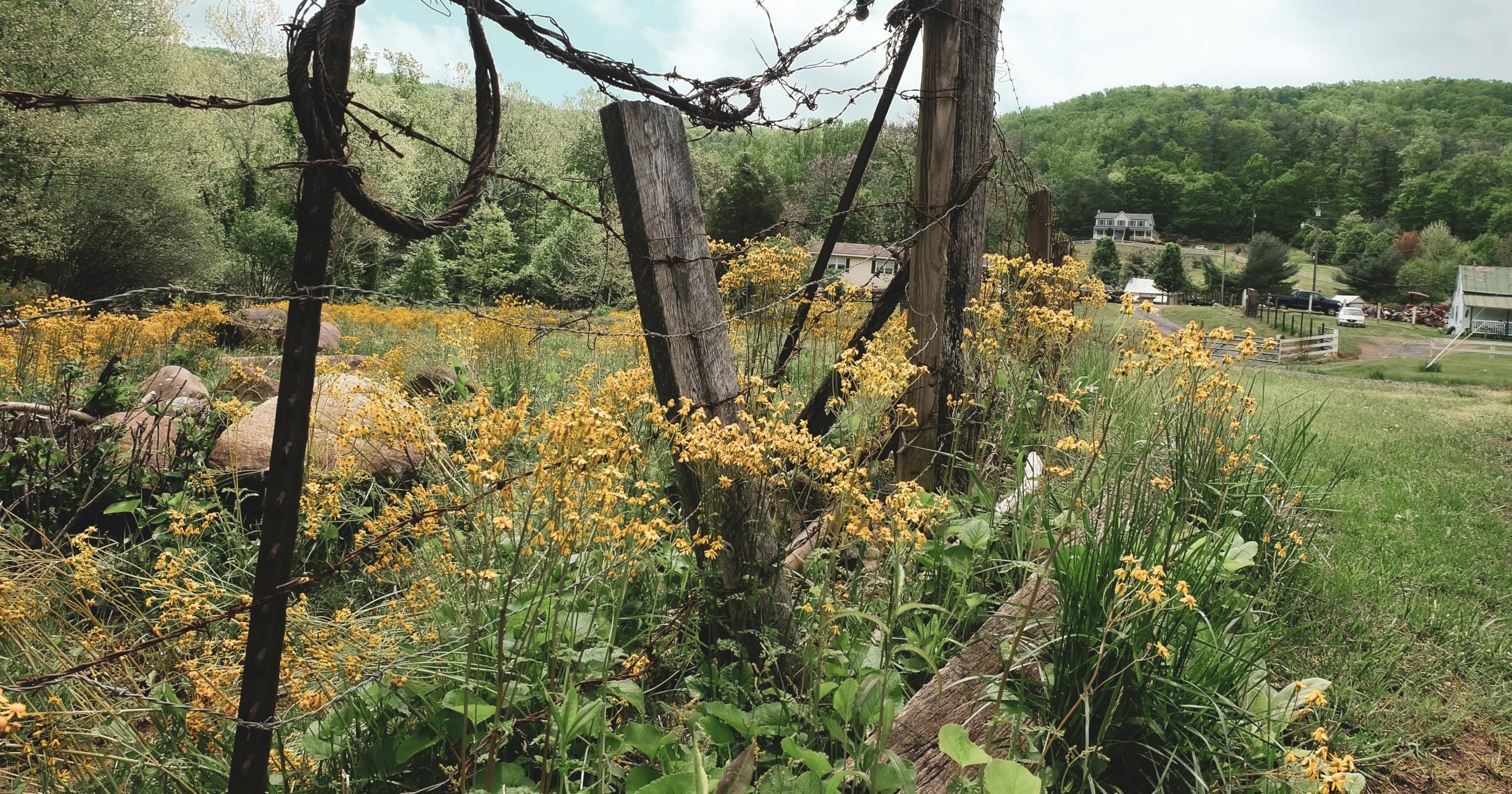

Native plants are having a well-deserved moment in the gardening world, and for good reason. They are beautiful, low-maintenance, and incredibly beneficial for pollinators and wildlife. Unlike many exotic species, native plants are perfectly adapted to the soil, climate, and weather conditions of your region, which means they require less water, fewer fertilizers, and virtually no pesticides to thrive. For gardeners looking to create sustainable, eco-friendly spaces, natives are the ultimate game-changer.
Beyond their practicality, native plants are also a lifeline for local ecosystems. By planting them, you help restore natural habitats, support declining pollinator populations, and create thriving biodiversity right in your own backyard. The following thirteen native plants are sparking conversations among gardeners everywhere because of their beauty, hardiness, and ecological importance.
Purple Coneflower (Echinacea purpurea)
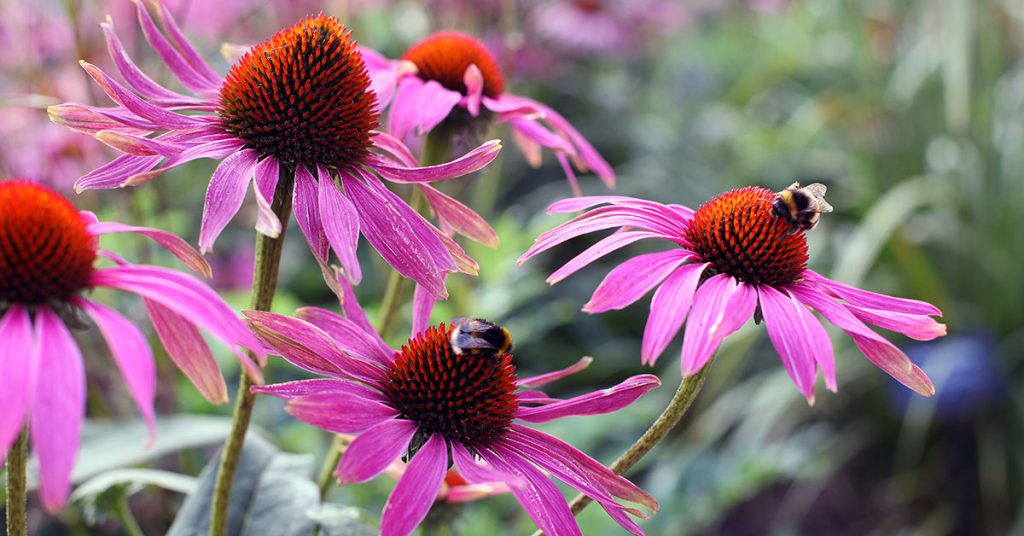
Purple coneflowers are one of the most beloved native perennials, and for good reason. Their daisy-like blooms in vibrant shades of purple and pink make them a standout in any garden, while their cone-shaped centers are magnets for bees, butterflies, and songbirds. These hardy plants thrive in full sun, tolerate drought, and bloom from midsummer through early fall.
Gardeners love them because they are both resilient and beautiful. Even if you forget to water or fertilize them, they keep producing vibrant blooms. Once the flowers fade, leave the seed heads in place to feed finches and other birds through the colder months, adding even more value to your backyard ecosystem.
Milkweed (Asclepias spp.)

Milkweed is at the center of the pollinator movement, and everyone is talking about it because of its vital role in supporting monarch butterflies. It is the sole host plant where monarchs lay their eggs, and its leaves provide food for emerging caterpillars. In return, its clusters of fragrant pink, orange, or white flowers attract bees, hummingbirds, and other pollinators.
Beyond its ecological value, milkweed is also low-maintenance and thrives in poor soils where other plants may struggle. Gardeners are planting it in increasing numbers to create pollinator-friendly spaces and to help reverse the monarch population decline. A patch of milkweed instantly transforms your yard into a hub of biodiversity.
Black-Eyed Susan (Rudbeckia hirta)

Black-eyed Susans are native powerhouses, known for their cheerful golden petals and dark brown centers. These vibrant blooms light up summer and attract pollinators of all kinds, from honeybees to native bumblebees and butterflies. They flourish in full sun and adapt to a wide range of soil conditions, making them perfect for almost any garden.
Part of their appeal is just how resilient they are. Black-eyed Susans tolerate drought, heat, and neglect while continuing to put on a long-lasting show from midsummer into fall. Once established, they often reseed themselves, creating bright, natural-looking drifts year after year.
Bee Balm (Monarda didyma)

Bee balm has become a favorite among gardeners who want to bring pollinators into their yards. With its showy clusters of red, pink, purple, or white flowers, it is a magnet for hummingbirds, butterflies, and bees. These blooms also add vibrant splashes of color to the garden from midsummer into early fall.
Bee balm thrives in full sun or partial shade and prefers evenly moist soil, but it is far from fussy. Beyond its visual appeal, gardeners love its aromatic foliage, which can be used in teas and herbal remedies. Its dual benefits of beauty and biodiversity support make it one of the most talked-about natives right now.
Joe-Pye Weed (Eutrochium purpureum)
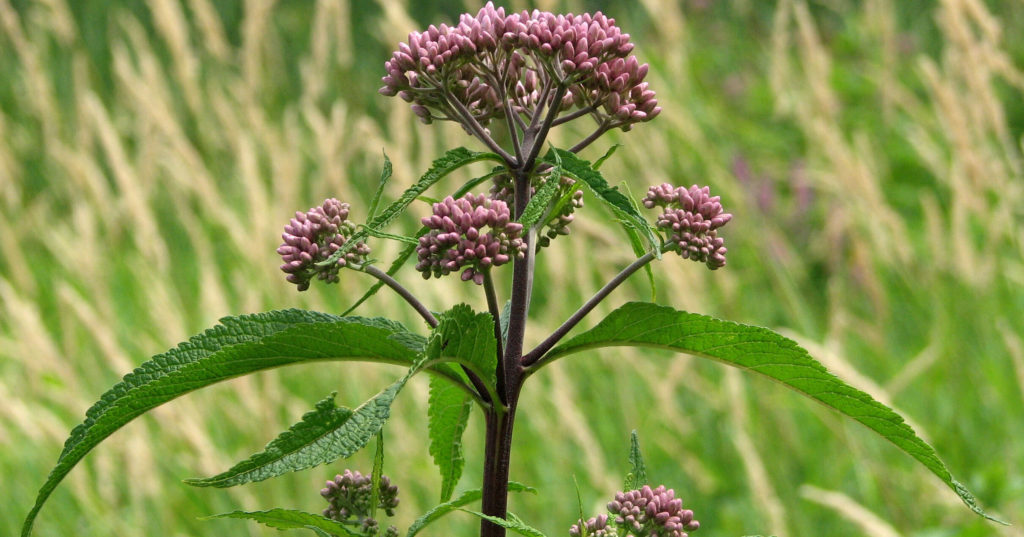
Joe-Pye weed has become a star among native plant enthusiasts because of its towering height and impressive clusters of pinkish-purple flowers. Reaching up to six feet tall, this perennial is a stunning backdrop for pollinator gardens and wildflower borders. Its blooms appear in late summer, providing nectar just when many other flowers have faded.
It thrives in moist soils and sunny locations but can tolerate partial shade. Its ecological value is hard to overstate, as it attracts a variety of pollinators, including butterflies and native bees. For gardeners seeking drama, beauty, and wildlife support in one plant, Joe-Pye weed delivers on all fronts.
Goldenrod (Solidago spp.)
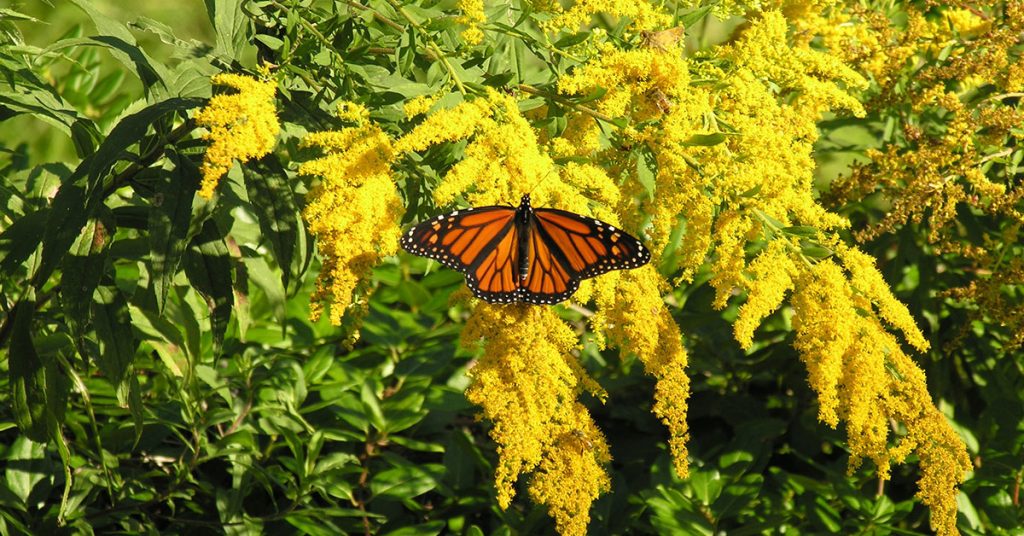
Goldenrod is finally getting the attention it deserves after years of being mistakenly blamed for seasonal allergies. In reality, its pollen is too heavy to become airborne, and its clusters of golden-yellow flowers are a critical late-season food source for bees and butterflies. These brilliant blooms arrive in late summer and last well into fall, adding stunning seasonal color to gardens and meadows.
Goldenrod thrives in full sun and adapts to many soil types, including sandy and clay-rich conditions. Its durability makes it a great choice for low-maintenance landscapes, and pairing it with asters and coneflowers creates breathtaking combinations that both gardeners and pollinators adore.
Cardinal Flower (Lobelia cardinalis)
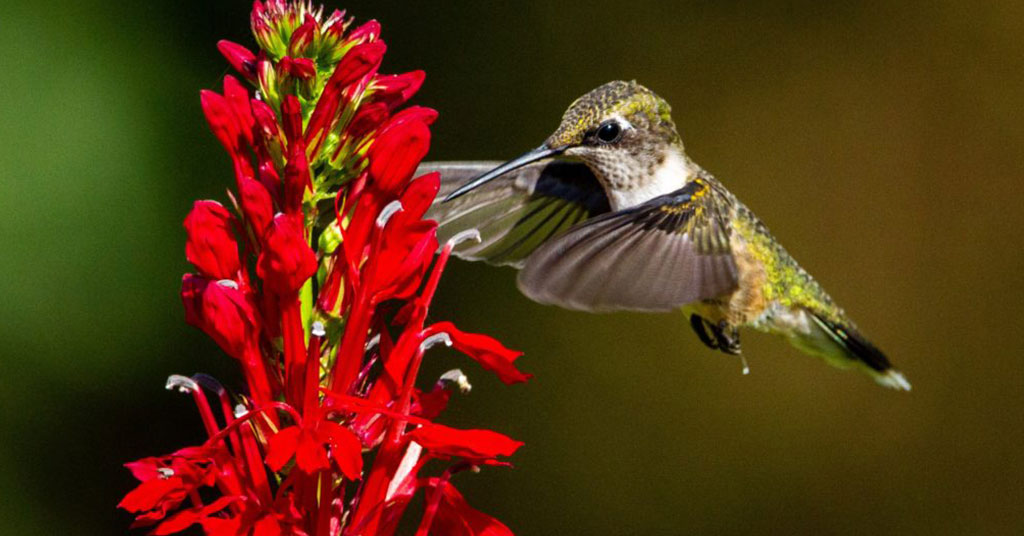
The cardinal flower is stealing the spotlight thanks to its brilliant red blooms and its ability to draw hummingbirds from miles away. Its striking flower spikes stand tall in late summer and early fall, creating a dramatic visual statement in garden beds and wetland edges.
This native prefers moist, rich soils and partial shade, making it a great choice for rain gardens or spots near ponds and streams. While it is short-lived compared to some perennials, it reseeds freely, ensuring you’ll enjoy its fiery blooms for years to come.
Wild Bergamot (Monarda fistulosa)

Wild bergamot, a close relative of bee balm, is gaining attention for its lavender-hued blooms and pollinator-friendly nature. Its flowers are rich in nectar, making them a favorite of bees, butterflies, and hummingbirds. Its soft, aromatic foliage also adds an extra sensory layer to the garden.
This versatile native thrives in sunny, well-drained spots but tolerates a variety of conditions. Gardeners love it not only for its beauty but also for its medicinal uses and drought tolerance. Wild bergamot is an essential addition for anyone looking to create a garden buzzing with life.
Asters (Symphyotrichum spp.)
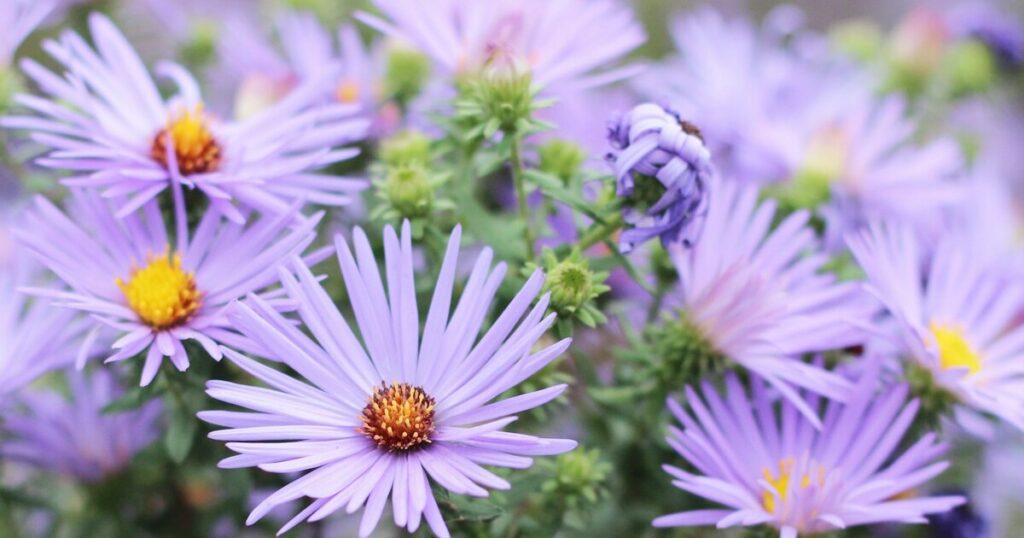
Asters are beloved late-blooming natives that come alive just as other flowers begin to fade. Their dainty, daisy-like flowers come in shades of purple, pink, and white, attracting bees, butterflies, and migrating monarchs looking for a final nectar source before winter.
Gardeners appreciate asters because they provide vibrant fall color and require very little care once established. Planting them alongside goldenrod creates a stunning display that supports pollinators during a critical seasonal transition when food sources are scarce.
Blazing Star (Liatris spicata)
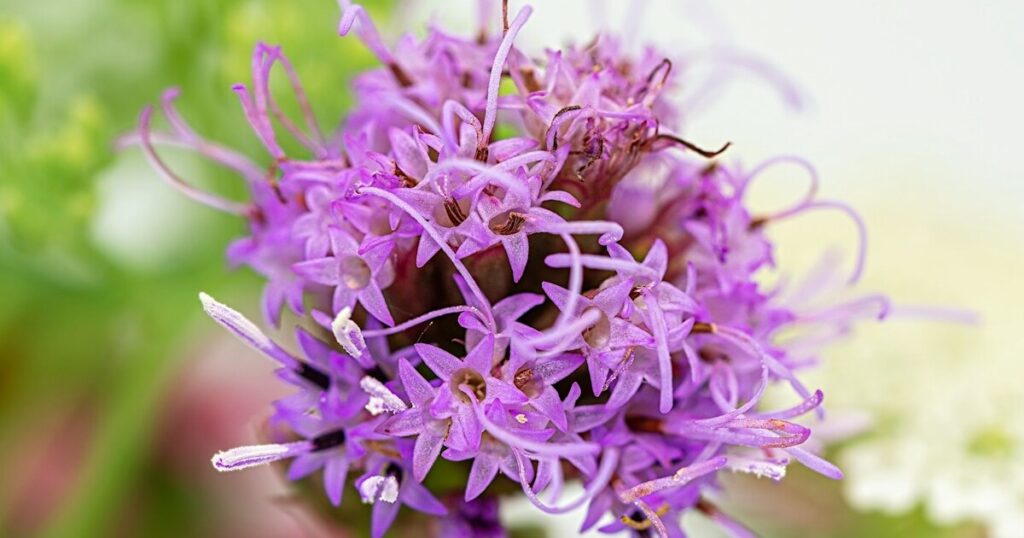
Blazing star, also known as gayfeather, is turning heads for its tall, bottlebrush-like spikes of purple blooms that attract a wide range of pollinators. These flowers bloom from top to bottom, creating a dramatic effect in sunny gardens and wildflower meadows.
Blazing star is incredibly resilient, thriving in sandy or rocky soils and requiring minimal maintenance. Its drought tolerance makes it an excellent option for eco-friendly landscaping, and its vertical growth habit provides striking contrast when paired with lower-growing perennials.
Wild Columbine (Aquilegia canadensis)
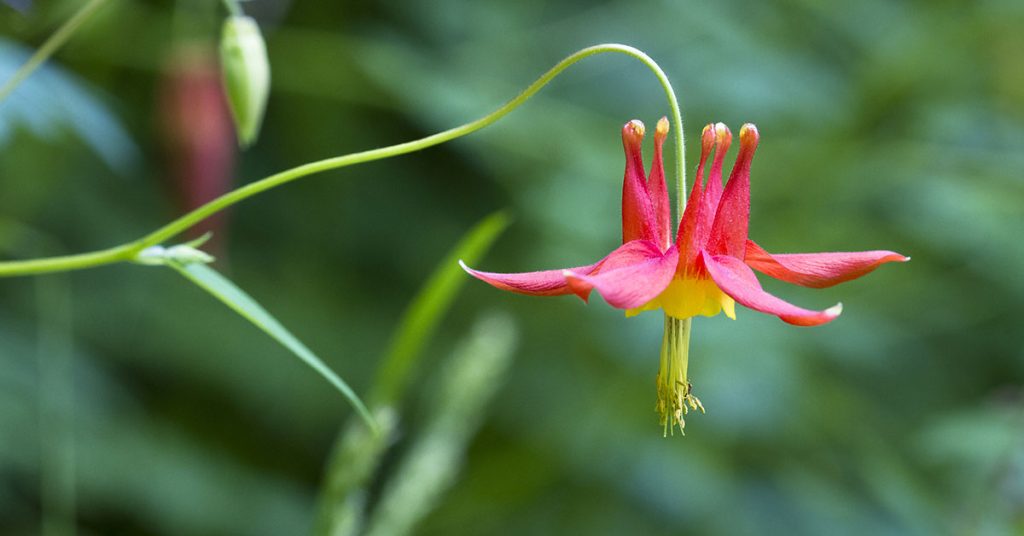
Wild columbine is captivating gardeners everywhere with its unique, nodding red-and-yellow blooms that appear in early spring. This native attracts hummingbirds and bees, kicking off the pollinator season long before most other flowers begin to open.
It thrives in partial shade and well-drained soils, making it perfect for woodland gardens or shaded borders. Gardeners love its delicate appearance combined with its rugged adaptability, proving that native plants can be both graceful and remarkably hardy.
Creating a Buzz with Native Plants

Native plants are not just a gardening trend. They are an essential part of restoring balance to local ecosystems while creating thriving, low-maintenance landscapes. By planting species like coneflowers, milkweed, goldenrod, and asters, you invite pollinators, birds, and beneficial insects into your garden while enjoying a vibrant display of color all season long.
The growing excitement around native plants comes from their ability to blend beauty, resilience, and environmental impact. Whether you are new to gardening or expanding an existing landscape, adding more natives is one of the best choices you can make for both your yard and the planet.