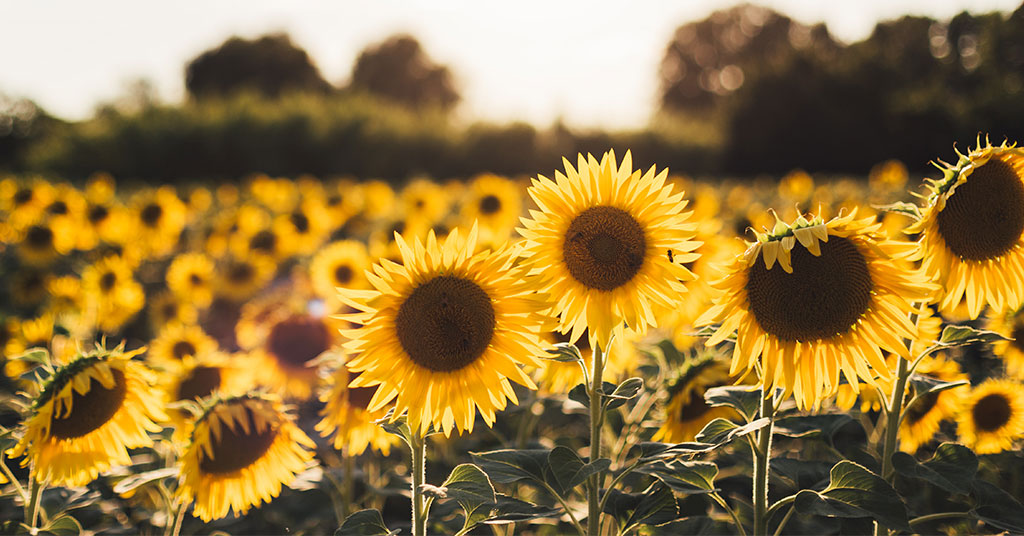

Sunflowers are one of the most iconic and cheerful flowers you can add to your garden. These towering beauties, with their bright yellow petals and large, round faces, bring a sense of joy and positivity to any outdoor space. Beyond their stunning appearance, sunflowers offer a multitude of benefits that make them a must-have for every garden.
In this article, we’ll explore the numerous advantages of growing sunflowers, from attracting pollinators to improving soil health and providing edible seeds. By understanding the unique benefits of sunflowers, you can create a more vibrant, productive, and beautiful garden. Let’s dive into the wonderful world of sunflowers and discover why they deserve a special place in your garden!
Attracting Pollinators

Sunflowers are a magnet for pollinators, including bees, butterflies, and birds. Their large, bright blooms are rich in nectar and pollen, providing a valuable food source for these essential creatures. By attracting a diverse range of pollinators, sunflowers help enhance the overall health and productivity of your garden.
Pollinators play a crucial role in the reproduction of many plants, including fruits and vegetables. By planting sunflowers, you create a welcoming environment for these beneficial insects, ensuring that your garden thrives. More pollinators mean better pollination, which can lead to higher yields of fruits, vegetables, and other flowers in your garden.
Improving Soil Health

Sunflowers have deep, robust root systems that can improve soil structure and health. Their roots help to aerate the soil, making it easier for water and nutrients to penetrate. This can be particularly beneficial in compacted or clay-heavy soils, where drainage and root growth can be challenging.
Additionally, sunflowers are known for their ability to phytoremediate, or clean, the soil. They can absorb heavy metals and other pollutants, making the soil healthier for other plants. By planting sunflowers, you can improve the overall quality of your garden soil, creating a better environment for all your plants to thrive.
Providing Edible Seeds

One of the most rewarding aspects of growing sunflowers is harvesting their seeds. Sunflower seeds are a delicious and nutritious snack, rich in healthy fats, protein, and vitamins. They can be eaten raw, roasted, or used in a variety of recipes, from salads to baked goods.
Growing your own sunflower seeds is not only satisfying but also cost-effective. You can save money by producing your own seeds instead of buying them from the store. Plus, homegrown seeds are free from additives and preservatives, ensuring a healthier option for you and your family.
Natural Pest Control

Sunflowers can act as a natural pest control solution in your garden. They attract beneficial insects like ladybugs and lacewings, which prey on common garden pests such as aphids and caterpillars. By planting sunflowers, you can reduce the need for chemical pesticides and create a healthier garden ecosystem.
Furthermore, sunflowers can serve as trap crops, luring pests away from more vulnerable plants. For example, sunflowers can attract aphids, keeping them away from your vegetable garden. This strategy helps protect your crops and maintains a balanced ecosystem in your garden.
Stunning Visual Appeal

There’s no denying the visual appeal of sunflowers. Their tall, sturdy stems and large, vibrant blooms make a striking statement in any garden. Sunflowers can add height, color, and texture to your landscape, creating a dynamic and eye-catching display.
Planting a group of sunflowers together can create a stunning focal point in your garden. Whether you use them to line a fence, create a natural screen, or simply add a splash of color, sunflowers are sure to enhance the beauty of your outdoor space. Their cheerful appearance can uplift your spirits and make your garden a more enjoyable place to spend time.
Easy to Grow

Sunflowers are incredibly easy to grow, making them a great choice for gardeners of all skill levels. They are relatively low-maintenance and can thrive in a variety of soil types, provided they receive plenty of sunlight. Sunflowers are also drought-tolerant, making them a resilient addition to your garden.
To grow sunflowers, simply sow the seeds directly into the soil after the last frost. Water them regularly until they establish strong roots, then let nature take its course. With minimal effort, you can enjoy a stunning display of sunflowers that will brighten your garden all season long.
Supporting Wildlife
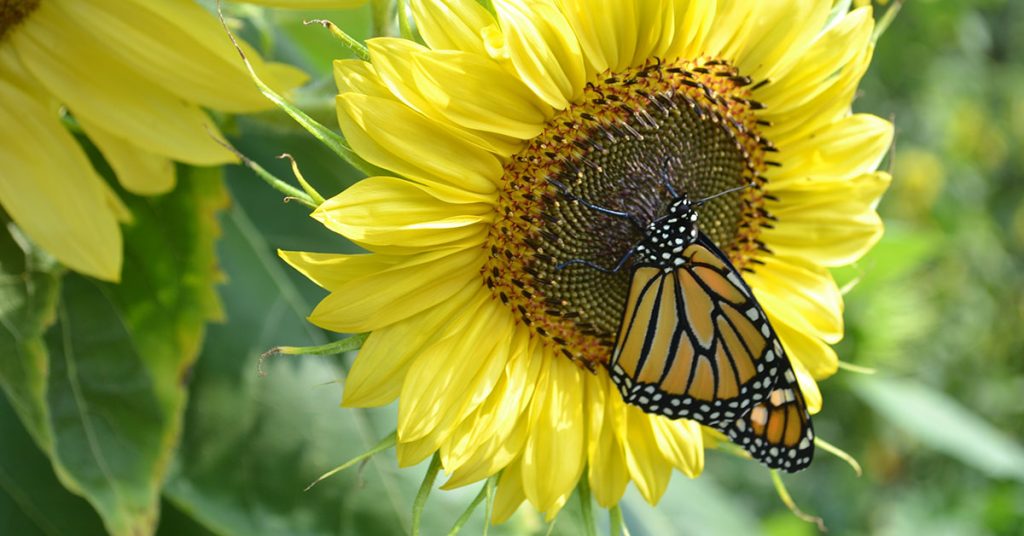
In addition to attracting pollinators, sunflowers provide food and habitat for a variety of wildlife. Birds, squirrels, and other animals enjoy feasting on sunflower seeds, especially as they mature in the fall. By planting sunflowers, you create a valuable food source for local wildlife, helping to support biodiversity in your area.
Sunflower stalks can also provide shelter and perching spots for birds and other small animals. Leaving the stalks standing through the winter can offer additional habitat for wildlife, making your garden a welcoming place for many creatures. Supporting local wildlife adds another layer of ecological value to your garden.
Versatile Uses
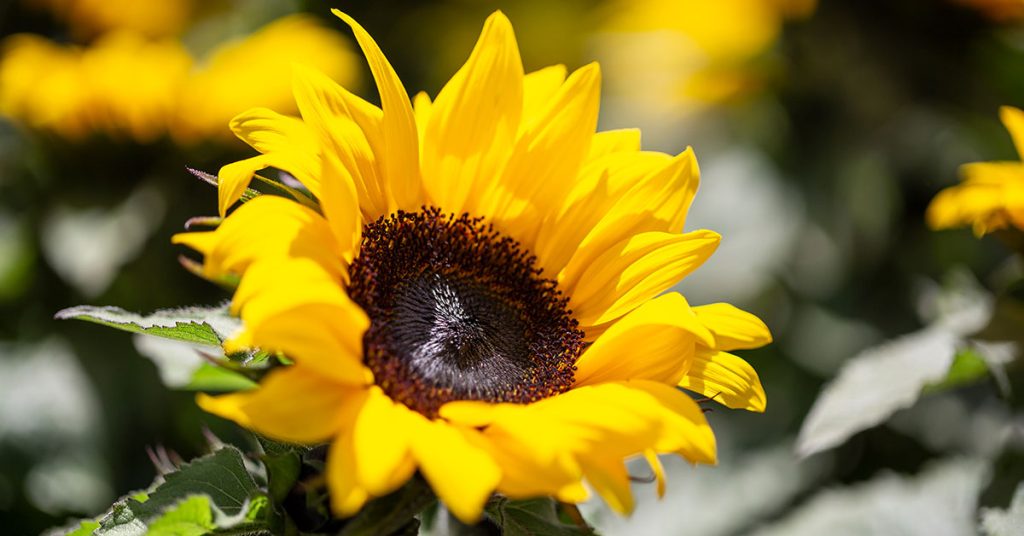
Sunflowers are incredibly versatile and can be used in a variety of ways beyond just being a garden plant. Their blooms make excellent cut flowers, bringing their bright, cheerful presence indoors. A vase of sunflowers can brighten up any room and add a touch of natural beauty to your home.
Additionally, sunflower petals are edible and can be used to add color and flavor to salads and other dishes. The seeds can be pressed to produce sunflower oil, which is a healthy cooking oil. The versatility of sunflowers makes them a valuable addition to any garden, providing multiple uses and benefits.
Promoting Sustainable Gardening

Growing sunflowers supports sustainable gardening practices. They are hardy plants that require minimal inputs, such as water and fertilizers, making them an eco-friendly choice. By choosing sunflowers, you can reduce your garden’s environmental impact and contribute to a more sustainable future.
Sunflowers also promote biodiversity, which is crucial for a healthy ecosystem. By attracting pollinators and other beneficial insects, sunflowers help create a balanced and thriving garden environment. Incorporating sunflowers into your garden supports sustainability on multiple levels, from resource conservation to ecosystem health.
Encouraging Outdoor Activity

Gardening with sunflowers can encourage outdoor activity and foster a love for nature. Their large, easy-to-handle seeds make them an excellent choice for gardening with children, who can enjoy the process of planting, watching them grow, and harvesting the seeds. This hands-on experience can instill a lifelong appreciation for gardening and the natural world.
Spending time in the garden can also have numerous health benefits, including reducing stress, improving mood, and providing physical exercise. By planting sunflowers, you create an inviting space that encourages you and your family to spend more time outdoors, enjoying the beauty and tranquility of nature.
By incorporating sunflowers into your garden, you can enjoy a multitude of benefits, from attracting pollinators and improving soil health to providing edible seeds and stunning visual appeal. These resilient, versatile plants are a valuable addition to any garden, supporting both ecological balance and personal well-being.