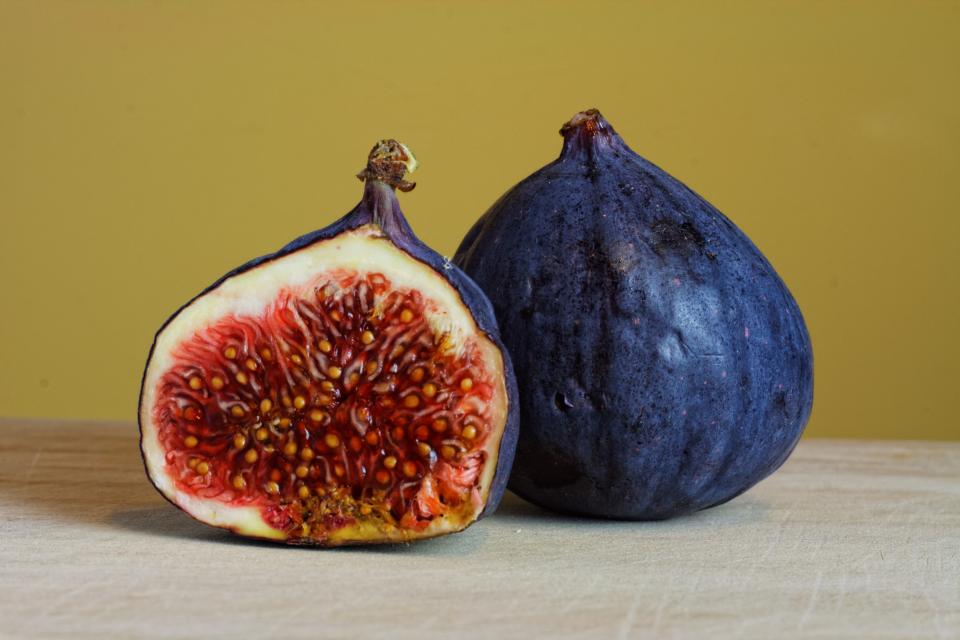

There’s something quietly strange about eating a fig. The fruit looks ordinary enough, soft and sweet, sitting on your kitchen counter. What you probably don’t know is that before that fig existed, a wasp the size of a sesame seed had to crawl inside it, lose its wings in the process, and die there. That’s not metaphor. That’s the actual story of how figs come to be.
This relationship between figs and their pollinators is one of the most tightly bound partnerships in all of nature. It’s been going on for tens of millions of years, and it still shapes entire tropical ecosystems today. Understanding it changes the way you look at a fig forever.
The Fig Is Not Actually a Fruit, Not in the Usual Sense
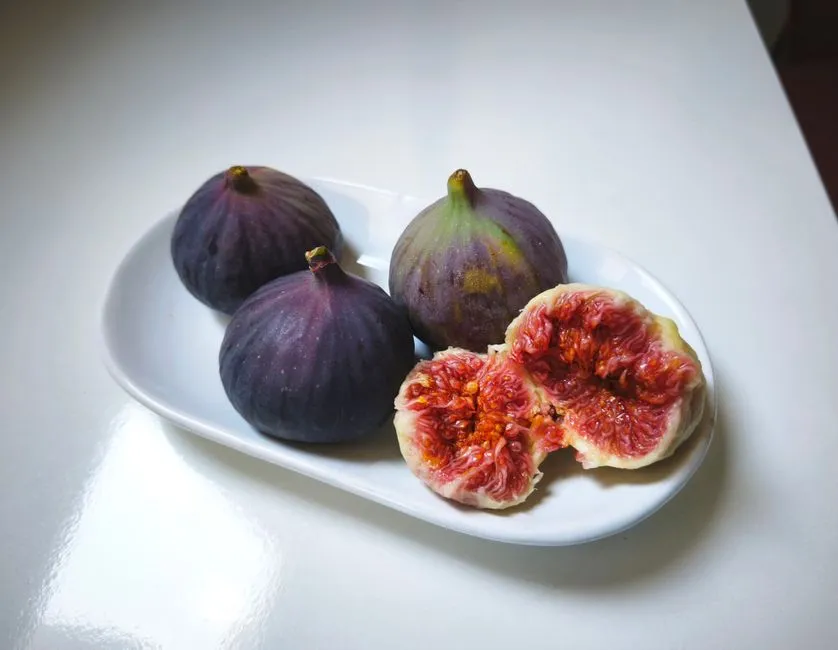
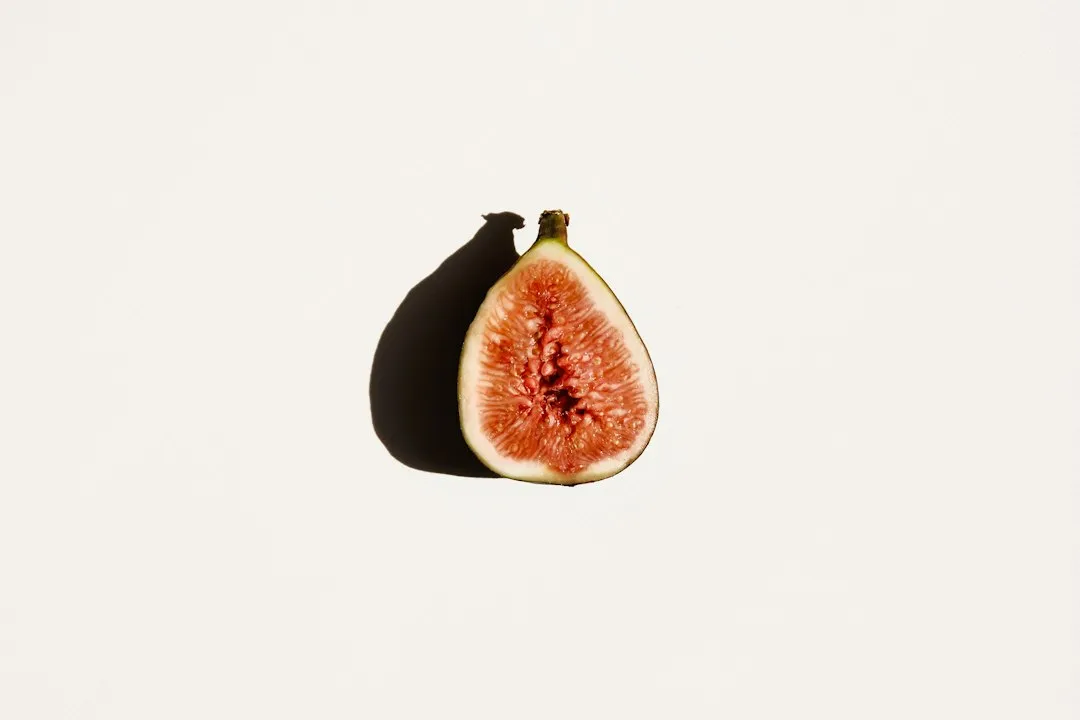
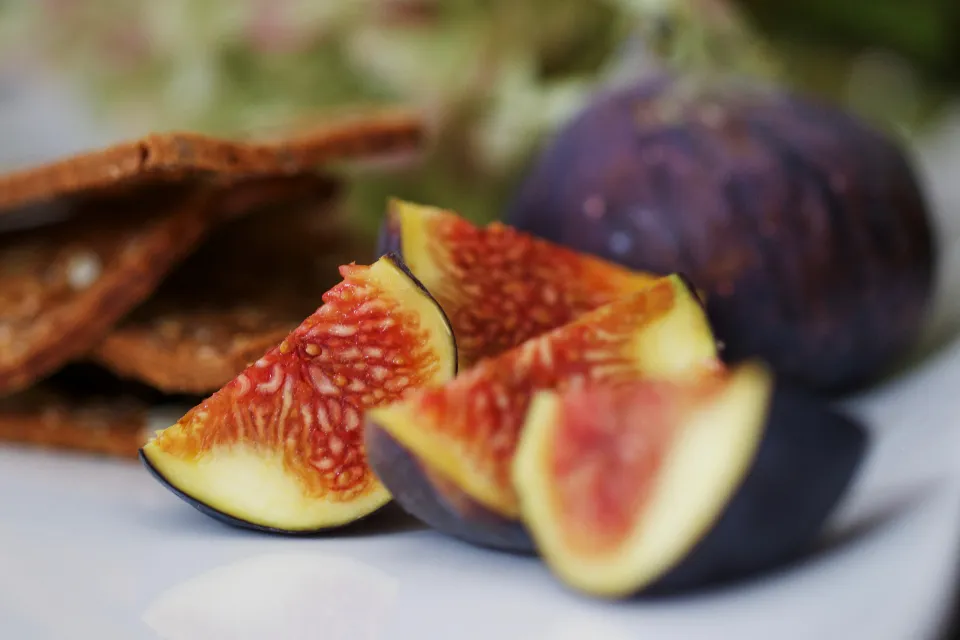
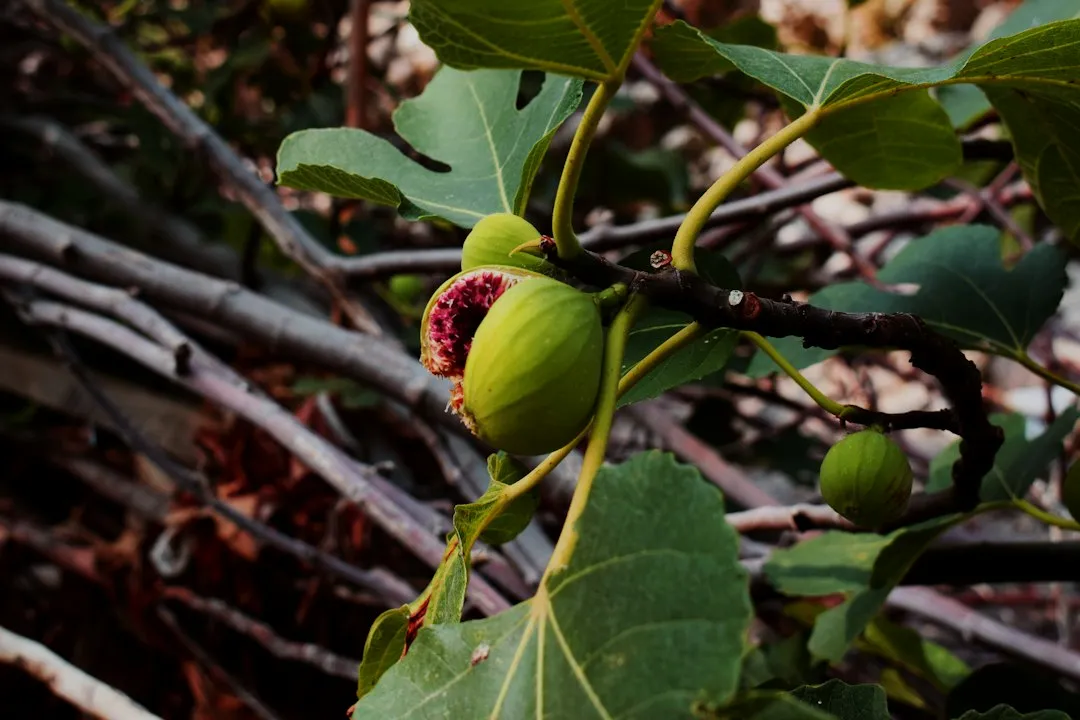
Fig trees have a unique, urn-shaped inflorescence called a syconium, which encloses numerous flowers internally. Think of it as an inside-out flower cluster, a hollow chamber lined with tiny blooms you will never see. Because the flowers are enclosed within the fig, they lack direct contact with the external environment, with the only connection provided by a narrow apical pore called the ostiole, sealed by tightly overlapping bracts.
This architecture creates a real problem: how do the flowers get pollinated if they’re sealed inside? The answer turns out to be a dedicated species of wasp, and only that wasp. No other pollinator can do this job.
One Wasp, One Fig: The Logic of Obligate Mutualism
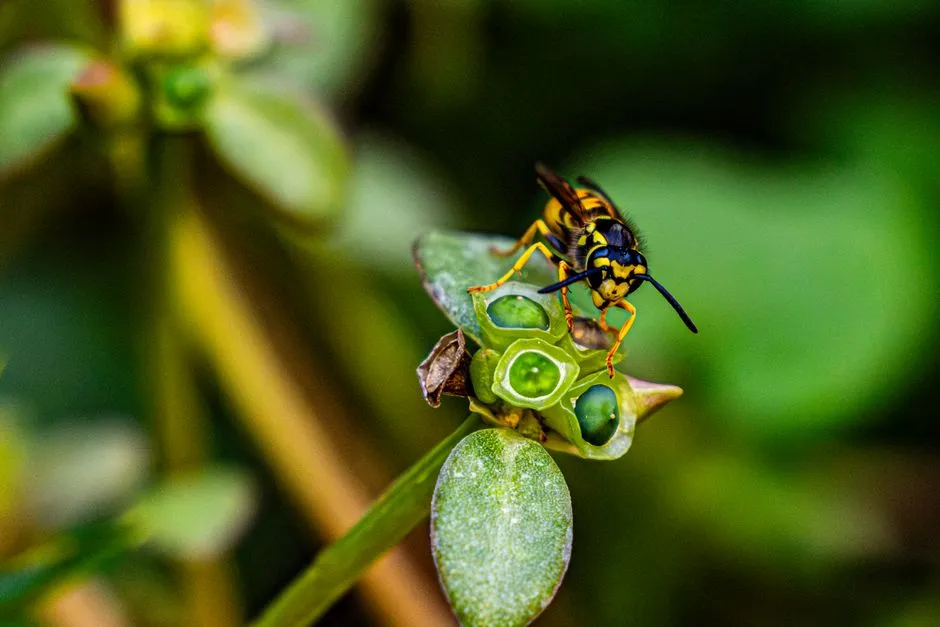
The fig and fig wasp interaction is an example of obligate mutualism. That word “obligate” carries real weight. It means neither party can survive or reproduce without the other. Each fig species is pollinated by a specific species of wasp, and no other insect can perform this function.
Each species of Ficus is associated with a single morphospecies of fig wasp. This is a remarkable degree of biological commitment. Over evolutionary time, both partners have become so specialized for each other that switching is simply not an option.
Meet Blastophaga Psenes, the Common Fig’s Dedicated Pollinator
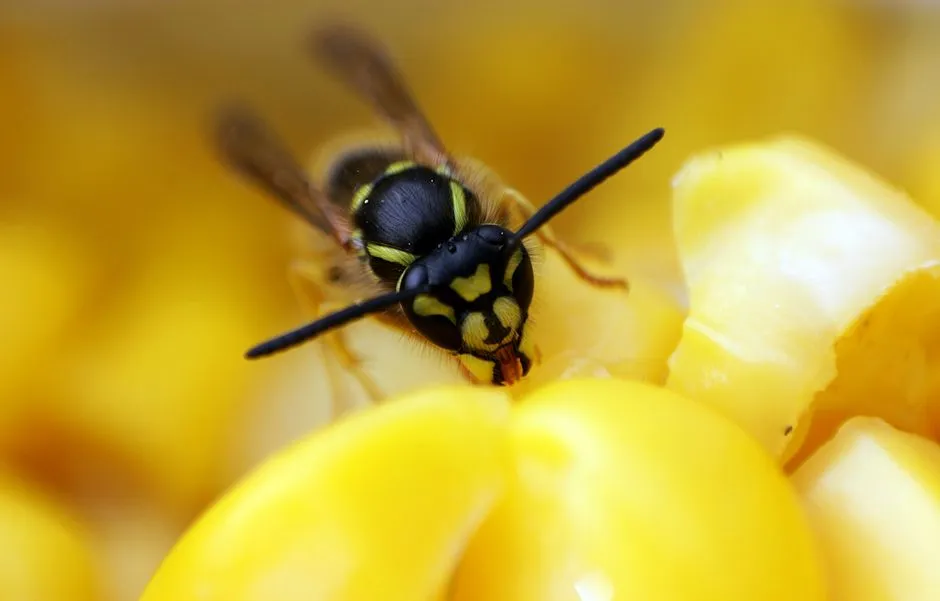
Blastophaga psenes is the dedicated pollinator for Ficus carica, the common edible fig. The life history of the caprifig is closely connected with that of this small wasp, which brings about cross-pollination. These wasps are approximately only 2 millimetres in length. The females are black and shiny, while the males are smaller. The males are wingless, whereas females have wings that are transparent and extremely thin.
The wasp is native to the Palaearctic, including Southern Europe near the Mediterranean Basin, and has been widely introduced to facilitate Ficus carica fruit bearing. Wherever commercial fig cultivation has spread around the world, this wasp has traveled with it. The two are inseparable in the most literal sense.
The Female Wasp’s Final Journey
The cycle begins when mated female wasps locate a receptive tree and enter the enclosed fig inflorescences. As the females search for oviposition sites, they pollinate the flowers. Usually the foundresses die inside the syconium, and then both their offspring and the seeds begin to develop.
When the female wasps enter the opening of a fig, their wings and antennae detach. Upon dissecting a fig, the wings of the wasps can be seen at the opening of the fig. It’s a one-way trip. She enters, pollinates, lays eggs if she can, and doesn’t come out. Adult female pollinating wasps are short-lived, and they have to find a receptive fig within one to two days of their emergence from their natal fig.
The Wasp Larvae Grow Up Inside the Fig
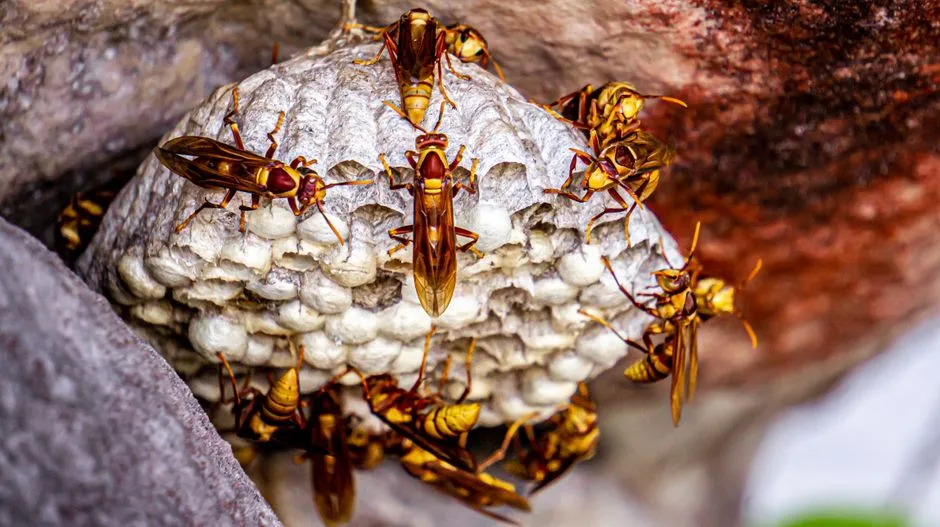
Adult Blastophaga psenes lay fertilized eggs in female flowers of the syconium of a fig. When the larvae hatch, they develop in the fig ovaries, creating a gall. The larvae become adults around the same time that male fig flowers are ready to produce pollen.
In about two months, the new generation of wasps hatches out and emerges from the fig having pollen grains throughout their body surfaces. The timing of larval development and male flower maturity is precisely synchronized. This is evolution working as a coordinated system, not a coincidence.
Active vs. Passive Pollination: Two Strategies Within the Same System
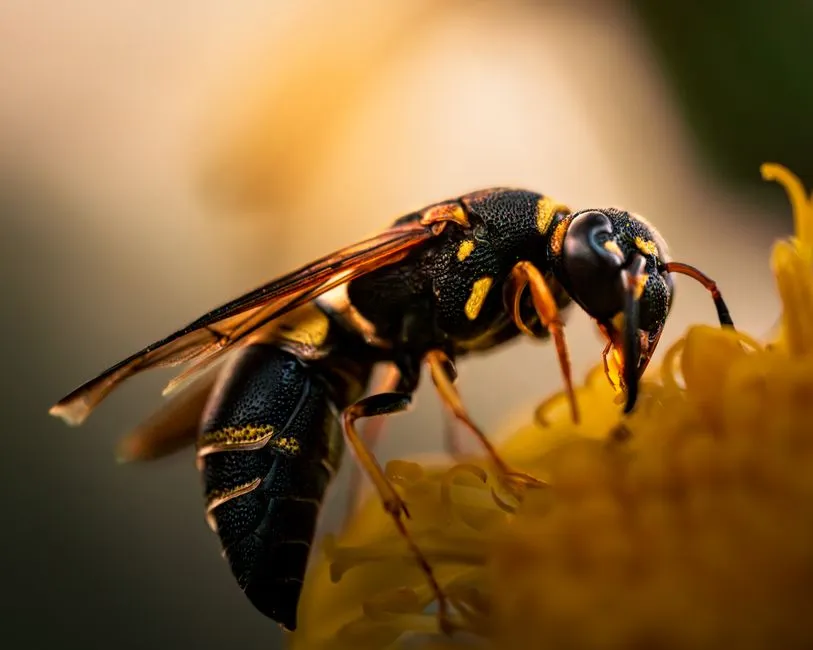
In active pollination, wasps become skilled pollen gatherers, using specialised structures to collect and transport pollen from one fig to another. This intentional process involves wasps deliberately collecting and depositing pollen. In passive pollination, a wasp flits about inside a fig and unwittingly picks up pollen, depositing it at other flowers without even trying.
It has been estimated that two-thirds of Ficus species undergo active pollination, in which wasps collect pollen directly from the anthers, transport it in their pollen pockets and coxal combs, and locate a syconium in the same tree crown or in another individual in female phase. The remaining third rely on that more accidental, passive approach. Both work, but through very different anatomical means.
The Fig Keeps the Wasp Honest
The relationship isn’t entirely harmonious. Wasps benefit most when they lay as many eggs as possible, but the fig benefits when more flowers become seeds rather than wasp nurseries. This creates a genuine conflict of interest baked into an otherwise cooperative bond.
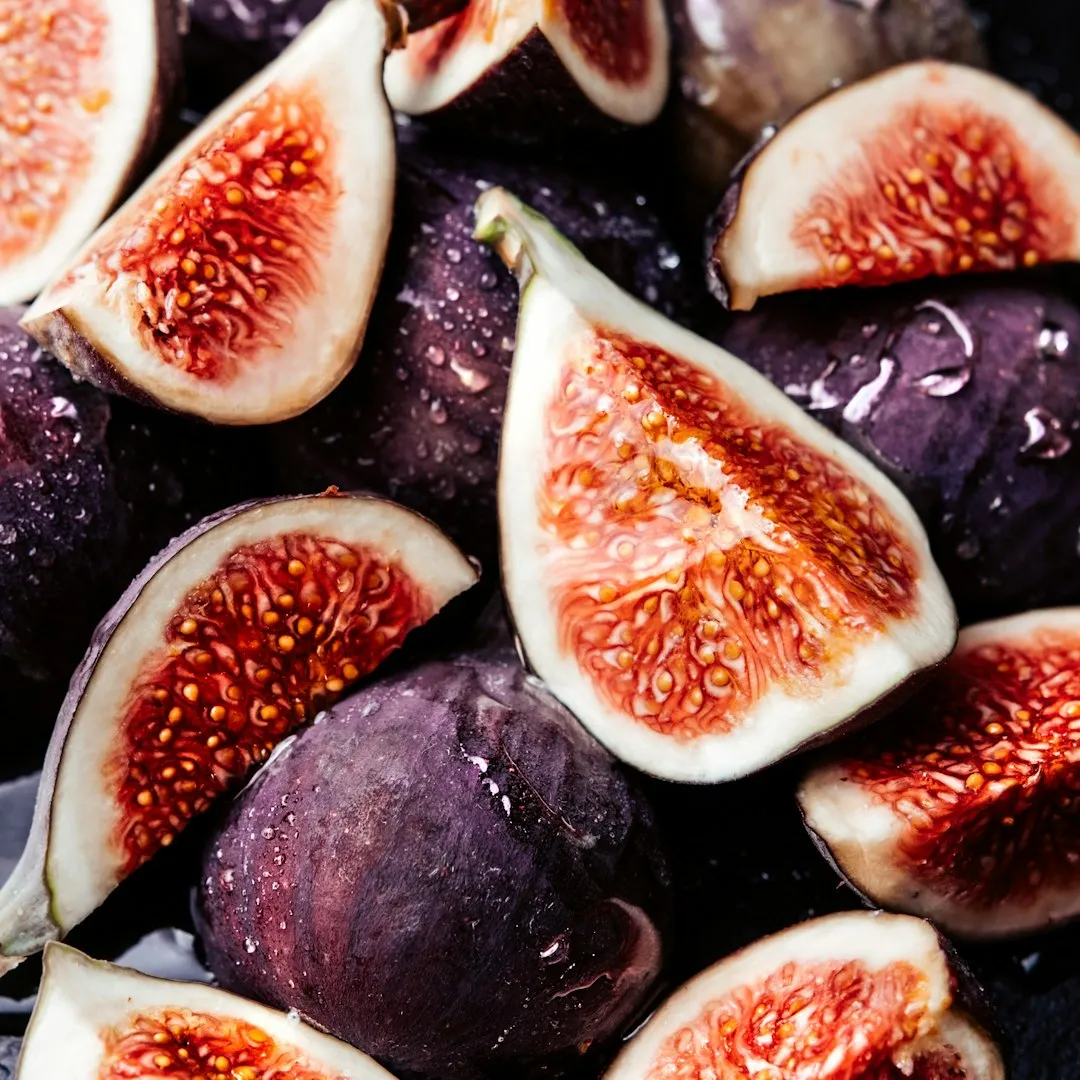
Although pollination enables seed production, wasp symbionts also oviposit into flowers, replacing potential seeds with wasp offspring. Consistently across Ficus, roughly forty to sixty percent of developed flowers produce seeds. In some cases, wasps try to lay their eggs without pollinating the fig flowers. In such cases, the fig tree will often prematurely drop the fig to “punish” the cheater wasp. The tree, in effect, enforces the deal.
An Ancient Co-Evolutionary Partnership
It has been proposed that the diversification of this mutualism has occurred through strict-sense coadaptation and cospeciation between pairs of fig and wasp species that are associated in highly specific one-to-one relationships. This process has unfolded over geological timescales. Codiversification with specialized pollinating wasps is recognized as a major engine of fig diversity, leading to about 850 species.
Molecular data show that fig-pollinating wasps form a clearly monophyletic group within the Chalcidoidea, separate from other fig wasps, supporting the idea that the pollination syndrome evolved only once during the evolution of the mutualism. One origin, hundreds of outcomes. That single evolutionary innovation spread into the astonishing diversity of fig species we see today.
Figs as Keystones of Tropical Ecosystems
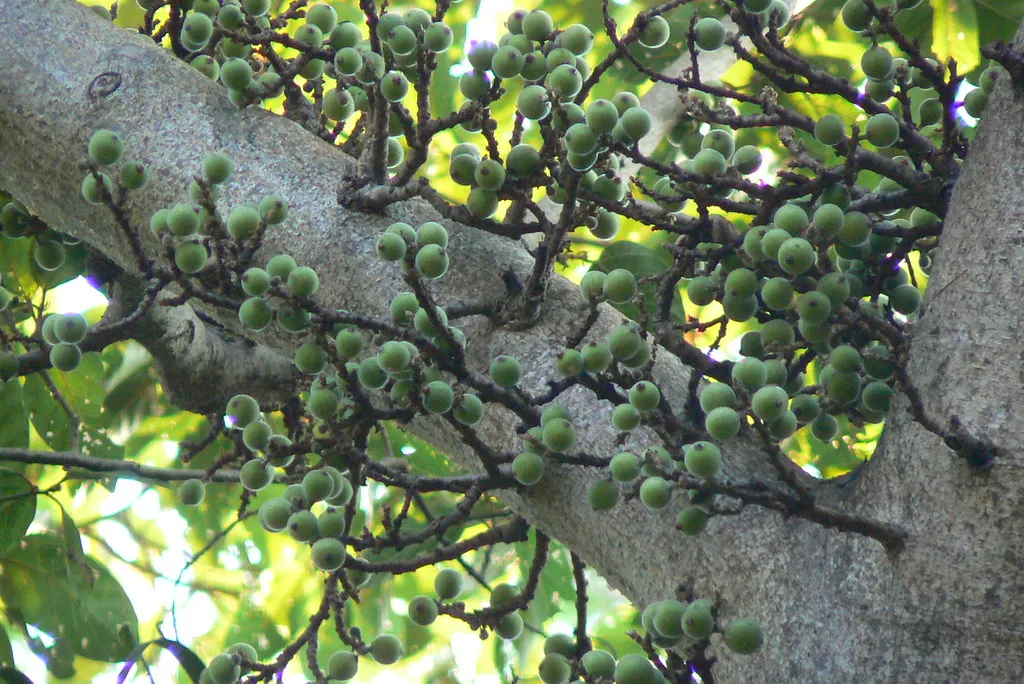
The influence of Ficus extends beyond its numbers of 887 species, and fig trees are often keystone species in their habitats. Ficus fills many tropical forest niches. In a global network of large-scale tree plots in the tropics, Ficus is the only genus recorded in every one of 18 plots across 14 countries.
A study revealed that globally, roughly 1,300 bird and mammal species consume figs, sustaining more wildlife than any other known fruit. Because of the critical role figs play in maintaining wildlife populations and supporting ecosystems, the plant is known as a keystone species. Remove the wasp, and you don’t just lose the fig. You pull on a thread that runs through the entire web of tropical life.
The Fig’s Hidden Architecture That Supports the Wasp Offspring
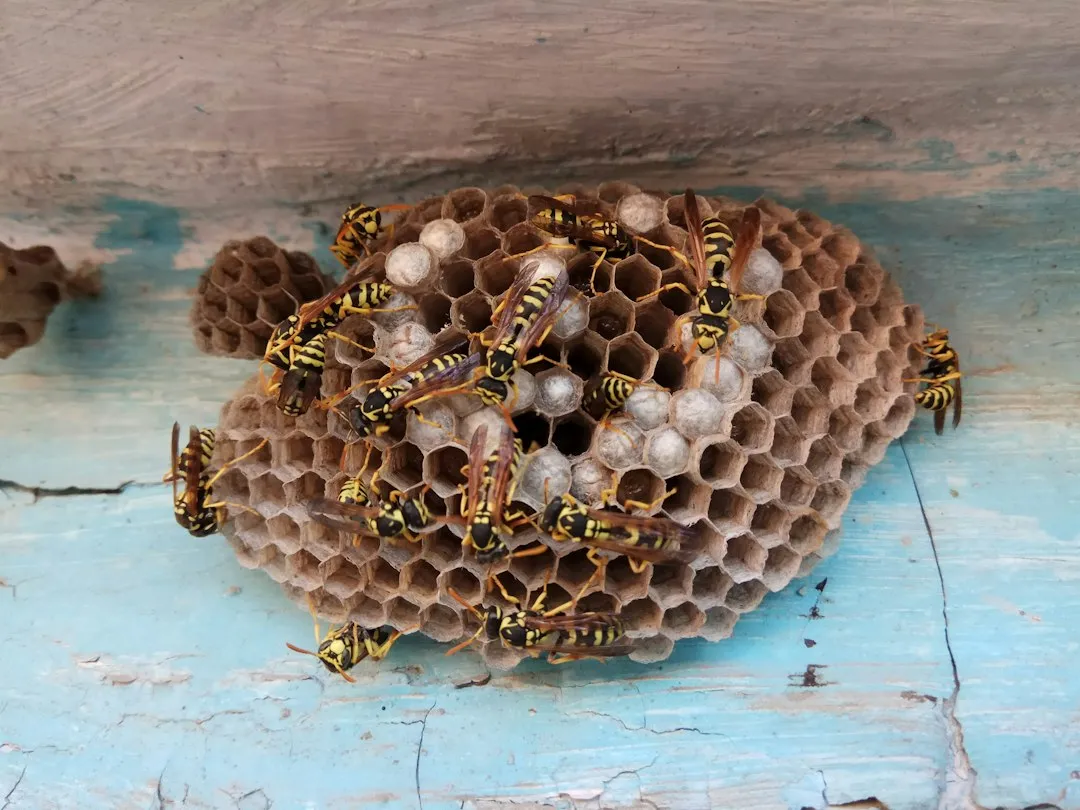
Fig trees and their pollinating wasps are engaged in a brood-site pollination mutualism that exemplifies adaptive specializations. A 2025 study investigated the morphological and ecological roles of maculae, distinct pigmented regions on the fig surface, in the mutualistic interaction between Ficus citrifolia and fig wasps.
Research suggests that fig maculae are multifunctional structures, simultaneously performing the roles of extrafloral nectaries, gas exchange, and thermal regulation, which are crucial for maintaining suitable internal conditions for wasp larval development. The fig, in other words, doesn’t just house the wasp. It actively maintains the right internal environment for wasp larvae to survive. The architecture of the fig is, at least in part, built around the needs of its pollinator.
A Relationship That Rewrote Evolutionary Thinking
Ficus has been described as a keystone genus of tropical forests, a partner in a celebrated pollination mutualism, a shade tree to the Buddha during his enlightenment, the Egyptian tree of life, one of the Seven Species of the Hebrew Bible, and the namesake of a sura in the Qur’an, giving it few peers in its combination of ecological and cultural importance.
The past 15 years have witnessed an explosion of research on Ficus and its obligate mutualists, and long-standing ideas have been challenged while pathways to speciation have been explored. The more closely researchers look, the more layered this relationship turns out to be. What once seemed like a simple exchange between a tree and a wasp keeps revealing new dimensions of complexity.
The Takeaway
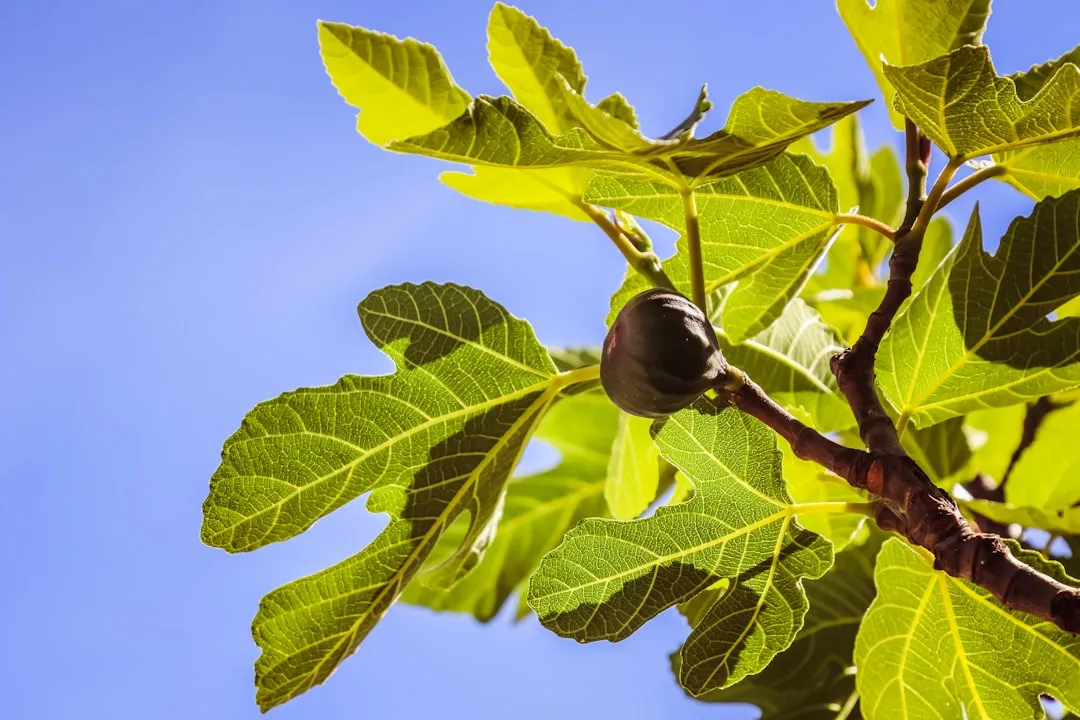
Every fig on your plate carries the trace of something extraordinary. A microscopic wasp crawled inside it, lost her wings, pollinated flowers in the dark, and gave her life to the process. That’s not a dramatic flourish. It’s simply what had to happen.
The fig-wasp relationship is a reminder that some of the most consequential processes in nature happen at scales we can barely see, in places we’d never think to look. The next time you bite into a fig, you’re tasting around seventy million years of co-evolution. That’s a lot of history in a very small fruit.
AI Disclaimer: This article was created with the assistance of AI tools and reviewed by a human editor.