
Somewhere in almost every home, tucked behind the everyday plates and mismatched mugs, sits a perfect set of dishes. They’re carefully stacked, lightly dusty, and completely untouched. They wait for a special occasion that never quite arrives.
This is one of those quiet, universal household habits that rarely gets examined. The “good dishes” phenomenon is actually a window into how families think about identity, memory, belonging, and what it means to treat something as precious. The answers are more interesting than you’d expect.
The Numbers Behind the Unused Cabinet
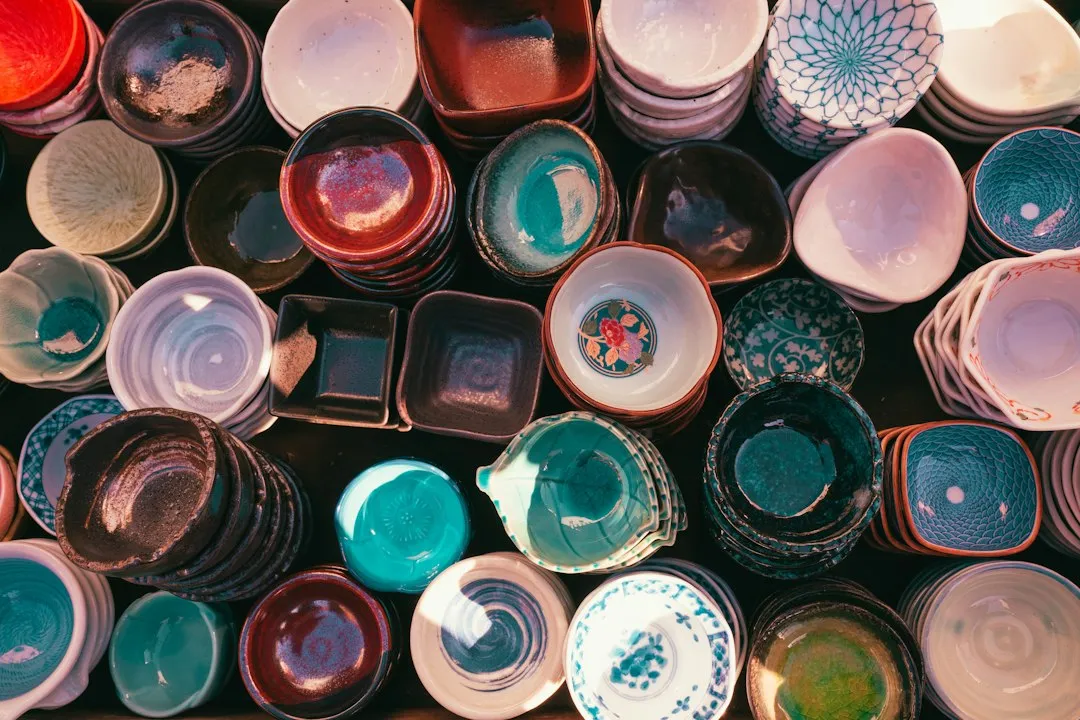
Roughly seven in ten American households own multiple ceramic dinnerware sets, which means most families aren’t just keeping one set for daily use. They’re maintaining at least two, sometimes more. A Strategic Insights Survey found that among consumers shopping for dinnerware, the overwhelming majority were looking for casual options, while only about one in five showed interest in formal dinnerware or fine china.
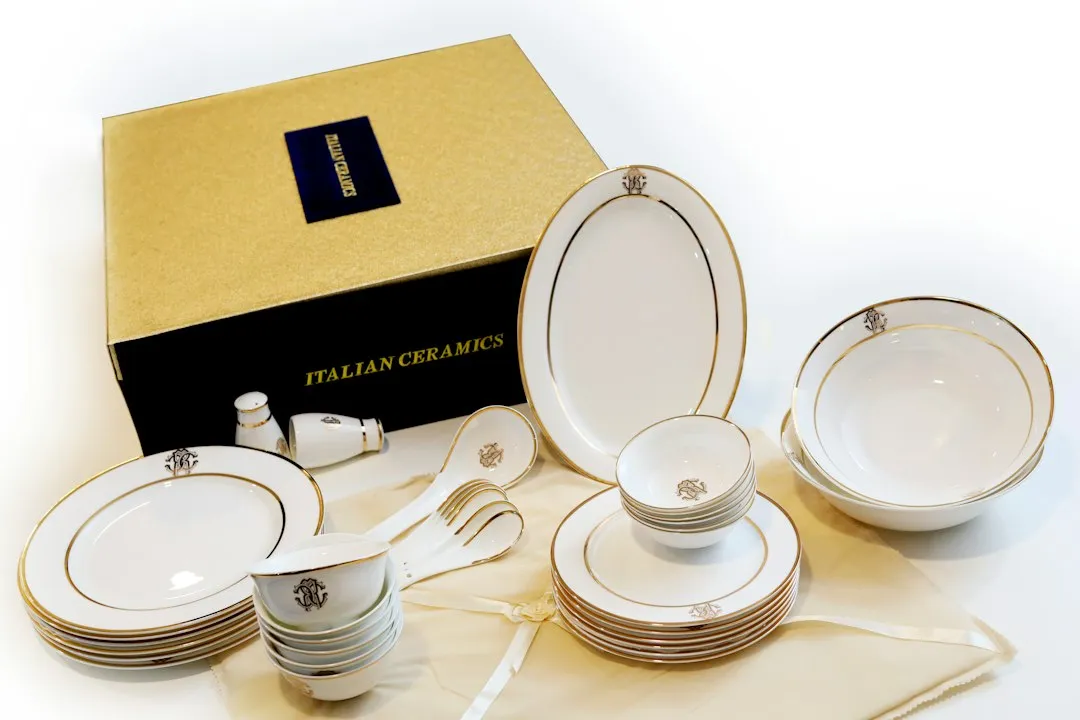
That gap tells a story on its own. Formal dishes are still being bought, still being gifted, still taking up cabinet space. They’re just not being used. Roughly more than half of premium household buyers select bone china specifically for formal dining occasions and decorative collections, which suggests that for many people, the purchase itself is the point, not the plate at the dinner table.
The Wedding Registry Effect

Over seven in ten newlyweds in the U.S. and Europe included luxury tableware in their wedding registries in 2024. That’s a staggering figure. Couples specifically request formal dinnerware as a gift, receive it in full, and then proceed to never use it in any meaningful way.
The registry ritual has a logic to it, though. It reflects aspirational domesticity: the idea that having a formal set means being the kind of household that hosts beautiful dinners. The reality of busy modern life often makes that aspiration a permanent deferral rather than a future plan. The dishes arrive. The ideal dinner party does not.
Inheritance and the Weight of Family History
An inherited object can represent continuity between generations, making the decision to part with it feel more significant than its practical value alone would suggest. Researchers describe this as a heritage connection. A dinner set from a grandmother carries a kind of relational weight that an ordinary plate simply doesn’t have.
Research published in the Journal of the Association for Consumer Research examined how people decide to give away possessions connected to their family’s past. A dinner set inherited from a grandparent may have little practical value to someone who rarely hosts guests. Yet giving it away feels like a betrayal. So it stays in the cabinet, where it technically still exists in the family, still intact, still a set.
Loss Aversion: Why Letting Go Feels Wrong
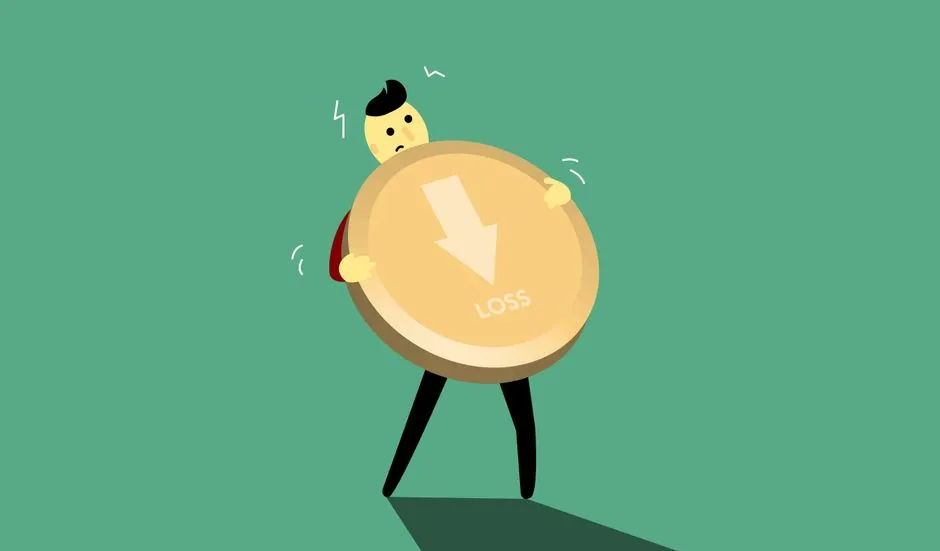
In behavioral economics, people often exhibit a strong or irrational attachment to possessions through what’s called the endowment effect. Research commonly suggests this reflects a larger underlying decision bias called loss aversion, the tendency to weigh losses more heavily than gains. Applied to dishes, this means the pain of imagining something beautiful broken or discarded outweighs the mild inconvenience of never using it.
Both endowment and hoarding-adjacent processes share a powerful resistance to letting go of a possessed item, even at a cost, which has been commonly associated with negative states like fear or loss aversion. This isn’t pathological in most households. It’s just deeply human. The dishes feel like a small insurance policy against future regret.
The “Special Occasion” That Never Comes
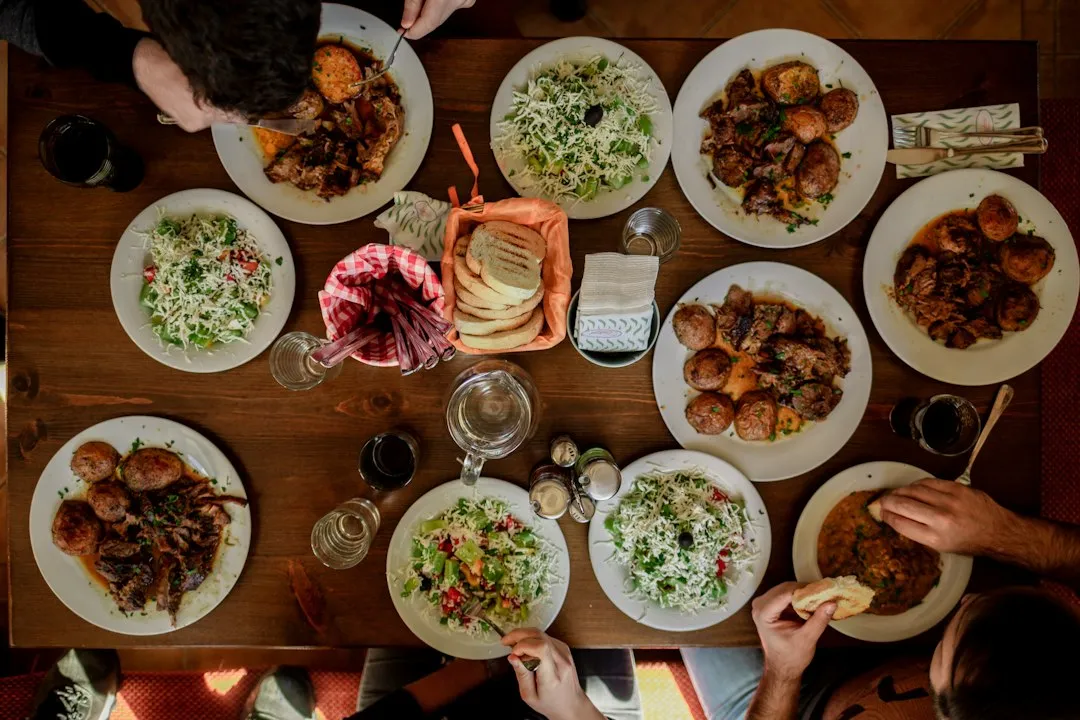
Every family that owns a good set of dishes has a mental list of occasions worthy enough to bring them out. Christmas, maybe. Easter. A milestone anniversary. Someone important visiting. The problem is that the threshold keeps quietly rising, and the dishes keep quietly waiting. What counts as special enough drifts upward over years until nothing actually qualifies.
Contemporary families are still judging themselves against depictions of an idealized family meal that likely never really existed. The formal dinner with the good dishes is part of that idealized picture. Keeping the dishes ready feels like keeping the possibility alive, even when no such dinner is actually being planned.
Saving as a Form of Respect
According to research published in the Journal of Consumer Psychology, the things people struggle most to part with are often tied to self-worth, with findings showing that people struggle most to part with possessions that lack monetary or functional value. That category fits formal dinnerware almost perfectly. It’s beautiful, it’s fragile, and it’s rarely earning its shelf space in any practical sense.
Saving something nice for later carries a quiet moral dimension in many families. Using the good dishes on an ordinary Tuesday can feel almost disrespectful, as though the occasion doesn’t deserve them. Tossing or mishandling an item received as a gift can feel like being disloyal to the person who gave it. The same logic applies to using an heirloom set carelessly. Better to keep it safe than to risk chipping something irreplaceable.
The Casual Dining Shift
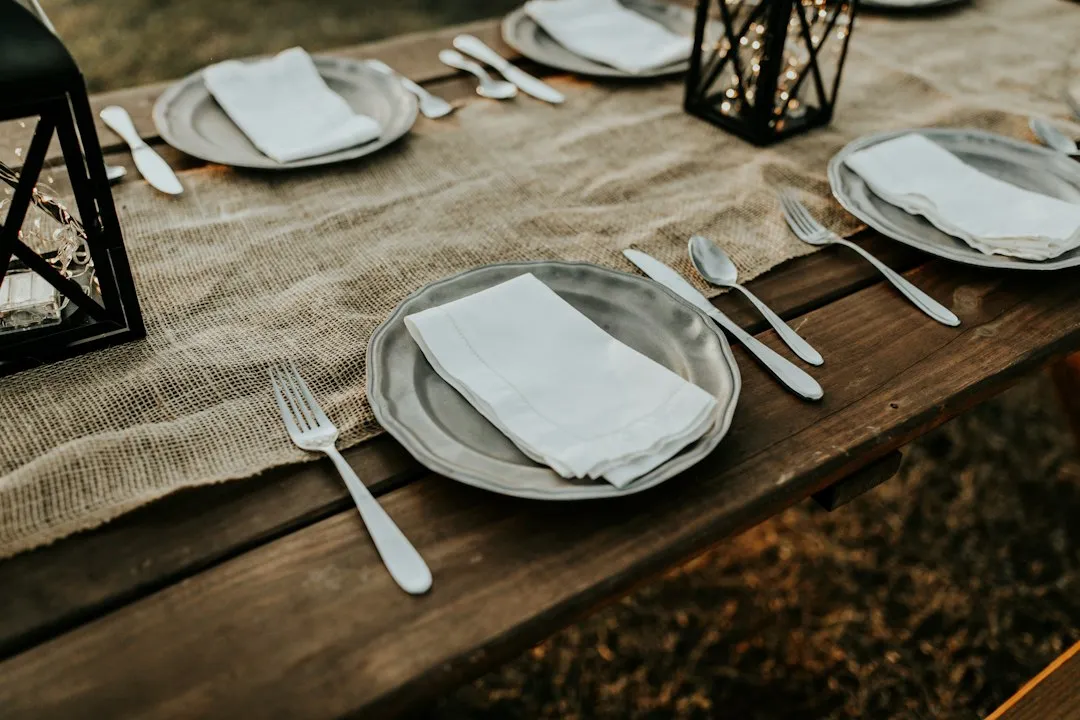
Roughly eight in ten consumers describe their home decorating style as “casual comfort.” That cultural drift toward informality has quietly made the whole concept of formal dinnerware feel slightly awkward in modern homes. The table settings of a previous generation belong to a kind of domestic formality that most households have moved away from without ever consciously deciding to.
According to a 2024 Gift Book Consumer Survey, the vast majority of respondents indicated that their dinnerware and tableware style could be described as casual and comfortable during gatherings and meals. Formal dishes are bought and inherited from an older cultural moment, one where the distinction between everyday and ceremonial mattered. That moment hasn’t quite gone away, but it has receded significantly.
Scarcity Memory and the “Good Things” Mentality

Possessions can represent money, effort, security, family values, and memories. Someone who grew up being taught that wasting or misusing things was unacceptable may carry that rule well into adulthood. For families shaped by scarcity, using the best dishes on an ordinary night would have felt genuinely wasteful. That instinct persists long after the economic conditions that created it have changed.
Several psychological concepts help explain this behavior, including loss aversion, the endowment effect, and social learning. None of these ideas can fully explain every person who avoids using their best possessions, but together they show why a seemingly ordinary household decision can have a deeper background. The dishes in the cabinet aren’t just dishes. They’re a preserved value system, still operational.
The Identity Stored in Porcelain
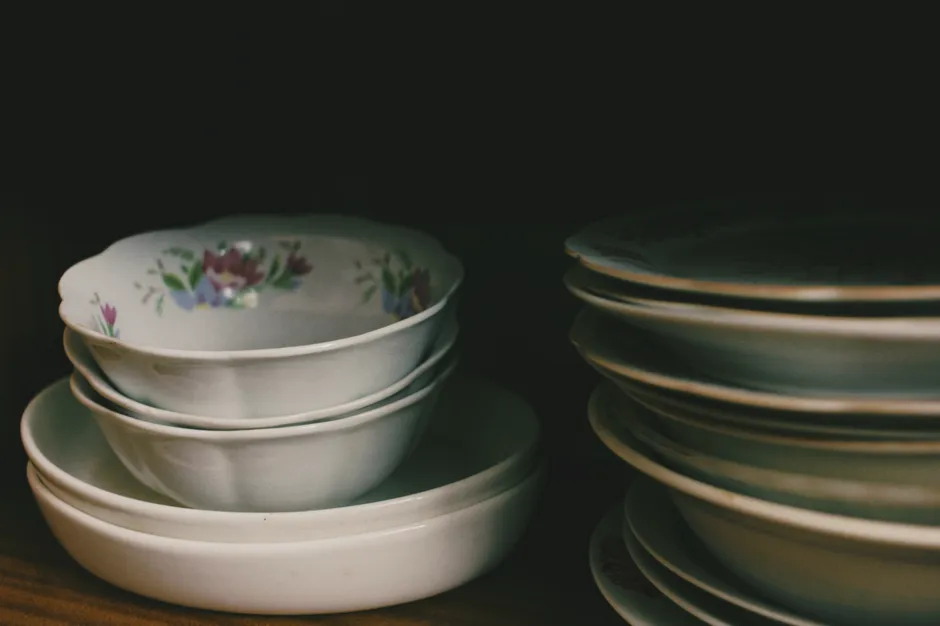
Research from Ohio State University’s Fisher College of Business found that people are more willing to give up possessions if offered a way to keep the memory and the identity associated with that memory. That finding explains, indirectly, why formal dishes are so hard to use freely. Using them risks damaging the identity stored in them, not just the porcelain itself.
A family’s good dishes often represent who they aspire to be: gracious hosts, people with standards, inheritors of something worth preserving. Research has linked endowment processes to emotional attachments, with marketing research referring to product attachment as an emotional bond with a product that feels special and significant, and leads to protection and care. The best dishes get protected because they carry more meaning than their function ever required.
What Happens When Families Finally Use Them
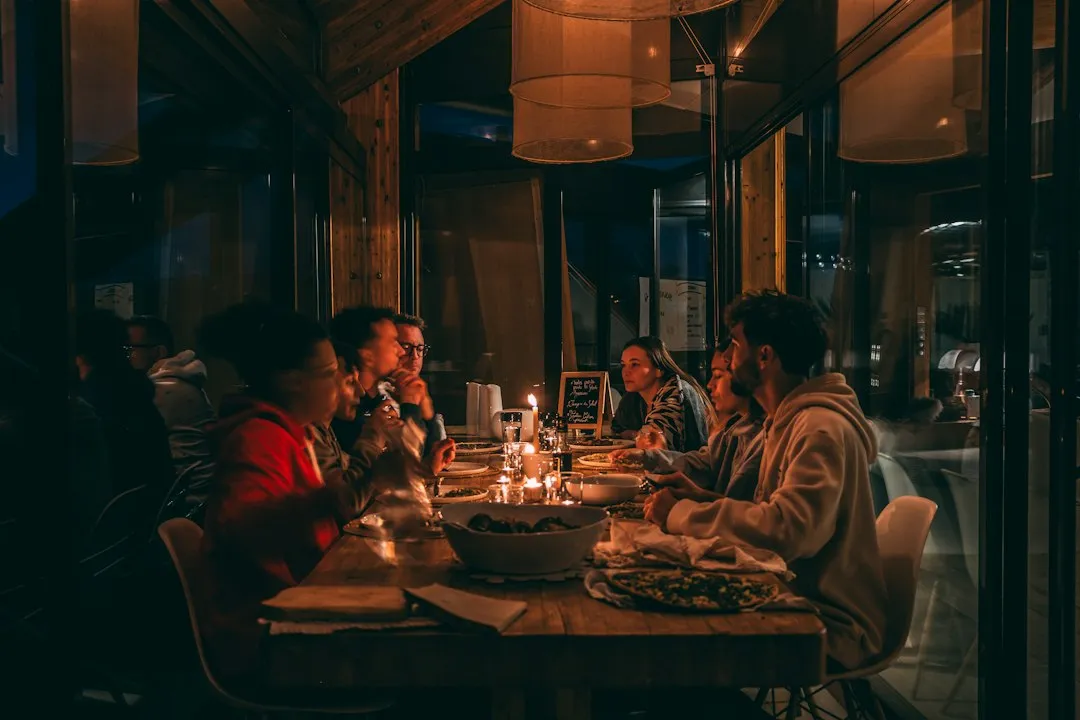
Research highlights shared cooking and dining practices as effective interventions for enhancing family well-being, expanding understanding of how family dynamics and shared culinary activities contribute to emotional resilience and life satisfaction. There’s something to be said, then, for actually putting the good dishes on the table. The symbolic act of treating an ordinary meal as worthy of the best things you own carries real emotional weight.
When families do bring out the formal set, the experience is often more memorable than the occasion that finally justified it. The dishes create the atmosphere rather than simply responding to it. That reversal of logic is worth noticing. Research suggests that people may be more willing to let an object’s story continue in some meaningful form, and there’s no better continuation than actually using it at the table, shared with people who matter.
The Takeaway
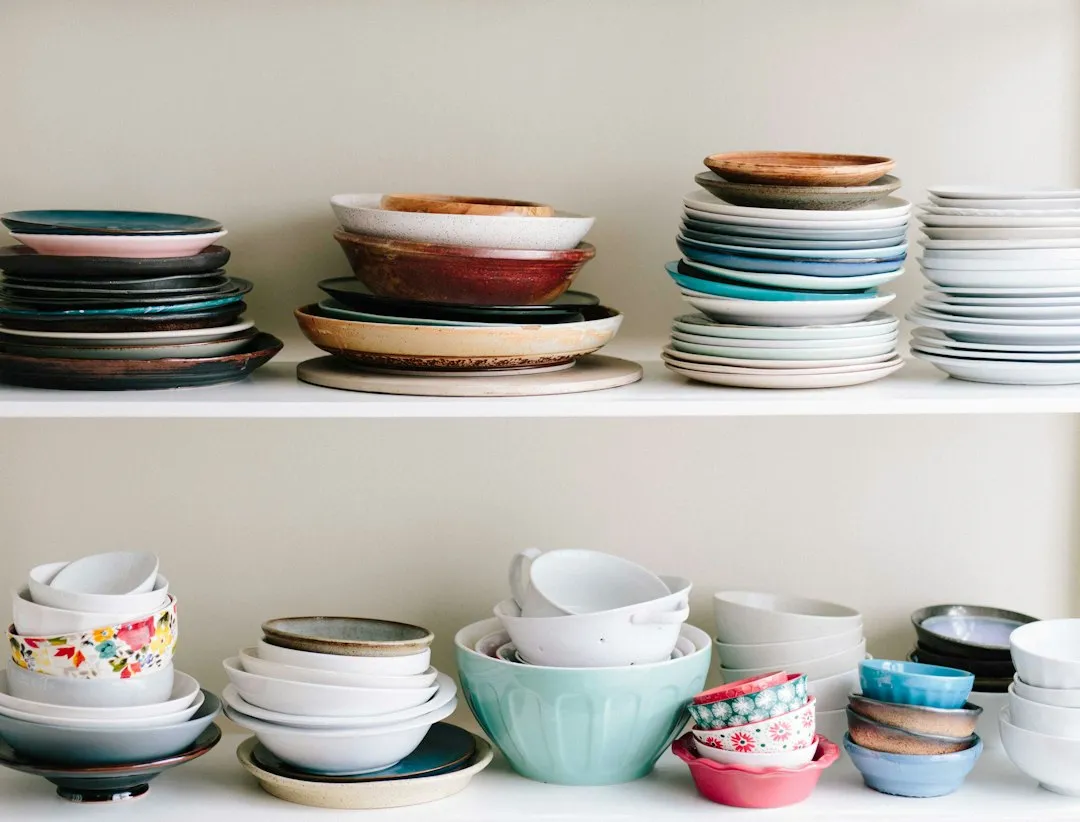
The “good dishes” sitting in their cabinet aren’t a quirk or a failure of practicality. They’re a physical record of how families hold onto aspiration, identity, inheritance, and care. Every layer of reasoning behind keeping them unused, the fear of breaking something irreplaceable, the deference to past generations, the belief that a truly worthy occasion is still coming, reflects something genuinely human about how people relate to meaningful objects.
The dishes will probably stay in the cabinet for most families. That’s fine. What matters is understanding that they’re not really about entertaining. They’re about the story a family tells itself about who it is and what it values. Sometimes the most revealing objects in a home are the ones that never get touched.
AI Disclaimer: This article was created with the assistance of AI tools and reviewed by a human editor.