
You step outside in early spring, coffee in hand, and notice one side of your arborvitae or juniper looks scorched and brown while the other half seems perfectly fine. It’s one of those things that can feel alarming, especially when the rest of the yard is waking up green. The good news is that this pattern almost always has a clear, explainable cause.
Spotting a wall of brown on one side of an otherwise healthy-looking evergreen is one of the most common calls Wisconsin Extension offices field every spring. Understanding why it happens on only one side is the key to figuring out how to help your tree recover.
The Core Problem: Winter Burn
The culprit usually isn’t cold itself but winter burn – the slow drying-out of evergreen foliage by winter sun and wind while the frozen ground keeps the roots from replacing that lost moisture.
Winter burn is the drying, browning, wilting, or discoloration of evergreen foliage that occurs during winter. It’s most noticeable on broadleaf evergreens like boxwood, laurels, euonymus, aucuba, nandina, and magnolia, but it can also affect needle and scale evergreens such as arborvitae, cypress, and juniper.
As the name suggests, winter burn is not caused by any living organism, so it is considered an abiotic disorder. That means no pest or disease is to blame. It’s purely a physiological response to environmental stress.
Why Only One Side Gets Hit
Browning on just one side of an evergreen often points to an environmental cause rather than a tree-wide health problem. Salt spray, prevailing winds, intense afternoon sun, or damage from nearby construction can all affect one side more than the other.
The browning almost always appears on the side that faced the most sun, wind, or open exposure through winter, typically the south, southwest, west, or windward face of the plant.
This typically shows up on the windward, sun-exposed side of the plant and is not uniformly spaced around the plant. The sheltered side stays green because it simply never faced the same intensity of wind, sunlight, or moisture loss.
Transpiration Doesn’t Stop in Winter
Evergreen foliage never fully shuts down the way deciduous leaves do. Even in January, arborvitae, junipers, yews, boxwoods, spruces, and firs lose small amounts of water through their needles or leaves through a process called transpiration.
It wasn’t a bad winter as far as humans are concerned, but evergreen plants that were exposed to winter sun and winds got desiccated on those many sunny winter days. Green leaves and needles rapidly lost water through transpiration but could not refill their tissues by taking up water from frozen soil.
When air temperatures increase in March, evergreen needles will start to transpire or lose water. Since their roots are ice-bound, they cannot take in water and replace what is lost through the needles. This moisture loss causes the foliage to turn brown.
The South and Southwest Sides Bear the Brunt
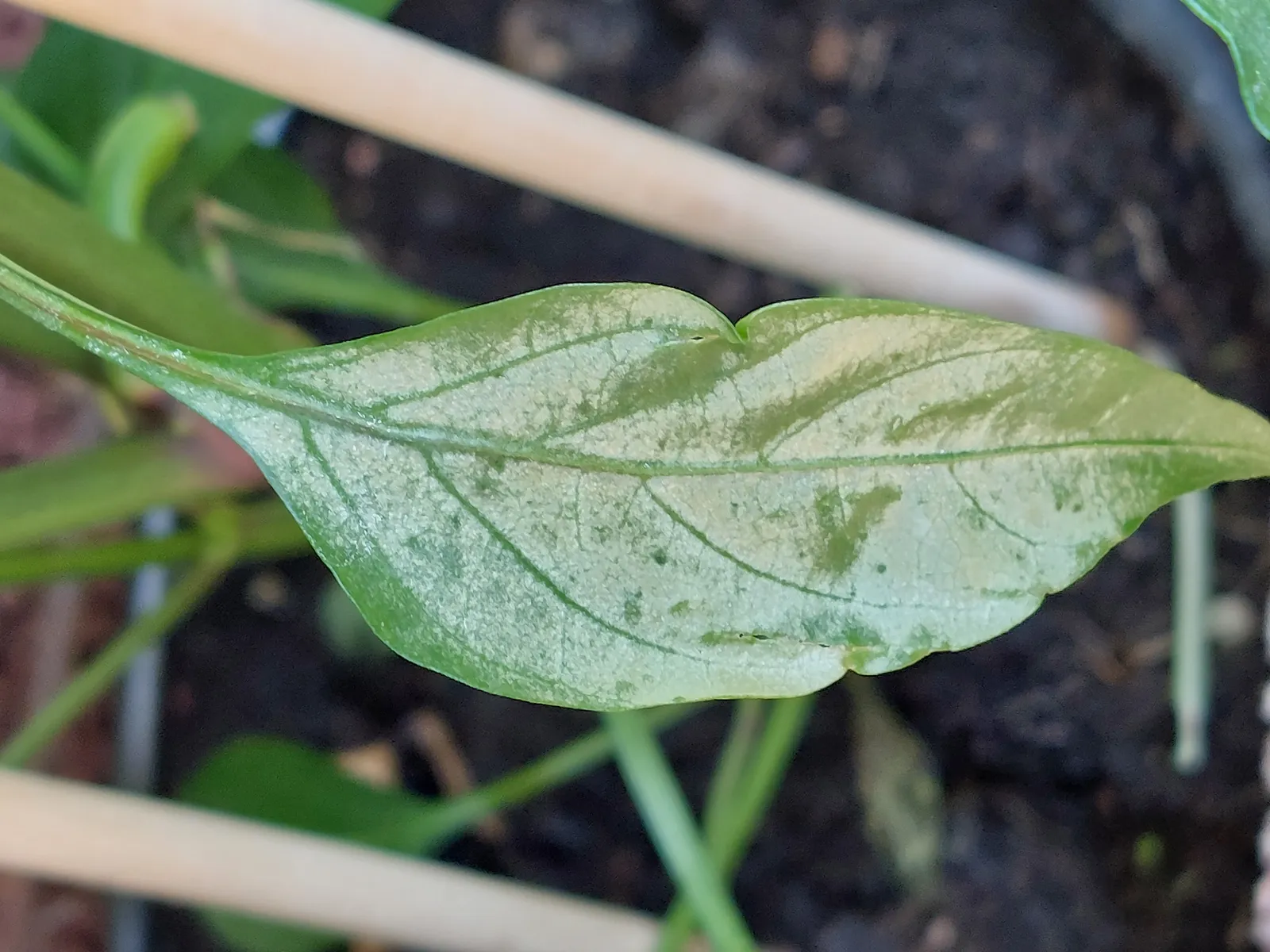
Symptoms of winter burn include sections of uniform browning on the plant canopy, especially on foliage on the south, southwest, or west of the plant.
That intense sunlight reflects off of the snow-covered ground and causes the winter burn, much like a skier may experience sunburn on their face when skiing during late spring. The majority of the winter burn on plants is predominantly on the south side, as that is the side that experiences the more intense mid-day sunlight.
Some or all of the foliage may be affected, with areas on the sunny side most severely damaged. This is because the sun’s rays intensify the photosynthetic activity and cause more water loss.
Wind Damage: The One-Sided Scorch You Can See
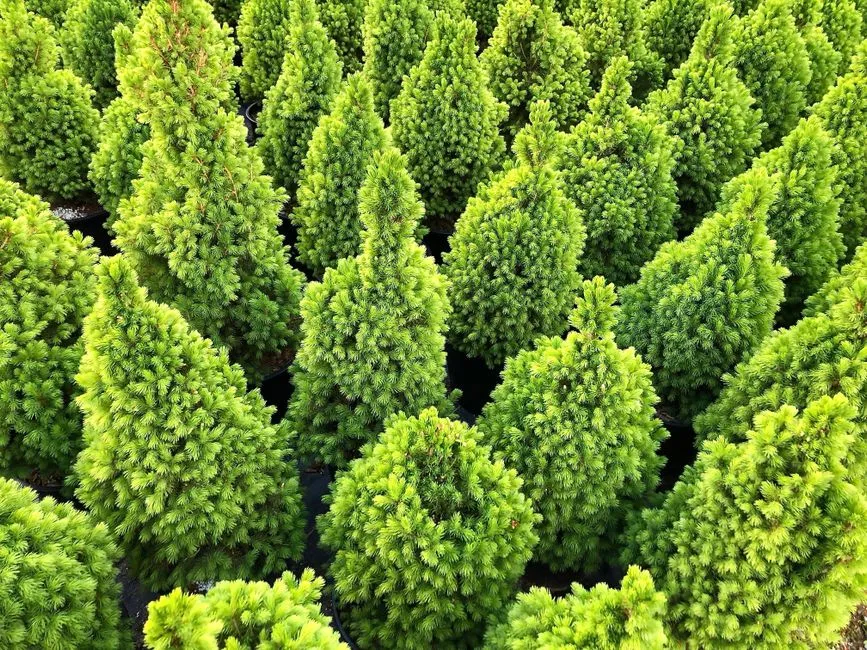
This happens when cold winter winds blow past evergreens and pull moisture out of the leaves at a more rapid rate than the plant can replace the moisture.
Strong winds cause browning on the side of the tree facing the wind. About one third to one half of the needle turns brown. Symptoms will often not show until spring or midsummer.
Strong winds may cause water stress to exposed needles, so evergreen browning tends to occur in the areas most exposed to the southwest. If your evergreen sits on a corner lot or in an open yard with no windbreak, this is worth keeping in mind.
Road Salt: A Sneaky Culprit
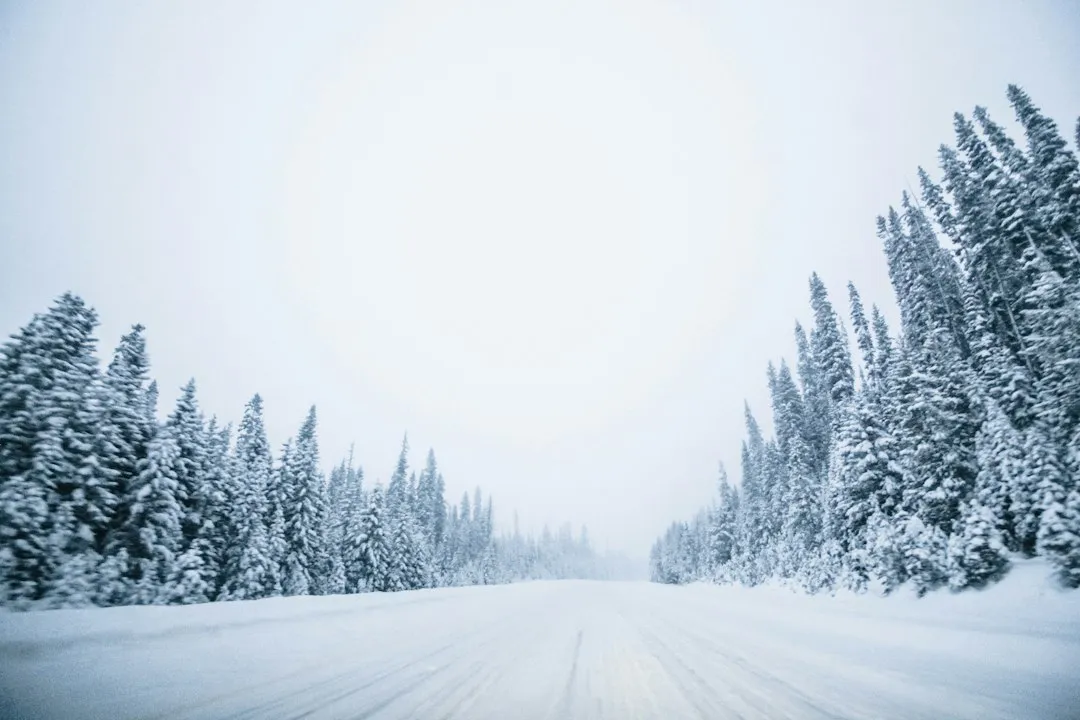
Another cause for winter damage, especially on needle-bearing evergreens, is from road salts. This type of winter injury can look similar to wind exposure, beginning with brown needle tips and progressing to entirely dead branches. It can be the result of salt spray from traffic or the infiltration of salt-laden runoff into the soil profile.
This browning can occur on evergreens that are close to sidewalks and roadways where de-icing salt may have been splashed on the plant. Since salt draws water from plant tissue, this salt spray can cause winter burn in evergreens. This again will appear on only the side of the tree closest to the sidewalk or street.
If the brown side faces a road, driveway, or sidewalk that gets deiced through winter, road salt deserves serious consideration.
Temperature Swings Make Things Worse
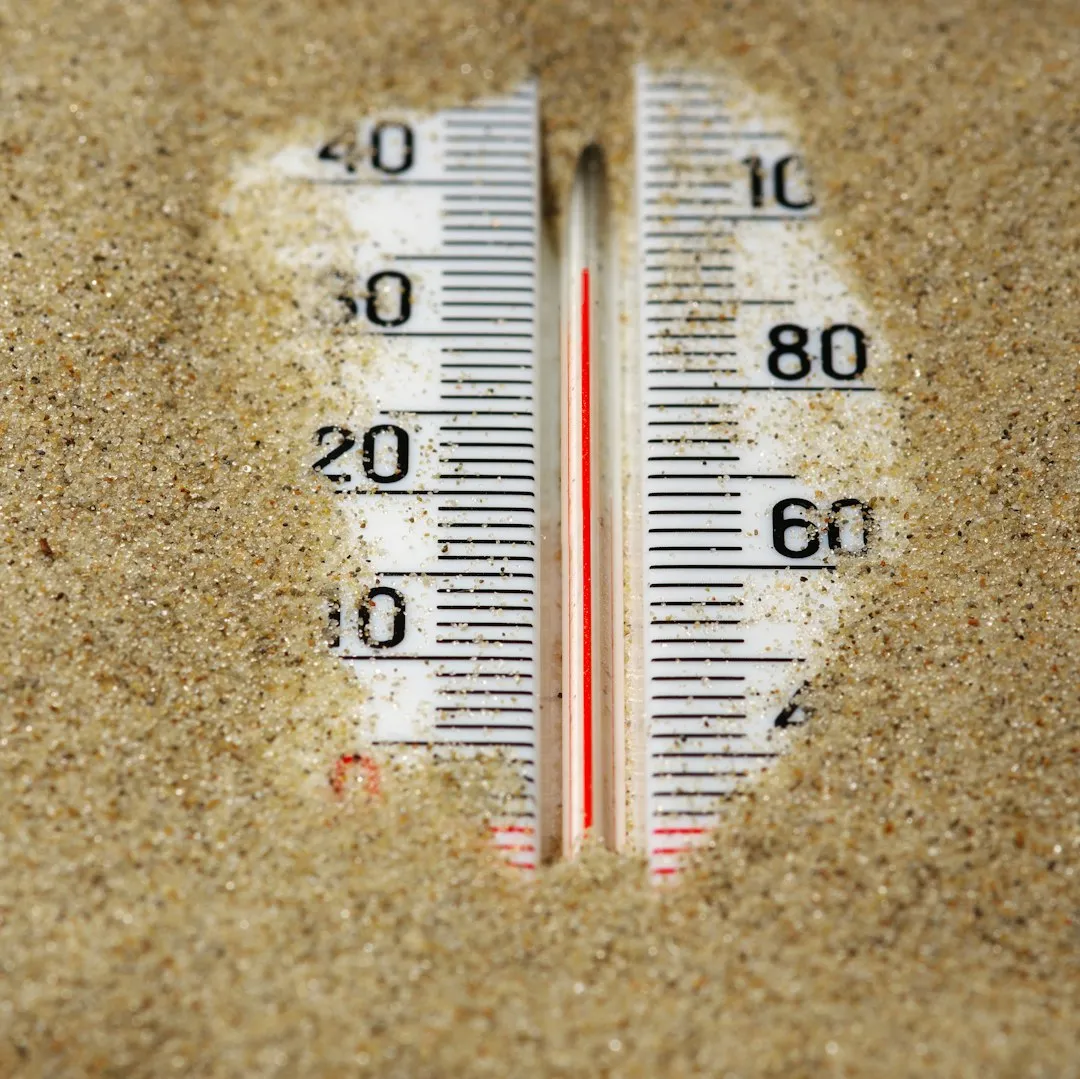
Wild temperature swings can also injure trees. On a sunny day, particularly on the south side, the tree actually warms up. When the sun sets, it gets cold fast, and that rapid temperature change can damage buds and needles.
Rapid temperature swings add another layer of risk. When temperatures climb above freezing on a February afternoon and then drop sharply overnight, foliage that briefly resumed water loss can suffer additional cold injury before roots have any chance to compensate.
The tree cannot resynthesize when temperatures fall below 20 degrees Fahrenheit. This tends to happen on the windward, south, southwest side of the tree.
Snow Cover Actually Protects Needles
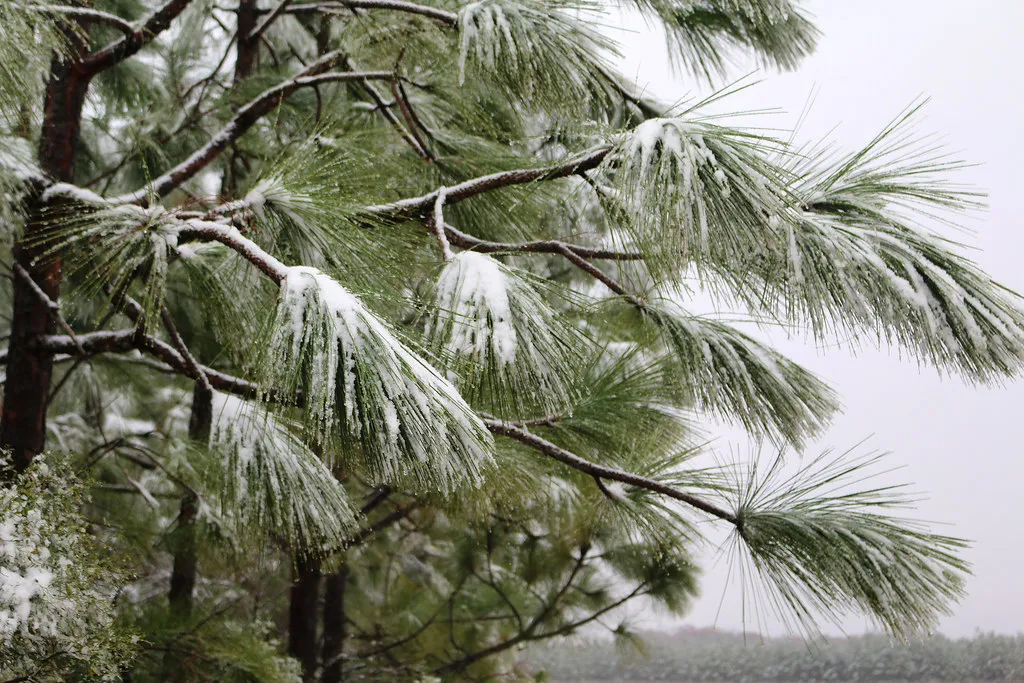
If you had enough snow to cover the lower branches, you might notice that the needles are brown only above that snow line. Snow protects the needles from water loss and keeps the branches from warming up.
This is actually a useful diagnostic clue. If your tree is brown above a certain height and green below it, that’s a strong sign winter burn or desiccation is the cause. The snow acted as an insulating barrier for the lower portion of the tree, shielding it from both wind and direct sun.
Which Trees Are Most at Risk
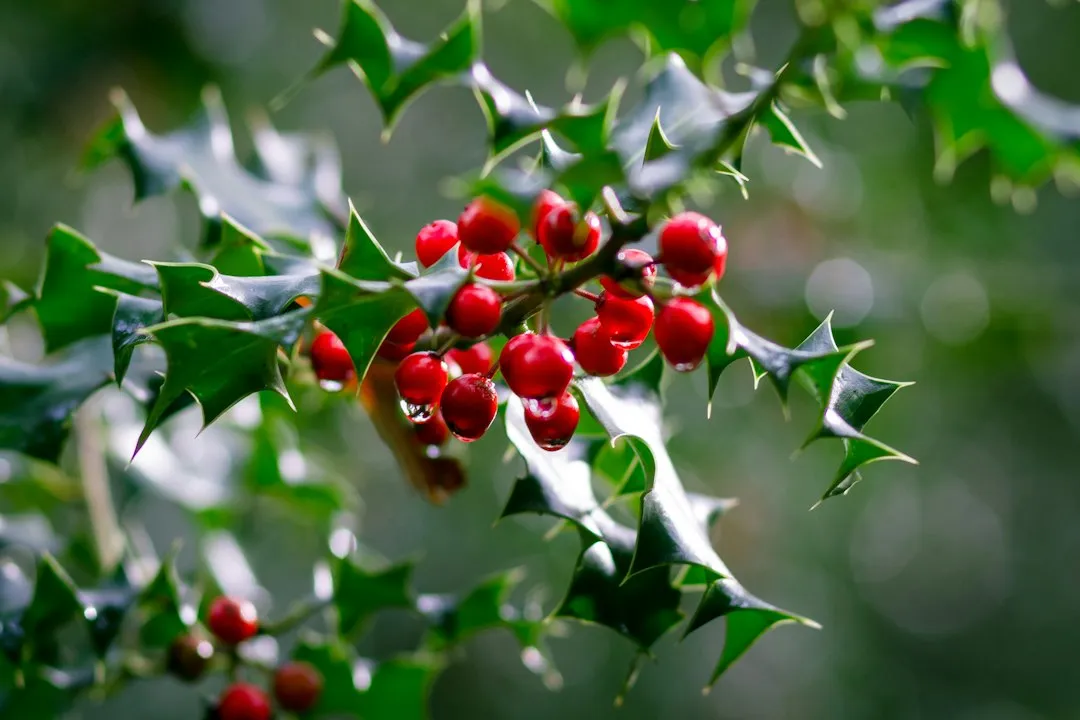
Winter burn is a common problem of evergreens including those with broad leaves such as boxwood, holly, and rhododendron, needles such as fir, hemlock, pine, spruce, and yew, and scale-like leaves such as arborvitae, false cypress, and juniper, grown in open, unprotected locations and exposed to severe winter conditions.
Newly transplanted evergreens face the greatest risk because their root systems have not yet spread far enough to recover water efficiently, making them far more sensitive to these compounding stresses than established plants.
Evergreen plants that are marginally hardy in a location – meaning not well-adapted to local winter conditions – are at increased risk for winter burn. Winter burn can be so severe that affected plants may die and require replacement.
Can Brown Needles Come Back?
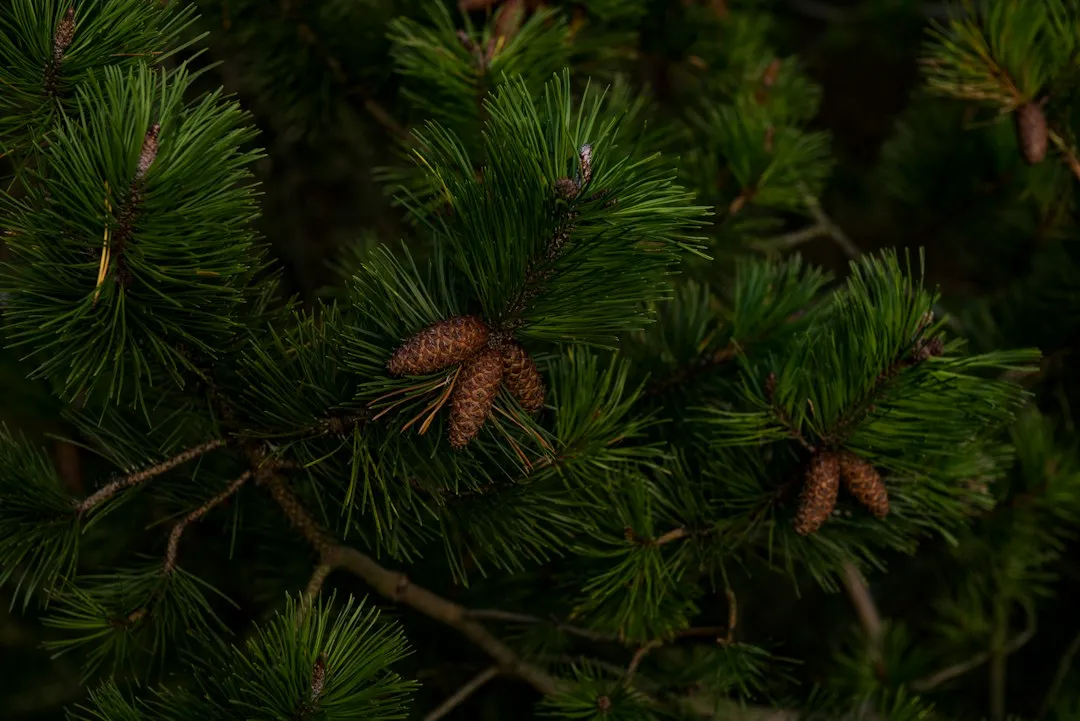
Brown needles generally won’t turn green again, but if the tree is still healthy, it can produce new growth to replace them.
Pines, spruces, and firs typically produce new growth at branch tips in spring that will replace winter burn-damaged needles, and thus pruning may not be required on these evergreens.
Most evergreens will shed their brown needles and will replace them with new green growth; however, this may not happen until well into May or even early June. Patience is genuinely the most important thing here. Cutting branches too early often removes growth that was still viable.
How to Prevent It Before Next Winter
The best defense happens in fall, before the damage occurs: water evergreens deeply until the ground freezes, mulch to conserve moisture, and protect exposed or newly planted evergreens with a burlap windscreen or an anti-desiccant spray.
Avoid planting winter injury-sensitive evergreens, particularly those that require shade or that are marginally cold-hardy, in exposed, sunny, windy areas. Plant them on the northeast or east side of a building or in a protected courtyard.
Burlap screens, plywood panels, or similar materials can shield foliage from salt spray during winter. If salt exposure is suspected, deep watering in early spring can help leach accumulated salts from the root zone.
Final Thoughts
One-sided browning on an evergreen after winter looks alarming, but it almost always tells a logical story about what that tree faced during the cold months. Winters vary widely in temperature swings, wind speed, snow cover, and thaw frequency, and those variables all influence how much injury any individual plant receives. Species, age, root establishment, planting location, and the plant’s moisture going into winter also play a role.
The real takeaway is simple: the damaged side is almost always the exposed side. Sun, wind, salt, and frozen soil work together to stress the needles on one face of the tree while the other stays protected. Once you understand that dynamic, both the damage and the remedy make perfect sense. Give your trees time, water them well heading into next winter, and consider a physical barrier if your landscape leaves them truly exposed.
AI Disclaimer: This article was created with the assistance of AI tools and reviewed by a human editor.