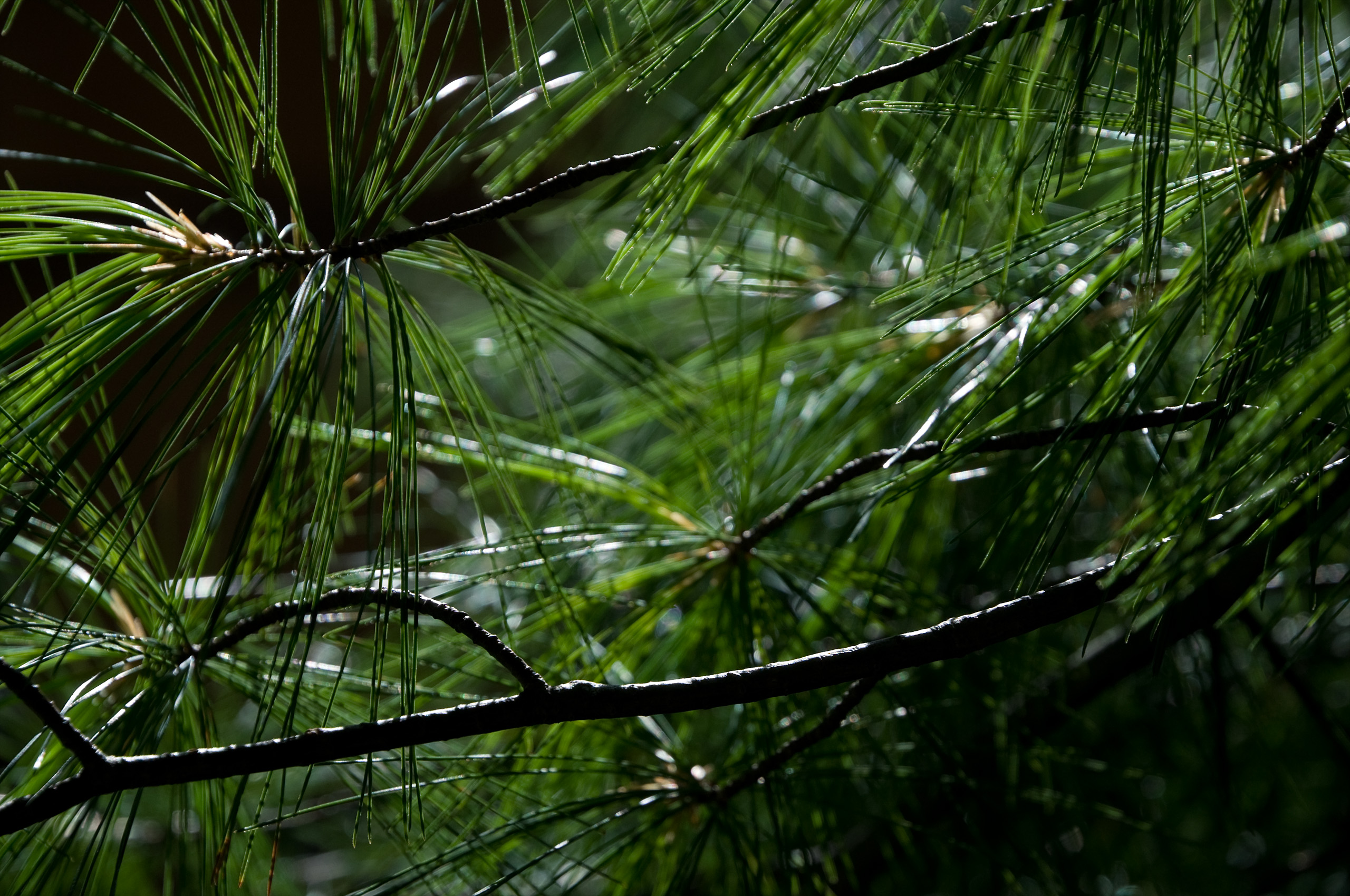

The Needle Shape Itself Is the First Defense
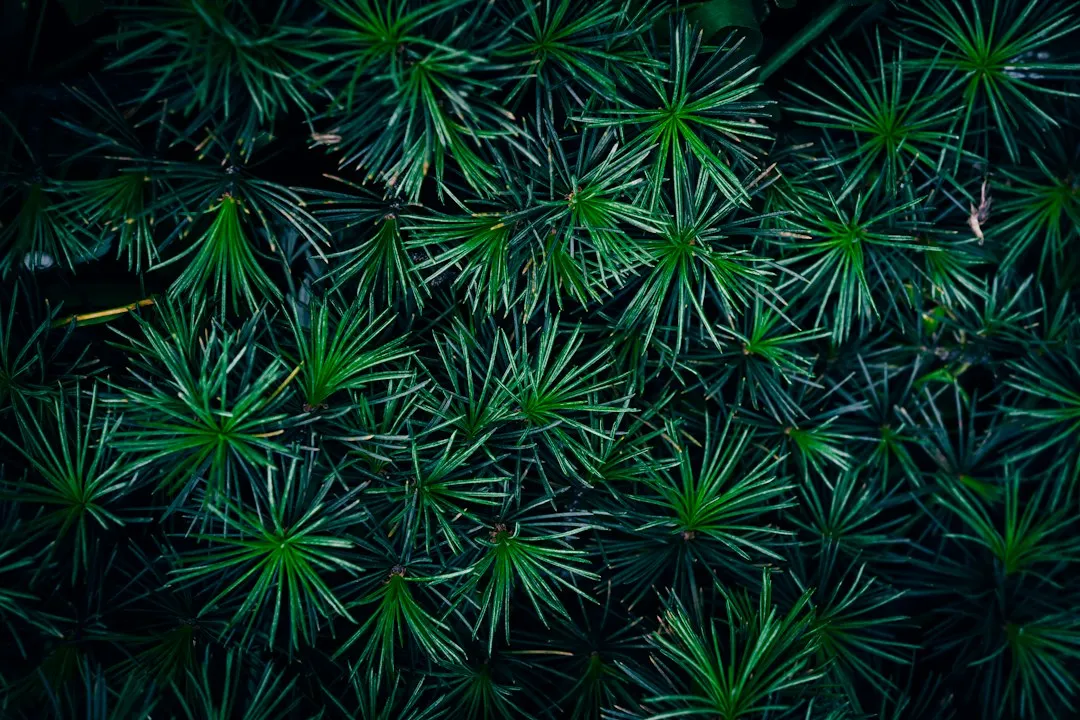
The characteristic needle-like shape of conifer foliage is a primary physical adaptation for managing temperature and water, and this morphology drastically reduces the surface area exposed to the elements compared to broad, flat leaves.
The needle-like shape of conifer leaves reduces the rate at which water is lost from their surfaces, and their surface area is small relative to their volume, further reducing water loss. Less exposed surface means less opportunity for ice to form and less moisture to be stripped away by winter winds.
The narrow shape of the needles also offers lower wind resistance and prevents the accumulation of heavy snow, reducing physical damage to branches. It’s a quietly elegant engineering solution.
The Waxy Cuticle Acts as a Natural Insulating Coat
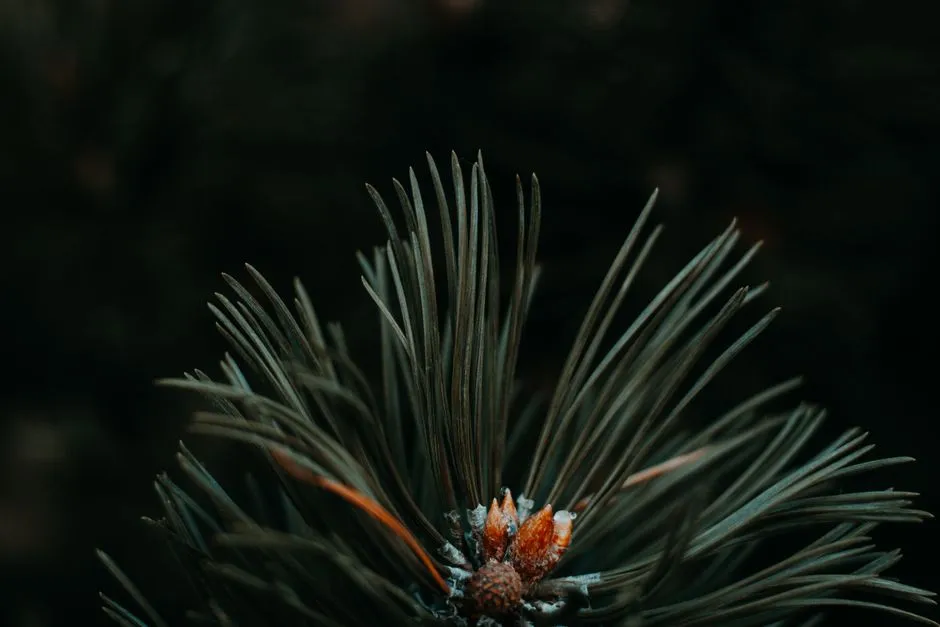
A thick, waxy layer known as the cuticle encases the epidermis of the needle. This cuticle acts as an insulating barrier, slowing the exchange of heat between the tissues and the surrounding air, and the reflective nature of the wax also helps scatter intense solar radiation.
Unlike the broad leaves of deciduous trees, evergreen needles have a thick, waxy coating that reduces water loss, and this waxy coating also minimizes the risk of freezing, allowing evergreens to retain their needles year-round.
Evaporation is further reduced by a thick, waxy cuticle that forms the outer surface of needles, and the stomata are positioned in sunken pits. Those recessed pores are a small but important detail that helps the needle hold onto moisture even when dry winter air tries to pull it away.
Cells Move Water Out Before It Can Freeze Inside Them
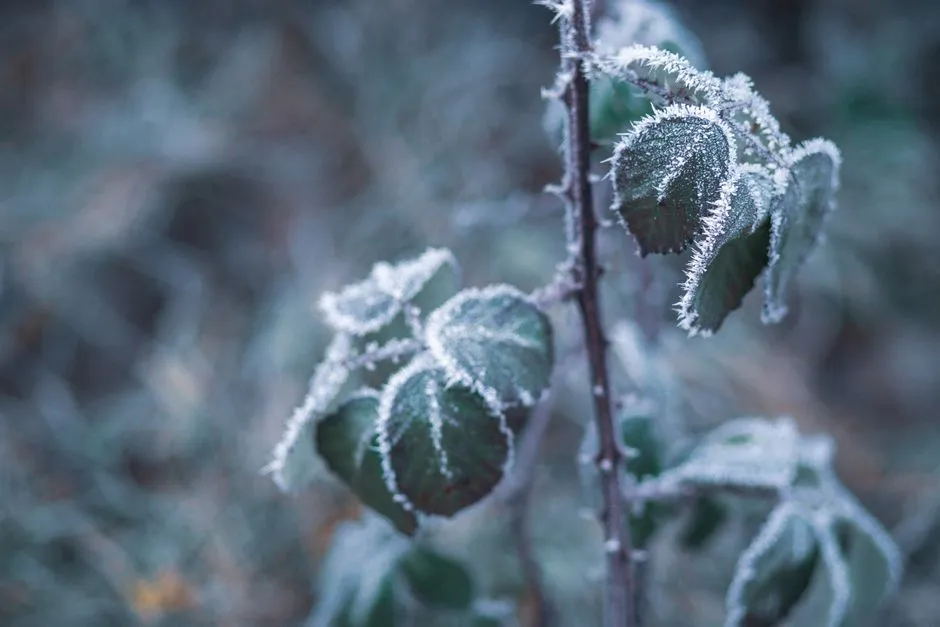
As cold weather approaches, water within needle cells moves to spaces between the cells and concentrates with sugar to lower its freezing point. This is a deliberate, biologically controlled process, not an accidental side effect of cold.
During the freezing months, a tree will move water from inside the cells into the space between them. Even if the water freezes in these in-between spaces, the cells themselves and their vital ability to function remain intact. This process of intentional dehydration is another defense against freezing temperatures.
Even if the water between the plant cells freezes, the tree can still live as long as the plant cells do not freeze. The distinction between intercellular ice and intracellular ice is essentially the difference between a living needle and a dead one.
Sugar and Hormones Work as a Built-In Antifreeze
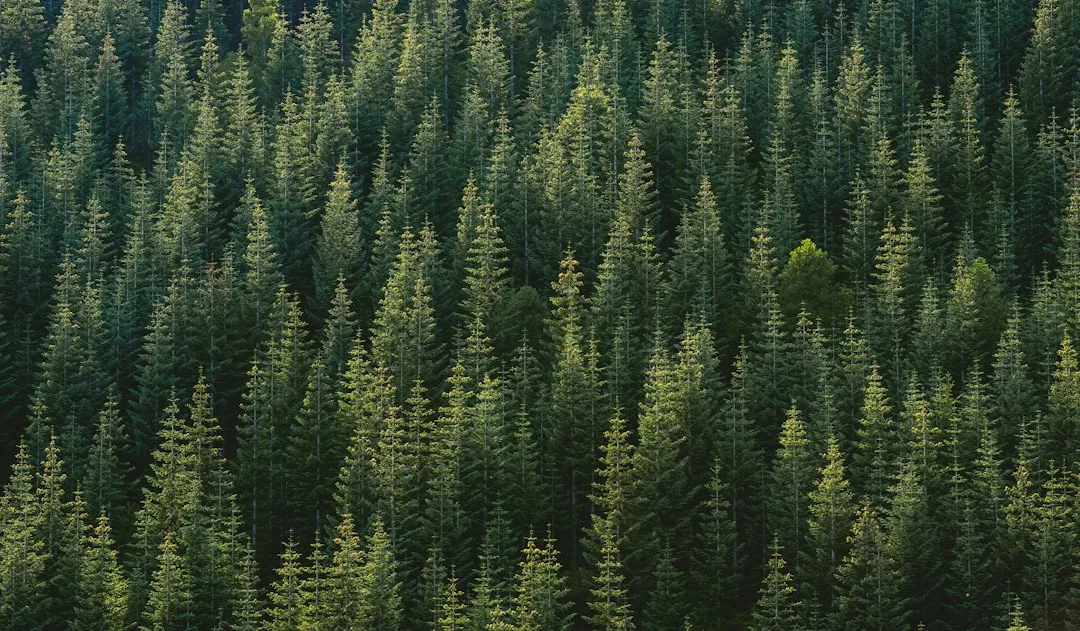
Evergreen trees make their own antifreeze to protect the needles from ice damage. Sugar, jasmonic acid, and ethylene become more concentrated within the cells of the needles during the winter, which depresses the freezing point of water.
The sugar content of conifer sap, altered by abscisic acid, prevents the sap from freezing as it delivers nutrients to the needles. This prevents damage to cell structures within the needles and large-scale damage to the tree from potential fracturing.
Calcium and hormones regulate this “evergreen antifreeze” activity. The coordination of all these chemical signals across an entire tree, triggered by nothing more than shortening days, is genuinely remarkable.
Antifreeze Proteins Play a Key Molecular Role
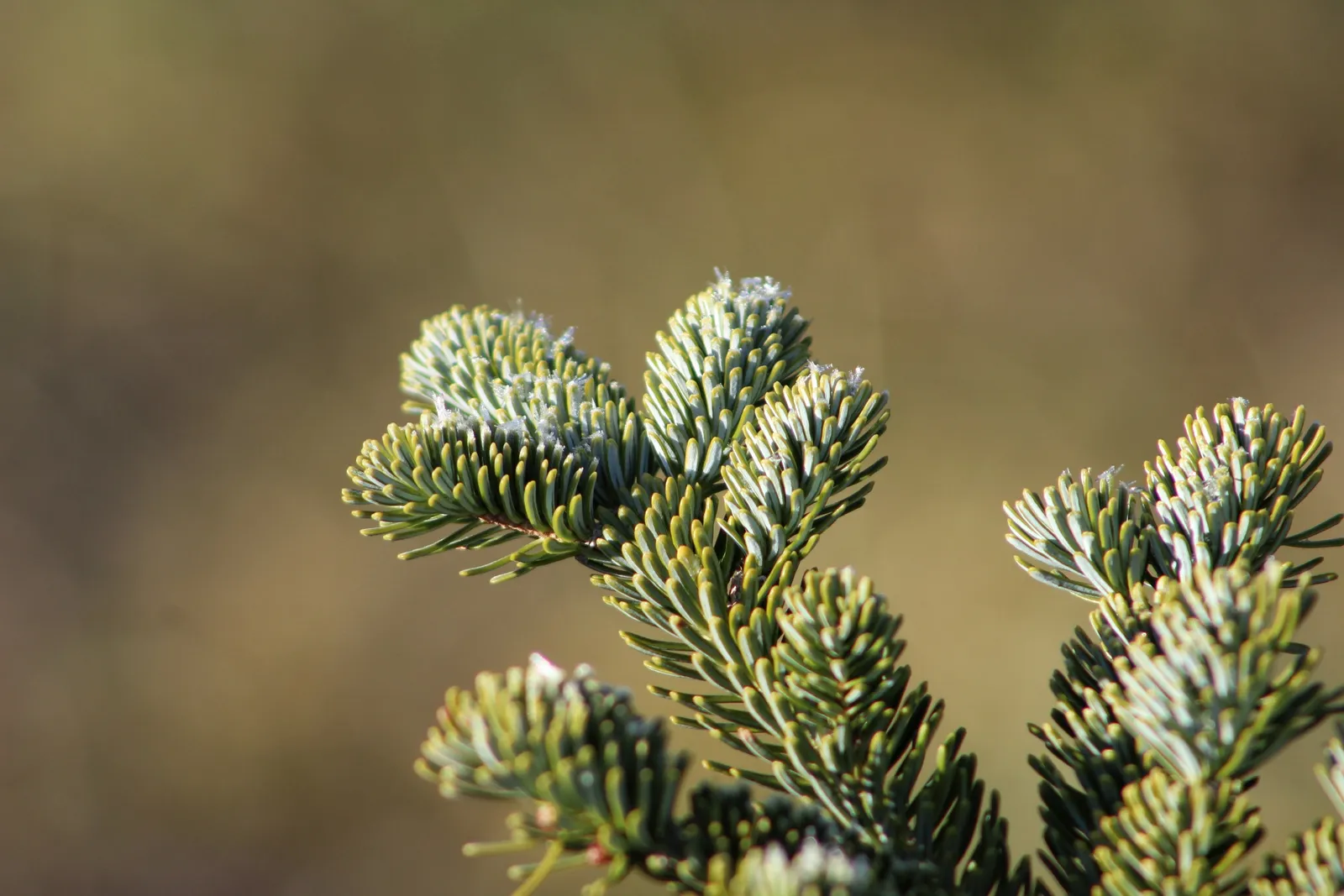
Apoplastic proteins from winter spruce needles exhibit antifreeze activity, whereas no such activity is observed in extracts from summer needles. The accumulation of antifreeze proteins in extracellular spaces, caused by seasonal cold acclimation, indicates that these proteins play a role in the acquisition of freezing tolerance of needle cells in coniferous species.
The amounts of apoplastic protein in spruce needles increase significantly with the plants’ acclimation, and in winter, the amount of protein was more than three times higher than in summer. That is a substantial seasonal shift in needle chemistry, all driven by cold exposure alone.
The antifreeze activity of proteins from these winter-hardy coniferous species showed a positive correlation with the concentration of proteins after cold acclimation of needle tissues. More cold exposure means more protection, up to a point.
Cold Hardening Is Triggered by Shortening Days, Not Just Cold
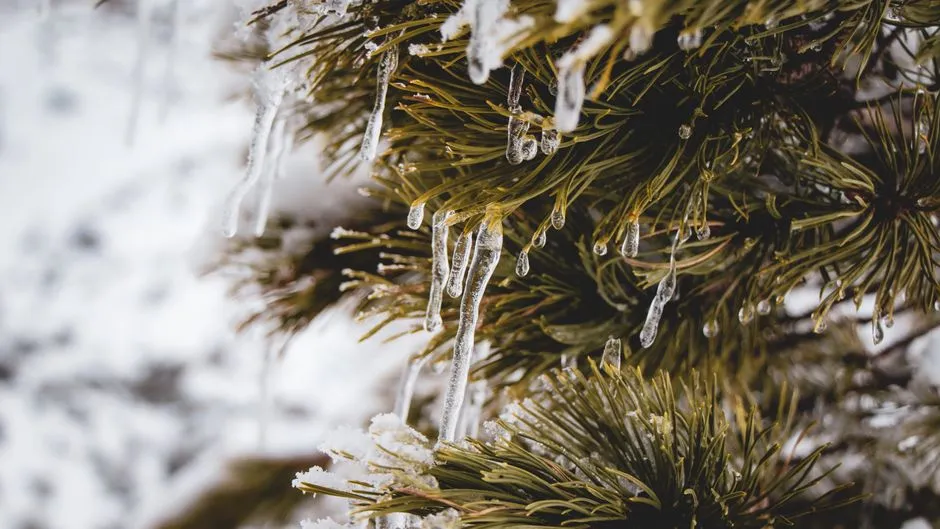
The ability of evergreens to survive sub-zero temperatures relies on a physiological process called cold hardening or acclimation, triggered by shorter daylight hours and cool autumn temperatures. The tree essentially reads the calendar through its light-sensing systems.
Numerous studies on temperate and boreal conifers show that acclimation in needle, bud, and stem tissues is initiated by decreasing day length, reinforced by chilling temperatures between zero and ten degrees Celsius. The light cue comes first, with the cold reinforcing what has already begun.
The reliable shortening days trigger the trees to prepare for winter, not variable cooling temperatures. This is why an early autumn cold snap rarely kills an evergreen; the tree has already begun its preparations weeks before.
Dehydrins and Stress Proteins Protect Needle Cells
Dehydrins, an important subgroup within the LEA protein family, play a role in cold hardening. These proteins are sometimes called “resurrection proteins” in plant science because of their ability to stabilize cellular structures under stress.
Acclimation in needle tissues is accompanied by numerous changes in gene expression and in profiles of proteins. The molecular landscape of a needle in December looks meaningfully different from the same needle in July.
Advances in genomic, transcriptomic, and metabolomic tools for conifers have improved our understanding of how trees sense and respond to changes in temperature and light during cold acclimation, but there remain considerable gaps deserving further research. This is still an active and evolving field of study.
Resin Content Adds Another Layer of Protection
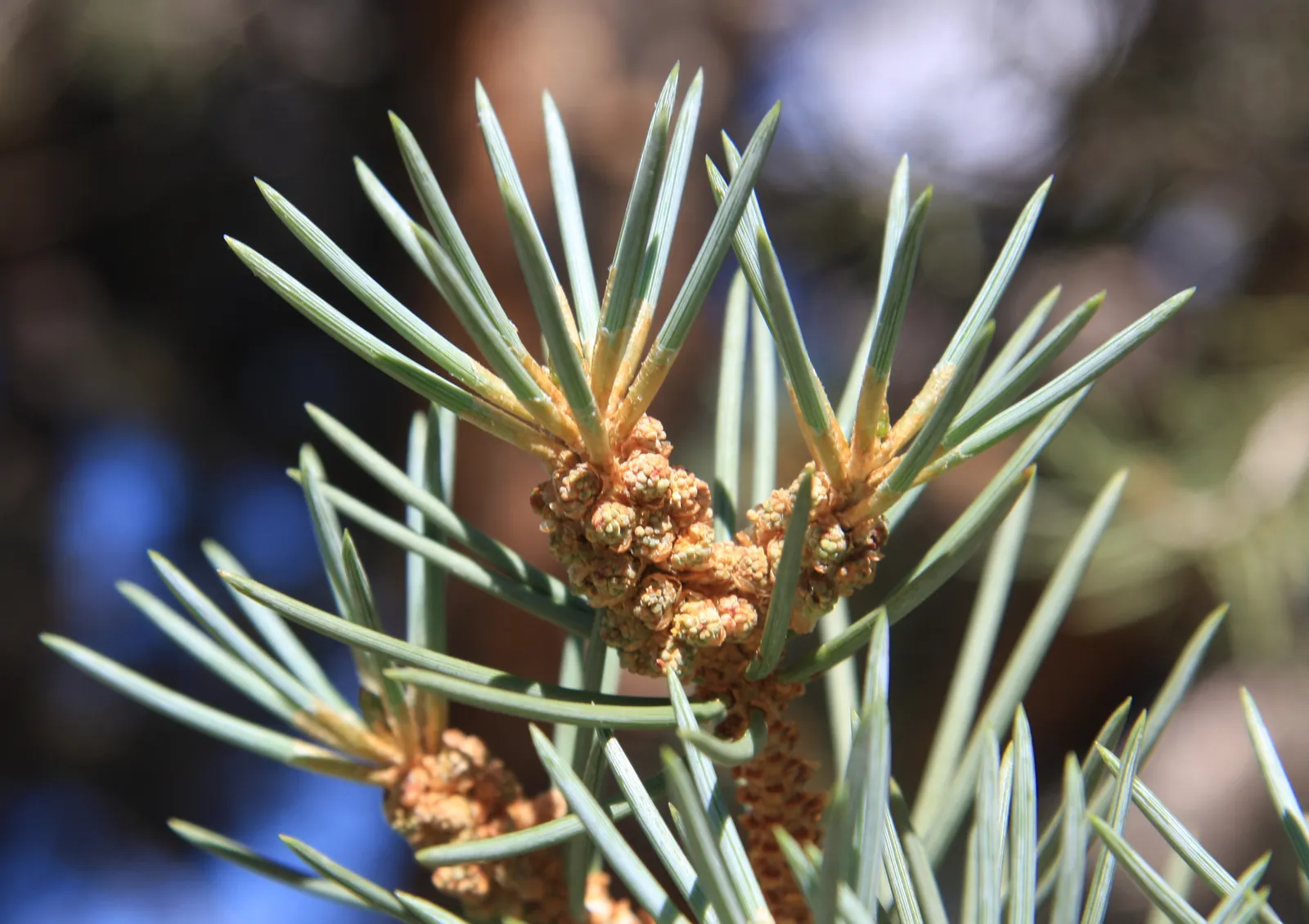
The needles of evergreen trees do not freeze in winter in part because of their high resin content. Resin is hydrophobic, meaning it repels water, and its presence within needle tissues makes those tissues harder to saturate and therefore harder to freeze.
The leaves of evergreen trees contain chemicals that act as antifreeze, binding and preventing ice from forming inside the leaves, and these chemicals are what give evergreens their characteristic scent. That familiar pine smell in cold air is actually the smell of winter survival chemistry at work.
Needles from cold sites lived longer, were shorter, showed higher leaf mass per area, had narrower and more collapse-resistant tracheids, thicker epidermal cells with thicker cell walls, and wider resin ducts occupying a larger fraction of needle volume in comparison to needles from warmer sites. Evolution has shaped cold-climate needles to be structurally tougher in nearly every measurable way.
Winter Burn Shows That the System Has Limits
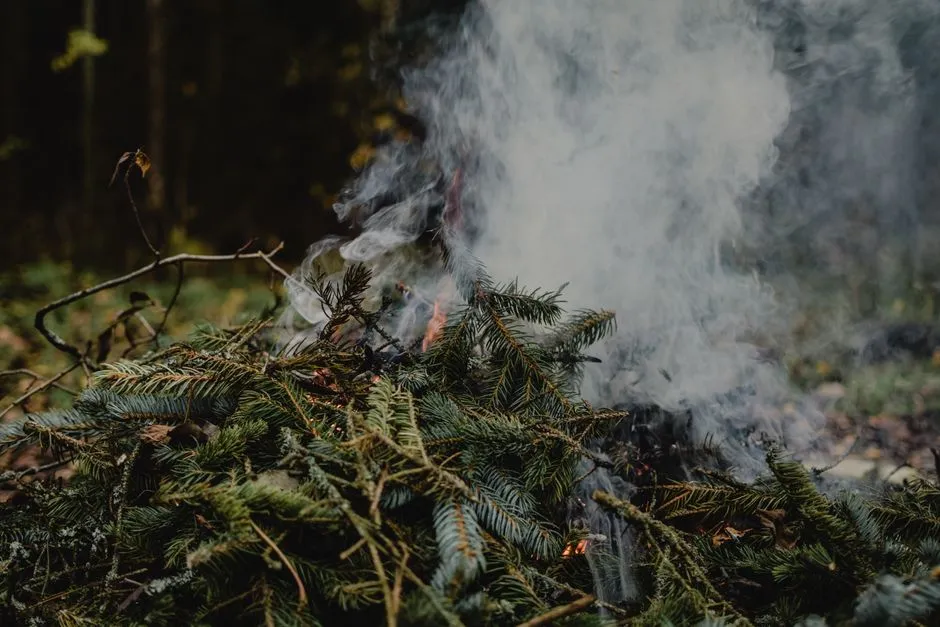
In winter, coniferous trees can lose moisture through their needles faster than their roots can replenish it from the frozen ground. If too much moisture is lost, the tree can suffer from winter burn, where the needles turn brown and the tissue dies off.
Brown needles on an evergreen in winter usually point to winter burn, the tree losing water faster than frozen roots can replace it. It’s a reminder that even the most resilient system has a threshold.
Research on evergreen foliage shows that trees handle winter light exposure through winter acclimation, slowing down their light-harvesting systems and increasing protective thermal energy dissipation so excess energy is safely released as heat instead of damaging the needles. Even the management of sunlight becomes part of the cold-survival strategy.
Climate Change Is Putting These Adaptations Under Stress
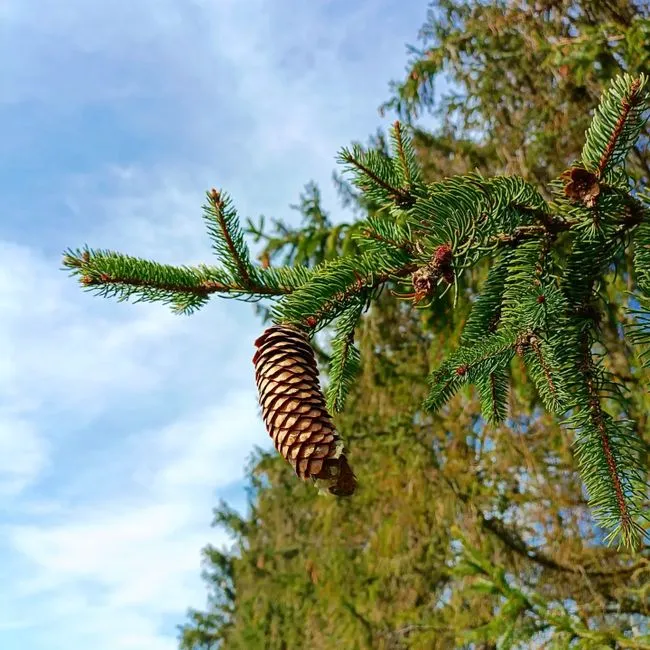
Research shows that warming conditions during autumn can result in significantly less cold hardening than normal, as well as a high susceptibility to warm spells that trigger rapid loss of cold hardiness. Overwintering evergreen conifers may become increasingly vulnerable to bud and needle tissue damage as the frequency of extreme climatic events increases.
Evergreen conifers have developed various survival mechanisms to endure adverse climatic conditions such as drought, cold temperatures, and nutrient scarcity, ensuring continuous photosynthesis throughout the year. Those same mechanisms, however, were calibrated to a climate that is no longer entirely stable.
Researchers are now exploring the evolutionary context of cold acclimation in conifers and evaluating challenges imposed on them by a changing climate. The ancient chemistry that has kept evergreen needles green through countless ice ages is now being tested in ways that have no clear evolutionary precedent.
A System Built Over Millions of Years
AI Disclaimer: This article was created with the assistance of AI tools and reviewed by a human editor.