
A Thriving Industry Most Shoppers Overlook

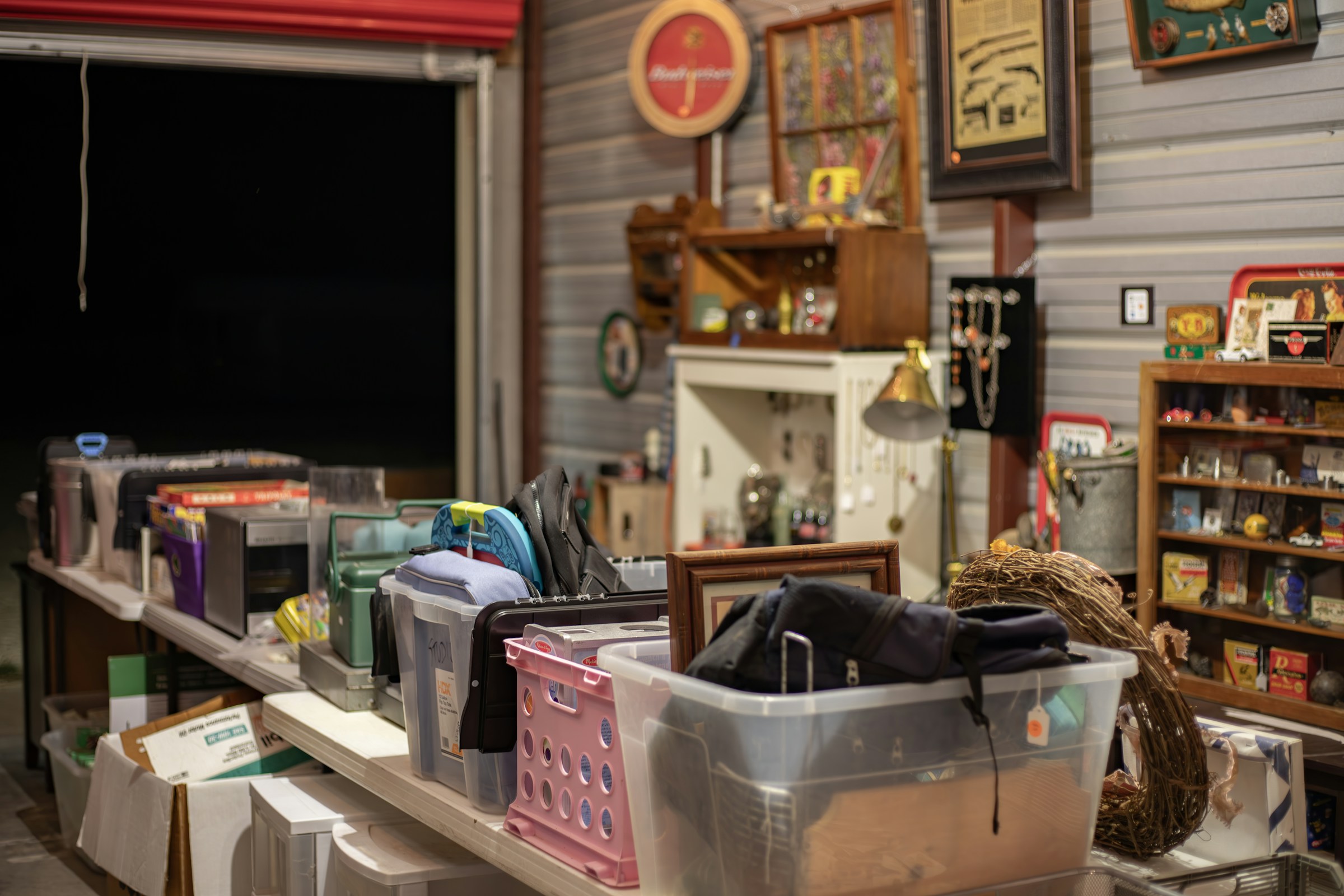
Estate sales are not a shrinking relic of the past. According to IBISWorld, the industry has been growing at a compound annual growth rate of 6.1% from 2020 to 2025, projected to reach $18 billion by 2025. That’s not a cottage industry. By 2024, the number of estate sale companies in the U.S. was expected to exceed 12,000.
The estate liquidation services industry is valued at around $230.3 million in 2024 to 2025, with steady growth reflecting ongoing nationwide demand, driven largely by aging populations and accelerating downsizing trends. For most shoppers, this entire channel simply doesn’t appear on their radar when it’s time to furnish a home.
The Price Advantage Is Real and Significant

One of the most consistent draws to estate sales is the pricing. Unlike retail furniture, items at estate sales are priced to move, not to cover a showroom’s overhead and marketing budget. The average price per item sold at estate sales is $45, with antiques accounting for roughly a third of total item sales.
The North America secondhand furniture market was valued at $13.81 billion in 2024 and is projected to reach $25.62 billion by 2033, driven by sustainability, cost-effectiveness, and a growing appetite for vintage pieces. For buyers, that market momentum translates directly into more options at lower prices.
The Secondhand Furniture Market Is Booming

The global secondhand furniture market was estimated at $34.01 billion in 2023 and is projected to reach $56.66 billion by 2030, growing at a CAGR of 7.7%, driven by increasing environmental consciousness and a growing emphasis on sustainable living. Estate sales sit right at the heart of this shift.
In 2024, the residential sector dominated the secondhand furniture market with nearly four-fifths of the total market share, underscoring the significant role residential buyers play, driven by consumer inclination toward affordable and sustainable living options. Ordinary homeowners, not just collectors, are fueling this growth.
Mid-Century Modern and Vintage Are Having a Serious Moment
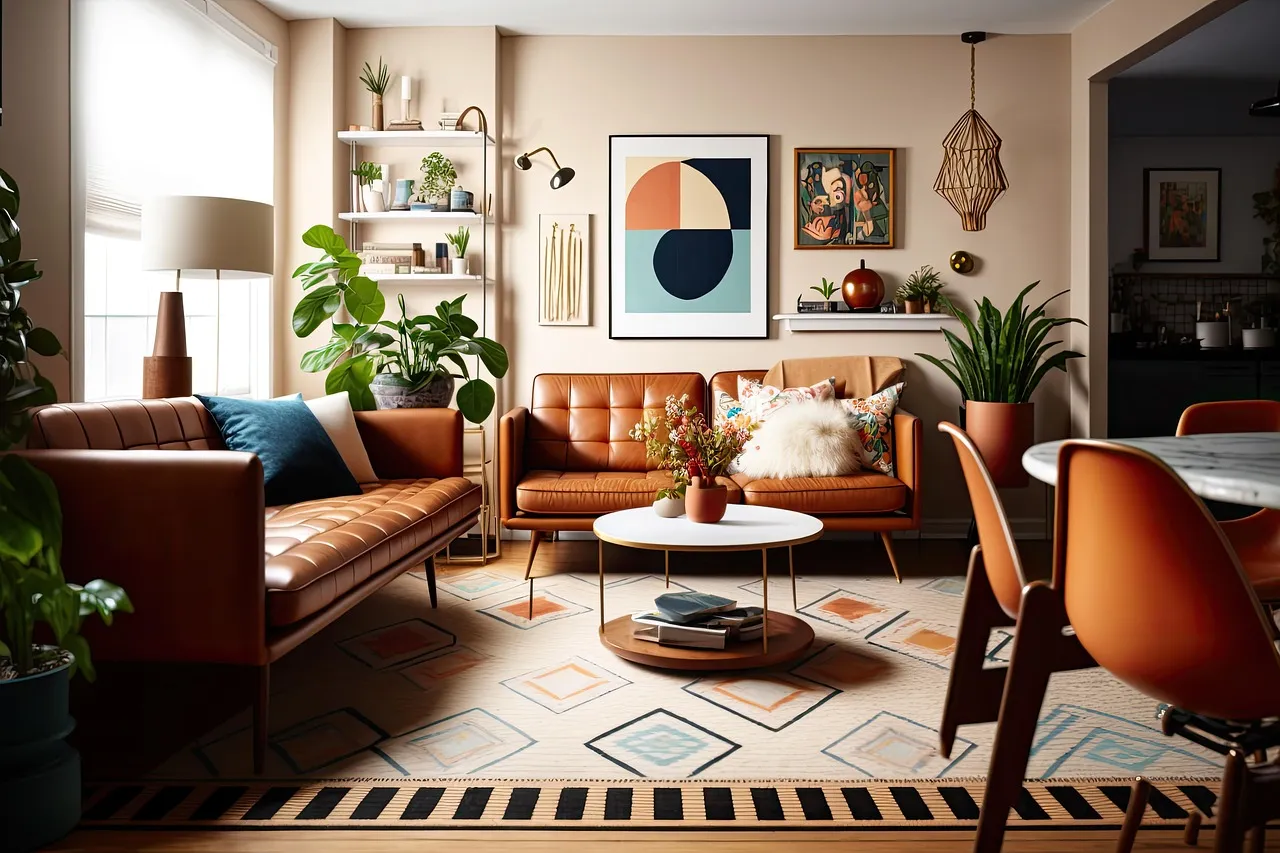
Style trends have moved firmly in estate sales’ favor. Furniture with sleek lines, organic shapes, and functional design had a major resurgence in 2024, with mid-century modern pieces making a notable comeback and bringing timeless elegance into modern homes. Estate sales are one of the best natural sources for exactly this kind of piece.
As consumers increasingly seek individuality in their home decor, the appeal of unique and vintage furniture pieces has grown substantially, further propelling demand in the secondhand market. What you find at an estate sale simply cannot be replicated on a big-box showroom floor. The pieces already have a story, and often a quality that modern mass production struggles to match.
Sustainability Is Driving Younger Buyers Toward Secondhand
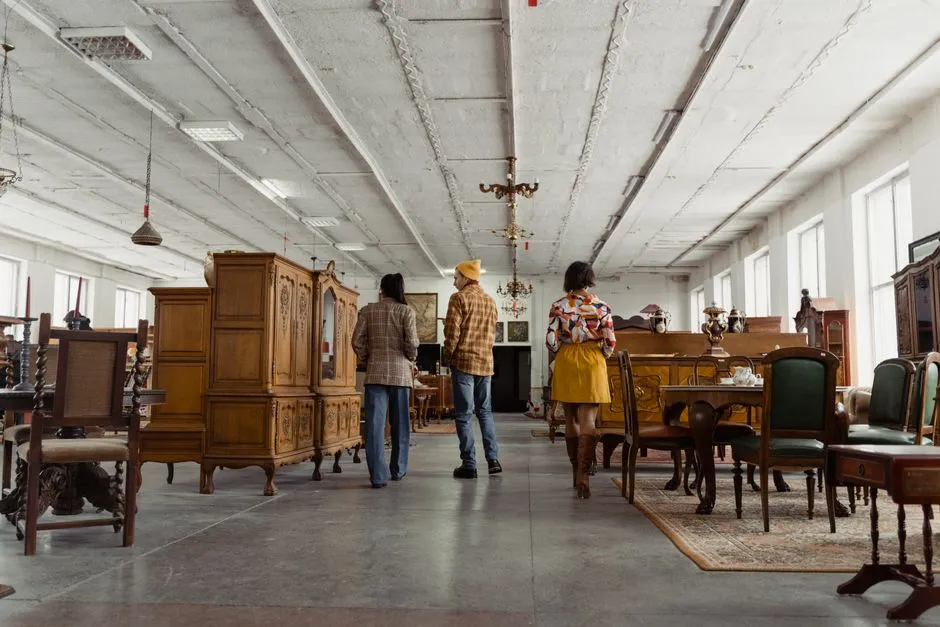
Consumers are increasingly becoming environmentally conscious and choosing reused and recycled items to reduce waste and decrease their carbon footprint, with the furniture market among the most significant contributors to landfill waste. Estate sales offer a direct solution to that problem.
According to the U.S. Environmental Protection Agency, 9.68 million tons of furniture and furnishings were landfilled in 2018, highlighting the potential for secondhand markets to reduce waste significantly. Millennials and Gen Z shoppers, who prefer making eco-friendly buying choices, are contributing to the expansion of the secondhand furniture industry. Buying from an estate sale is one of the most direct ways to participate in that shift.
The Buyers Are More Mainstream Than You’d Expect

There’s a persistent image of estate sale shoppers as eccentric collectors hunting for hidden gems. The data tells a more grounded story. The average income of estate sale attendees is $75,000, compared to the U.S. average of $68,000. These are not bargain-hunters scraping by. These are informed consumers making deliberate choices.
Estate sale events average between 50 and 70 attendees, with roughly 15 to 20 percent of those attendees making a purchase. That conversion rate reflects genuine intent, not casual browsing. People show up because they’re actually looking for something specific, and they often find it.
Digital Access Has Changed Everything

Finding estate sales used to mean scanning local newspaper listings or driving around on weekends. That era is effectively over. A significant majority of sellers, now over half, are leveraging online sales platforms alongside traditional in-person sales. That means shoppers can browse inventory photos, preview items, and even bid remotely before setting foot inside.
Virtual estate sales are expected to grow by roughly ten percent annually through 2025 and beyond. Marketplaces like Facebook Marketplace, Craigslist, OfferUp, and niche furniture resale websites have streamlined the process for buyers and sellers to connect, with photos, reviews, and ratings creating greater confidence in secondhand purchases. The friction that once kept people away has largely disappeared.
Auctions Add a New Layer of Opportunity

Estate sales have also grown more dynamic in how items are sold. In 2024, 29% of estate sale sellers incorporated auctions into their business models, using live and online auction formats to appeal to new buyer demographics and tap into a broader market. For buyers, this opens up access to higher-quality inventory that might otherwise be snapped up early.
While the majority of estate sale businesses focus almost exclusively on traditional sales, roughly a fifth supplement their services with auctions, allowing sellers to meet broader client needs. This diversification gives shoppers more formats to engage with, whether they prefer the in-person browse or a competitive bid from home.
A Growing Supply Keeps Options Fresh

One practical concern buyers sometimes raise is whether estate sales offer consistent, reliable inventory. The supply side looks healthy. Approximately 9.1% of U.S. households planned to downsize within the next 12 months as of 2024, suggesting a steady stream of home-content disposal needs. That’s a substantial portion of American households generating fresh inventory on a rolling basis.
Factors like aging populations and downsizing trends continue to contribute to market expansion, and the market is expected to keep growing modestly in the years ahead. The supply of quality estate-sale furniture is not drying up anytime soon. If anything, demographic realities suggest it will increase.
The Professionals Running These Sales Have Raised the Bar

Estate sales today are far more organized and professionally managed than the impromptu yard-sale operations people might picture. The 2024 Estate Sale Industry Survey shed light on the evolving dynamics of a thriving market, capturing the experiences and practices of 774 estate sale businesses nationwide. These are structured businesses with pricing systems, trained staff, and reputations to maintain.
The estate sale industry is marked by resilience and adaptability, with shifting demographics and technological advances defining its trajectory. Many companies now leverage tools like Google Lens and estate pricing databases to optimize valuations, with industry resources such as LiveAuctioneers price results and Worthpoint used as standard pricing references. Buyers can be reasonably confident that pricing reflects actual market value, not guesswork.
Final Thoughts

Estate sales occupy a genuinely unusual space in the home furnishing world. They offer real quality, fair pricing, sustainability credentials, and the kind of variety that no retail showroom can manufacture. Estate sales have become one of the fastest-growing segments in the secondhand economy, attracting collectors, bargain hunters, and professional resellers alike.
The infrastructure around estate sales has matured considerably, and the market data backs up what frequent shoppers have known for years. Between 2019 and 2025, the global secondhand furniture market grew steadily, driven by eco-conscious buying, affordability, and supply chain disruptions, with platforms seeing a roughly one-third rise in sales from 2019 to 2023. The quiet shift in how people think about furnishing their homes is already underway. Estate sales are simply where a lot of the most interesting finds happen to be.
AI Disclaimer: This article was created with the assistance of AI tools and reviewed by a human editor.