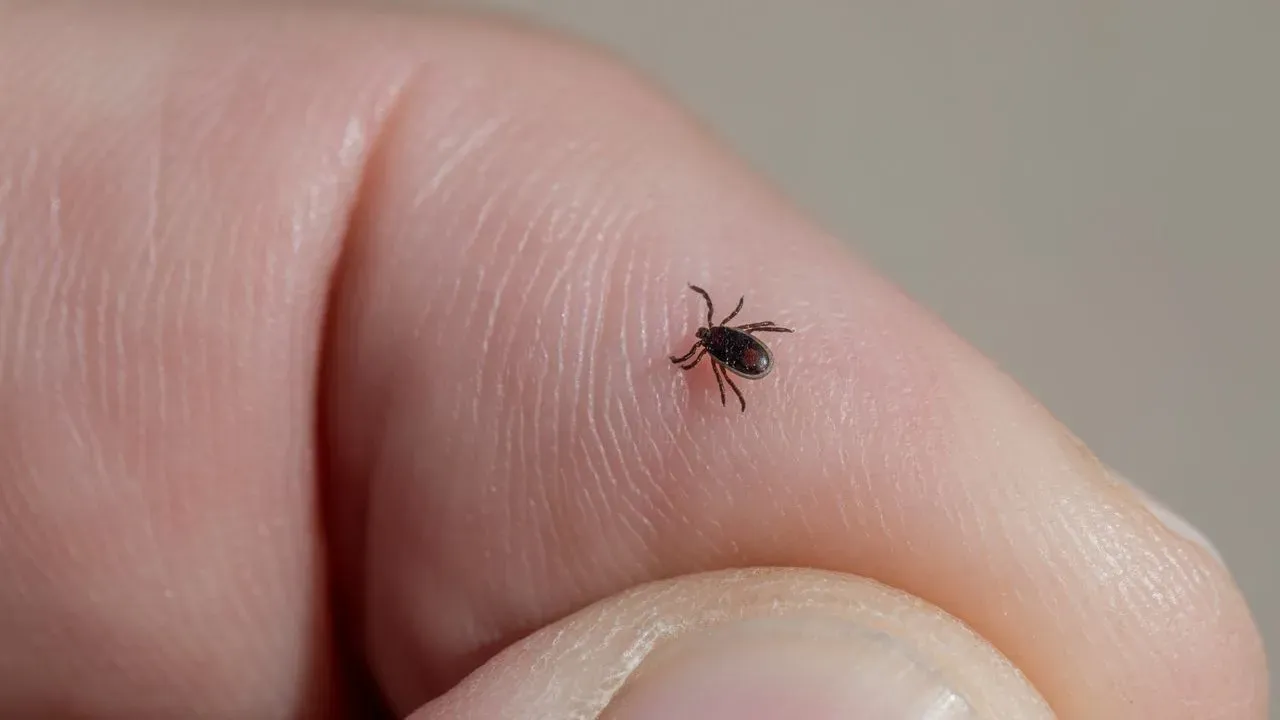

Outdoor enthusiasts and gardeners across the country have grown weary of the annual ritual. Rising numbers of tick bites have brought more emergency visits and a longer list of diseases that can turn a simple walk into a medical concern. The question surfaces often enough: Why not just eliminate them all?
The Limited Role Ticks Play in Nature
Experts who study these parasites see little evidence that ticks are essential to healthy ecosystems. Many regions already lack ticks yet support thriving wildlife and plant life. Birds, ants, and spiders may snack on them occasionally, but few species rely on ticks as a primary food source.
One researcher noted that if every tick vanished tomorrow, the environmental impact would likely go unnoticed. Another added that no formal assessment has identified a clear benefit ticks provide to the broader food web. This view challenges the common assumption that removing any species must trigger collapse.
Why Broad Attacks Fail on Practical Grounds
Current tools for large-scale control create their own problems. Widespread use of acaricides and insecticides harms pollinators, beneficial insects, and other wildlife while posing risks to pets and people. On Long Island alone, covering the roughly 900,000 acres at standard rates would demand enormous volumes of chemicals that experts deem both irresponsible and prohibitively expensive.
Blacklegged and lone-star ticks complicate matters further with their varied hosts and life stages. Unlike cattle-fever ticks, which were successfully driven from most of the United States decades ago through targeted quarantines, these species feed on deer, rodents, birds, and more before dropping off and hiding. Dense suburban areas and moving wildlife make a clean sweep nearly impossible.
Targeted Strategies Offer the Best Path Forward
Researchers are focusing on methods that reduce ticks near people without broad environmental damage. Bait stations that treat deer or rodents with pesticides, fungal applications in yards, and reductions in deer populations have shown promise in lowering local numbers. Historical success with cattle ticks demonstrates that eradication of specific species is possible when the biology allows focused intervention.
More experimental approaches include genetically modified mice that could interrupt disease transmission or even harm feeding ticks. These efforts aim to make ticks less dangerous rather than attempting total removal. Still, political hurdles, legal challenges, and the need for sustained public support remain significant obstacles.
Complete elimination may never arrive, yet smarter, more precise tools continue to improve the odds of keeping tick-borne risks manageable for those who enjoy the outdoors.
AI Disclaimer: This article was created with the assistance of AI tools and reviewed by a human editor.