

The Numbers Tell a Striking Story

Empty-nest baby boomers own nearly twice as many U.S. homes with three or more bedrooms as millennial families do. Baby boomers living in one- to two-adult households own roughly 28 percent of large homes in the country. That gap doesn’t just represent a demographic curiosity. It reflects a fundamental mismatch between who has the space and who genuinely needs it.
This is based on a Redfin analysis of U.S. Census data from 2024 that breaks down the share of three-bedroom-plus homes owned and occupied by each generation, by household type and size. By comparison, millennials with children living at home own just 16 percent of large homes. The generational imbalance has been persistent for years, and it shows no sign of correcting itself quickly.
Why So Many Empty-Nesters Are Staying Put

Many baby boomers have little financial incentive to move, often benefiting from low mortgage rates or fully paid-off homes. Nearly three in five baby-boomer homeowners have no mortgage at all. When your housing costs amount to property taxes and upkeep, there’s no monthly pressure nudging you toward a smaller place.
There are also social and lifestyle reasons to stay put: baby boomers in their sixties and seventies may want to remain in the neighborhoods they’ve lived in for a long time, close to friends, family, work, and recreational activities. Roots run deep, and moving feels like more than a real estate transaction. It feels like leaving a version of yourself behind.
The Mortgage Lock-In Effect Is Real

For those who still carry a mortgage, many are locked into much lower interest rates from previous years. Consequently, downsizing could actually result in a similar or higher monthly payment. That math surprises a lot of people. Moving to a smaller home doesn’t automatically mean spending less, especially when newer properties in desirable areas carry modern price tags.
The mismatch between where different generations actually live and where they would like to live is a testament to today’s deeply stuck housing market. Boomer empty nesters and millennials with young children alike feel trapped by tough affordability conditions, limited supply, and pandemic-era mortgage rates that disincentivize moving. Both sides are caught in the same gridlock, for very different reasons.
Older Households Are Sitting on a Surplus of Space
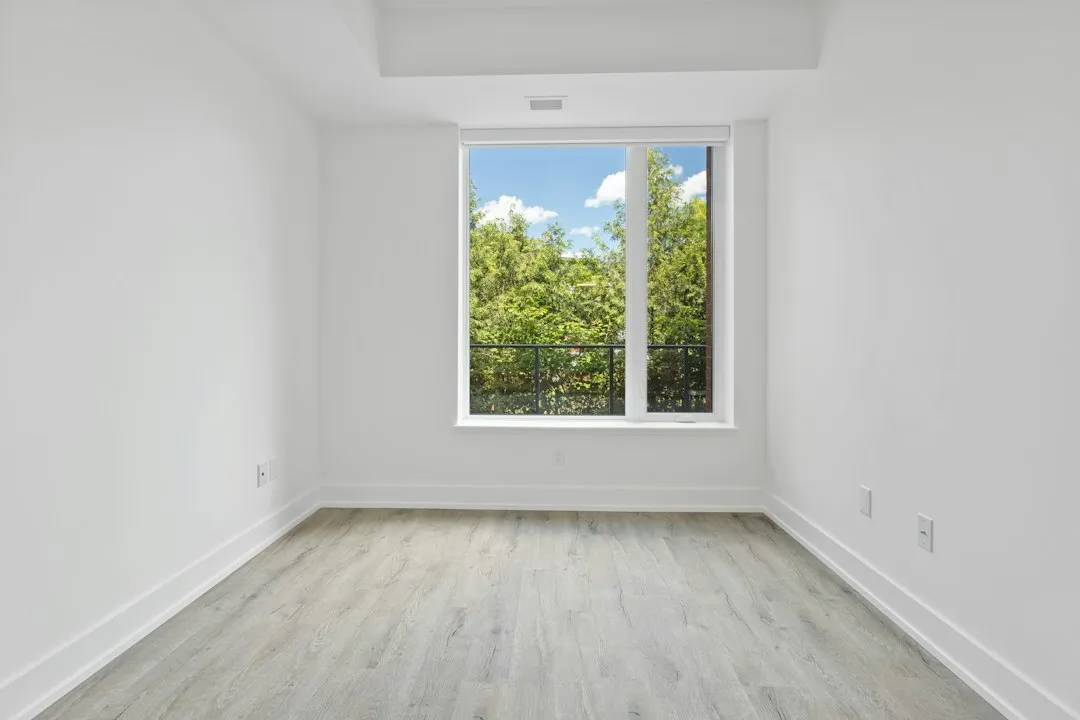
Older households tend to reside in homes with a surplus of living space, as measured by the number of spare bedrooms, and this is likely the result of parents becoming empty nesters in many cases. This finding suggests that the declining mobility of older households could be exacerbating the lack of housing inventory.
On average, younger households have roughly 1.5 to 2.0 bedrooms per person in their homes. That ratio climbs to 2.4 for households whose head is aged 65 to 79, and it is even higher for households headed by someone in their 80s. The older the homeowner, the more bedrooms sit empty on any given night.
Mobility Among Older Homeowners Has Been Dropping

From 2019 to 2023, the mobility rate of households headed by someone aged 65 to 79 dropped by more than 11 percent, whereas the decline among younger households was closer to 8 percent. Older Americans are not just staying in their homes. They’re staying in them at higher rates than before, widening the gap between supply and need.
Because older households tend to live in larger houses with more bedrooms, that age group’s reduced mobility likely has had an outsized impact on the availability of housing. The effect compounds over time, tightening supply in markets where inventory was already thin.
Where the Crunch Is Sharpest

The generational disparity holds true across every major U.S. metro area. The tightest concentration of large homes held by empty nesters is in Memphis, Tennessee, where they own more than 31 percent of the metro area’s homes with three or more bedrooms. Cleveland followed close behind, with Pittsburgh ranking third.
At the other end of the spectrum, empty nesters owned the smallest share of large homes in Salt Lake City, where they held roughly 20 percent of that market’s large homes in 2024, followed by Riverside, California and Austin, Texas. Younger, faster-growing cities tend to show a more balanced picture, though the gap persists even there.
When Downsizing Does Happen, It’s a Big Move

A growing share of boomers leaving homes larger than 2,500 square feet are heading somewhere closer to 800 square feet. That’s the size some downsizing specialists now point to as the sweet spot for a retiree who wants two bedrooms, one bath, a kitchen and a living space, and nothing more to maintain. That’s not a small adjustment. That’s a complete reimagining of daily life.
One residential moving company in Memphis reported that relocation requests from homeowners 65 and older seeking to downsize jumped 40 percent in its local market, describing senior citizens as a rapidly growing segment of the residential transition market. The company projected 15 to 20 percent annual growth in that customer segment through 2030. The appetite for change is growing, even if the broader numbers haven’t yet shifted dramatically.
The Location Problem That Complicates Everything

Empty nesters, which Zillow defines as residents aged 55 or older who have lived in the same home for 10 or more years with no children at home and at least two extra bedrooms, don’t live in the same places where younger generations want to be. That geographic mismatch is easy to overlook but enormously consequential.
Most empty nest homes are located in affordable suburban and rural areas, which are typically far away from job centers that attract young professionals who would be first-time homebuyers. Economists at Zillow have argued that the only viable solution for improving housing affordability is new construction in the cities facing the largest shortages. However, there are a number of roadblocks preventing construction from keeping up with demand, including rising costs of building materials, lot size requirements, density restrictions, and project reviews that can take up to two years.
The Financial Case for Rethinking Space

One of the most compelling reasons to downsize is the potential for cost savings. Smaller homes generally come with lower property taxes, reduced utility bills, and decreased maintenance expenses, allowing homeowners to allocate their resources to activities they truly enjoy. Over a decade or two of retirement, those savings are not trivial.
When approached thoughtfully, downsizing results in a smaller ecological footprint, since smaller homes consume fewer natural resources such as electricity, water, and building materials. That resilience becomes even more attractive when considering the volatility of future utility costs. From a financial perspective, downsizing with intent can also release equity tied up in a larger and typically higher-maintenance property.
Signs That the Logjam Is Starting to Ease

More large homes will come on the market as the mortgage-rate lock-in effect eases. Redfin agents in some parts of the country say they’re starting to see more older homeowners choose to downsize. It’s a gradual shift rather than a wave, but the direction is notable.
Despite the current disparity, a larger share of millennial families now own big homes than in 2014, with the current figure of roughly 16 percent representing a meaningful increase from under 5 percent a decade ago. Progress is real, even if it’s slow. This generational divide is driven primarily by a lack of financial incentives and available inventory for older people to move, compounded by affordability challenges for younger buyers. Solving it will require movement on both fronts.
A Rethink, Not Just a Move
AI Disclaimer: This article was created with the assistance of AI tools and reviewed by a human editor.