
There’s something quietly strange about the way most people travel today. We punch a destination into our phones, follow the blue arrow, and arrive. Efficient, yes. Memorable, rarely.
The scenic route, that winding road through rolling hills, small-town main streets, and unexpected pullouts with a view, used to be a default choice. Now it often feels like an inconvenience. The data, however, tells a more complicated story than pure decline. People are still driving in enormous numbers. What’s changed is how they drive, and why.
Speed Has Become the Default, Not the Exception
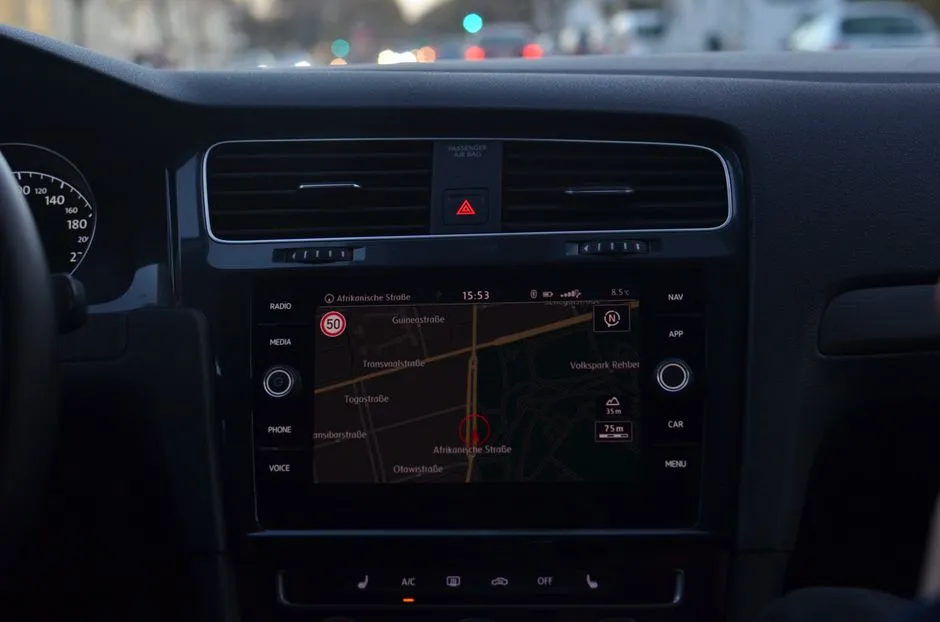
Traditional navigation systems typically prioritize the shortest or fastest routes. That design choice, baked into almost every app most people open when they get into a car, has quietly reshaped behavior over the past decade. Developers have long operated on the assumption that drivers want the fastest route, and by default, most navigation applications provide routes based on that criteria unless the driver actively customizes the settings.
The result is a kind of passive compliance. Most drivers don’t override the default. They accept the fastest path not because it’s what they deeply want, but because it’s what’s already selected for them. The scenic option is there, technically. It just requires effort to find.
Road Trips Are Still Booming, Just Not the Slow Kind
2023 set a record with over 1.90 billion road trips taken, and 2024 was expected to surpass previous records, indicating continued growth in road tourism. That’s not a culture abandoning the open road. Road trips were the most popular form of travel in 2024, accounting for roughly two in five American travelers.
In 2024, the most common amount of time U.S. travelers planned to drive on a road trip was between six to ten hours. That’s a reasonable distance, but it’s also squarely in the category of “getting somewhere” rather than wandering. According to a 2024 study, roughly three in ten respondents planned road trips lasting three to four hours, while about a quarter opted for trips between five and seven hours. Short, purposeful, and mostly direct.
The Scenic Byway Network Still Exists, Few People Know It
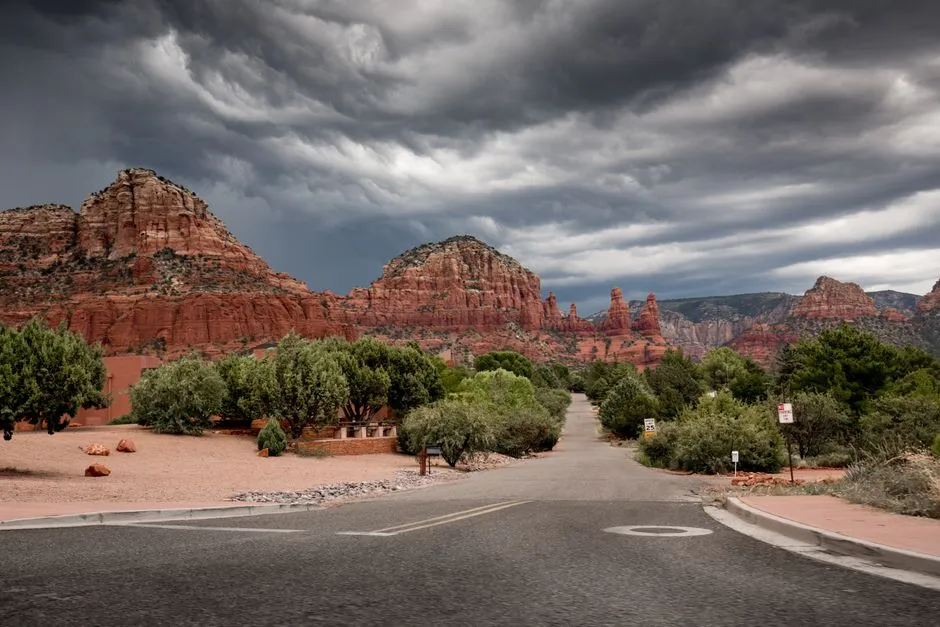
The federal government supports 184 designated scenic byways across 48 states, operating under an 80/20 federal-local cost-sharing arrangement for eligible projects. These routes were designed precisely to give travelers an alternative to the interstate grid. Yet most Americans couldn’t name more than one or two of them.
Studies consistently show positive economic returns from scenic byways. Louisiana’s scenic byways generate $1.56 for every dollar spent, while even shorter routes like Kansas’s 103-mile Flint Hills Scenic Byway contribute $464,000 annually to local economies. The infrastructure is there. The demand exists in pockets. The connection between the two is where things get fragile.
The Blue Ridge Parkway Proves Scenic Routes Still Pull Crowds
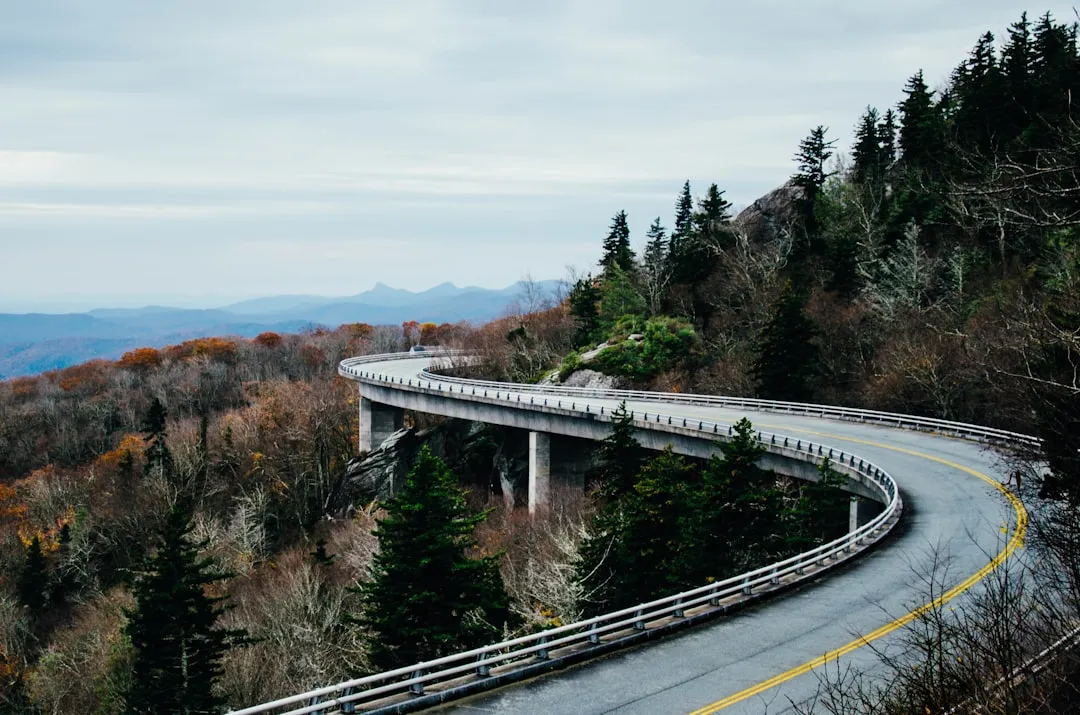
A National Park Service report shows that 16,757,635 visitors to the Blue Ridge Parkway in 2023 spent nearly $1.4 billion in communities near the park, supporting 19,159 jobs and generating a cumulative economic benefit of over $1.8 billion. Those aren’t the numbers of a forgotten road.
More than 16.7 million people visited the Parkway, making it the second-most visited National Park Service site in 2024. Blue Ridge Parkway led all National Park System sites in 2025 with 16,533,753 visits, while Great Smoky Mountains National Park welcomed 11,527,939 and Natchez Trace Parkway drew 7,994,783. These are roads that people actively seek out. The challenge is that they remain the exception, not the model for everyday travel.
Route 66 Is Having a Cultural Moment, Right Before Its Centennial
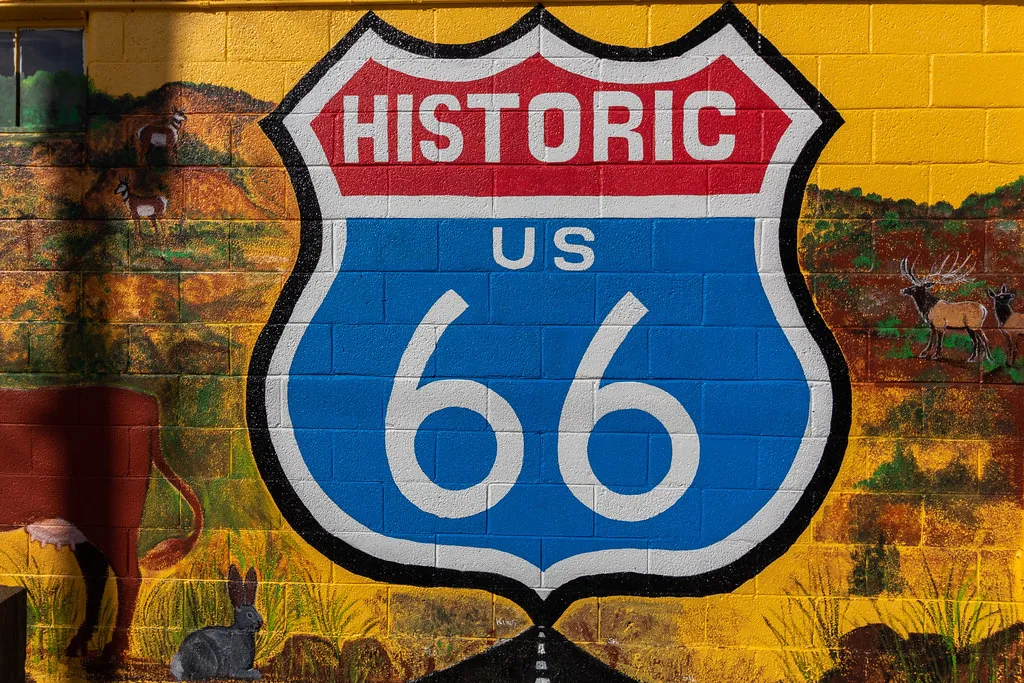
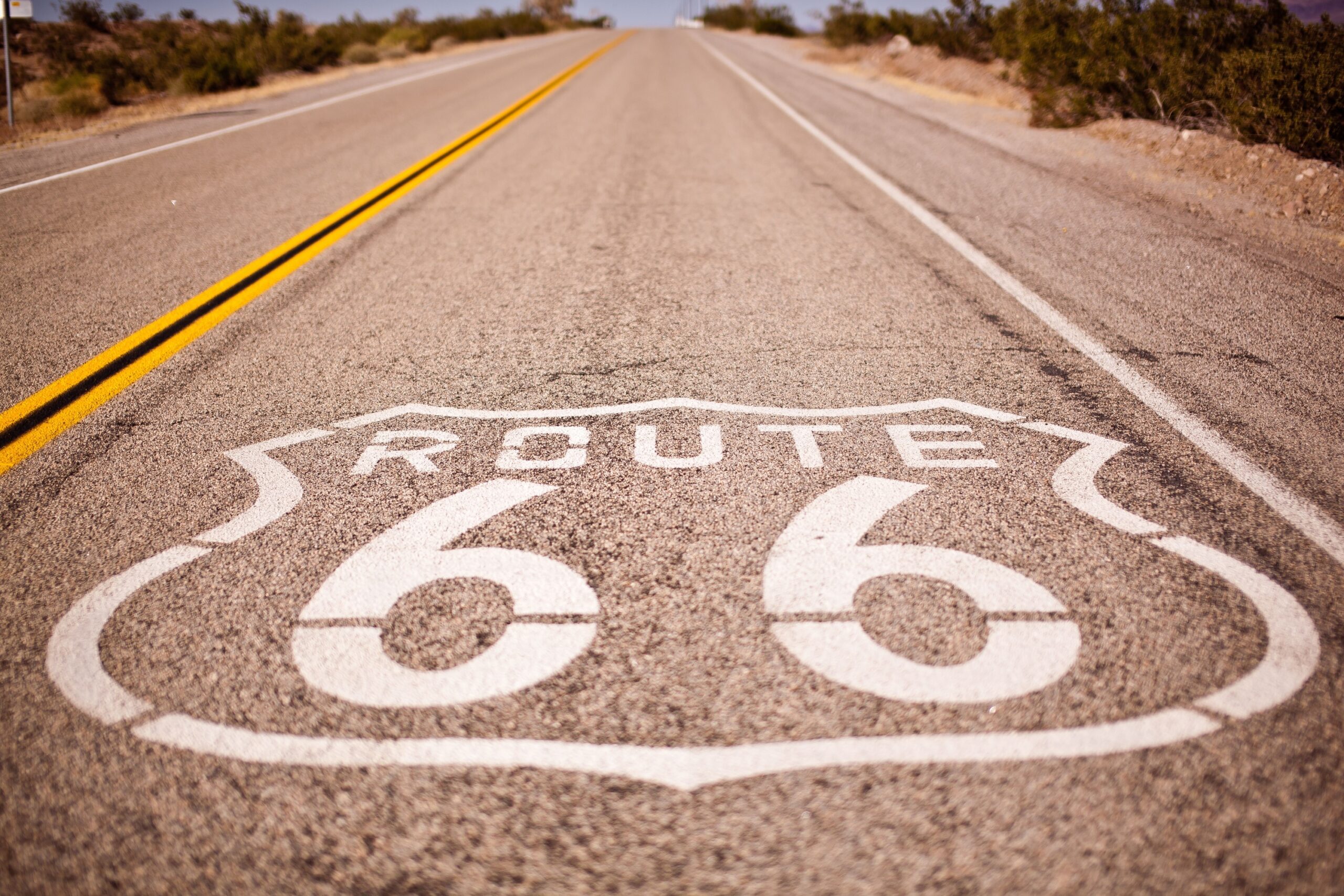
Route 66, stretching from Chicago to Santa Monica, is the most popular road trip route in the U.S., attracting over 5 million road trips annually. The iconic highway is famous for its historic landmarks, classic diners, and nostalgic American road trip experience. Something about it still resonates.
Route 66 collectively generates the highest engagement among historic American roads, with visitors from Europe, Australia, Japan, and Brazil contributing to its international social media presence. With the 2026 centennial approaching, tourism officials expect record visitation and economic impact throughout the eight-state corridor. According to Longwoods International, roughly a third of American travelers are extremely interested in touring part or all of Route 66. It remains a symbol of something people sense they’re missing.
Slow Travel Is Quietly Becoming a Movement
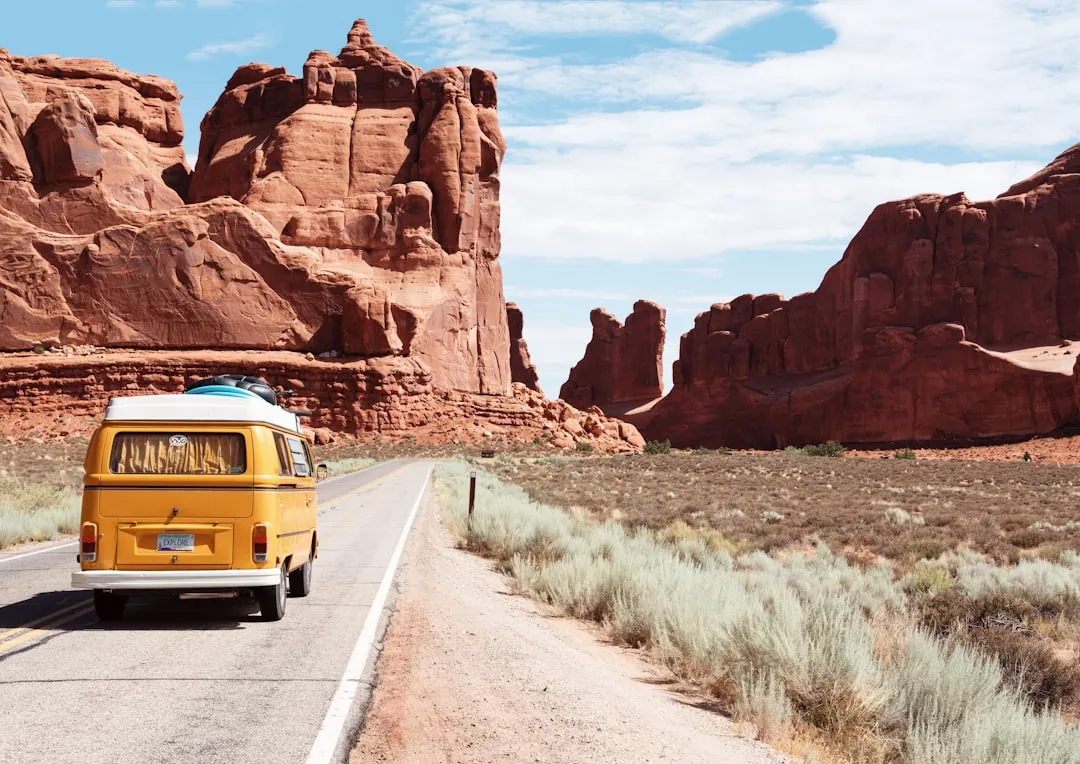
The global tourism landscape is undergoing a significant shift as travelers increasingly seek meaningful, slower-paced travel experiences. Surveys indicate that travelers are increasingly seeking escapes off the beaten path, with more than half of respondents and a large majority viewing travel as potentially transformative.
Slow travel, which often means staying in fewer places or immersing in local culture for an extended time, is gaining popularity according to 2025 trend reports from Hilton and Booking.com, with the Hilton 2025 Trends Report listing it as a top travel trend. A survey of 2,000 U.S. adults revealed that a significant share of travelers were planning vacations with the main intention of slowing down and switching off, and road trips were the most popular form of travel in 2024 with slow travel coming in as the second most popular approach.
The Mental Health Case for Taking the Long Way
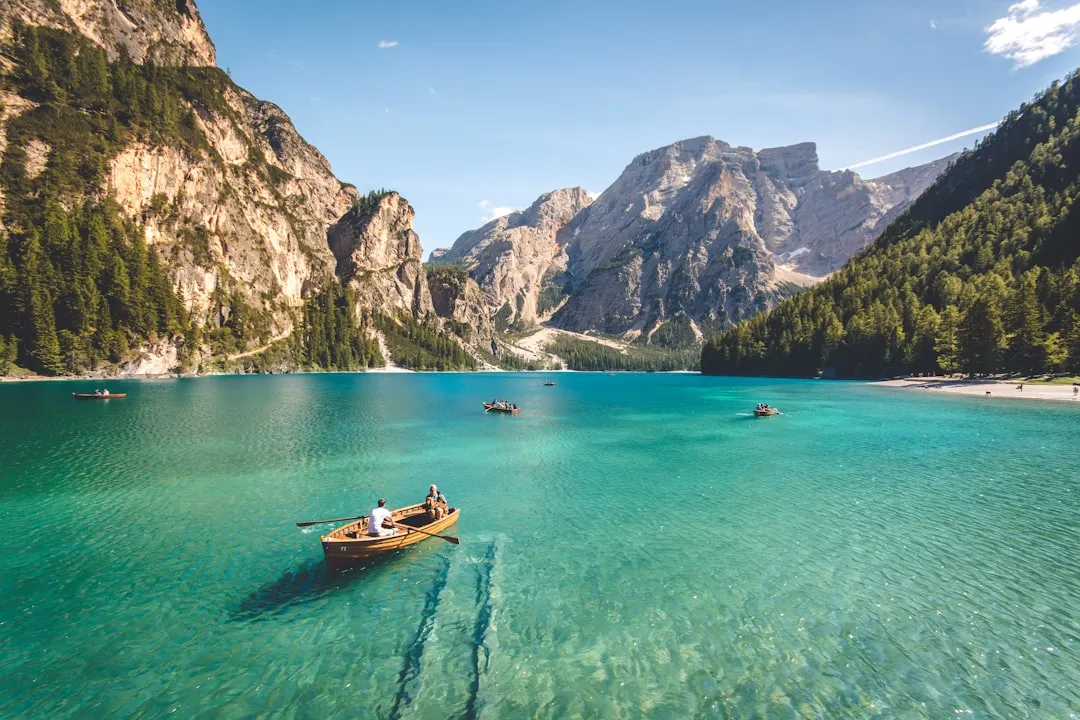
In a 2024 interdisciplinary study published in the Journal of Travel Research, researchers from Edith Cowan University applied the theory of entropy to tourism, proposing that positive travel experiences may support physical and mental health in ways that could help slow some signs of aging. That finding carries real weight.
A slower pace, tranquility, and a less hurried rediscovery of one’s surroundings can enhance psychological capital and promote well-being. Slow tourism can provide “oases of deceleration” where visitors escape the relentless pace of modern life and experience more meaningful connections with both places and people. Mental health benefits include reduced stress, improved mood, and increased mindfulness, with this type of travel offering a break from digital overload and everyday routines. The scenic route isn’t just prettier. Research suggests it may genuinely be better for you.
Cost Is Reshaping How People Think About Every Mile
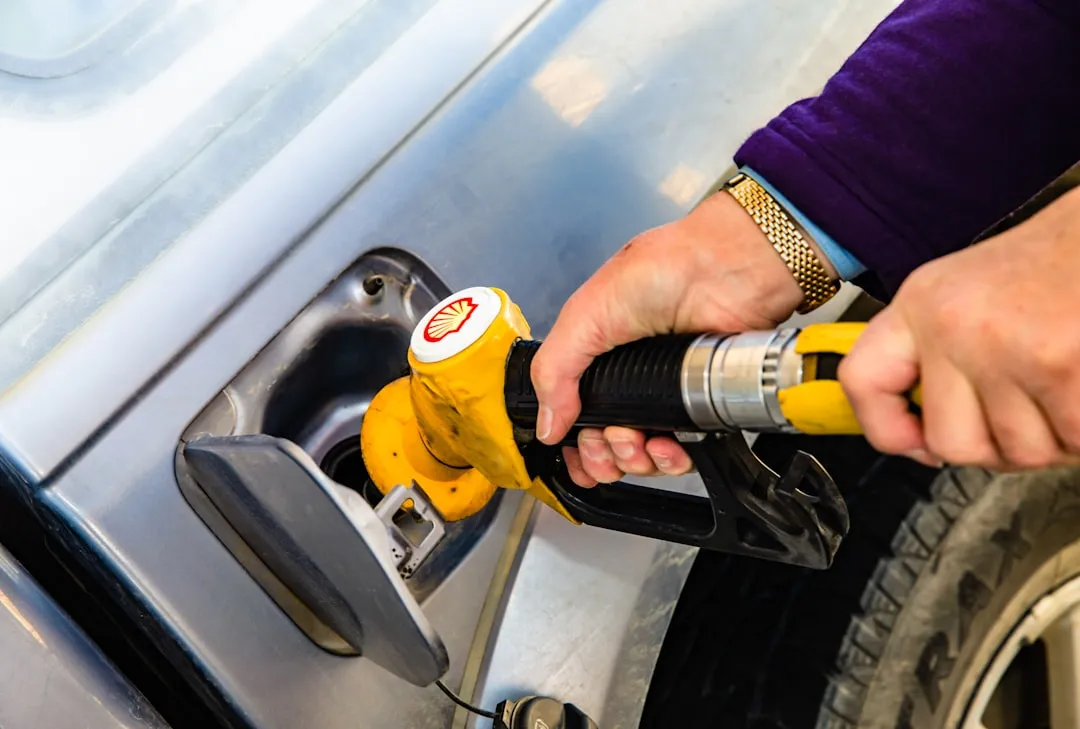
According to a 2025 Deloitte survey, roughly three in five summer travelers said they were cutting other expenses to budget for their next trip. When money is tight, efficiency takes over. The scenic detour starts to feel like a luxury rather than a default.
About 45% of travelers cite cost as the main barrier to travel, though research also shows that the vast majority believe travel boosts mental health. Longwoods International found that concern about rising gas prices among road trippers climbed from 17% in June 2025 to 23% in July, a reminder that road-trip confidence can shift quickly when fuel costs move in the wrong direction. The romantic appeal of wandering is real. The fuel budget is also real.
Technology Opened Every Road but Points to Only One
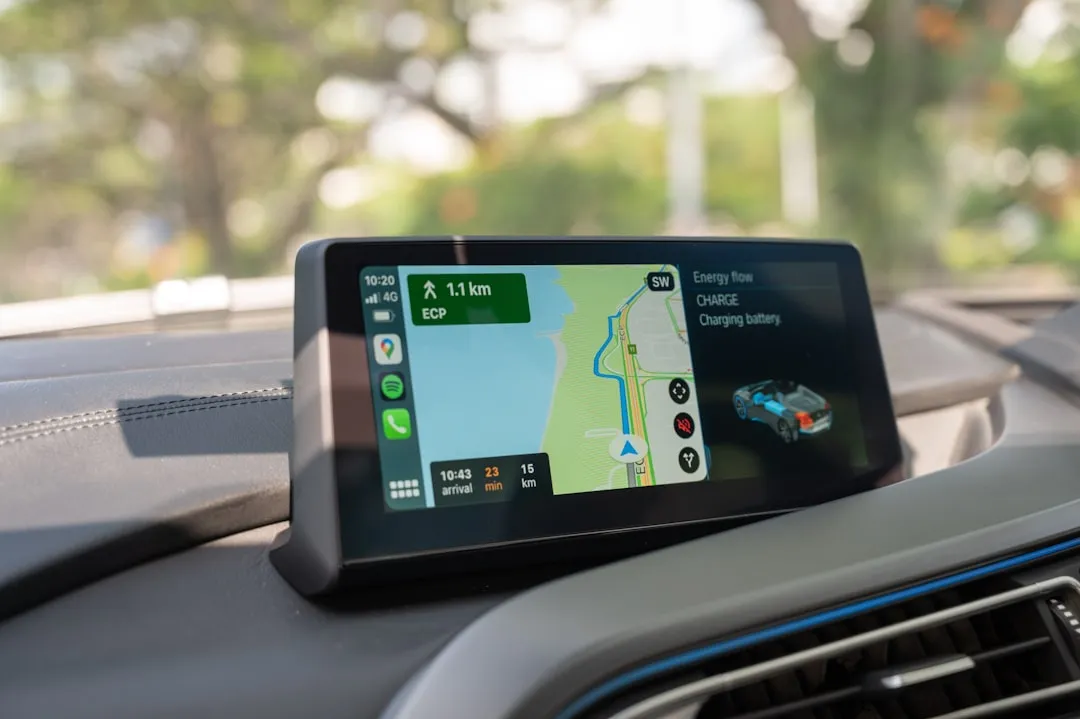
Modern GPS accuracy has improved enormously since the first satellite navigation systems. Navigation tools like Google Maps, Apple Maps, and Waze now use GPS data to help drivers find the fastest route in all sorts of traffic conditions. That precision is genuinely useful. It also concentrates traffic, attention, and spending on a narrow set of corridors.
Traditional navigation systems typically prioritize the shortest or fastest routes, but modern urban environments increasingly require multi-objective navigation that incorporates factors such as route gradient, familiarity, and individual preferences. A key concept emerging in travel research is the shift from the fear of missing out to the joy of missing out. Studies emphasize how screen-free, unplanned travel experiences help people embrace the value of presence. The technology to find beautiful routes exists. The impulse to override the default requires something technology alone can’t provide: a decision to slow down.
The Byway Economy Depends on Drivers Who Deviate
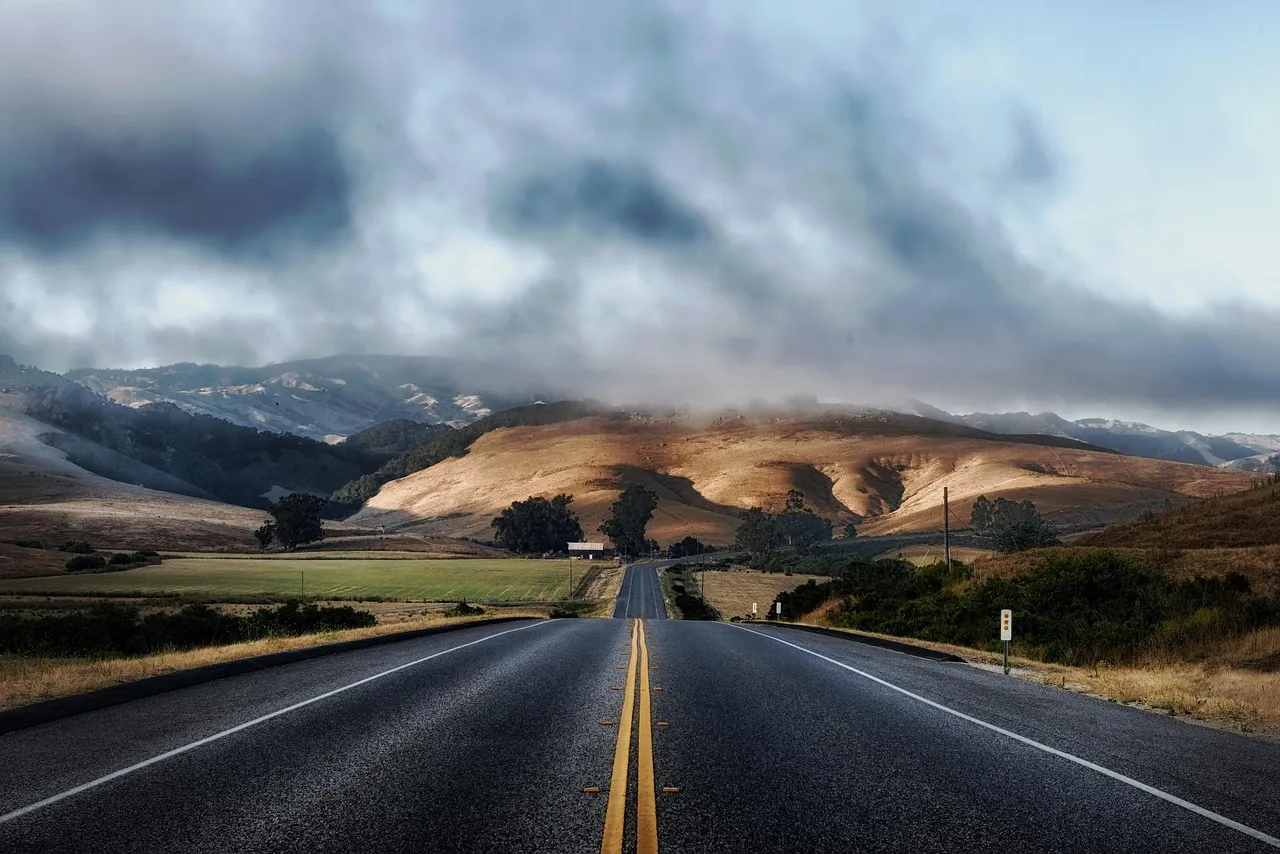
According to Longwoods International, more than half of travelers had spent at least one night following a touring route or scenic or historic highway in the previous five years, and nearly a third had done so multiple times. That’s a substantial base, even if it rarely makes headlines.
Small towns along scenic corridors, like Shamrock, Texas with a population of around 2,000, welcome 15,000 international visitors annually, demonstrating how scenic byway tourism can transform rural economies. Studies consistently demonstrate positive returns on investment, with Louisiana’s scenic byways generating $1.56 for every dollar spent when accounting for both direct and secondary economic impacts. Every time a driver skips the detour, it’s not just a personal experience lost. It’s a direct economic consequence for the communities that built their livelihoods along those roads.
The Road Less Traveled Still Has Something to Offer
The scenic route didn’t disappear. It got deprioritized, gradually, by defaults we didn’t consciously choose. The data shows that Americans are driving more than ever, logging record-breaking holiday miles and spending billions on road travel. The appetite for the open road is clearly still there.
A notable departure from fast-paced tourism is underway, driven by a growing desire for mindfulness, sustainability, and authentic cultural experiences. This demand for more meaningful and immersive journeys marks a real and measurable shift in how people think about where they go and how they get there. The scenic route was never really about adding miles. It was about what happens to you while you’re on it. That turns out to be harder to optimize away than anyone expected.
AI Disclaimer: This article was created with the assistance of AI tools and reviewed by a human editor.