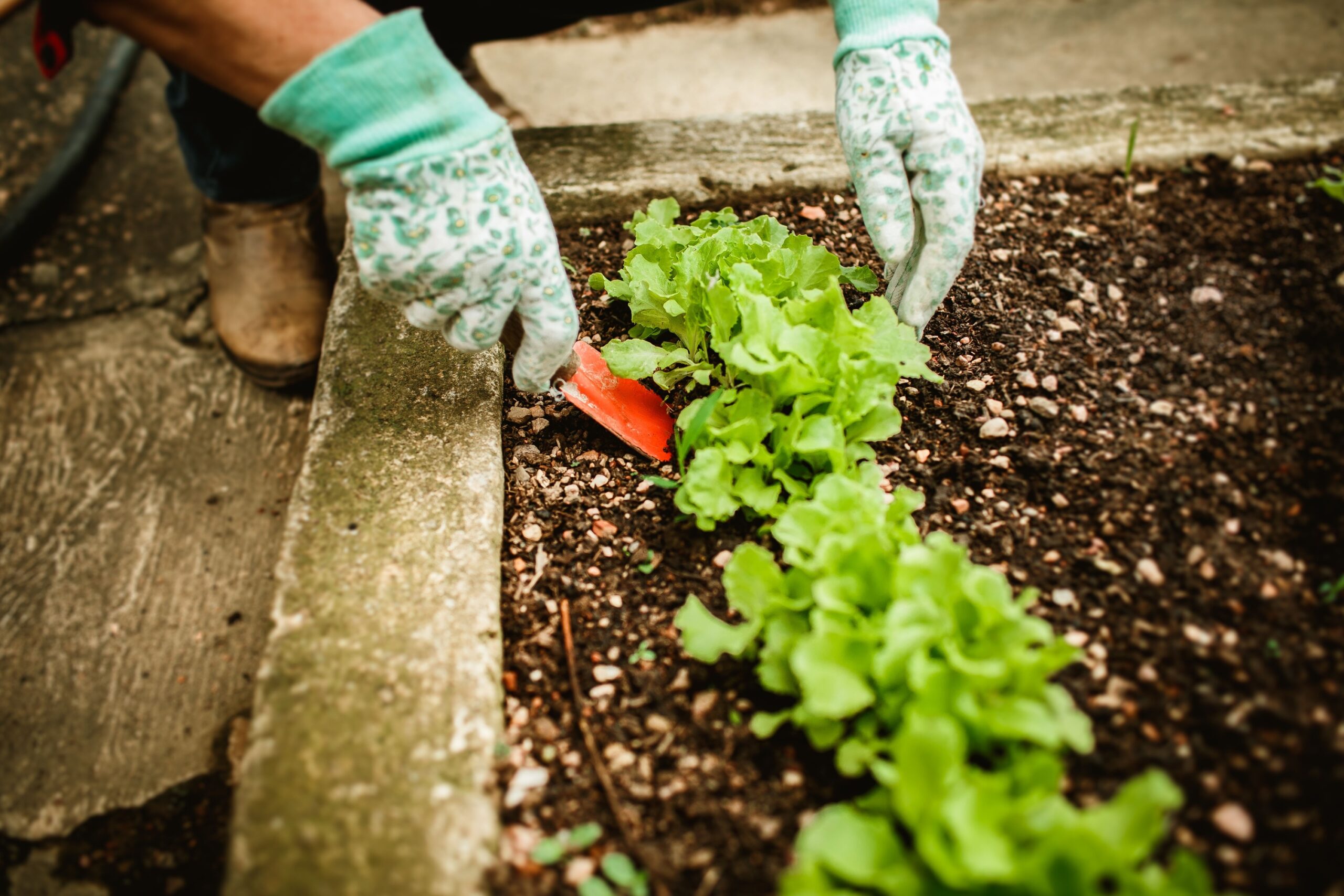

There was a time when growing your own food wasn’t a hobby or a lifestyle statement. It was simply what Americans did. During World War II, front yards, rooftops, window boxes, and public parks were all pressed into service to feed a nation under strain. Today, most of those same spaces are covered in ornamental shrubs, concrete driveways, or just grass. The question of how that shift happened is more revealing than it might first appear.
What Victory Gardens Actually Were

Victory gardens, also called war gardens or food gardens for defense, were vegetable, fruit, and herb gardens planted at private residences and public parks in the United States, United Kingdom, Canada, Australia, and Germany during World War I and World War II. In wartime, governments encouraged people to plant victory gardens not only to supplement their rations but also to boost morale, and they were used alongside rationing stamps and cards to reduce pressure on the food supply.
Commercial crops were diverted to the military overseas while transportation was redirected toward moving troops and munitions instead of food. With the introduction of food rationing in the United States in the spring of 1942, Americans had an even greater incentive to grow their own fruits and vegetables in whichever locations they could find: small flower boxes, apartment rooftops, backyards, or deserted lots of any size.
The Scale Was Staggering
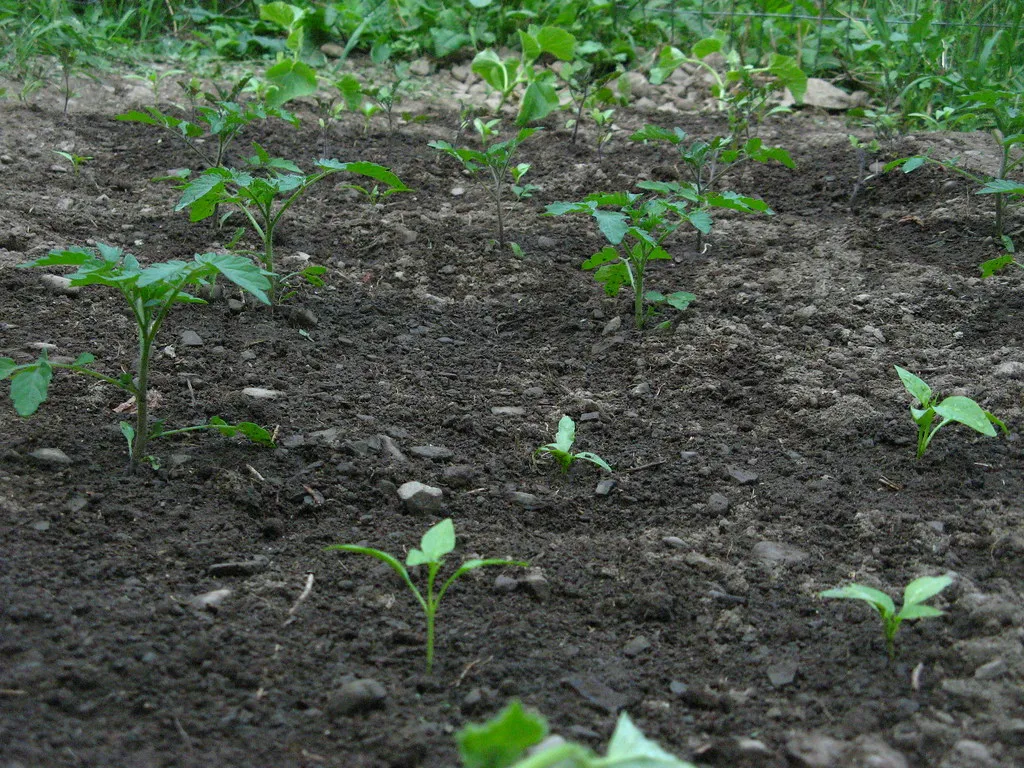
In 1942, roughly 15 million families planted victory gardens. By 1944, an estimated 20 million victory gardens produced roughly 8 million tons of food, which was the equivalent of more than 40 percent of all the fresh fruits and vegetables consumed in the United States. That kind of collective food production is almost impossible to picture today.
According to archived USDA fact sheets, there were more than 20 million victory gardens in 1943, which produced 10 billion pounds of food. In 1944, gardens provided around 40 percent of the U.S. vegetable supply. Two-thirds of those gardens were in towns, cities, and suburban areas, which speaks to how broadly the movement reached across the American landscape.
The Motivation Was Practical, Not Just Patriotic
While victory gardens were portrayed as a patriotic duty, 54 percent of Americans polled said they grew gardens for economic reasons, while only 20 percent mentioned patriotism. That’s a telling detail. People weren’t tilling the soil purely out of devotion to the flag. They were genuinely stretched thin and needed to eat.
Wartime needs stretched agricultural production. The United States not only had to feed its own civilian and military population, but many of the Allies relied on America’s breadbasket. In addition, U-boats sank hundreds of food-laden ships bound for Britain. The pressure was real, and the gardens were a direct, practical response to it.
The War Ended and So Did the Gardens
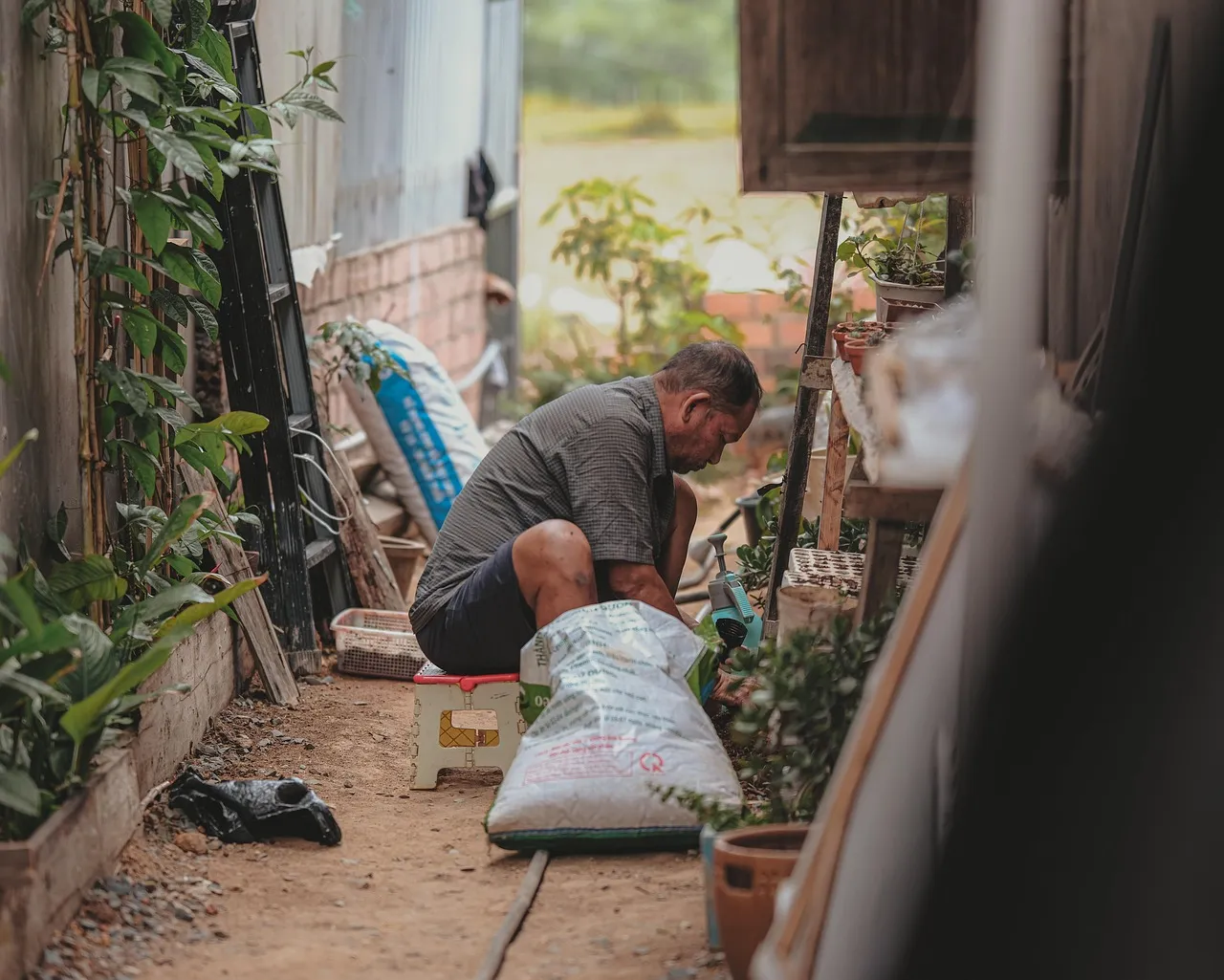
After the war, with industrial agriculture booming, people moved away from this practice. The rise of supermarkets, packaged foods, and the convenience of modern living meant that home gardens became a thing of the past. It wasn’t a sudden collapse. It was a gradual unwinding that played out over years.
Post-war societal values and lifestyles underwent significant changes. There was a shift toward more leisure-oriented activities and an increase in the availability of pre-packaged and convenience foods. Gardening, which requires time, effort, and dedication, became less appealing to many. Additionally, the rise of supermarket chains and the development of transportation networks made fresh produce widely available year-round, reducing the necessity for personal gardening.
Suburbanization Changed the Landscape Literally
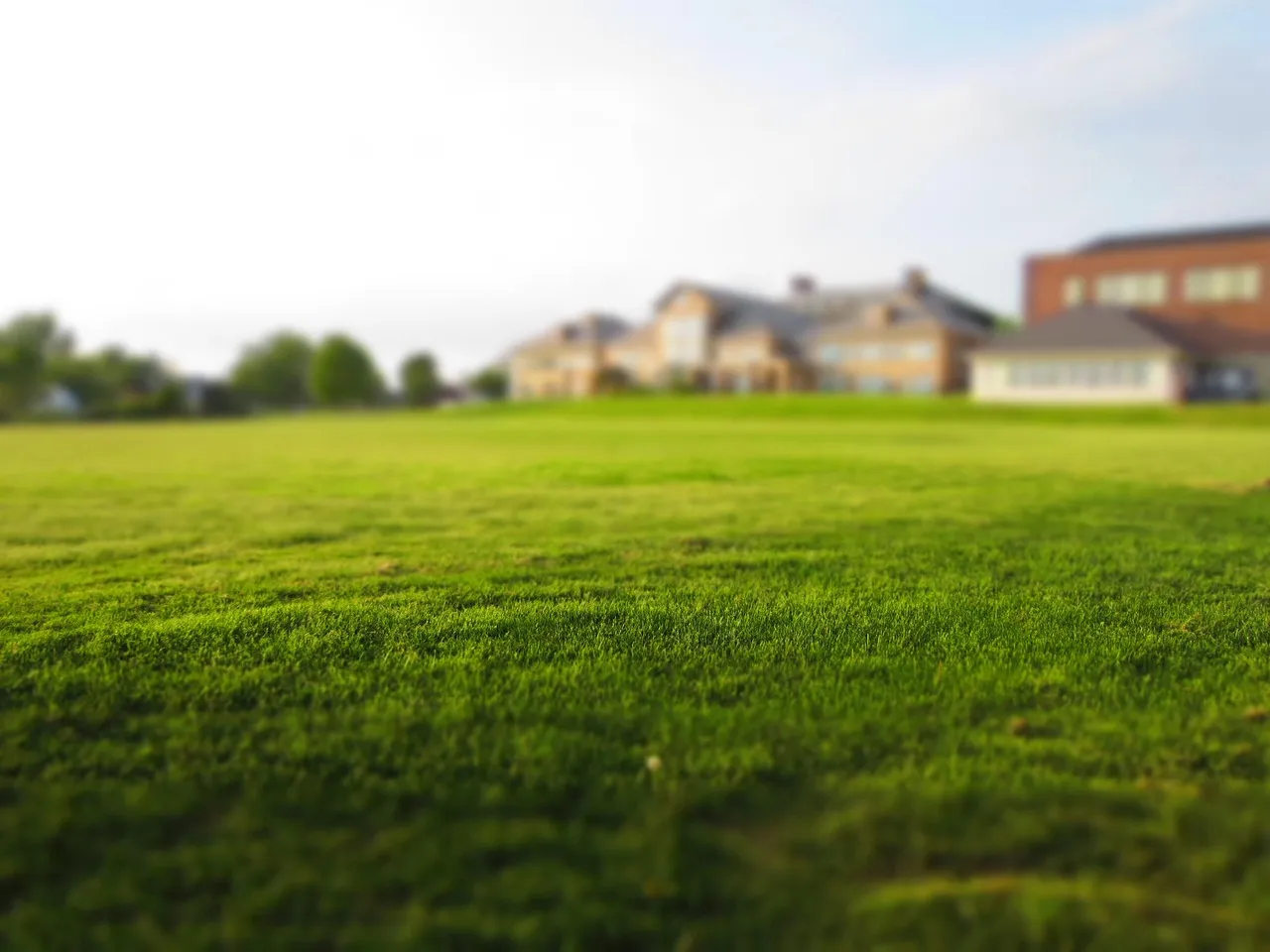
After WWII, many families abandoned food gardening to pursue leisure activities. Suburban landscapes became seas of manicured lawns punctuated by a few ornamentals. The physical character of American neighborhoods shifted in a way that made food growing feel out of place.
The rise of suburbanization and urbanization led to a decline in available land for gardening, making it more difficult for people to maintain their victory gardens. This suburban lawn paradigm even resulted in some homeowners’ associations forbidding food gardening by residents. In just a few short decades, food gardening went from patriotic to prohibited.
The Numbers Show How Far We’ve Fallen
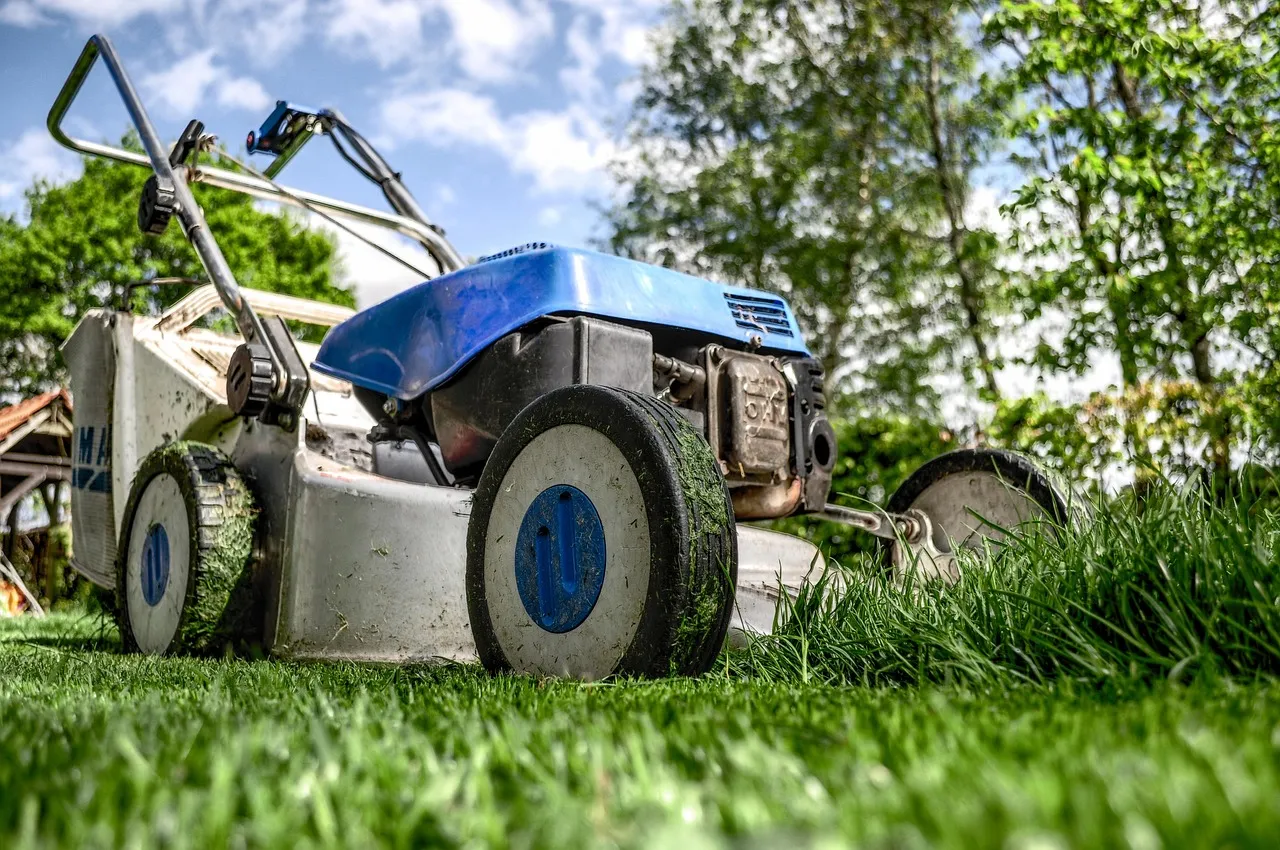
Today, only about 0.1 percent of America’s food is grown in backyards. It is a staggering drop, especially when compared to the 45 percent grown during World War II. That contrast alone raises serious questions about how dependent modern life has become on industrial food systems.
Roughly one in three U.S. households currently grows vegetables, fruits, and other food. That’s not trivial, but it’s a far cry from the wartime era when growing food was a nearly universal act. According to the 2024 National Gardening Survey from the National Gardening Association, home gardeners are increasingly confronted with less space to plant and grow, and the percentage of housing that is now multi-family has risen to 30 percent from about 20 percent in 1960.
What People Grow Now Looks Very Different
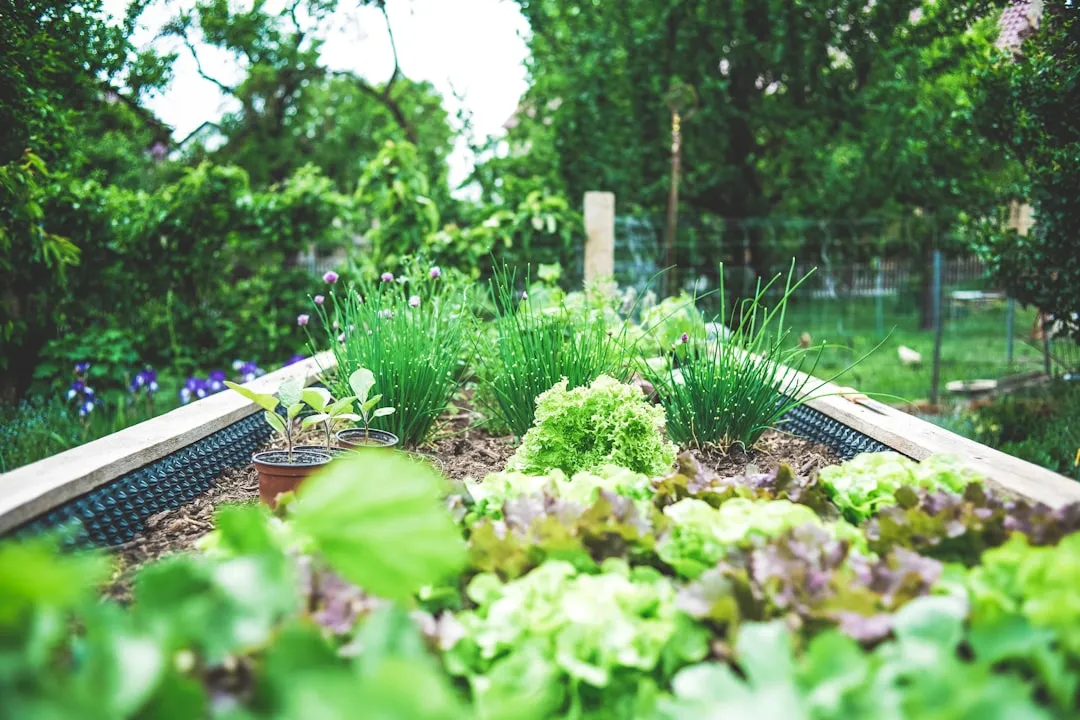
Today, roughly 55 percent of people garden to create a beautiful space, while only about 43 percent garden to grow food. Aesthetics have largely overtaken utility. The garden has become a visual statement rather than a food source for most households.
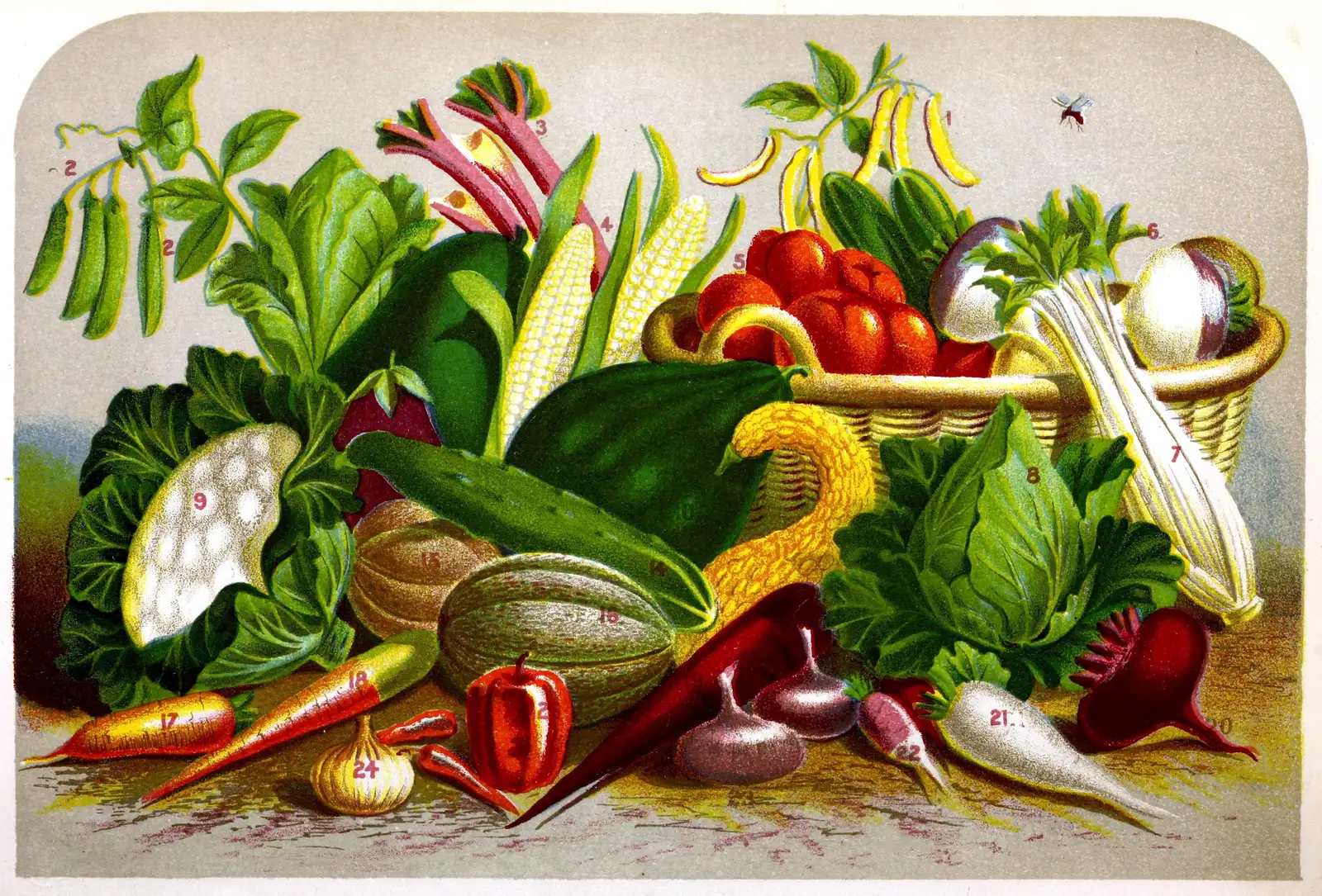
Tomatoes are the most popular homegrown vegetable, found in around 86 percent of food gardens. Interestingly, tomatoes led the list in popularity during the victory garden era too, followed by string or wax beans, onions, lettuce, radishes, beets, and carrots. The crops haven’t changed much. The commitment behind growing them has.
Food Insecurity Didn’t Go Away
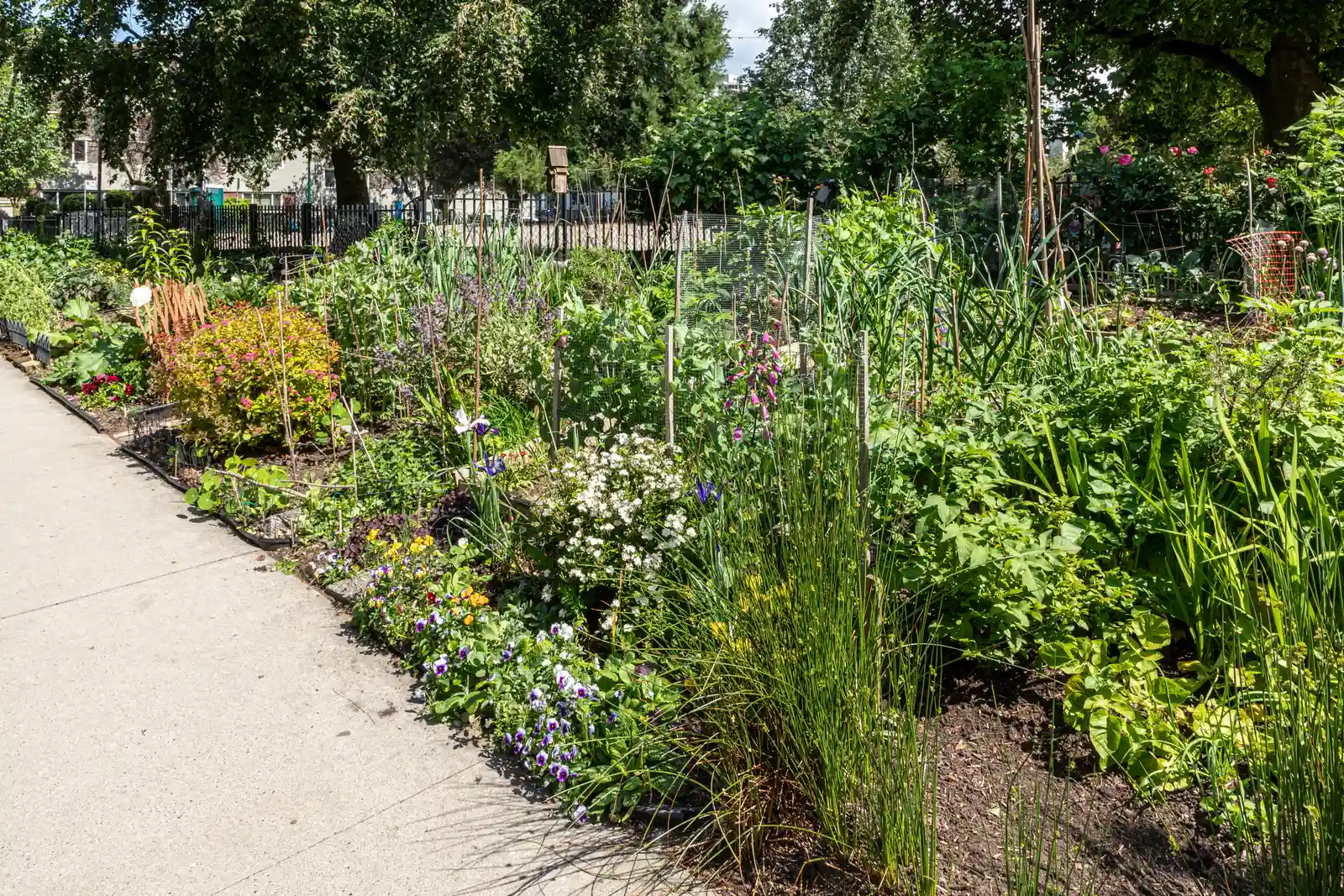
The COVID-19 pandemic aggravated food insecurity in urban centers because of the disruption in the food supply chain, the aggravation of physical and economic barriers that restrict access to food, and the catastrophic increase in food waste because of labor shortages. That disruption caught millions of Americans off guard.
Households that gardened spent more than ever before in 2025, suggesting that many gardeners are becoming more serious about producing food rather than simply decorating landscapes. The pandemic years taught Americans something many had never considered: food doesn’t magically appear on store shelves. Behind every loaf of bread, carton of eggs, and bag of potatoes lies a long chain of farms, processors, warehouses, trucks, fuel supplies, labor, and infrastructure.
Signs of a Quiet Revival
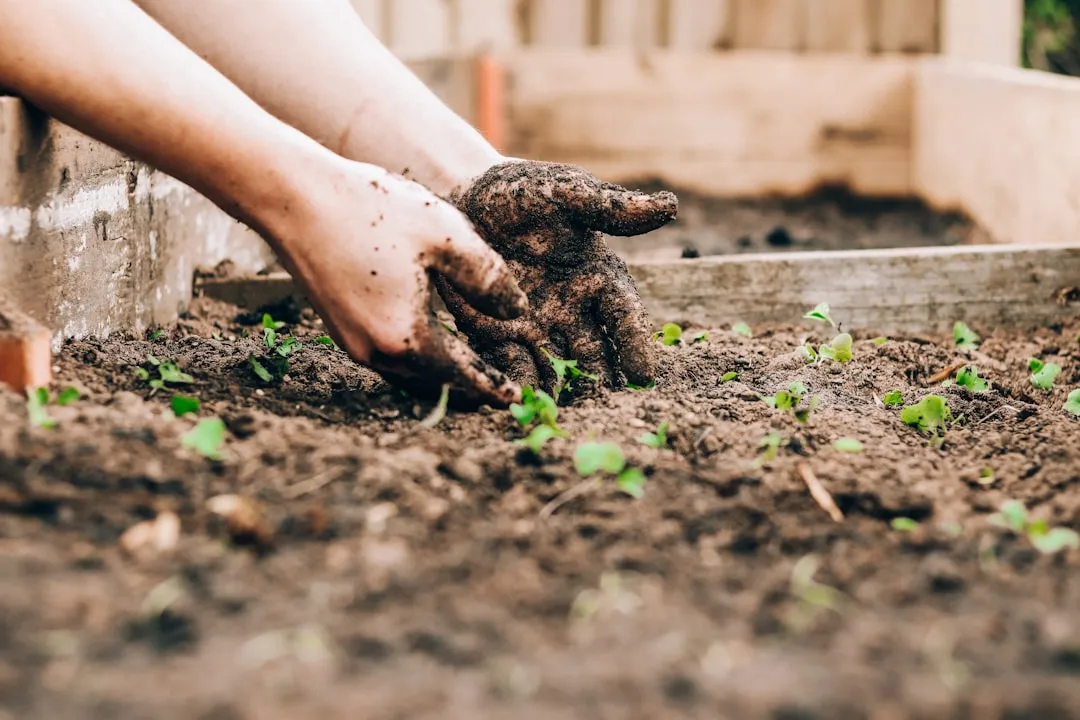
A recent gardening survey found that nearly 64 percent of gardeners plan to expand their gardens in 2026, the highest level ever recorded in the study. More than half also expect to spend more time gardening this year. That’s a meaningful shift in direction, even if it’s still far from the wartime scale.
Renters who garden out-purchase homeowners in vegetable seed and herb seed, which is the leading signal of where small-space, container-driven demand is showing up first. Among households planning to garden more in 2026, roughly two in three cite inflation as an important reason. Economic pressure, it turns out, is still one of the most reliable motivators for picking up a trowel.
What Would It Actually Take to Bring Victory Gardens Back?
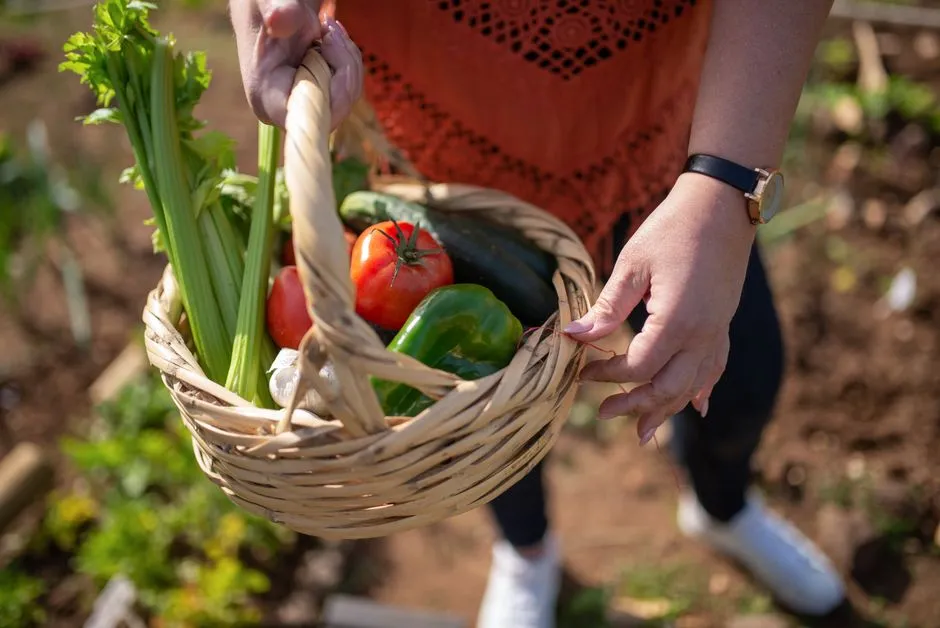
Over recent years there has been growing interest in strengthening and intensifying local food production in order to mitigate the adverse effects of global food shocks and food price volatilities. Consequently, there is much attention toward home gardens as a strategy to enhance household food security and nutrition. The academic case is increasingly clear.
A 2025 study examining home gardens and food security found that household food production can help strengthen food access and reduce vulnerability among families facing economic pressures. Urban and suburban homeowners are already embracing micro-homesteading, creating self-sufficient mini-farms even on small lots, which includes compact vegetable gardens, small-scale composting systems, rainwater collection, and even backyard chickens where permitted. The tools and knowledge are available. What’s missing is the widespread sense of necessity that once made growing food feel urgent.
The Takeaway
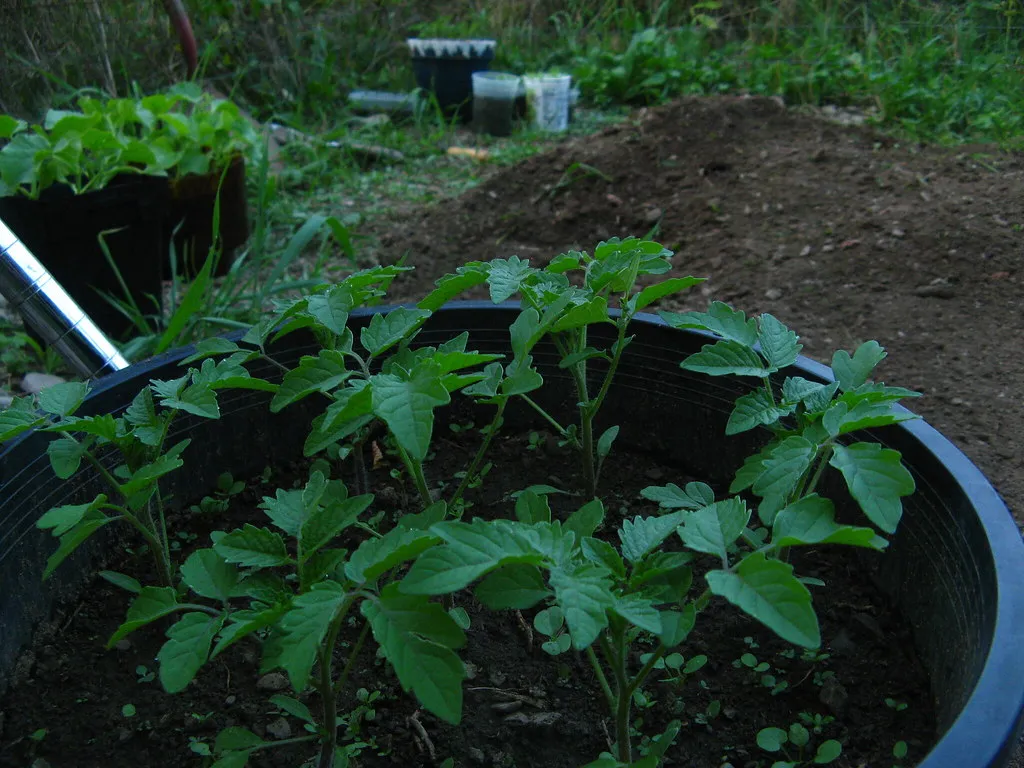
Victory gardens didn’t disappear because Americans lost interest in food. They disappeared because the conditions that made them feel essential were removed: rationing ended, supermarkets expanded, suburbs spread outward, and convenience became the dominant value of postwar life. What’s striking is that many of those conditions are quietly shifting again. Supply chains are fragile, food prices are climbing, and a new generation of gardeners is treating a raised bed as something closer to a necessity than a novelty.
The victory garden may never return at its wartime scale. There’s no government campaign behind it, no rationing books, no wartime urgency compelling every household to dig. Still, the idea at its core, that ordinary people can grow meaningful amounts of real food in ordinary spaces, is as valid in 2026 as it was in 1943. That’s worth sitting with for a moment, especially the next time you look at an empty patch of lawn and wonder what else it could be.
AI Disclaimer: This article was created with the assistance of AI tools and reviewed by a human editor.