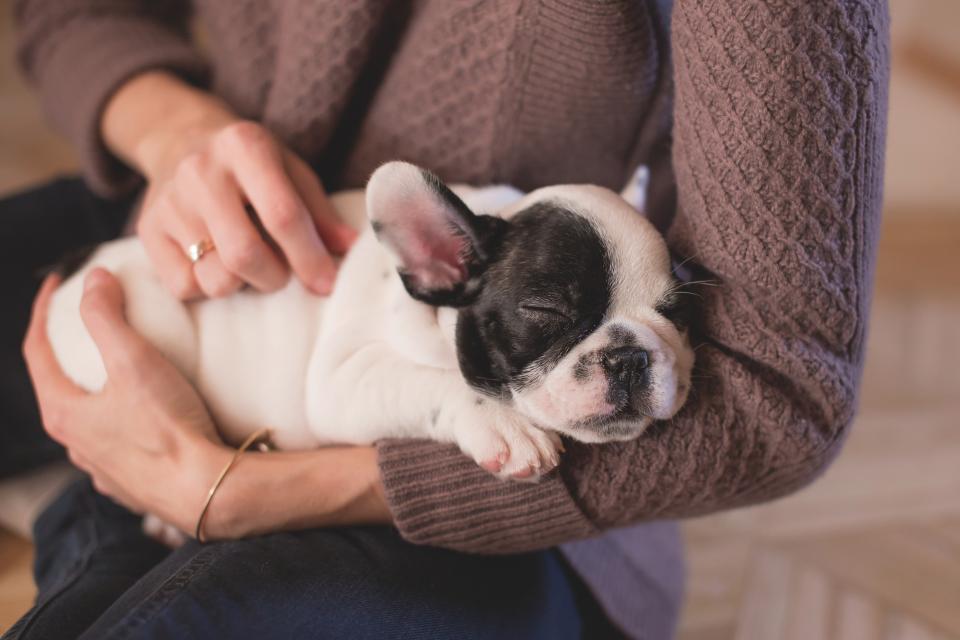

Most dog owners have seen it: the sudden leg kick, the soft whimper, the tiny snout twitching as your dog lies completely still otherwise. It looks a bit like a glitch, or maybe a silent movie playing out behind closed eyes. Whatever it resembles, it’s one of the most common things dog owners notice and wonder about.
The short answer from science is reassuring: this is normal, and it means your dog is deeply asleep. The longer answer is actually quite fascinating, touching on neuroscience, dream research, and what it means to have a mind that replays the day while the body rests.
Dogs Actually Dream, and Science Backs This Up
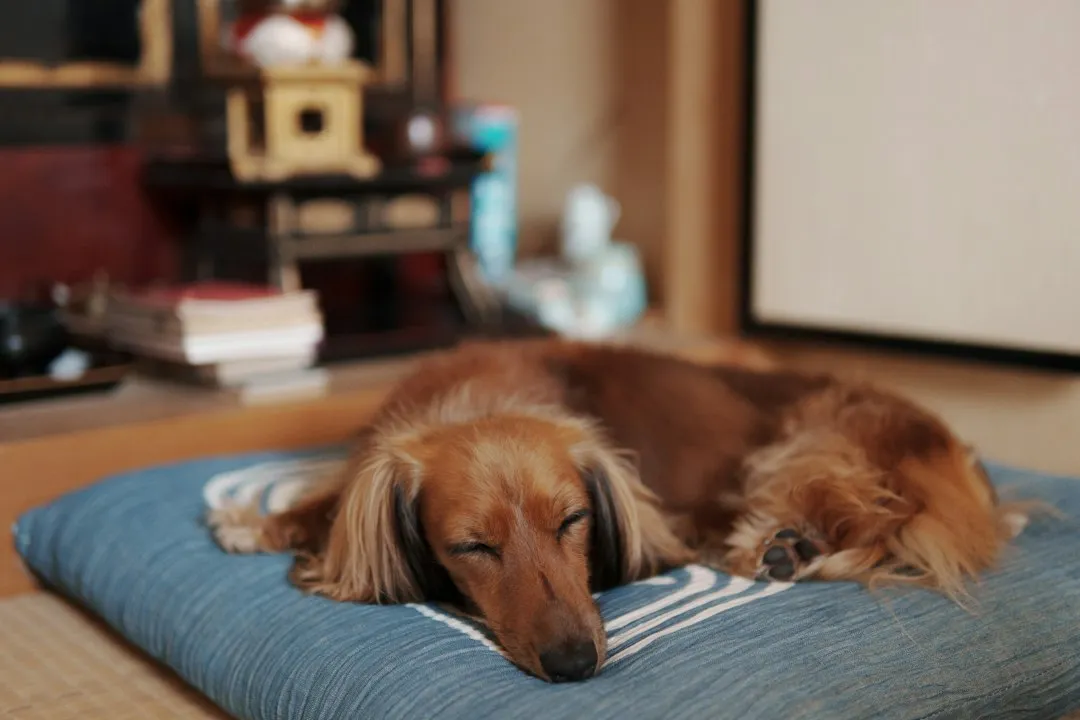
Research by Stanley Coren, Ph.D., professor emeritus of psychology at the University of British Columbia, found that dog brain waves during sleep exhibit the same patterns and stages as those of humans, including rapid eye movement (REM) and non-REM sleep. That’s not a minor finding. It directly implies that the neurological machinery required for dreaming is present and active in dogs.
During REM sleep, a dog’s brain becomes highly active even though the body remains mostly still, and electrical patterns recorded in sleeping dogs closely resemble those seen in dreaming humans. When dogs dream, they may relive experiences or engage in activities from their waking life, such as running or playing, and this can manifest as twitching, paddling of the legs, or vocalizations.
The Role of the Pons: The Brain’s Sleep Traffic Controller
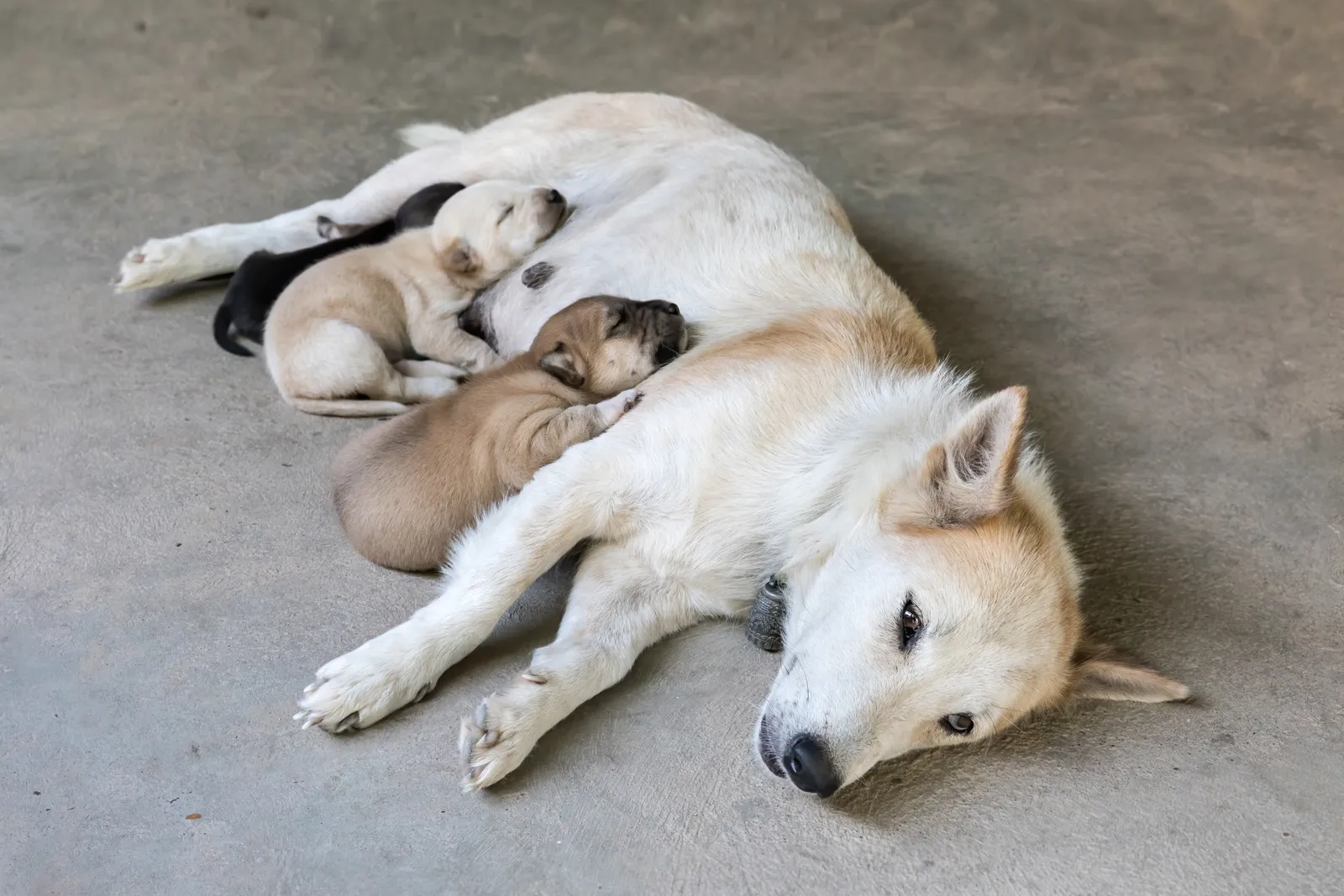
During REM sleep, a dog’s eyes move around behind their closed eyelids, and the large body muscles are turned off so that the dream is not physically acted out. The part of the brain responsible for these “off switches” is called the pons, which is part of the brain stem.
A structure in the brain stem called the pons normally suppresses motor signals so the body stays still. When that suppression is incomplete, the signals get through, and the result is twitching, paddling, or small jerking motions. The American Academy of Sleep Medicine notes that this partial motor leakage during dreaming is well-documented across mammals, including humans, dogs, and rodents.
How Dog Sleep Cycles Differ from Ours
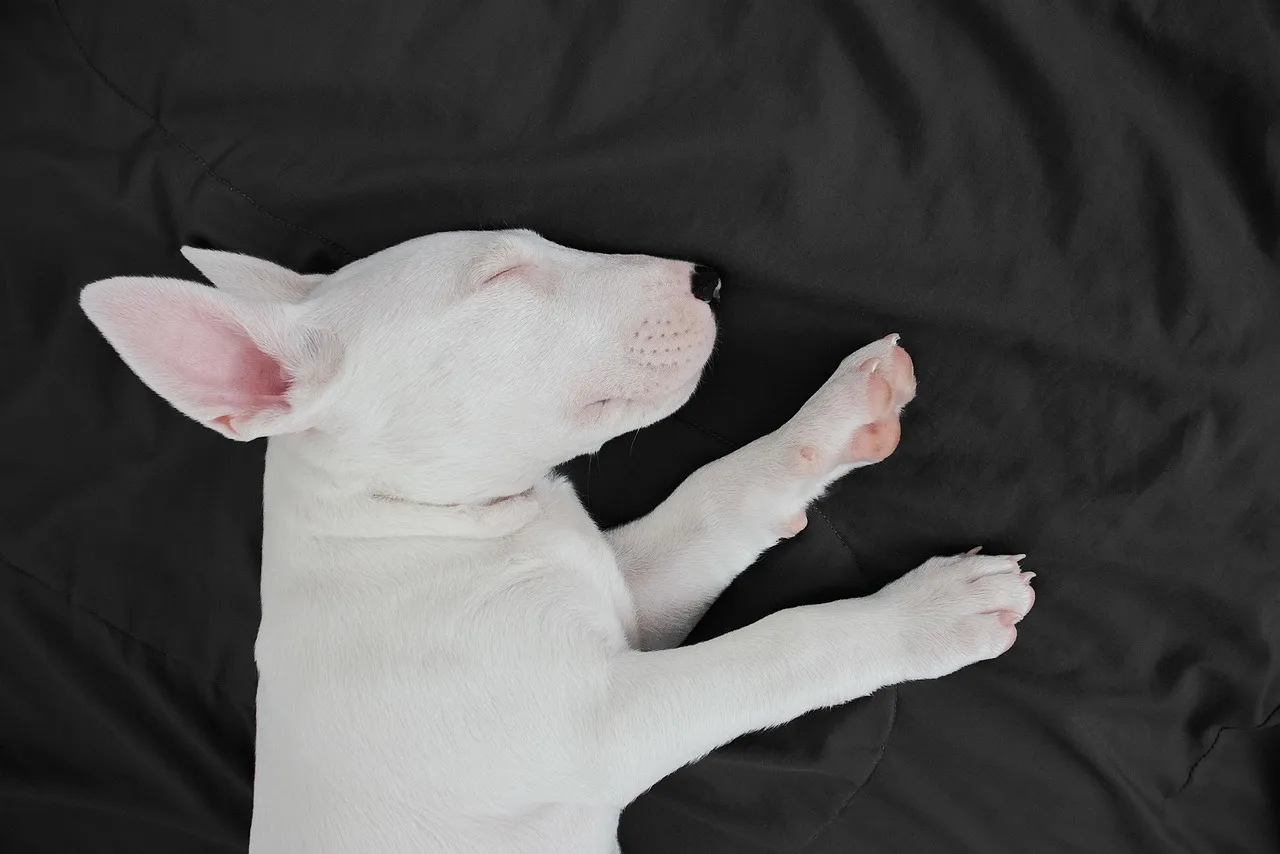
Dog sleep cycles are considerably shorter than human ones. A single cycle in a dog lasts roughly 20 minutes, with about 12 minutes of drowsiness and non-REM sleep followed by about 6 minutes of REM. That quick cycling explains why dogs can seem to fall into a deep sleep very fast compared to us.
Dogs hit deep REM sleep much faster than we do. It takes them only about 20 minutes to get there, compared to roughly 90 minutes for humans. Over a full day, dogs accumulate an estimated 2.9 hours of REM sleep, which is actually more than humans get, despite each individual REM episode being brief.
Memory Replay: Why the Legs Paddle Like They’re Running
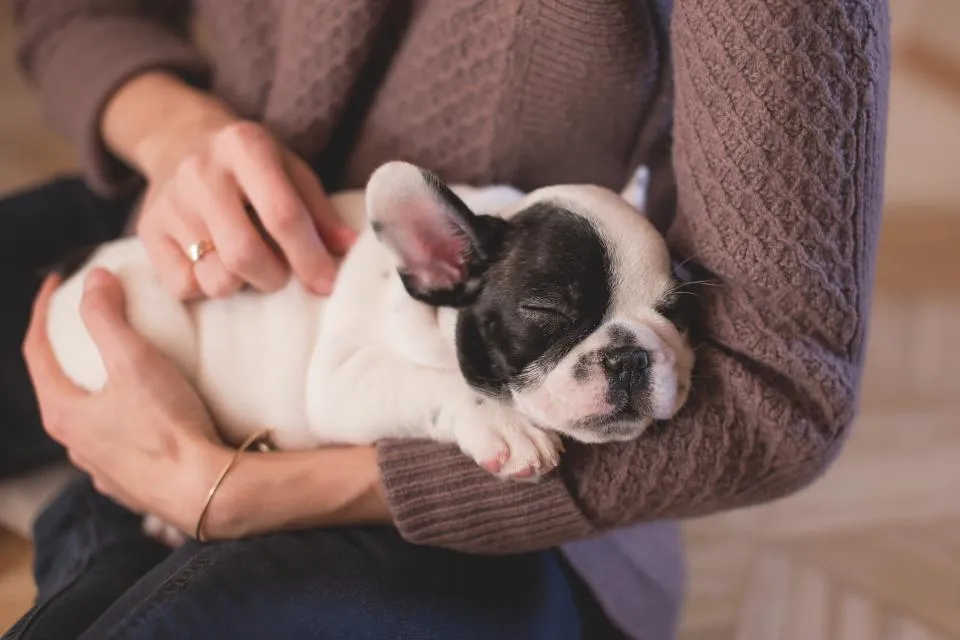
Sleep researchers describe the process behind leg paddling as “motor replay.” When a dog spends the afternoon running, fetching, or interacting with other animals, the brain consolidates that experience during sleep by replaying the neural patterns from that activity, with the hippocampus coordinating with the motor cortex during REM cycles.
Researchers Matthew Wilson and Kenway Louie found in 2001 that animals replay the neural patterns of waking experiences during REM sleep, which is what generates the dream-state motor signals that leak into twitching. These movements directly reflect what was happening in the dream narrative the brain is rehearsing.
Dream Frequency Varies by Size and Breed
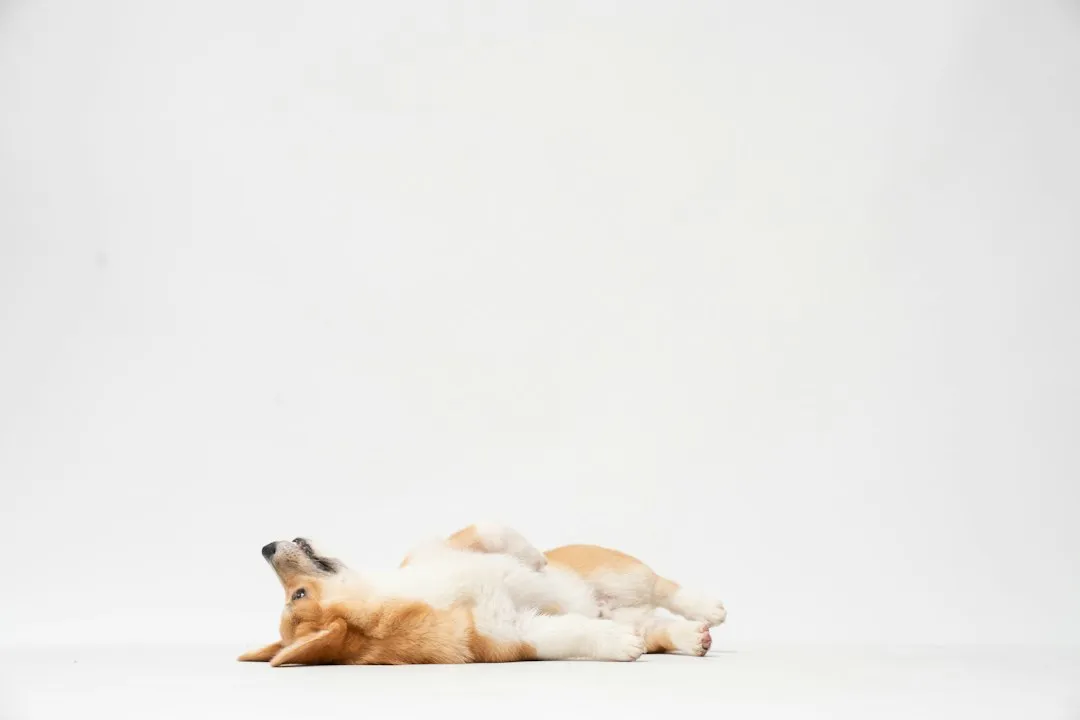
According to research by psychologist Stanley Coren, an average-size dog dreams about every 20 minutes and these dreams last about a minute. Larger breeds have fewer dreams that last longer, roughly every 45 minutes for about 4 minutes. Smaller breed dogs dream more often, about every 10 minutes for up to 30 seconds.
Studies have shown that smaller dog breeds tend to dream more than larger breeds, possibly due to their faster sleep cycles and higher frequency of REM sleep. Some dog breeds even act out breed-specific behaviors in their sleep, such as pointers showing pointing behavior, while spaniels may exhibit flushing behaviors. It’s an oddly wonderful window into how deep instinct and daily memory intertwine during rest.
Puppies Twitch the Most, and There’s a Good Reason for It
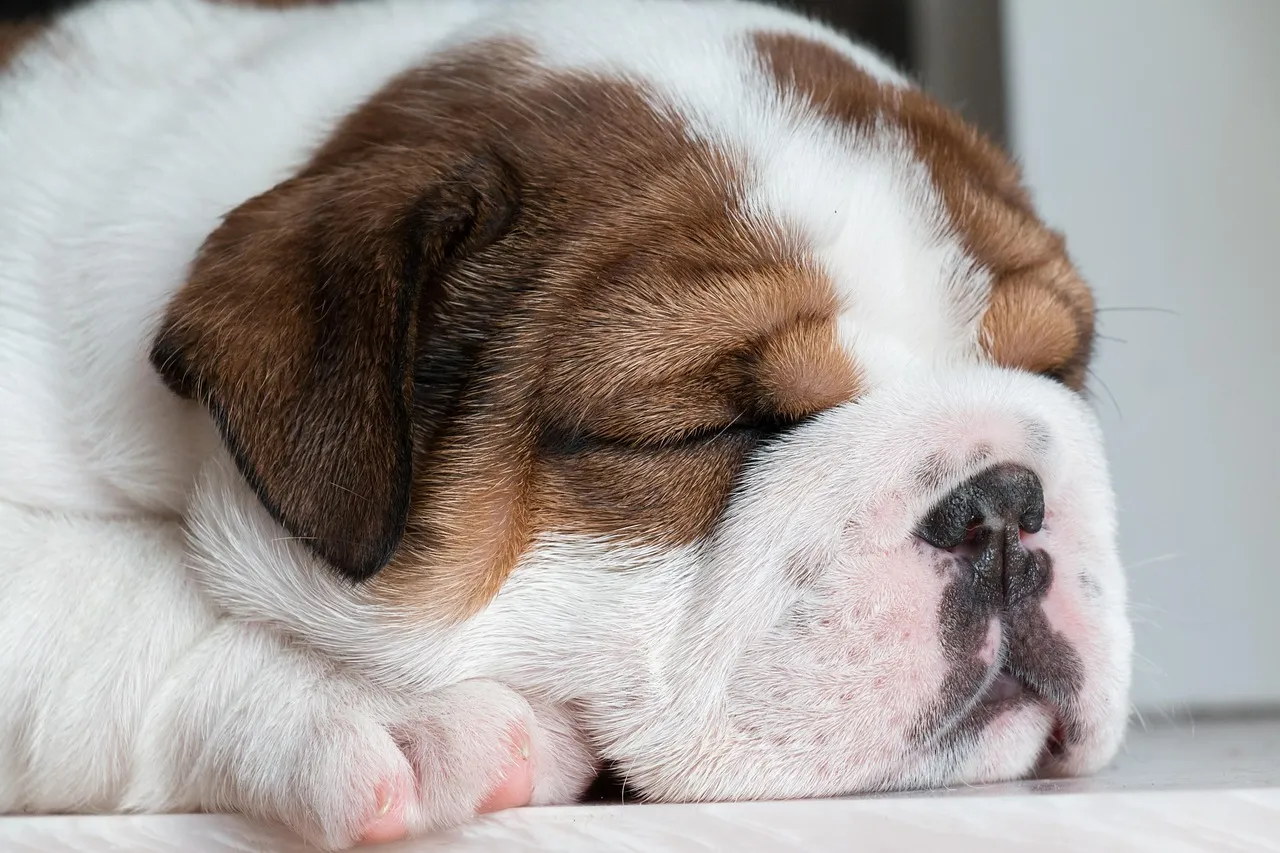
Researchers believe that twitching helps puppies fine-tune their motor skills and nervous system while they rest. These small, involuntary movements may strengthen connections between the brain and muscles, almost like a form of neurological exercise.
Support for this comes from a 2020 longitudinal study involving thousands of puppies: at 16 weeks old, they slept more throughout the day and displayed significantly more leg twitching during sleep than they did at 12 months of age. This behavior reflects natural neurological development, as puppies’ brains and bodies are learning and organizing while they dream.
Puppies spend proportionally more time in REM sleep, where dreaming happens, and their muscle inhibition is still developing. That combination means more visible twitching, paddling, and squeaking.
Senior Dogs Twitch More Too, Just for Different Reasons
Puppies and other infant animals are especially twitchy in their sleep, and like puppies, senior dogs also twitch more than middle-aged adult dogs. In younger dogs, the pons may still be developing, while in older dogs it may be weakening from age. This is why twitching during sleep occurs most commonly in younger and older dogs and less often in adult dogs in their prime.
Aging in dogs also leads to changes in sleep, with older dogs exhibiting nocturnal sleep fragmentation and increased daytime sleep episodes. Older dogs can be more prone to twitching due to discomfort from health issues, cognitive decline, or environmental confusion, and increased movement during sleep may be their way of getting more comfortable.
What Normal Twitching Actually Looks Like
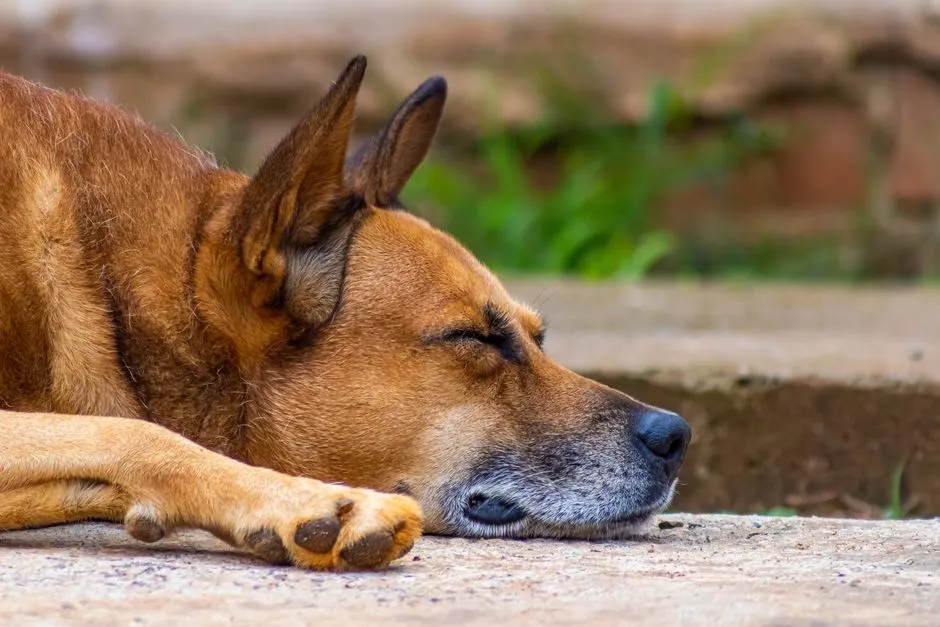
Kicking with the back legs, reaching with the front legs, or paddling with all four limbs is typical for dogs twitching while sleeping. The dog’s face is generally relaxed, though facial expression changes are possible, and their eyes can sometimes be seen moving behind closed eyelids. Some dogs even wag their tails during sleep twitching, which is almost always associated with dreaming.
Some dogs also vocalize when sleep twitching, with common sounds including low growling, soft barking, and high-pitched whimpering. Some dogs may even howl during sleep. Normal twitching typically lasts around 30 seconds to no more than one minute, and it occurs in intervals rather than continuously.
Twitching vs. Seizures: Knowing the Difference
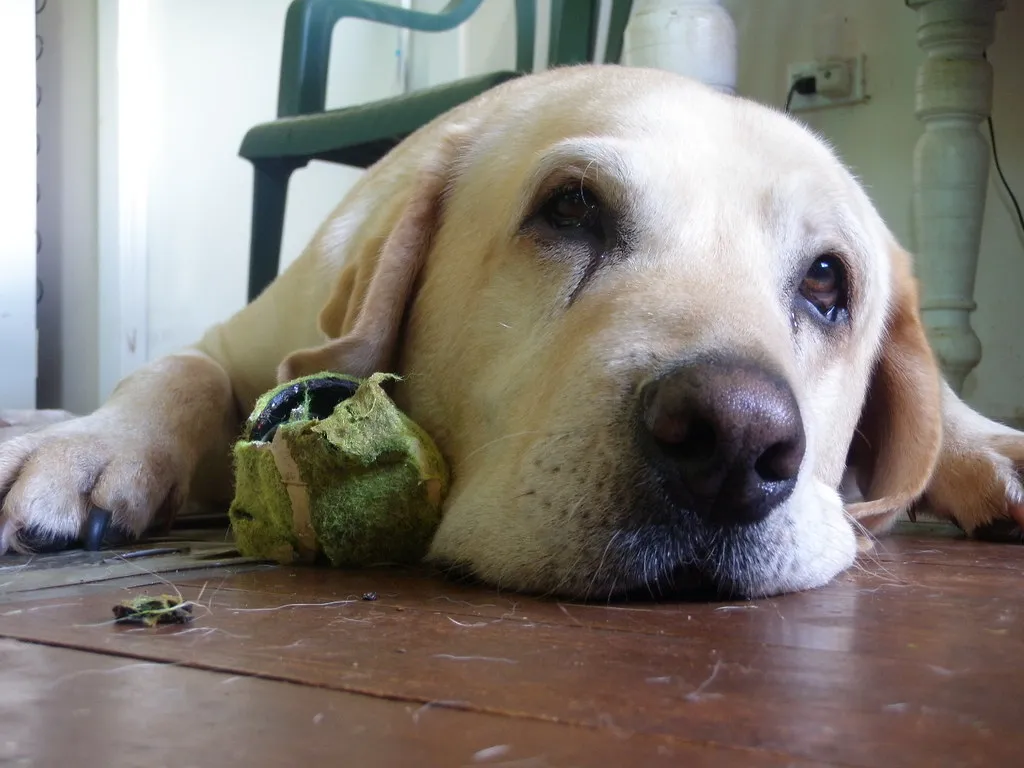
All dogs dream, and some manifest dreaming with twitching, paddling, or kicks of their legs. These movements are often brief, lasting less than 30 seconds, and intermittent. Seizing dogs’ limbs, on the other hand, tend to be rigid and stiffer, with more violent movement.
The main concern arises when episodes become prolonged, rigid, or violent, happen while the dog is awake, or are followed by confusion, drooling, or loss of bladder or bowel control. Seizing dogs cannot be easily woken, may urinate or defecate during the episode, and after a seizure, you may notice drooling, panting, or noticeable disorientation. Dreaming dogs typically show none of these signs and settle back into normal sleep quickly.
Should You Wake a Twitching Dog?
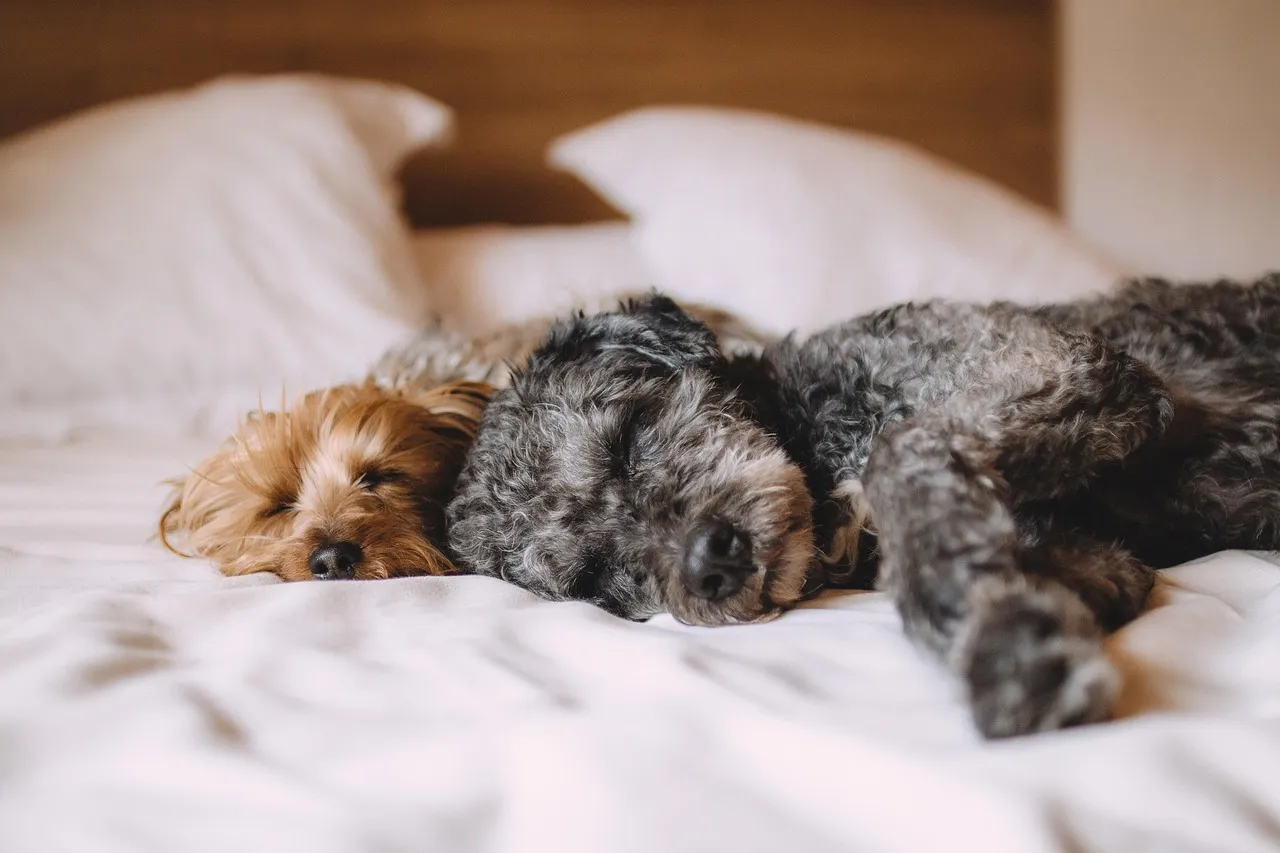
During REM sleep, it’s generally best not to wake your dog. If you wake them unexpectedly, they could startle, and some dogs are known to nip or show brief aggression when woken from REM sleep. If you do need to rouse them, it’s safer to call their name or make gentle sounds rather than touching them.
The best approach is to let your dog twitch and dream in peace. Waking a dog in deep REM is disorienting for them and interrupts the restorative brain function that sleep is supposed to deliver. Daily activity shapes sleep quality too. Dogs who have had an engaging day tend to spend more time in genuine non-REM and REM sleep, meaning more dreaming.
The Takeaway
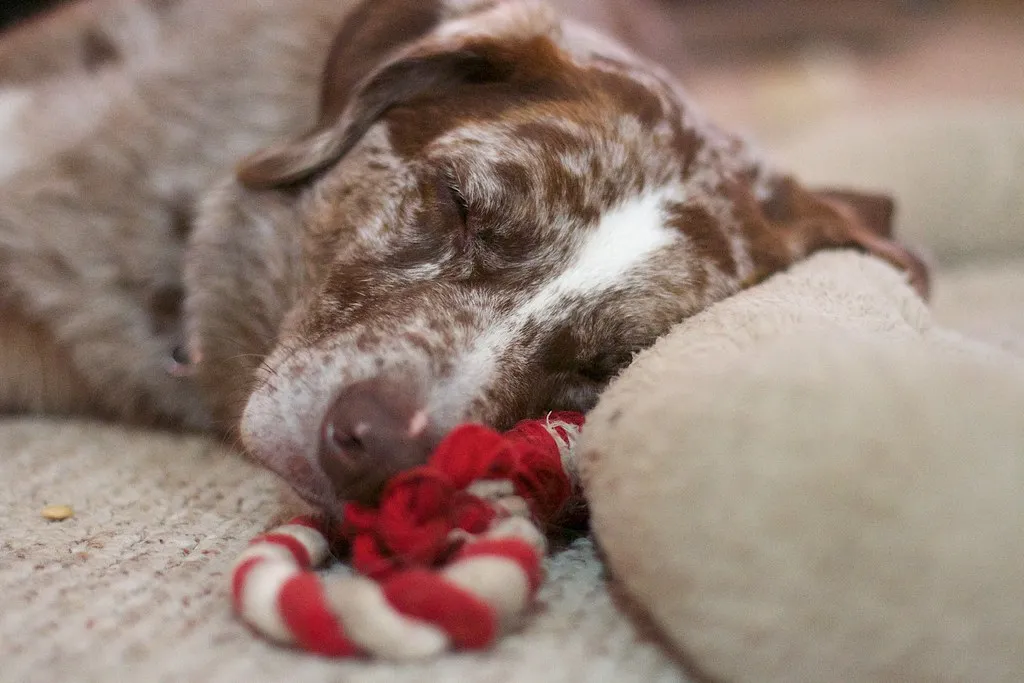
Most twitching and paddling during sleep is completely normal in dogs. It is usually just REM sleep, dreaming, and an active brain replaying the day. The science confirms what many dog owners already sense intuitively: a twitching dog is, in most cases, a content one.
What makes this topic genuinely interesting isn’t just the cuteness of it. It’s what the behavior reveals about the canine mind. Dogs process memory, emotion, and physical experience through sleep, much like we do. A dreaming dog is usually a healthy dog having a very busy little movie night in their head. That’s a thought worth sitting with the next time you find yourself watching your dog chase something invisible across the living room floor.
AI Disclaimer: This article was created with the assistance of AI tools and reviewed by a human editor.