
It Comes Down to Vulnerability
When your dog turns his back to you, he is showing that he’s friendly and trusts you. In the animal world, turning your back to someone puts you in a vulnerable position.
The rear of the body represents the ultimate point of vulnerability, as the dog cannot see or defend against a threat coming from behind. When your dog chooses to face away from you, they are effectively suspending their ancestral survival instincts.
This behavior serves as a profound biological signal of safety. By exposing their most vulnerable flank, your dog is communicating that they do not perceive you as a threat. Instead, they view you as a stable, protective presence in their environment.
The “Hip Nudge” Has a Name
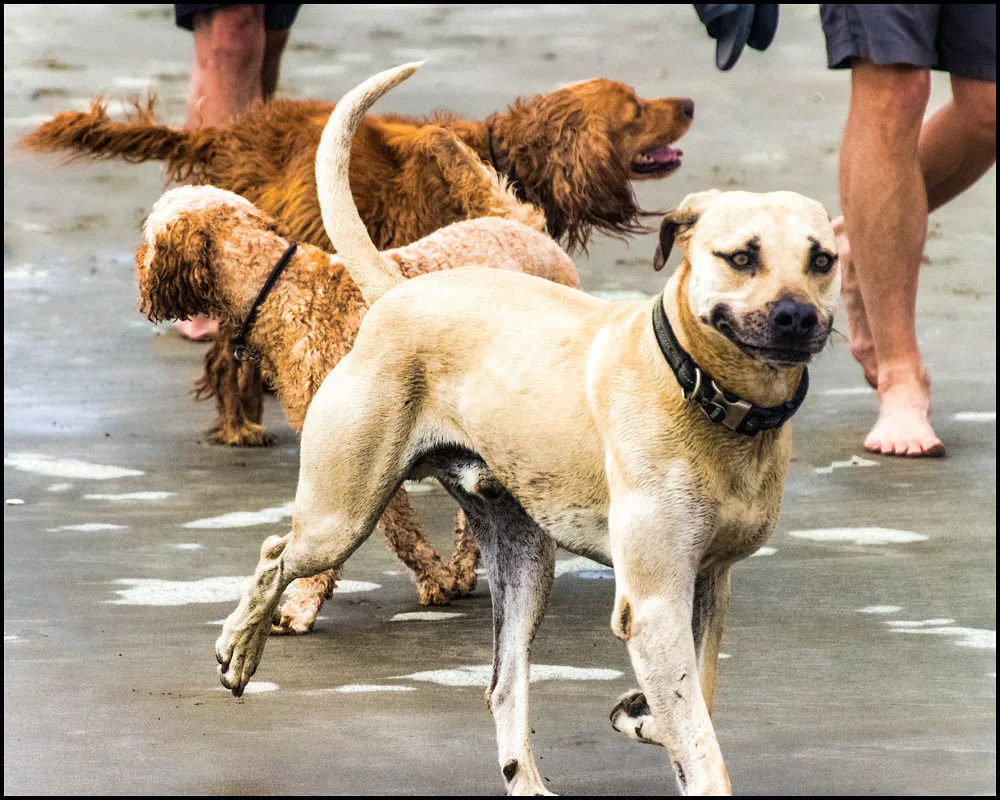
A term that has been coined for this behavior is “the hip nudge.” This is when your pet will walk in front of you and then lean their backside into you. It happens constantly, often dozens of times a day in affectionate dogs, and most owners just accept it without knowing what it means.
This act is a friendly gesture, a sign of submission, and a way of greeting you in dog language. In practical terms, the dog is choosing to remove any perceived threat from the interaction. Teeth face away. Back faces toward you. That’s the whole message.
It’s Rooted in How Dogs Greet Each Other
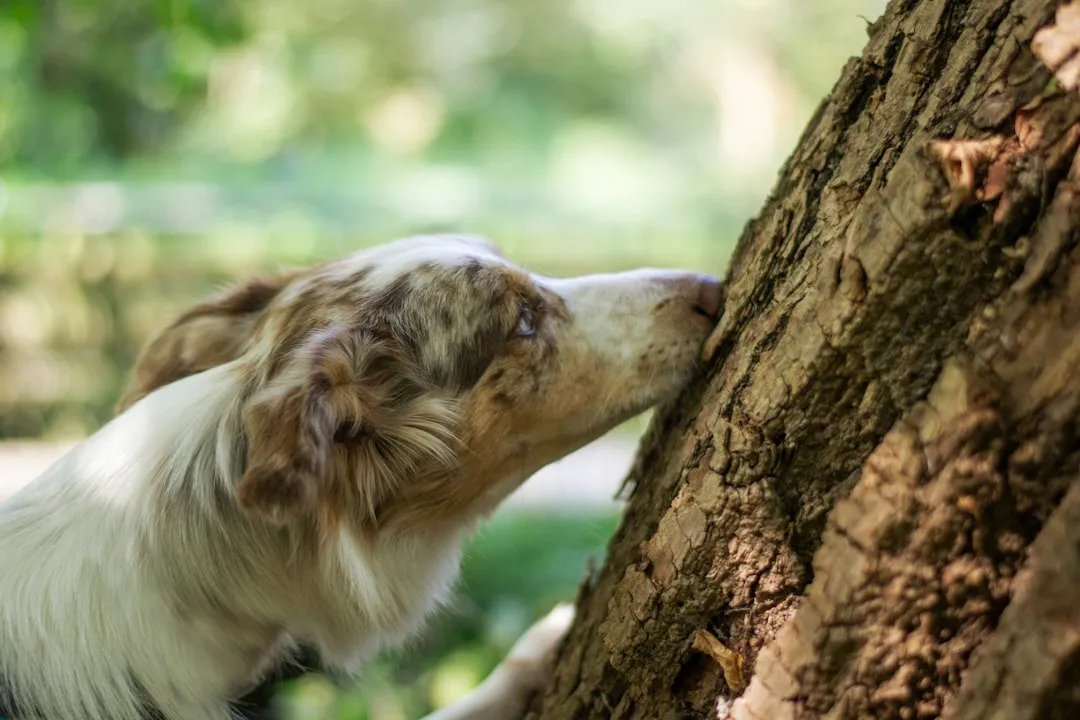
The greeting ritual between dogs often involves sniffing each other’s rear ends, and the rear end of a dog carries its unique, identifying scent. Dogs exchange this information when they sniff each other’s rear ends, and who sniffs whom is very telling to our canine companions.
In the dog world, displaying their rear ends is a social mechanism. It’s how they go about introductions. It establishes that they have peaceful intentions and are open to communication.
The most likely reason for a dog backing into you is because they trust you. Dogs reverse and back into people to be friendly and open, with no worries about being vulnerable. Dogs communicate by sniffing each other’s behinds. When a dog turns his back to you, he’s saying he’s open to communication.
They’re Not Snubbing You – They Feel Safe
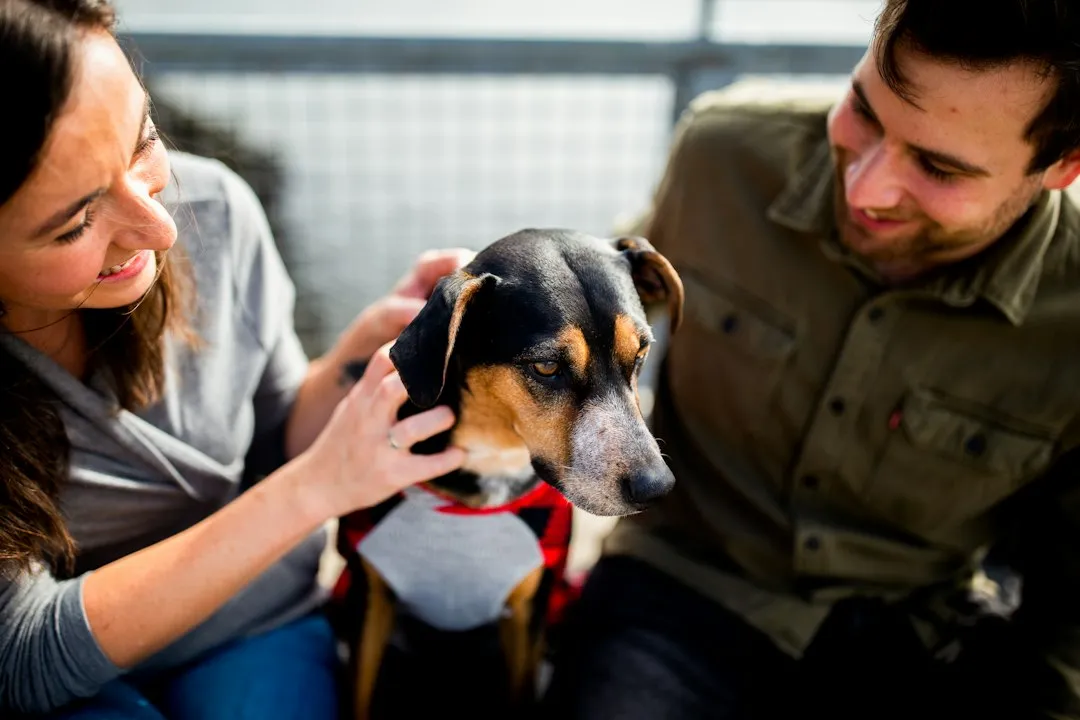
A dog in this posture is likely just very comfortable in your presence and does not feel the biological need to monitor your movements for safety. In the canine world, constant eye contact and face-to-face orientation can sometimes signal tension or a need for vigilance.
When your dog turns his back to you, you might assume they’re being rude and giving you the cold shoulder. When in reality, it could be the ultimate sign that he trusts you. The two human interpretations, rudeness versus trust, couldn’t be further apart in meaning.
Context Still Matters: Not Every Back-Turn Is a Compliment
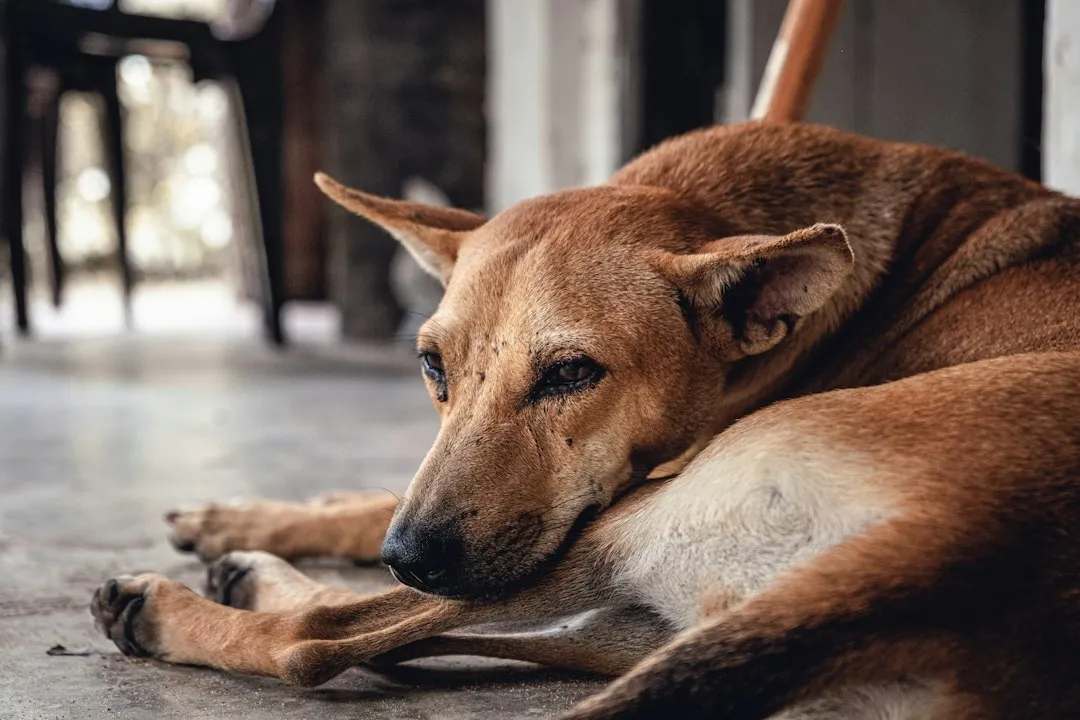
It’s worth being honest about nuance here. Research from Texas A&M describes turning the body away as a sign that a dog may be uncomfortable in certain contexts, and notes that frightened dogs may tuck the tail. The distinction usually lies in the rest of the body.
A stress-related body turn involves the dog rotating its body or head away from the owner in an attempt to avoid them. The dog is typically in a tense or low posture, ears are usually back, and the tail can be down. A trusting back-turn, by contrast, comes with a relaxed body and a loose, easy posture.
In dog body language, a single signal does not tell the whole story. Always read the whole dog: tail position, muscle tension, ear set, and whether they’re leaning in or pulling away all matter equally.
Most Owners Miss These Signals Entirely
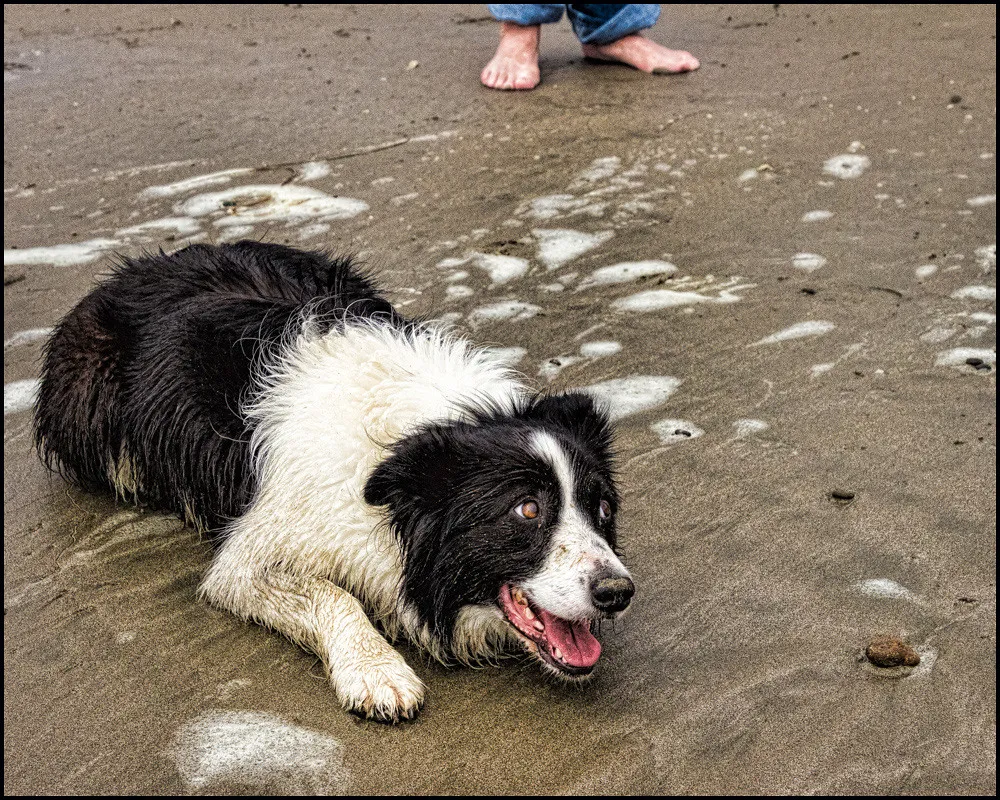
Research from the UK’s largest dog welfare charity, Dogs Trust, has revealed that 76% of owners are unable to correctly read dog body language, misunderstanding the subtle signs that their pets are stressed or worried. This gap in understanding works both ways. Owners miss signs of stress, but they also miss signs of affection.
Many behavioral problems stem from miscommunication. By identifying subtle cues, such as lip licking, yawning, or turning away, owners can intervene early before anxiety escalates into barking, lunging, or biting. The back-turn sits at the heart of this problem: it can signal either deep trust or quiet discomfort, and knowing which requires paying attention.
The Oxytocin Connection
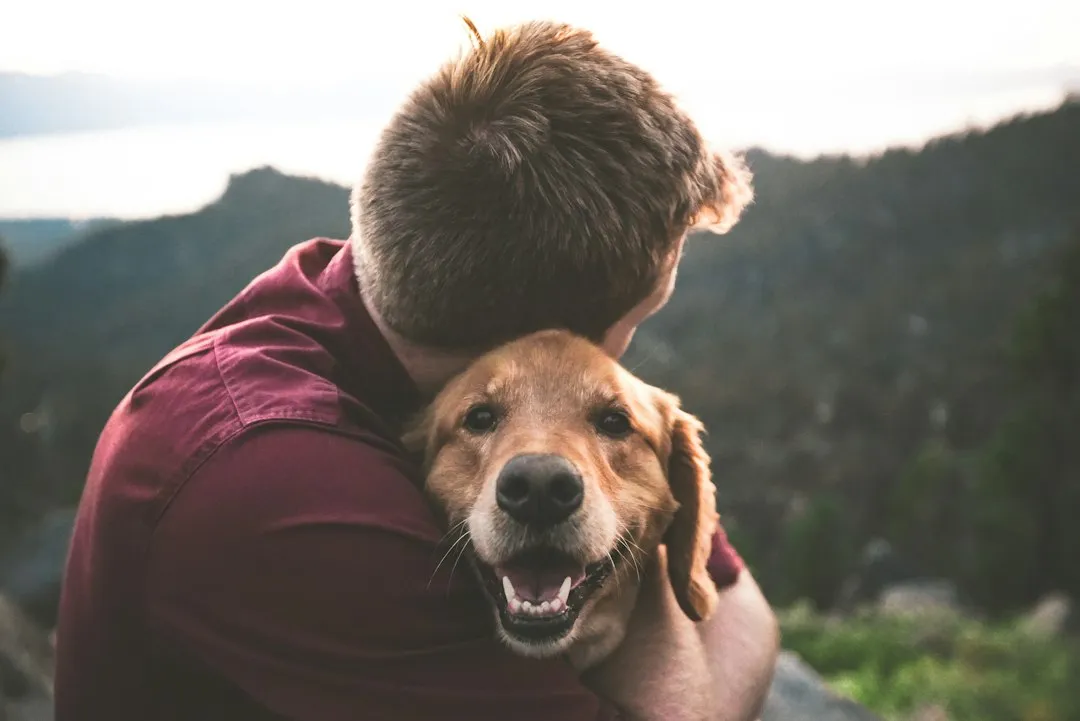
The hormone oxytocin plays an important role in attachment formation and bonding between humans and domestic dogs. When a dog feels genuinely safe with you, this chemistry is actively at work, reinforcing the bond in both directions.
Gazing behavior from dogs increased urinary oxytocin concentrations in owners, which consequently facilitated owners’ affiliation and increased oxytocin concentration in dogs. The trust-back signal works in a similar emotional loop. Your calm, consistent presence reassures the dog, their relaxed posture reassures you, and the bond deepens.
Research published in PNAS provides behavioral evidence that oxytocin promotes positive social behaviors in the domestic dog toward not only conspecifics but also human partners. When dogs showed higher social orientation and affiliation toward their owners, this was measurably linked to the oxytocin system. The back-turn is one small piece of that larger affectionate framework.
Breed and Personality Play a Role
Katherine Anderson, DVM, assistant clinical professor at the Cornell Duffield Institute for Animal Behavior, says the specific reason why your dog may do this can be “highly individual.” She notes that “behavior is highly individual – after all, behavior is often called the ‘study of one.'”
Breed, age, and personality significantly impact how dogs display body language, making it crucial to understand your dog’s unique signals. A bold, outgoing Labrador may press its entire backside into your legs enthusiastically. A more reserved breed might simply orient away quietly while resting beside you. Both can mean the same thing.
What You Can Do When It Happens
If your dog likes your friends and gives them his back upon meeting, encourage your friend to scratch your pup for a moment. It’s an opportunity for your guest to quickly bond with your dog. A gentle scratch near the base of the tail, where dogs can’t easily reach themselves, is almost universally appreciated.
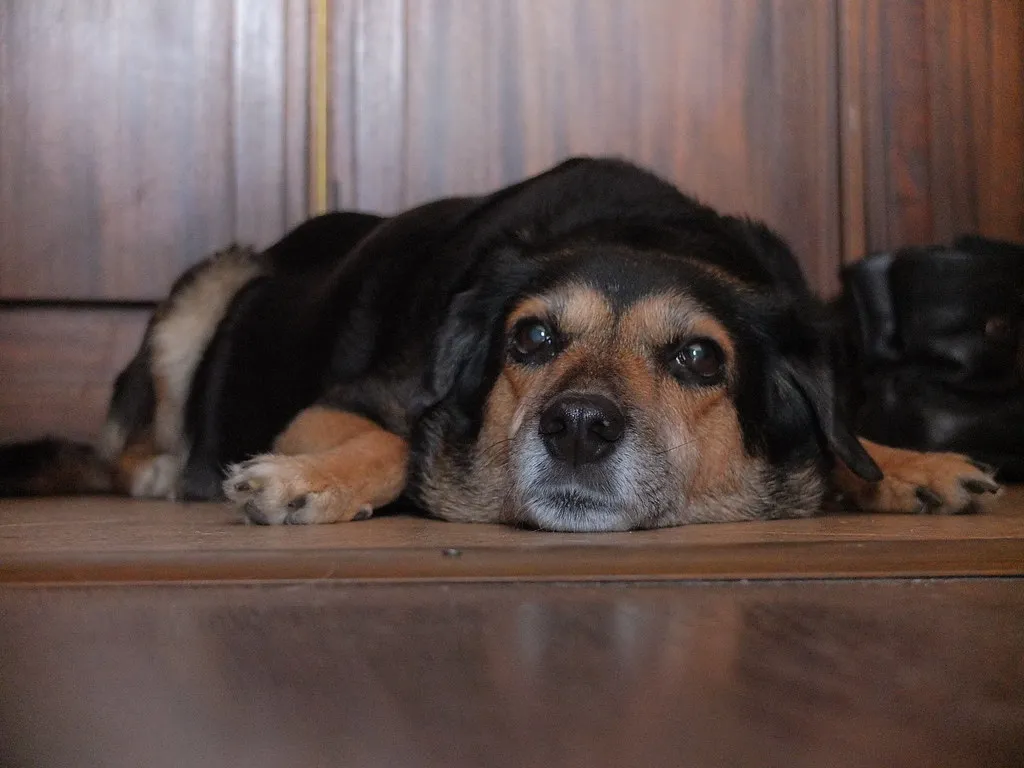
Key signs your dog trusts you include showing relaxed body language, like making gentle eye contact and exposing their tummy. You should also see them behave in a way that indicates they can rely on you. That could be sleeping near you, turning to you for support in scary situations, or allowing you to brush their teeth without too much protest. The back-turn fits neatly within that cluster of trust behaviors.
The Bigger Picture: Learning Your Dog’s Language
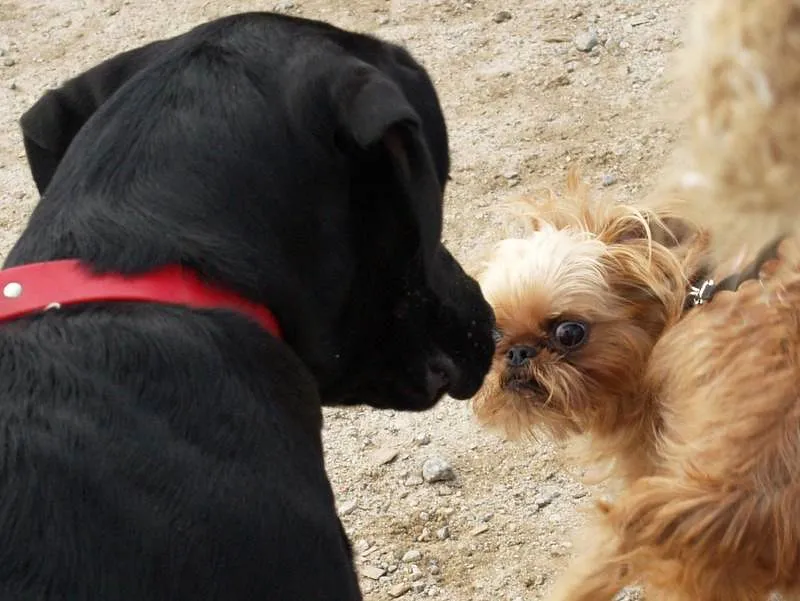
The body language of dogs is one form of non-verbal communication whereby dogs can express emotions and intentions through bodily movements. What makes it fascinating is that this system is not random. It has logic, history, and real emotional weight behind every signal.
When handlers are attuned to a dog’s body language, they can prevent situations that cause stress or fear. This sensitivity builds trust, as the dog learns that its handler respects its emotional state. A dog that feels understood is more likely to cooperate and engage positively.
Dogs often seek proximity to people because they are social animals and form attachments to people, no matter which way they are facing. Direction is almost secondary. Presence, closeness, and calm are what the dog is really communicating when it settles beside you, back turned, completely at ease.
The Quiet Compliment in Plain Sight
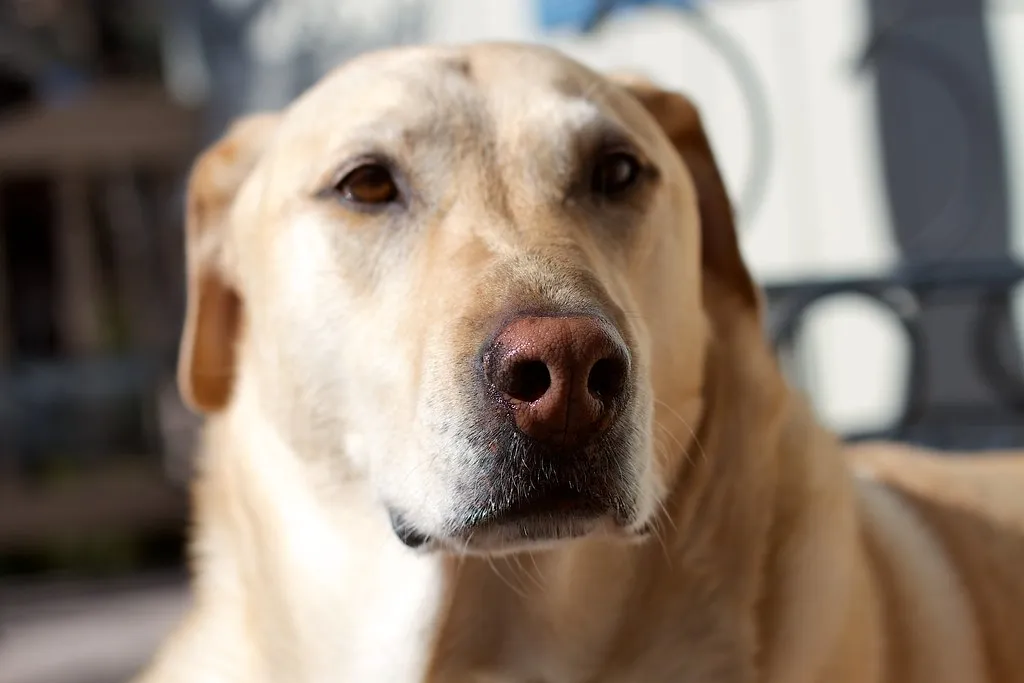
There’s something quietly moving about this behavior once you understand it. Your dog, an animal wired by millions of years of evolution to protect its vulnerable rear, chooses to expose that vulnerability to you specifically. Not to a stranger, not to another animal. To you.
There’s a common misconception floating around that this behaviour indicates dominance or aggression, but in truth, it signifies your furry friend’s trust in you. Once that misconception clears, the back-turn stops looking like indifference and starts looking exactly like what it is.
It’s a dog’s version of saying: I know you won’t hurt me. That’s not nothing. In a relationship built across species lines, it might be one of the most honest things your dog ever tells you.
AI Disclaimer: This article was created with the assistance of AI tools and reviewed by a human editor.