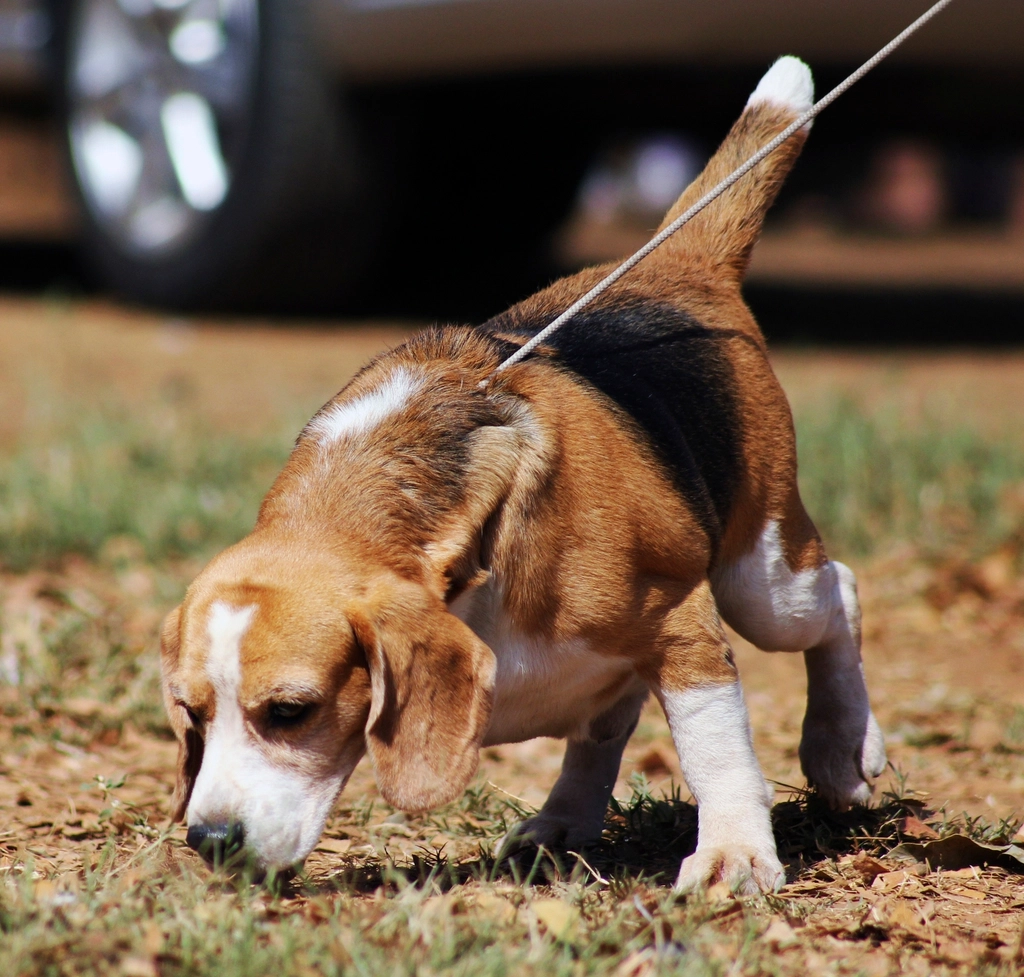

Watch any two dogs encounter each other on a walk, and the sequence is almost always the same. Within seconds, noses are buried, tails are raised, and the sniffing begins in earnest. To human eyes, it can look odd, even awkward. To the dogs, it’s something far more purposeful.
What looks like casual nosiness is actually a sophisticated biological system at work, one that evolution has been refining for thousands of years. Understanding what’s happening during those few seconds of sniffing says a lot about how dogs experience the world and each other.
A Nose That Operates on an Entirely Different Level
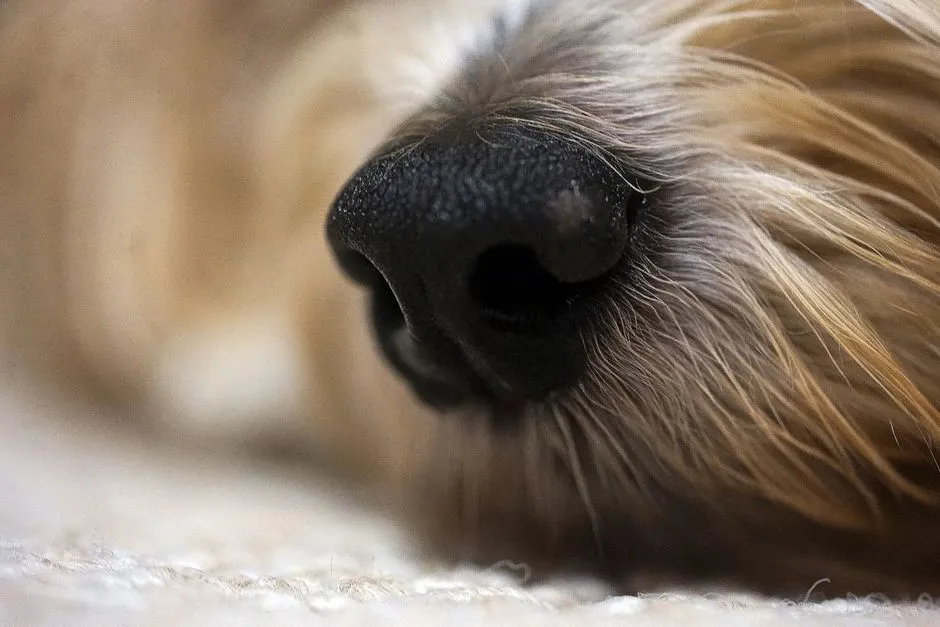
Dogs have a much stronger and more refined sense of smell than their human companions, ranging from 10,000 to 100,000 times stronger than a human’s sense of smell, depending on the breed. That’s not a rough estimate, it’s the scientific consensus behind decades of research into canine olfaction. The gap between a dog’s nose and a human’s is genuinely difficult to conceptualize.
Dogs have between 100 million to 300 million olfactory receptors in their nose, with scent-tracking breeds like Bloodhounds representing the higher end of that range, compared to just 5 to 6 million scent receptors in humans. The part of the brain devoted to the sense of smell is proportionally about 40 times larger in dogs than in humans, even bigger than the section in our brain dedicated to sight.
It’s Not a Greeting, It’s an Interrogation
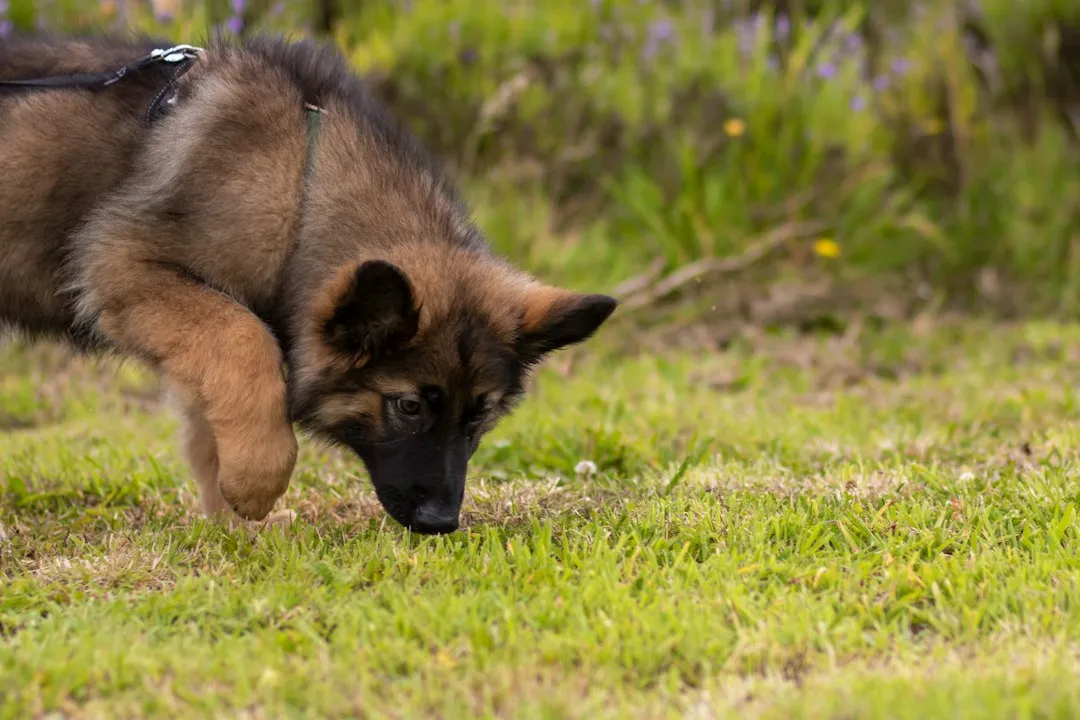
When two dogs meet, sniffing each other, especially around the head and anogenital area, is a natural and meaningful greeting ritual. Calling it just a “greeting,” though, undersells it. This behavior is how dogs learn another dog’s gender, health status, emotional state, and even their individual identity.
At minimum, a dog’s chemical signature includes information about sex, health, and what they’ve recently eaten. It also contains information about stress levels and emotions, and for female dogs, information about their estrous cycle. In essence, it contains information about who they are. The sniff is, in effect, a background check conducted in seconds.
The Anal Sacs: The Source of the Signal
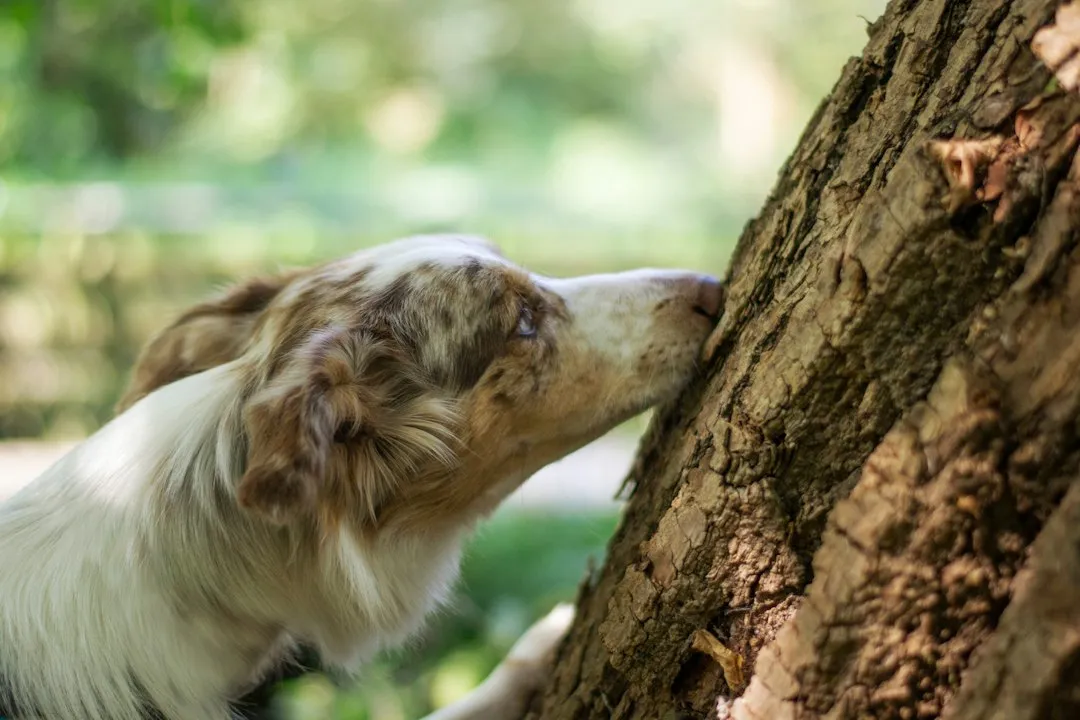
Dogs have a curious way of introducing themselves for a reason: the secretions from their anal sacs, two glands located on either side of the anus, are rich in fatty acids and trimethylamine. These components vary depending on the animal’s condition and carry chemical messages full of valuable information that their highly developed sense of smell can easily detect.
In dogs and other carnivores, anal sac glands are thought to convey information to conspecifics by secreting a palette of small volatile molecules produced by symbiotic bacteria. Research has shown the presence of various types of compounds including organic fatty acids, ketones, aldehydes, esters, and alcohols in the anal sac secretions of dogs. Each combination is unique to the individual animal.
Every Dog Has a Chemical Fingerprint
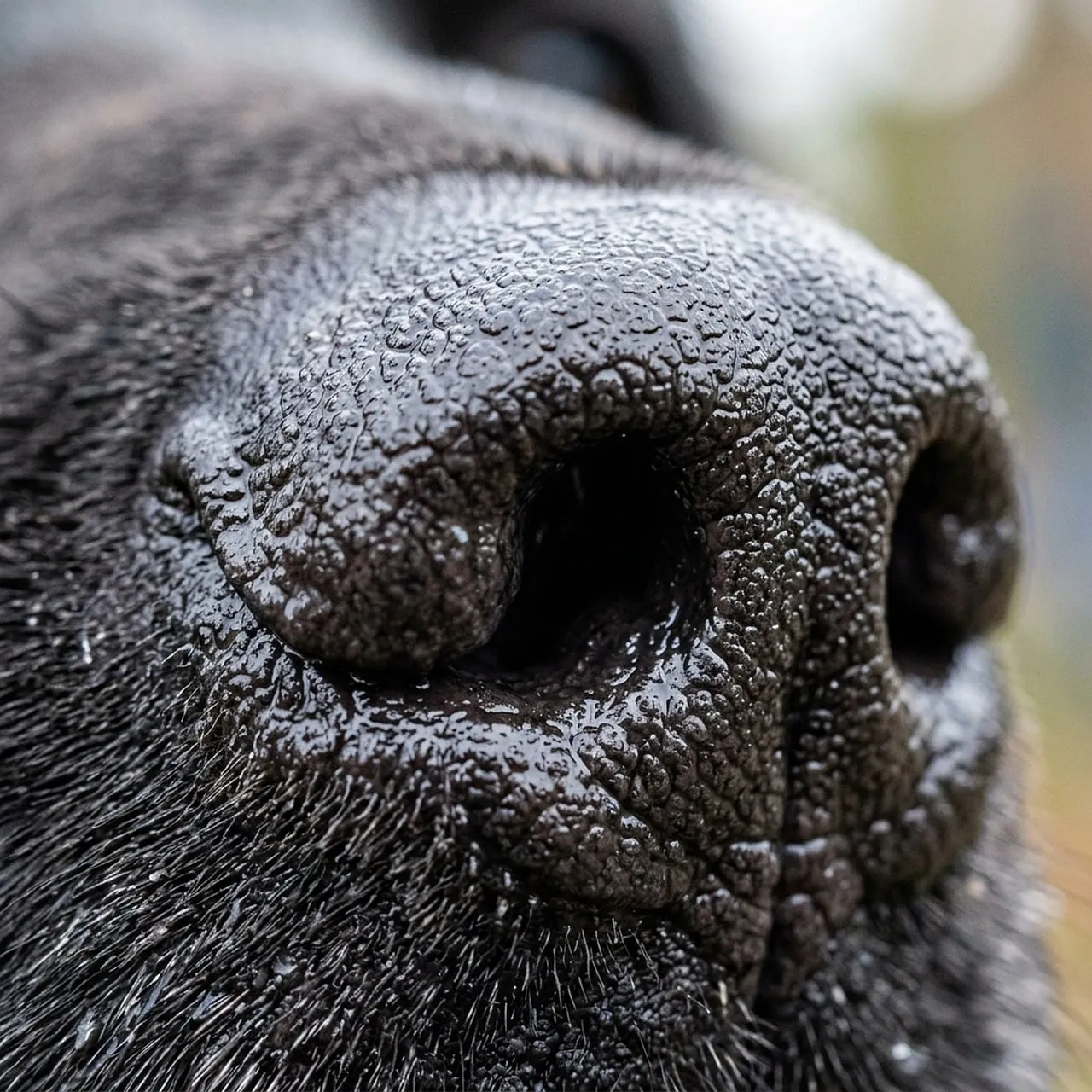
Each dog has their own unique smell, much like humans have their own unique fingerprint. This individuality isn’t just conceptual. Researchers discovered there were differences in the anal sac secretions of male and female dogs, as well as between individual dogs. The scent profile each dog carries is genuinely personal.
Volatile compounds of anal sac secretions are odorant chemicals used across carnivores for social communication such as identifying individuals and group membership. This means the sniff isn’t just about the individual standing in front of them. It’s also about placing that individual within a larger social context.
The Jacobson’s Organ: A Second Scent System
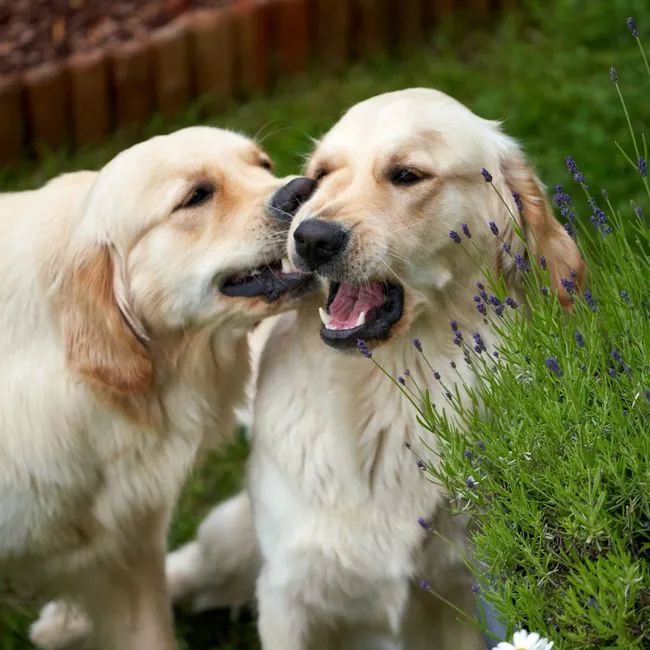
Dogs have a vomeronasal organ, also known as Jacobson’s organ, located above the roof of their mouth. This is a separate scent-detection system that allows dogs to detect pheromones, chemicals used in communication. It works in parallel with the regular olfactory system, essentially giving dogs a dual-channel input for chemical information.
Because the vomeronasal organ detects chemosignals, it also alerts the dog to various emotional states such as stress, anger, and happiness. This means that when dogs sniff, they’re not just gathering factual data. They’re also picking up on emotional cues that go far below the surface of what any visual signal could reveal.
Reading Emotional States Through Smell
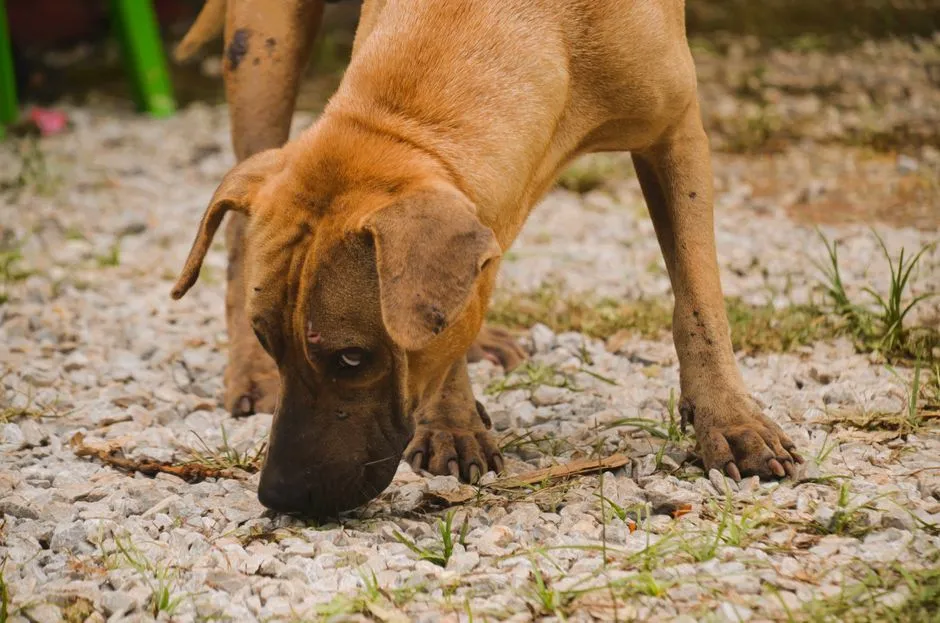
After sniffing the odor of a stressed dog, dogs in one study moved closer to their owners and kept their distance from strangers, the kind of response you’d expect if one dog had caught a whiff of another’s worry. The authors referred to it as possible emotional contagion (Wang and Horowitz, 2026). That’s a striking finding, and it suggests the sniff is partly a real-time emotional read.
Every inhalation brings a tapestry of information including diet, health, stress levels, past experiences, and even emotional state. A quick sniff can convey whether a dog is calm or anxious, friendly or fearful. It’s a level of social intelligence that most people don’t associate with a dog sniffing another dog’s backside.
How the Sniffing Ritual Determines Social Rank
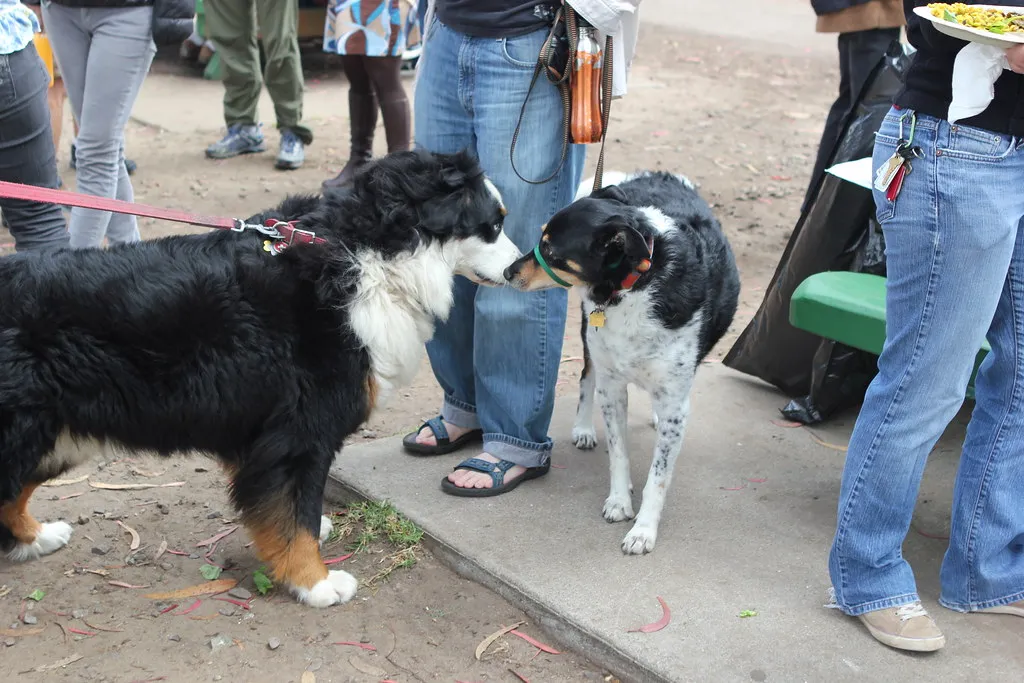
Research shows that sniffing also plays a role in determining social status. A confident, dominant dog might approach and sniff more assertively, while a more submissive dog might stand still or turn slightly to allow the greeting. The physical choreography of the sniff reveals as much as the sniff itself.
Males tend to approach an unknown dog’s rump first, while females most often aim for the head first. This small but consistent behavioral difference suggests the ritual isn’t random. There are patterns within it that are tied to sex and social strategy, and researchers have observed them consistently across contexts.
The Nose’s Engineering During a Sniff
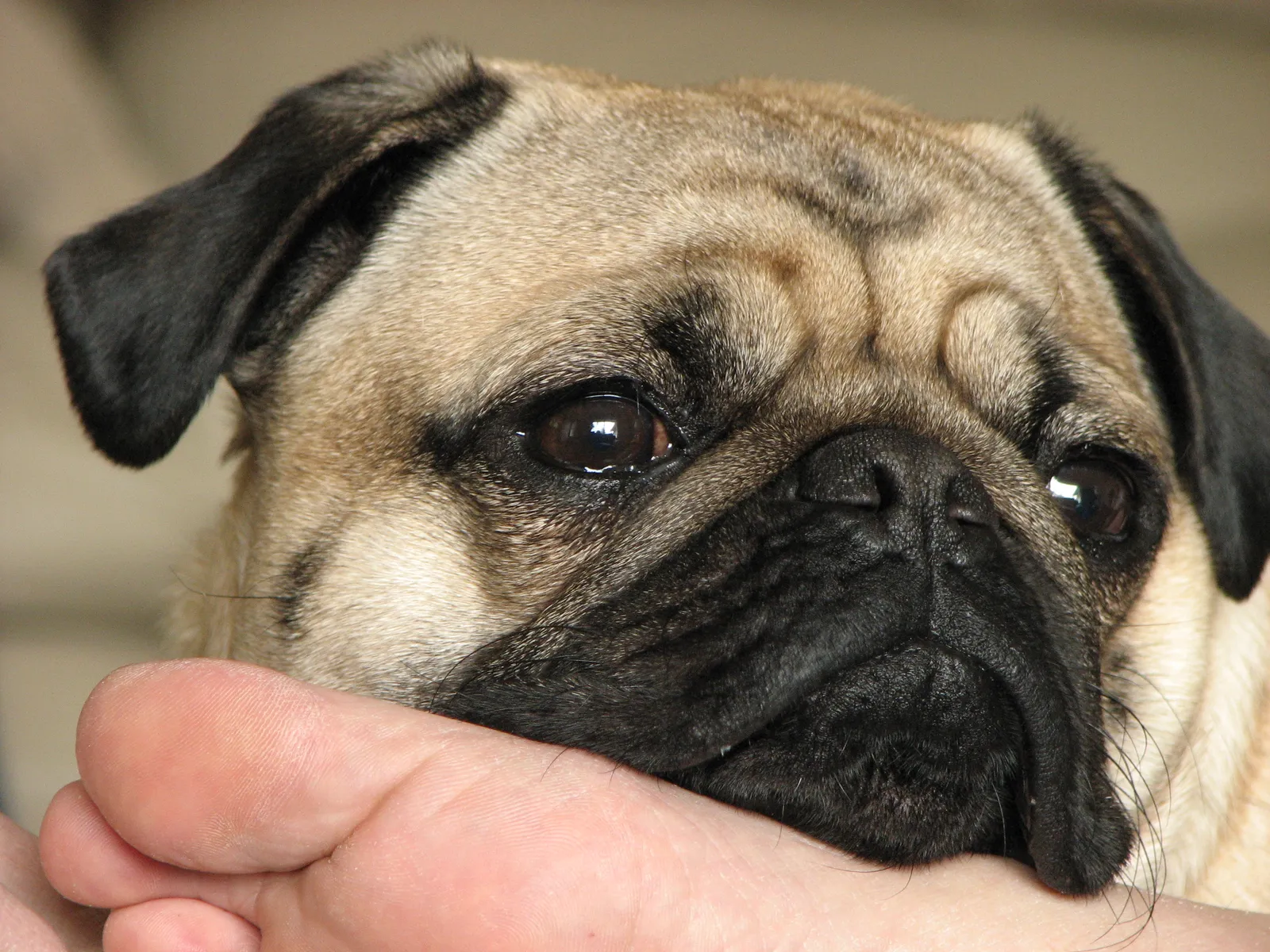
During sniffing, air is inhaled from the front and exhaled to the side, and each nostril samples air separately, allowing bilateral comparison of stimulus intensity and odor source localization. This is not passive breathing. It’s an active, structured process designed to maximize information intake.
With each breath, approximately 12 to 13 percent of the inhaled air flows through the upper path dedicated to odor detection, and the rest flows through the lower path to the pharynx and lungs. Even during normal respiration, the dog’s nose is continuously and efficiently processing scent data. During active sniffing, that process intensifies considerably.
What Happens After the Sniff
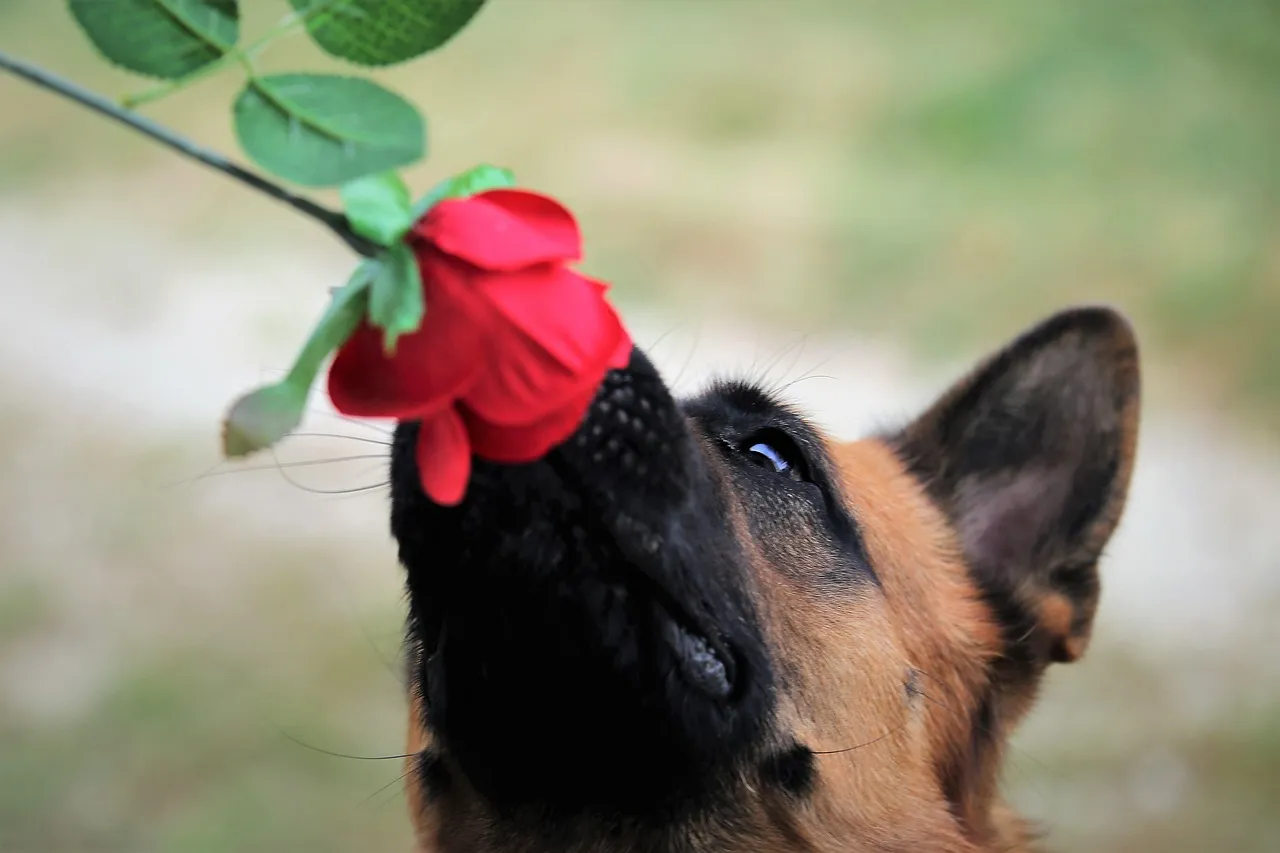
Butt sniffing is fundamentally a polite greeting in the dog world, not a rude or aggressive behavior. When two dogs meet and sniff each other’s backsides, they are peacefully exchanging social credentials before deciding how to interact further. This ritual prevents many potential conflicts by establishing mutual understanding before play or other interactions begin.
Once the introduction is complete and based on the information collected, the dogs may ignore each other or start playing. When dogs sniff each other, they are also exchanging scents, which helps them to remember each other and helps to create a bond between the dogs. The sniff, in other words, sets the tone for everything that follows.
An Ancient Behavior Rooted in Evolution
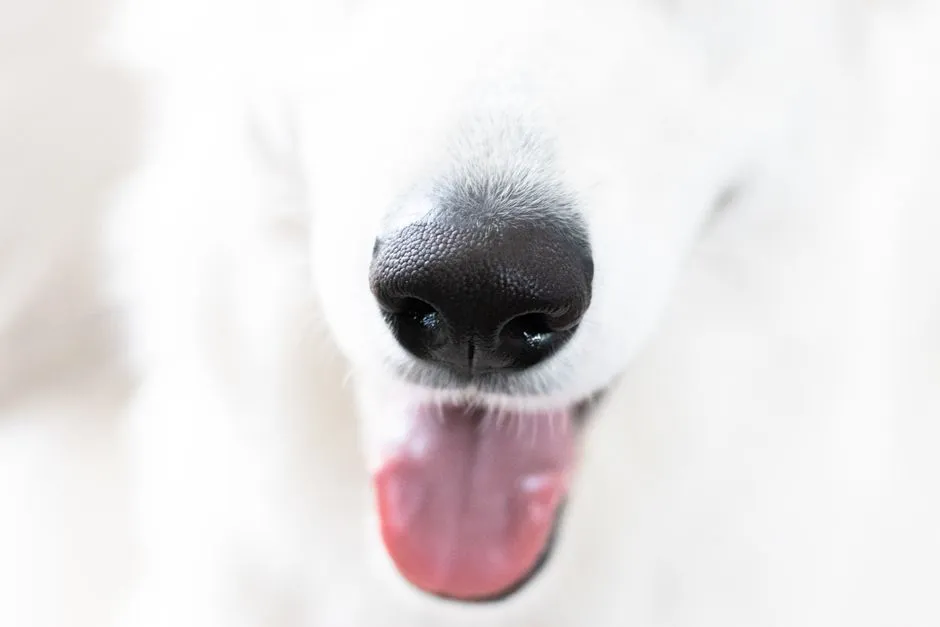
Chemical communication is an important aspect of the behavioral ecology of a wide range of mammals. In dogs and other carnivores, anal sac glands are thought to convey information to conspecifics by secreting a palette of small volatile molecules produced by symbiotic bacteria. This system didn’t develop with domestic dogs, it goes back far further.
The homology of odorant-binding proteins in canid anal sac glands and those found in other mammalian secretions implies that these proteins maintained a function in chemical communication throughout mammalian evolutionary history by multiple shifts in expression between secretory tissues. In short, this behavior connects domestic dogs to a lineage of scent-based communication that predates recorded history by a considerable margin. The sniff isn’t quirky. It’s ancient, elegant, and deeply wired into what dogs are.
The Takeaway
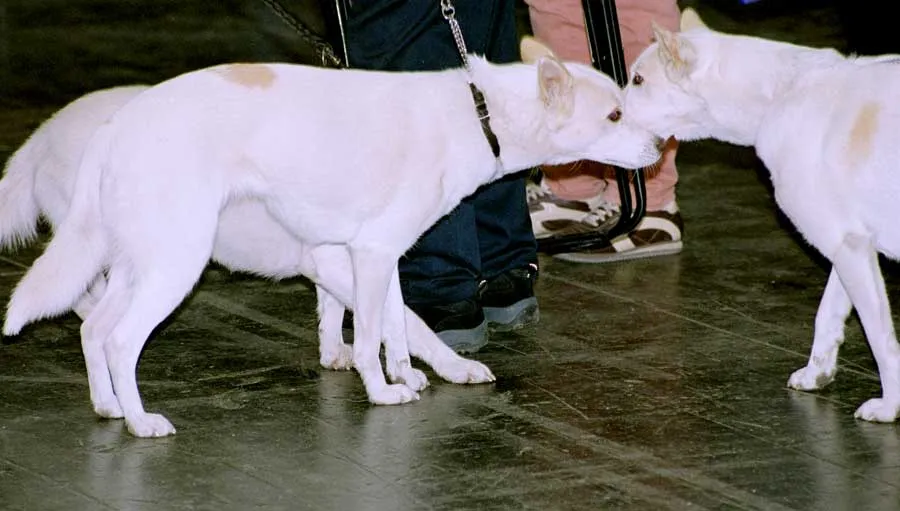
It’s easy to overlook the sniff, or to feel mildly embarrassed by it at the dog park. Seen through the lens of biology and behavior, though, it’s one of the more impressive communication systems in the animal world. Dogs are doing in seconds what would take us considerably longer to accomplish through words, handshakes, and conversation.
The next time your dog buries their nose in another dog’s rear end, consider that they’re not being rude. They’re being thorough. And according to the science, they’re probably getting it exactly right.
AI Disclaimer: This article was created with the assistance of AI tools and reviewed by a human editor.