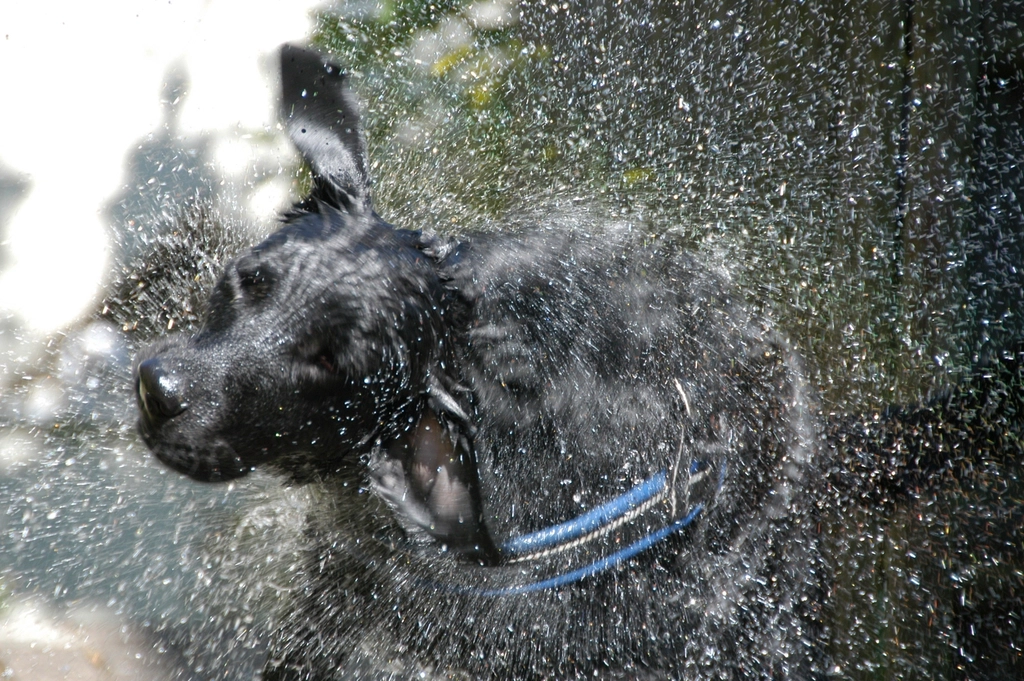

What a Shake-Off Actually Is
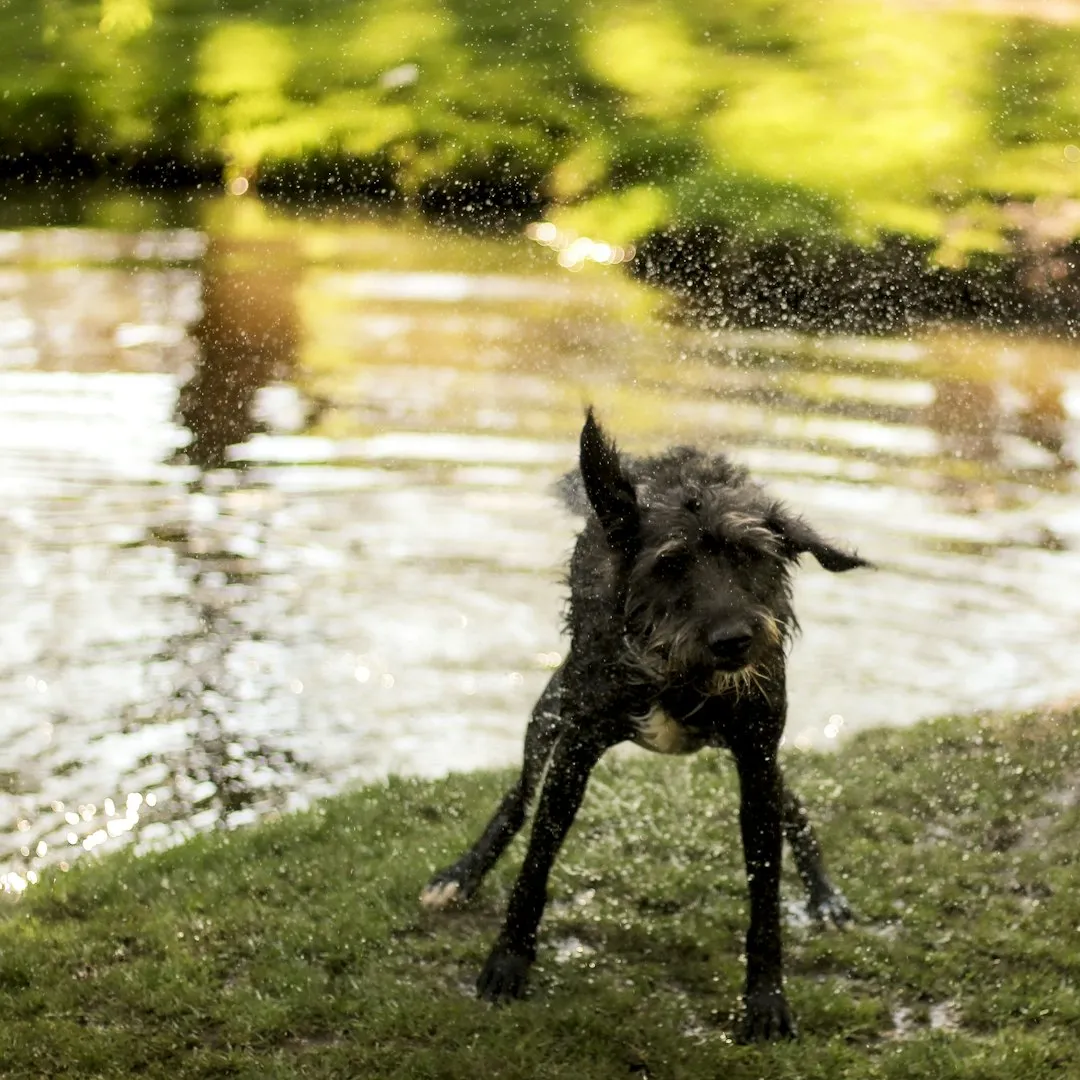
A shake-off is defined as a fast side-to-side full-body shaking movement that begins at the head and travels toward the tail in a wave-like pattern. It looks almost identical to what dogs do after a bath, which is probably why most people dismiss it when it happens on dry land.
One behavior regularly observed across settings and breeds is this shaking, sometimes called a “shake off” or “wet dog shake.” While it appears in canine ethograms, often classified as a stress behavior, researchers could find no prior empirical study establishing the context or function of dog shaking behavior – at least not until very recently.
The most detailed and methodologically focused work to date is the 2024 study by Bryce and colleagues, the first peer-reviewed investigation to examine the canine shake-off directly. Observing 120 shake-offs across 96 dogs in public and daycare settings, the authors described the movement as “a rapid side-to-side movement of the body or head.”
It’s a Transition Signal, Not Just a Stress Sign
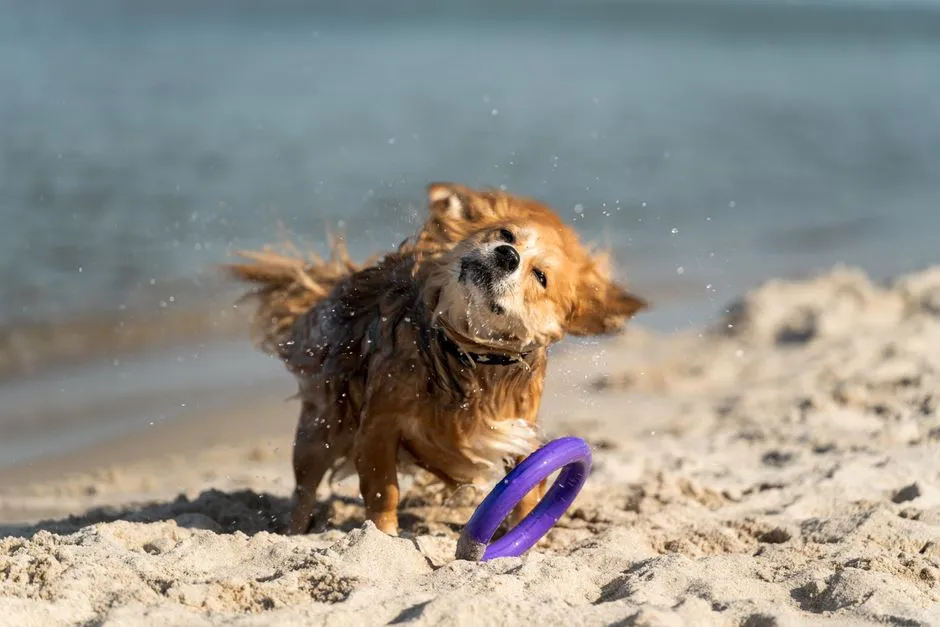
Researchers concluded that dogs’ shake-off behaviors were not stress-linked per se, but instead a signal of transition to a new behavior. That’s an important distinction. It means the shake isn’t always a red flag. Often it’s closer to a punctuation mark between one activity and the next.
Researchers observed 96 dogs and analyzed 120 episodes of shaking off. The movement occurred most often between two different activities or categories of behavior, supporting the hypothesis that it may act as a marker of the transition from one activity to another.
Shake-offs in dry dogs occurred most frequently after greetings, interruptions, and other activity transitions. Think of it as the canine equivalent of a mental gear-shift.
The Stress Connection – Real, But Nuanced
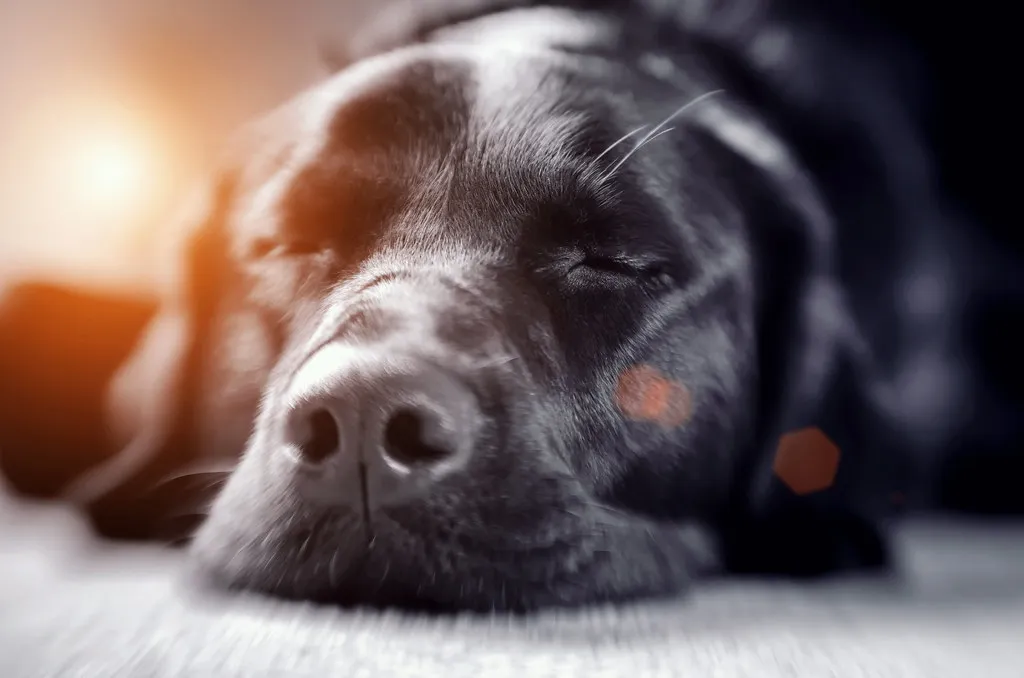
In a study using the Strange Situation Test, shaking off was recorded as a potential indicator of stress or a way of coping with it. The authors did not, however, treat this behavior as an independent and unambiguous measure of the dog’s emotions. A 2024 study examining short-term emotional states showed that shaking off may be associated with arousal levels in particular situations, but its authors likewise stressed the need to analyze several indicators at the same time.
Shaking off isn’t always a positive sign. Some dogs may shake off during high-stress situations as a way to eliminate some of the tension. This is one of the body language cues that dogs may show to indicate emotional discomfort, along with yawning, head turning, hunched body position, lip licking, tail stiffness, and whale eyes.
So context matters enormously. A shake after a rousing game of fetch reads very differently from one after a tense encounter with an unfamiliar dog.
The Nervous System at Work
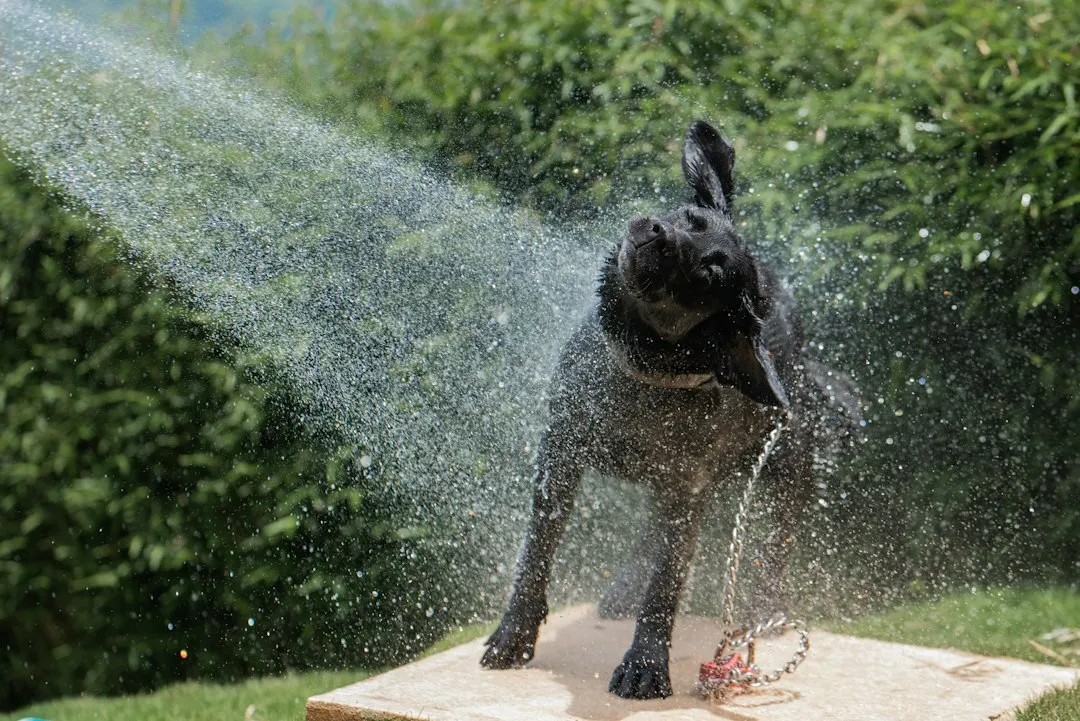
Researchers have traced the “wet-dog shake” to a specific neuron response that appears widespread in the animal kingdom. It is a behavior hardwired in mammals – from bears to mice – all the way from the skin to the brainstem. The culprits were C-fiber low-threshold mechanoreceptors (C-LTMRs), sensory neurons that respond to light touch. Those neurons send signals from the back of the neck to a specific region of the brainstem that processes pain and itch.
Among the thermoregulatory behaviors necessary for limiting heat loss and surviving in wet-cold conditions, the shaking behavior mammals use to efficiently expel water from their coat is one of the most spectacular. This behavior, called “wet-dog shake,” is a shudder motion consisting in vigorous and rapid rotations of the head and trunk around the spinal axis, with frequencies depending on body mass.
When dogs shake off without being wet, this same deeply embedded neural circuitry is being activated – just by internal triggers rather than external moisture.
After a Nap: Waking the Body Up
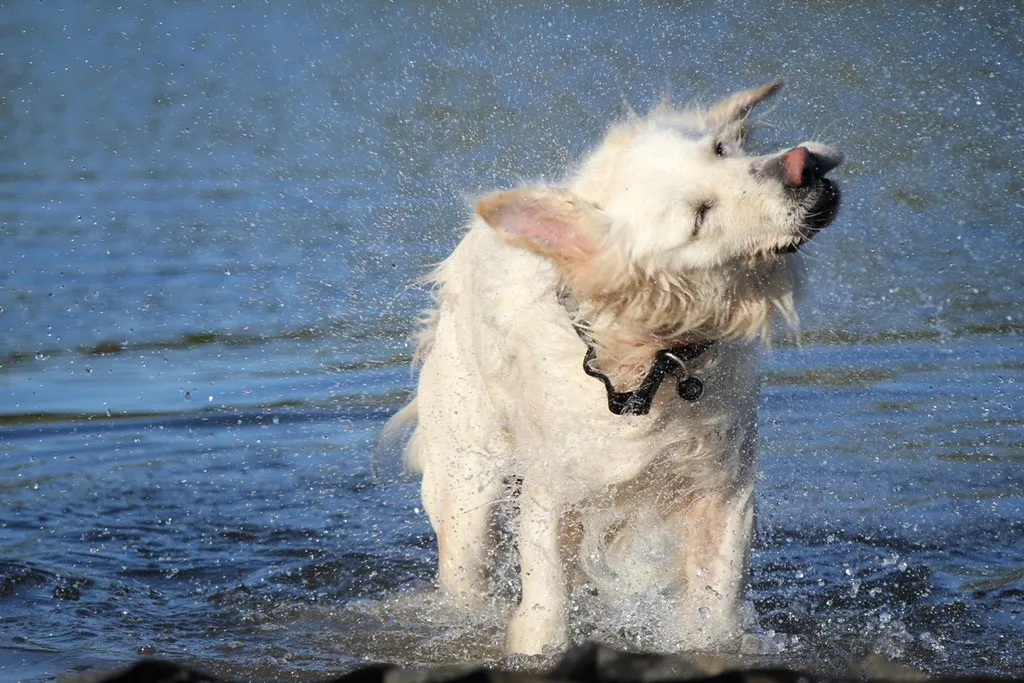
There are a few reasons why a dog may shake off when not wet: after a nap, in a time of stress, after exercise, or after a social interaction. When a dog shakes after waking, it helps wake them up and to stretch their muscles.
In this case, the dog is shaking off the grogginess of sleep and warming up the muscles in order to wake up, reinvigorate their body, and get ready for action. The shake-off after a nap acts like a dog’s cup of coffee. It can also help release any built-up tension or anxiety they may have experienced while napping.
Physical Discomfort Can Trigger It Too
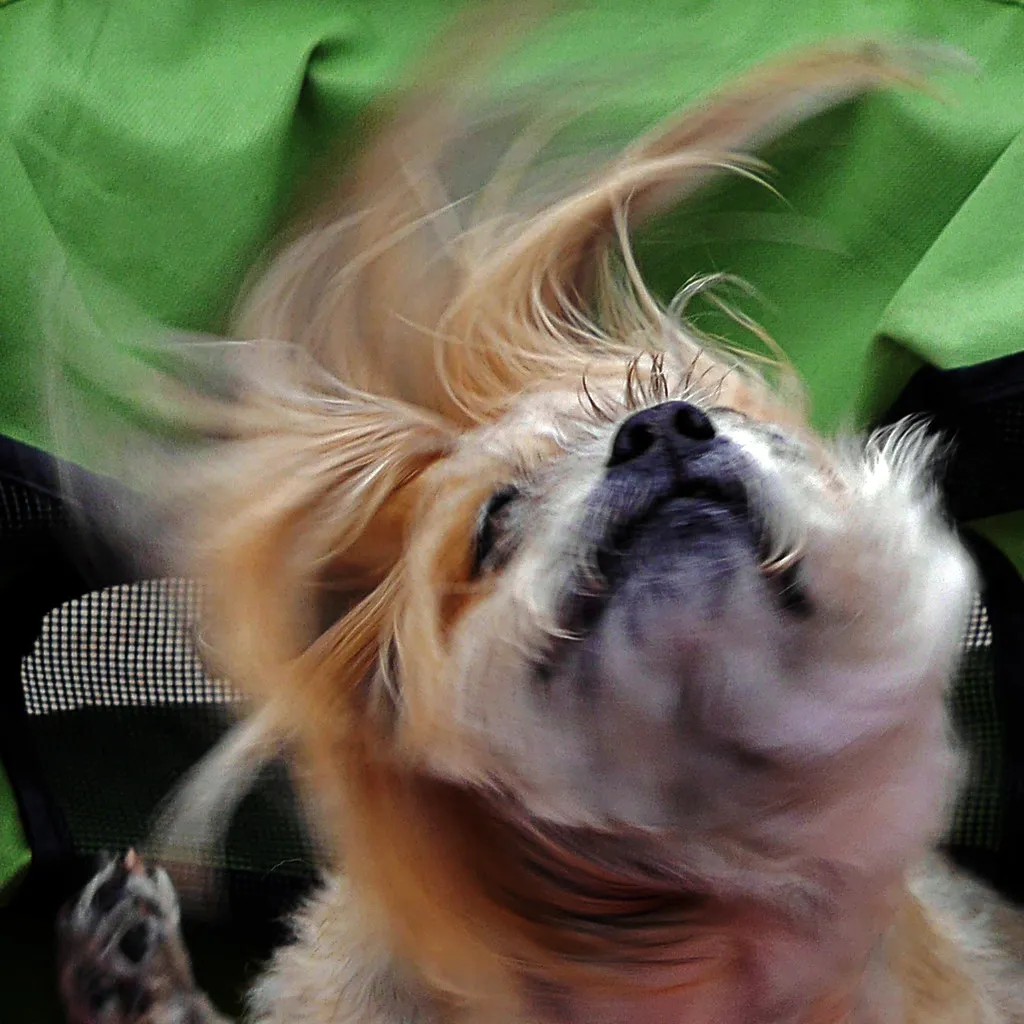
Is your dog learning how to wear a harness or a collar? Maybe you’re trying out a sweater for the first time. Dogs that are physically uncomfortable may shake off in an attempt to remove the discomfort or tension from their body.
Dogs will often shake if their skin is irritated or itchy. Unlike their lucky human companions, dogs don’t have arms that can reach all their itchy places. A full-body shake covers a lot of ground quickly and efficiently.
Dogs might also have itchiness or infection in one or both ears. Dogs with long ears that hang low to the ground, like a Dachshund or a Basset Hound, are especially likely to pick up ear infections. Repeated head-shaking in these cases is worth a vet check.
A Calming Signal Between Dogs
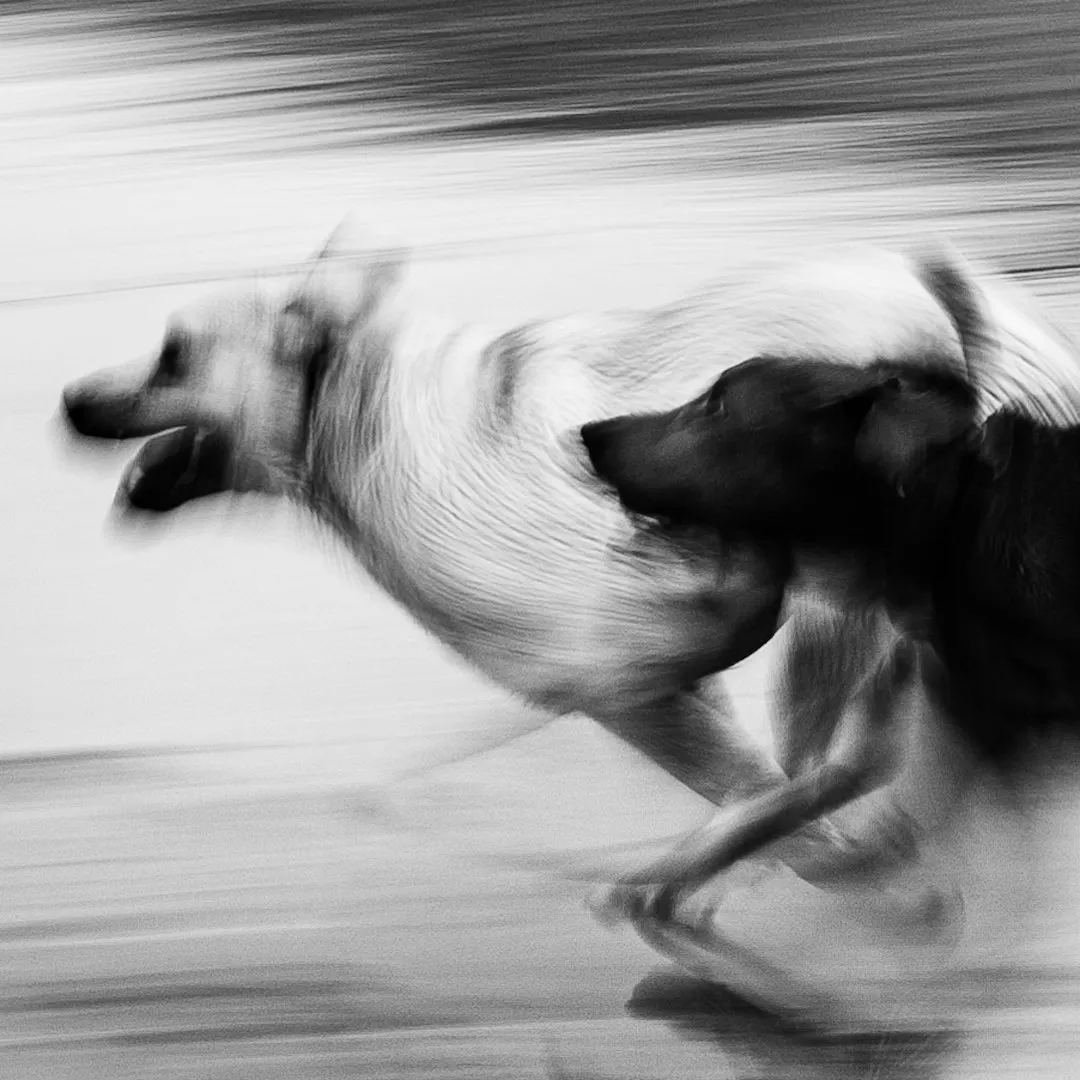
A shake-off can function as a communication tool between dogs, a calming signal that helps de-escalate a tense encounter. Norwegian dog trainer Turid Rugaas was among the first to document this concept systematically, and the idea has since gained broad support within canine behavior circles.
Dogs use calming signals – subtle body language cues – to communicate their emotions and avoid conflict. Rugaas identified shake-offs as one of many calming signals that dogs use to diffuse tension in social situations.
You may see a dog shake off after energetic play with other dogs. Although most of the time when dogs are playing rough it’s fine for both parties, occasionally there seems to be an intensification that one or both dogs decide isn’t playful anymore. At this point, they stop, check each other out, and do a quick shake-off. It functions as a brief timeout and allows the dogs to take it down a notch in play or stop playing altogether.
Biometric Clues: Heart Rate and the Shake
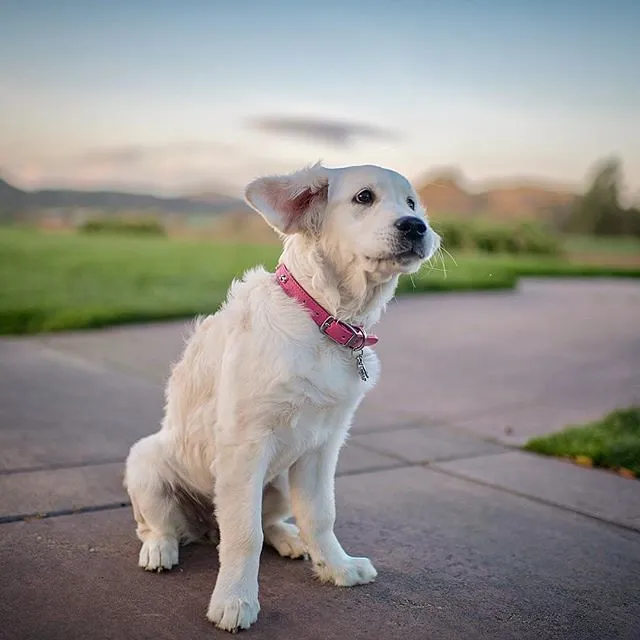
A small exploratory field project by DogFieldStudy in 2024 paired real-time heart rate tracking with video during off-leash walks. In several clips, shake-offs were observed in close proximity to peak heart rate moments. Although not peer-reviewed and based on a limited sample, this biometric pairing offers early indications that shake-offs may occur near shifts in physiological arousal.
A recent study on restrictive veterinary handling found that dogs frequently performed body shaking immediately after release from mild restraint, interpreting the movement as part of a short transition period following mild stress. The body, it seems, finds its own way back to baseline.
What It Means During Training
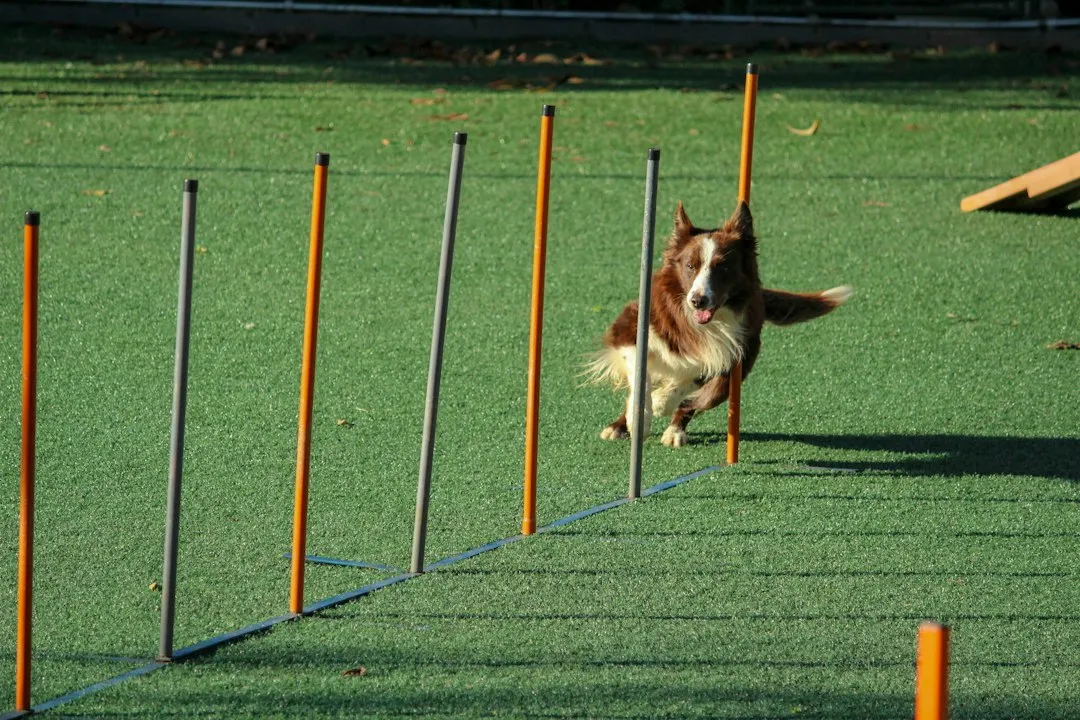
If your dog shakes himself during a training session, it’s important to be aware of it. Your dog might be a little stressed or confused or distracted. It doesn’t mean training should stop, but it does suggest it’s worth pausing to assess the dog’s comfort level.
Practice-based observations suggest that shake-offs may mark meaningful transition points during shifts in arousal and can be followed by clearer behavioral recovery. Some trainers now actively reward a shake-off as a sign of healthy self-regulation.
Shaking it off is a good thing. It means your dog is self-regulating their behavior rather than barking or lunging when upset or worried. When they engage in this stress-relieving skill, give feedback such as praise or a treat, and if needed, encourage your dog to move away to create distance from the stressful thing.
An Ancient Survival Reflex That Never Left
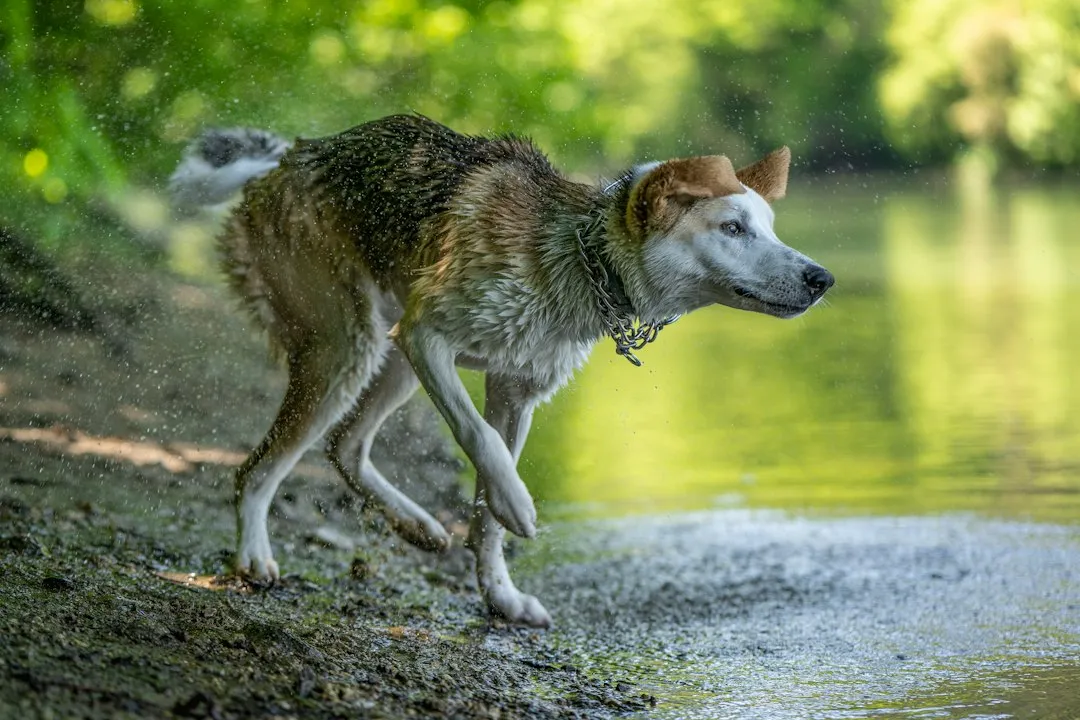
According to researchers from the Georgia Institute of Technology, staying wet in the wild could be dangerous or even deadly. A soaking wet coat, especially in long-haired dogs, can weigh heavily on the dog, which can make it difficult for them to run and escape from predators. In winter, a wet dog can lose a significant amount of calories just by waiting to get dry.
Wild dogs slept on the ground, where bugs, fleas, and other animals might have crawled on them. Not to mention the dirt and debris that might have fallen on them as they slept. Wild dogs would shake to release all that from their fur upon waking up. Sure, dogs might now be sleeping in a comfy dog bed, but that wild instinct to shake off bugs still remains.
A study on the physics of animal self-drying, published in the Journal of the Royal Society Interface, found that dogs can shake off around 70 percent of water on their fur in four seconds. That efficiency is the product of millions of years of refinement, and the dry-shake appears to draw from the same deep biological well.
Final Thoughts
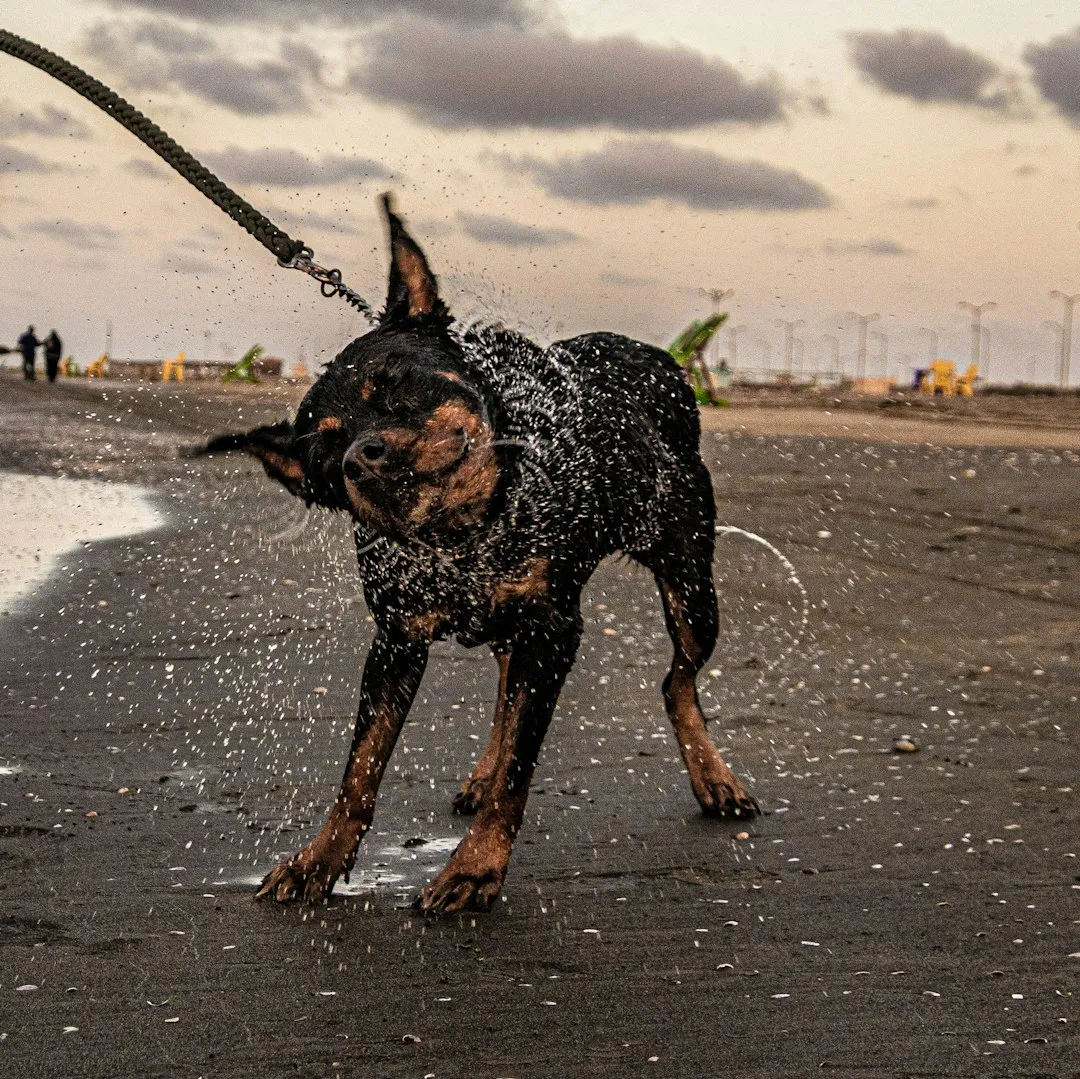
The dry shake is one of those behaviors that hides in plain sight. Most owners see it dozens of times a week and interpret it as nothing, when in reality it’s often the most candid signal a dog offers in the moment.
A shake-off may seem like a small, everyday behavior, but it carries a wealth of meaning in the world of canine communication. Research from 2024 has only deepened that picture, showing it’s less about stress and more about transition, though the two can certainly overlap.
The best thing any owner can do is simply notice it. Not every shake demands action. Most of them just deserve acknowledgment – a quiet recognition that your dog is processing something and managing it on their own terms, which is, when you think about it, a pretty impressive thing to watch.
AI Disclaimer: This article was created with the assistance of AI tools and reviewed by a human editor.