

It’s Mostly About Cleaning Their Muzzle
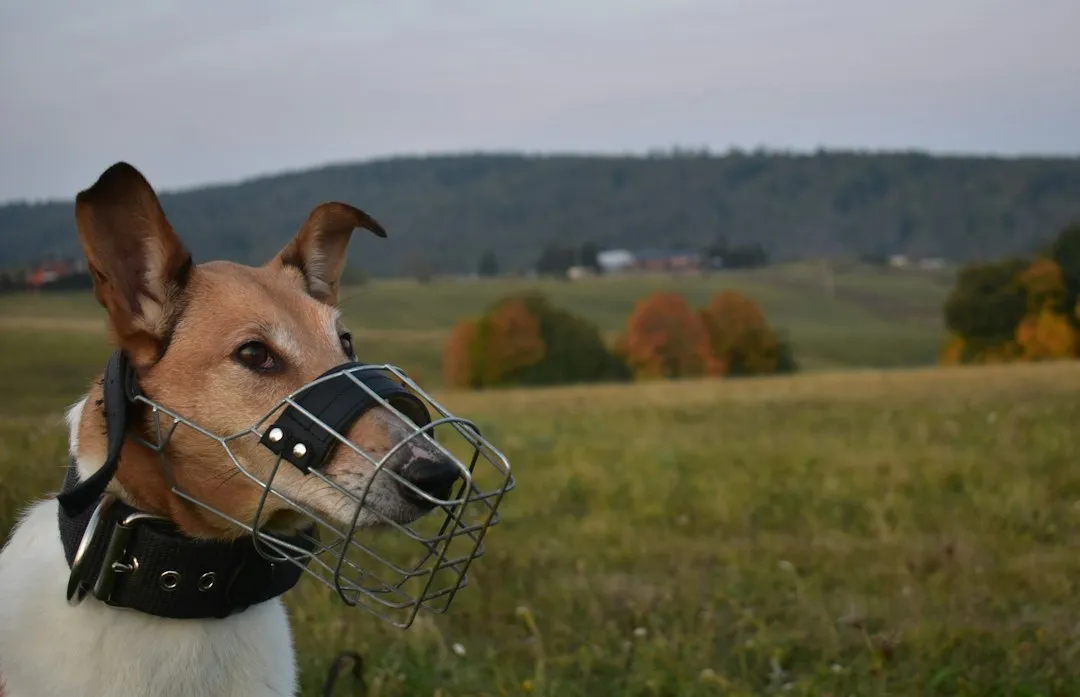
After dinner, many dogs rub their cheeks, chin, or muzzle on the carpet to clean off crumbs, wet food, drool, or water from around their face. It’s not exactly table manners, but it gets the job done. This is especially common in dogs with facial hair, loose lips, short muzzles, or skin folds, where moisture and food particles tend to linger.
Dogs with long hair on their face are the most prone to use furniture, carpet, or even their paws to naturally clean crumbs and chewed food bits from around their mouth. Think of the carpet as their napkin. It’s not glamorous, but from your dog’s perspective, it makes total sense.
Scent Marking Is Part of the Picture
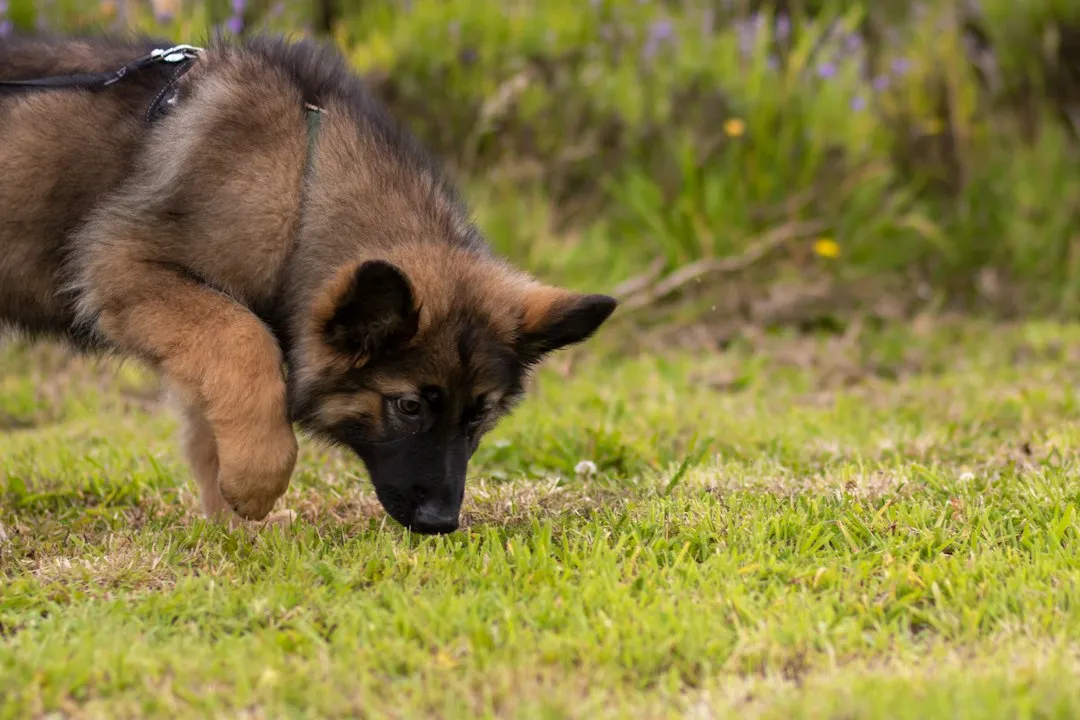
Dogs have a strong sense of smell, and they use scent marking to communicate with other animals. Rubbing their faces on the carpet could be their way of leaving their scent behind, marking their territory, or sending a message to other dogs in the household.
Some dogs also exhibit this behavior as part of their instinct to mark territory with their scent, using the glands in their cheeks to leave their mark. It’s a subtle but purposeful act, even if it looks like pure silliness from where you’re standing. This behavior is more common in unneutered dogs.
Pure Contentment and Post-Meal Joy
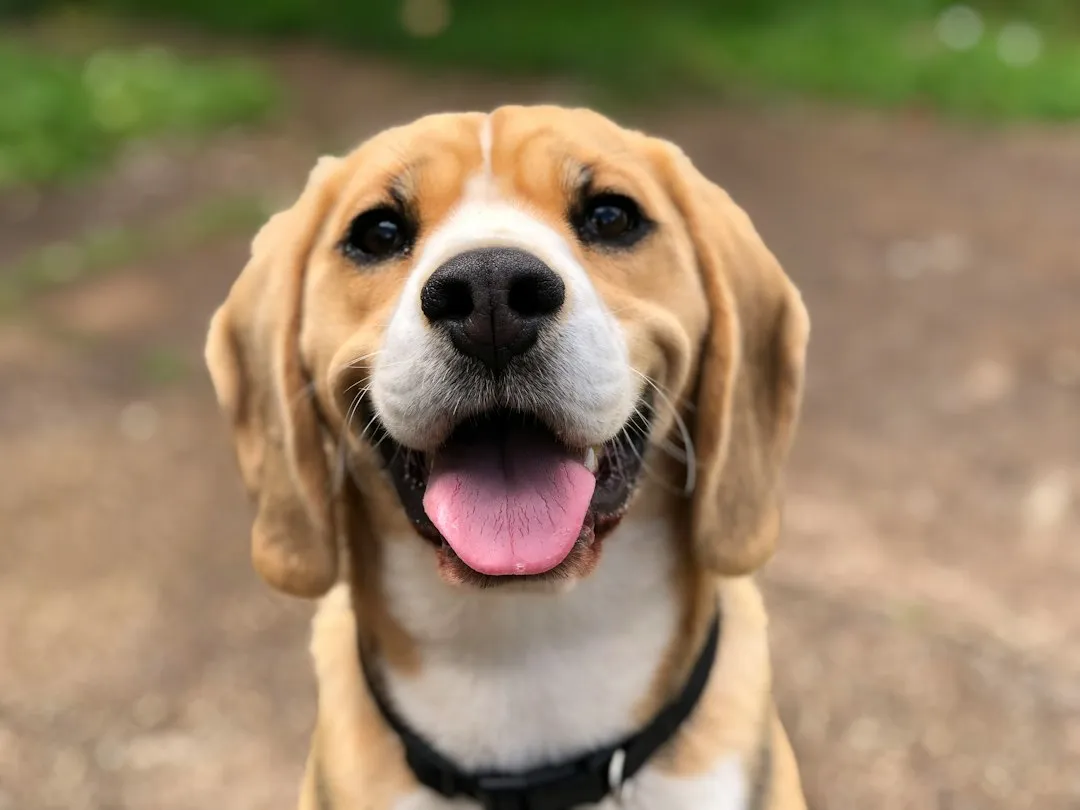
Sometimes it just feels good. Dogs take part in something called “contentment ceremonies,” which can include things like stretching after walks and rubbing their faces on the ground. They’re simply actions a dog does when it’s happy.
Many dogs rub their face on the floor or furniture immediately after a meal. This behavior can happen for a few reasons, including expressing satisfaction or excitement, and some dogs are particularly sensitive around their mouth and dislike leftover smells or textures. In other words, a good meal can trigger a celebratory face-scrub the same way a good stretch feels natural to us after dinner.
Food Stuck in the Teeth
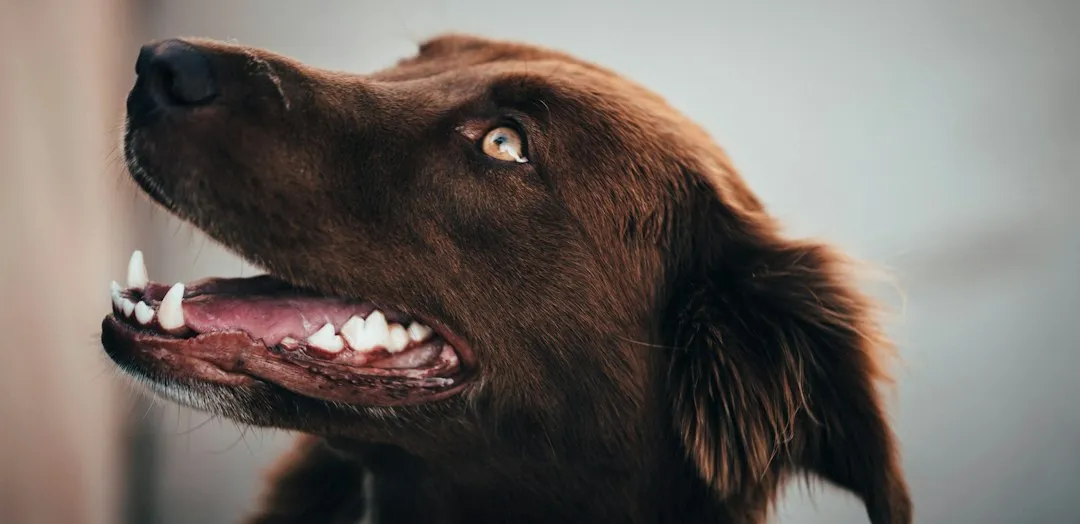
No one likes the feeling of having food between the teeth, including your dog. Canine malocclusion, a condition where the teeth don’t line up properly, can be particularly troubling during mealtime. The discomfort of food wedged between misaligned teeth can cause a dog to rub their head or paw at their face.
It’s a simple but often overlooked explanation. If you notice your dog rubbing their face after particularly chunky or fibrous meals specifically, stuck food debris is a reasonable suspect. Checking their teeth occasionally during grooming sessions can catch these issues early.
Food Allergies Can Trigger Face Rubbing
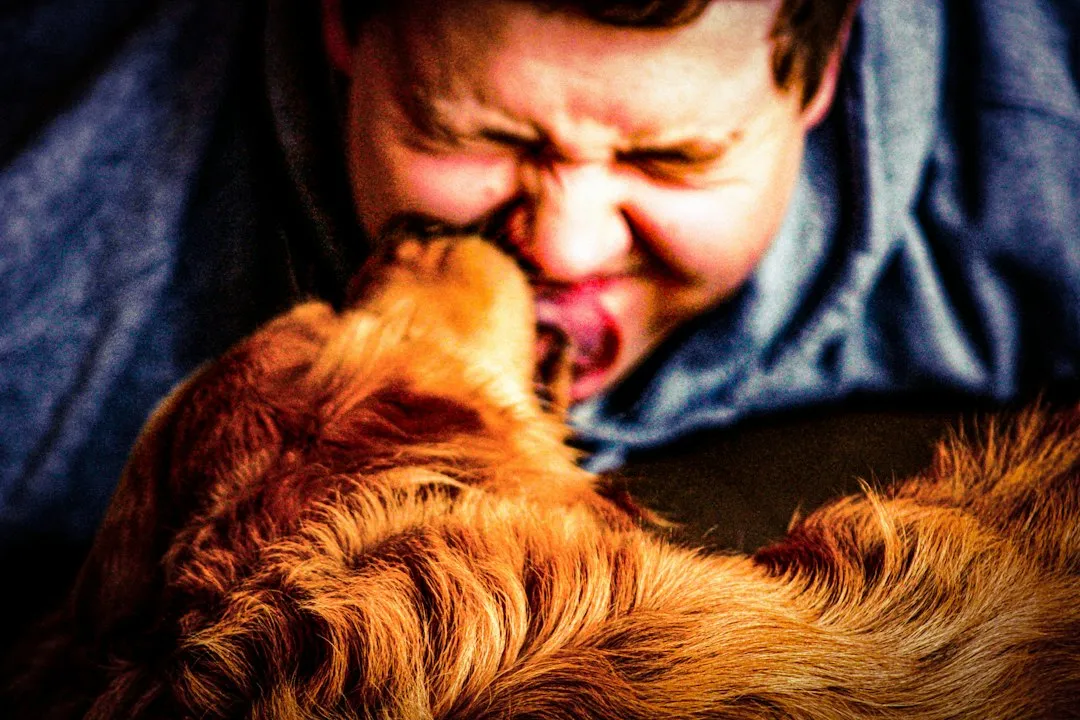
Just like humans, dogs can have sensitivities to certain ingredients, and protein is most likely to be the cause. Beef, dairy, chicken, and eggs are among the most common ingredients that can cause intolerances or allergies. When a dog reacts to something in their bowl, the face is often the first area to show signs.
Research shows that food allergy is diagnosed in up to one-fourth of dogs exhibiting allergic skin reactions. According to a 2026 study published in Frontiers in Veterinary Science, the reported prevalence of adverse food reactions in allergic dogs varies widely across studies, with an average of roughly 29%. That’s a meaningful number, which is why persistent post-meal face rubbing paired with itching elsewhere is worth a veterinary conversation.
The Role of Dental Problems
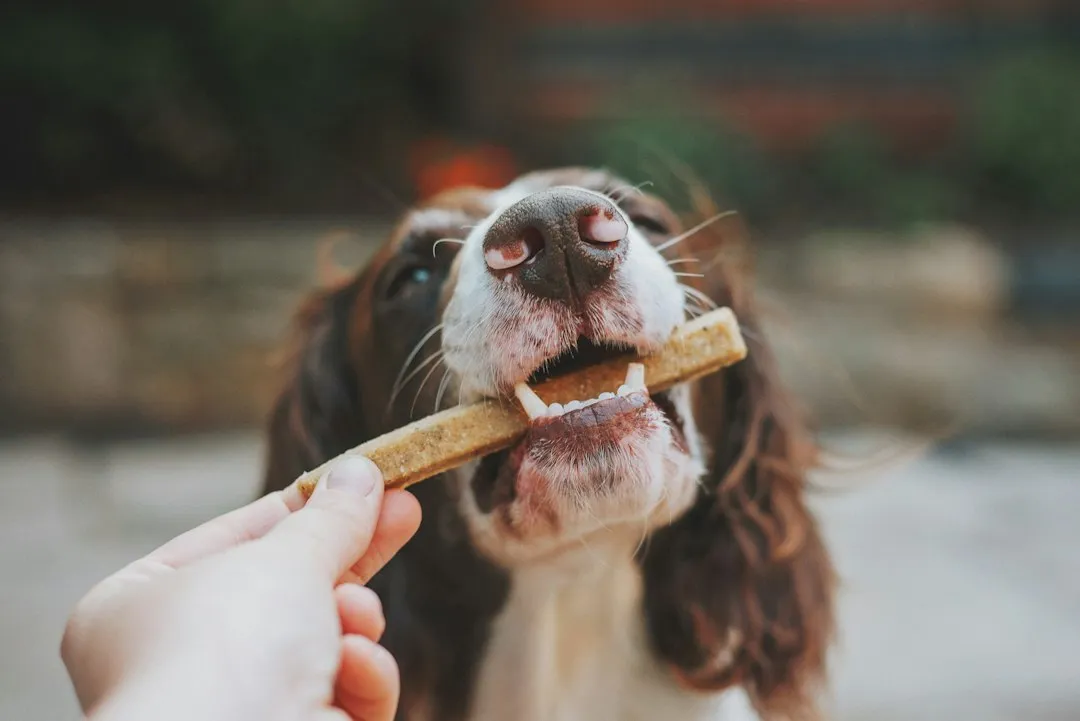
Dental issues may show up as bad breath, red gums, drooling, pawing at the mouth, dropping food, chewing on one side, or resisting hard treats. Face rubbing after meals can be one of the earliest and easiest-to-miss signals that something is wrong in the mouth.
Puppies may rub because teething feels strange, while senior dogs may be more likely to deal with gum tenderness, loose teeth, or oral soreness. If you notice the behavior increasing in an older dog, their mouth is one of the first places a vet will want to look. Dental disease in dogs is far more common than most owners expect.
Instinctive Scent-Covering Behavior
A dog may rub their face on the ground to cover up their scent or take on an odor they find interesting. Dogs retain the instinct to cover their scent as a survival method or to hide from prey. Even in the comfort of a modern home, that ancient wiring hasn’t gone anywhere.
Another reason a dog might wish to cover itself in another scent is because of natural hunting instinct. By camouflaging its own scent, a dog may see itself as more able to sneak up on potential prey. Applied to a post-dinner carpet rub, this could mean your dog is instinctively trying to mask the smell of their meal.
Boredom and Stress Can Play a Role Too
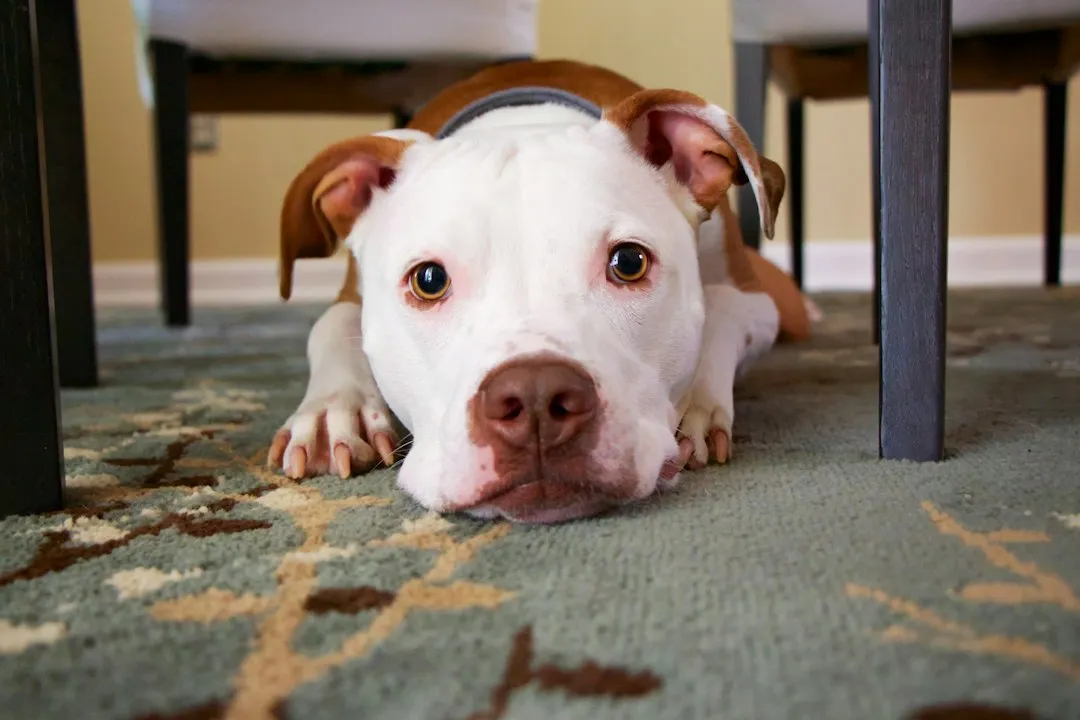
Some dogs rub their faces when they are overstimulated, bored, or trying to settle themselves. You may see it after visitors arrive, before a walk, while waiting for dinner, or during a quiet evening when they need something appropriate to do.
Though rarely after eating specifically, stress may be one of the reasons behind compulsive behaviors. It is more probable that some form of irritation or grooming is involved. When it seems to be related to stress, watch for additional signs like panting and pacing. A face rub that happens once after a meal is different from one that happens for ten minutes with frantic energy behind it.
When Puppies Do It, the Reason Shifts Slightly
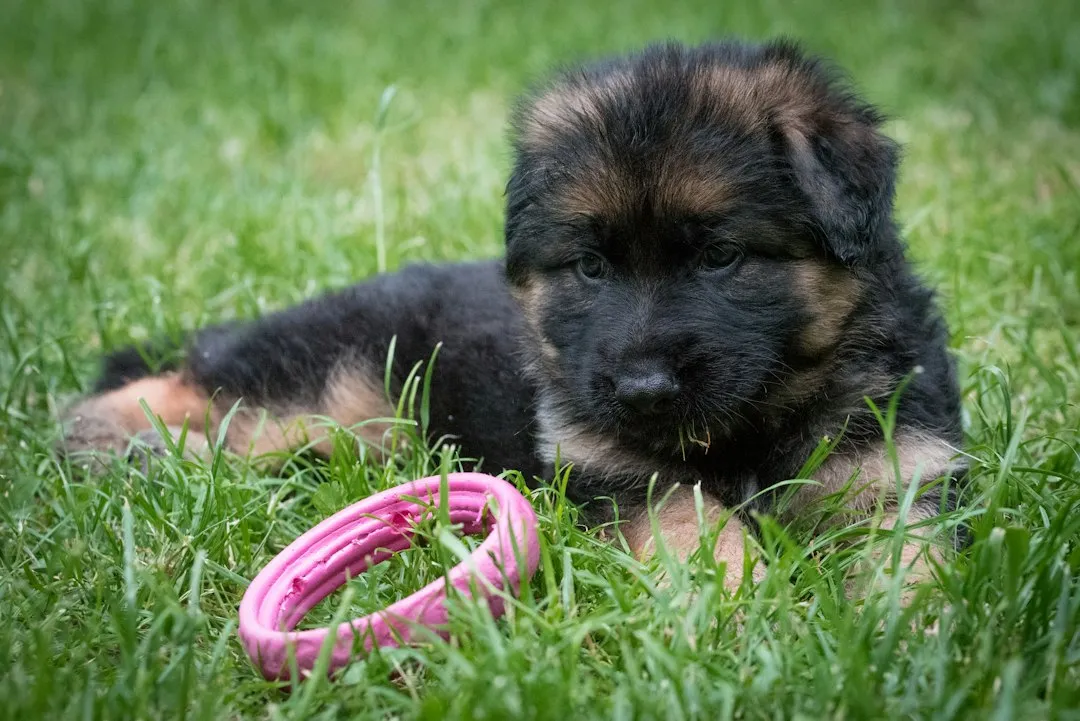
Puppies rub their face on the floor after eating for similar reasons as adult dogs. However, with puppies, it could also be a sign of teething discomfort or an exploration of their environment. Young dogs are still figuring out what their bodies feel like and what the world around them is made of. The carpet is fair game for investigation.
Puppies also haven’t yet learned the refined art of eating neatly, so their muzzles tend to be messier after meals. The combination of crumbs, drool, and newfound curiosity about textures makes the post-meal carpet rub nearly universal in young dogs. It usually tapers off as they get older, or just becomes a beloved habit.
When to Take It Seriously
When face rubbing becomes frequent, intense, or comes with redness, bad breath, ear odor, eye discharge, swelling, or appetite changes, it can be your dog’s way of saying something feels itchy, sore, or irritating. That shift from casual to compulsive is the key thing to watch for.
It’s essential to consider potential medical issues if your dog exhibits persistent face rubbing behavior. Dental problems, allergies, skin infections, and injuries could be underlying causes. A quick vet exam can rule out most of these possibilities without much fuss. Repeated rubbing, frantic rubbing, or rubbing paired with skin, dental, ear, eye, or behavior changes is a reason to check in with your veterinarian.
Final Thoughts
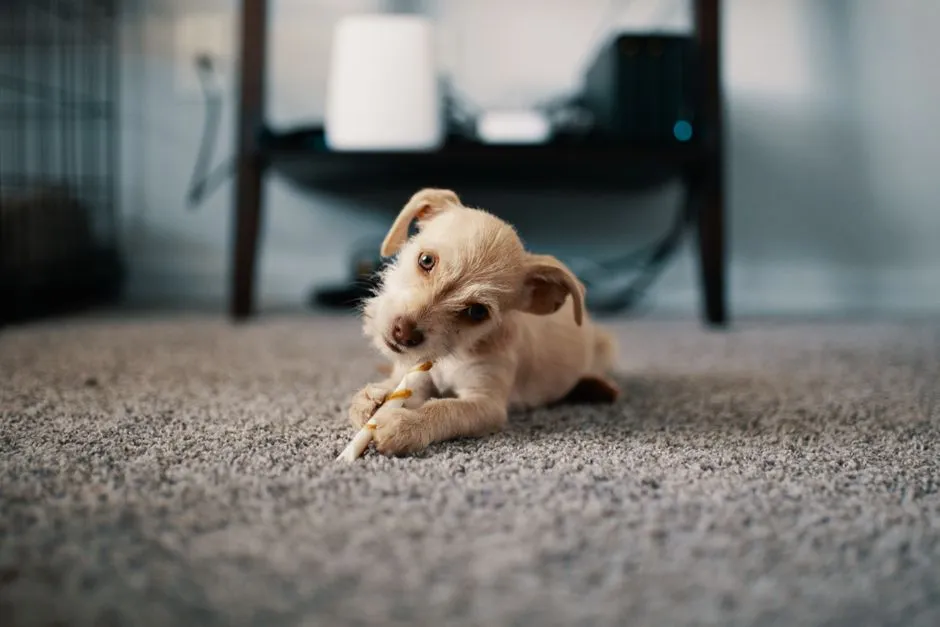
The carpet face rub after eating is one of those behaviors that tends to amuse dog owners far more than it concerns them, and most of the time that reaction is perfectly appropriate. The most common reason dogs rub their face on the carpet or sofa after eating is to clean their mouths. However, they may also do it because they’re happy, it feels good, or in rarer cases, there might be something wrong with their health.
The key is knowing your own dog’s baseline. A brief, relaxed post-dinner scrub is almost certainly harmless. A frantic, repeated, or suddenly escalating habit deserves a closer look. Dogs communicate through behavior constantly, and sometimes a face in the carpet is just a face in the carpet. Other times, it’s the clearest signal they’ve got.
AI Disclaimer: This article was created with the assistance of AI tools and reviewed by a human editor.