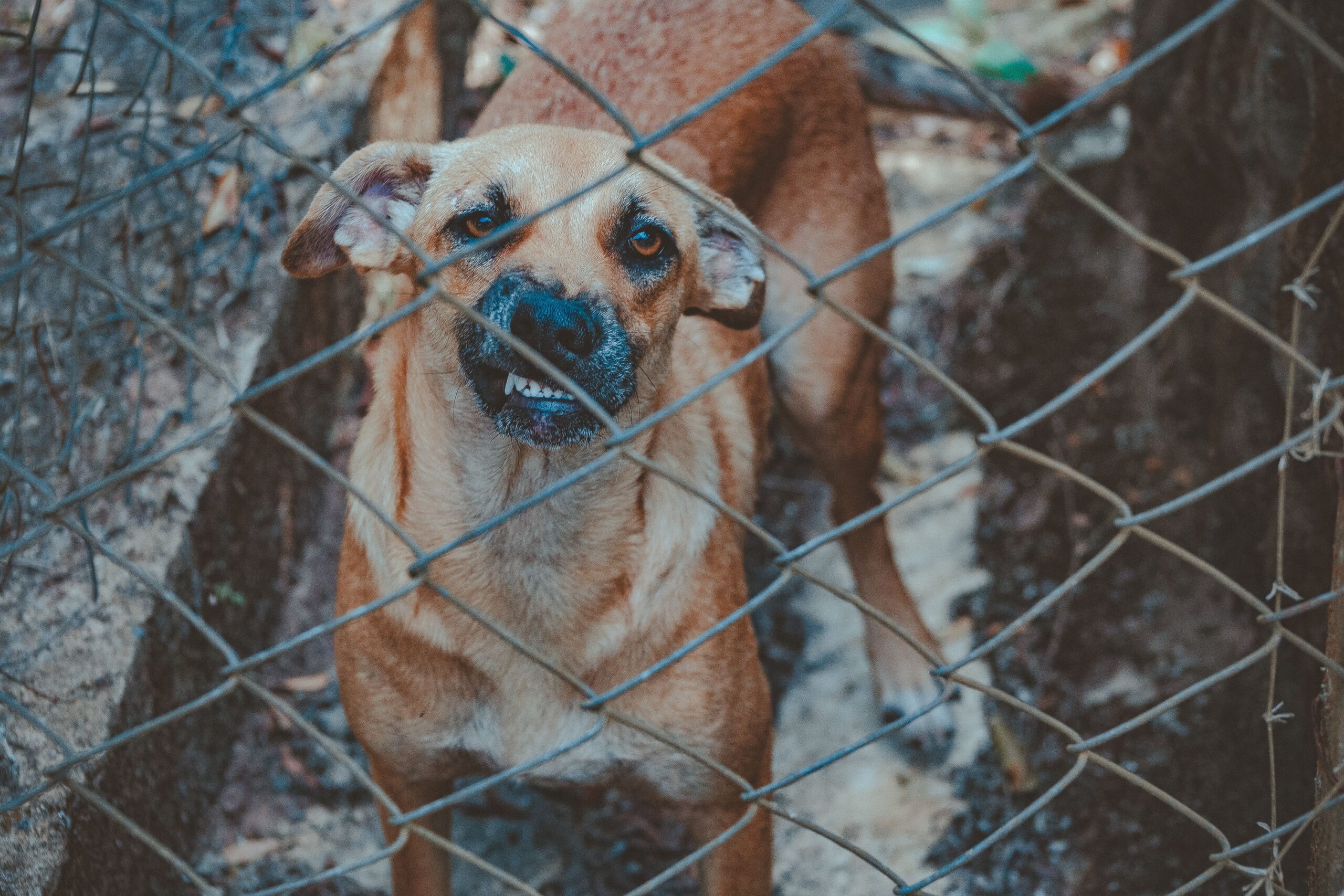

Most people see the fur spike along a dog’s back and immediately assume the worst. It’s a fair instinct, given how that image has been used in countless movies and warning signs. The reality, though, is considerably more nuanced, and understanding it can genuinely change how you read your own dog.
Raised hackles are not a declaration of war. They’re more like a volume dial turning up, a signal that something in the dog’s world just got louder. What follows is a closer look at the real science behind that strip of standing fur, and why anger is only one small piece of a much bigger picture.
What Hackles Actually Are
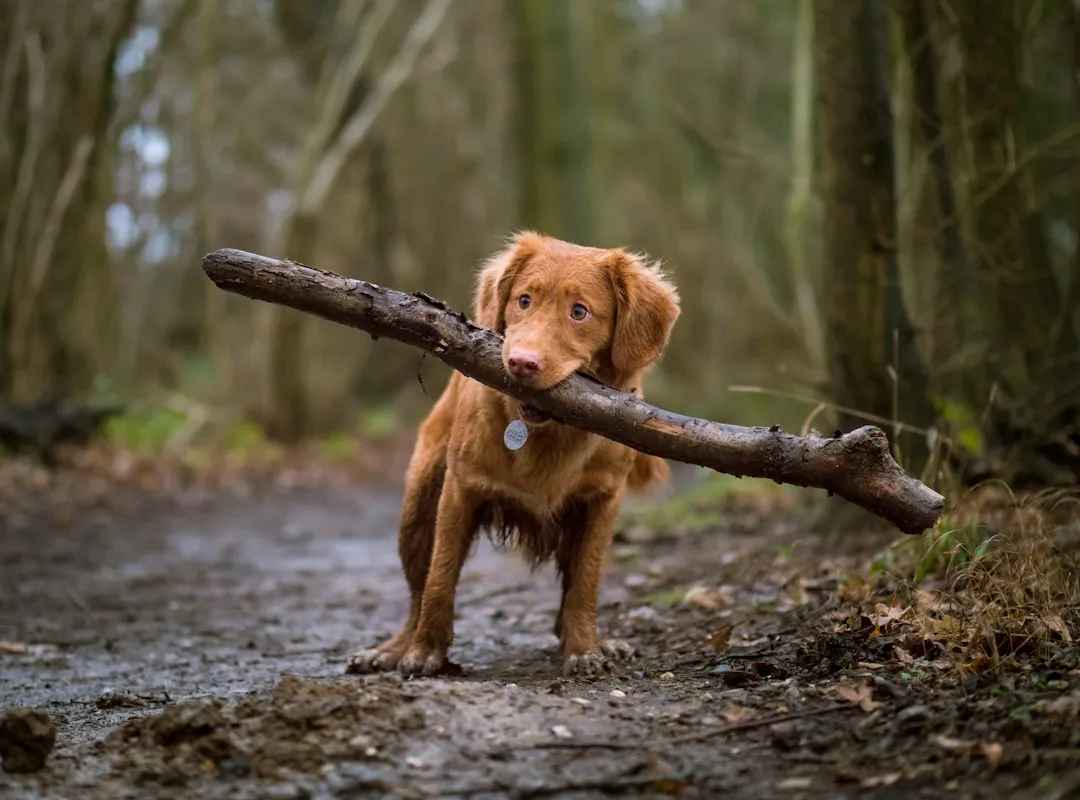
Dog hackles are hairs on a dog’s back, running from the neck between the shoulders along the spine to the base of the tail. A dog’s hackles that stand up along their backs have a specialized muscle called arrector pili muscles that cause piloerection. As these muscles become activated, air becomes trapped between hair shafts, causing your dog’s hackles to stand up.
The technical term for raised hackles is called piloerection, and it’s the same basic reflex that gives humans goose bumps when we’re cold, frightened, or experiencing powerful emotion. The word comes from the Latin “pilo” for hair, a fitting origin for a phenomenon shared across mammals, from dogs and cats to rats and even humans.
It’s an Involuntary Reflex, Not a Choice
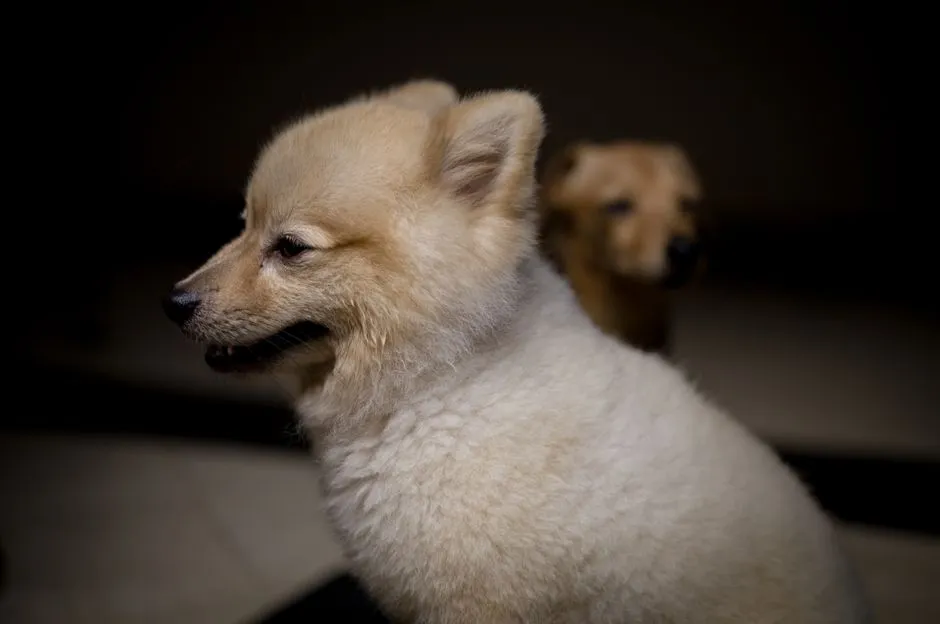
Raised hackles are an involuntary reflex, not a decision, and not proof of aggression. They tell you your pet’s arousal has spiked. Tiny muscles at each hair follicle pull the fur upright when adrenaline surges, so a dog cannot choose to raise or lower them.
Piloerection is due to a reflexive trigger of the sympathetic nervous system, the fight or flight response. When an event triggers the nervous system, such as contact with another animal or the sound of a doorbell, the dog’s nervous system goes on high alert. It’s similar to how you can’t prevent blushing when embarrassed or stop your heart from racing when startled. The dog isn’t performing or sending a warning on purpose. The body is simply reacting.
Arousal, Not Aggression: The Core Distinction
Raised hackles are a clear sign of heightened arousal, but they don’t always mean aggression, explains Dr. Wayne M. Johnson, a veterinarian at Birdneck Animal Hospital, and Dr. Emma Choi, a veterinarian at Banfield Pet Hospitals and advisor for Mendocino Food Consulting. Piloerection is an automatic reflex that fires when arousal spikes, and arousal is not the same thing as intent. Excitement, surprise, frustration, fear, and play all raise the hair on animals that have no interest in a fight.
A dog can raise hackles while excited and conflicted, and a dangerous dog may threaten or bite without visible piloerection. That second point is worth sitting with. Hackles up doesn’t mean danger, and hackles down doesn’t mean safe. The signal is genuinely more complicated than that.
Excitement and Play Can Trigger Raised Hackles
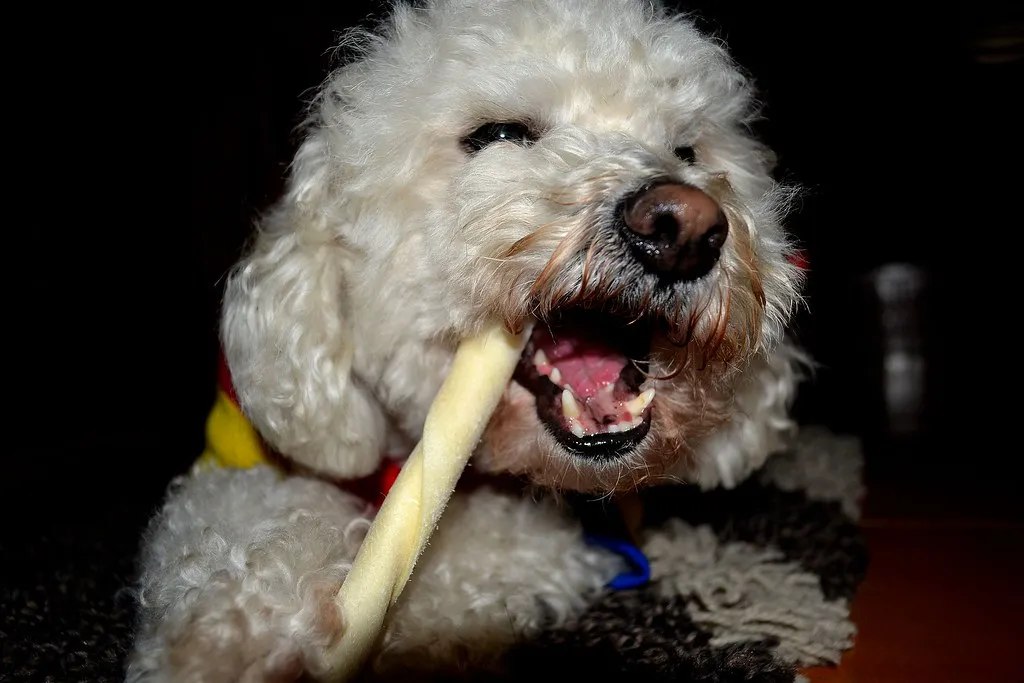
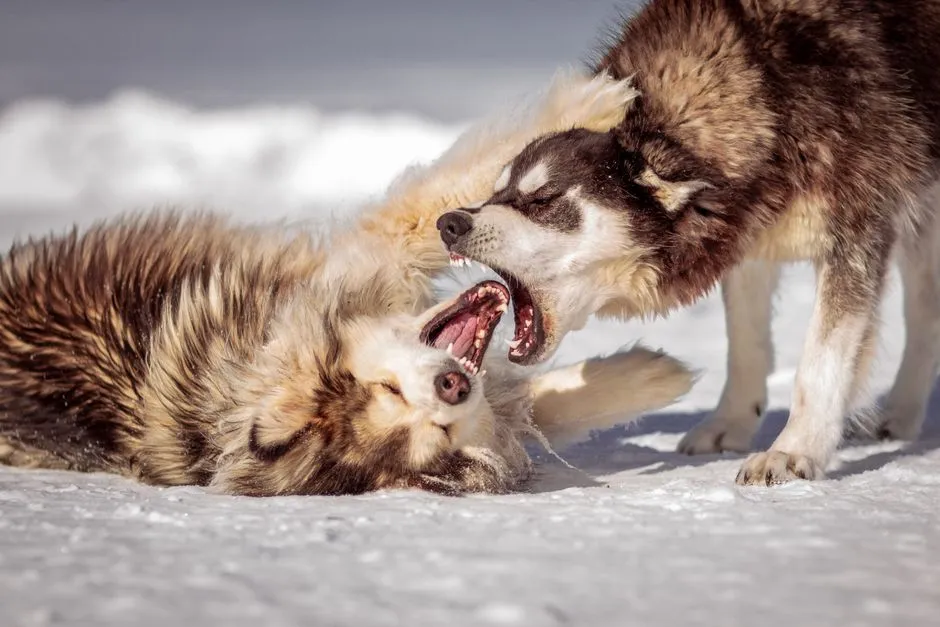
Since raised hackles are an involuntary reflex, known as piloerection, they can happen both as part of the fight or flight response and during play. Many dogs raise their hackles when playing with close playmates without the situation ever escalating.
Excitement and over-arousal can be triggered by the doorbell, a favourite person at the door, a squirrel on the fence, or a fast game of chase. Plenty of dogs raise the hair while having an unambiguously good time. A dog with hackles up, a loose wiggly body, play bows, and bouncy movement is very likely just excited during a game.
Fear and Anxiety Are Common Triggers
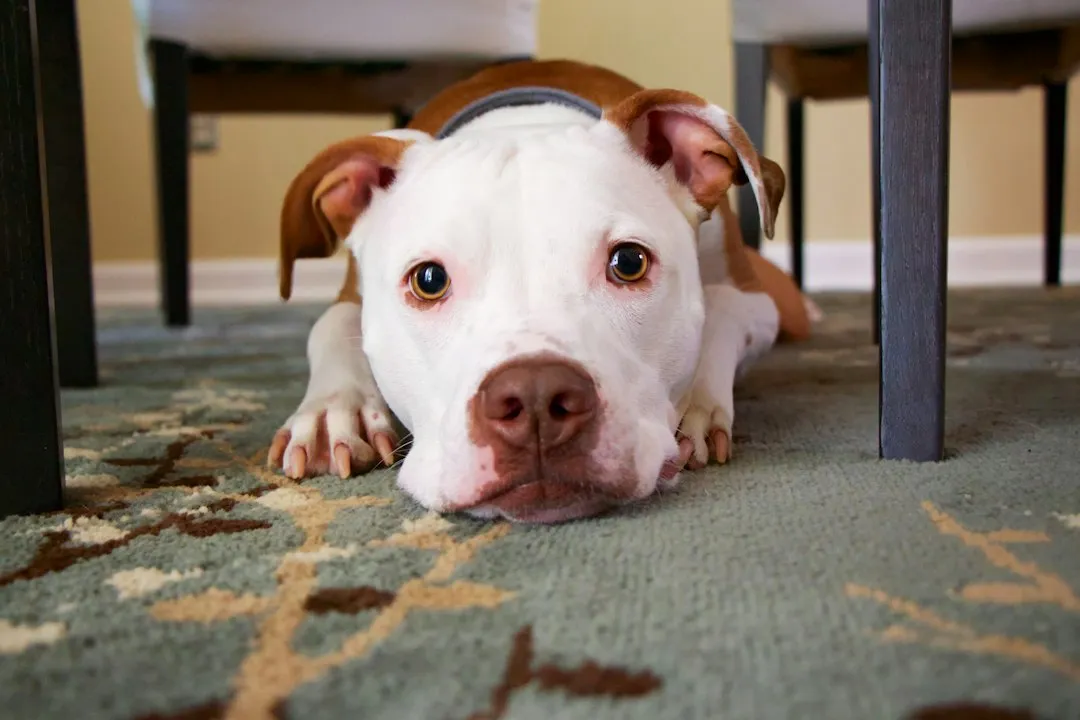
Picture a dog whose hackles go up when a stranger approaches on a dark evening walk. The dog’s weight shifts backward, their tail tucks low, and they try to create distance. This is a fearful dog using piloerection as an unconscious attempt to look larger and more intimidating while simultaneously wanting to escape.
The process begins with the production of adrenaline, a hormone that triggers a flight or fight response. When a dog prepares to face the situation head-on and fight, adrenaline increases blood flow to the muscles and tightens them, raising hackles. Similarly, flight muscles tighten when a dog is in fear, and the process causes raised hackles. Additionally, hackles make a dog appear larger to discourage the threat from pursuing it.
Surprise and Uncertainty Also Play a Role
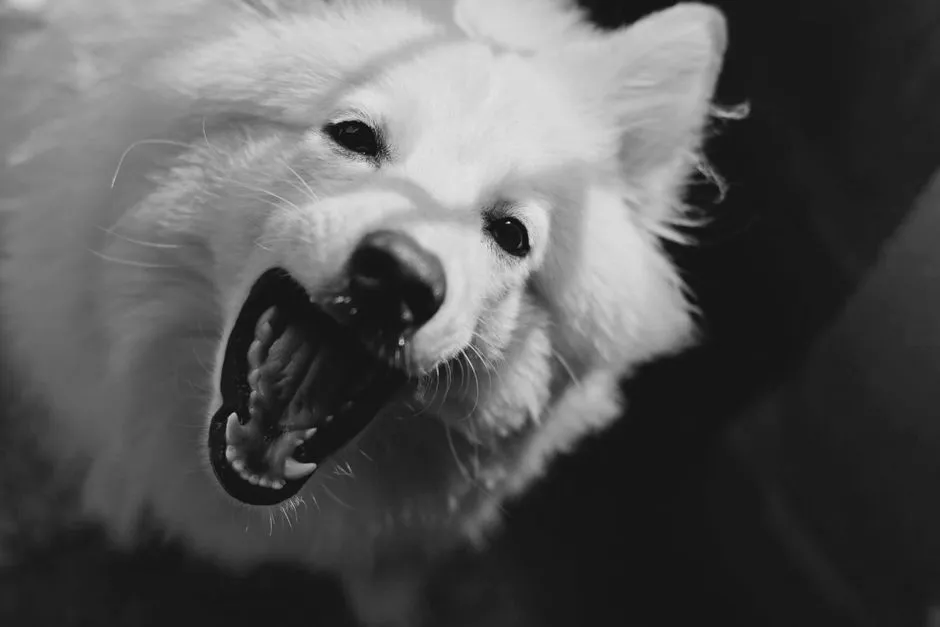
Dogs may raise their hackles when startled suddenly or unexpectedly. Dogs can raise their hackles in response to being surprised, excited, worried, or during high-arousal play, not just when feeling aggressive.
According to Science Direct, piloerection is a rapid contraction of muscles around the hair follicle as a reflexive response from sympathetic nerves causing the relaxed hair shaft to take an upright position. The response signal is generated by the environment or what the dog is feeling, smelling, or hearing and sent to the brain through sense organs. A sudden rustling in the bushes or an unexpected loud noise can be enough to set the whole system in motion.
The Location of Raised Hackles Gives Clues
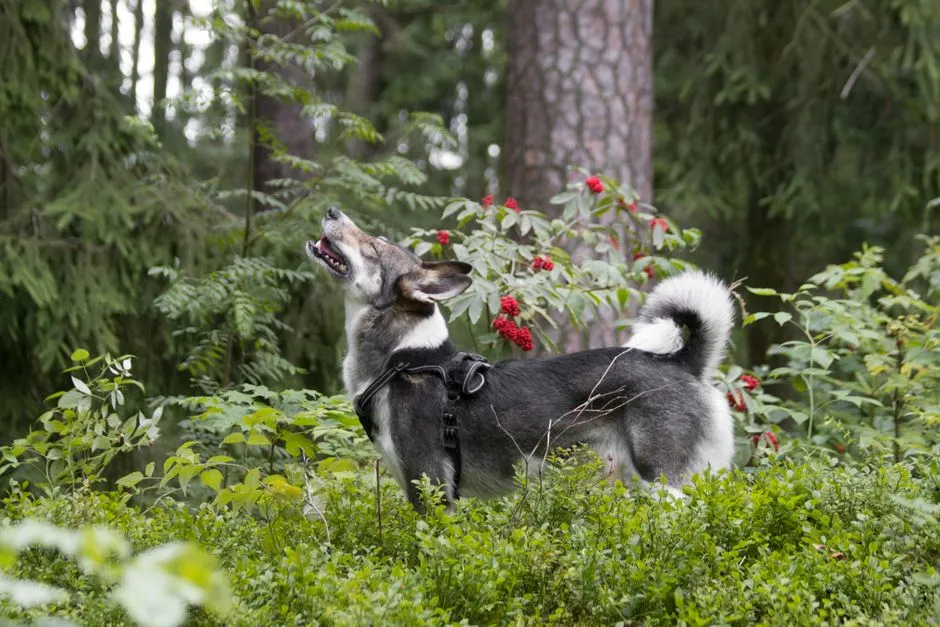
The pattern area in which the hair raises can vary and display differently in each individual dog. The hair can raise fully over the spine from the neck to the base of the tail, or just over the shoulder area, or in two patches, one patch over the shoulder area and the other at the rear end, just before the base of the tail.
Often, a thin line of erected hair from shoulders to tail correlates with more confident dogs, while a broad patch over the neck and shoulders but no further down correlates with low confidence. When the hair rises from shoulders to tail, the dog may be highly aroused. This can happen during intense play, strong interest, fear, or conflict. Location is a clue, not a verdict.
Breed and Coat Type Affect How Visible Hackles Are
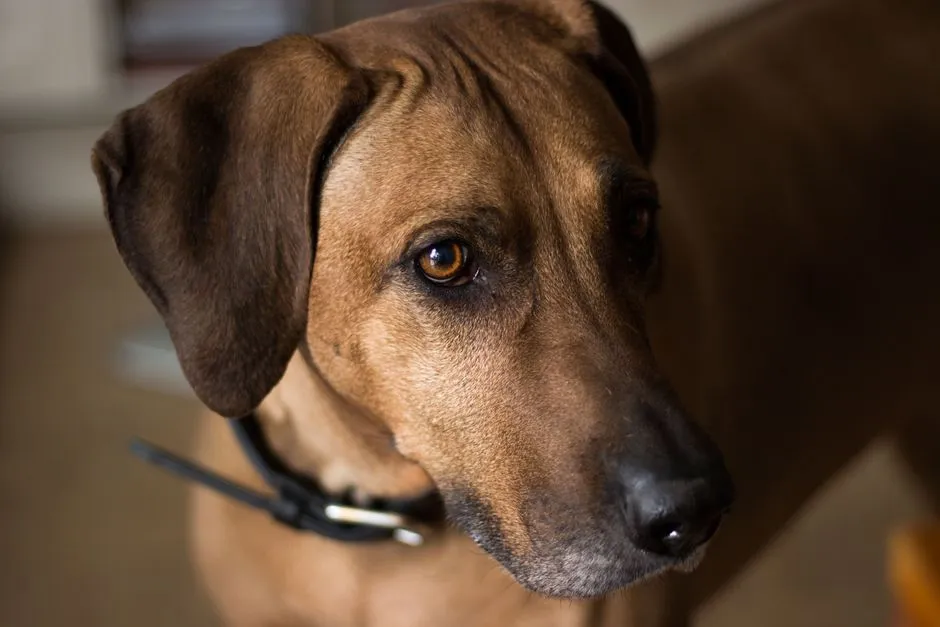
While some hackles are less noticeable in breeds with curly or fluffy coats, all dogs have them. Some dogs, like Rhodesian Ridgebacks, appear to have permanently raised hackles, due to a “ridge” of backward-growing hair along the spine.
On a smooth-coated dog the lift is easy to spot, while on a fluffy or double-coated dog it may be hidden entirely. German Shepherds with their thick double coats display very prominent hackles when aroused. Labrador Retrievers show them clearly due to their short, dense fur. The biology is the same across the board, even when the coat hides it.
Illness Can Also Cause Hackles to Rise
During a severe infection, a dog will raise hackles to respond to new body changes. As the body mounts its defense against infections, the hypothalamus senses the body is too cold and sends signals to the liver and muscles to raise the temperature. Muscles will expand and contract rapidly to generate heat, causing raised hackles. Additionally, a dog will raise hackles to insulate the body against heat loss.
This is a less commonly discussed trigger and one that catches many owners off guard. If hackles appear persistently when there’s no obvious emotional cause, a vet visit is a reasonable next step. Piloerection can also occur in connection with pain, mainly back pain. It’s worth keeping that in mind, especially in older dogs.
How to Read the Full Picture Instead of Just the Fur

Individual signals are less meaningful than their combination. Piloerection alone does not indicate either aggression or fear. The tail, ears, mouth, and weight tell you which emotion caused it. ASPCA Pro teaching material on speaking dog explicitly warns against using raised hackles alone to label a dog aggressive.
Although many people associate raised hackles with aggression, the signal simply indicates arousal. The dog may be stressed, nervous, excited, or intensely focused on something in the environment. The same hackles on a dog standing tall, weight forward, mouth closed, and eyes fixed on another dog read very differently than hackles on a dog that’s bouncing around during a game of chase.
The Takeaway
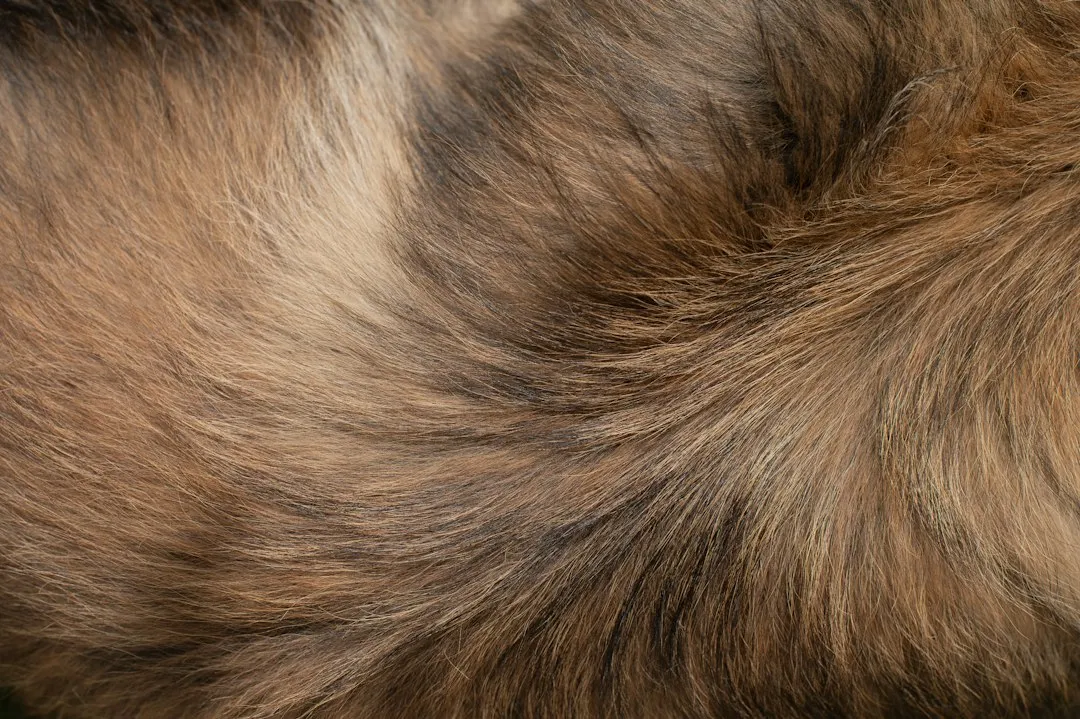
Raised hackles are a volume dial, not a message. They tell you that something just got louder inside your pet. They never tell you what it was. That distinction matters enormously, both for how we respond to our dogs and how we talk about them.
Misreading hackles as pure aggression can lead owners to punish a dog for a reflex it has zero control over, which solves nothing and often makes things worse. No punishment should follow piloerection, as it is an involuntary reflex. Instead, take a breath, watch the whole dog, and read the situation in full. The fur is just the first signal. The rest of the body will usually tell you everything else you need to know.
AI Disclaimer: This article was created with the assistance of AI tools and reviewed by a human editor.