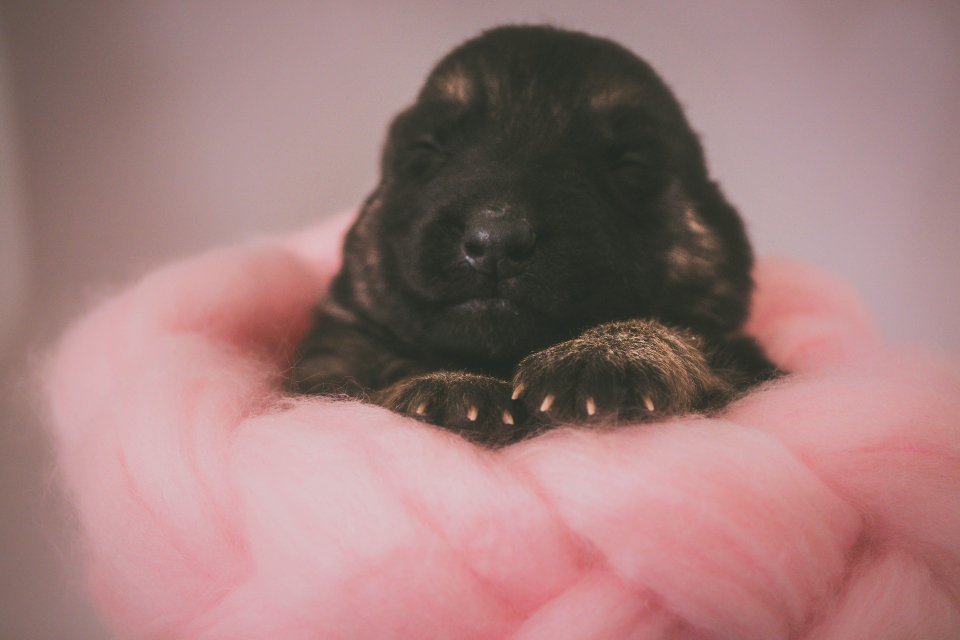

It’s a Form of Direct Communication
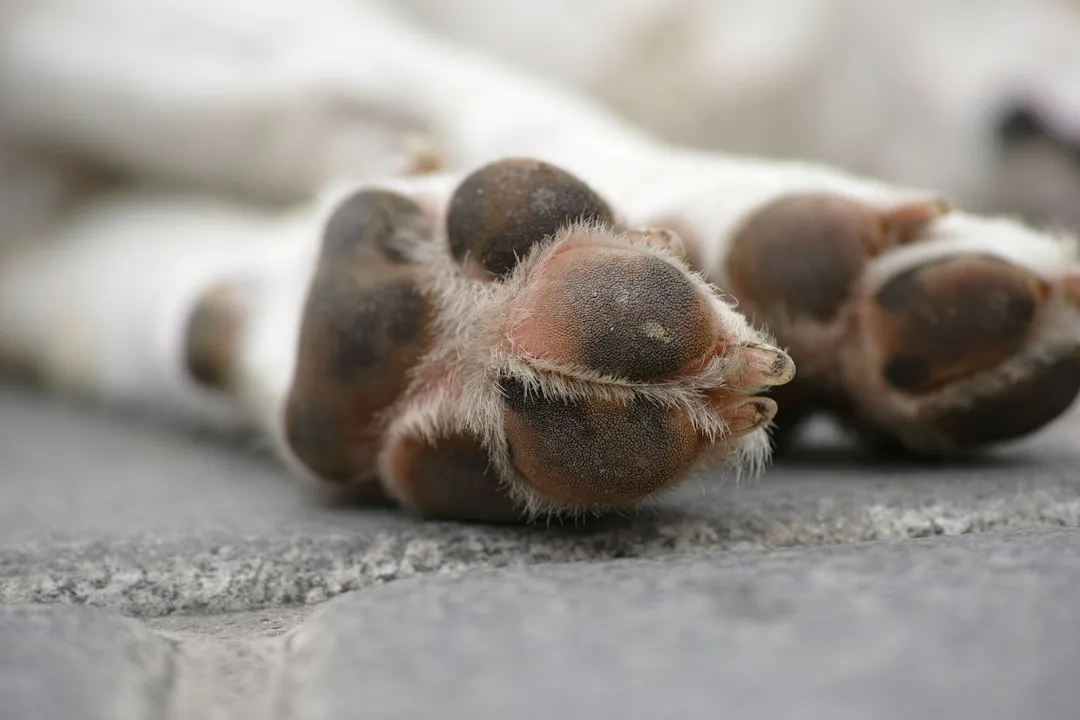
Pawing is a natural form of communication for dogs, often used to express a need. According to the American Kennel Club, dogs use their paws much like we use hands, “to mean, ‘I have a need, such as I need to go outside or I am hungry.'” Think of it as their version of tapping you on the shoulder.
Canine communication entails the use of ears, face, muzzle, teeth, body, coat, paws, and tail, all in addition to odours and vocalisations. The paw is simply one instrument in that broader orchestra of signals. Dogs are amazingly communicative and use their faces and bodies to communicate with humans and other animals, and paws are another surprisingly expressive way they do it.
It Starts in Puppyhood
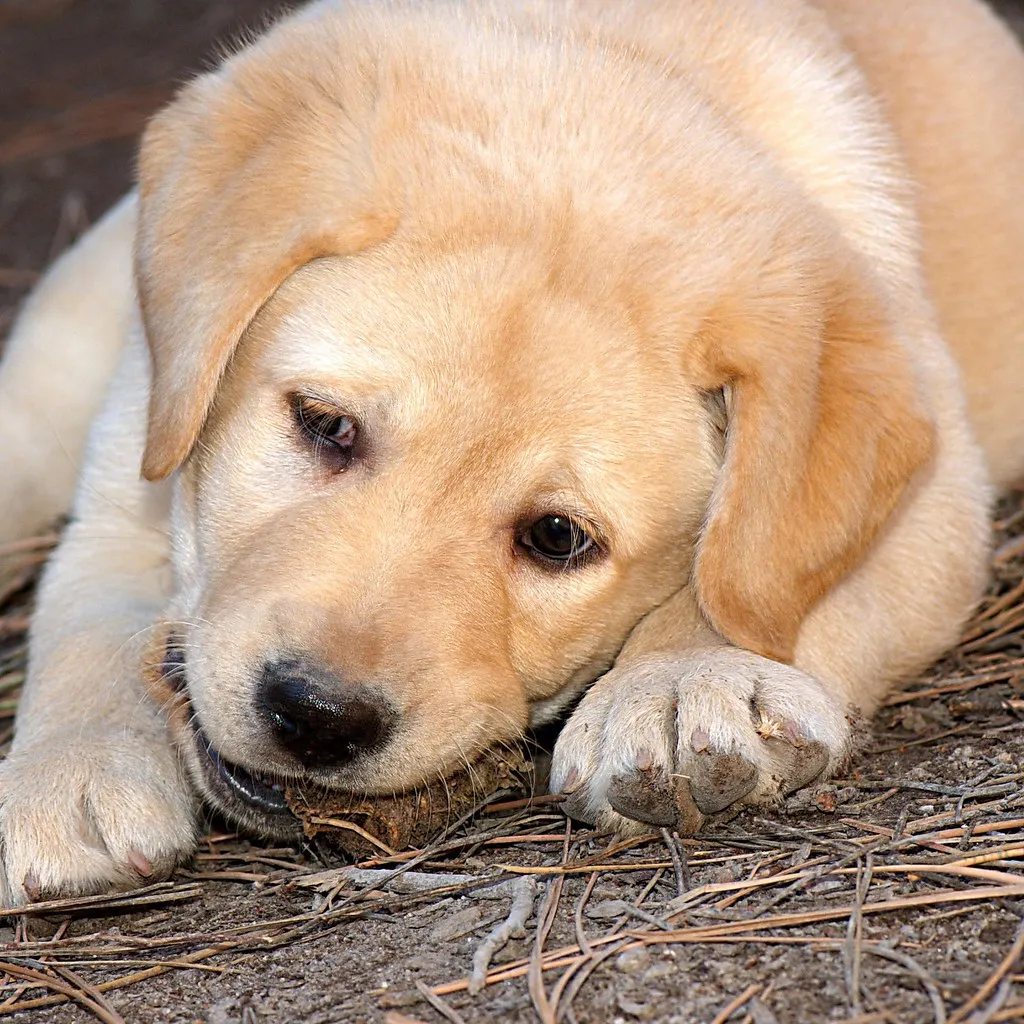
Dog pawing begins as an instinctive behavior in puppies. There’s an instinctive layer to this behavior: puppies paw at their mothers for milk or nudge littermates during play, and those early gestures often carry into adulthood.
As they age, dogs learn that pawing is a useful communication tool because pawing usually results in pet parents tending to their dog. Your pup figures out that if they want something, like food, attention, or access, pawing is a proven way of getting it. It’s a behavior rooted in survival that simply never gets unlearned.
They’re Asking for Attention
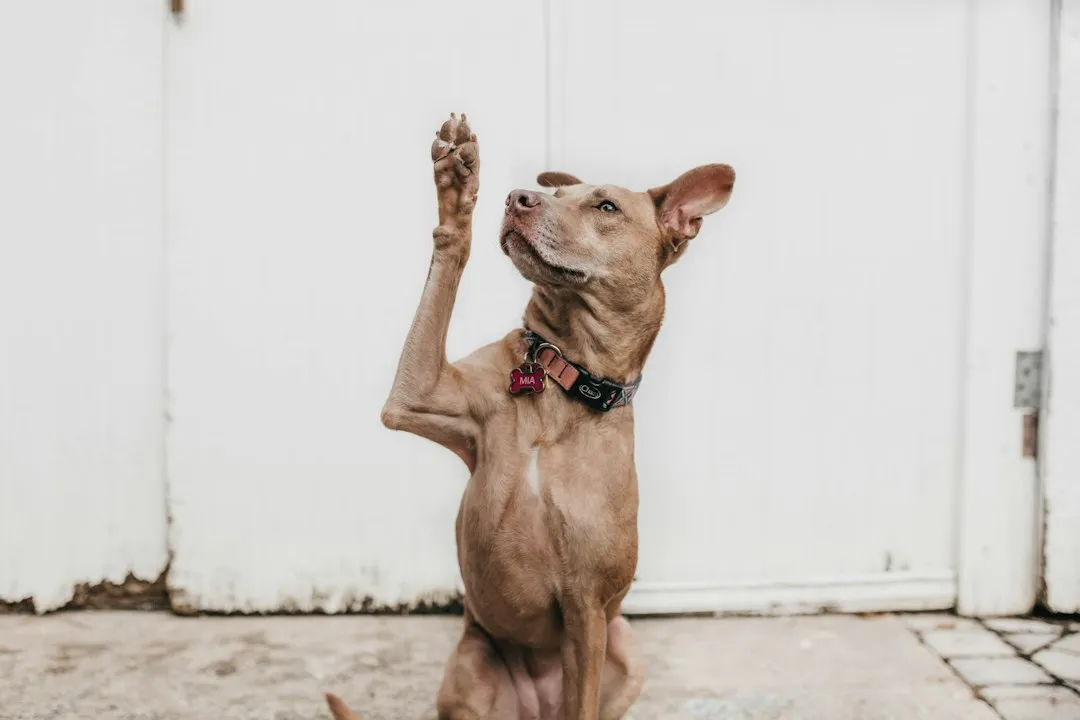
One of the most apparent reasons dogs place their paw on you is because they want your attention, and it probably worked the first time they tried it. Maybe you were scrolling on your phone or working on your laptop and didn’t notice them at your feet. So, they placed a paw on your arm, and you looked at them.
Over time, this action can become habitual. Dogs are creatures of association. If pawing gets a belly rub, a treat, or even just eye contact, they’re going to repeat the behavior. It’s not manipulation; it’s just smart reinforcement learning. That’s a meaningful distinction worth remembering.
It’s a Gesture of Affection
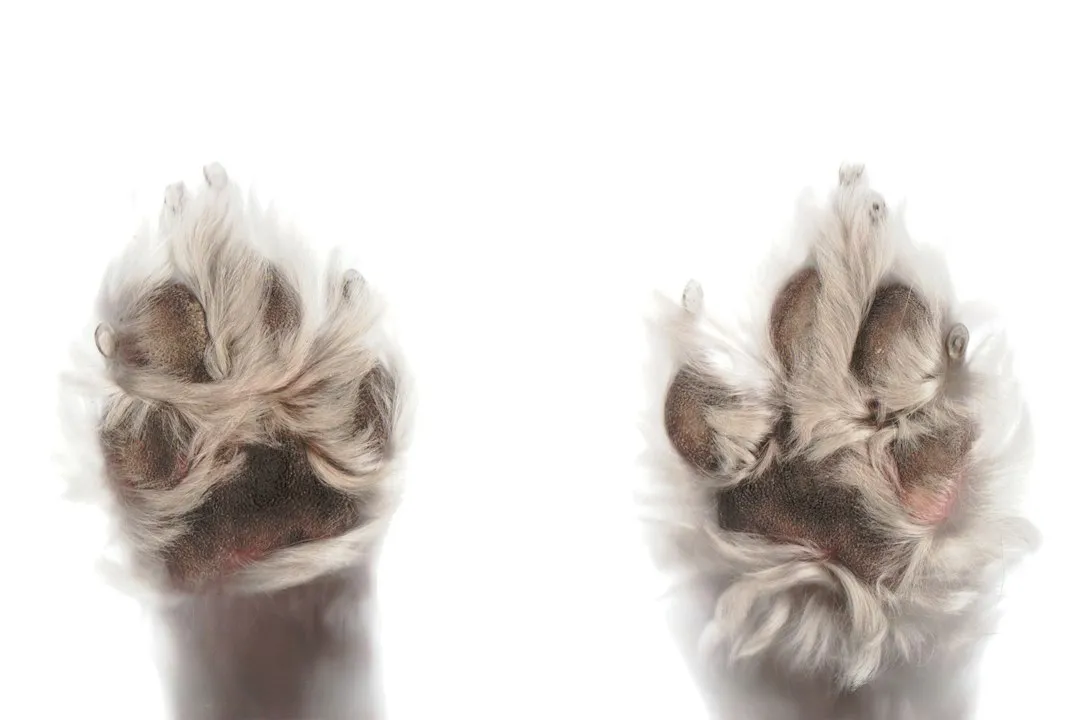
Depending on the context, it’s feasible that a dog putting their paw on a person is a way to express affection or offer comfort. If you are petting your dog or sitting close and enjoying your bonding time, a paw likely means your dog reciprocating the love.
Pawing can be a canine “hug” or handshake. Rebecca Forrest from The Dog Clinic explains it “is a sign of affection, closeness and trust,” essentially petting you back. Studies show that touch, in this case petting, releases the feel-good hormone oxytocin in both petter and pettee, and in a self-supporting cycle, the calmer the person got, the calmer the dog got.
They’re Picking Up on Your Emotional State
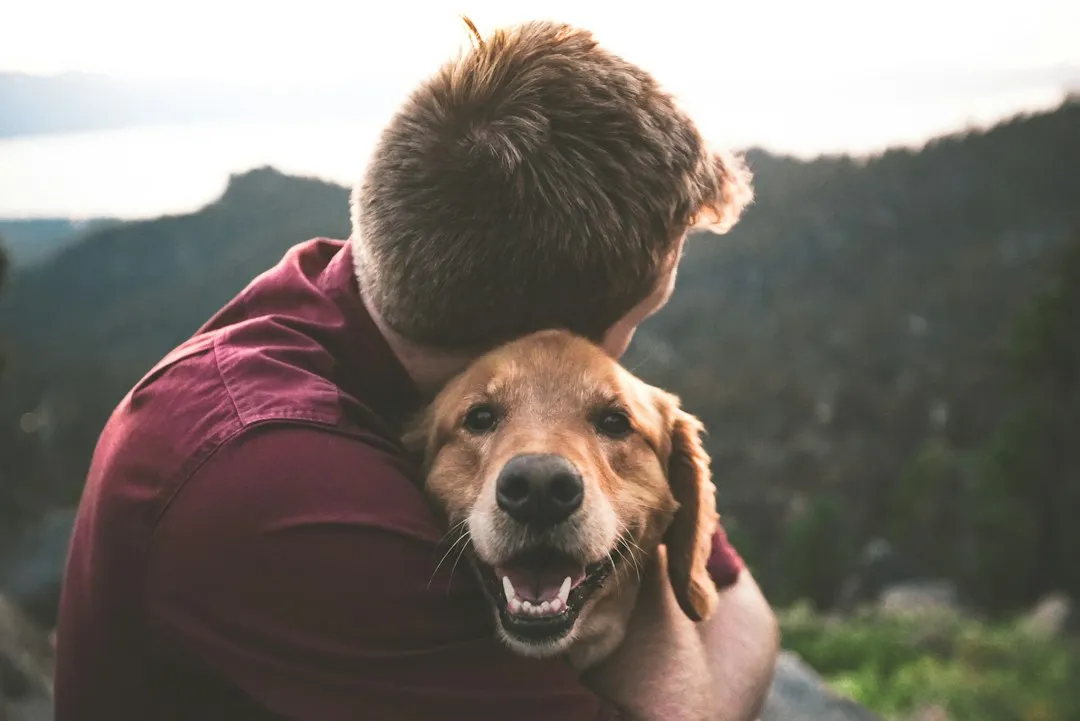
One reason dogs paw at you without obvious prompting is that they are incredibly perceptive when it comes to reading human body language. They can sense your mood, emotions, and even subtle cues that indicate you’re in need of comfort or support.
Many dogs show empathy if their owner is in distress and will also try to help. Research published in Springer’s journal Learning & Behavior, led by Emily M. Sanford of Johns Hopkins University, tested whether there is truth in the notion that dogs have a prosocial and empathetic nature, notably finding that dogs specially trained for therapy visits are just as likely to help as untrained dogs. The impulse appears to be broadly built in.
Dogs have coexisted with humans for more than 30,000 years and are woven into human society as partners bonding with humans. Dogs have acquired human-like communication skills and, likely as a result of the domestication process, the ability to read human emotions.
It Can Signal Stress or Anxiety
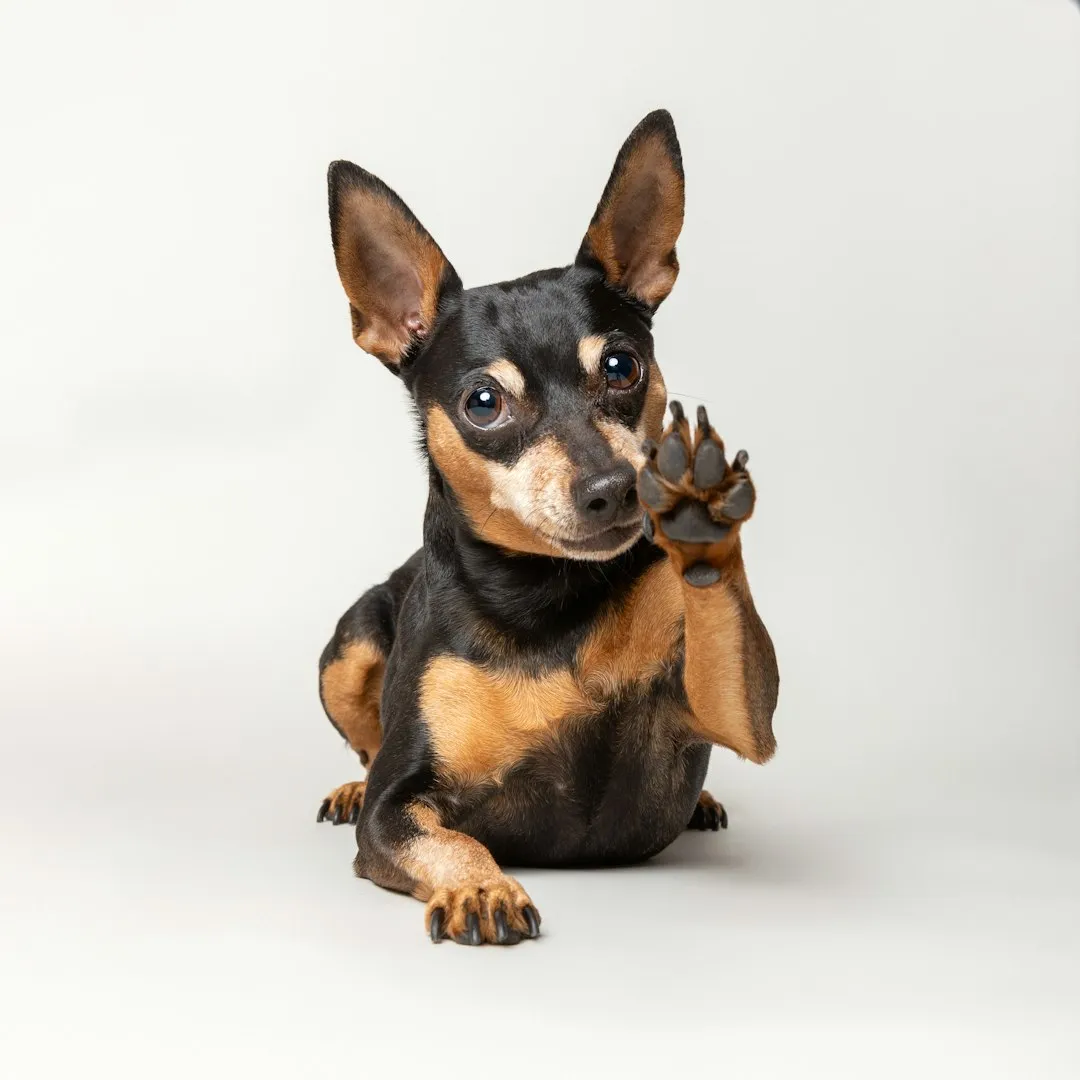
Pawing isn’t always a sign of affection. Sometimes it can also be a sign of anxiety or insecurity. If your dog appears restless, repeatedly licking his lips, yawning, or has his ears pinned back, he may be stressed. Pawing in this situation may indicate that he wants reassurance and security from you.
Sometimes when your pup is feeling stress, they will paw you for reassurance and to ask for your help. These are usually paired with other body language that signals distress, such as lip licking, ears tucked back flat, or yawning. If you notice a combination of those signals, the paw is a cry for help, not a casual hello. A dog pawing that can be linked to stress should be discussed with your veterinarian.
They’re Telling You They’re Hungry or Need to Go Out
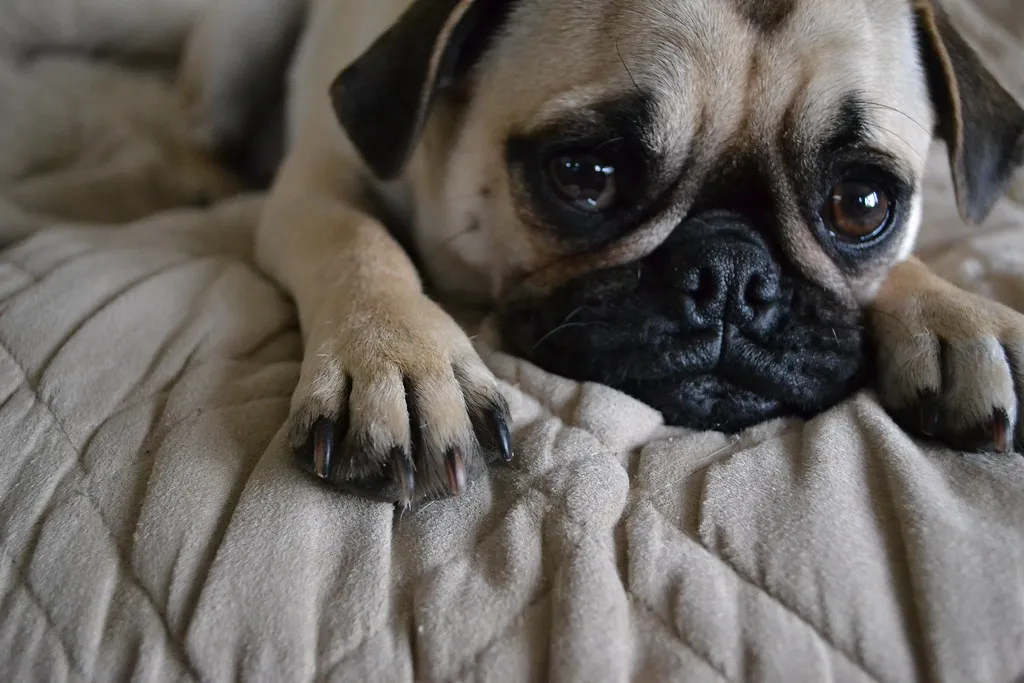
Dogs are incredibly tuned in to mealtimes. If your dog paws at you around the same time every day, and it coincides with their breakfast or dinner, chances are they’re reminding you it’s time to eat. If you respond by getting up and feeding them, the behavior is reinforced, and the paw becomes their meal bell.
Pawing can also be a learned bathroom signal, especially in dogs who haven’t taken to barking or scratching at the door. One mix of gestures, such as pawing and head tilting, might translate to the want to go outside, while another combination might get across the desire for food. Reading the combination matters more than reading the paw alone.
They’re Using It as Part of a Broader Gesture System
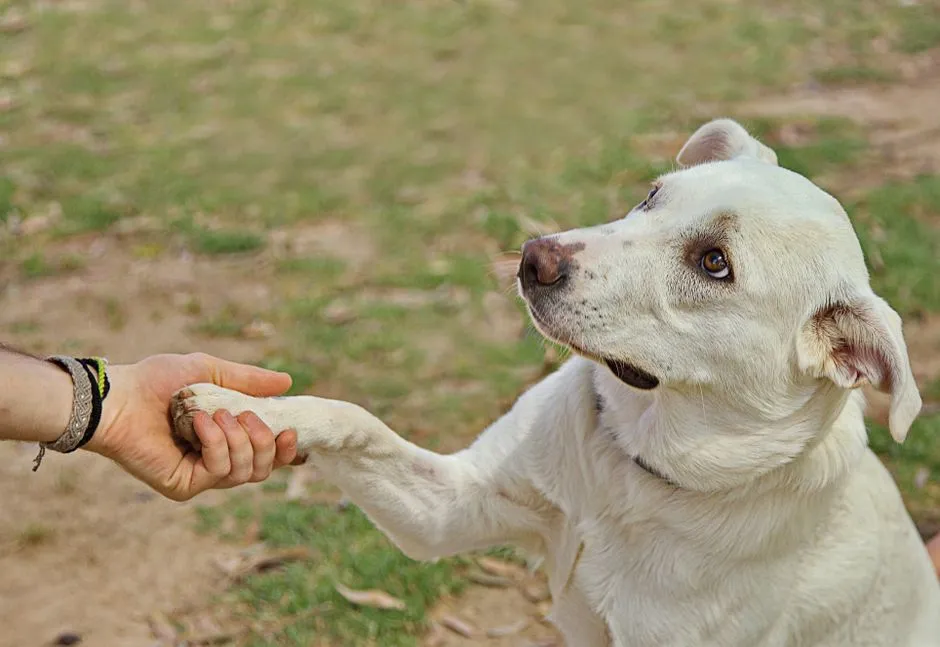
Researchers identified 47 potential signals while studying canine behavior, and a study published in the journal Animal Cognition shows dogs use a combination of at least 19 distinct gestures to tell us what they want. The paw, in that light, is rarely a standalone statement.
Animal behavior expert and professor emeritus of Ecology and Evolutionary Biology at the University of Colorado Marc Bekoff says that to determine what this behavior means you need to know the context and the dynamics of the dog-human relationship, noting “it could be to express strong positive feelings, it could be to get your attention to ask you for something, or it could be calming.” Context, as with so much in animal communication, is everything.
Therapy Dogs Use It Intentionally
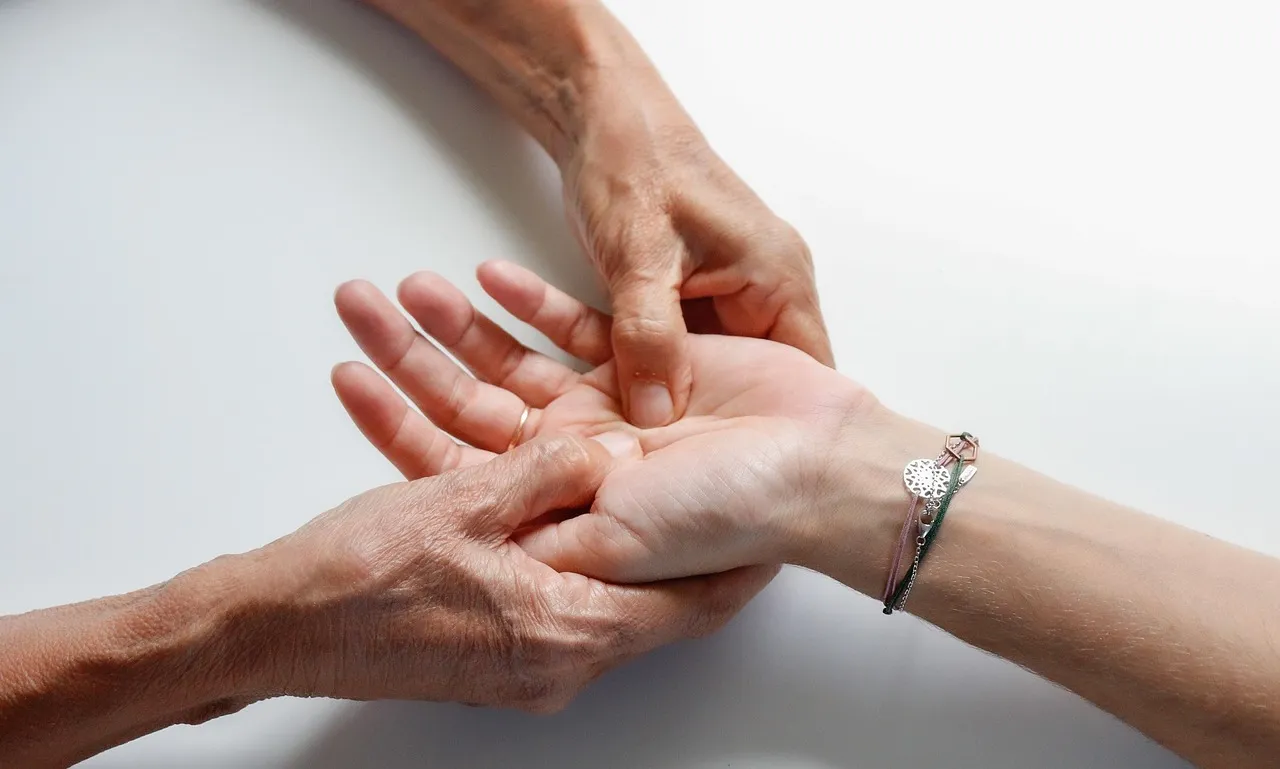
Therapy dogs use touch techniques to reassure people when they visit hospitals and nursing homes, and their touch can provide comfort to patients in need. This isn’t accidental. It reflects a deeper, trainable capacity that dogs have developed for deliberate physical contact with humans.
The most remarkable discovery in canine-human bonding may be the chemical connection we share. When dogs and humans make gentle eye contact, both partners experience a surge of oxytocin, often dubbed the “love hormone.” Oxytocin builds empathy, trust, and compassion, helping us bond with our pets, and this release in pet owners is so powerful that it actually has health benefits, such as reducing blood pressure and improving heart health.
You Can Shape the Behavior Without Suppressing It
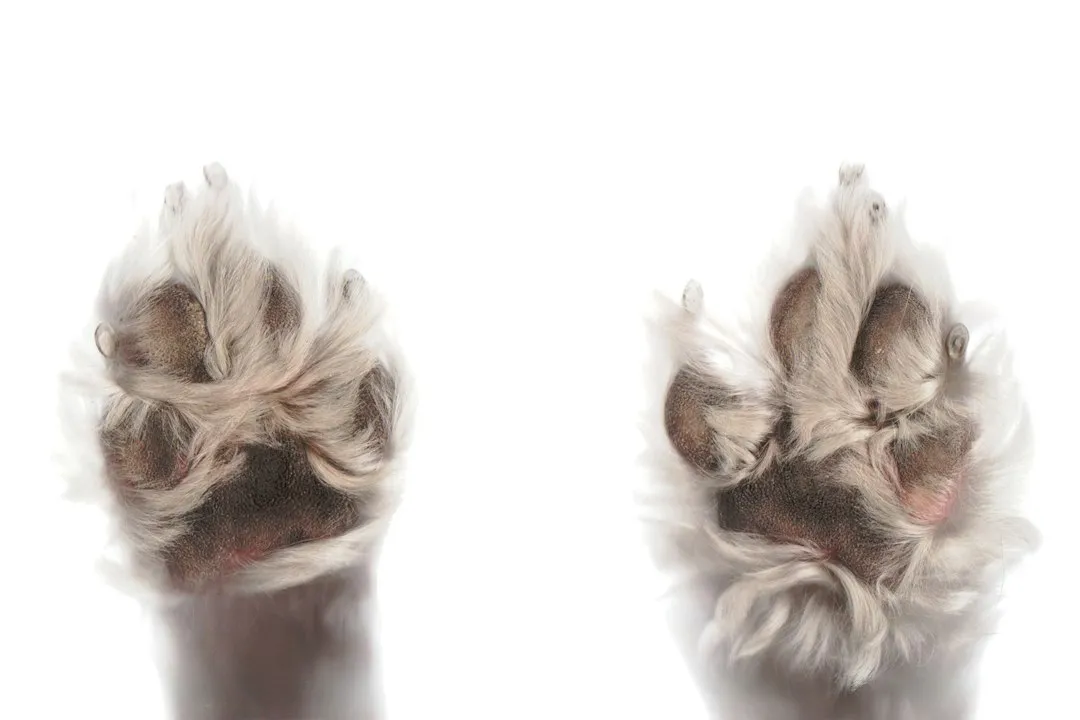
Pawing can become a learned habit. If your dog once earned a treat, toy, or even a smile by pawing, they may use it again to test what works. At its core, pawing is a form of communication, but its meaning shifts according to context. Paying attention to timing, body language, and your own response helps you decode whether your dog is asking for affection, play, food, comfort, or simply connection.
One helpful strategy is teaching a “hand target” cue, where your dog touches their nose to your palm instead of pawing. This gives them a clear, structured way to seek interaction that feels less intrusive, and it’s a simple behavior to teach, especially useful for dogs that are naturally “paw-forward.”
If pawing becomes a problem behavior, trying to recognize what your dog is communicating before they paw you can alleviate it. If they come and stare at you, they might want to play; if they head to the door, it could be a need to go out; are they headed to the food bowl? It’s time for a meal. Seeing and reacting to the behavior that comes before they resort to pawing will help to eliminate the pawing.
The Takeaway
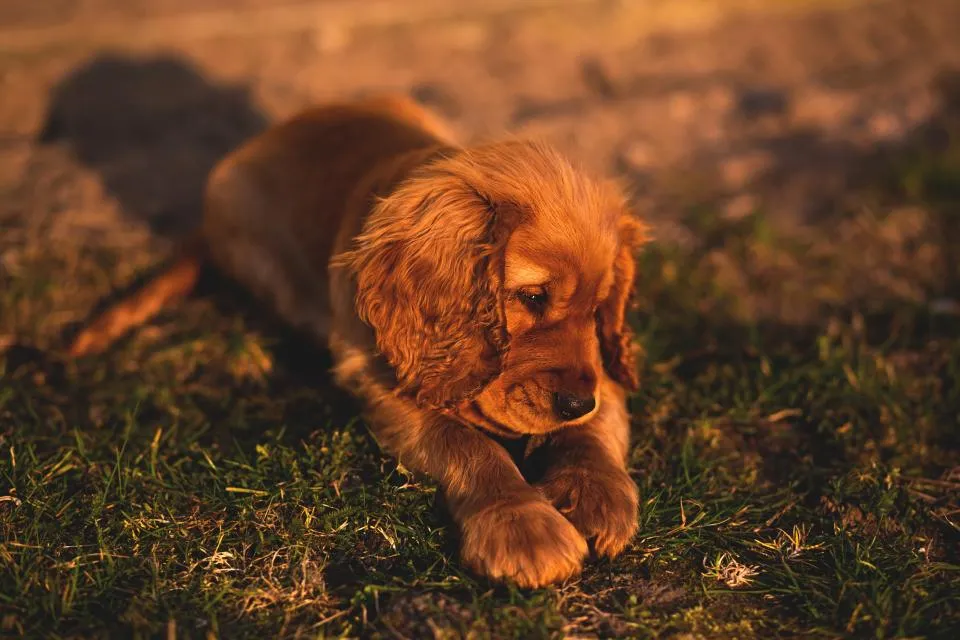
That paw landing on your leg is never truly out of nowhere. It’s the product of thousands of years of co-evolution, early instincts carried from puppyhood, and a relationship your dog has been quietly studying since the day they met you.
Understanding the context, your dog’s personality, and body language can help you translate pawing behavior into meaningful cues. Because once you know why your dog paws at you, you can stop guessing and start responding the way they need. Most of the time, the message is simpler than we think: your dog wants to be closer to you, and the paw is the most direct way they know how to say it.
AI Disclaimer: This article was created with the assistance of AI tools and reviewed by a human editor.