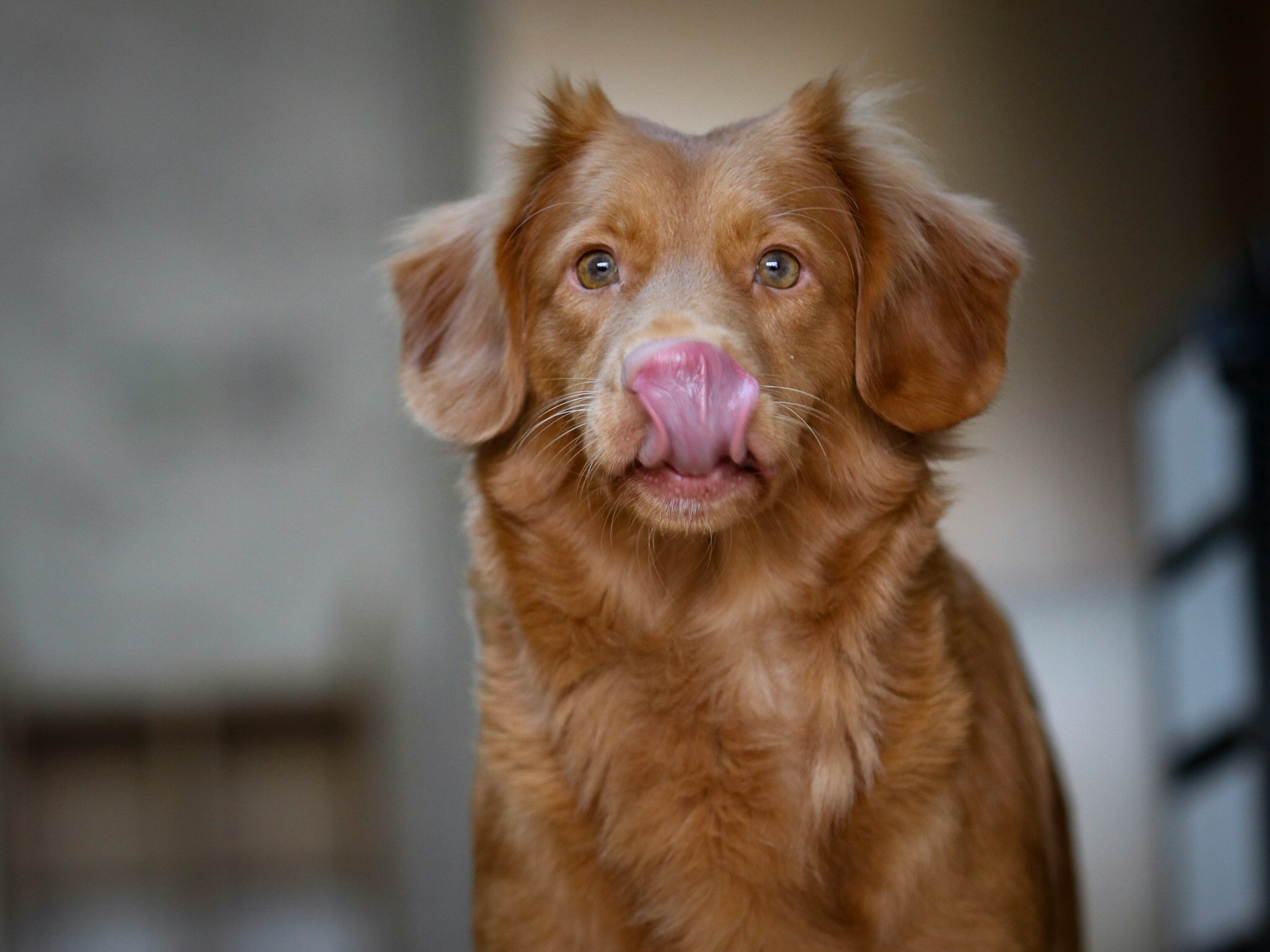

It’s a Built-In Stress Response
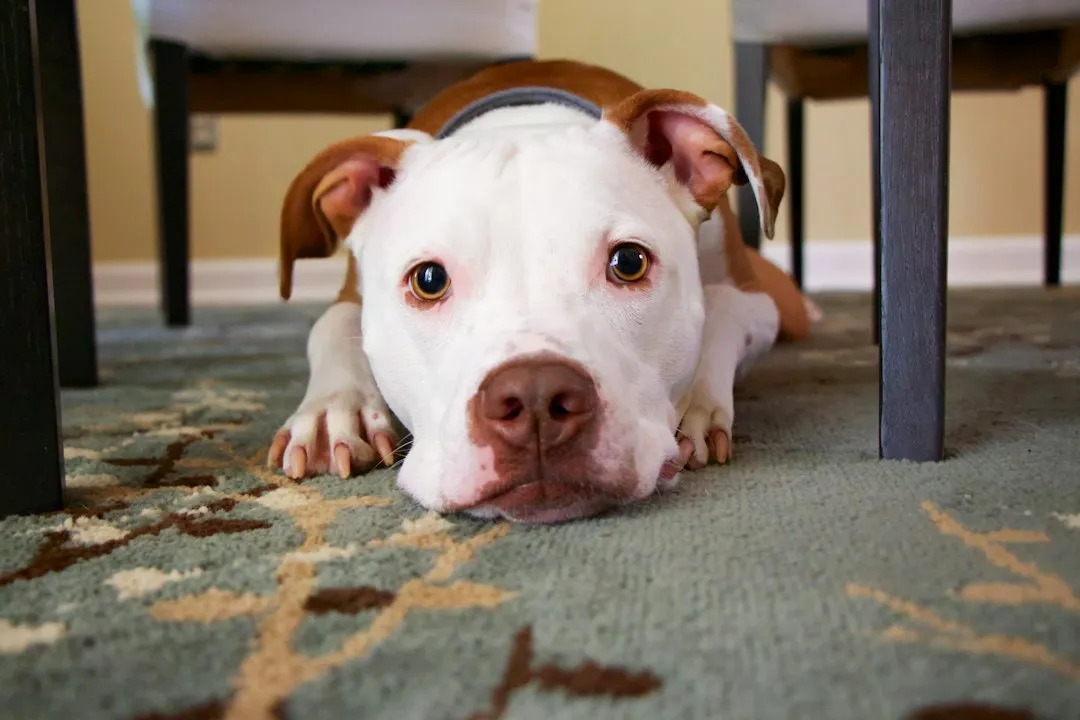
One of the most common reasons dogs lick their lips is stress or anxiety. Dogs often do it in stressful situations, similar to people nervously drumming their fingers. It’s an automatic, almost reflex-level response rather than a conscious decision. The behavior is deeply wired into how dogs cope.
Research shows that when dogs are stressed, perhaps by recognizing negative emotional states in others, it may trigger this form of non-social contact licking. A dog may lick its own lips, much like stressed humans bite their lip. The parallel is striking, and it makes the behavior easier to remember once you know to look for it.
The Science of Calming Signals
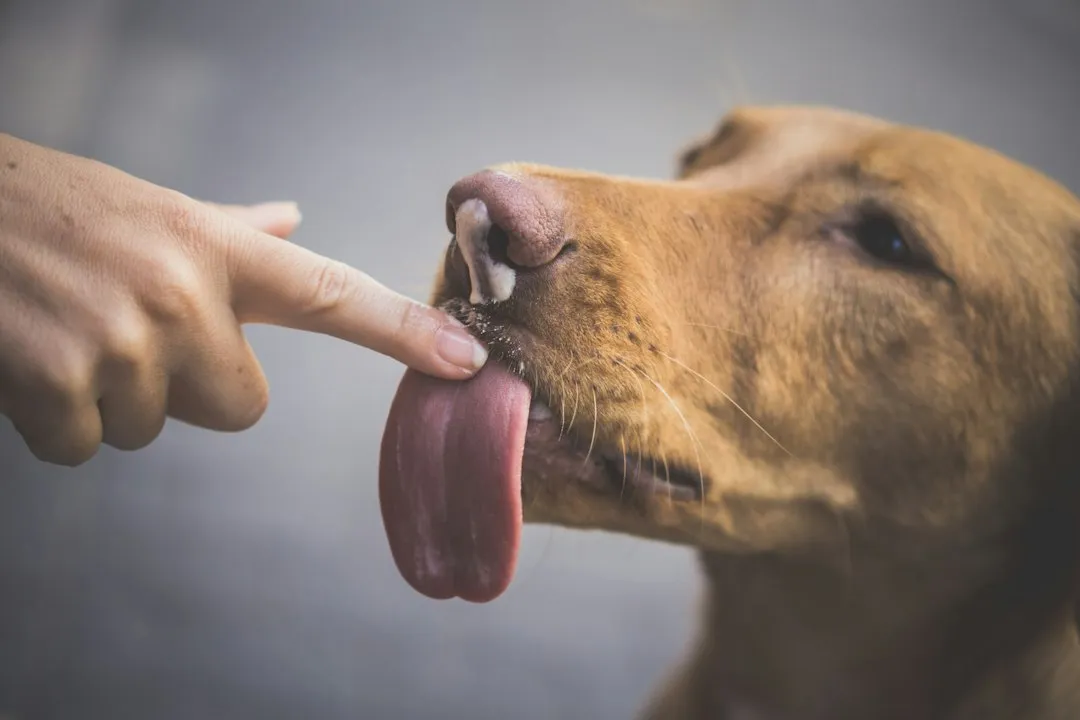
Norwegian dog trainer and behaviorist Turid Rugaas describes lip licking as a classic calming signal in the canine behavioral repertoire. Dogs display lip licking both toward other dogs to signal peacefulness, and toward humans when they feel uncomfortable or pressured.
Lip and nose licking is classified as a calming signal, and these are context-dependent behavioral responses to a dog’s environment. Not all calming signals have the same effectiveness in de-escalating encounters, and dogs preferentially display certain signals over others depending on external factors such as distance between individuals.
Lip licking is a calming signal whose use increases in frequency as the distance between the sender and the recipient decreases. In other words, the closer the perceived threat, the more intensely a dog may lick its lips.
What Research Says About Dogs Reading Emotions
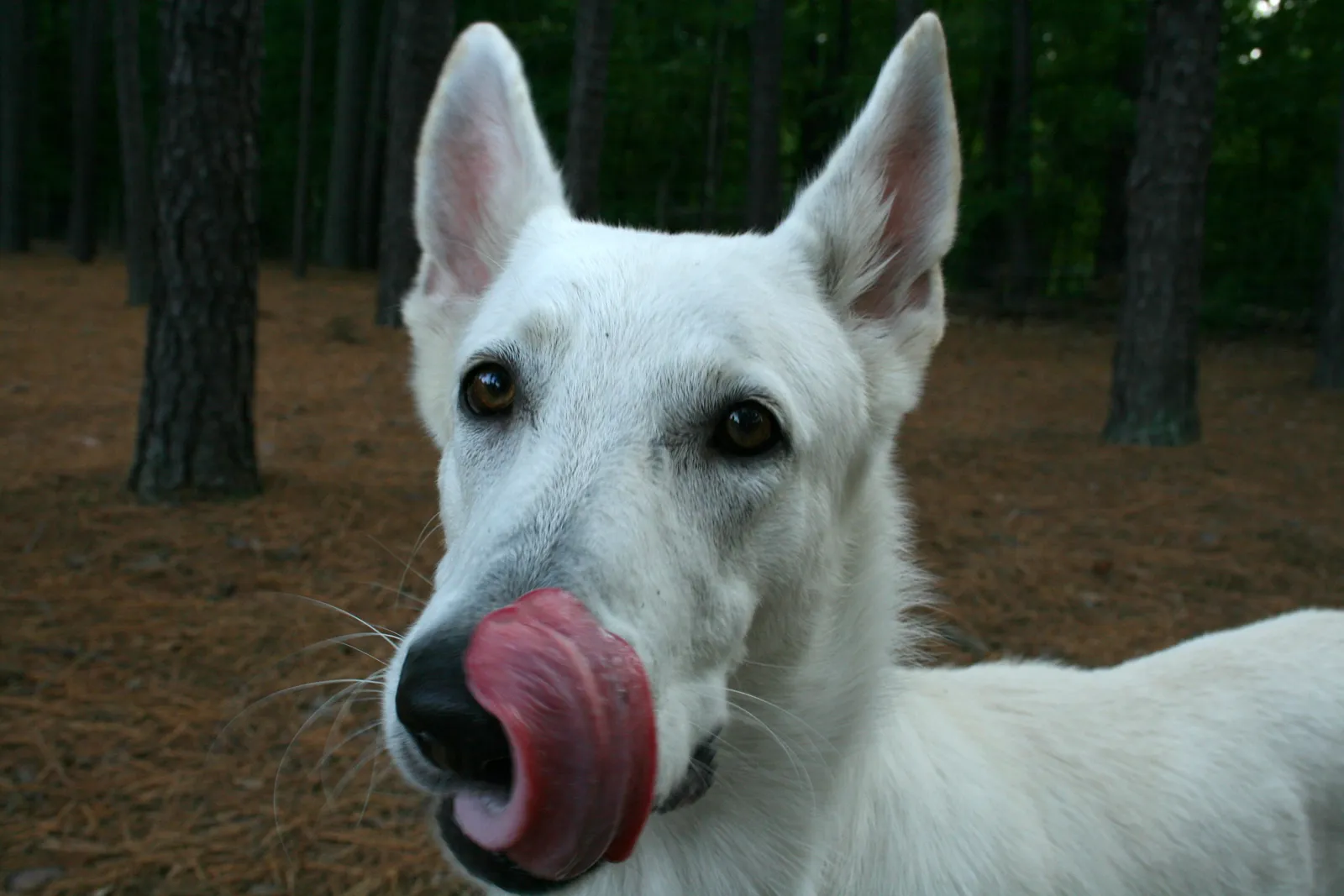
Research indicates that simply recognizing negative emotions in other dogs or people can trigger this kind of licking behavior. The research team was headed by Natalia Albuquerque from the School of Life Sciences at the University of Lincoln in the UK, and the study used pet dogs of various breeds.
The results show that roughly one in every five times when dogs were presented with a canine or human face showing an angry or aggressive expression, it triggered a lip lick or an air lick from the dog. This mild stress or anxiety was enough to trigger an involuntary quick lick.
It’s Also an Appeasement Gesture
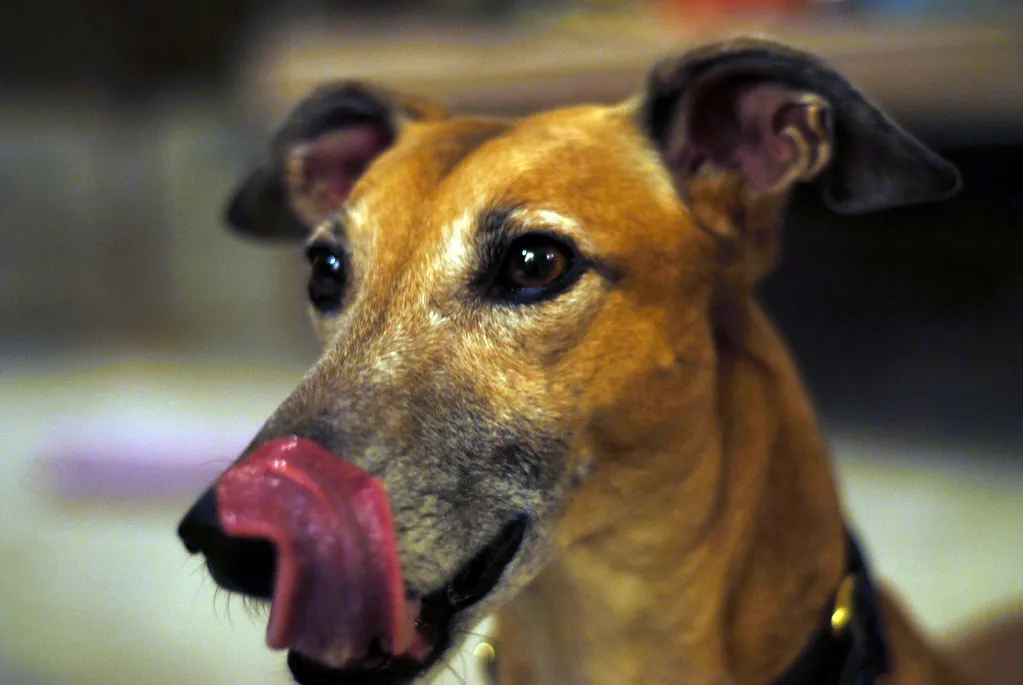
Some behaviorists refer to dog lip licking as an “appeasement gesture.” This is a behavior that acts as a calming signal. The idea is that the dog is trying to communicate its non-threatening intentions before a situation escalates.
Research published in a peer-reviewed study found that both lip licking and looking away may serve as appeasement signals in dog-human communication, and that licking of lips was also a common component of the greeting behavior of dogs toward humans.
The lip lick is essentially the dog’s way of saying “I’m not a threat, please back off.” Recognizing this signal can help owners intervene before a dog’s stress escalates to growling or snapping. That’s not a small thing. Missing those early signals is how many bite incidents happen.
How Widespread Is Dog Anxiety Really?
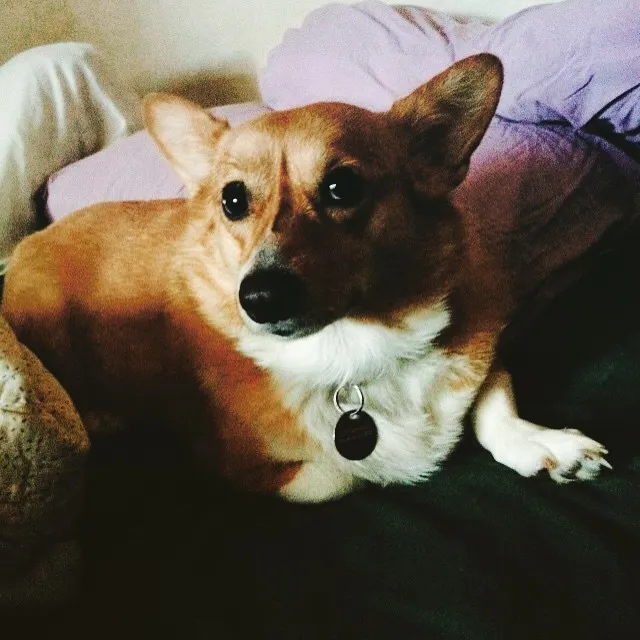
Over seventy percent of dogs show signs of anxiety, according to a study involving more than thirteen thousand dogs. The research covered various breeds and backgrounds, highlighting that anxiety is not limited to one specific type of dog.
Noise sensitivity is the most common anxiety trigger for dogs, affecting nearly one third of those studied. Fear of other dogs follows closely, affecting approximately one in four dogs in the study.
Fear and anxiety disorders affect an estimated twenty-three million dogs in the US. A survey of pet owners found that roughly four in ten dog owners reported having owned a dog with anxiety issues at some point, with about three in ten currently owned dogs being affected.
Owners Often Miss the Signal

A study published in the Journal of Veterinary Behavior investigated how dog owners perceive stress in their dogs, and found that many owners failed to recognize subtle stress signals such as lip licking, yawning, or turning their heads away as indicators of stress. It’s a gap that has real consequences for dogs who are quietly struggling.
Dogs may also lick their lips when you pet them as a signal that they are nervous or stressed by the behavior. Other dog body language signs of fear, anxiety, and stress include avoiding direct eye contact, a tense body posture, crouching down, pinned ears, and a tucked tail.
The Physiology Behind the Lick
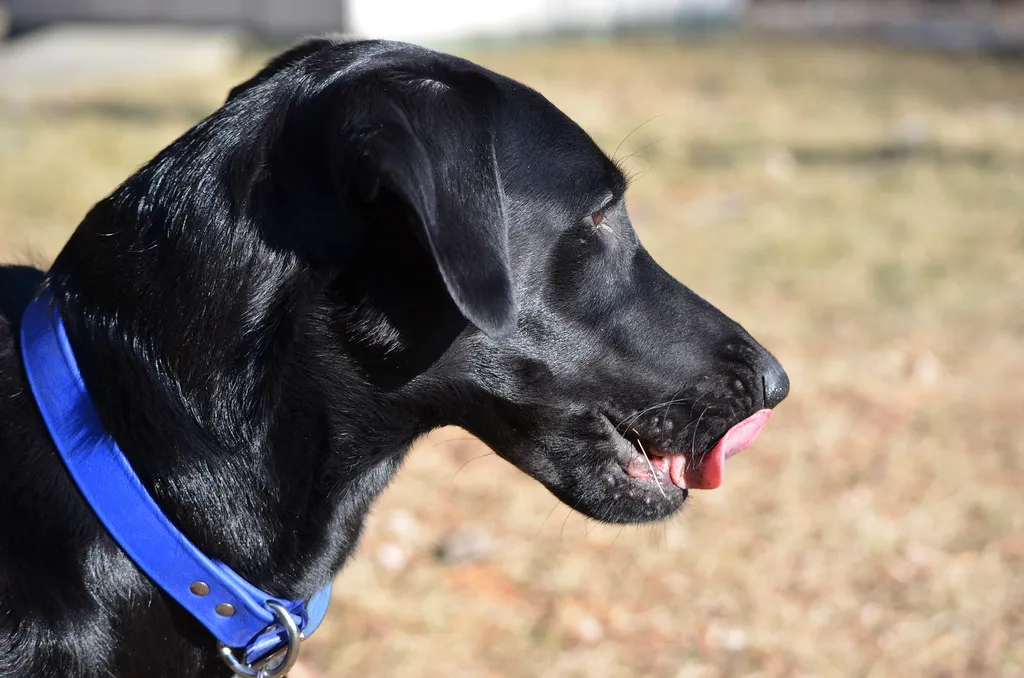
Drooling is a physiological response to stress, and one working theory is that dogs lick their lips when there is an excess of moisture formed there from the stress they experience. This suggests the behavior is partly involuntary, driven by the body’s stress chemistry rather than purely learned communication.
Clinical signs of fear and anxiety in dogs include hypervigilance, elimination, destruction, excessive vocalization, hyper-salivation, panting, hiding, trembling, and escape behaviors. Lip licking often appears at the mild end of that spectrum, long before more obvious signs emerge.
Context Is Everything
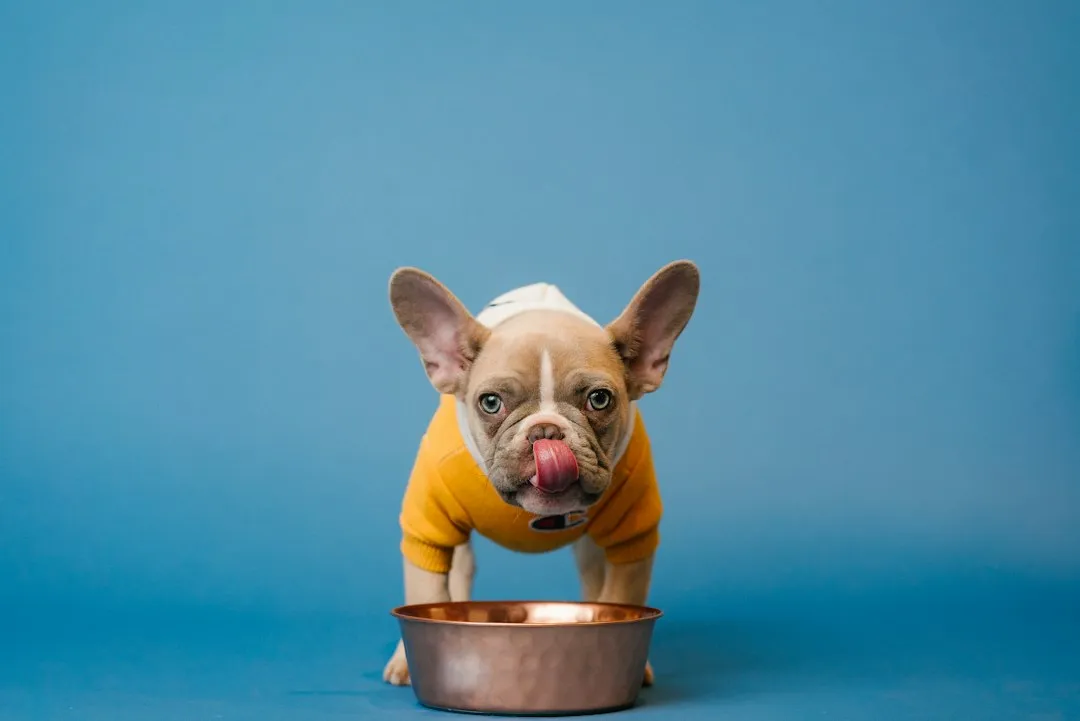
Lip licking is when a dog licks or moves their tongue over their lips. They do it when nervous, excited, feeling sick, in pain, after eating, or when they have something stuck in their mouths. So reading the behavior correctly requires paying attention to the full picture, not just the lick itself.
Some dogs will also lick their lips after drinking or when treats are nearby, so context is important. If a dog does this each time after being petted, the petting may actually be stressful for them.
When lip licking occurs as part of a cluster of calming signals including yawning, turning the head away, and licking the lips together, it becomes a clear sign of stress rather than a simple physical reflex.
When Lip Licking Becomes a Medical Issue

Dogs who lick their lips excessively may be suffering from anxiety, nausea, pain, oral disease, oral foreign body, or salivary gland disease. When the behavior appears constantly and cannot be tied to any obvious stress trigger, that’s worth investigating with a vet.
Some neurological issues can cause lip licking and other unusual behavior in dogs. Older dogs suffering from cognitive dysfunction may also lick their lips. The behavior can be a symptom of several very different conditions, which is why pattern and frequency matter.
If a dog is excessively licking and you cannot determine the cause or resolve it on your own, it is time to see a veterinarian. The behavior itself is worth taking seriously, particularly when it shows up out of nowhere in a dog that previously seemed calm.
What to Do When You See It
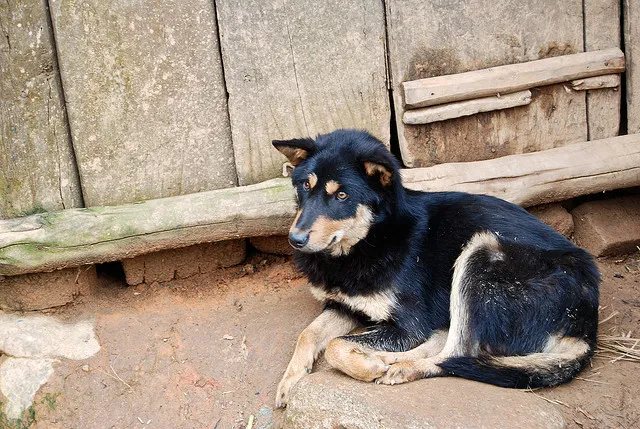
If a dog suffers from anxiety, the advice from animal health experts is to avoid hyper-focusing on reducing the lip licking itself. Instead, focus on reducing the dog’s underlying anxiety. Treating the signal without addressing its source doesn’t help the animal feel safer.
If a dog licks its lips because of anxiety or stress, creating a cozy, safe space and using calming aids like pheromone diffusers or anxiety wraps can help. These aren’t magic fixes, but they do reduce the environmental load on an already stressed nervous system.
If a dog is cornered or in an uncomfortable situation, giving them space and backing off is the first step. If a child or other person is making the dog nervous, removing them from close proximity to the animal is the right call. Often the simplest intervention is just creating distance.
Final Thoughts
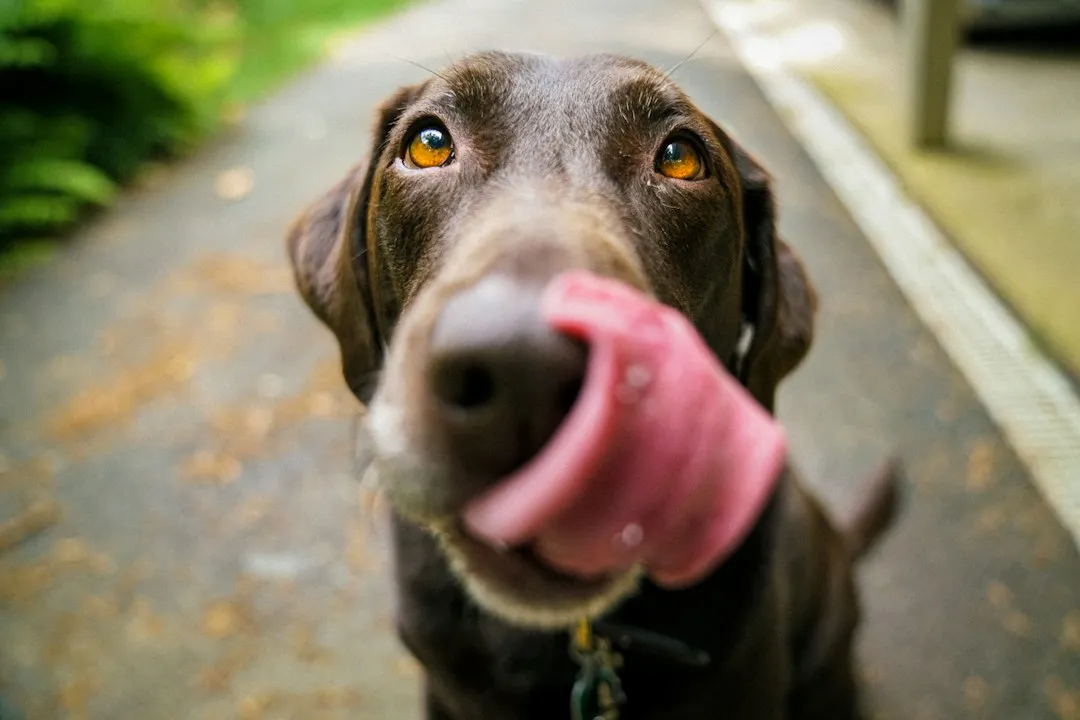
Dogs don’t have words, so they use everything else: their posture, their gaze, their ears, and yes, their tongues. That quick lip lick is one of the quieter signals in a dog’s communication toolkit, but it’s also one of the most honest. It shows up before the growl, before the snap, before the breakdown.
When calming signals are ignored, a dog may display warning signals of aggression, and this has the potential to escalate to outright conflict. Learning to read that small tongue movement early is one of the most practical things a dog owner can do.
The real value in understanding lip licking isn’t about memorizing a list of dog behaviors. It’s about building a relationship where you notice what your dog is saying before things get hard. Dogs communicate clearly. They just do it in a language most people haven’t been taught to read yet.
AI Disclaimer: This article was created with the assistance of AI tools and reviewed by a human editor.