
It’s a Vulnerability Display, Not a Power Move
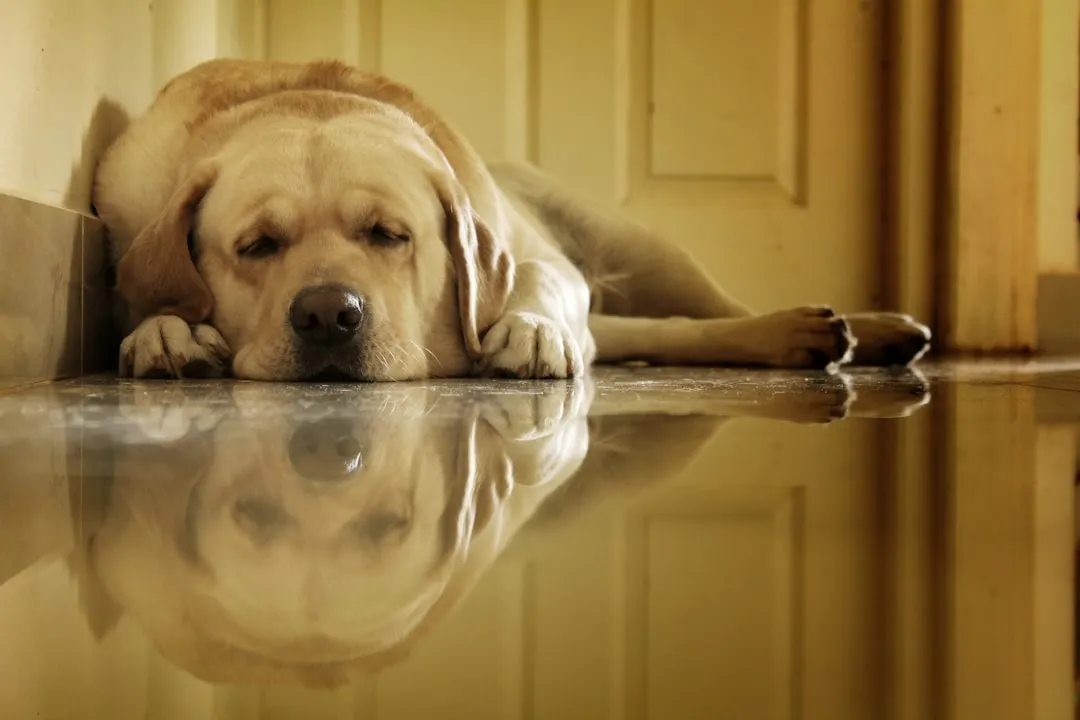
For years, a popular misconception circulated that a dog leaning against you was asserting dominance, claiming your space. Modern behavioral science has put that idea to rest. When dogs lean against people, they often show a very relaxed or vulnerable body posture, not confident and aroused like two dogs or wolves in conflict for status.
A study in the journal PLOS ONE that examined behavioral measures of dominance in dogs explained that what the researchers called “high posture,” meaning head up, tail up, pricked ears, and a straight back, was the best status indicator for dominance during dog-to-dog interactions. That is essentially the opposite of what a leaning dog looks like.
Modern canine behavioral science tells a different story than the old dominance framework. Dogs aren’t spending their days plotting power moves against you. The lean is a gesture of openness, not control.
Physical Contact as the Dog’s Primary Language
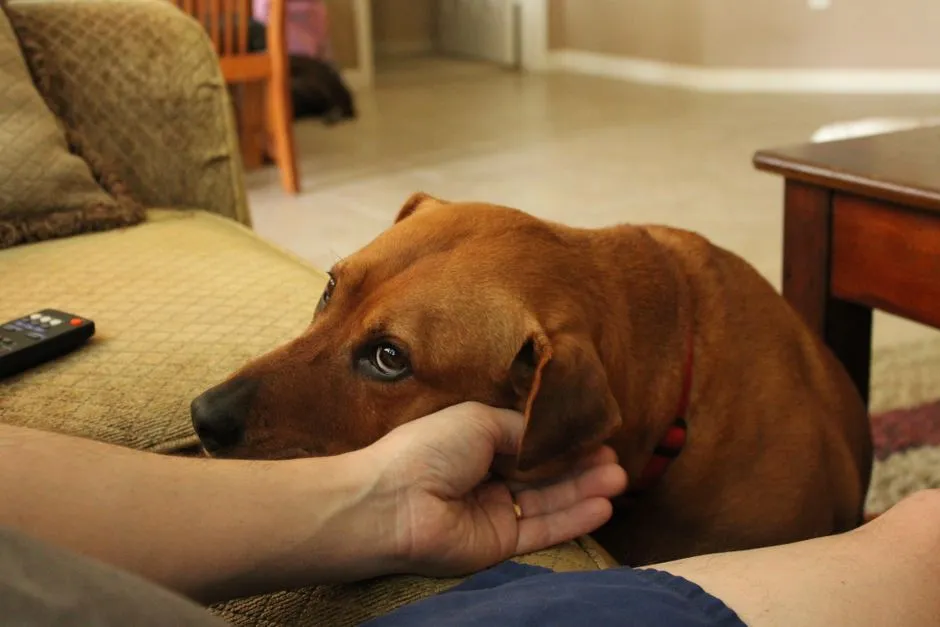
Much of the time, leaning is a very direct form of physical connection. Dogs don’t use extensive language to confirm relationships the way people do. Instead, they rely on distance, gaze, and touch.
Dogs rely primarily on body language and physical contact to express their feelings and intentions. Leaning represents one form of this tactile communication, allowing dogs to convey messages through direct physical connection with their owners or other dogs.
Think of it as a conversation that doesn’t need words. Being willing to press its body against you usually means the dog sees you as safe and as someone it actively wants to be near. For many dogs, physical contact itself has a calming effect.
The Oxytocin Connection: Why Touch Feels Good for Both of You
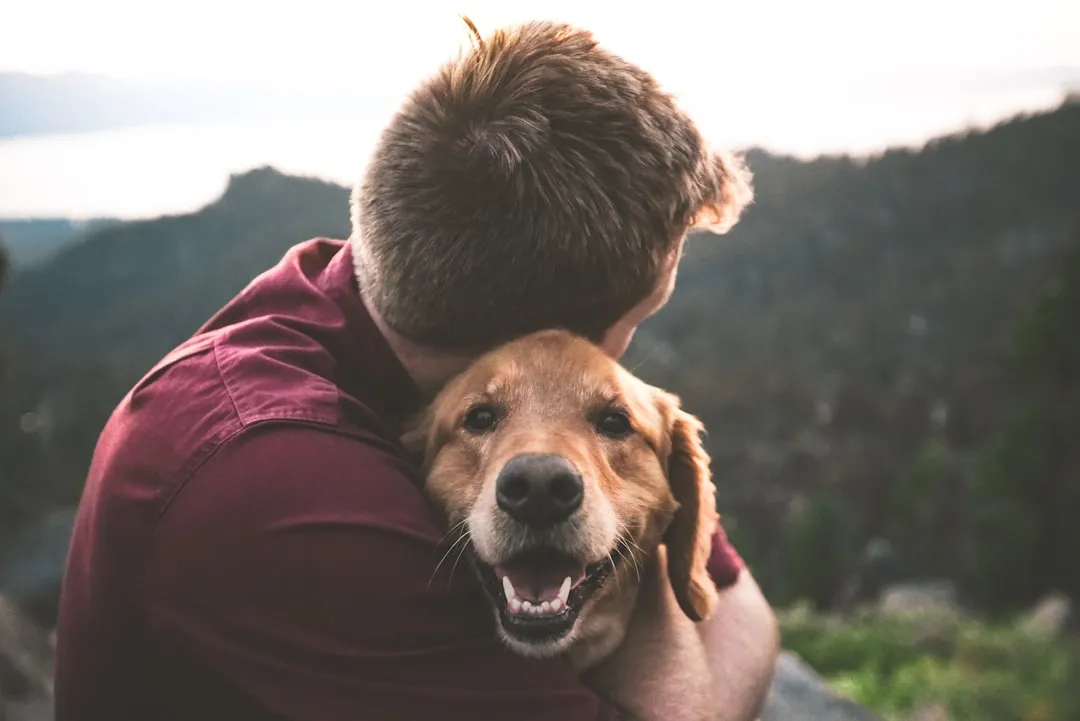
Research has shown that physical contact can trigger the release of oxytocin, the “love hormone,” in both dogs and humans. This hormone plays a crucial role in forming emotional bonds and fostering feelings of attachment.
In the domestic dog, oxytocin enhances social motivation to approach and affiliate with human partners, which constitutes the basis for the formation of any stable social bond. Endogenous oxytocin levels also increased after dogs engaged in affiliation with their partners, indicating a stimulation of the oxytocin system during social interactions.
A 2024 study published in Psychoneuroendocrinology by researchers at the University of Arizona further confirmed that interactions between dogs and their owners may influence oxytocin levels in each species. The lean, in this light, is as much a biological event as it is an emotional one.
Size Matters: Why Bigger Dogs Lean More
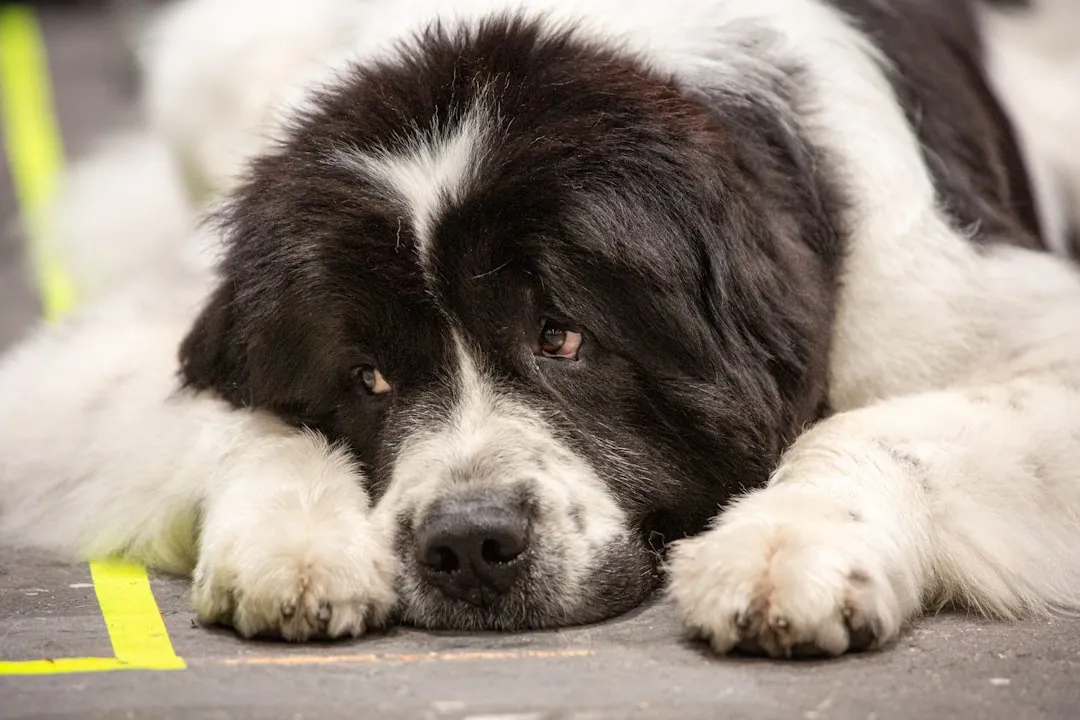
Smaller dogs can achieve closeness by being picked up or lazing about on their humans’ laps, but such luxuries cannot always be afforded to larger dogs. In order to have that social closeness, big dogs tend to lean on the legs of their humans.
It’s essentially a size-adjusted workaround for the same need. A Chihuahua can climb into your lap and be fully enveloped. A Great Dane cannot. So the lean becomes their version of the same intimacy, adapted to the geometry of the situation.
More often than not, it’s the bigger dogs who tend to lean. This doesn’t make the behavior any less meaningful in smaller breeds when it does appear. It simply reflects practical physics as much as emotional intent.
Leaning as a Signal of Anxiety or Stress
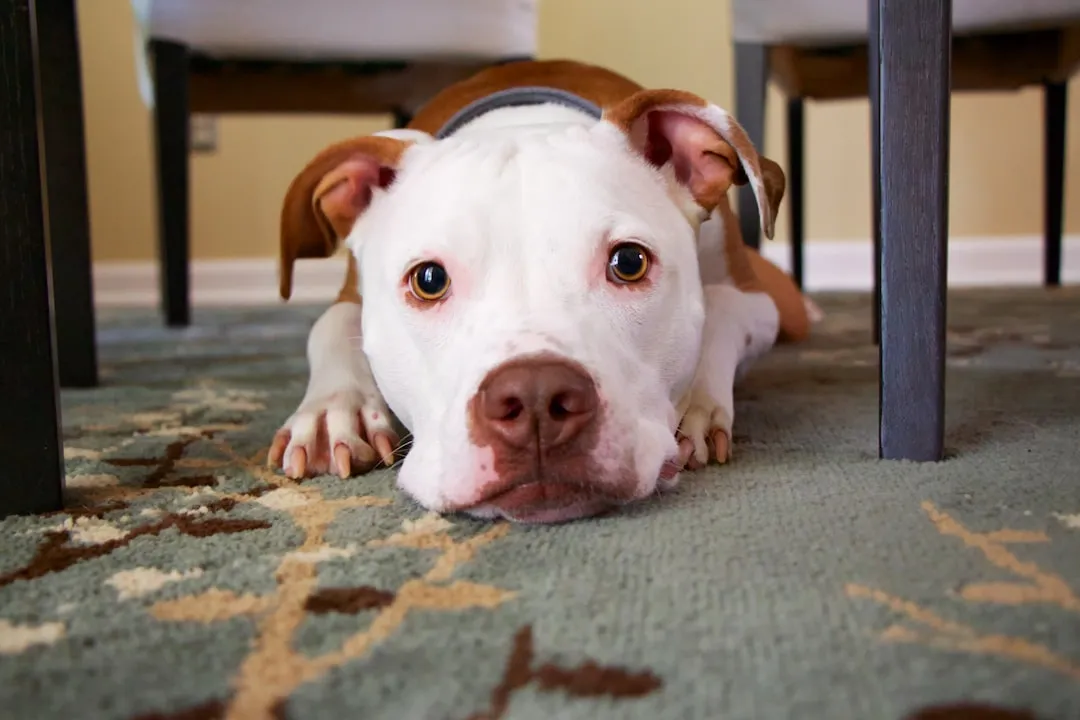
When they get anxious, some dog breeds lean on your legs and start panting. This suggests that they are anxious or going through some unsettling situations. Loud noises, unfamiliar environments, unknown visitors, and even sudden routine changes can make them anxious and stressed.
If your dog is anxiety-prone or tense in certain situations, they may lean on you for both physical and emotional support. Dogs get a boost in positive chemicals released in the brain when they’re in the presence of a treasured human. If your dog associates you with happiness, they most likely associate you with safety as well.
Context matters here. A lean during a thunderstorm reads differently than a casual lean while you’re making coffee. Animal behaviorists emphasize that interpreting any single behavior requires examining the complete context, since the same action can mean different things depending on the circumstances.
It’s Also About Scent and Belonging
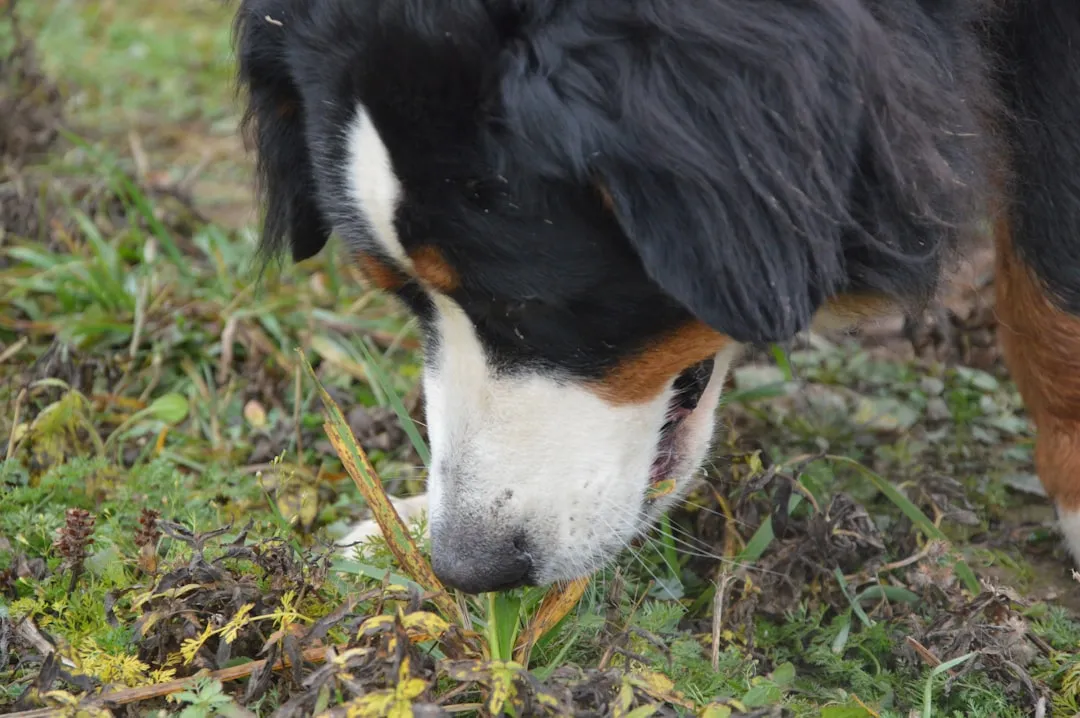
Dogs also lean on people as a way of marking their territory. Dogs have scent glands located in various parts of their body, including their cheeks and tails. By leaning against you, they may be subtly marking you with their scent, claiming you as part of their pack.
This scent element adds a layer that most people don’t consider. The lean isn’t only about what the dog receives emotionally. It’s also about what the dog leaves behind, a kind of quiet ownership that communicates to the wider world that you belong together.
Your presence, your scent, and your physical contact become enough for them to lean and relax amidst the chaos going on around them. That’s a fairly specific and trusting thing for any animal to communicate.
Breed Tendencies and Herding Dogs
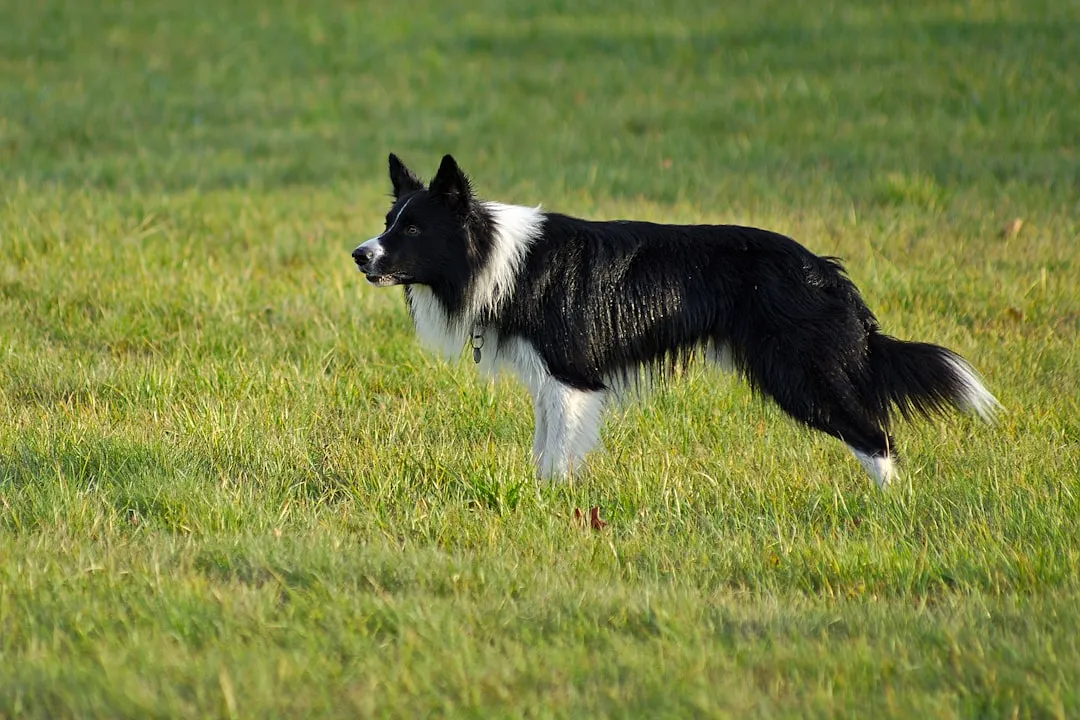
Not every dog leans the same way, and breed history plays a role in how this behavior shows up. Herding breeds sometimes approach differently. Rather than plastering themselves against you, they may quietly sit at your feet and rest their head on your thigh. This relates to herding dogs’ natural inclination to maintain a certain observation distance; they like being near you while still able to see the surrounding environment.
Breeds selectively developed for close human partnership, like Labrador Retrievers, German Shepherds, and Golden Retrievers, often display the full-body lean more readily. Their working history essentially hardwired them to stay physically close to the humans they work alongside.
You know your dog best. One dog’s reason for leaning may be completely different from why another dog leans against their human. Generalizations are a starting point, not a rule.
The Role of Learned Behavior and Positive Reinforcement
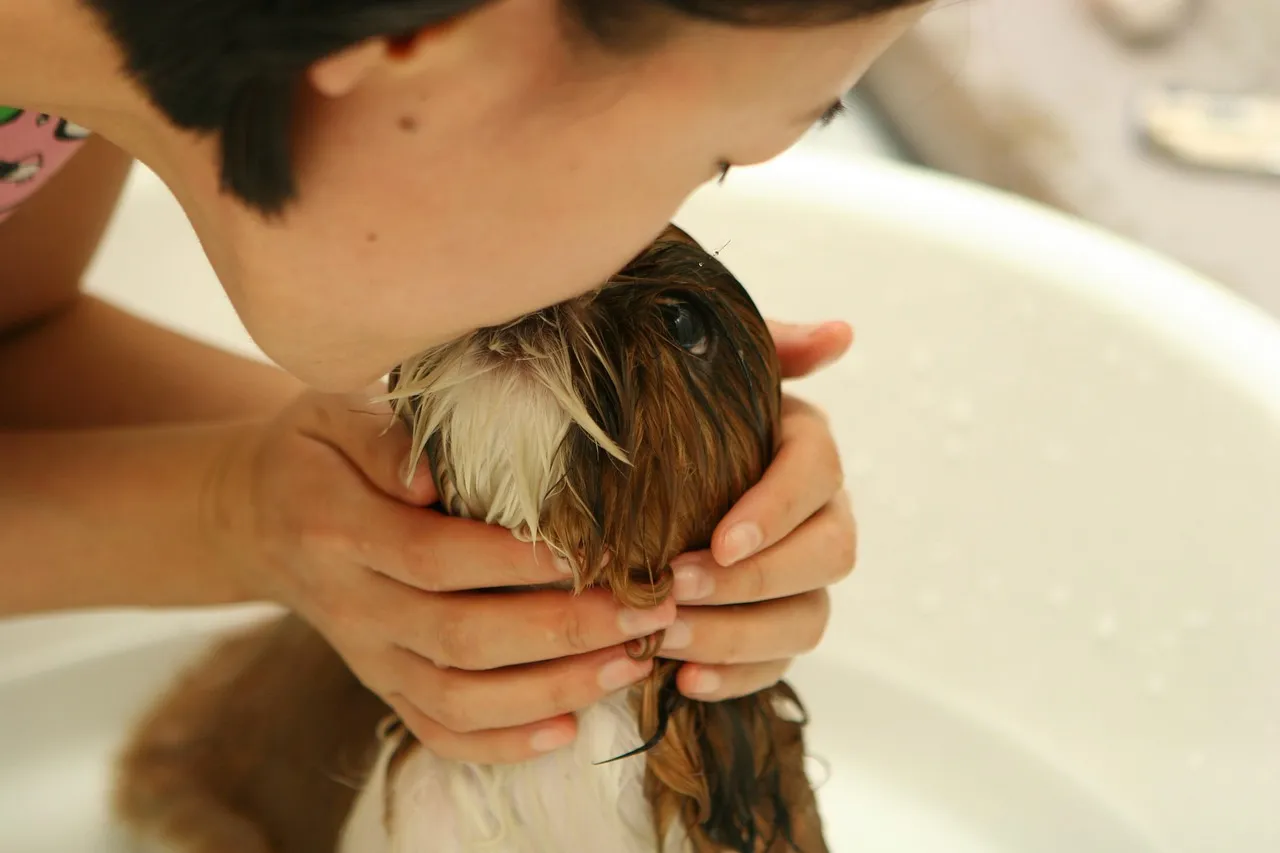
If you reward this behavior with lots of pets and snuggles, as dog lovers tend to do, your dog will likely learn that leaning gets them affection. Once that association forms, the lean can become a reliable strategy your dog returns to again and again.
This doesn’t make it any less genuine. A behavior being partly learned doesn’t cancel out the emotion behind it. The dog is still seeking connection. They’ve simply discovered that leaning is an effective way to get it from you specifically.
When your dog leans against you in a relaxed and affectionate manner, responding with gentle pets or praise will strengthen the bond and encourage this loving behavior. This not only reassures your dog but also builds trust between you.
When a Lean Is a Relationship Confirmation

When a dog puts its weight on you, it may also be a form of relationship confirmation. Think of it as a check-in rather than a demand. The dog briefly needs to verify that you’re still there and that the bond is still intact.
The dog may not be urging you to play but simply checking whether you’ve noticed it. If you pet it, say a few words, and it contentedly walks away, it was probably just looking for a moment of connection. That’s a remarkably understated way to seek reassurance.
As dogs practice leaning, they tend to feel confident in their surroundings. A calm lean by your legs means they appreciate your presence and are connected to you, even without any activity.
What Science Says About Human-Dog Proximity and Stress
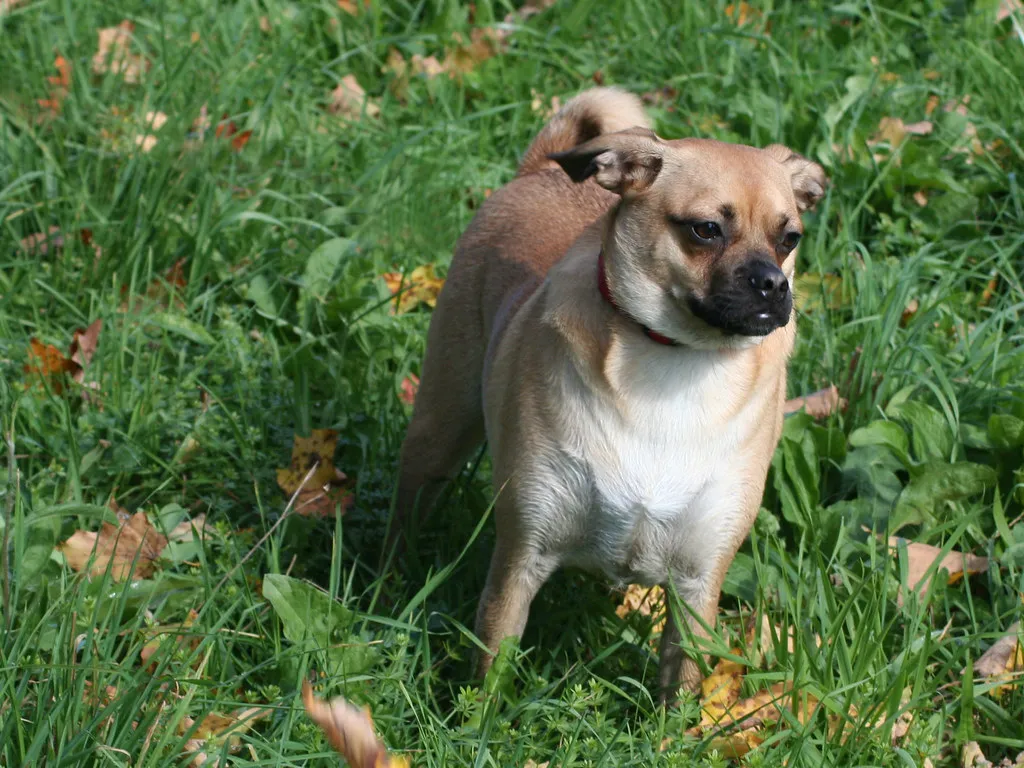
Research shows that dogs who maintain close physical proximity to their owners often experience reduced stress levels and increased feelings of security, making leaning a mutually beneficial behavior that strengthens the human-animal bond.
The benefits go both ways. Spending quality time with dogs reduces stress and increases the power of brain waves associated with relaxation and concentration, according to a study published on March 13, 2024 in the open-access journal PLOS ONE by researchers at Konkuk University, South Korea.
Dogs lean on owners to express trust, emotional bonding, comfort, reassurance, affection, and a deep sense of safety and connection. For an animal that has no spoken language, that list covers quite a lot of ground with a single gesture.
The Takeaway

The lean is not a minor habit. It’s a window into how your dog navigates the emotional world. It reflects trust, bonding chemistry, a need for security, and sometimes just the straightforward desire to feel your presence for a moment.
The next time your dog presses their weight gently against your leg while you’re standing still, they aren’t asking for much. They’re telling you something instead. That you’re the stable point in their world. That’s worth standing still for, even just for a minute.
AI Disclaimer: This article was created with the assistance of AI tools and reviewed by a human editor.