
It’s Called “Scrape Behavior,” and It Has a Name for a Reason
When your dog forcefully kicks up dirt and grass behind them after defecating, they are exhibiting behavior known as “scrape behavior.” It’s a unique and lesser-known way they mark their territory. The term matters because it puts the action in a broader scientific context, one that researchers have studied across multiple species.
Known as ground scraping or scratching, pawing the ground is a multi-sensory act for a dog, or what researchers call a “composite signal.” Scraping involves a dog’s powerful sense of smell, but also the sound of scratching and the visual cue that the activity might offer other dogs.
Scent Glands in the Paws Are the Real Story
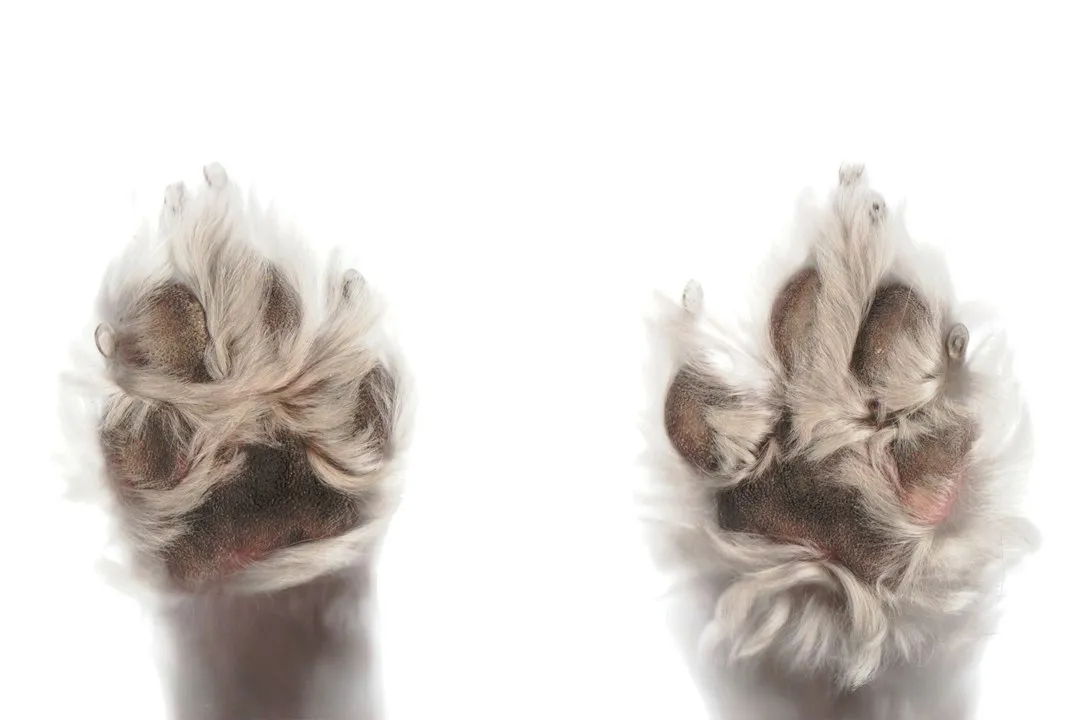
There are scent glands on and in between your dog’s paw pads. Scratching the grass after urinating or defecating helps spread the pheromones secreted by these glands around the area. This is what separates the behavior from a simple cleanup instinct.
There are glands within the paws that release pheromones that are left behind as the dog travels. These pheromones are much stronger and stick around much longer than the feces they just dropped or even the urine used to mark territory. So in a way, the kick is the more powerful part of the message.
One clue that reinforces this explanation is the sweat glands found in a dog’s paws, which in addition to serving as a cooling and heating mechanism also generate odor. You may have noticed a popcorn or corn chip smell from your dog’s feet. That familiar smell is actually part of the same biological system at work.
It’s a Composite Signal: Visual, Scent, and Sound Combined
Ground scratching could be yet another form of social communication, and taken together, peeing, pooping, and ground scratching are a good example of how dogs may use what ethologists call composite signals to enhance their messages to other dogs, by using both olfactory and visual components.
This territorial marking process has two main features. First, there’s a visual mark – the scratches the animal leaves behind on the ground. Second, there’s the scent mark left behind by urine, or by fluids secreted by glands in the paws as they scrape up soil and shower it across the ground. The combination is more effective than any single signal alone.
It’s Not Just About Territory
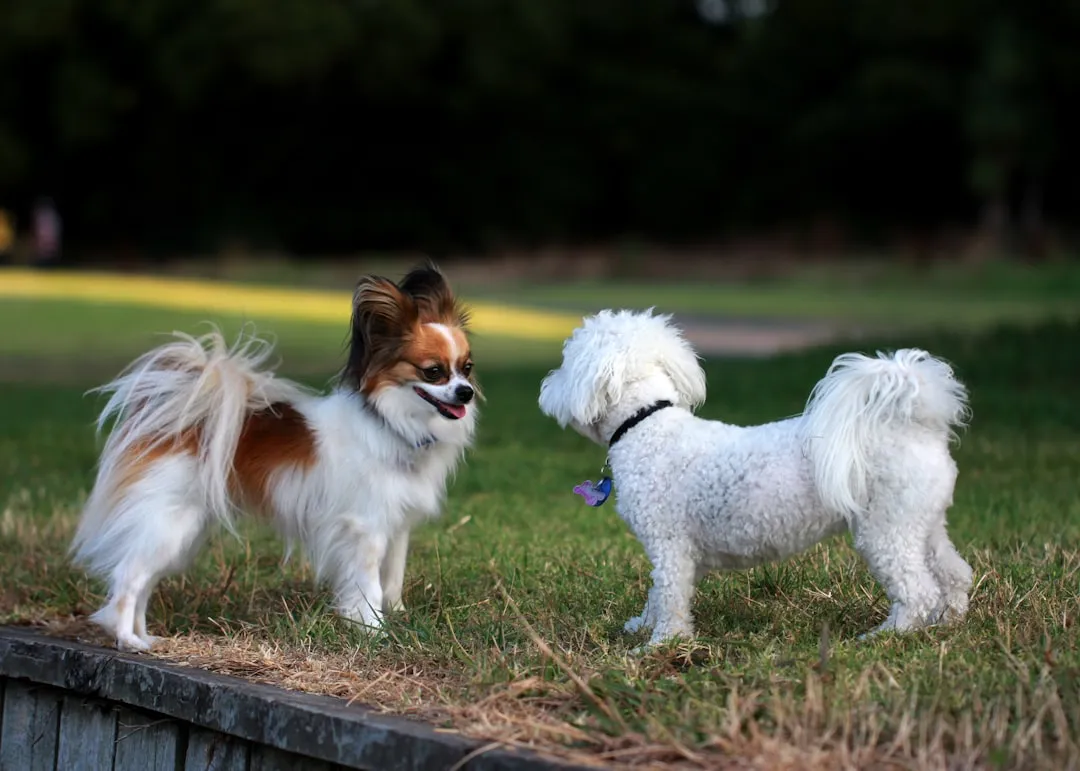
Dogs gather quite a bit of information about each other from smelling where other dogs have gone to the bathroom or kicked their feet, including the age, gender, stress level, how healthy the marking dog is, and whether they are open to any “special attention.” That’s a remarkable amount of data packed into a simple patch of kicked dirt.
It’s also about presence and timing – a way of saying “I was here.” When a dog sniffs where another dog kicked the dirt or leaves, they can read the tea leaves and know how recently or long ago that other dog came by. Think of it as a timestamp left in the ground.
The Behavior Goes Back Thousands of Years
This is a normal, natural behavior that has been passed down over thousands of years and is used in the wild by wolves, coyotes, and other wild dogs. Domestication changed a lot about dogs, but it didn’t erase this particular instinct.
In the wild, scent marking helps establish territory, prevent conflicts, and provide information about age, sex, and status to other members of the pack or rival animals. Even though your dog may sleep on a plush bed and eat out of a personalized bowl, those deep ancestral instincts still influence their everyday behavior – including the poop-kick.
Research Has Been Tracking This Behavior for Decades
Animal behavior expert Marc Bekoff published a research paper in 1979 called “Ground Scratching by Male Domestic Dogs: A Composite Signal.” That paper became a foundational reference point for how scientists think about this behavior.
A study by Bekoff (1979) of free-ranging dogs found that ground-scratching is more likely to occur when other dogs were physically present. Another research study found that senior dogs in a shelter were more likely to show ground-scratching behavior compared to adult and juvenile dogs, and they were also more likely to do it after defecation. Age, it seems, plays a role in how expressive a dog gets about this particular habit.
Location Matters: Dogs Kick More in Certain Spots
Researchers have found that ground-scratching occurred more often along territorial boundaries in free-ranging dogs. For dogs that belong to someone, their owners may notice ground-scratching is more likely to occur in their yard, in front of the house, or on grounds near their home.
The behavior is also triggered by a precise set of circumstances: typically, dogs put on this enthusiastic performance just after they urinate or defecate, when they enter a new area with unfamiliar smells, or after they smell another dog’s poop. You might also notice more kicking in new environments. A new park, a friend’s yard, or even a different walking route can trigger extra enthusiasm.
Not Every Dog Does It, and That’s Normal Too
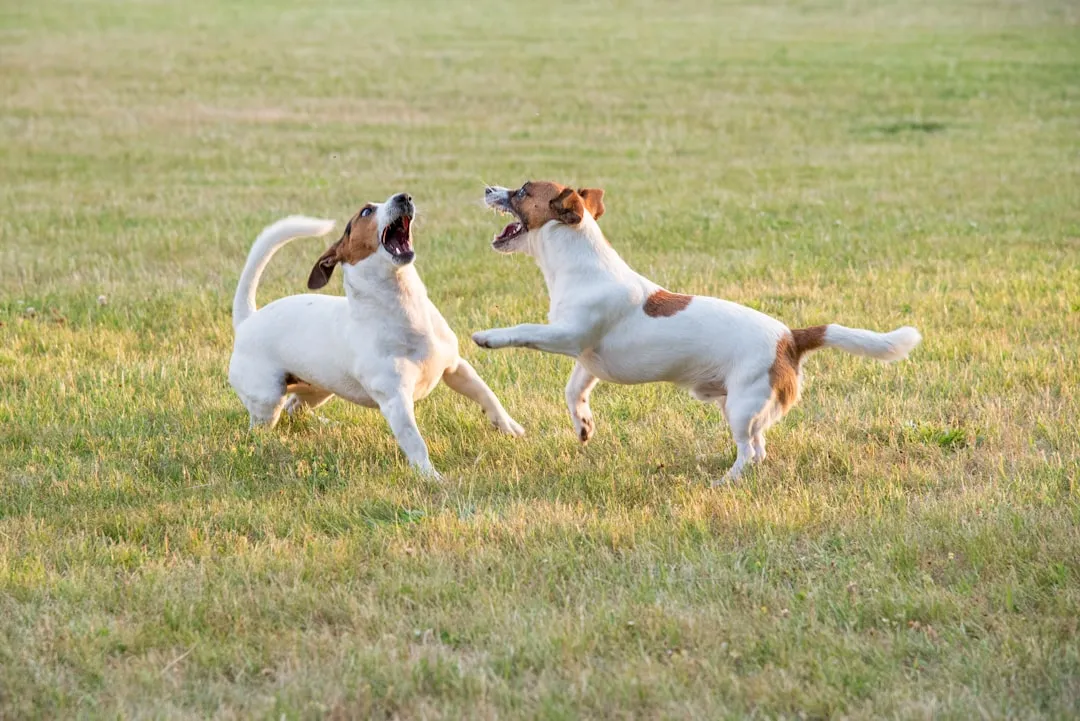
Not all dogs are equally enthusiastic ground-scratchers. Some dogs may kick after every bathroom trip, while others rarely do it. There’s no single rule about how often or how vigorously a dog will perform the behavior.
Not all dogs kick grass after pooping, and that is perfectly normal. Factors like personality, breed tendencies, confidence level, and environment all play a role. Some dogs prefer subtle communication, while others go big.
It’s Not Covering Up the Mess, Despite What It Looks Like
While some may think that it is their way of covering their urine or feces, just like cats do, this is not the case for dogs. The direction of the kick actually gives this away – dogs kick backward and away from the waste, not over it.
Some dogs may feel the need to kick or scratch the ground to spread their scent further, marking their territory. Instinctually, dogs may also try to cover their feces as a way to hide their presence from potential predators or rivals. So there can be a secondary hiding instinct at play, but it’s rarely the main driver.
You might think that the dog’s feces is sufficiently pungent to warn off competing animals, but much of the scent is lost once the feces dries out. The scent from the dog’s feet glands is more enduring. That durability is precisely why the paw-kick matters so much from an evolutionary standpoint.
Should You Stop Your Dog from Doing It?
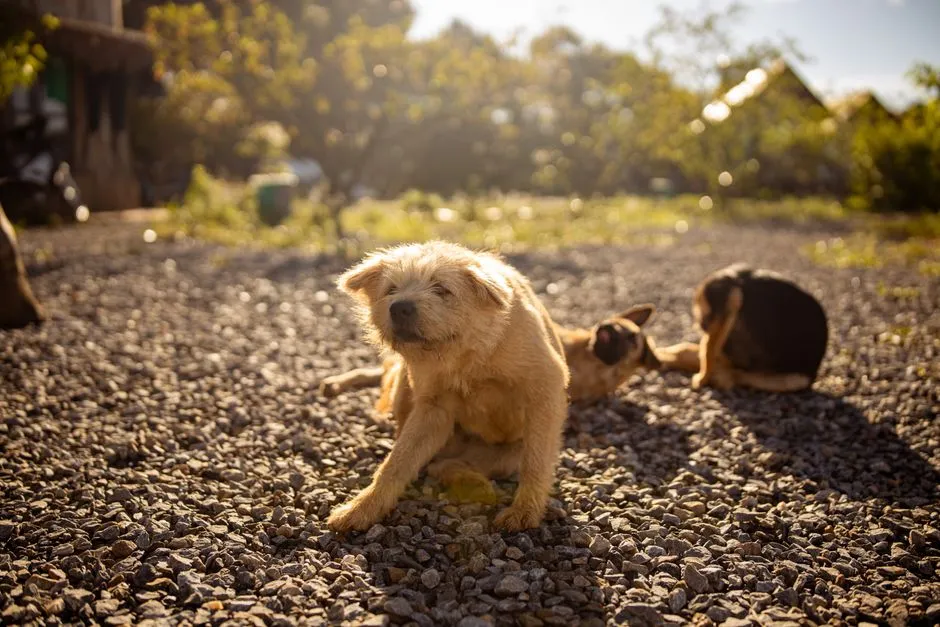
There is no need to stop your dog from kicking their feet after pooping or peeing unless they kick up a lot of dirt or grass or do it with such vigor that they are hurting their nails or paw pads. In most situations, it’s best to simply let it happen.
If your dog usually scrapes the ground after defecating, it can actually be a warning sign if they stop this behavior. When dogs develop arthritis or other health problems affecting their mobility, they may stop scraping. A sudden change in the habit is worth paying attention to.
It’s possible to train a dog to stop kicking dirt, but it’s an instinctive behavior, and you’re probably better off just managing the behavior instead of training your dog out of it. Redirecting where they do it – rather than eliminating the behavior entirely – tends to be the more realistic goal.
The Takeaway
That frantic little grass-kicking routine is not a quirk or a cleanup ritual. It’s communication – layered, chemical, visual, and ancient. Your dog is leaving a message that other dogs will actually read.
The science behind it, from Bekoff’s landmark 1979 study to more recent veterinary perspectives, consistently points in the same direction: this is one of the more sophisticated things your dog does, even if it doesn’t look like it. Next time your dog tears up the lawn after their walk, it’s worth appreciating that they’re doing something wolves and wild canids have been doing for thousands of years. The lawn might suffer, but the instinct is impressive.
AI Disclaimer: This article was created with the assistance of AI tools and reviewed by a human editor.