

Watch a dog receive a prized bone or a high-value chew, and the reaction is often the same: a quick scan of the room, a trot down the hallway, and a few minutes of suspicious rustling before the dog returns empty-mouthed. The treat is gone, and dinner hasn’t even started yet. It’s one of those behaviors that looks almost comically deliberate.
This isn’t quirky or random. There’s a well-documented behavioral and evolutionary explanation for why dogs stash their food rather than eat it on the spot, and it reaches back tens of thousands of years. Understanding it changes how you see your dog entirely.
The Ancient Survival Strategy Behind Every Hidden Treat
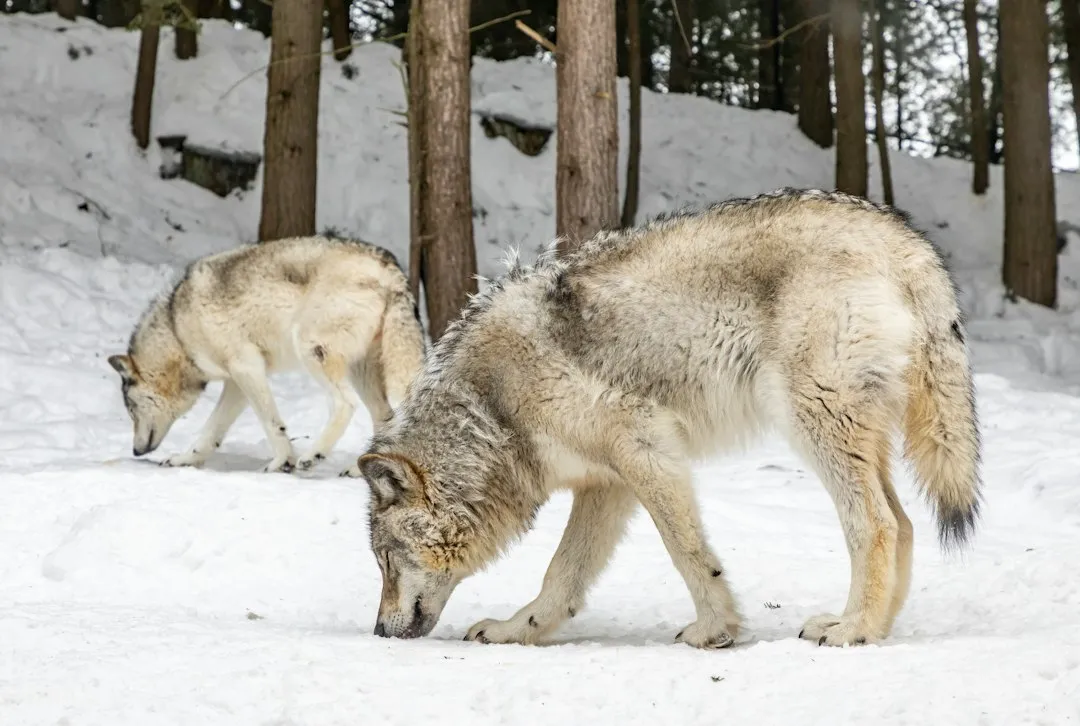
In the wild, dogs and wolves would often hunt and kill prey much larger than they could eat in one sitting. To ensure they had food for leaner times, they developed an instinct to cache or bury their leftovers, which also protected their valuable resources from scavengers and helped keep the food a little fresher.
Wolves are capable of consuming an incredible amount of meat in a single sitting, and sometimes they do. Much of the time, though, wolves save some for later by caching part of their bounty. According to the Wolf Education and Research Center, wolves will cache anywhere from a single piece up to around fifteen pounds of meat from any given meal by burying it in the dirt.
Even though our pets now have reliable meal times, these ancient biological hard-wirings do not simply disappear. Your dog isn’t necessarily worried they won’t be fed tonight; they are simply following a blueprint for survival that has existed for thousands of years.
Scatter Hoarding: The Smarter Way to Protect a Food Supply
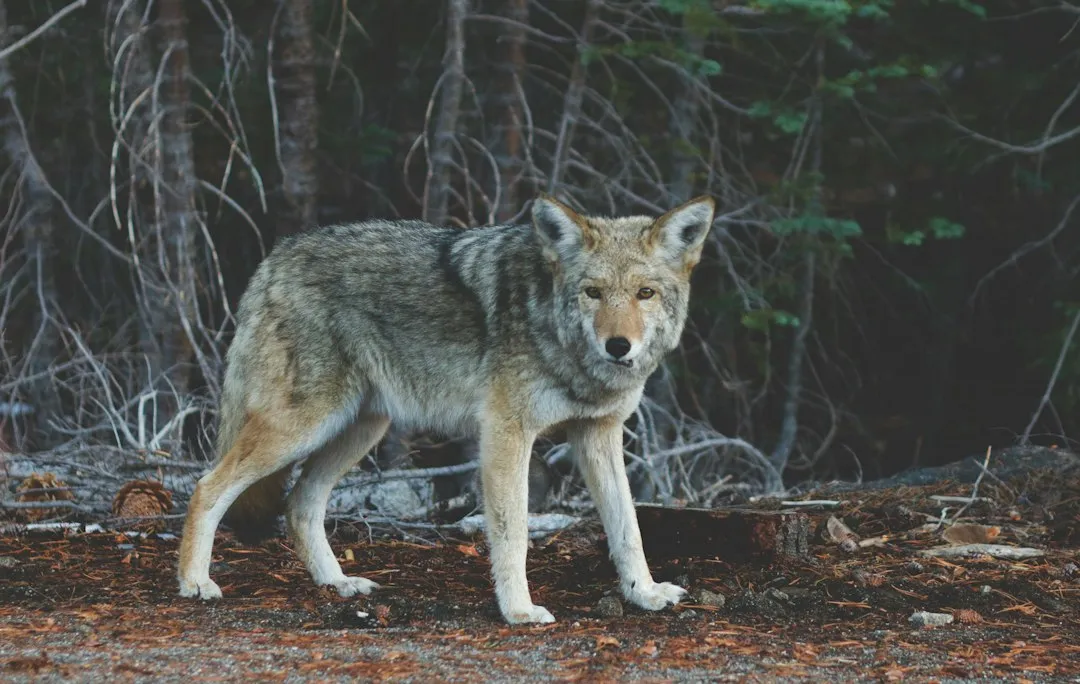
One key strategy is known as scatter hoarding. It is where animals make smaller caches of surplus food in many different locations, reducing the chance of losing everything to a competitor or going hungry in lean seasons. It’s mostly seen in wild canids such as foxes and wolves.
Wolves cache food especially when they travel alone or in small groups. Caching stores excess food, protects it from scavengers and maggots, and provides a buffer during periods of prey scarcity. Spreading reserves across different spots rather than concentrating them in one place is, from a survival standpoint, much safer.
When a treat arrives and the dog isn’t hungry enough to eat it, or the treat is too valuable to risk losing, the instinct is to put it somewhere safe for later. Couch cushions, laundry piles, flower beds, the gap behind the dog bed. It usually means the treat mattered and the appetite didn’t.
Wolf DNA Still Lives in Modern Dogs
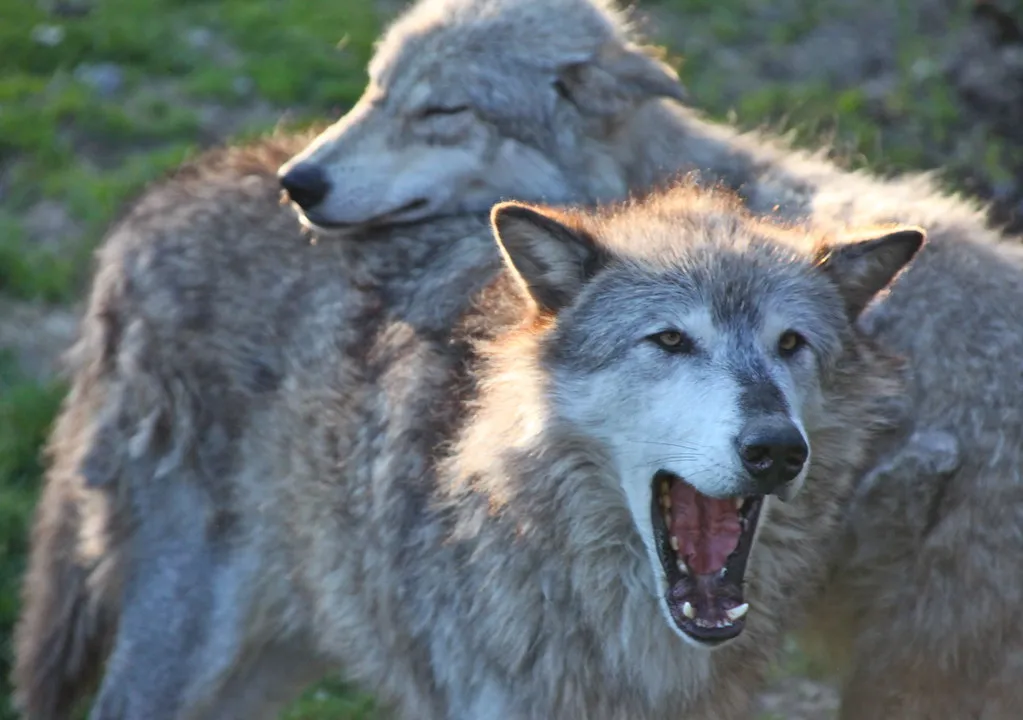
New findings from scientists at the American Museum of Natural History and the Smithsonian’s National Museum of Natural History show that most dogs alive today retain small but measurable amounts of wolf ancestry that developed after domestication. These lingering wolf genes appear to have influenced characteristics such as body size, scent abilities, and aspects of behavior.
Researchers studying thousands of canine genomes discovered that wolf DNA is still present in most dog breeds. This ancient genetic influence shows up in traits like body size, behavior, and environmental resilience. That finding, published by the American Museum of Natural History in late 2025, puts behaviors like treat-hiding in a much sharper light.
A dog may guard a favorite bone and, though he doesn’t chase animals, may still shake and disembowel stuffed squeaky toys. He may scratch the carpet and spin in circles before lying down or howl at sirens. These are all instincts carried over from the wolf.
How Dogs Remember Where They Put Everything
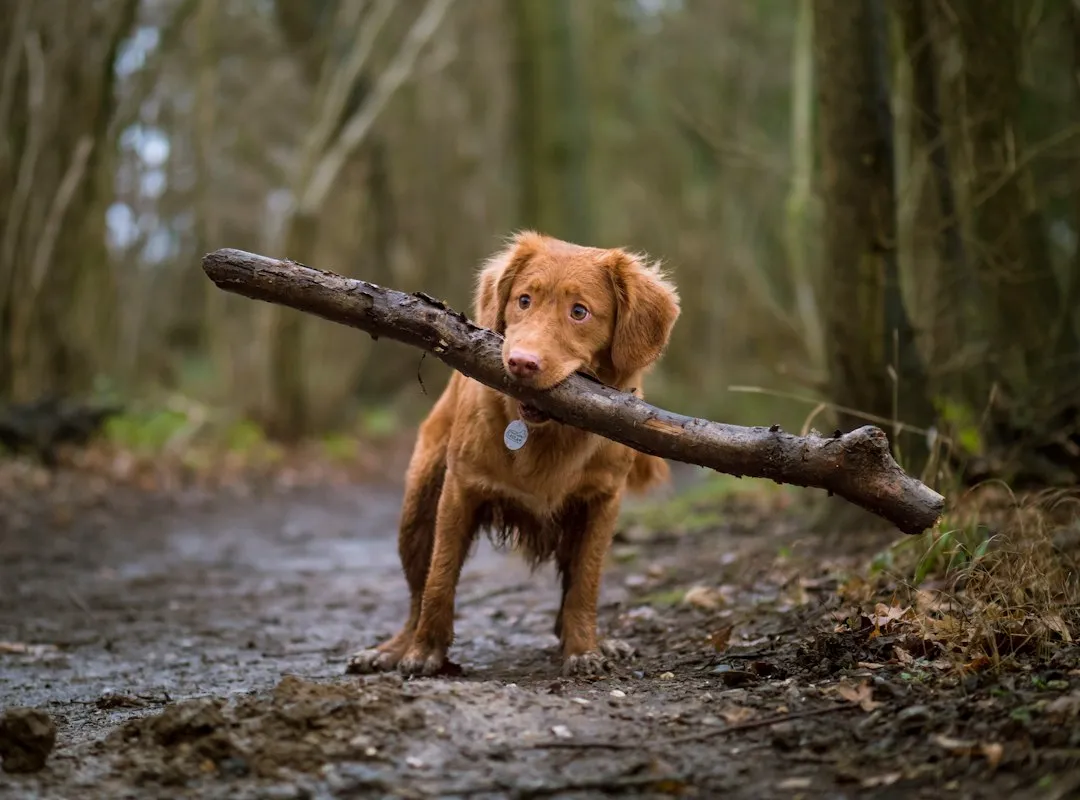
Dogs appear to rely on a combination of scent and observational spatial memory to remember where they have cached special items, such as food, treats, and toys. This is more sophisticated than it might sound at first.
Both wolves and their domesticated form, dogs, are social species known to make food caches, and previous studies have shown that they both can use observational spatial memory abilities to find hidden food. Researchers tested both species in a task requiring them to find multiple caches after observing a human hiding food items. Both wolves and dogs retrieved more caches and were more efficient when they had observed the hiding, suggesting they did not simply rely on scent to find the rewards.
Dogs also cache and retrieve food items on their own terms. According to research cited in the PLOS ONE study on observational spatial memory, dogs can remember a disappeared food item for up to 30 minutes. That’s a meaningful window of working memory for a species often assumed to live entirely in the moment.
When There’s Simply Too Much at Once
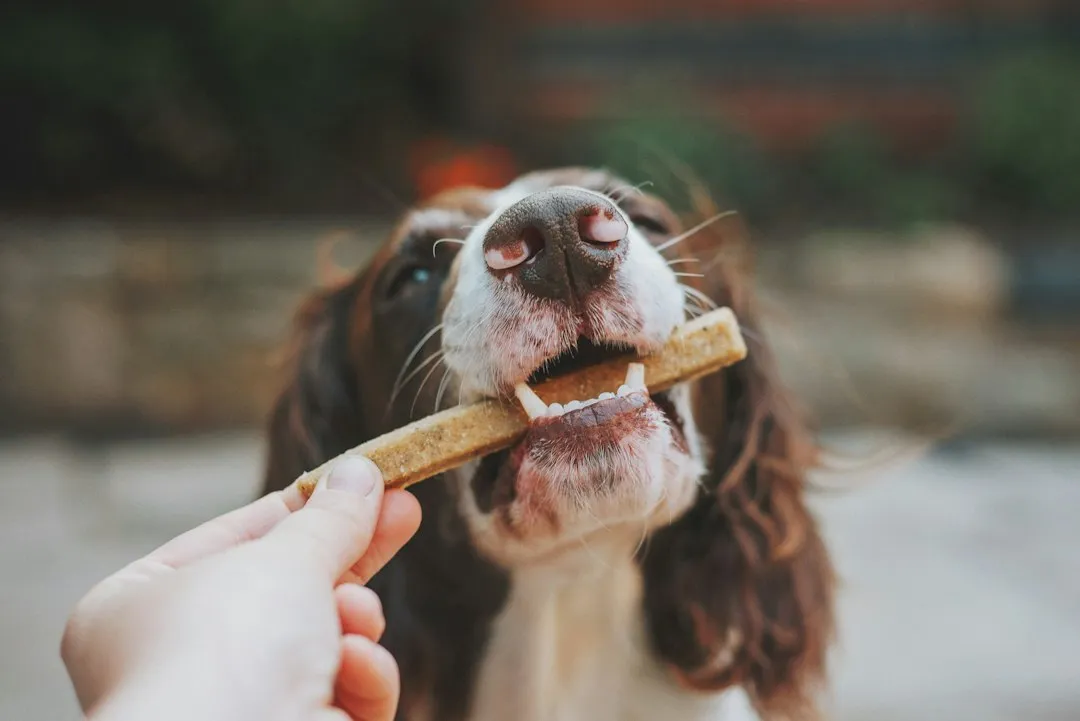
When a dog receives more than they can eat, they look for a place to store the extra. If you are generous with high-value treats throughout the day, your dog may feel full but still value the item too much to leave it lying around. They choose to save it for a rainy day.
If your dog gets more than they can finish, or simply isn’t hungry yet, hiding the extra is their way of saving it. Think of it less as strange behavior and more as practical resource management from their perspective.
Interestingly, the type of treat matters as much as the quantity. A plain kibble treat rarely ends up buried. A meaty bone or a long-lasting chew is a completely different story, because the perceived value of the item drives the caching impulse more than hunger does.
Resource Guarding: Protecting What Feels Precious
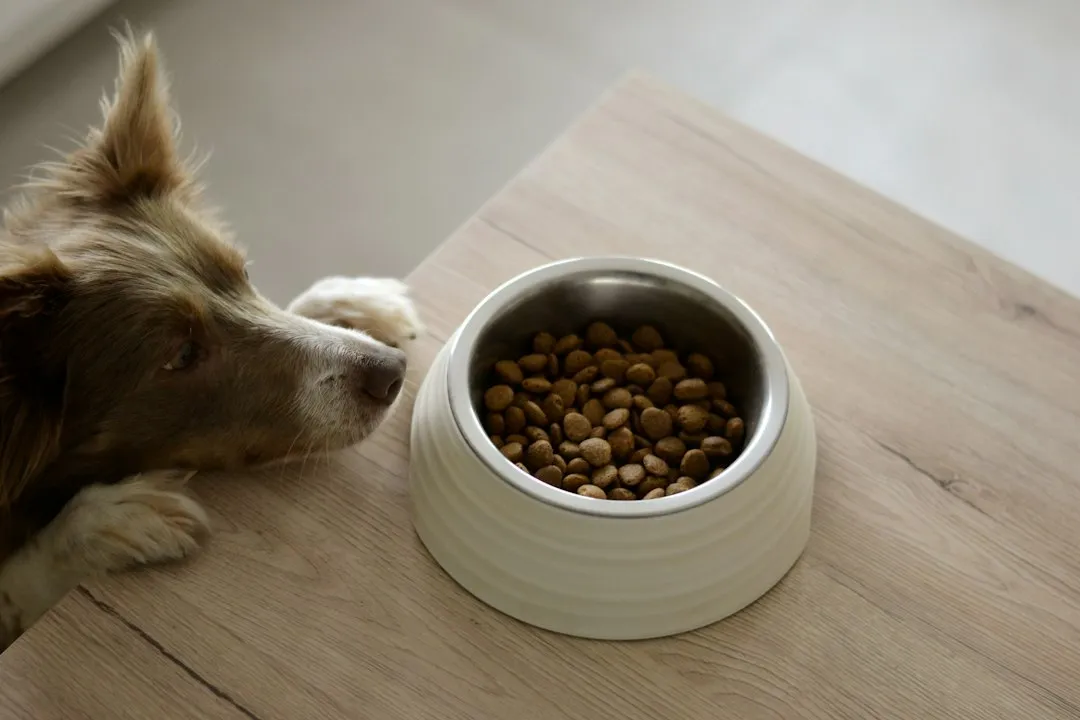
Resource guarding is a relatively common behavior problem in dogs. It is defined as a dog using avoidance, threatening, or aggressive behaviors to retain control of food or other items in front of a person or other animal.
The psychology behind resource guarding is typically rooted in anxiety. Former street dogs often guard food because they’ve gone through a period where they had to forage for every meal. That drive to protect resources can continue even when the dog is in a new home with a secure food source.
Research involving thousands of dogs found that those with higher levels of impulsivity were more likely to display avoidance, rapid ingestion, and aggressive resource guarding, and dogs with higher levels of fearfulness were also more likely to display guarding aggression. Hiding treats quietly is often the mildest end of this behavioral spectrum.
The Role of Anxiety and Past Experience

Dogs who have experienced food scarcity or stress, such as displaced dogs that have been stray, may cache more as a coping mechanism shaped by that experience. This is a critical distinction: not all treat-hiding looks the same, and for some dogs it carries a heavier emotional weight.
Changes in living arrangements or environmental disruptions may exacerbate anxiety and may contribute to territorial aggression and resource guarding, both of which are manifestations of anxiety. Environmental instability can quietly intensify behaviors that might otherwise be mild.
A dog adopted from a shelter or rescued from neglect may hide food out of a genuine psychological need for security. That’s worth keeping in mind before assuming the behavior is simply playful or instinctual.
Breed Tendencies That Make Some Dogs More Likely to Cache
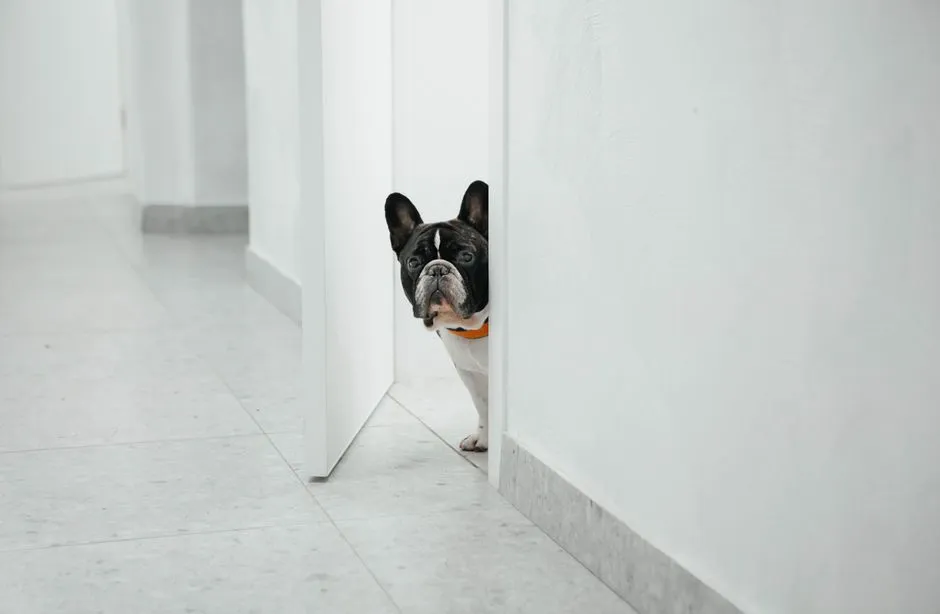
Certain breeds are more prone to this behavior due to their genetic background. Breeds that were historically bred for digging or hunting, such as Terriers and Dachshunds, are more likely to display treat-hiding behaviors.
This instinct remains ingrained in domestic dogs today, even though they may not face the same harsh conditions. When a pup buries a treat, they are tapping into a primal instinct aimed at ensuring survival during leaner times. This behavior is particularly prevalent in breeds that were historically tasked with hunting and foraging.
That said, breed is only part of the picture. Individual personality, household routine, and the dog’s history all contribute just as much. Plenty of Golden Retrievers are enthusiastic hoarders, and some Terriers never bother at all.
Boredom and Play as Equally Valid Motivations
Dogs might hide treats as a form of entertainment or to alleviate boredom. The act of finding a hiding spot, nudging the item into position, and covering it up engages problem-solving circuits in a meaningful way.
For plenty of dogs, burying and rediscovering a treat is simply a fun game that gives them mental exercise. The joy a dog shows when they “find” their own hidden treasure is entirely genuine, not a performance.
A dog with pent-up energy might use the project of finding the perfect hiding spot as a way to self-entertain. If a dog isn’t getting enough mental stimulation through walks, training, or interaction, treat-hiding becomes a way to invent their own enrichment activity.
What the Earth Offers That a Food Bowl Doesn’t
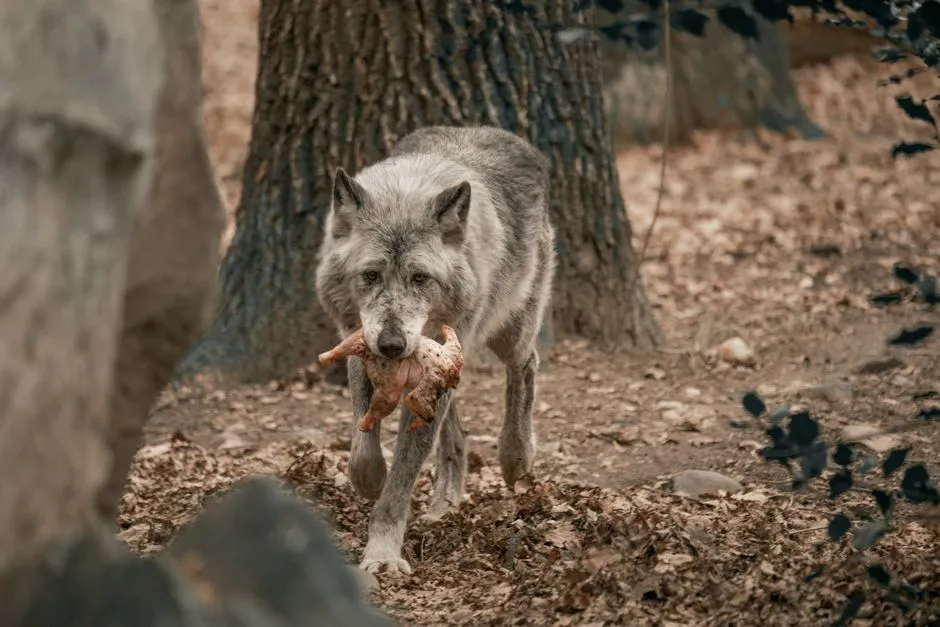
The earth acts as a natural refrigerator. Soil is cooler than the surface air, which helps slow down the decomposition of the food. Burying also masks the scent of the food from scavengers like vultures or other rival packs.
Researchers captured 151 caching episodes by 8 wolves on video. The vast majority of these episodes contained three distinct phases, each composed of movements unique to that phase. The excavation of the cache site was always done with the forefeet, and burying of the food was always done with the snout. That rigid motor sequence, observed in wolves, shows up in domestic dogs too, even when they’re pushing a treat under a sofa cushion with their nose.
One common myth is that dogs bury treats because they want them to ferment and taste better later. The primary reason is actually preservation and protection from other animals, not flavor enhancement.
How to Work With the Behavior Rather Than Against It
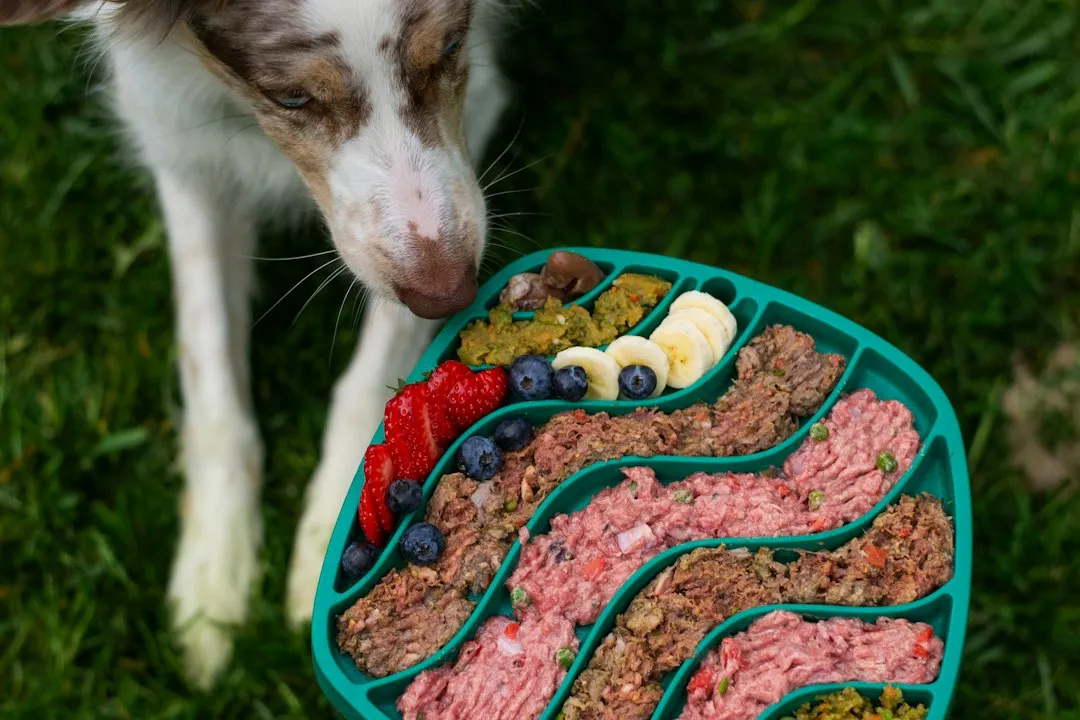
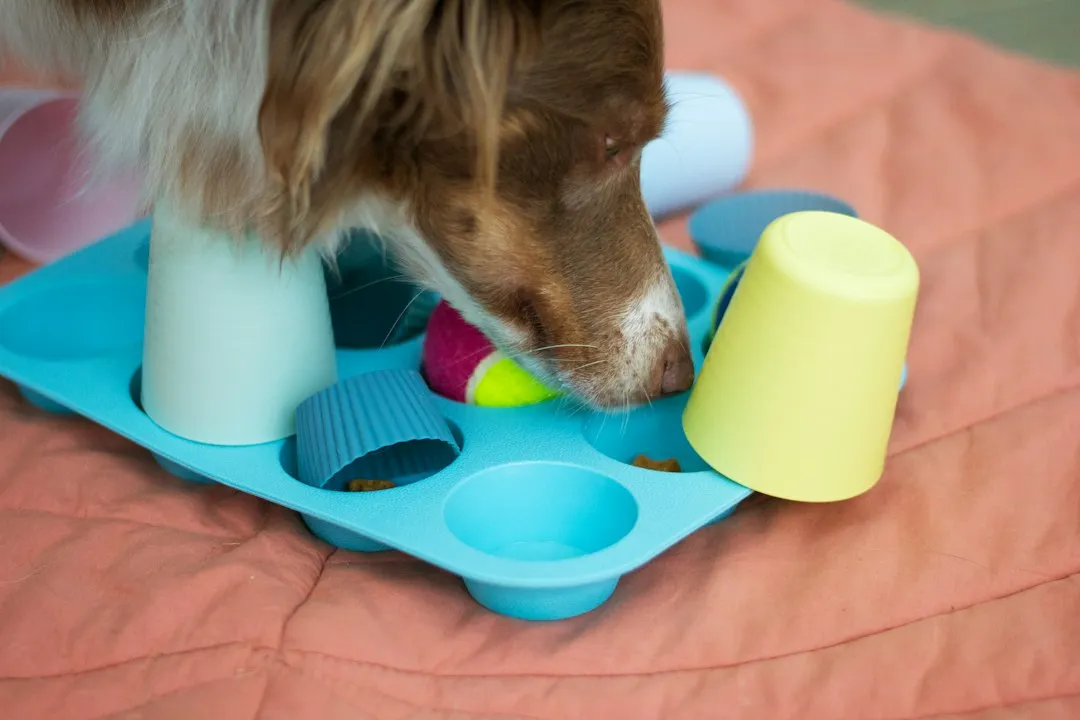
Snuffle mats and slow-feeding interactive puzzle toys can be a terrific way to provide dogs with foraging-based behavioral interaction. These let you hide the dog’s food or treats in folds of fabric, compartments, or textured surfaces, so the dog then needs to actively problem-solve to get at their goal.
It’s normal for dogs to hide treats. This behavior is often driven by instinct, habit, or environmental factors. While it can be puzzling to owners, it’s generally harmless unless it stems from anxiety or overfeeding.
To successfully manage resource guarding, we must change the underlying motivation and emotion behind the behavior, which may include anxiety, fear, or frustration. Studies have shown that reward-based methods are more effective and humane when managing behavior problems such as resource guarding. For everyday caching with no signs of distress, simply understanding why it happens is often enough.
The Takeaway
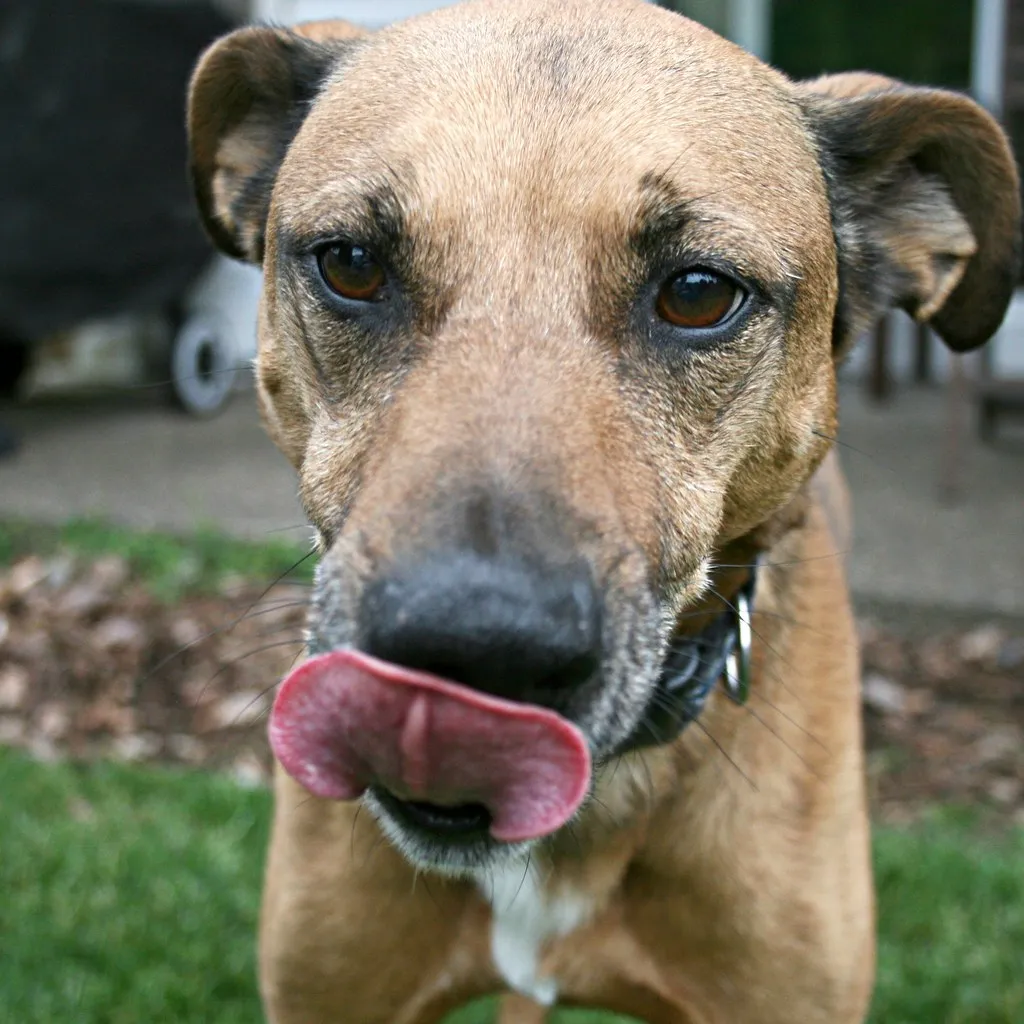
When your dog vanishes around the corner with a treat clenched in their teeth, they’re not being secretive or ungrateful. They’re doing exactly what millions of years of canine evolution prepared them to do: securing a resource, managing a surplus, and ensuring there’s something left for later.
The behavior sits at the intersection of genetics, memory, emotion, and environment. It can be playful in one dog and anxiety-driven in another, which is why context always matters more than the surface behavior itself.
Most of the time, a hidden treat is simply a dog being a dog. The more interesting question isn’t why they do it, but how much of their wild past is still quietly running in the background every single day.
AI Disclaimer: This article was created with the assistance of AI tools and reviewed by a human editor.